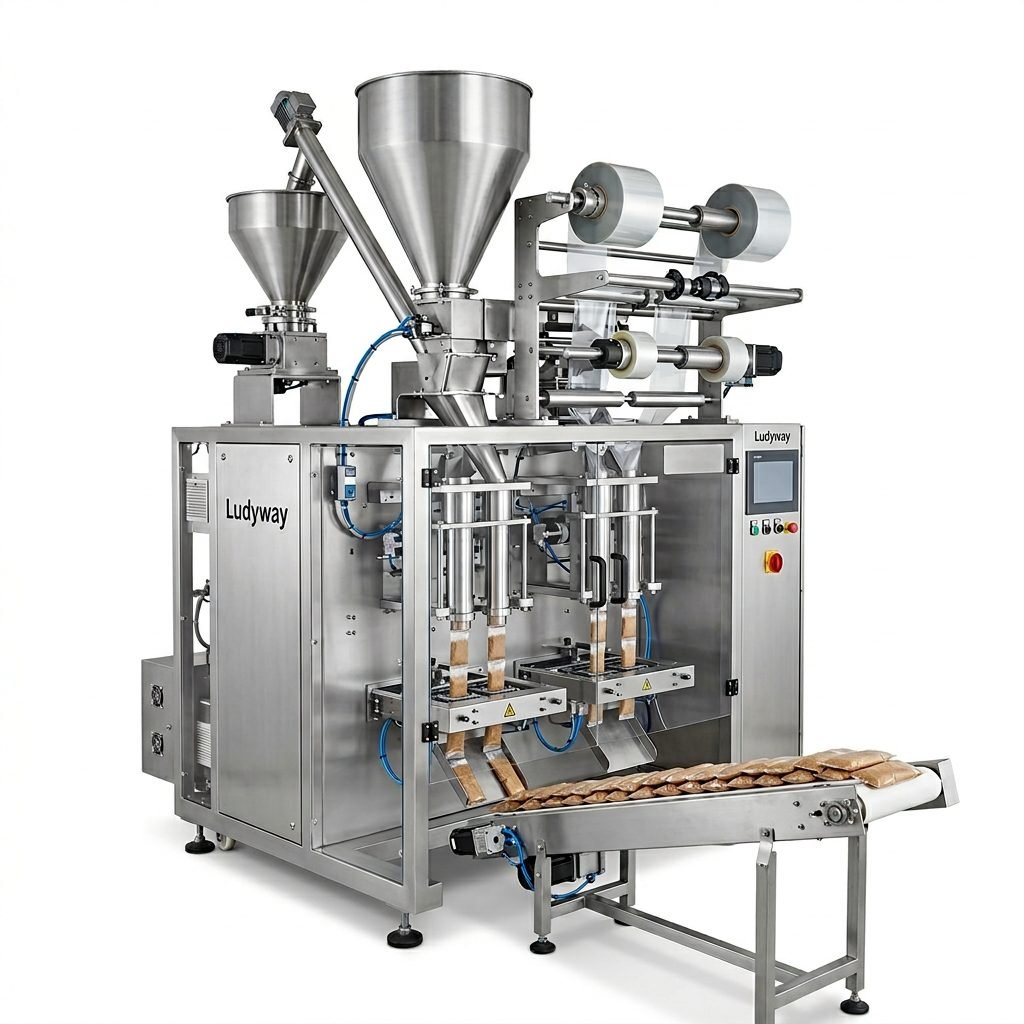
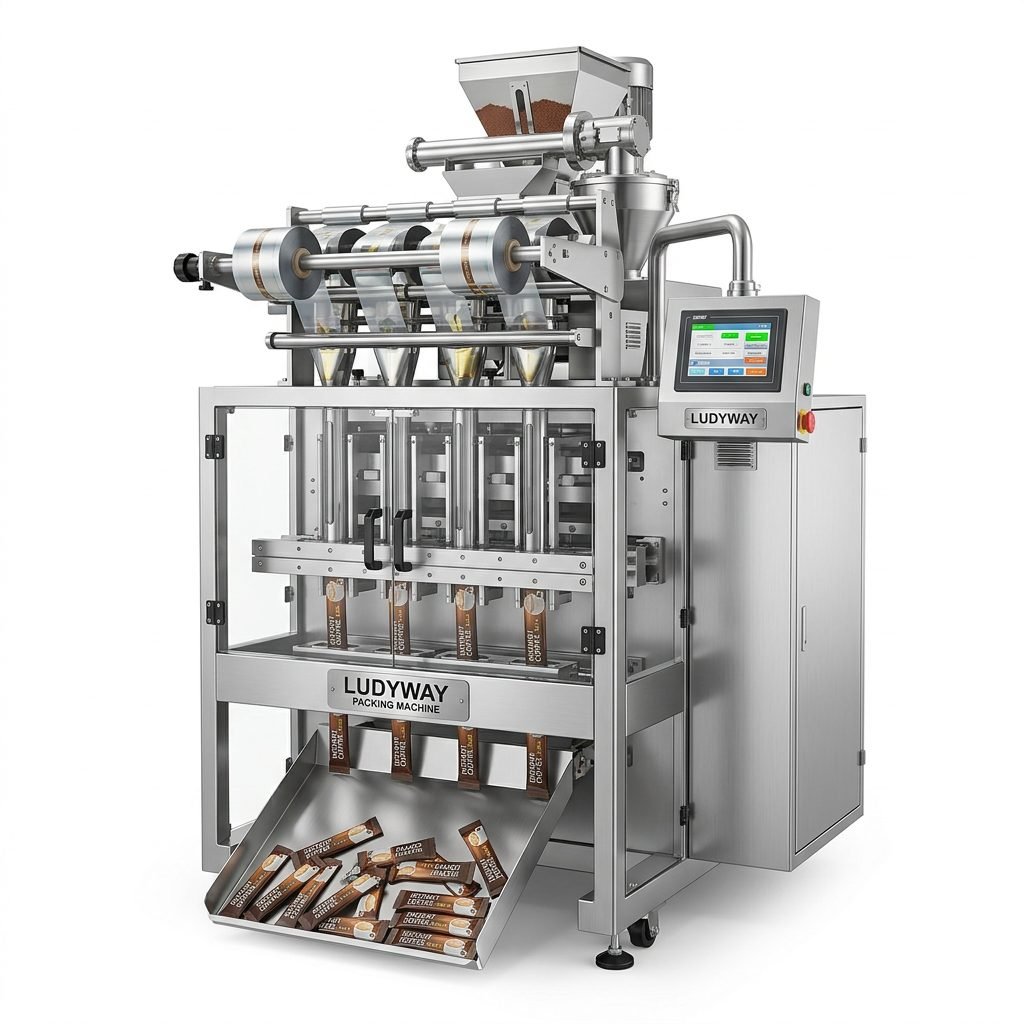
Paper packaging has become a cornerstone of sustainable and efficient product presentation across numerous industries. From food and pharmaceuticals to cosmetics and hardware, the demand for reliable, eco-friendly, and cost-effective packaging solutions is higher than ever. At the heart of this process lies the paper packaging machine, a sophisticated piece of equipment that automates the forming, filling, and sealing of paper-based pouches, sachets, and bags. This comprehensive guide delves into the various types of paper packaging machines, explains their working processes, and provides a detailed framework to help you select the perfect model for your production needs.
Understanding Paper Packaging Machines
Paper packaging machines are automated systems designed to create sealed packages from roll-fed paper or paper-composite materials. They are engineered to handle a variety of product forms—including granules, powders, liquids, and solids—with high speed, precision, and hygiene. These machines are pivotal for brands looking to reduce plastic use, meet consumer preferences for sustainable packaging, and streamline their production lines for greater output and consistency.
Key Advantage: Modern paper packaging machines often utilize laminates that combine paper with thin plastic or aluminum layers. This provides the sustainability appeal of paper with the necessary barrier properties for product protection, such as moisture resistance and extended shelf life.
Core Components of a Typical Machine
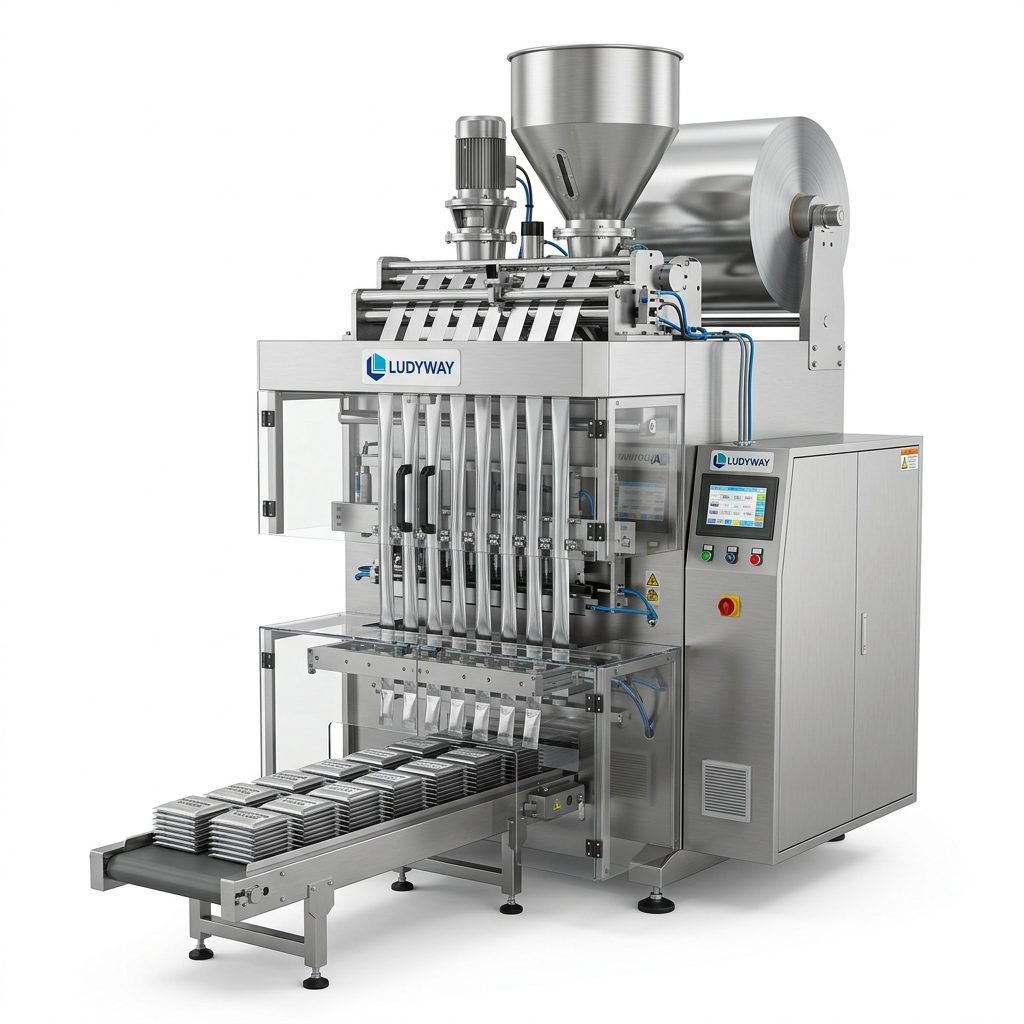
While designs vary, most paper packaging machines share several fundamental components:
- Unwinding System: Holds and feeds the roll of packaging material (paper laminate).
- Forming Section: Shapes the flat material into a tube using a forming shoulder.
- Vertical Sealing Mechanism: Creates the longitudinal seal of the tube.
- Product Feeding System: Precisely doses the product into the formed tube via a funnel or auger.
- Horizontal Sealing & Cutting Jaws: Create the top and bottom seals of individual packages and cut them apart.
- Control Panel (HMI): The user interface for setting parameters like speed, temperature, and package length.
- Discharge Conveyor: Transports finished packages for collection or secondary packaging.
Types of Paper Packaging Machines
Choosing the right machine starts with understanding the different configurations available. The primary classification is based on the machine’s structure and the type of package it produces.
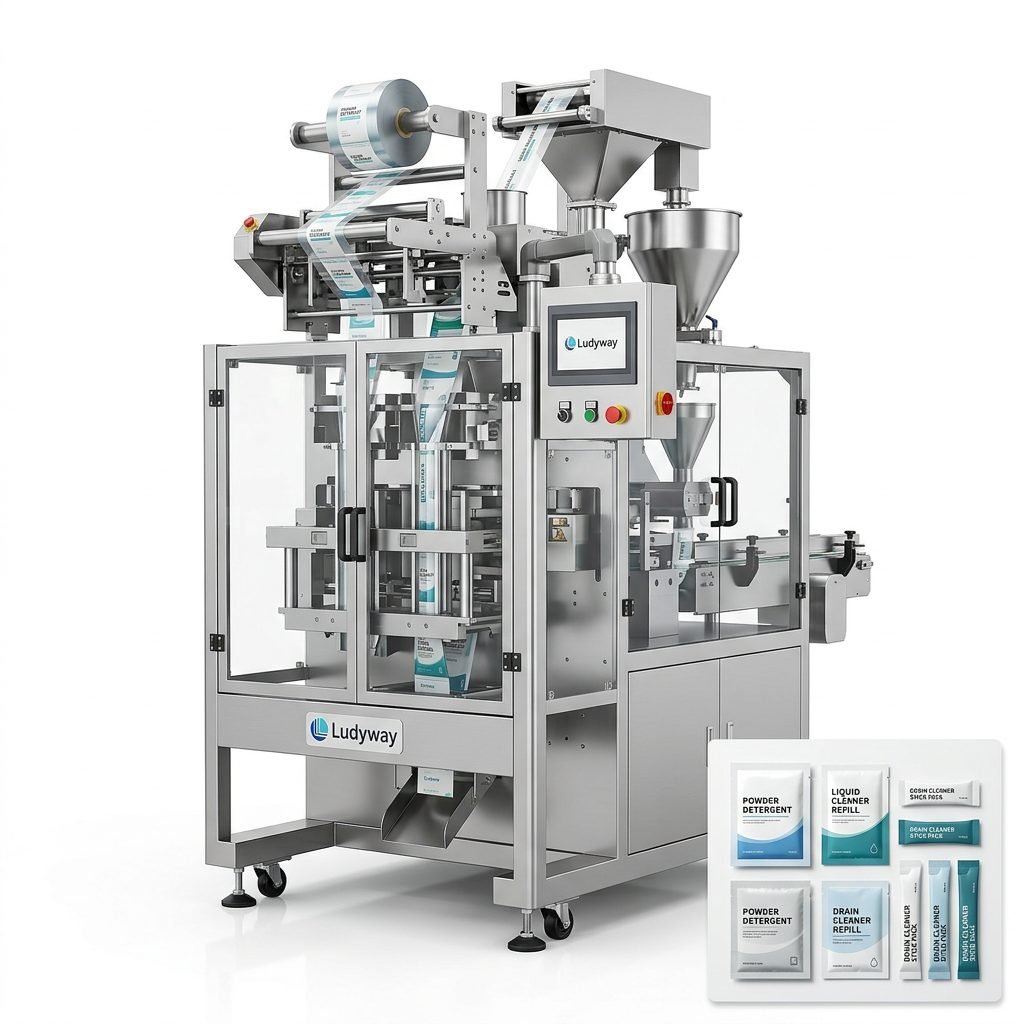
1. Vertical Form-Fill-Seal (VFFS) Machines
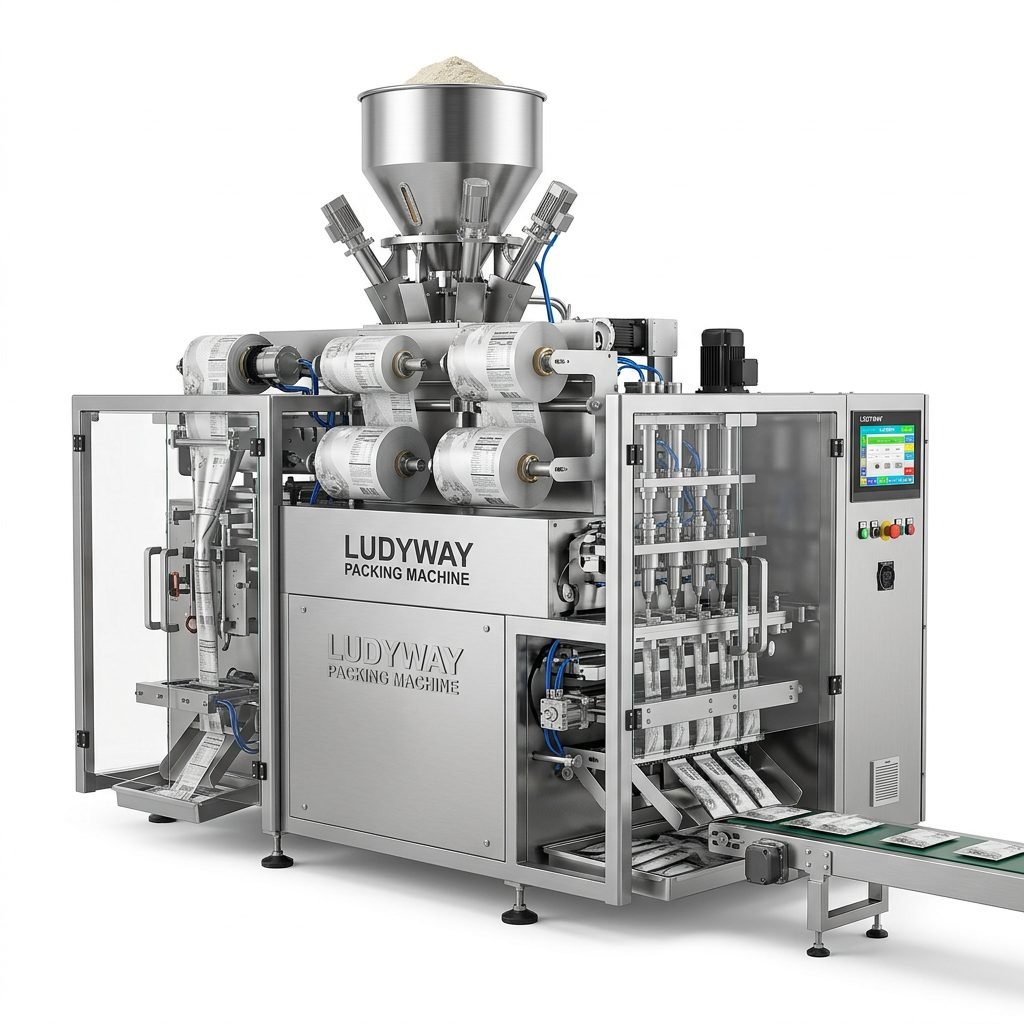
These are the most common type for granular, powdered, and small solid items. The packaging material is pulled from a roll and formed vertically into a tube. The product is filled from above, and then the machine makes horizontal seals to create individual bags or pouches. VFFS machines are renowned for their high speed, compact footprint, and efficiency in producing pillow-style bags.
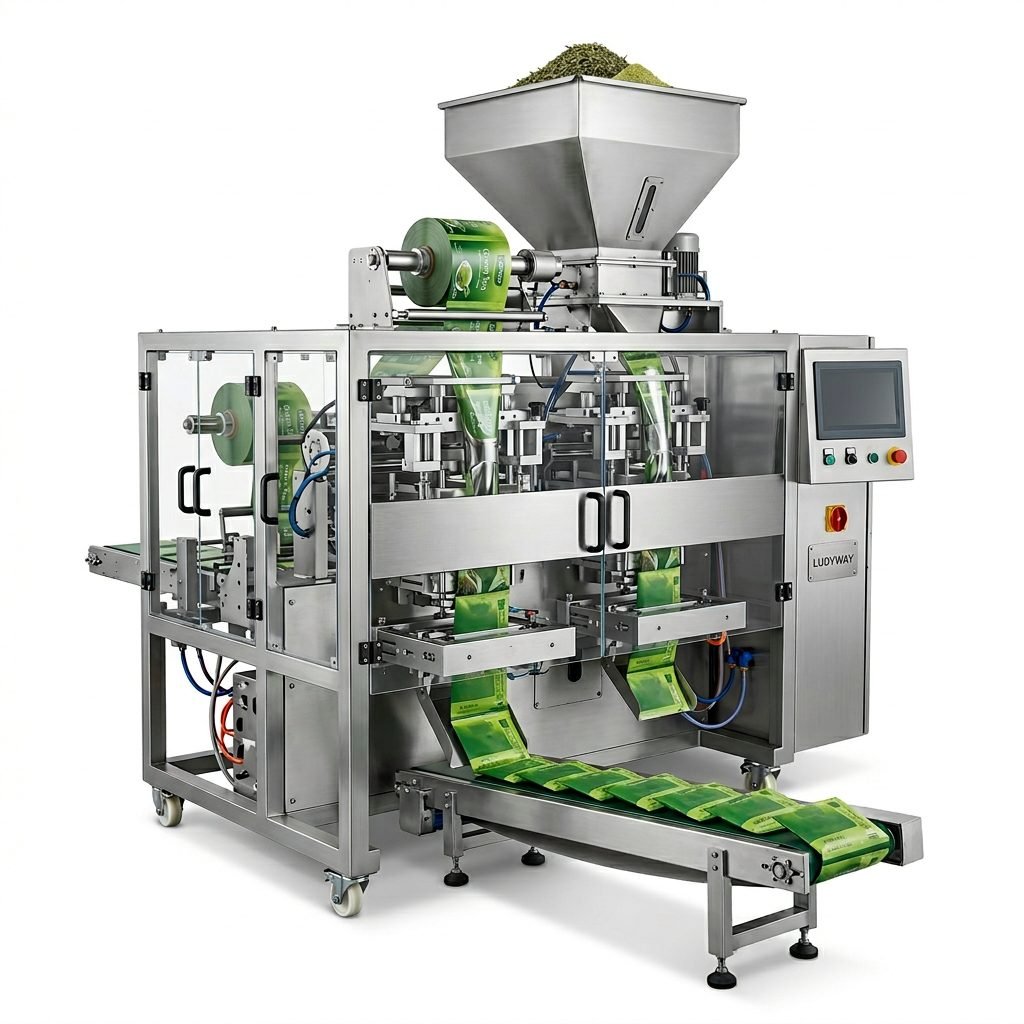
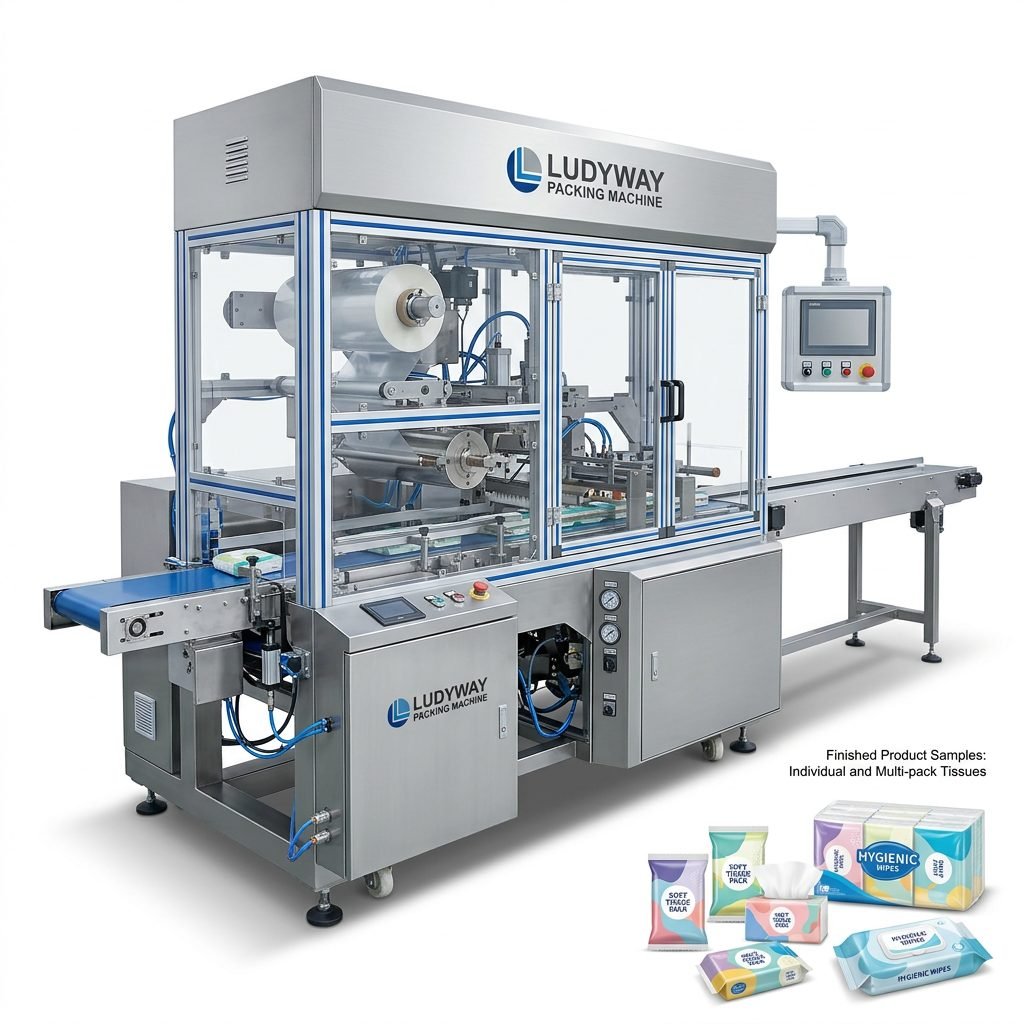
2. Horizontal Form-Fill-Seal (HFFS) Machines
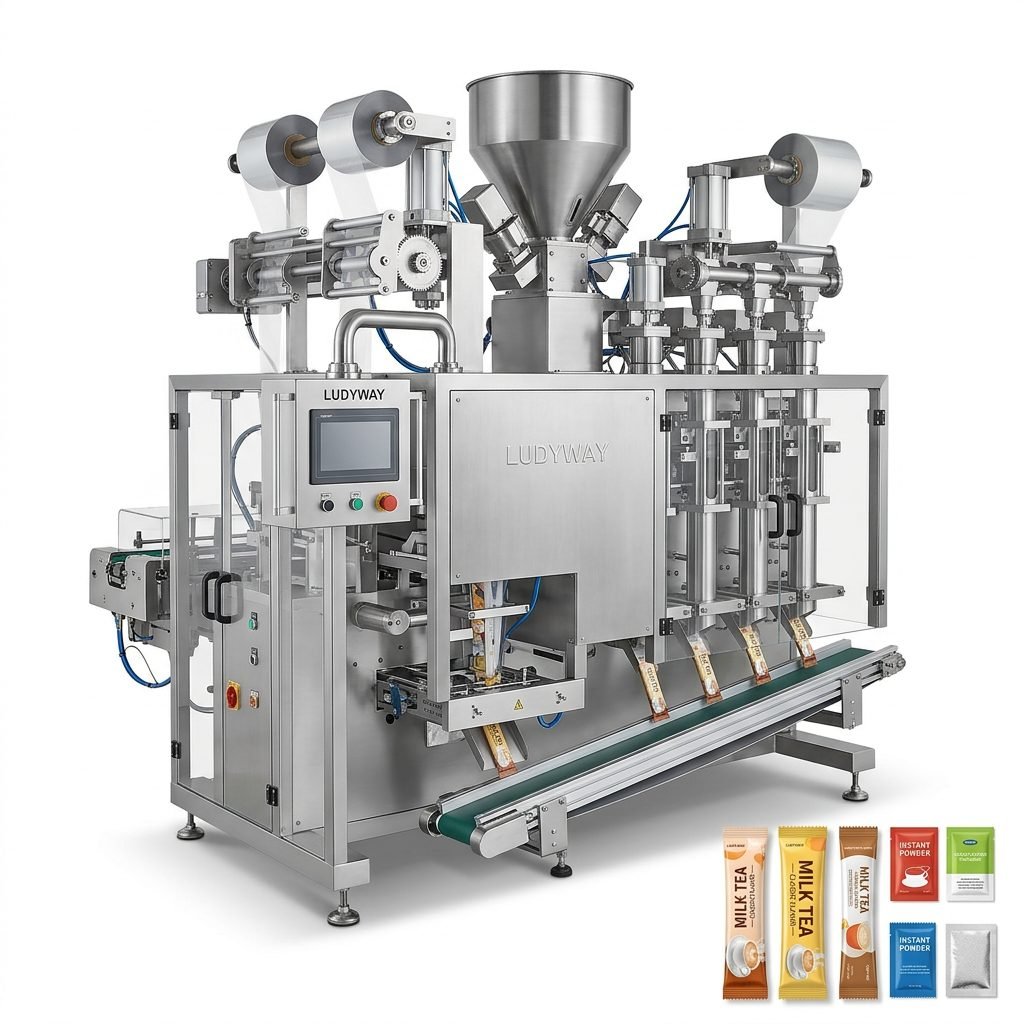
In an HFFS machine, the film is fed horizontally. It is often used for more complex packaging shapes, such as four-side-seal pouches or sachets. This type is ideal for products that require a flat, presentation-oriented package or for inserting multiple items into a single pouch. They are widely used for tea bags, wet wipes, and single-serve condiments.
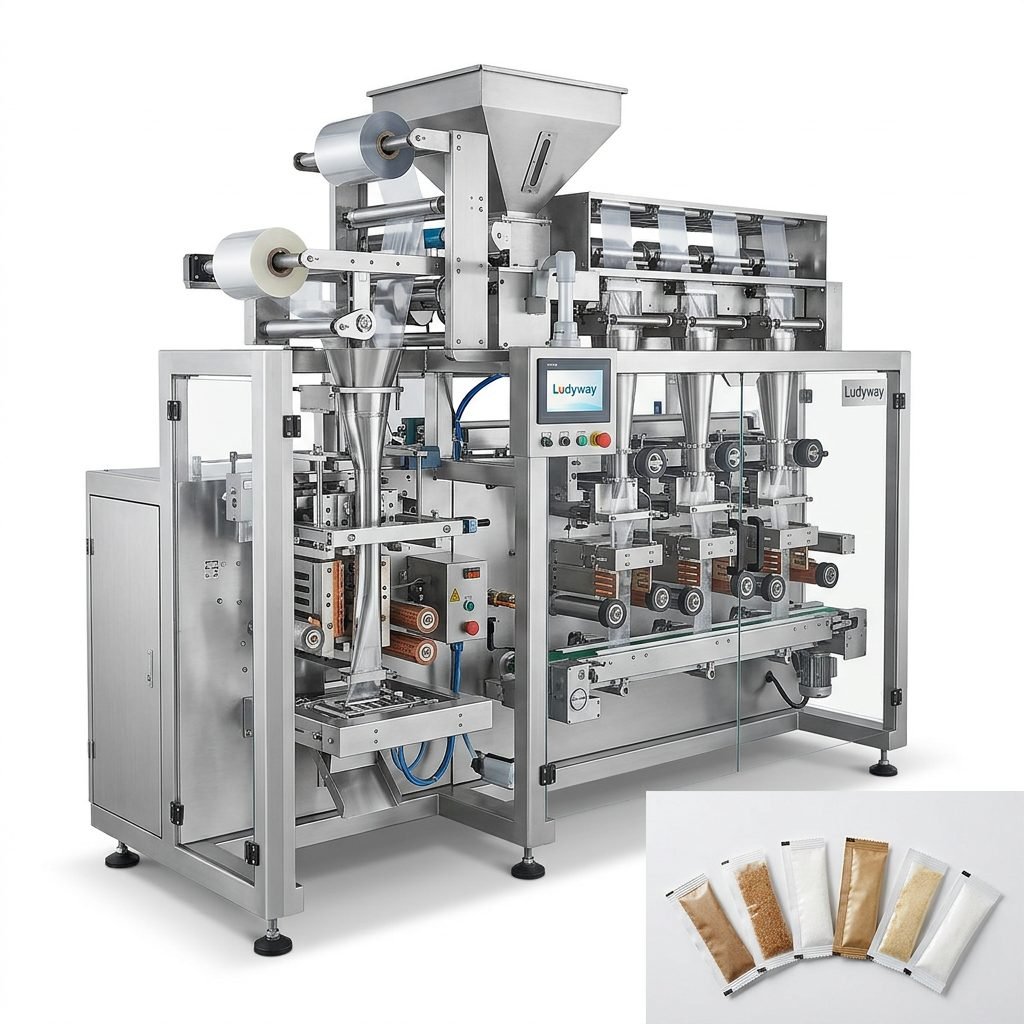
3. Stick Pack Machines
A specialized subtype, often based on VFFS principles, designed to produce long, narrow “stick” packs. These are extremely popular for single-serving powders (like coffee, sugar, or supplements) due to their space-saving design and convenience for end-users. Modern stick pack machines can feature multiple lanes for simultaneous production, dramatically increasing output.
4. Liquid & Paste Filling Machines
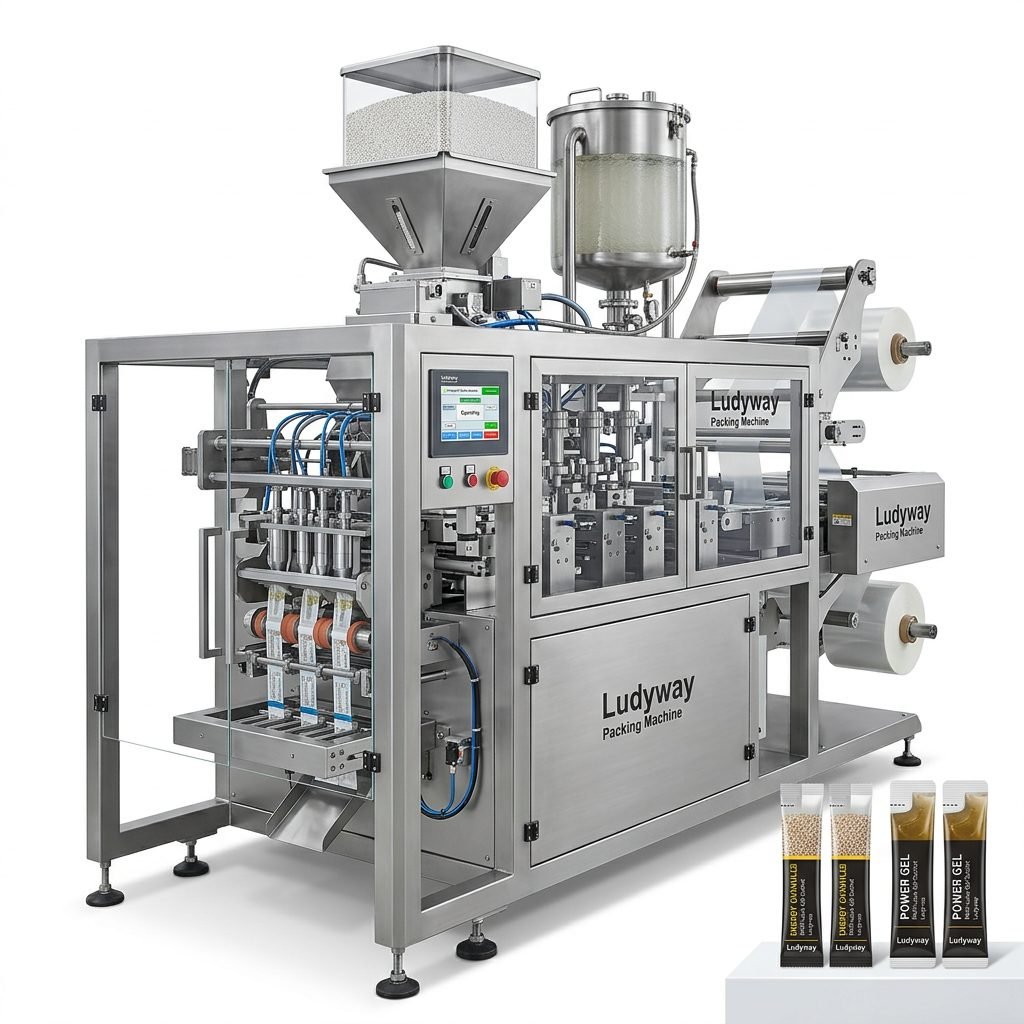
These machines are engineered to handle viscous products like sauces, oils, shampoos, or pastes. They incorporate precise liquid filling pumps (such as piston pumps) and are designed with sealing jaws that can manage potential contamination from product drips. The paper laminate used must have excellent liquid barrier properties.
Choosing Between VFFS and HFFS
Your product dictates the choice. VFFS is typically best for free-flowing products that can be gravity-fed or auger-fed into a bag. HFFS offers more flexibility in pouch design and is better suited for fragile items, multi-component packs, or products that need to be laid flat before sealing.
The Working Process: From Roll to Finished Pack
The operation of a paper packaging machine is a continuous, synchronized cycle. Here’s a step-by-step breakdown:
- Material Feeding: A roll of paper-based laminate is mounted on the unwinder. Sensors ensure tension control for smooth feeding.
- Tube Forming: The flat material passes over a “forming shoulder,” which gradually shapes it into a cylindrical tube.
- Longitudinal Sealing: The overlapping edges of the material are sealed together by a heated vertical sealer, creating a continuous tube.
- Product Metering & Filling: The product is precisely measured by a volumetric auger, pump, or scale system and injected into the tube via a filling nozzle.
- Cross Sealing & Cutting: Horizontal sealing jaws clamp the tube below the product to create the bottom seal of one pack and the top seal of the pack below. They simultaneously cut the packages apart.
- Discharge & Collection: The finished packs are discharged onto a conveyor belt for manual collection, counting, or transfer to a cartoning machine.
How to Choose the Right Paper Packaging Machine Model
Selecting a machine is a significant investment. A systematic evaluation based on your specific needs will ensure a successful outcome.
1. Analyze Your Product Characteristics
This is the most critical factor. Define your product’s form (granule, powder, liquid), flowability, abrasiveness, and any special requirements (hygienic, sterile, sensitive to heat). The product dictates the choice of filling system (auger, pump, volumetric cup) and the necessary sealing parameters.
2. Determine Your Production Requirements
- Speed (Packs Per Minute): Calculate your required output based on current and future demand.
- Package Size & Style: Define the dimensions (length, width) and style (pillow bag, gusseted, stick pack, sachet) you need. Ensure the machine’s range covers your specifications.
- Material Type: Confirm the machine is compatible with your chosen paper laminate (grammage, coating, number of layers).
3. Evaluate Machine Features & Technology
Look for features that enhance efficiency and ease of use:
- Control System: A user-friendly touchscreen HMI with recipe storage allows for quick changeovers.
- Changeover Ease: How quickly can you switch between different package sizes? Look for machines with tool-less or quick-release mechanisms.
- Accuracy: High-precision servomotors for driving the film and filling system ensure consistent package weight and quality.
- Safety & Compliance: The machine should meet relevant safety standards (e.g., CE, UL) for your region.
4. Consider Supplier Credibility and Support
The machine is only as good as the company behind it. Partner with a supplier known for quality and reliability. Ludyway Machinery, for instance, brings over a decade of focused expertise in packaging automation. A reputable supplier will offer comprehensive services including installation, training, readily available spare parts, and responsive technical support, which is crucial for minimizing downtime.
⚠️ Critical Consideration: Total Cost of Ownership (TCO)
Look beyond the initial purchase price. Factor in long-term costs such as energy consumption, maintenance requirements, spare part availability, and potential costs from machine downtime. A slightly higher initial investment in a robust, reliable machine from a trusted supplier like Ludyway often results in a lower TCO and greater peace of mind.
5. Plan for Future Growth
Choose a machine that can scale with your business. Can it be upgraded with additional features (like a gas flushing system for modified atmosphere packaging)? Does the supplier offer a range of models you can grow into? Opting for a modular or slightly higher-capacity machine can be a wise strategic move.
Frequently Asked Questions (FAQs)
What type of paper material can these machines use?
Most machines are designed for roll-fed laminates. This is typically paper bonded to a thin layer of plastic (like PE or PP) or aluminum foil. The specific combination depends on the required barrier properties (moisture, oxygen, grease). Pure, uncoated paper is rarely used alone for automated packaging as it lacks sealability and barrier strength.
How difficult is it to change the package size on a paper packaging machine?
The difficulty varies by machine model. Modern, well-designed machines allow for quick changeovers, often in under 15-30 minutes, with minimal tools. This involves changing the forming tube, adjusting the sealing jaw widths, and selecting the new recipe on the HMI. Always inquire about the changeover process and time during your evaluation.
Can one machine handle both granules and powders?
Many machines can, but it usually requires changing the filling system. A machine might come with an auger filler suitable for granules. To handle fine powders, you may need to switch to a different auger type or a specialized powder filling head to prevent dust and ensure accuracy. Discuss your product range with the supplier to configure the right filling system.
What are the key maintenance requirements?
Regular maintenance is essential for longevity and consistent performance. Key tasks include daily cleaning to prevent product buildup, regular lubrication of moving parts as per the manual, inspection and cleaning of sealing jaws, and checking the wear on parts like the forming tube and cutting blades. A good supplier will provide a clear maintenance schedule.
Is operator training provided by the machine supplier?
Yes, professional training should be a standard part of the purchase from any reputable supplier. This typically includes on-site training during installation covering machine operation, basic troubleshooting, routine maintenance, and safety procedures. This ensures your team can run the machine efficiently and safely from day one.