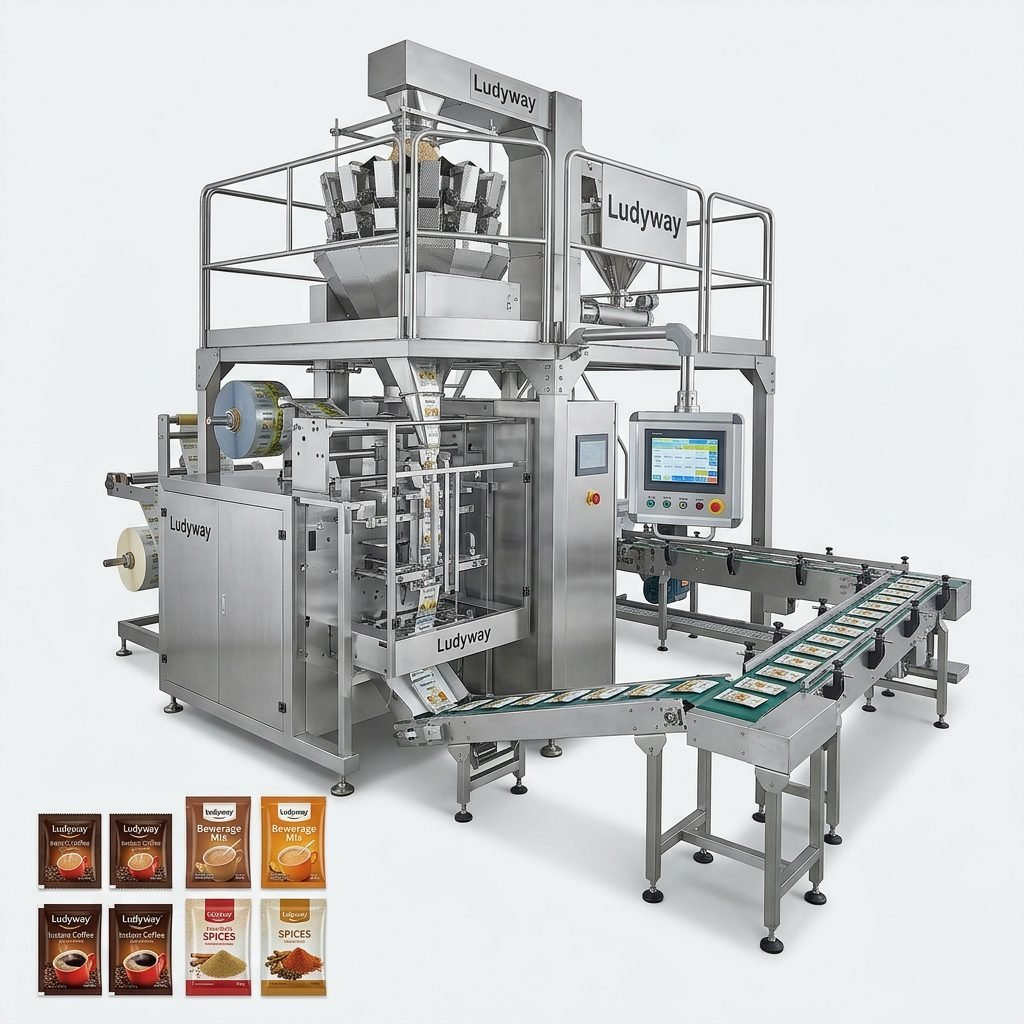
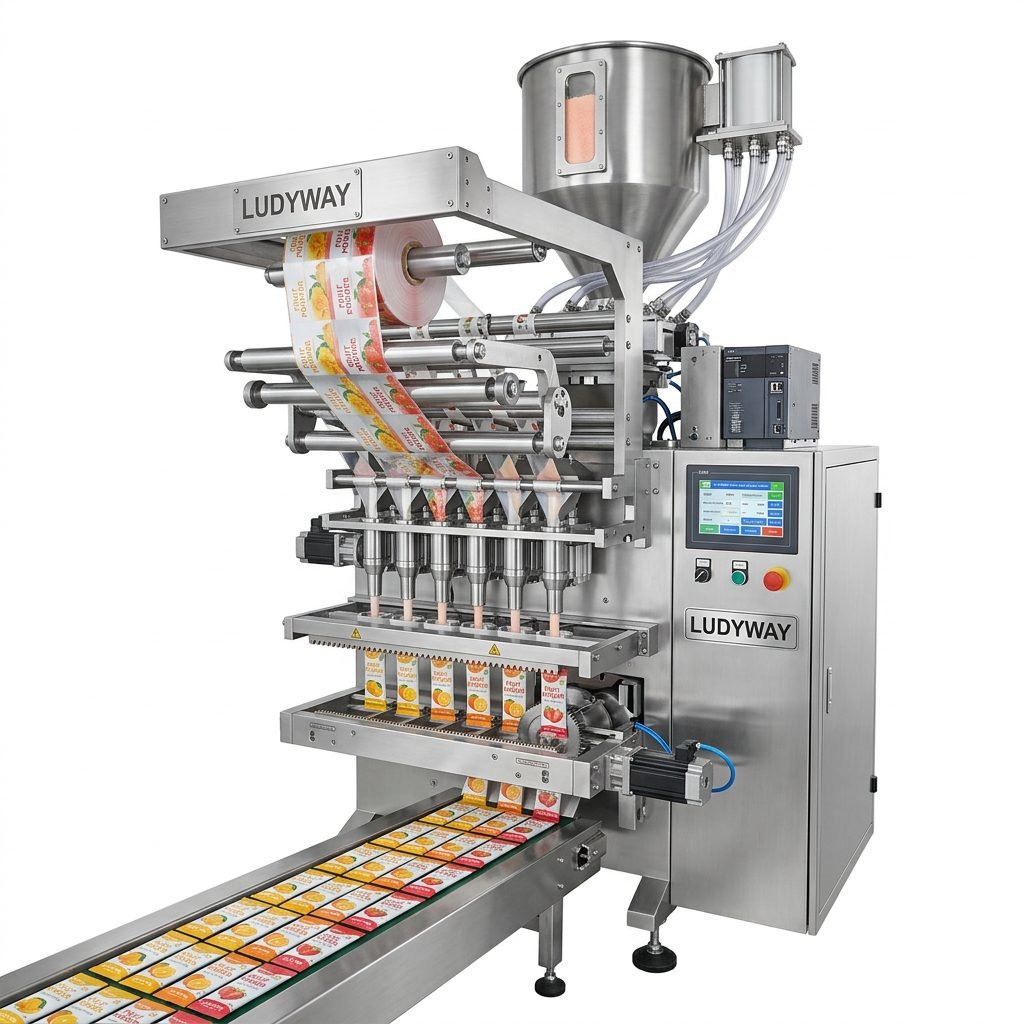
The global pouch packaging machine market represents a dynamic and rapidly evolving segment of the industrial packaging landscape. Driven by consumer demand for convenience, product freshness, and sustainability, pouch packaging has become a preferred format across numerous industries. This growth directly fuels the need for sophisticated, automated machinery capable of handling diverse materials, product forms, and production speeds. From single-serve condiments to premium coffee and pharmaceutical powders, the versatility of pouches is matched only by the complexity and innovation of the machines that create them. Understanding the types, applications, key drivers, and future opportunities within this market is essential for manufacturers and investors looking to capitalize on this expanding field.
Types of Pouch Packaging Machines
The market offers a wide array of machinery, each designed for specific pouch styles and production requirements. The primary segmentation is based on the operation type and the pouch format produced.
Vertical Form-Fill-Seal (VFFS) Machines
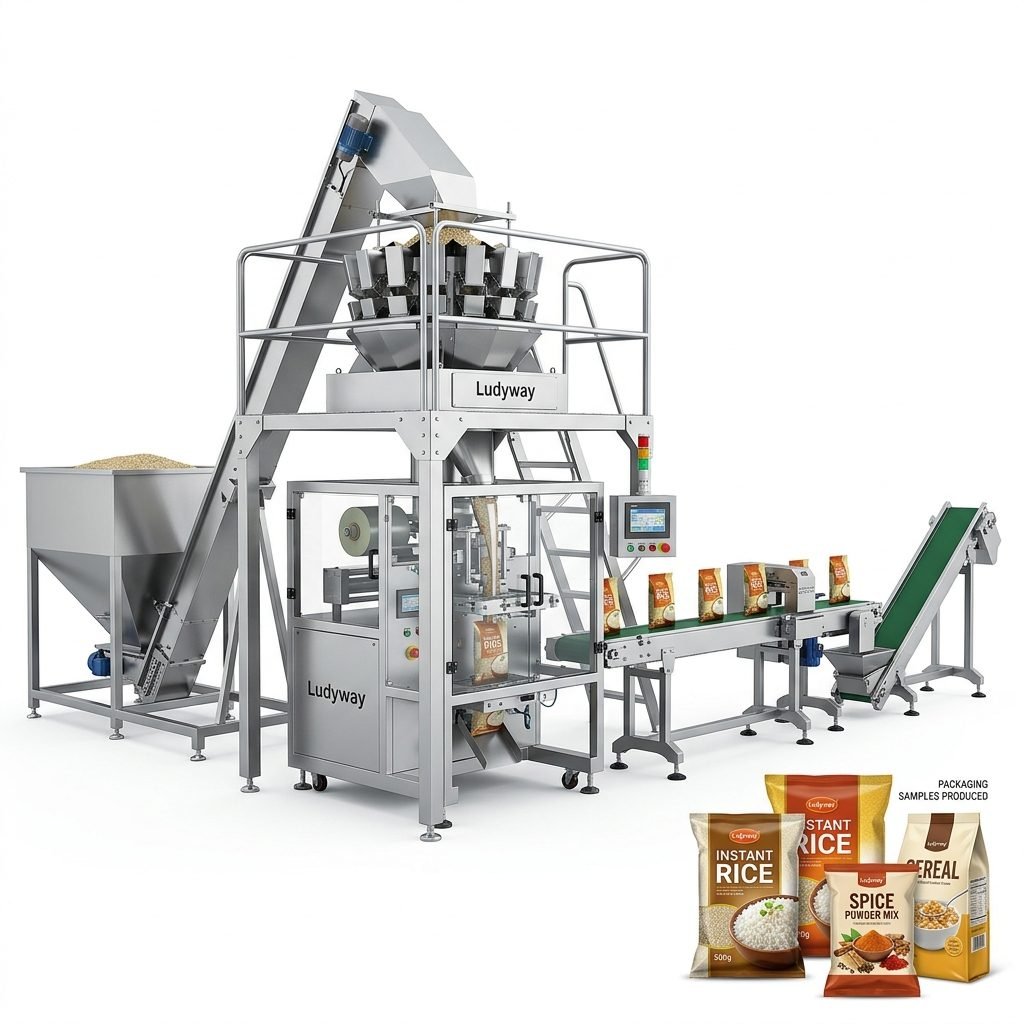
These are the workhorses of the industry, forming pouches from a roll of film, filling them with product, and sealing them in a continuous vertical process. They are highly efficient for granules, powders, liquids, and small solid items. VFFS machines are favored for their compact footprint and ability to handle rapid product changeovers.
Horizontal Form-Fill-Seal (HFFS) Machines
Ideal for more complex pouch structures like stand-up pouches (SUPs) with spouts or zippers, HFFS machines form pouches horizontally. This orientation allows for more sophisticated printing registration and is often used for higher-value products in food, pet food, and household goods.
Pre-Made Pouch Fillers
These systems use pouches that are already manufactured and supplied on reels or in stacks. The machine’s function is to open, fill, and seal the pre-formed pouch. This method is excellent for maintaining pristine print quality and is commonly used for tea bags, coffee sachets, and pharmaceutical unit-dose packs.
Specialized Machines: Stick Pack and Sachet Packers
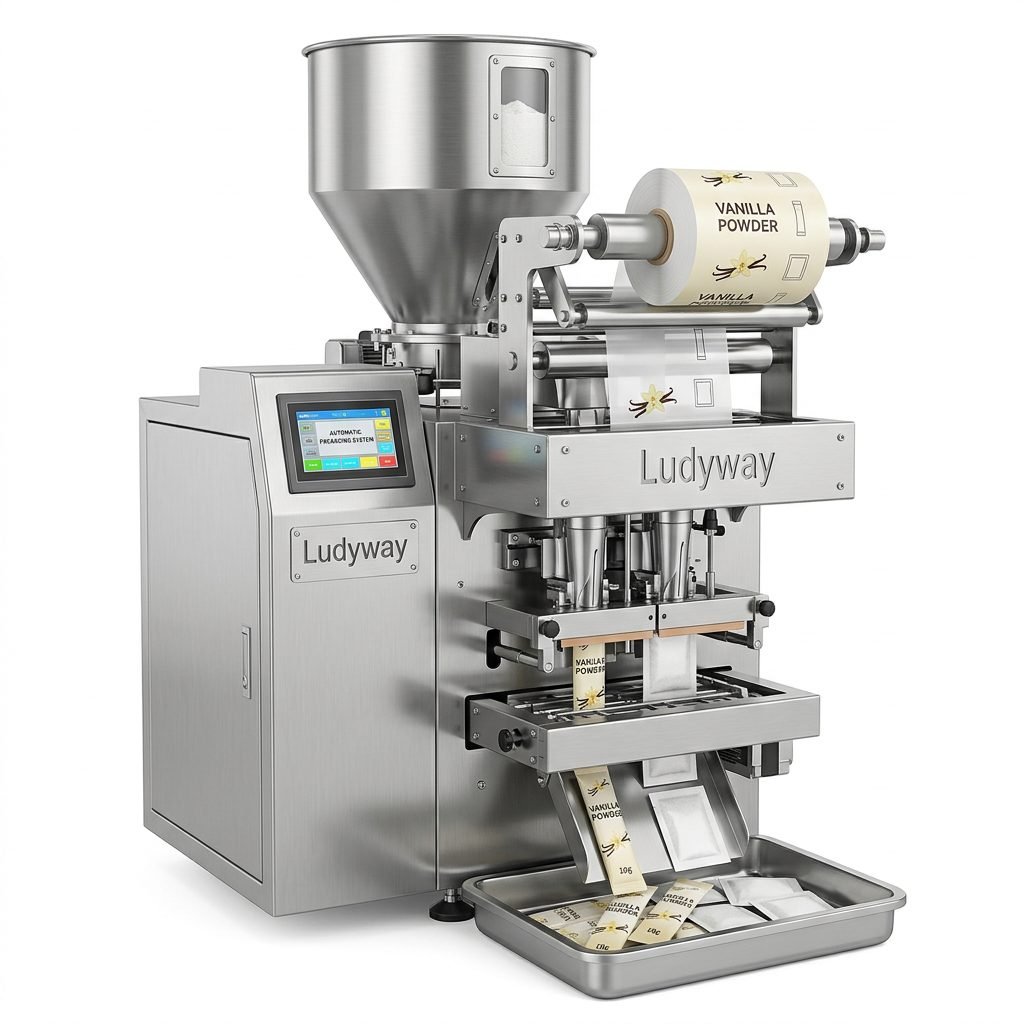
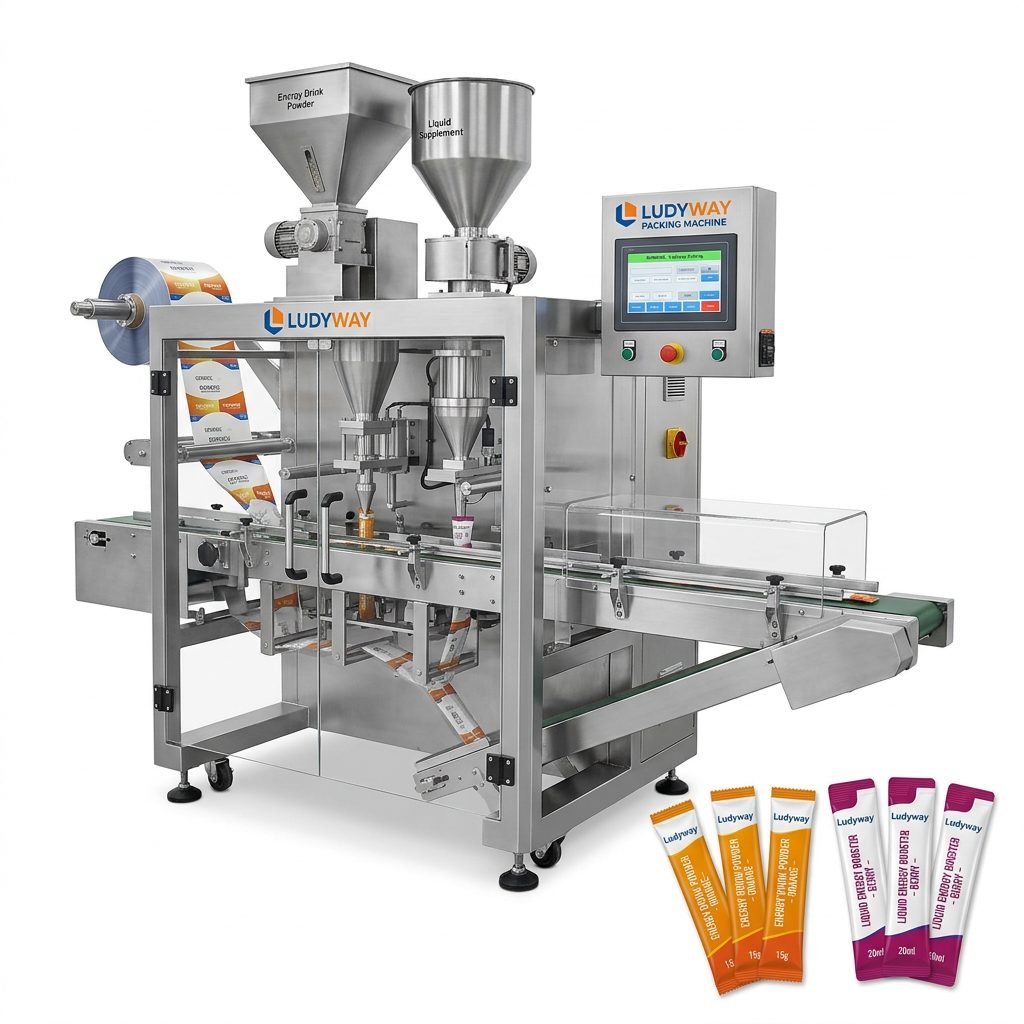
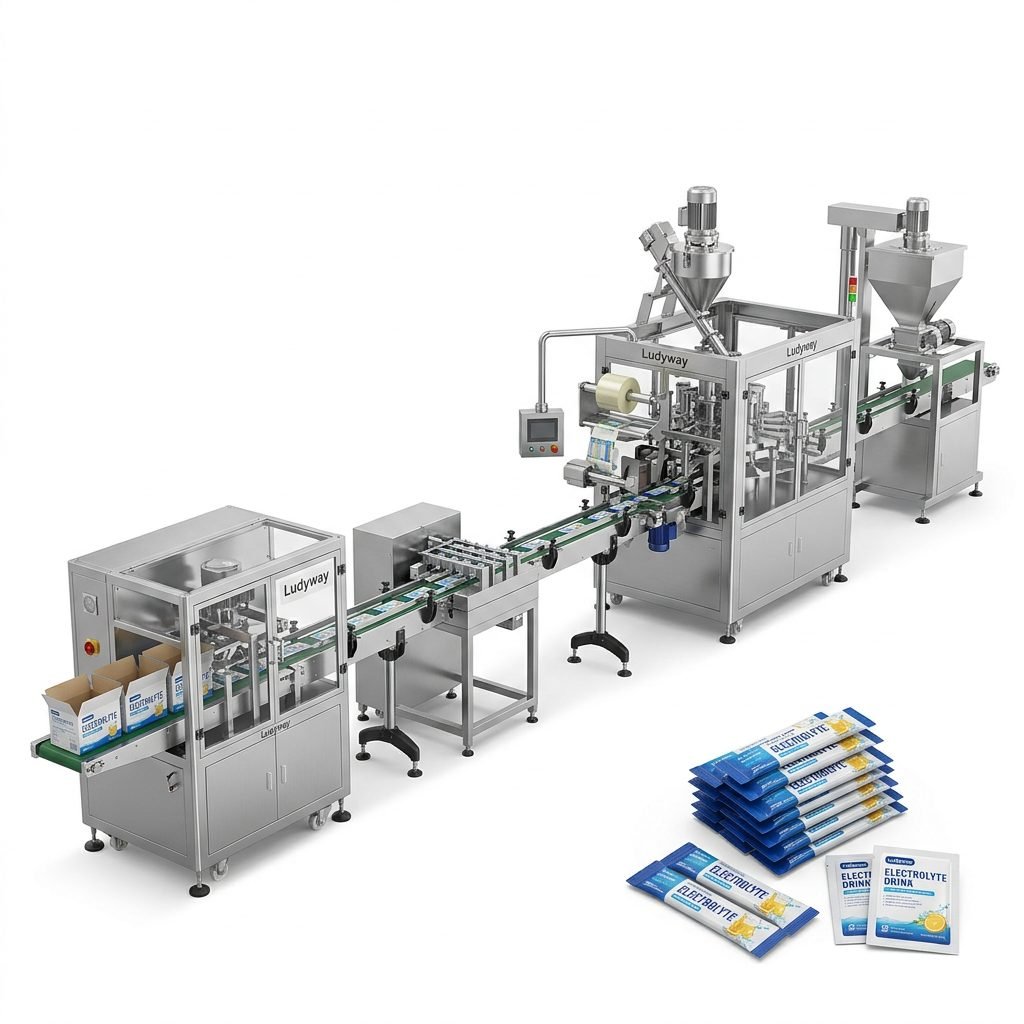
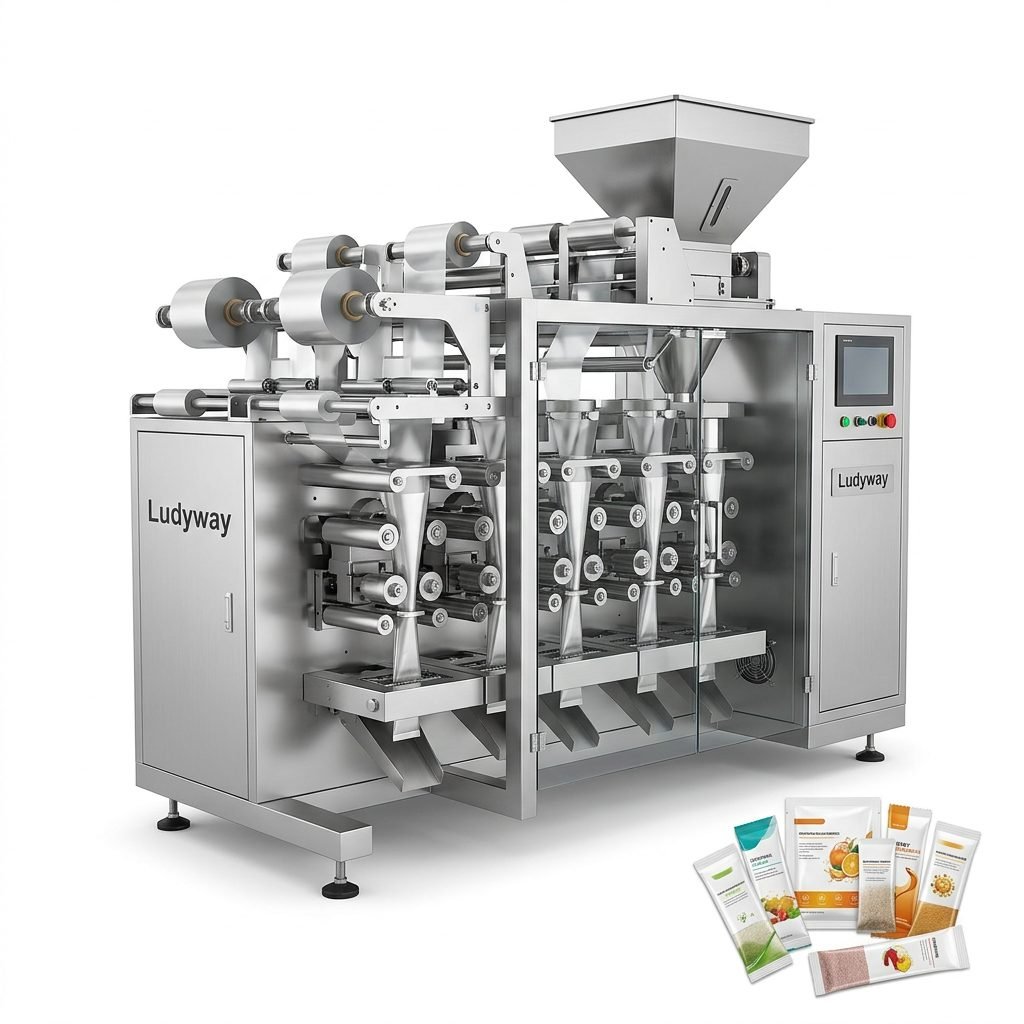
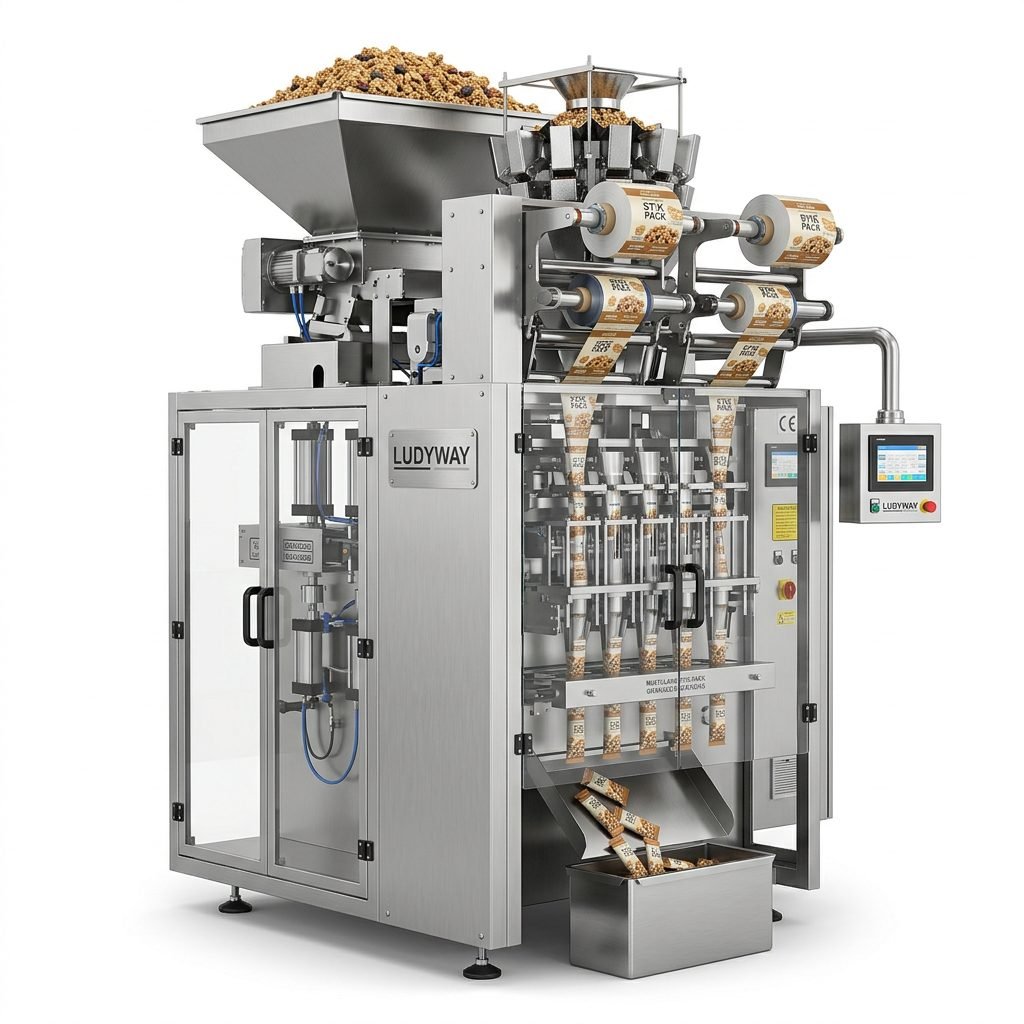
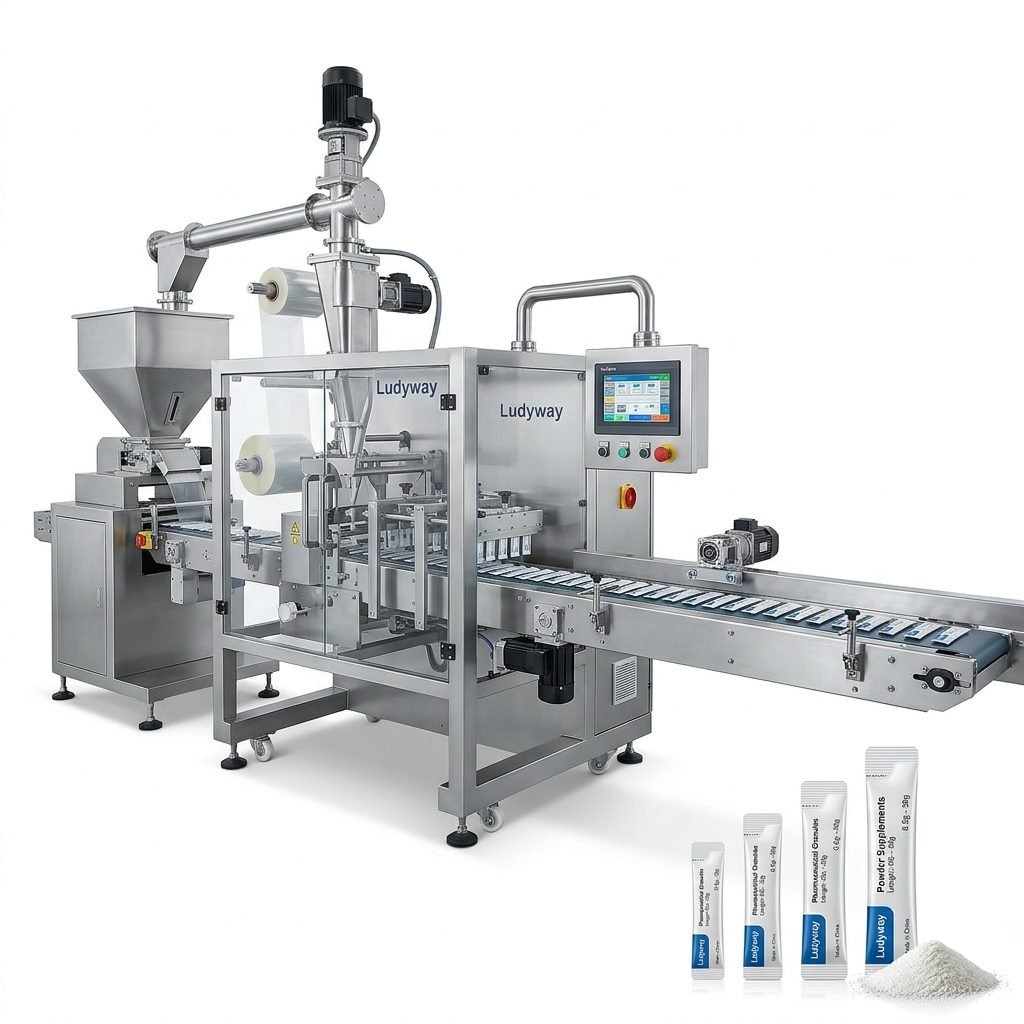
For single-serve and sample-sized products, specialized machines like multi-lane stick pack and sachet packaging systems are crucial. Companies like Ludyway Machinery offer advanced models in this category, enabling high-speed production of portion-controlled packages for sugar, instant drinks, sauces, and cosmetics. These machines exemplify the trend toward precision, flexibility, and compact design.
Key Applications Across Industries
The application of pouch packaging machines is virtually universal, touching every consumer-facing sector.
Food & Beverage
This is the largest application segment. Machines package everything from snacks and dried fruits to sauces, dairy products, and ready-to-drink beverages. The demand for extended shelf life via vacuum or gas flushing has led to integrated technologies within these machines.
Pharmaceutical & Healthcare
Here, precision and hygiene are paramount. Machines produce sterile sachets for powders, effervescent tablets, and liquid medications. Features like clean-in-place (CIP) systems, dust extraction, and precision auger fillers are standard requirements. The growth of nutraceuticals also falls into this demanding category.
Personal Care & Cosmetics
From shampoo and conditioner sachets to face cream samples and laundry detergent pods, pouch packaging offers a cost-effective and attractive solution. Machines for this sector often handle viscous liquids and gels and may include features for filling fragile or oddly shaped pods.
Industrial & Agricultural
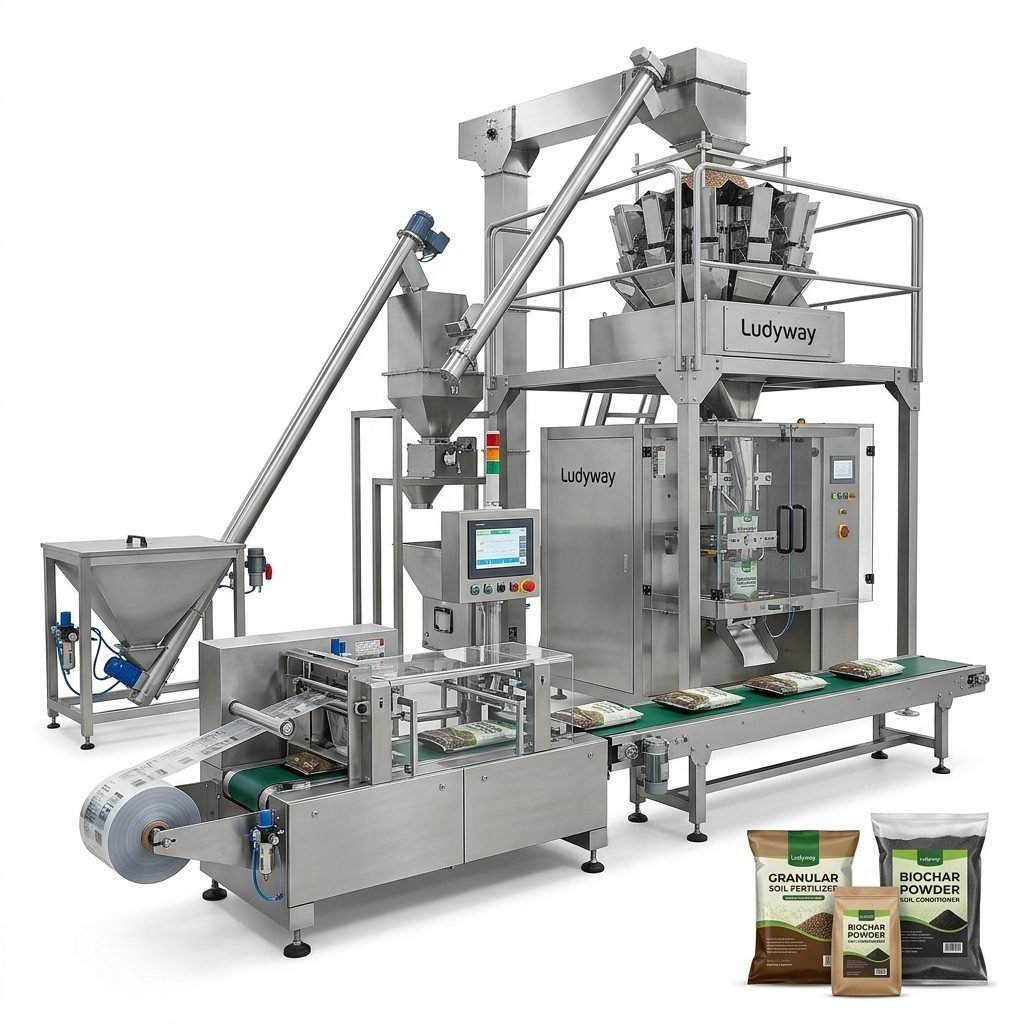
Pouches are used for chemicals, lubricants, seeds, and fertilizers. Machines in this field are built for robustness, often handling abrasive or corrosive materials with specialized sealing techniques to ensure product integrity and safety.
Primary Market Drivers
Several powerful forces are propelling the global demand for advanced pouch packaging machinery.
Consumer Convenience and Portability: The on-the-go lifestyle demands single-serve, easy-to-open, and disposable packaging. Pouch machines enable this format efficiently.
Sustainability Pressures: Pouches often use less material than rigid containers, reducing plastic waste and shipping weight. This drives demand for machines that can handle mono-material or recyclable film structures, which are more challenging to run.
Product Differentiation and Branding: The large printable surface of pouches is a marketer’s dream. High-quality graphics drive sales, requiring machines with excellent registration and gentle handling to avoid scuffing.
Automation and Industry 4.0: Manufacturers seek higher efficiency, lower labor costs, and better data. Modern machines offer IoT connectivity, predictive maintenance, and seamless integration with upstream and downstream equipment like customized production line solutions.
Growth in Emerging Economies: Rising disposable incomes in Asia-Pacific, Latin America, and Africa are increasing the consumption of packaged goods, directly fueling machinery investments in these regions.
Future Opportunities and Trends
The future of the pouch packaging machine market is intertwined with technological innovation and shifting market needs.
Smart and Connected Machinery
The next generation of machines will be fully networked, providing real-time OEE (Overall Equipment Effectiveness) data, remote diagnostics, and self-optimization for energy and material usage. This aligns with the broader shift toward smart factories.
Advanced Material Handling
As sustainable films (biodegradable, compostable, recyclable) become mainstream, machines must adapt. Future opportunities lie in developing sealing jaws, film tension controls, and forming shoulders specifically engineered for these often less-forgiving materials.
Hyper-Flexibility and Quick Changeover
The trend toward smaller batch sizes and mass customization requires machines that can switch between pouch sizes, styles, and products in minutes with minimal manual intervention. Servo-driven technology and recipe management software are key here.
Integration of Advanced Inspection Systems
Machine vision, checkweighers, and metal detection will become more deeply integrated into the primary packaging machine, not just as add-ons. This ensures 100% quality control in-line and reduces waste.
Expansion into New Geographic and Sectoral Niches
As global manufacturers in regions like Southeast Asia and Eastern Europe continue to modernize, there is significant opportunity for suppliers offering reliable, mid-range, and high-tech solutions tailored to local production needs.
In conclusion, the global pouch packaging machine market is on a strong growth trajectory, fueled by irreversible consumer and industrial trends. Success in this market will belong to those who can deliver not just robust hardware, but intelligent, flexible, and sustainable packaging solutions. From versatile VFFS machines to specialized sachet packers, the technology is evolving to meet the world’s packaging demands. Partners with deep industry experience and engineering capabilities, such as those with decades of expertise in the field, are well-positioned to lead this charge, helping brands deliver products that are convenient, safe, and environmentally conscious.
Frequently Asked Questions (FAQs)
What is the main difference between VFFS and HFFS pouch machines?
VFFS (Vertical Form-Fill-Seal) machines create pouches in a vertical orientation from a roll of film and are best for free-flowing products like granules and powders. HFFS (Horizontal Form-Fill-Seal) machines form pouches horizontally and are typically used for more complex, pre-printed stand-up pouches, often for liquids or products requiring excellent graphic presentation.
Can one pouch machine handle different types of products, like powders and liquids?
Some machines are designed for multi-purpose use with quick-change parts (like different types of fillers: auger for powder, pump for liquid). However, for optimal efficiency and hygiene, especially in food or pharma, dedicated machines for specific product types are often recommended to minimize cross-contamination and cleaning downtime.
How important is automation in modern pouch packaging lines?
Extremely important. Automation, through robotic cartoning, case packing, and palletizing integrated with the pouch machine, drastically reduces labor costs, increases line speed and efficiency, and minimizes human error. It is a key investment for medium to high-volume production.
What should I look for in a machinery supplier for a new pouch packaging line?
Look for proven industry experience, a strong portfolio of successful installations, the ability to provide a complete turnkey solution (not just a single machine), reliable after-sales service and parts availability, and a focus on innovation that matches your future needs, such as sustainability and connectivity.
Are pouch packaging machines suitable for small businesses or startups?
Yes. The market offers a range of semi-automatic and smaller-scale automatic machines that are cost-effective for lower production volumes. Many suppliers also offer flexible financing or leasing options. Starting with a robust, scalable machine from a reputable supplier can support growth without requiring a complete system replacement later.