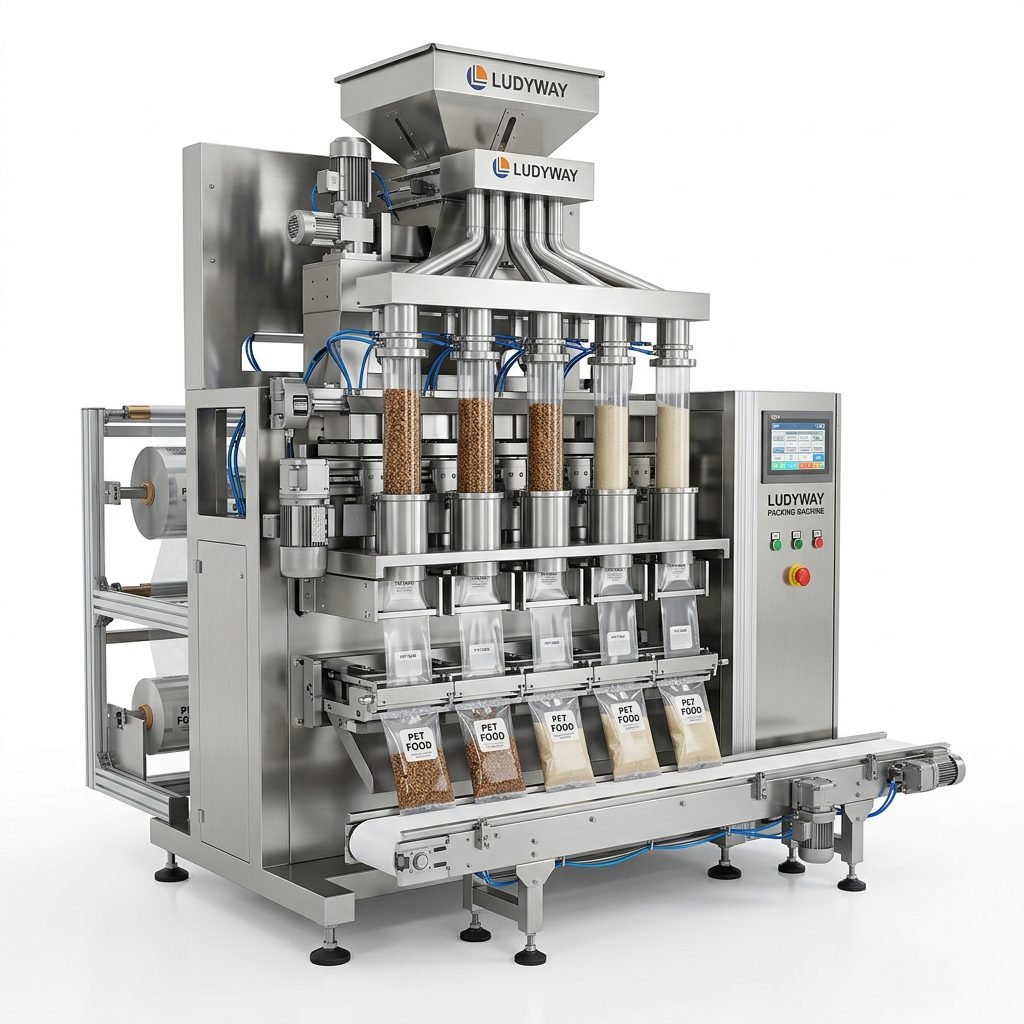
Selecting the right rollstock packaging machine is a critical decision that directly impacts your production efficiency, product quality, and overall operational costs. This comprehensive guide will walk you through the key factors to consider when choosing a rollstock solution tailored to your specific needs.
Understanding Rollstock Packaging Machines
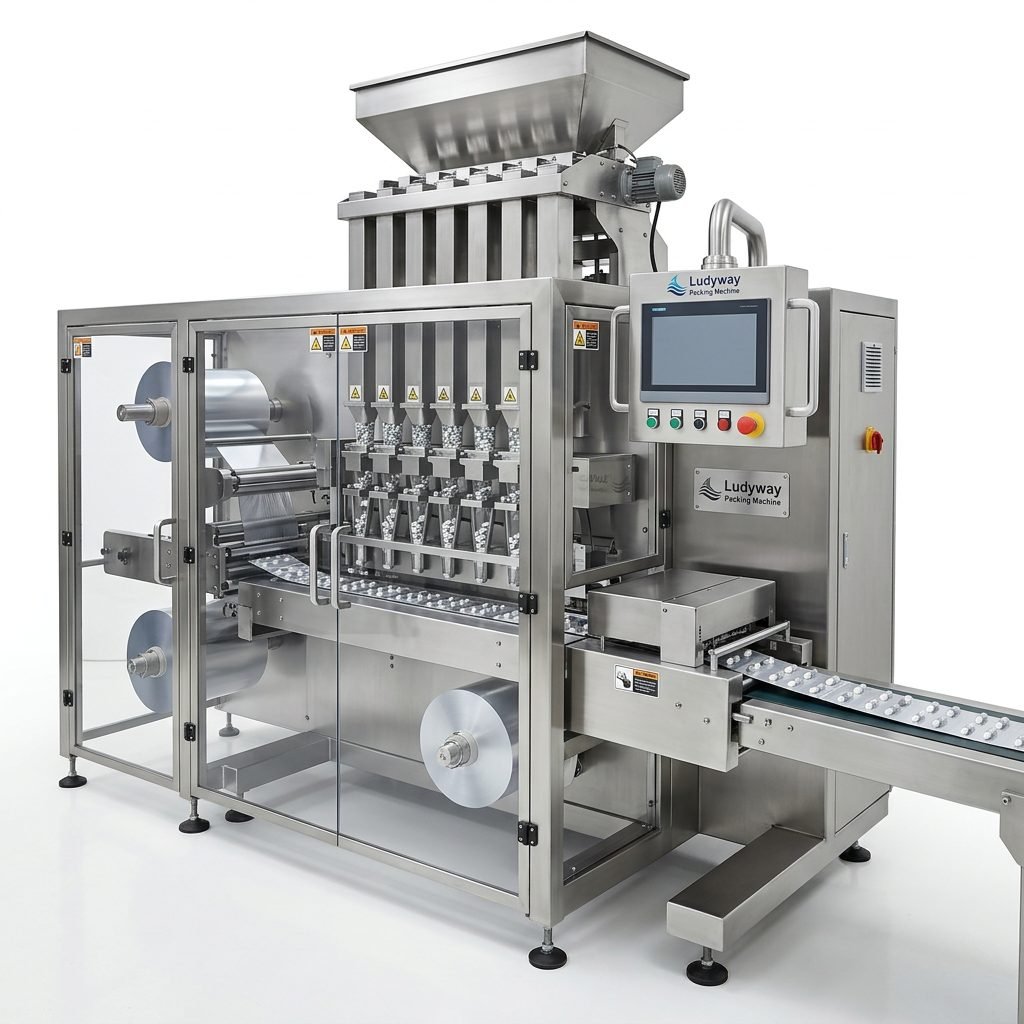
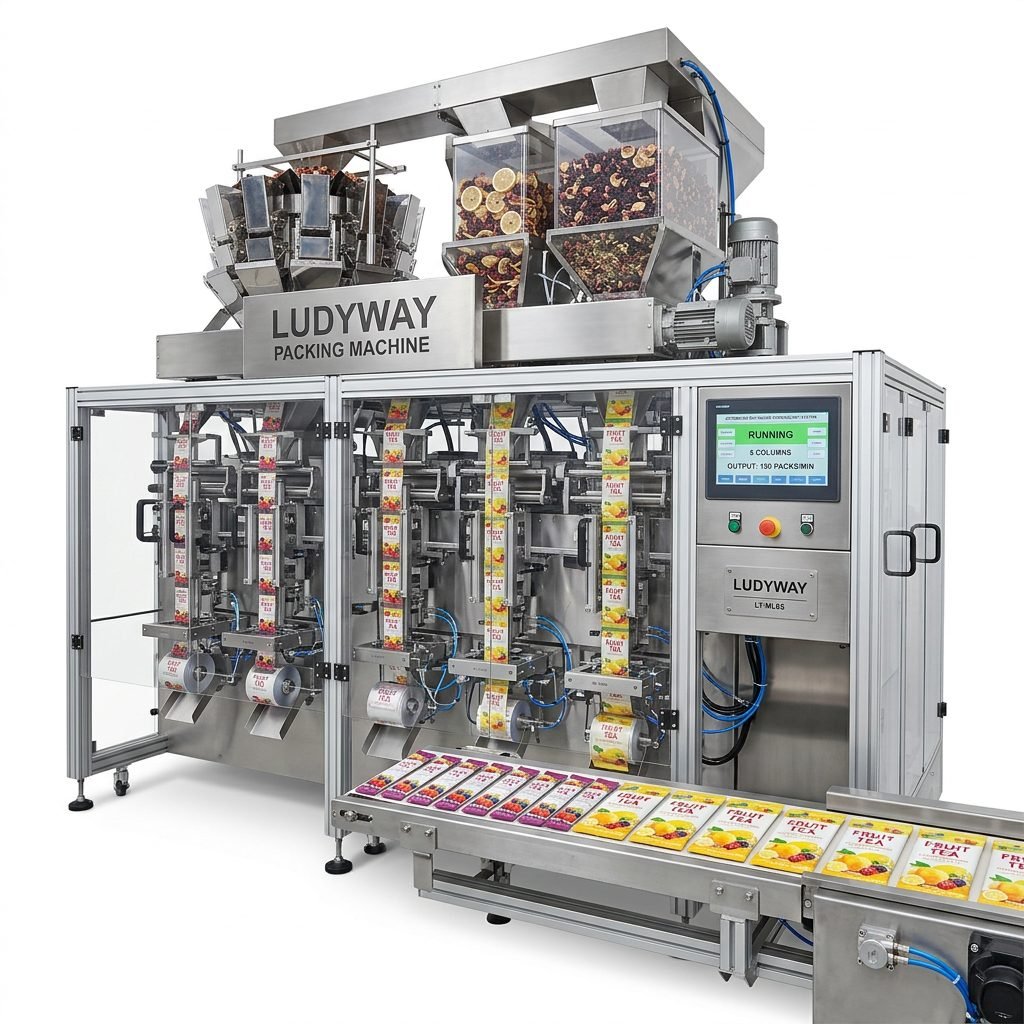
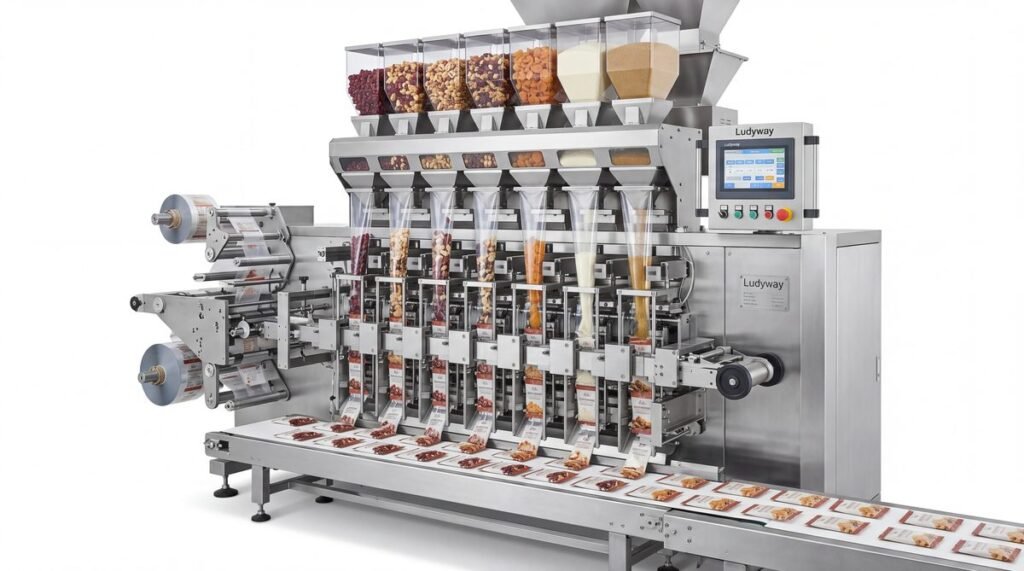
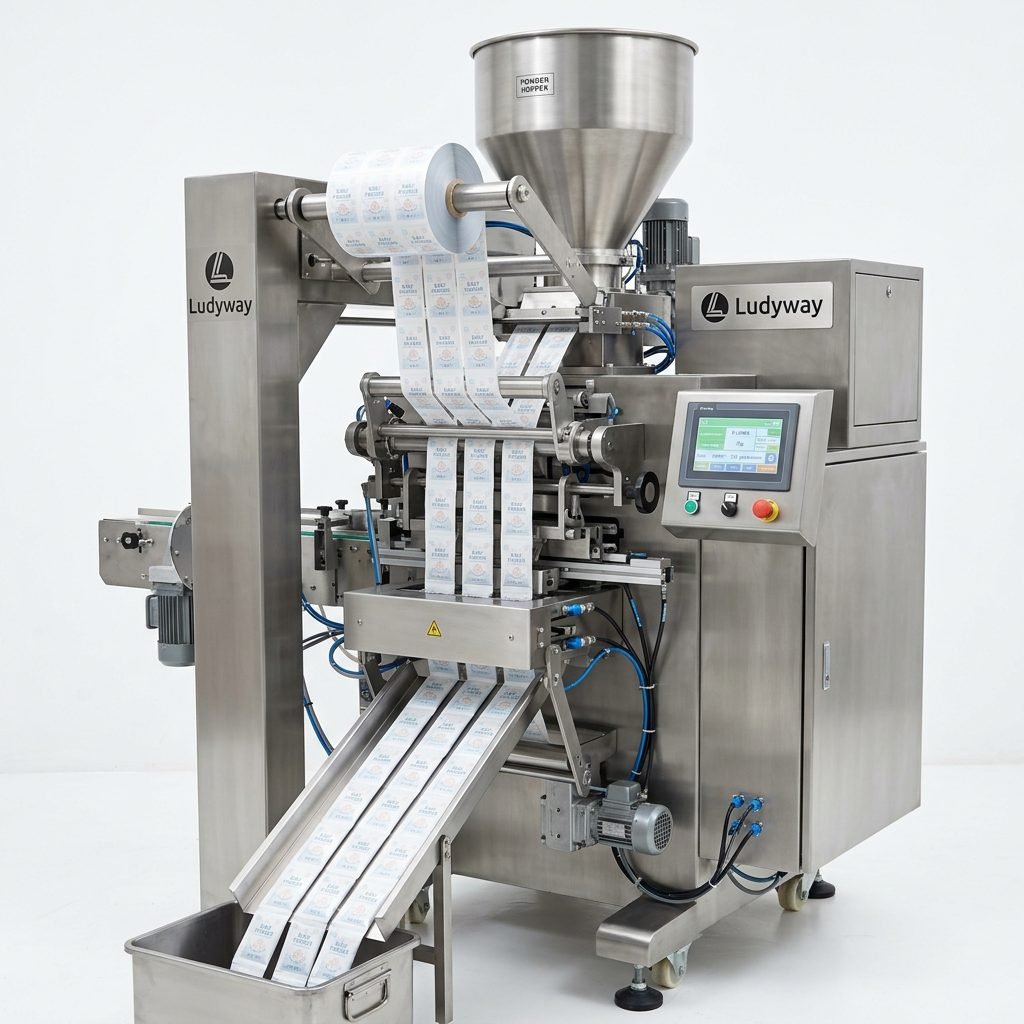
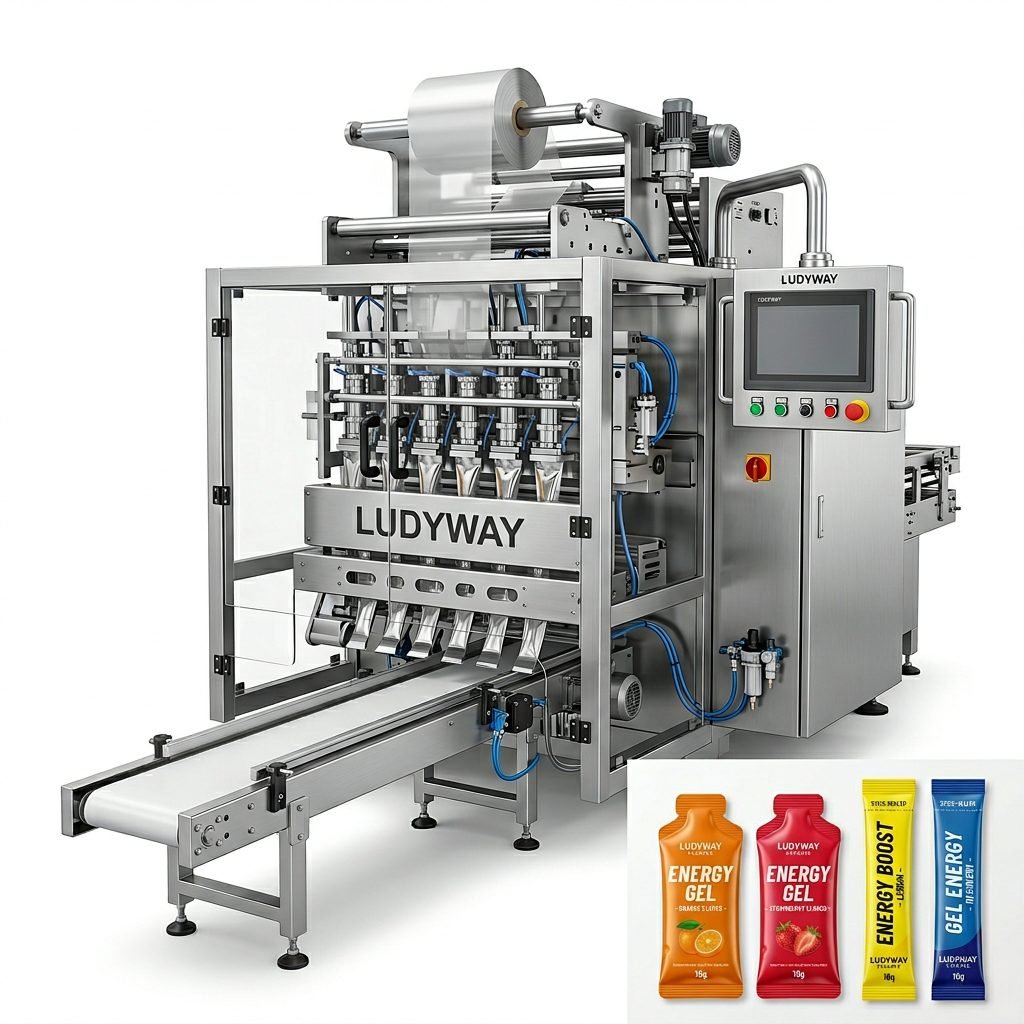
Rollstock packaging machines, also known as form-fill-seal (FFS) machines, use a continuous roll of flexible packaging film to create, fill, and seal individual packages in one automated process. This technology is widely used across the food, pharmaceutical, and health industries for packaging granules, powders, liquids, and solids.
Key Advantage: Rollstock machines offer superior efficiency and material savings compared to pre-made pouch systems, making them ideal for high-volume production lines.
Core Components of a Rollstock System
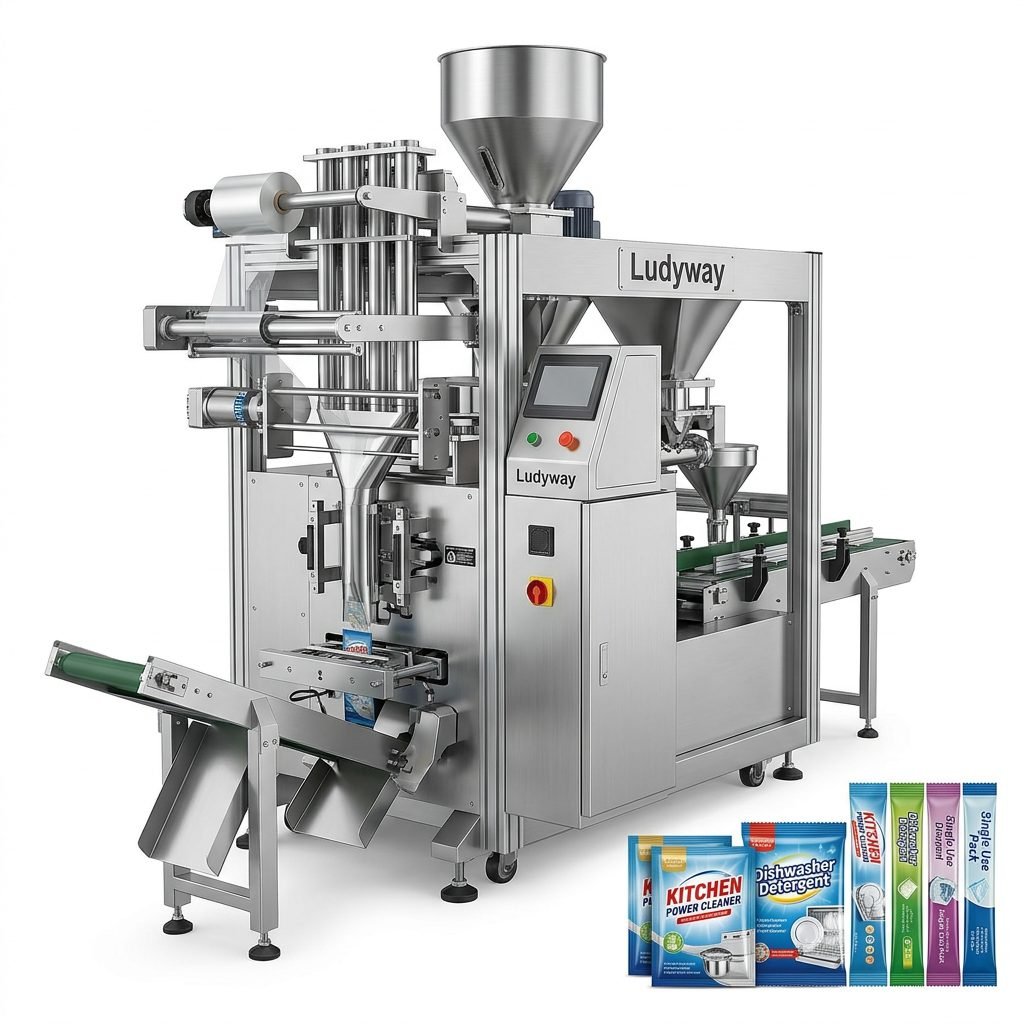
A typical rollstock packaging machine consists of several integrated components:
- Film Unwind & Guide System: Precisely controls the feeding of the packaging material from the roll.
- Forming Section: Shapes the flat film into a tube or pouch using a forming collar.
- Vertical Sealing Mechanism: Creates the longitudinal seal of the package.
- Filling System: Accurately doses the product into the formed pouch. This can be volumetric, auger, or liquid pump-based.
- Horizontal Sealing & Cutting Jaws: Seals the top of the filled pouch and simultaneously separates it from the film web.
- Control System: The programmable logic controller (PLC) and human-machine interface (HMI) that manage all machine functions.
How to Choose the Right Rollstock Solution
Your choice must align with your product characteristics, production goals, and operational environment. Follow this structured evaluation process.
Step 1: Analyze Your Product and Packaging Requirements
This is the foundational step. Clearly define the following:
Product Type: Is it a free-flowing granule, a fine powder, a viscous paste, or a liquid? Each requires a specific filling technology. For instance, powders need auger fillers with anti-bridging features, while liquids require precise pump systems.
Packaging Specifications: Determine your desired pouch size (length, width), shape (pillow, gusseted, stand-up), and the type of film laminate required for barrier properties (e.g., moisture, oxygen).
Production Speed (Pouches Per Minute – PPM): Calculate your current and projected output needs. Speeds can range from 40-50 PPM for simple applications to over 200 PPM for multi-lane high-speed machines.
Step 2: Evaluate Machine Features and Technology
Look beyond basic specifications. Key technological features differentiate machines.
- Filling Accuracy: Critical for cost control and compliance. Seek machines with servo-driven fillers and check-weigher feedback systems for precision.
- Seal Integrity: Robust sealing jaws with consistent temperature control are vital to prevent leaks and ensure product shelf life.
- Changeover Flexibility: How quickly and easily can you switch pouch sizes or products? Machines with tool-less changeover and recipe memory on the HMI drastically reduce downtime.
- Hygienic Design: For food or pharmaceutical use, ensure the machine has a smooth, easy-to-clean surface, protected motors, and complies with relevant sanitary standards.
For a deeper dive into advanced packaging technologies, you can explore resources on automated packaging solutions and their applications.
Step 3: Consider Integration and Support
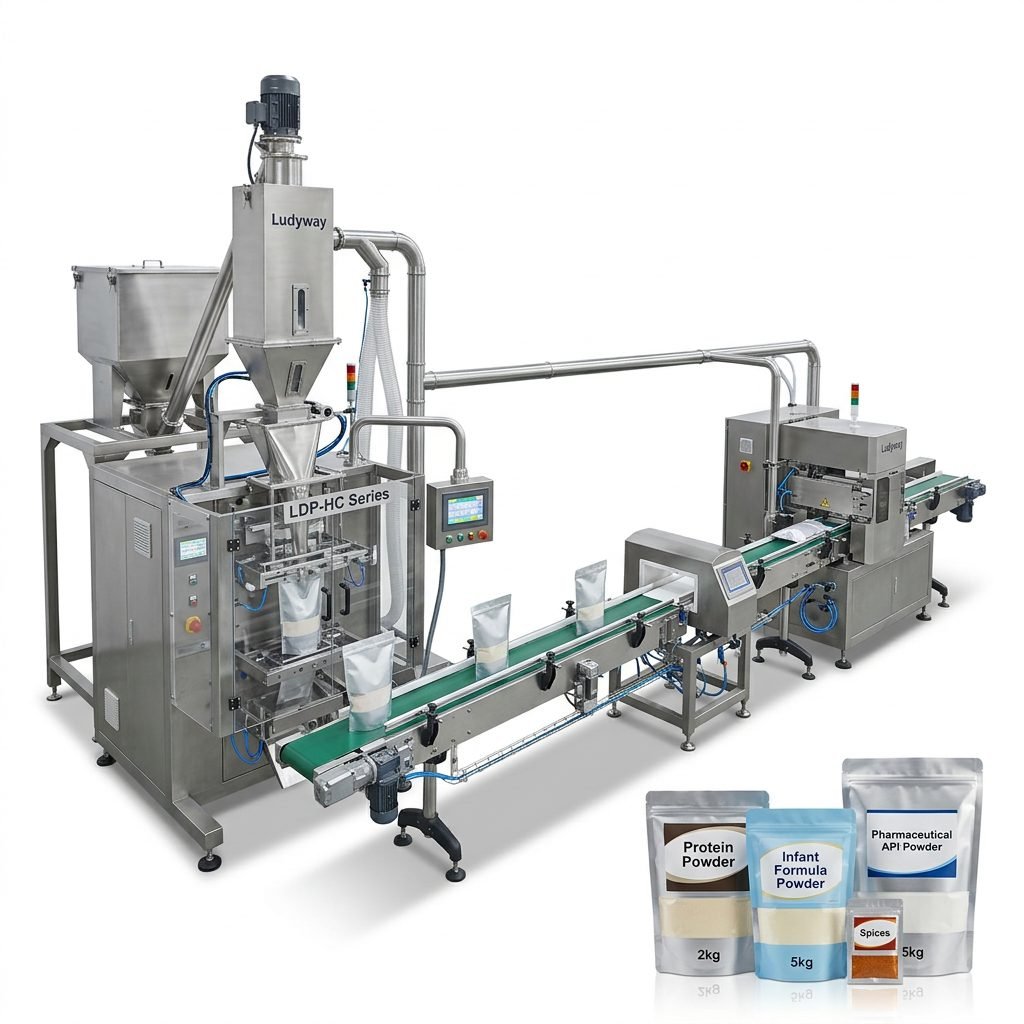
The machine is part of a larger system. Consider its compatibility with upstream and downstream equipment like conveyors, cartoners, or case packers. Furthermore, the supplier’s support is crucial.
Choose a partner with a proven track record. A supplier like Ludyway Machinery, with over 30 years of industry experience, offers not just equipment but complete turnkey solutions. This includes installation, operator training, readily available spare parts, and responsive technical support, which are invaluable for maintaining continuous production.
Types of Rollstock Machines for Different Scales
Entry-Level / Pilot Machines
Ideal for R&D, small-batch production, or startups. These are often single-lane, mechanically simpler machines with speeds up to 80 PPM. They offer a lower initial investment and are a good way to validate a product before scaling up.
Mid-Range Production Machines
The workhorses for many established manufacturers. They feature more servo controls, better accuracy, and speeds ranging from 80-150 PPM. They offer an excellent balance of performance, flexibility, and cost for medium-scale operations.
High-Speed & Multi-Lane Systems
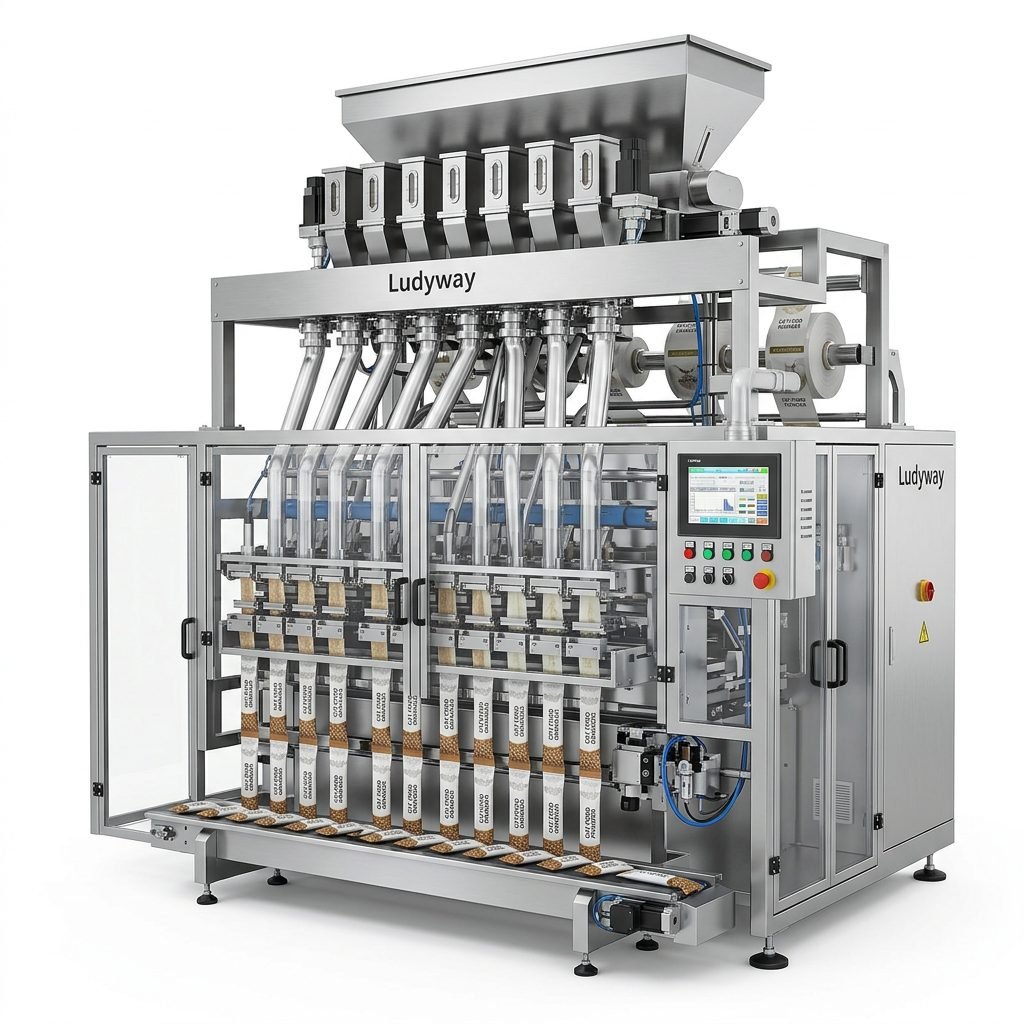
Designed for large-scale, high-output facilities like major food producers. These systems can have 2, 4, or more lanes running simultaneously, achieving speeds well over 200 PPM. They represent a significant investment but offer the lowest cost per pouch at high volumes.
Investment Analysis: Cost vs. Value
While the purchase price is important, the Total Cost of Ownership (TCO) is the true metric. A cheaper machine with lower efficiency, higher film waste, and frequent breakdowns will cost more in the long run.
Calculate TCO by considering:
- Machine purchase price and financing.
- Energy and compressed air consumption.
- Packaging material waste (film yield).
- Product giveaway due to filling inaccuracy.
- Labor costs for operation and maintenance.
- Downtime costs and spare parts availability.
Investing in a robust, efficient machine from a reliable supplier often provides a faster and greater return on investment through superior uptime, material savings, and consistent output quality. Learn more about building a reliable production line by reviewing a packaging machinery company’s history and expertise.
Final Checklist Before Purchase
✅ Request a product sample test run at the supplier’s facility.
✅ Verify the machine’s construction quality and component brands (e.g., PLC, servos).
✅ Review the warranty terms and the scope of after-sales service.
✅ Ask for references from current clients with similar applications.
✅ Ensure the supplier provides comprehensive documentation and training.
Frequently Asked Questions (FAQs)
What is the main difference between a rollstock machine and a pre-made pouch machine?
A rollstock machine forms pouches from a continuous roll of film, offering higher speed and lower film cost. A pre-made pouch machine loads product into ready-made pouches, which is slower and more expensive per package but can handle more complex pouch shapes and materials that are difficult to form on-site.
How often does a rollstock machine require maintenance?
Regular daily cleaning and lubrication are essential. Scheduled preventive maintenance (e.g., checking seals, belts, sensors) should be performed weekly or monthly as per the manufacturer’s manual. Major servicing might be needed annually. A reliable supplier will provide a clear maintenance schedule.
Can one machine handle different types of products, like powders and granules?
Many machines are designed for flexibility. However, switching between vastly different product types (e.g., powder to liquid) typically requires a complete change of the filling system, which can be a significant modification. It’s more common for a machine to handle a range of similar products (e.g., different granule sizes) with quick changeover.
What film materials can be used with rollstock packaging?
These machines can run a wide variety of laminates, including PET/PE, OPP/CPP, MET-PET/PE, and paper-based composites. The choice depends on the required barrier properties (moisture, oxygen, light), seal strength, and machinability. Your machine supplier can recommend suitable films for your product.
Is operator training difficult for a new rollstock machine?
Modern machines with user-friendly HMIs are designed for intuitive operation. Basic functions can be learned quickly. However, comprehensive training from the supplier on setup, changeover, troubleshooting, and safety procedures is critical for achieving optimal performance and avoiding costly errors or downtime.