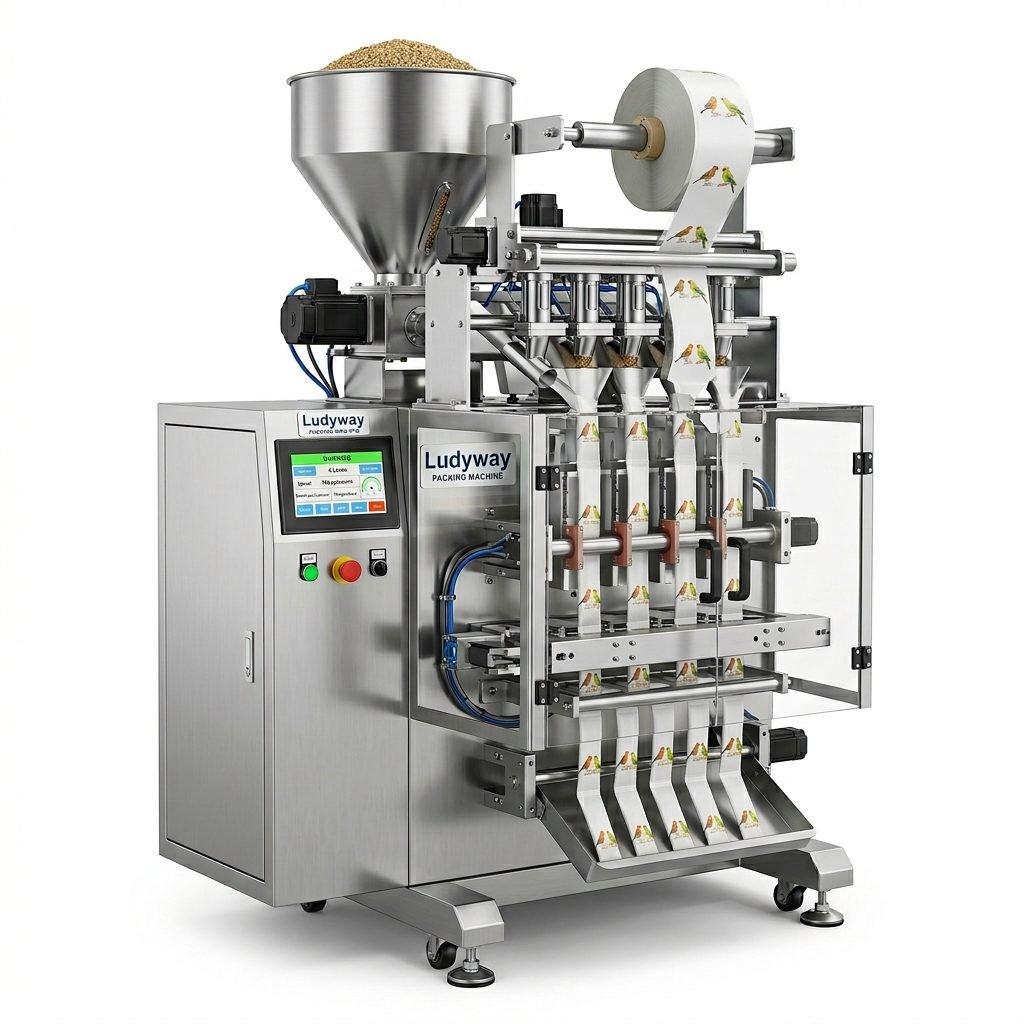
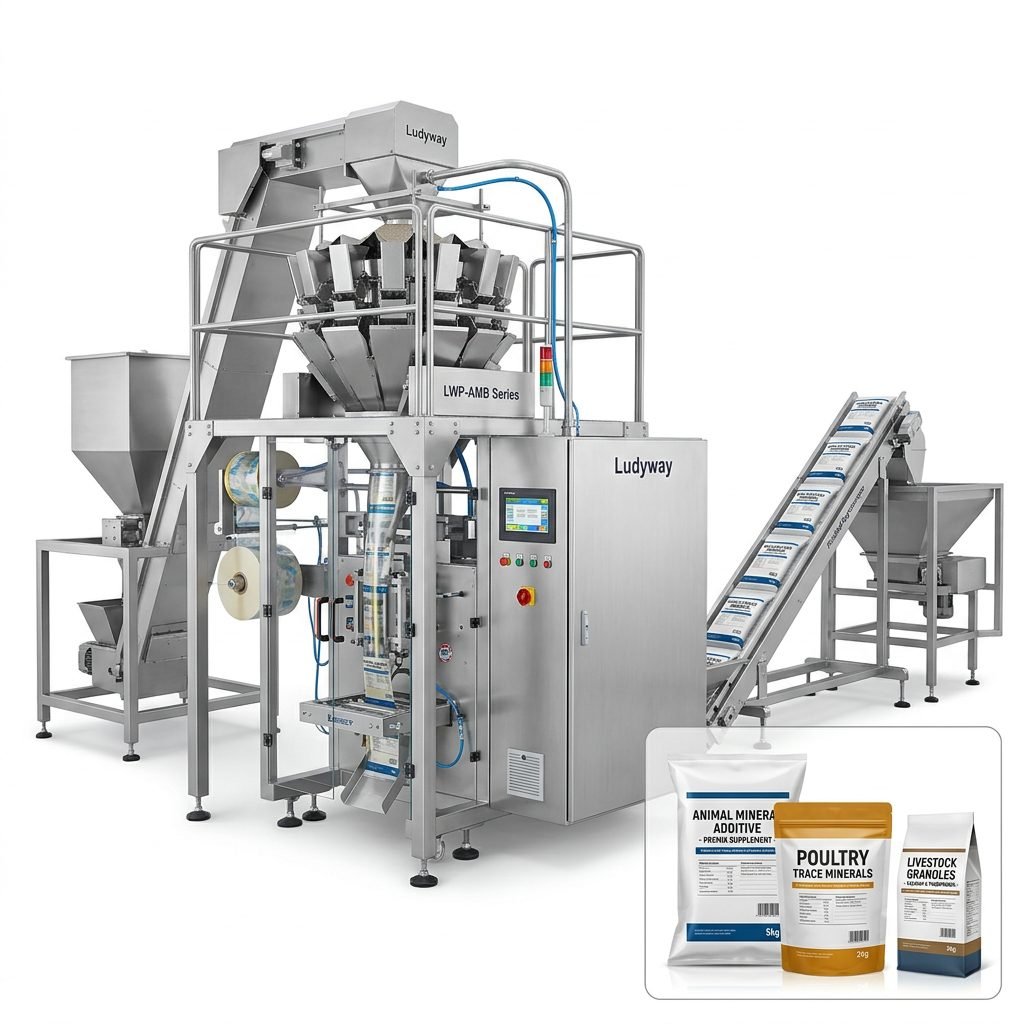
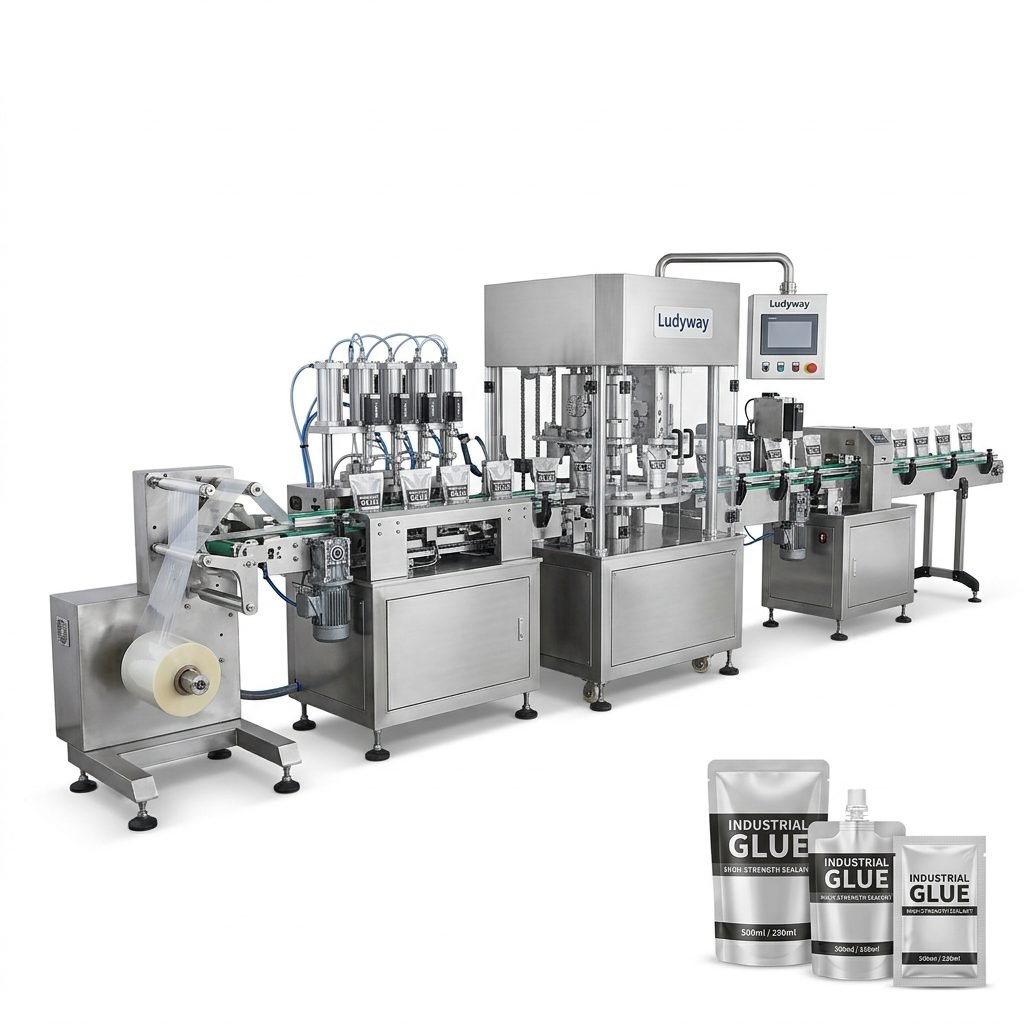
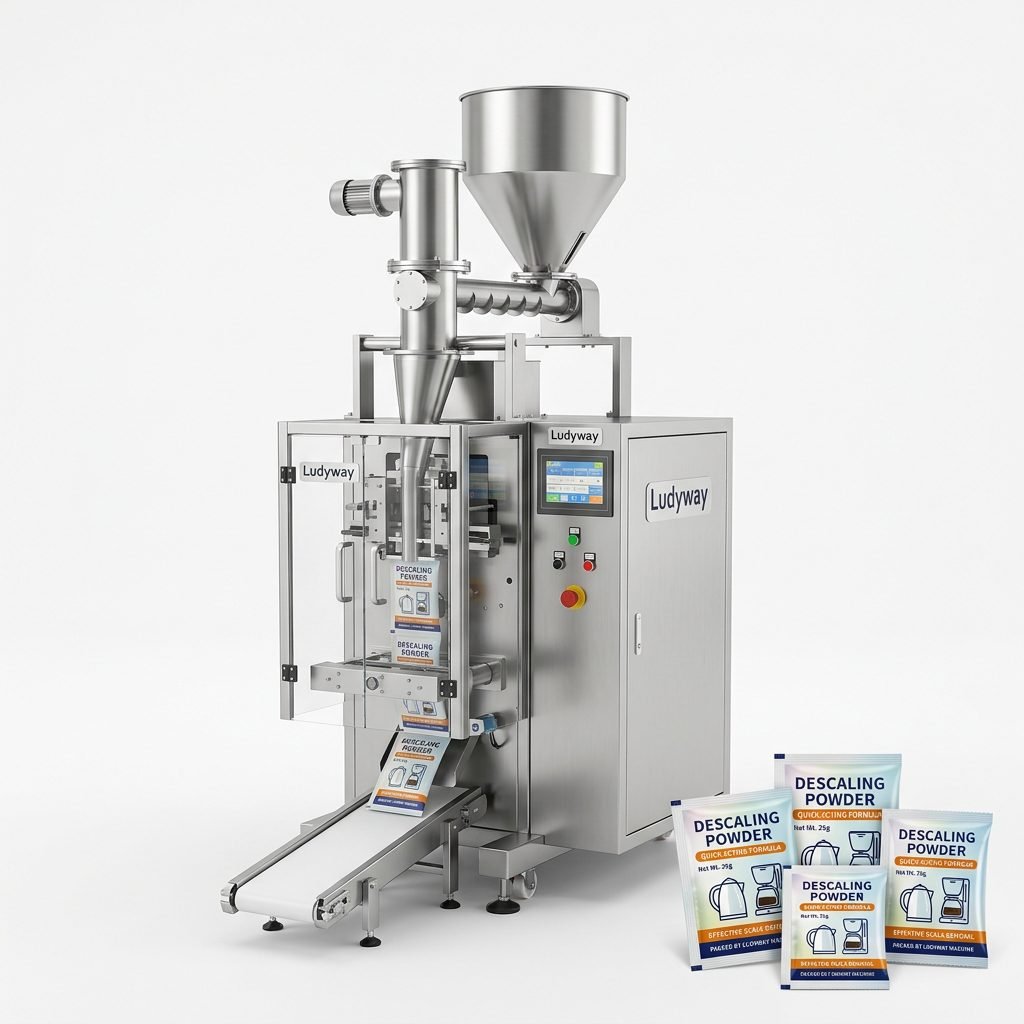
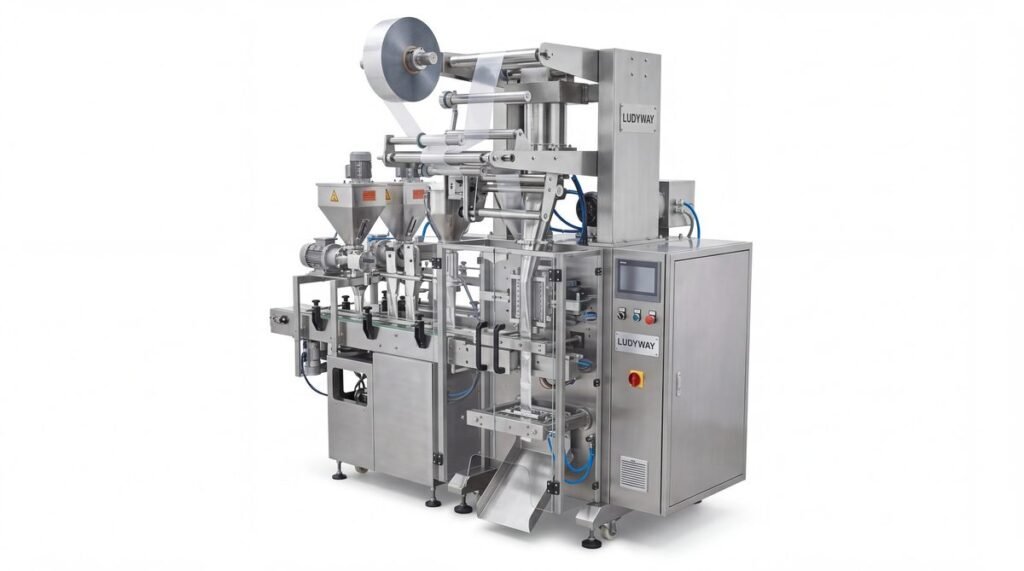
In the fast-paced world of manufacturing, packaging machines are the unsung heroes that ensure products reach consumers safely, efficiently, and with a professional appearance. Like any high-performance equipment, they require regular maintenance and, inevitably, the replacement of worn or broken parts. Choosing the right replacement parts is not merely a repair task; it’s a critical business decision that impacts your production line’s uptime, efficiency, and long-term operational costs. This guide serves as a practical roadmap to navigating the complex market of packaging machine spare parts, helping you make informed choices that protect your investment and keep your line running smoothly.
Why the Right Replacement Parts Matter
Opting for generic or low-quality spare parts might seem like a cost-saving measure in the short term, but it often leads to significant long-term expenses. Incorrect or substandard parts can cause machine misalignment, increased wear on other components, and even catastrophic failure. This results in unplanned downtime, which is the single biggest cost driver in packaging operations. Furthermore, using non-genuine parts can void your machine’s warranty and compromise the safety and consistency of your packaging output. Investing in high-quality, compatible parts ensures optimal machine performance, maintains product quality, and extends the overall lifespan of your equipment.
Key Considerations Before You Buy
Before purchasing any replacement part, a thorough assessment is crucial. Start by accurately identifying the part number from your machine’s manual or the original component. Document the symptoms of the failure—unusual noises, inconsistent sealing, or frequent jams—as this can help diagnose if the visible broken part is the root cause or a symptom of another issue. Always consider the compatibility with your specific machine model and serial number, as even minor variations between model years can affect fit and function.
A Guide to Common Replacement Parts Categories
Packaging machines consist of numerous subsystems, each with its own set of critical components. Understanding these categories helps you source parts more effectively.
1. Sealing System Components
The heart of any thermoforming, form-fill-seal (FFS), or pouch packaging machine is its sealing system. Critical parts here include:
- Heating Elements & Bands: Responsible for generating the heat needed to melt and fuse packaging film. Wear leads to inconsistent seal strength.
- Sealing Jaws & Dies: These apply pressure and shape the seal. They must be kept clean and free of scratches to ensure perfect seals every time.
- Teflon Coating & Insulation: Protects the film from sticking to hot jaws and ensures even heat distribution. This is a frequent wear item that requires regular inspection.
2. Drive & Motion Components
These parts translate electrical power into precise mechanical movement.
- Servo Motors & Drives: The brains and muscle behind precise indexing and positioning. Sourcing OEM or high-precision compatible units is essential.
- Gears, Belts, and Chains: Wear on these components leads to timing errors, which can cause misfeeds and packaging defects.
- Bearings and Bushings: Found in rotary shafts and linear guides, they reduce friction. Worn bearings create play, vibration, and noise.
3. Product Handling & Feeding Parts
Components that directly contact your product or packaging material.
- Augers, Funnels, and Dosing Cups: For granular and powder fillers, their precise dimensions are critical for accurate weight control.
- Pumps and Nozzles: For liquid filling machines. Wear or clogging affects fill volume and speed.
- Film Guides and Forming Shoulders: These shape the packaging film. Damage can cause film wrinkles or tearing.
Pro Tip: Build a Critical Spares Kit
Avoid emergency downtime by proactively assembling a kit of high-wear, mission-critical parts specific to your machine. This should include common seals, gaskets, fuses, heating elements, and a set of tools for basic repairs. Consult your machine manual or a trusted supplier like Ludyway Packing Machine to create a customized list. Having these parts on-site can turn a potential multi-day shutdown into a quick, in-house fix.
Where to Source Your Replacement Parts: OEM vs. Third-Party
This is one of the most important decisions you’ll face. Original Equipment Manufacturer (OEM) parts are made or sanctioned by your machine’s builder. They offer guaranteed compatibility, reliability, and often come with technical support. However, they can be more expensive and may have longer lead times.
High-Quality Third-Party Parts are manufactured by specialized companies. The best ones offer performance equal to or exceeding OEM standards at a lower cost and with better availability. The key is to choose reputable suppliers known for precision engineering and quality materials. Always verify their warranty, return policy, and ability to provide technical data sheets.
Evaluating a Supplier: What to Look For
Not all suppliers are created equal. A reliable parts supplier should have:
- Deep Technical Expertise: They should understand your machine’s mechanics, not just have a parts catalog.
- Proven Track Record: Look for suppliers with years of industry experience and positive customer testimonials. Companies with a long history, such as those with over 30 years in the packaging industry, bring invaluable practical knowledge.
- Comprehensive Support: This includes clear documentation, installation guidance, and responsive after-sales service.
- Global Logistics: For international operations, ensure they can ship parts reliably to your location. A supplier with a 20,000㎡ modern production facility often indicates strong manufacturing and logistical capabilities.
Best Practices for Installation and Maintenance
Buying the right part is only half the battle; proper installation is critical.
- Follow Manual Instructions: Always refer to the machine’s service manual for torque specifications, alignment procedures, and lubrication points.
- Use the Correct Tools: Using improper tools can damage new parts and adjacent components.
- Calibrate After Replacement: After installing a new part—especially in dosing or sealing systems—recalibrate the machine to ensure performance meets specifications.
- Document the Change: Keep a maintenance log detailing the part replaced, date, supplier, and any adjustments made. This history is invaluable for troubleshooting future issues.
Partnering with a provider that offers complete turnkey production solutions can give you access to expert technicians who understand these best practices intimately, ensuring your machine is restored to peak condition.
Cost vs. Value: Making a Smart Investment
When evaluating part costs, adopt a Total Cost of Ownership (TCO) perspective. A cheaper part that fails in six months and causes eight hours of downtime is far more expensive than a premium part that lasts three years. Factor in the cost of downtime per hour for your production line, the labor for repeated repairs, and the potential cost of scrapped product or packaging material. Investing in durability and reliability from a trusted source like professional packaging experts always pays off in the long run by maximizing your operational efficiency and product quality.
Frequently Asked Questions (FAQs)
Q1: How can I be sure a third-party part is compatible with my machine?
A: Provide the supplier with your machine’s exact model and serial number. Reputable suppliers will cross-reference this with their database. Ask for dimensional drawings or material specifications of the part and compare them to your original. Many quality third-party manufacturers design parts to OEM specifications.
Q2: What are the most common signs that a part needs replacement?
A: Key indicators include a decline in packaging quality (e.g., weak seals, inaccurate fills), unusual noises (grinding, knocking), increased vibration, frequent machine jams or stoppages, and visible wear or damage on the component itself. A proactive preventive maintenance schedule can identify parts before they fail catastrophically.
Q3: Is it worth repairing an old part vs. buying new?
A: This depends on the part. Simple components like seals or gaskets should always be replaced. For complex, high-value parts like servo motors or specialized gears, professional refurbishment by a certified technician can be a cost-effective alternative to buying new, offering near-new performance at a lower cost.
Q4: How do I manage spare parts for multiple machine models across different plants?
A: Implement a centralized digital inventory management system. Standardize parts where possible across machine models. Establish a relationship with a global supplier capable of supporting all your locations with consistent quality and consolidated logistics, simplifying procurement and reducing inventory costs.
Q5: Can upgrading parts improve my machine’s performance?
A: Absolutely. Technological advancements mean that replacement parts can sometimes offer better performance than the original. For example, upgrading to a newer generation of servo drive can improve speed and precision, or installing ceramic-coated seals can extend service intervals. Consult with an engineering-focused supplier to explore upgrade opportunities during your next maintenance cycle.