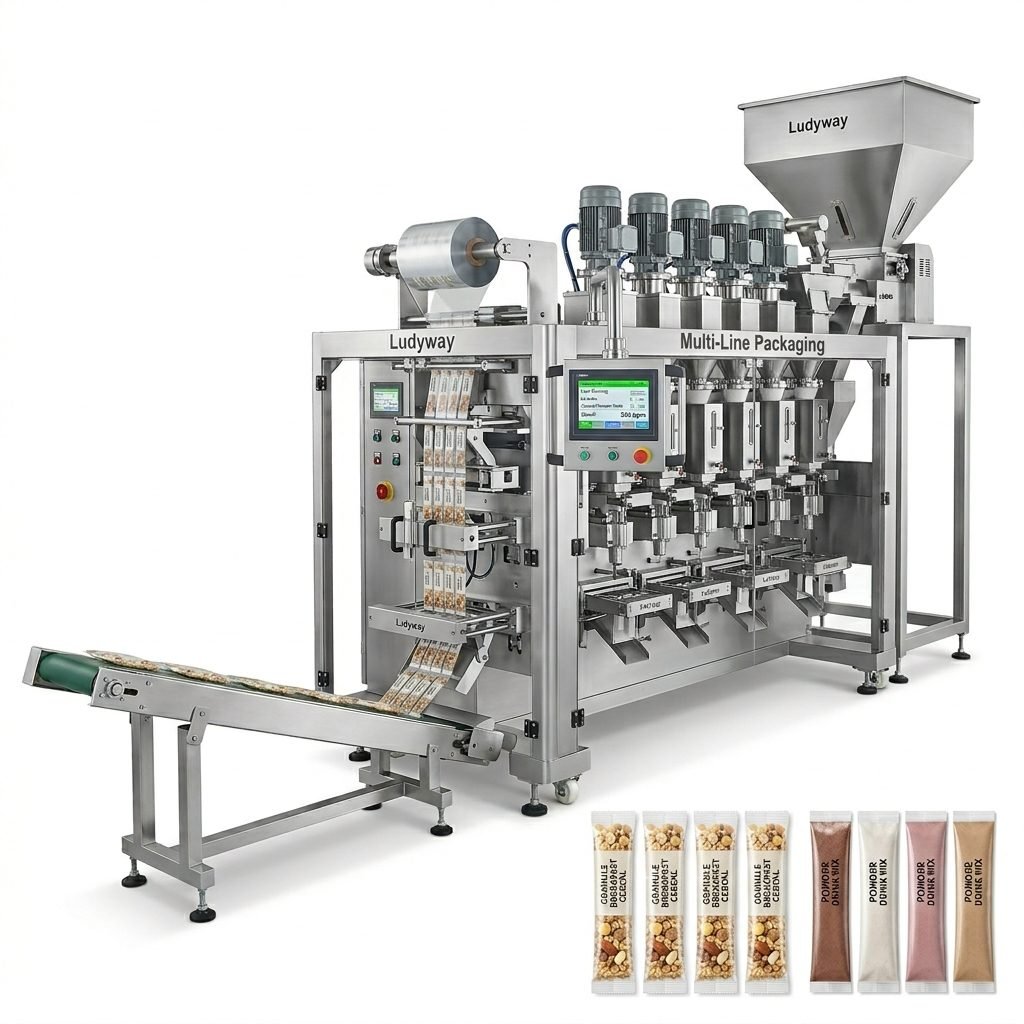
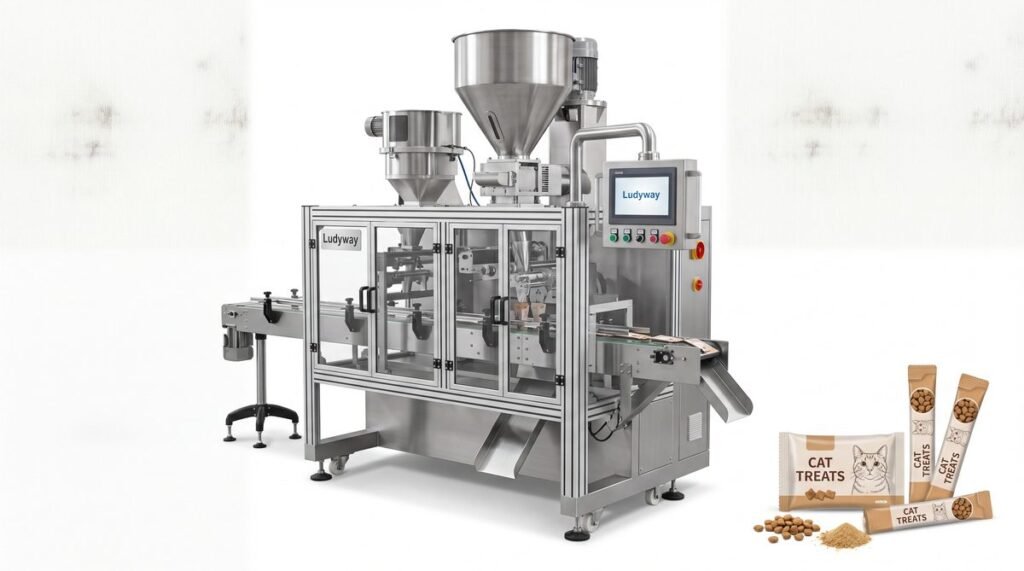
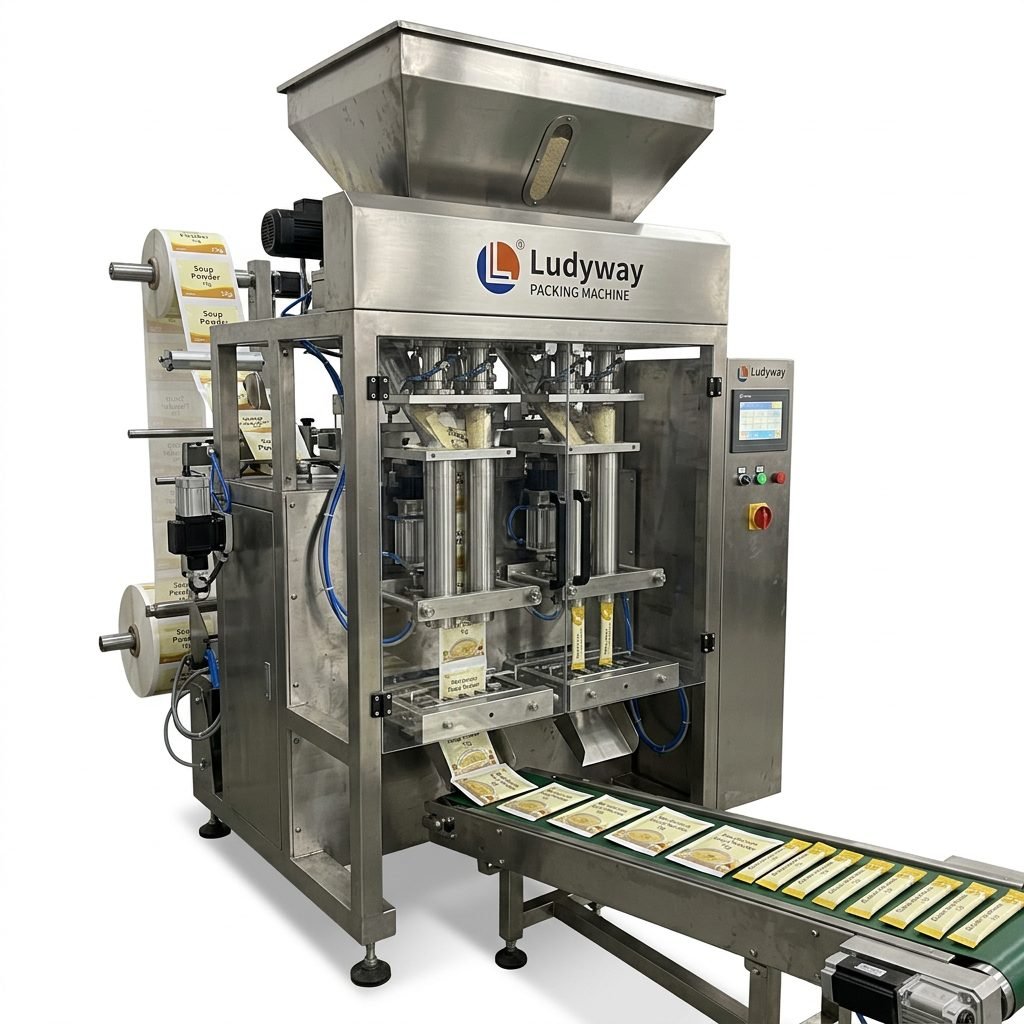
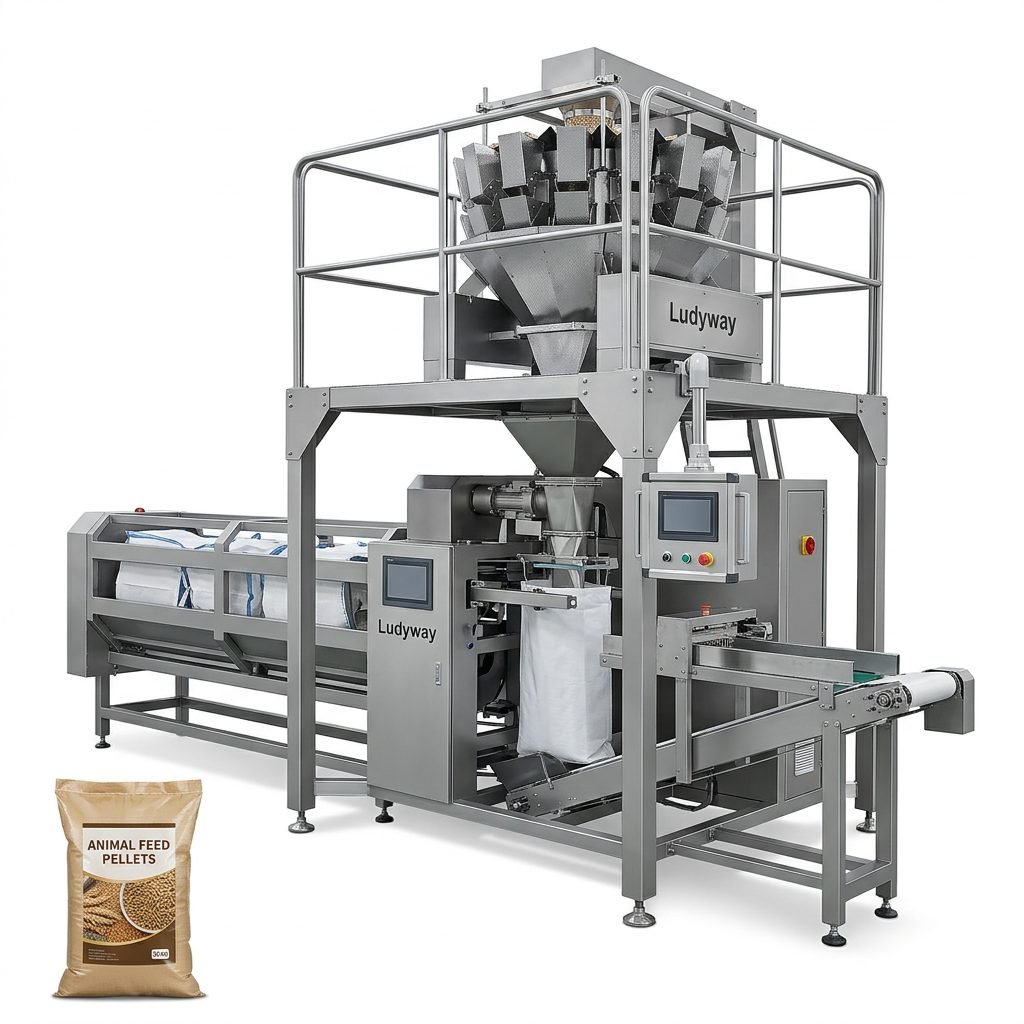
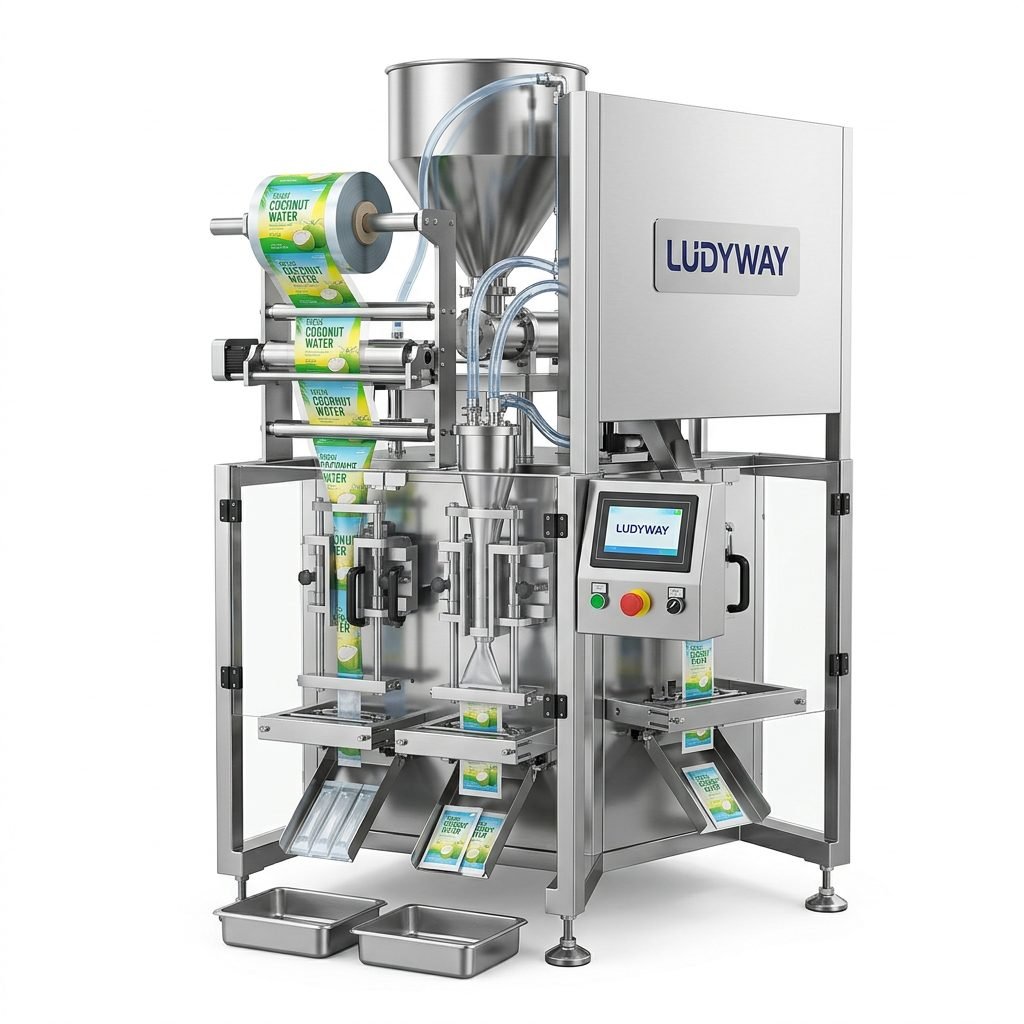
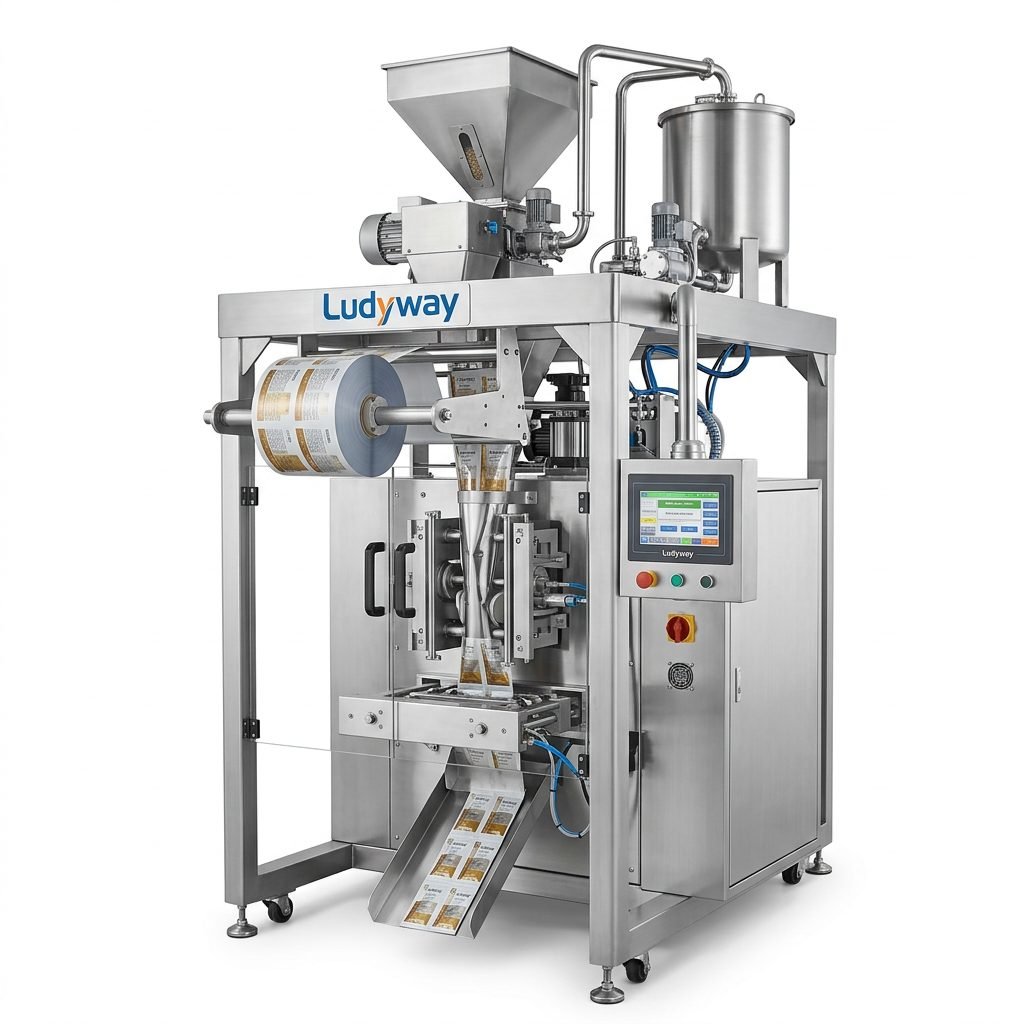
Sealed air packaging machines, often referred to as vacuum packaging or modified atmosphere packaging (MAP) systems, are critical for preserving product quality, extending shelf life, and enhancing presentation. This guide explores the different types of sealed air packaging systems, their key benefits, and provides a detailed framework for selecting the right machine for your specific production needs.
Understanding Sealed Air Packaging Technology
At its core, sealed air packaging involves removing air from a package (vacuum packaging) or replacing it with a specific gas mixture (modified atmosphere packaging) before hermetically sealing it. This process significantly slows down oxidation and microbial growth, which are primary causes of spoilage. The technology is indispensable across numerous sectors, from food and pharmaceuticals to electronics and industrial components, where protection from moisture, oxygen, and contamination is paramount.
Key Principle: The removal or substitution of ambient air inside a package creates a protective environment that dramatically slows degradation, ensuring products reach consumers in optimal condition.
Primary Types of Sealed Air Packaging Machines
The market offers a variety of machines, each designed for specific applications, scales, and packaging materials. Understanding these categories is the first step in making an informed choice.
Chamber Vacuum Machines
These are the most common type for industrial applications. Products are placed inside a sealed chamber, which is then evacuated of air before the package is sealed. They are ideal for irregularly shaped items and products with liquids or powders, as the vacuum is applied evenly around the entire package.
- Best For: Fresh meats, cheeses, prepared meals, and medical supplies.
- Advantage: Excellent air removal, suitable for wet products.
External (Nozzle) Vacuum Sealers
These machines use an external nozzle that is inserted into a specially designed bag. Air is sucked out through the nozzle before sealing. They are typically more affordable and faster for certain applications than chamber machines but are less effective with liquid-rich products.
- Best For: Dry goods, textiles, archival documents, and electronics.
- Advantage: Faster cycle times for dry products, often lower cost.
Modified Atmosphere Packaging (MAP) Machines
MAP systems flush the package with a controlled mixture of gases (like nitrogen, carbon dioxide, and oxygen) before sealing. This is not about removing air but replacing it with a preservative gas mix tailored to the product.
- Best For: Snack foods, fresh produce, baked goods, and coffee.
- Advantage: Preserves color, texture, and freshness without crushing delicate items.
Thermoforming Packaging Machines
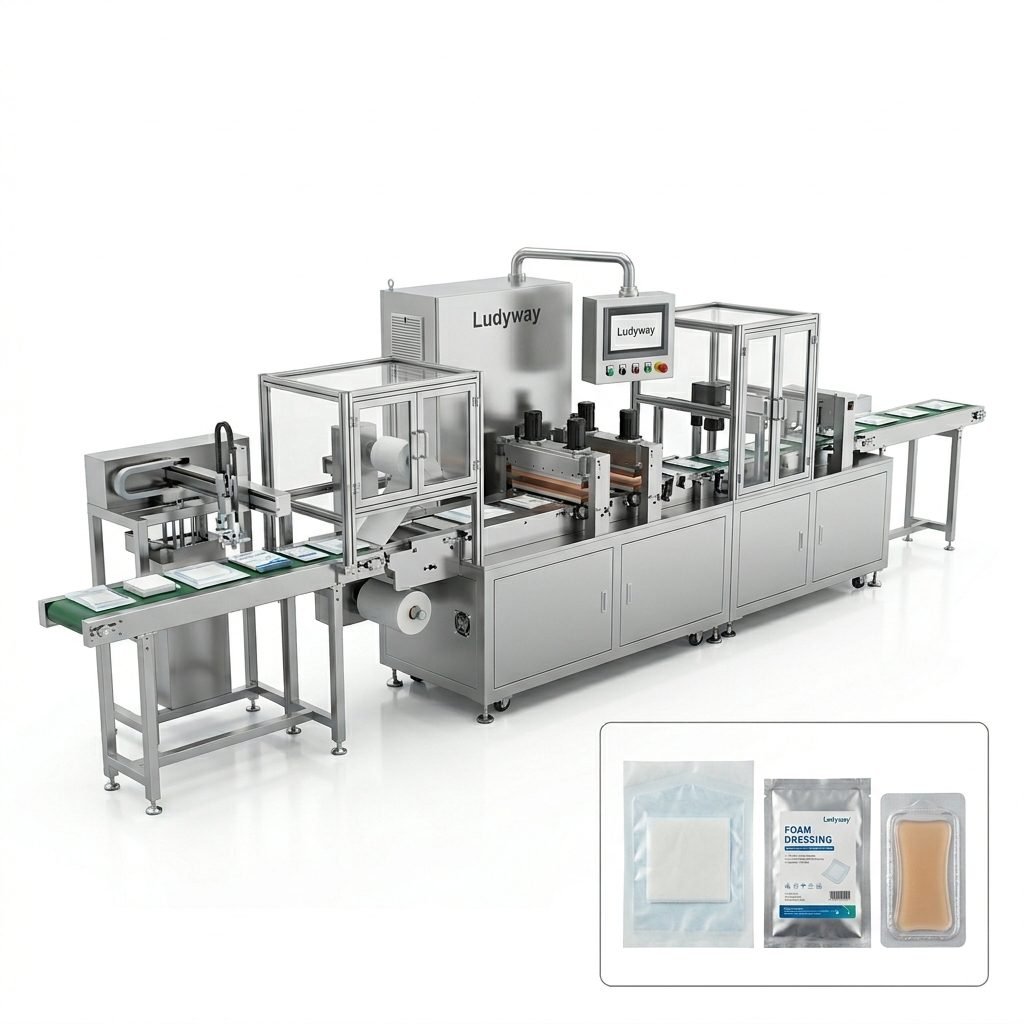
These advanced systems form the packaging tray from a roll of plastic film in-line, then fill, apply a vacuum or MAP gas, and seal with a top lidding film. They offer high automation, excellent presentation, and high barrier properties.
- Best For: High-volume production of processed meats, cheese slices, and ready-to-eat meals.
- Advantage: Fully automated, consistent package quality, ideal for retail-ready presentation.
Tangible Benefits of Implementing Sealed Air Packaging
Investing in this technology delivers measurable returns across operational, financial, and marketing dimensions.
Extended Product Shelf Life
By inhibiting bacterial growth and oxidation, shelf life can be extended by 3 to 5 times or more. This reduces waste, allows for broader distribution, and minimizes costly returns.
Enhanced Product Quality & Safety
Products retain their intended flavor, color, aroma, and nutritional value. The hermetic seal acts as a robust barrier against contamination, a critical factor for food safety and pharmaceutical integrity.
Improved Operational Efficiency
Modern machines are designed for speed and integration into production lines. Automated systems from providers like Ludyway Machinery can significantly increase output while reducing labor costs and manual handling errors.
Reduced Material & Logistics Costs
Vacuum packaging often allows for smaller, more compact packages, saving on material costs. Reduced package size and weight also lead to lower shipping and storage expenses.
Superior Market Presentation
A tight, professional vacuum seal or a clear MAP package with vibrant product visibility enhances brand perception on the shelf and can justify a premium price point.
How to Choose the Right Sealed Air Packaging System: A Step-by-Step Guide
Selecting the optimal machine requires a careful analysis of your product, production goals, and operational environment.
Step 1: Analyze Your Product Characteristics
This is the most critical factor. Consider the product’s physical state (solid, liquid, powder), fat/oil content, fragility, and sensitivity to pressure. Liquid-rich products necessitate a chamber vacuum machine with spill containment, while delicate baked goods are better suited for gentle MAP technology.
Step 2: Define Your Production Volume & Speed Requirements
Match the machine’s capacity (packages per minute/hour) to your current and projected output. Small businesses may start with single-chamber machines, while high-volume operations will need double-chamber, rotary, or inline thermoforming systems for continuous production.
Step 3: Evaluate Packaging Materials and Formats
The machine must be compatible with your desired bag, pouch, or tray material (e.g., multilayer barrier films). Determine your package size range and whether you need flexibility for multiple SKUs or a dedicated format for a single product.
Step 4: Assess Available Space and Utility Requirements
Measure your floor space and ensure you have the necessary power (voltage, phase), compressed air, and, for some MAP machines, gas line connections. Consider the machine’s footprint and integration into your existing line layout.
Step 5: Prioritize Ease of Use and Maintenance
Look for user-friendly controls (often touchscreen HMI), quick changeover features, and easy access for cleaning and maintenance. Reliable after-sales support, including access to spare parts and technical service, is crucial for minimizing downtime.
Step 6: Consider Automation and Integration Potential
For future growth, evaluate if the machine can be integrated with upstream filling equipment and downstream labeling or case packing systems. Automation features like robotic loading can dramatically boost long-term efficiency.
Pro Tip: Partner with an Experienced Supplier
Choosing a machinery partner with deep application knowledge is as important as choosing the machine itself. A supplier like Ludyway Machinery, with over a decade of experience in providing turnkey packaging solutions, can offer invaluable guidance, reliable equipment, and long-term support to ensure your investment delivers maximum value. They can help you navigate the complexities of machine selection, integration, and optimization for your specific industry.
Frequently Asked Questions (FAQs)
What is the main difference between vacuum packaging and modified atmosphere packaging (MAP)?
Vacuum packaging removes almost all air from the package, which is ideal for preventing oxidation and compressing the product. MAP replaces the air with a specific gas mixture designed to preserve the product’s natural state, making it better for delicate items like salads or chips where crushing is undesirable.
Can one machine handle both vacuum sealing and gas flushing (MAP)?
Yes, many advanced chamber machines are dual-function and can be programmed to perform either vacuum sealing or gas flushing. These are highly versatile but typically come at a higher initial investment compared to single-function machines.
How do I know what type of packaging film to use with my machine?
The film must have good barrier properties (low oxygen and moisture transmission) and strong seal integrity. Your machine supplier should provide specifications for compatible film materials. It’s essential to conduct trials with your specific product and film to validate performance.
What are the most common maintenance requirements for these machines?
Regular maintenance includes daily cleaning of the sealing bar and chamber to prevent residue buildup, checking and replacing the vacuum pump oil (if applicable), inspecting and cleaning the door gasket for a proper seal, and ensuring all filters are clean. Always follow the manufacturer’s maintenance schedule.
Is sealed air packaging cost-effective for a small business?
Absolutely. While the initial investment varies, the reduction in product spoilage, improved shelf appeal, and potential for entering new markets often lead to a quick return on investment (ROI). Starting with a reliable, semi-automatic chamber machine is a common and effective entry point for small to medium-sized enterprises.