Selecting the right tortilla packaging machine is a critical decision for any producer in the food manufacturing sector. The correct equipment not only ensures product integrity and shelf life but also optimizes production efficiency, reduces waste, and enhances brand presentation. This guide provides a comprehensive overview of the different types of tortilla packaging machines, their key features, and a structured approach to help you choose the perfect solution for your operational needs.
Understanding the Different Types of Tortilla Packaging Machines
The packaging process for tortillas can vary significantly based on production volume, tortilla type (corn, flour, specialty), and desired package format. Here are the primary machine types used in the industry.
Vertical Form-Fill-Seal (VFFS) Machines
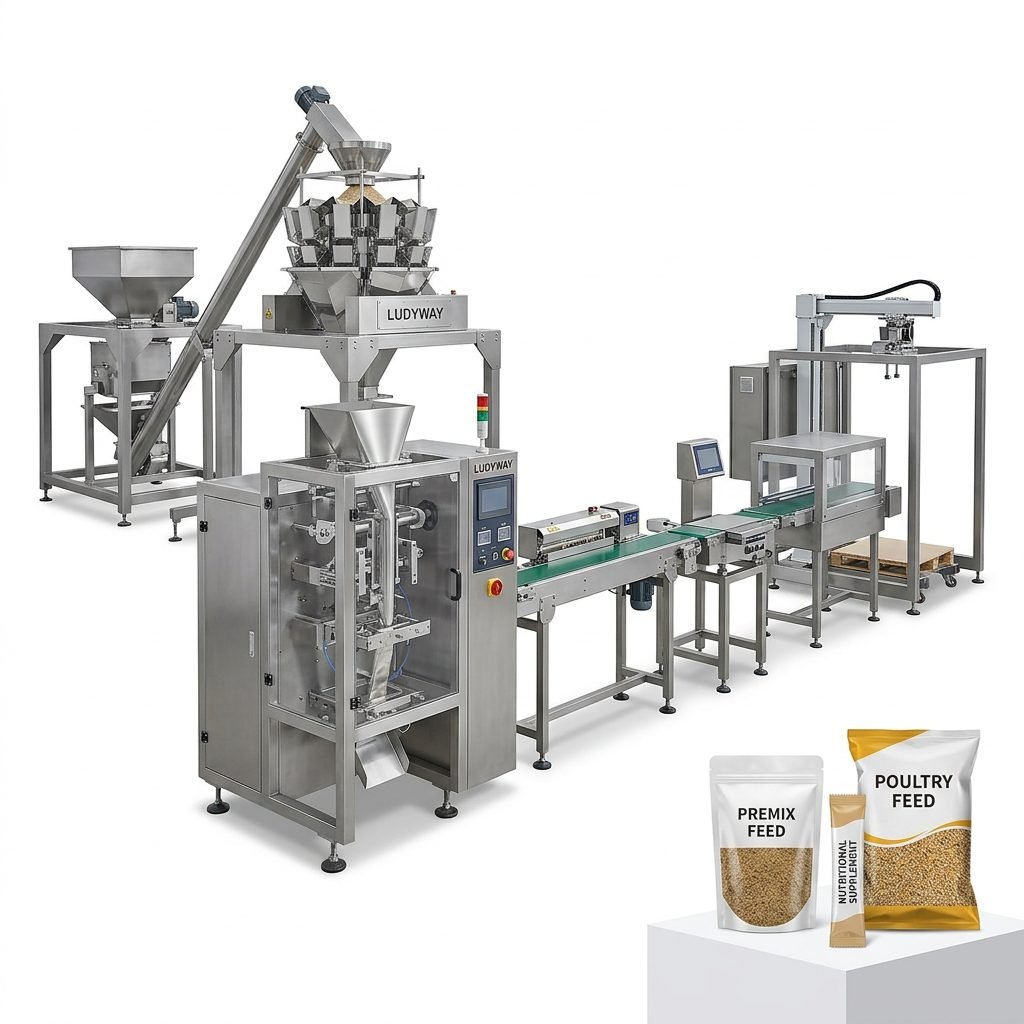
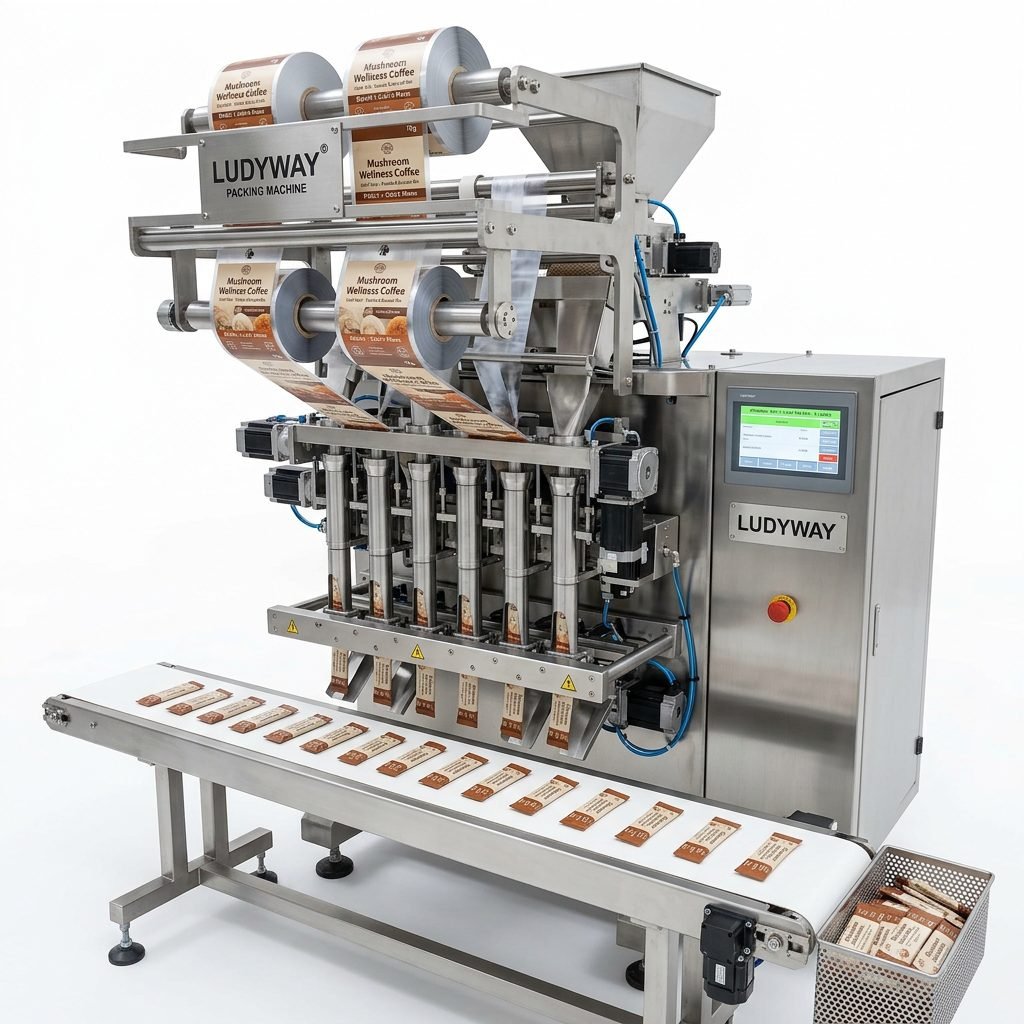
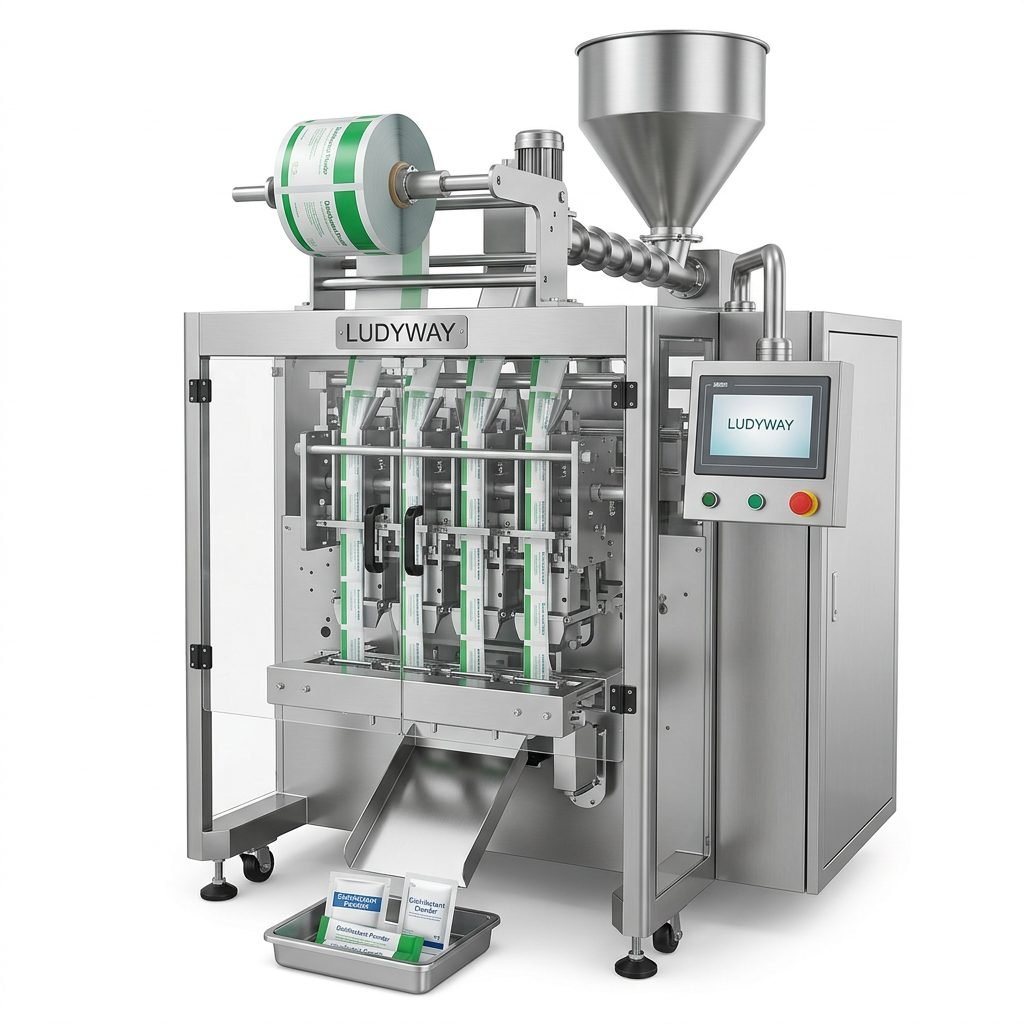
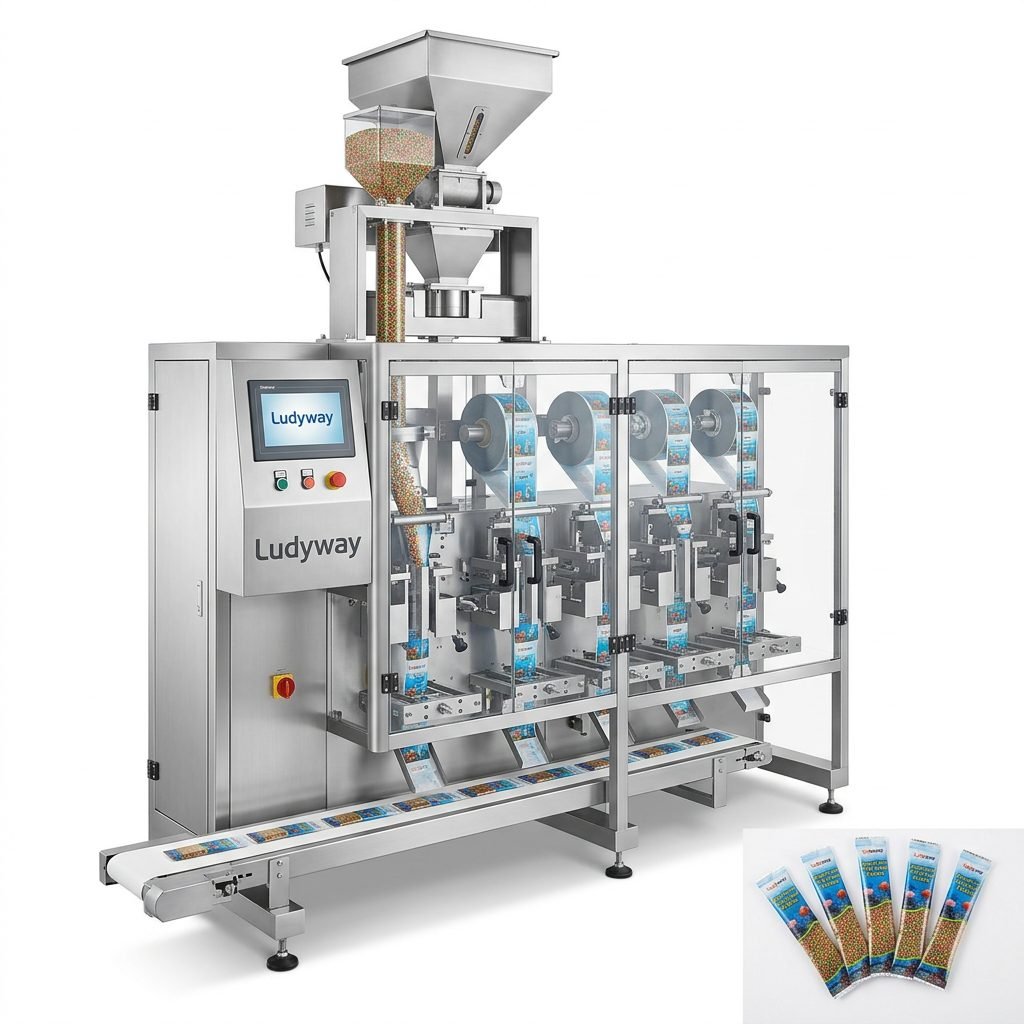
These are among the most common and versatile machines for packaging tortillas. A VFFS machine forms a bag from a roll of film, fills it with a stack of tortillas, and then seals it. They are ideal for high-speed production of pillow-style bags and can be integrated with scales or counters for precise filling.
- Best For: Medium to high-volume producers of standard stack counts.
- Key Advantage: Flexibility in bag size and material, cost-effective for many operations.
Horizontal Flow Wrappers
This machine type is often used for wrapping individual tortillas or small stacks in a tight, secure package. The product is placed on the film, which is then wrapped around it and sealed at the ends and back. This creates a neat, sleeve-like package that is excellent for product visibility and protection.
- Best For: Retail-ready packaging, organic or premium tortilla brands, single-serve portions.
- Key Advantage: Superior package aesthetics and excellent product presentation.
Pre-Made Bag Machines
These systems use pre-manufactured bags, which are opened, filled with tortillas, and then sealed. This method is less common for high-speed tortilla lines but can be advantageous for specific applications, such as larger family-size packs or when using unique bag materials with high-quality graphics pre-printed.
- Best For: Lower-volume operations, specialty packaging formats, or when using complex printed bag designs.
- Key Advantage: Allows for sophisticated, high-impact bag designs that enhance shelf appeal.
Essential Features to Consider in a Tortilla Packaging Machine
Beyond the basic type, several features directly impact performance, reliability, and the quality of the final packaged product.
Gentle Product Handling
Tortillas are delicate and can tear or deform if handled roughly. Look for machines with soft-touch conveyors, gentle pushers, and precision placement systems that ensure each tortilla stack is transferred and positioned without damage.
Gas Flushing (Modified Atmosphere Packaging – MAP) Capability
To significantly extend shelf life and maintain freshness, many producers use MAP. This process replaces the air inside the package with a protective gas mixture (like nitrogen or carbon dioxide). A machine with integrated gas flushing technology is essential for this application.
High-Speed Operation with Precision
Speed is measured in packages per minute (PPM). Your required speed depends on your production output. Crucially, the machine must maintain accuracy in counting or weighing and sealing integrity even at its top speed. Inconsistent seals lead to spoilage.
User-Friendly HMI and Quick Changeover
A modern, intuitive Human-Machine Interface (HMI) touchscreen allows operators to easily set parameters, monitor production, and diagnose issues. Quick-change tooling and recipe storage are vital for producers who run multiple tortilla sizes or types, minimizing downtime between production runs.
Robust Construction and Hygienic Design
Food-grade stainless steel contact parts are a must for cleanliness and durability. The machine should have a design that facilitates easy cleaning and maintenance to meet food safety standards like HACCP and GMP.
How to Choose the Right Tortilla Packaging Machine: A Step-by-Step Guide
Making an informed choice requires a systematic evaluation of your specific needs against what the market offers.
Step 1: Analyze Your Product and Production Requirements
- Tortilla Type & Size: Corn, flour, whole wheat? Diameter and thickness?
- Package Format: Stack count, bag style (pillow, flat-bottom, flow-wrap), and size.
- Production Speed: Calculate your required output in packs per minute/hour.
- Shelf-Life Goals: Do you need standard packaging or MAP for extended freshness?
Step 2: Evaluate Machine Capabilities and Integration
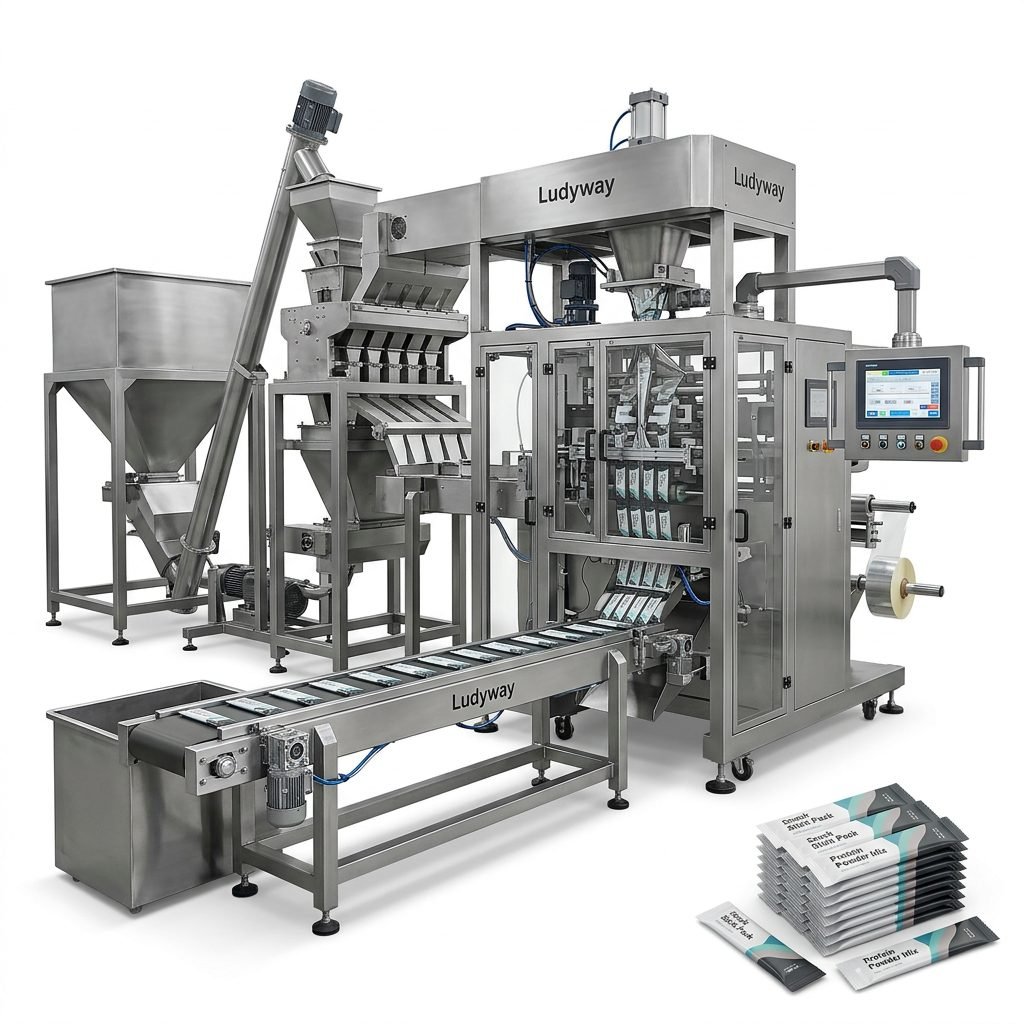
Match your requirements from Step 1 to machine specifications. Consider how the packaging machine will integrate with your existing upstream equipment (like cooling conveyors or stacking systems) and downstream systems (like case packers or cartoners). Seamless integration is key to a smooth production line.
Step 3: Assess Reliability and Supplier Support
The machine is a long-term investment. Research the manufacturer’s reputation. A supplier like Ludyway Machinery, with decades of industry experience, offers not just equipment but peace of mind. Consider the availability of spare parts, technical support, training, and service warranties. Strong after-sales support is invaluable.
Step 4: Consider Total Cost of Ownership (TCO)
Look beyond the initial purchase price. Factor in operational costs (energy, film consumption, maintenance), potential downtime costs, and the cost of future upgrades or scalability. A slightly higher upfront cost for a more reliable and efficient machine often leads to lower TCO.
Step 5: Request a Product Test or Factory Demo
Before finalizing your decision, always test the machine with your actual tortillas and packaging materials. This is the best way to verify performance, package quality, and ease of operation. Many reputable suppliers, including those offering advanced packaging solutions, provide this service.
Conclusion
Investing in the right tortilla packaging machine is a strategic decision that affects product quality, operational efficiency, and your bottom line. By thoroughly understanding the different machine types, prioritizing essential features like gentle handling and MAP capability, and following a structured selection process that emphasizes reliability and total cost of ownership, you can find equipment that perfectly aligns with your production goals. Partnering with an experienced supplier ensures you get a tailored solution and the support needed for long-term success.
Frequently Asked Questions (FAQs)
What is the most important feature to look for in a tortilla packaging machine?
Gentle product handling is paramount. Tortillas are easily damaged, so the machine must have systems designed to transfer and position stacks without tearing or deforming them, ensuring a perfect final package every time.
Can one machine handle different sizes of tortillas and package counts?
Yes, many modern machines are designed for quick changeover. Look for models with tool-free adjustments, digital settings saved as “recipes,” and versatile forming systems that can accommodate a range of product diameters and stack heights with minimal downtime.
How does Modified Atmosphere Packaging (MAP) extend the shelf life of tortillas?
MAP replaces the oxygen inside the package (which promotes mold and staleness) with an inert gas like nitrogen. This dramatically slows down spoilage, allowing for a shelf life of weeks or even months without preservatives, which is crucial for wider distribution. Explore our packaging systems that often integrate this technology.
What maintenance does a tortilla packaging machine typically require?
Regular maintenance includes daily cleaning of food contact parts, lubrication of moving components as per the manual, inspection and cleaning of sealing jaws, and checking film tracking sensors. A preventive maintenance schedule from your supplier is essential for maximizing uptime.
Why is supplier experience important when choosing packaging equipment?
An experienced supplier brings invaluable expertise in application engineering, helping you avoid costly mistakes. They provide reliable machines, accessible technical support, readily available spare parts, and a deep understanding of industry challenges, ensuring your investment is protected for years to come.