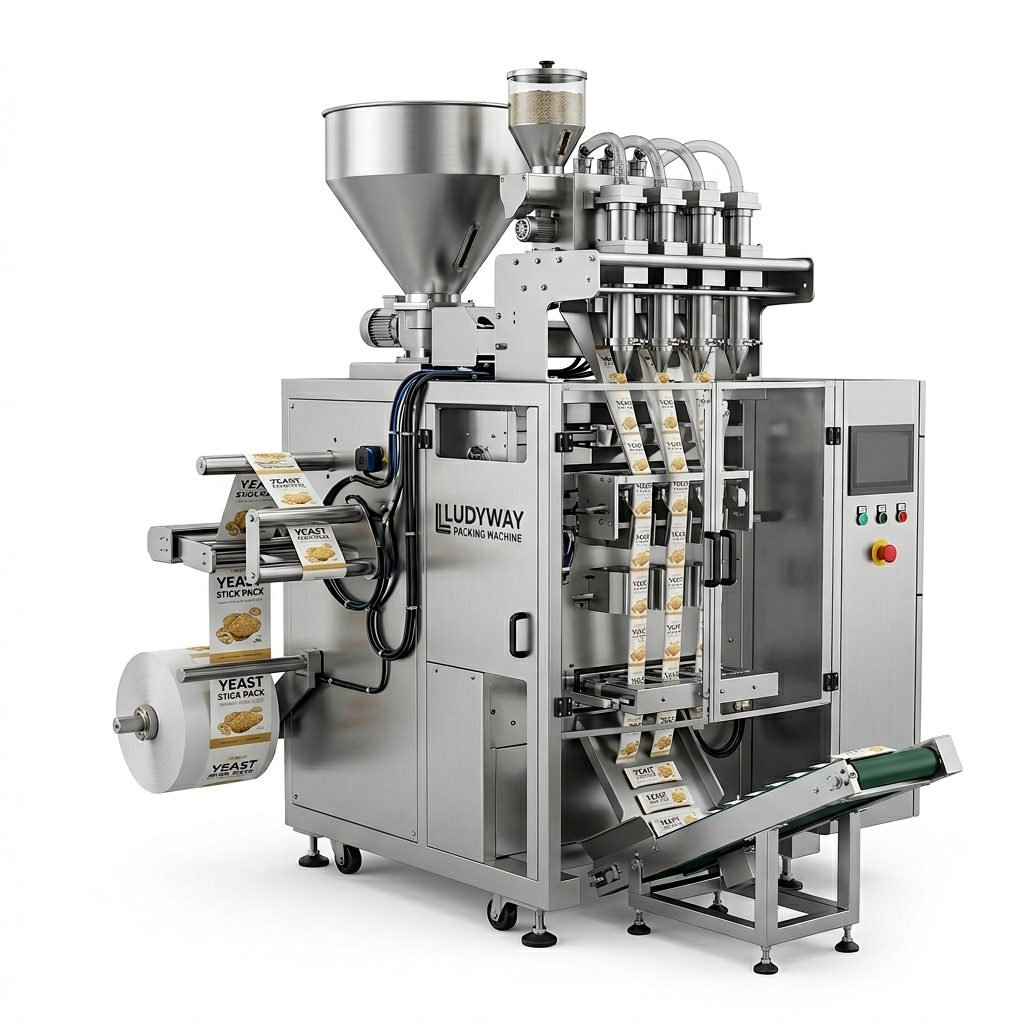
Regular maintenance of a food packing machine is essential for ensuring food safety, maximizing operational efficiency, and extending equipment lifespan. Without a proper cleaning and maintenance routine, residue buildup can lead to contamination risks, mechanical failures, and costly downtime. This guide covers the essential steps every operator and maintenance team should follow.
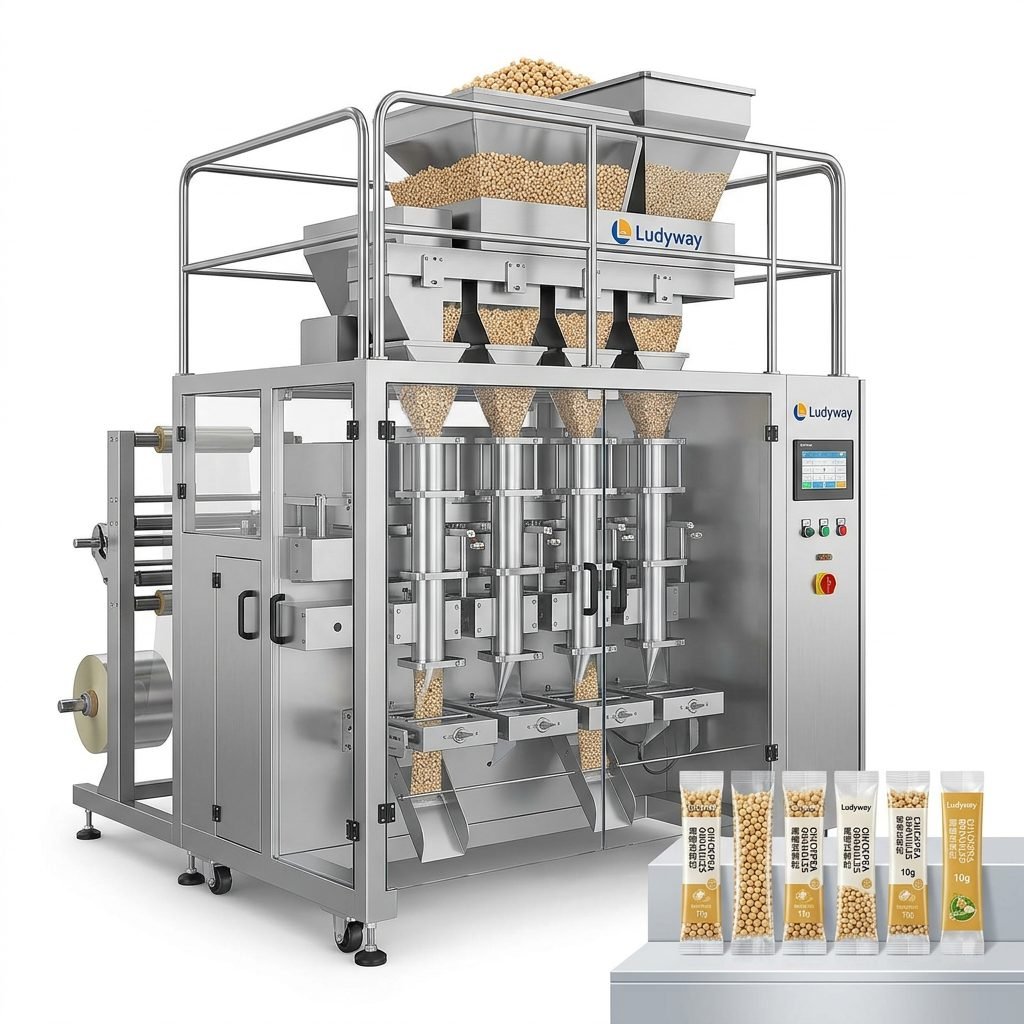
Why Routine Maintenance Matters
A well-maintained packaging machine delivers consistent seal quality, accurate filling weights, and reliable throughput. Neglecting maintenance can result in product recalls due to contamination, unexpected breakdowns during peak production periods, and increased repair costs. According to industry standards from the PMMI – Packaging and Processing Technologies Association, preventive maintenance programs can reduce unplanned downtime by up to 30%.
Daily Cleaning Checklist
Daily cleaning is the first line of defense against contamination and mechanical wear. Operators should perform these tasks at the end of each shift:
- Remove product residue from filling nozzles, hoppers, and sealing jaws using food-grade cleaning agents.
- Wipe down all contact surfaces with lint-free cloths to prevent cross-contamination between batches.
- Inspect sealing elements for burnt-on product or film residue that can compromise seal integrity.
- Check and empty dust collection trays and waste bins to prevent overflow.
- Verify that sensors and photocells are clean and unobstructed for accurate detection.
Approved Cleaning Agents for Food Packaging Equipment
Always use cleaning solutions that meet FDA food contact substance regulations. Avoid harsh abrasives that can scratch stainless steel surfaces and create bacteria-harboring crevices.
Weekly Inspection and Lubrication
Weekly maintenance tasks focus on mechanical integrity and proper lubrication of moving parts:
- Lubricate chains, bearings, and cam followers with food-grade lubricants specified in the equipment manual.
- Inspect drive belts for signs of cracking, fraying, or improper tension.
- Check pneumatic fittings and air lines for leaks that can affect machine timing.
- Examine electrical connections for loose wires or signs of overheating.
- Test emergency stop functions and safety interlocks to ensure operator protection.
Monthly Preventive Maintenance Tasks
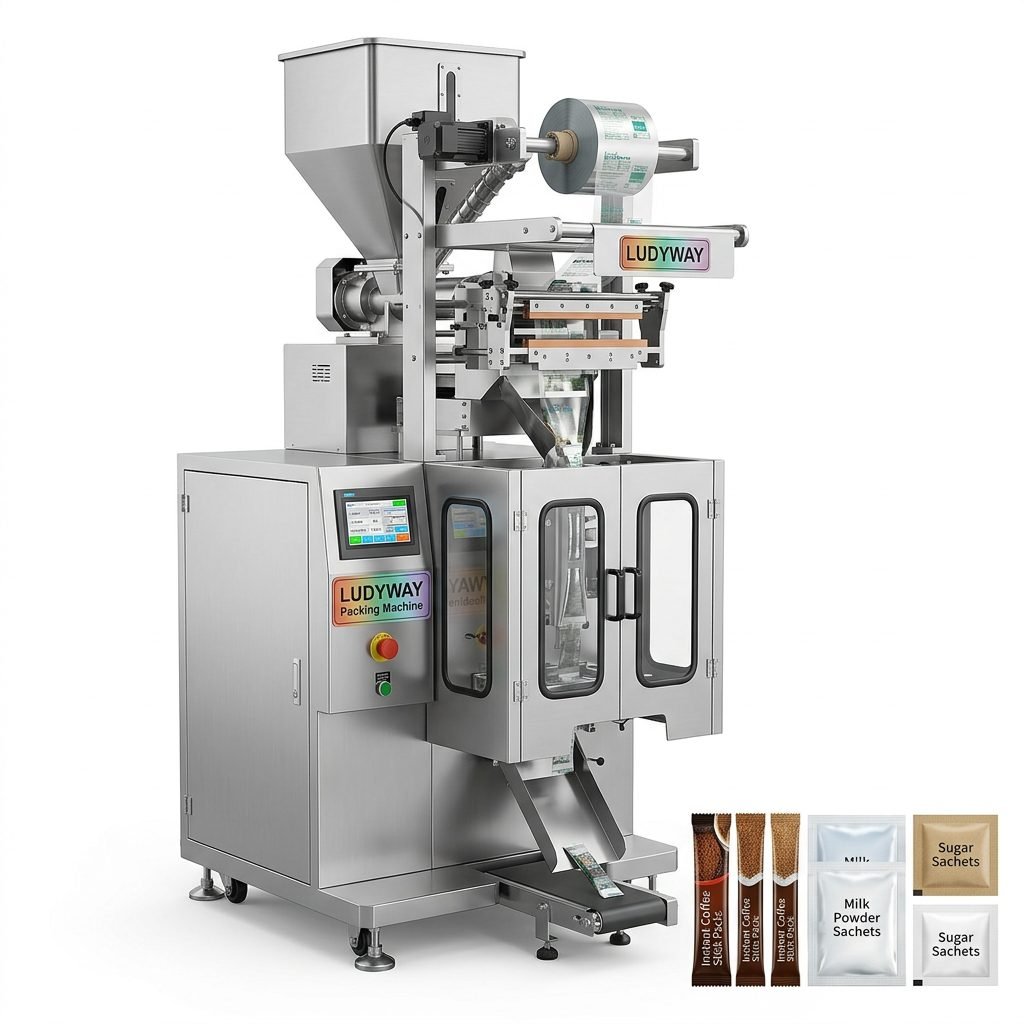
Monthly maintenance involves deeper inspection of critical components that experience the most wear during operation. The following table outlines key monthly tasks:
| Component | Maintenance Task | Frequency |
|---|---|---|
| Sealing Jaws | Clean and check for wear; replace if coating is damaged | Monthly |
| Film Tension Rollers | Inspect bearings and alignment; clean roller surfaces | Monthly |
| Weighing System | Calibrate load cells and verify weighing accuracy | Monthly |
| Temperature Controllers | Verify setpoint accuracy with external thermometer | Monthly |
| Gearboxes | Check oil levels and top up with food-grade lubricant | Monthly |
Quarterly Deep Maintenance
Every three months, schedule a comprehensive inspection that goes beyond routine checks. These tasks often require a qualified technician:
- Replace worn sealing elements including Teflon coatings, heating elements, and thermocouples.
- Inspect and clean all electrical cabinets, removing dust that can cause short circuits.
- Verify PLC program parameters and backup all machine settings.
- Check film registration systems and recalibrate as needed for precise cutting.
- Inspect structural integrity of frames, welds, and mounting points for fatigue.
Documentation and Record Keeping
Maintaining detailed service logs is crucial for traceability and compliance. Document all maintenance activities including dates, parts replaced, and any anomalies observed. These records are essential for ISO packaging standards compliance and audit readiness.
Common Maintenance Issues and Solutions
Even with regular care, certain issues arise frequently in food packaging operations. Here are the most common problems and their solutions:
| Issue | Possible Cause | Solution |
|---|---|---|
| Inconsistent seal strength | Worn sealing jaws or incorrect temperature | Replace jaws and recalibrate temperature settings |
| Product leakage in packages | Misaligned filling nozzles or damaged seals | Realign nozzles and inspect seal integrity |
| Inaccurate fill weights | Uncalibrated weighing system or product bridging | Recalibrate and check hopper agitation |
| Film tracking errors | Dirty or misaligned rollers | Clean rollers and verify alignment |
| Excessive machine vibration | Loose mounting bolts or worn bearings | Tighten all fasteners and replace bearings |
Best Practices for Long-Term Equipment Care
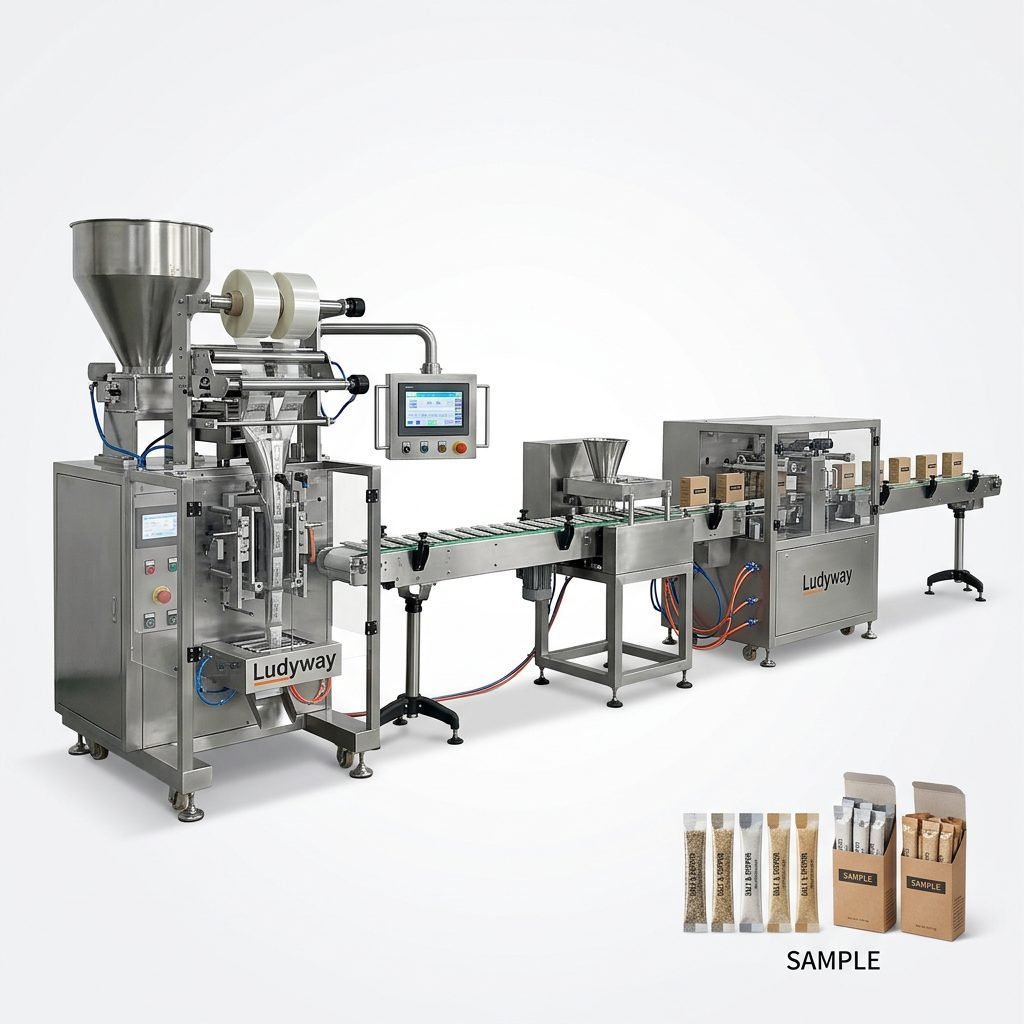
Adopting these best practices will significantly extend the service life of your packaging machinery:
- Train all operators on proper cleaning procedures and basic troubleshooting techniques.
- Use only OEM-approved spare parts to maintain warranty coverage and machine performance.
- Schedule maintenance during planned downtime rather than waiting for unexpected failures.
- Keep a spare parts inventory for critical wear components to minimize repair time.
- Monitor machine performance metrics to identify gradual deterioration before failures occur.
The Role of Professional Service Support
While routine maintenance can be handled in-house, periodic professional servicing ensures that complex systems receive expert attention. For facilities seeking reliable equipment support, Ludyway provides comprehensive after-sales technical assistance and spare parts supply for their full range of packaging machines, helping manufacturers worldwide maintain peak production performance.
Safety Considerations During Maintenance
Safety must be the top priority during all maintenance activities. Always follow these protocols:
- Lock out and tag out all energy sources before performing any maintenance work.
- Allow heated components to cool completely before cleaning or inspection.
- Wear appropriate PPE including cut-resistant gloves and safety glasses.
- Follow confined space procedures when cleaning inside large hoppers or enclosures.
- Keep the work area clean and free of slip hazards from spilled products or lubricants.
When to Replace vs. Repair Components
Knowing when to replace a component rather than repair it is critical for cost-effective maintenance. As a general rule, replace any part that shows more than 50% wear or has failed more than twice in a six-month period. Components such as sealing jaws and heating elements have predictable service lives and should be replaced proactively based on manufacturer recommendations.
For additional guidance on packaging equipment standards and industry best practices, refer to resources from the Flexible Packaging Association and PMMI Business Intelligence.