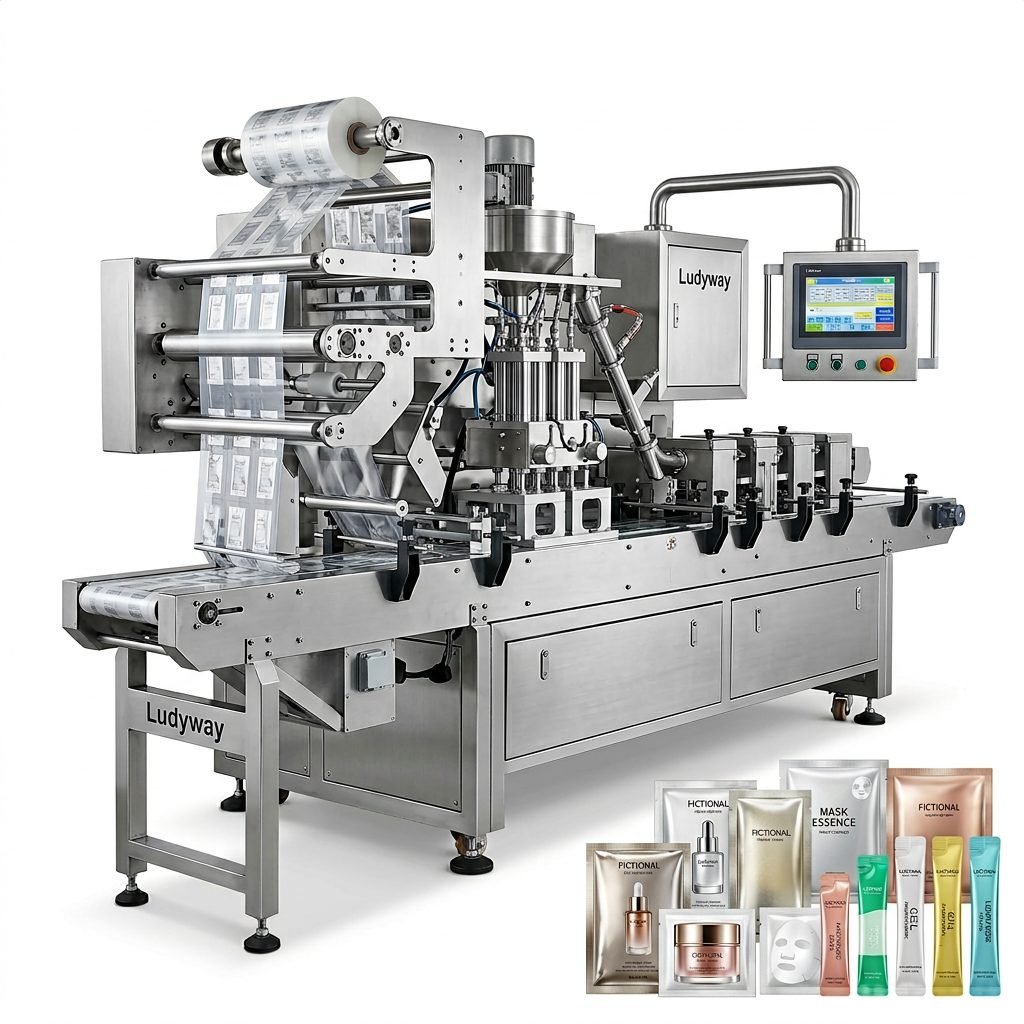
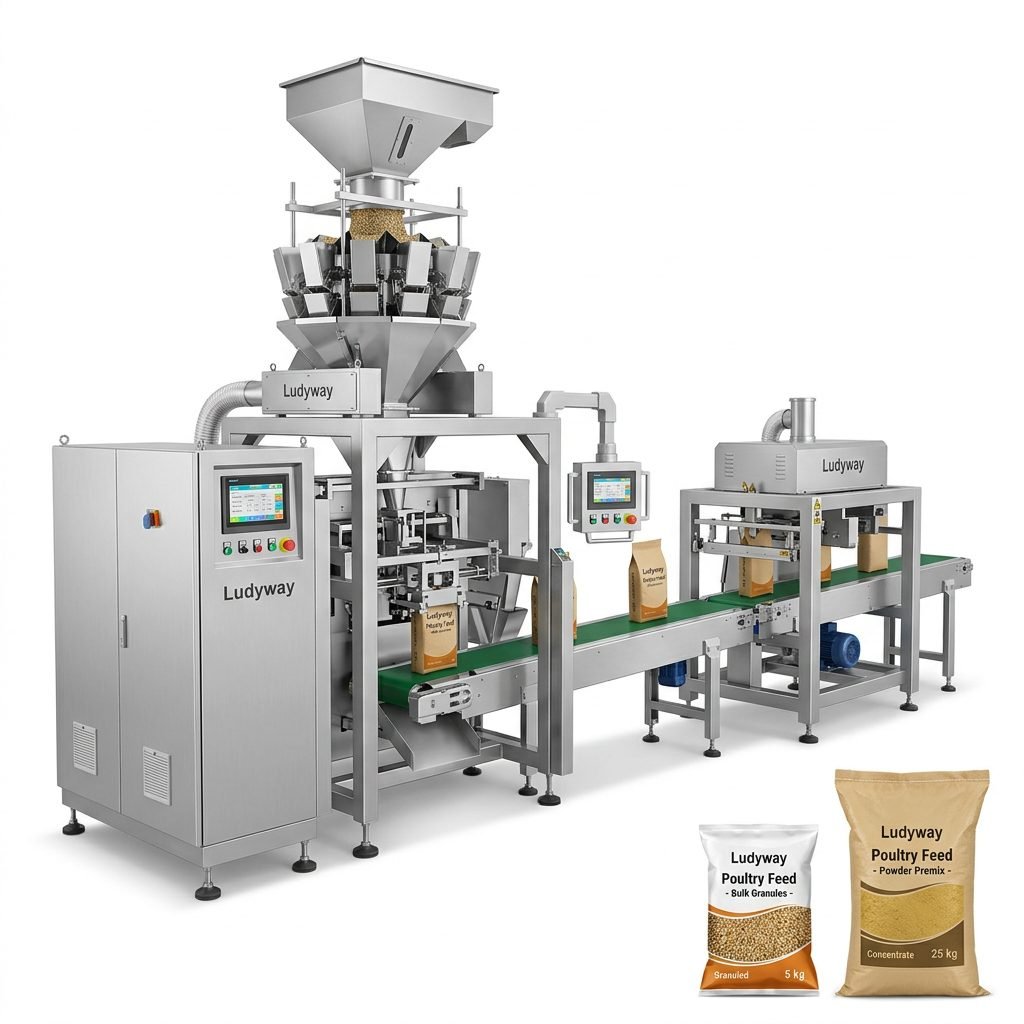
In today’s fast-paced manufacturing world, advanced packaging machinery technology is the backbone of efficient, reliable, and high-speed production. From food and pharmaceuticals to cosmetics and industrial goods, modern packaging systems ensure product integrity, extend shelf life, and enhance brand presentation. This technology encompasses a wide range of equipment types, each with distinct working principles tailored to specific applications.
Core Types of Advanced Packaging Machinery
The landscape of packaging machinery is diverse, designed to handle various product forms and market demands.
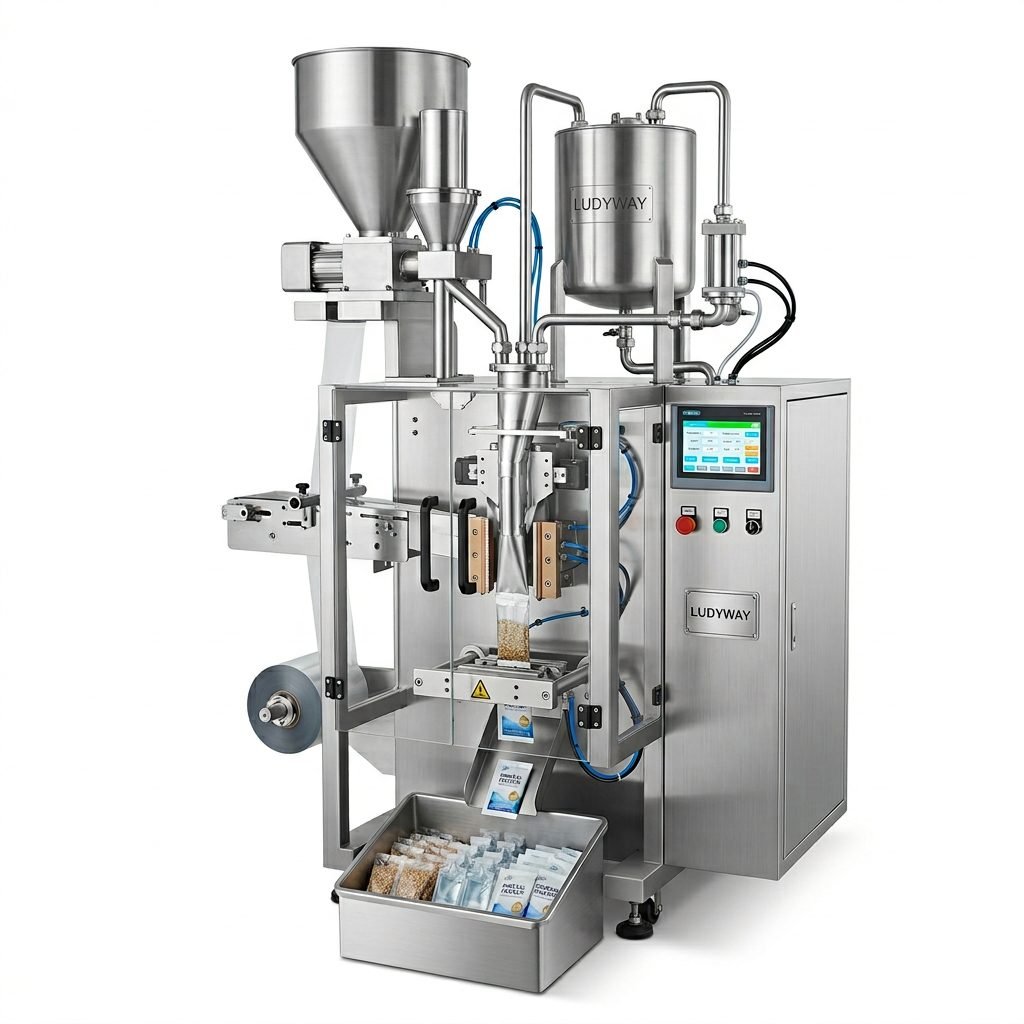
Vertical Form-Fill-Seal (VFFS) Machines
These are among the most common and versatile systems. They form a tube from a roll of flat packaging film, fill it with the product, and then seal it, creating individual pouches. They are ideal for granules, powders, and small solid items like snacks, coffee, or hardware components.
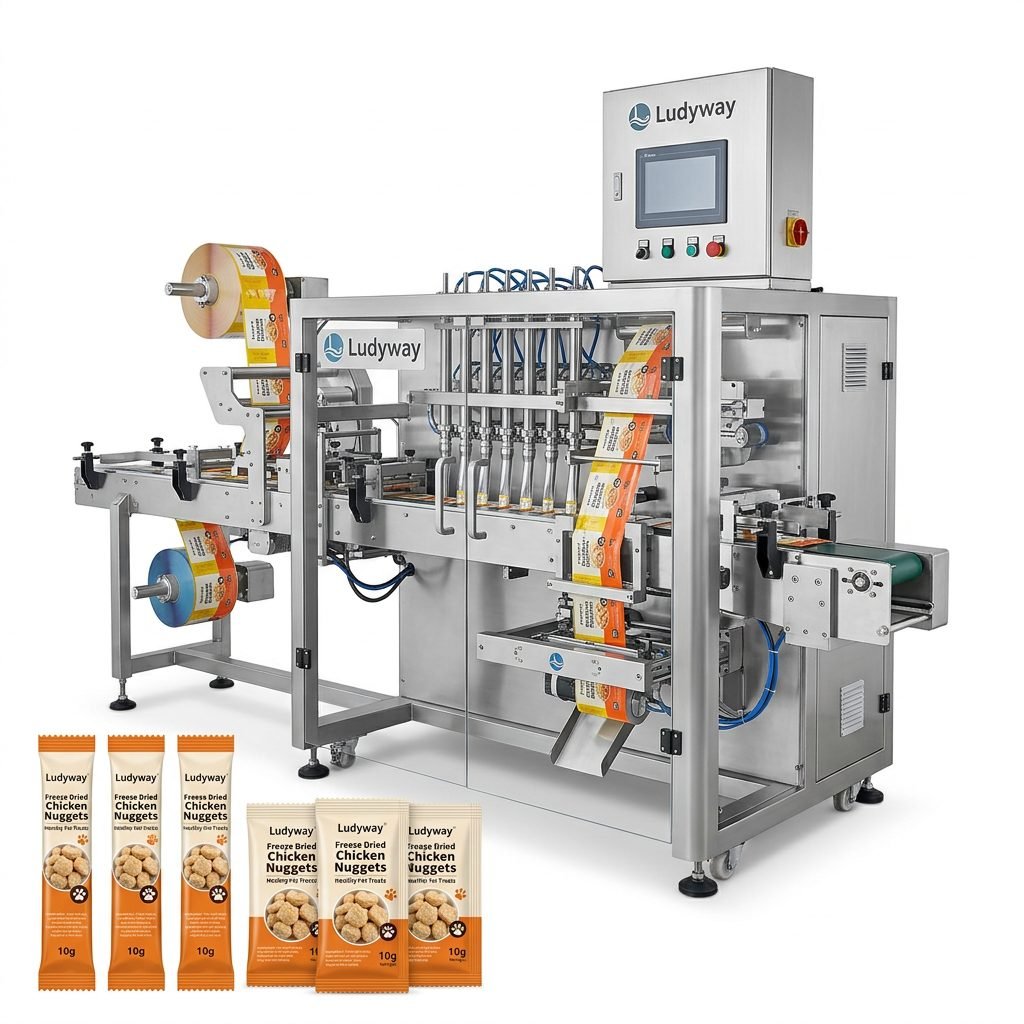
Horizontal Form-Fill-Seal (HFFS) Machines
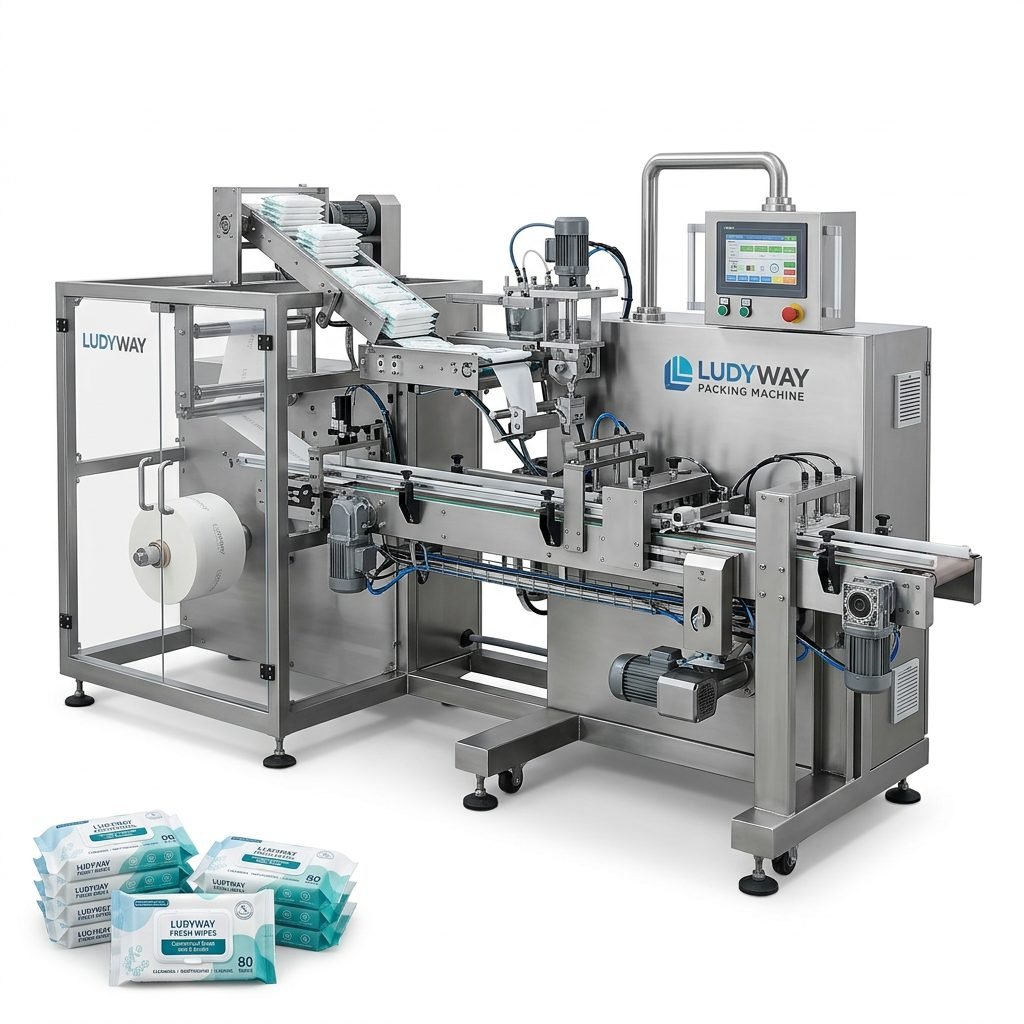
Operating on a different plane, HFFS machines are typically used for more rigid structures or multi-component packaging. They are excellent for creating stick packs, sachets for sauces or shampoo, and blister packs for pharmaceuticals or tablets.
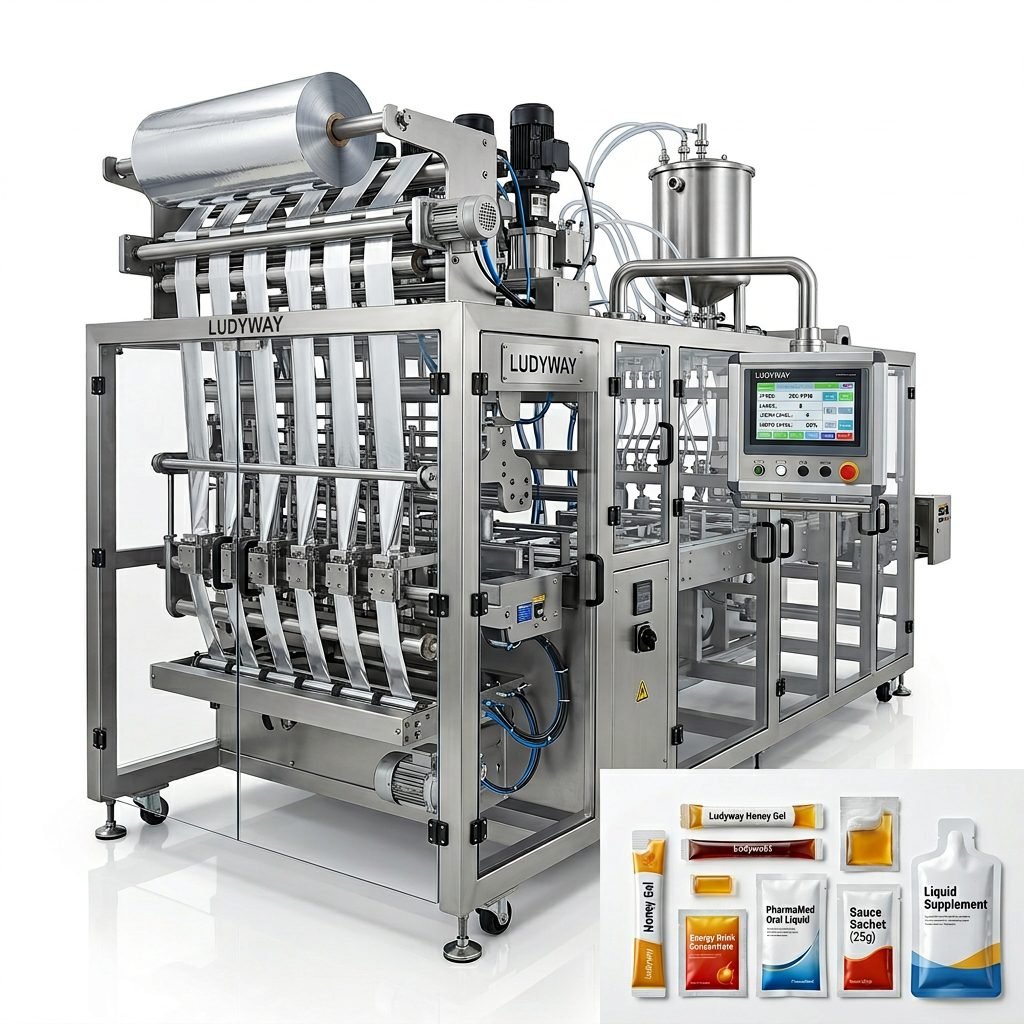
Liquid & Paste Filling Machines
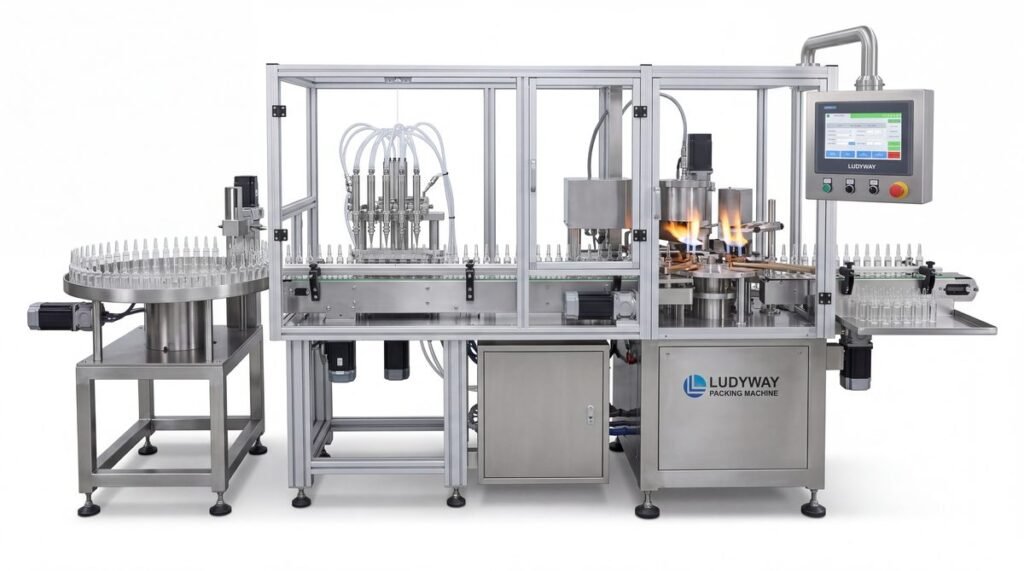
Specialized for viscous products, these machines use precise volumetric, piston, or gravity-filling mechanisms. They are crucial in industries like dairy, sauces, personal care, and chemicals, ensuring accurate fill levels and preventing leaks.
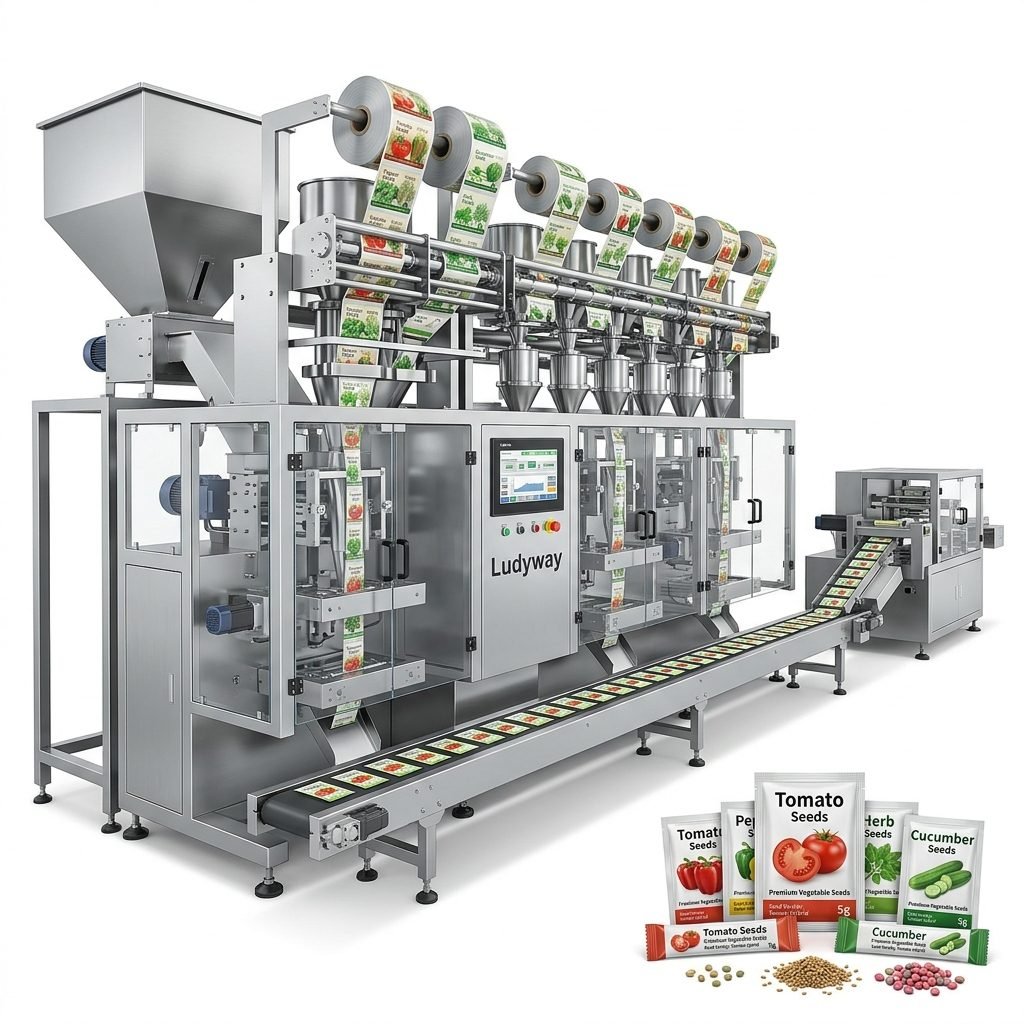
Multi-Lane & High-Speed Stick Pack Machines
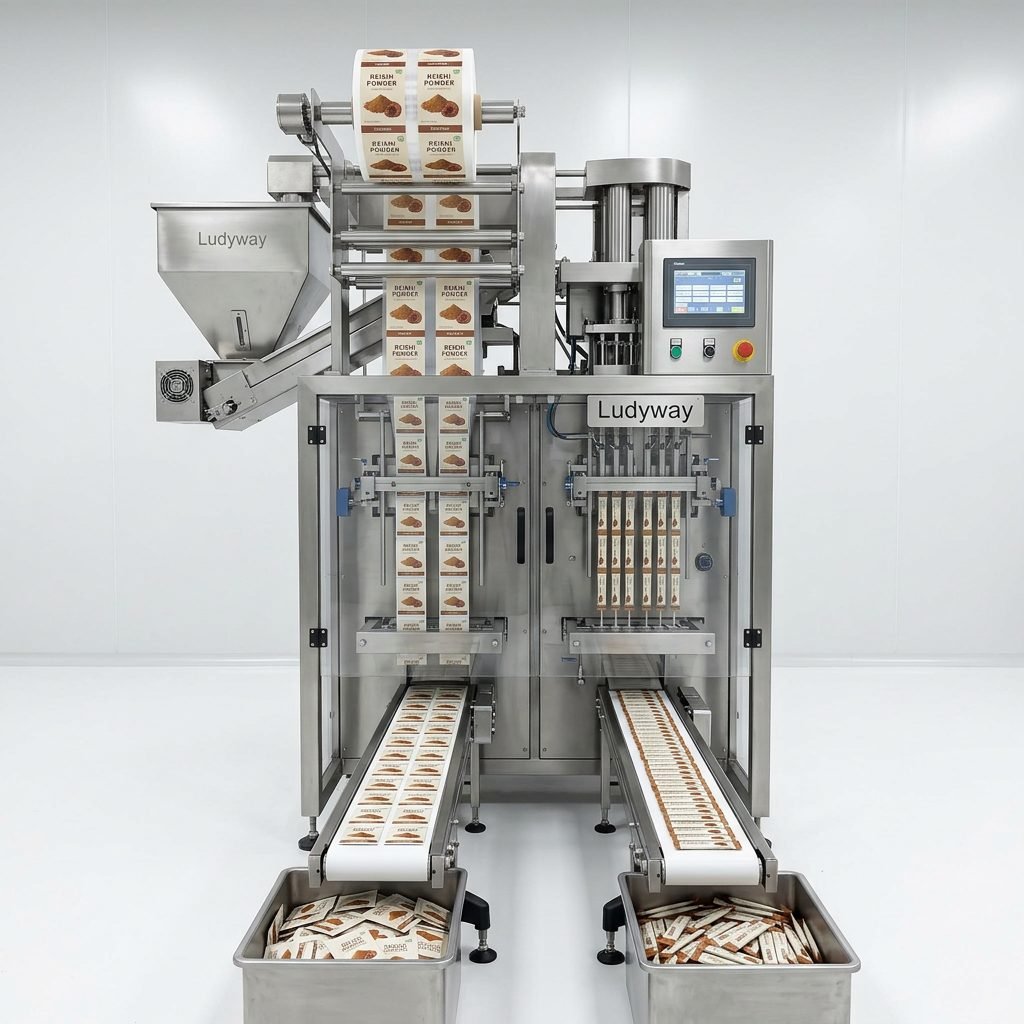
Representing the pinnacle of efficiency for single-serve portions, these systems operate multiple packaging lanes simultaneously. They are extensively used for instant drink mixes, sugar, salt, pharmaceuticals, and condiments, offering incredibly high output rates.
Working Principles Behind the Technology
Understanding how these machines function reveals the engineering sophistication driving modern packaging lines.
The Forming Process
This initial stage involves shaping the packaging material. In VFFS machines, a forming tube shapes the flat film into a cylinder. In HFFS systems, the film is often thermoformed into pockets or guided to create fin-sealed pouches. The precision of this stage dictates the final package’s consistency and appearance.
Precision Filling Mechanisms
Accuracy is paramount. Systems employ various methods:
✅ Auger Fillers: Use a rotating screw for powders and granules.
✅ Volumetric Cup Fillers: Ideal for uniform free-flowing products.
✅ Liquid Pumps & Nozzles: Provide clean, drip-free filling for liquids and pastes.
✅ Weighing Scales (Net/Gross): Integrated for the highest accuracy, often used in combination with other fillers.
Sealing & Closing Technology
The seal guarantees product safety. Heat sealing is most common, using heated jaws to melt and fuse polymer layers in the film. Parameters like temperature, pressure, and dwell time are meticulously controlled. Some applications use cold sealing (pressure-sensitive adhesives) or ultrasonic welding for specialized materials.
Integration of Automation & Control
Modern machines are governed by Programmable Logic Controllers (PLCs) and Human-Machine Interfaces (HMIs). These systems manage all machine functions, monitor performance, track production data, and facilitate quick changeovers for different products or package sizes.
Key Applications Across Industries
The adoption of advanced packaging machinery is critical in sectors where hygiene, speed, and precision are non-negotiable.
Food & Beverage Industry
This is the largest application sector. Machines package everything from snacks and pasta to tea and spices. High-speed stick pack and sachet machines are vital for single-serve portions of ketchup, coffee creamer, or drink mixes, meeting the demands of fast-food and hospitality sectors globally.
Pharmaceutical & Healthcare
Here, precision and sterility are paramount. Packaging machinery handles powders for antibiotics, granules for traditional medicines, and liquids for syrups. Machines often operate in controlled environments and feature designs that are easy to clean and validate, complying with strict regulations like GMP (Good Manufacturing Practice).
Personal Care & Cosmetics
From shampoo sachets and face cream sticks to laundry detergent pods, packaging must be attractive, leak-proof, and capable of handling diverse viscosities. Advanced filling and sealing technologies ensure product integrity and enhance the user experience.
Chemical & Industrial Products
These applications require robust machines that can handle abrasive powders, corrosive liquids, or volatile compounds. Packaging for items like cement additives, lubricants, or herbicides demands durable materials and reliable, sealed packaging to ensure safety during transport and storage.
Frequently Asked Questions (FAQs)
What factors should I consider when choosing packaging machinery?
Key considerations include your product type (powder, liquid, granule), required production speed, available factory space, budget, and the need for future flexibility (e.g., changeover between different package sizes). Consulting with an experienced supplier like Ludyway Packing Machine is crucial for a tailored solution.
How can I improve the efficiency of my existing packaging line?
Efficiency gains often come from upgrading key components (like faster fillers or sealers), integrating better automation controls for data monitoring, improving line layout to reduce downtime, and implementing regular predictive maintenance schedules.
What are the benefits of a multi-lane stick pack machine over a single-lane machine?
A multi-lane machine dramatically increases output by packaging multiple portions simultaneously. It offers a superior return on investment for high-volume production of items like instant coffee, sugar, or pharmaceutical powders, despite a higher initial investment.
How important is after-sales service and technical support?
Extremely important. Reliable technical support, availability of spare parts, and operator training are essential for minimizing downtime and ensuring the long-term productivity and return on your machinery investment. A supplier’s service commitment is as critical as the machine’s quality.
Can packaging machinery be customized for unique products?
Yes, many reputable manufacturers offer customization. This can include special feeding systems for non-free-flowing products, unique sealing jaw shapes, integration with other equipment like cartoners, or the use of specific materials. Discussing your specific needs with the engineering team is the first step.