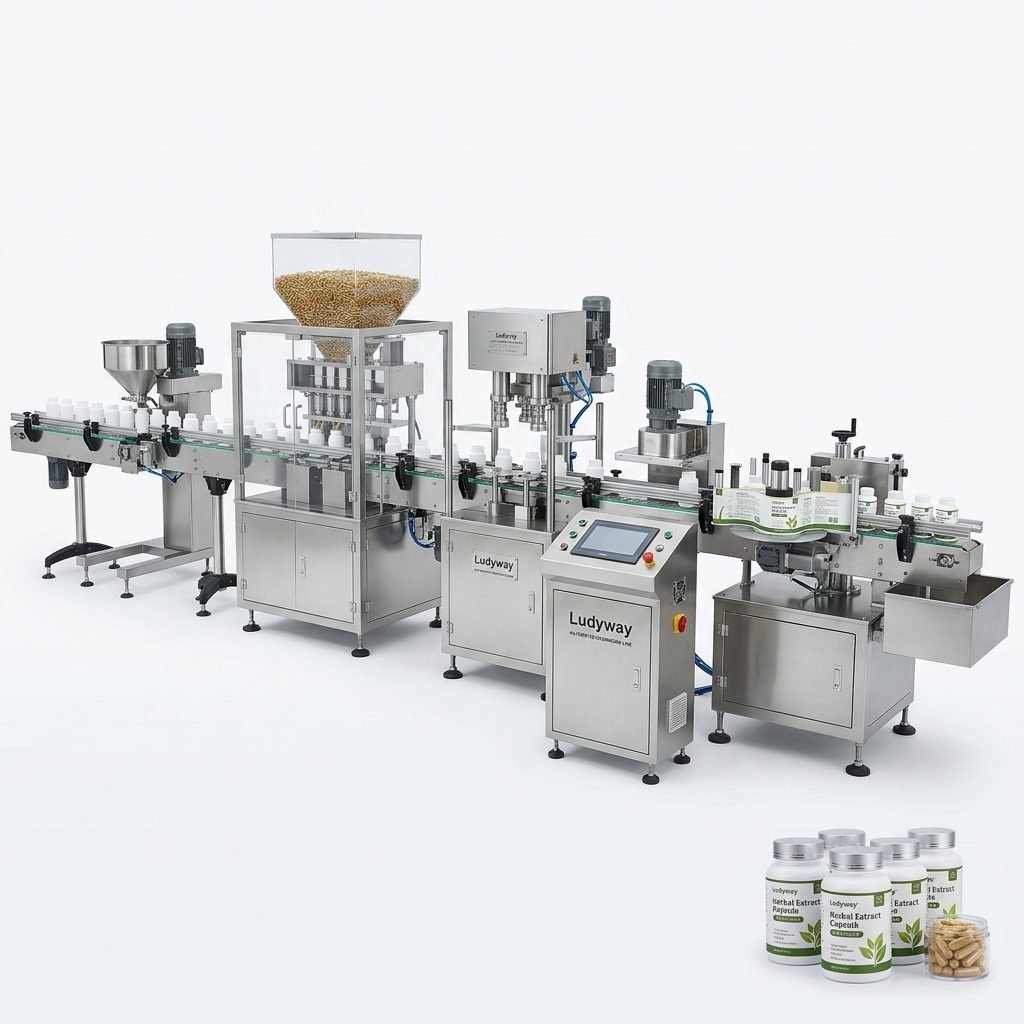
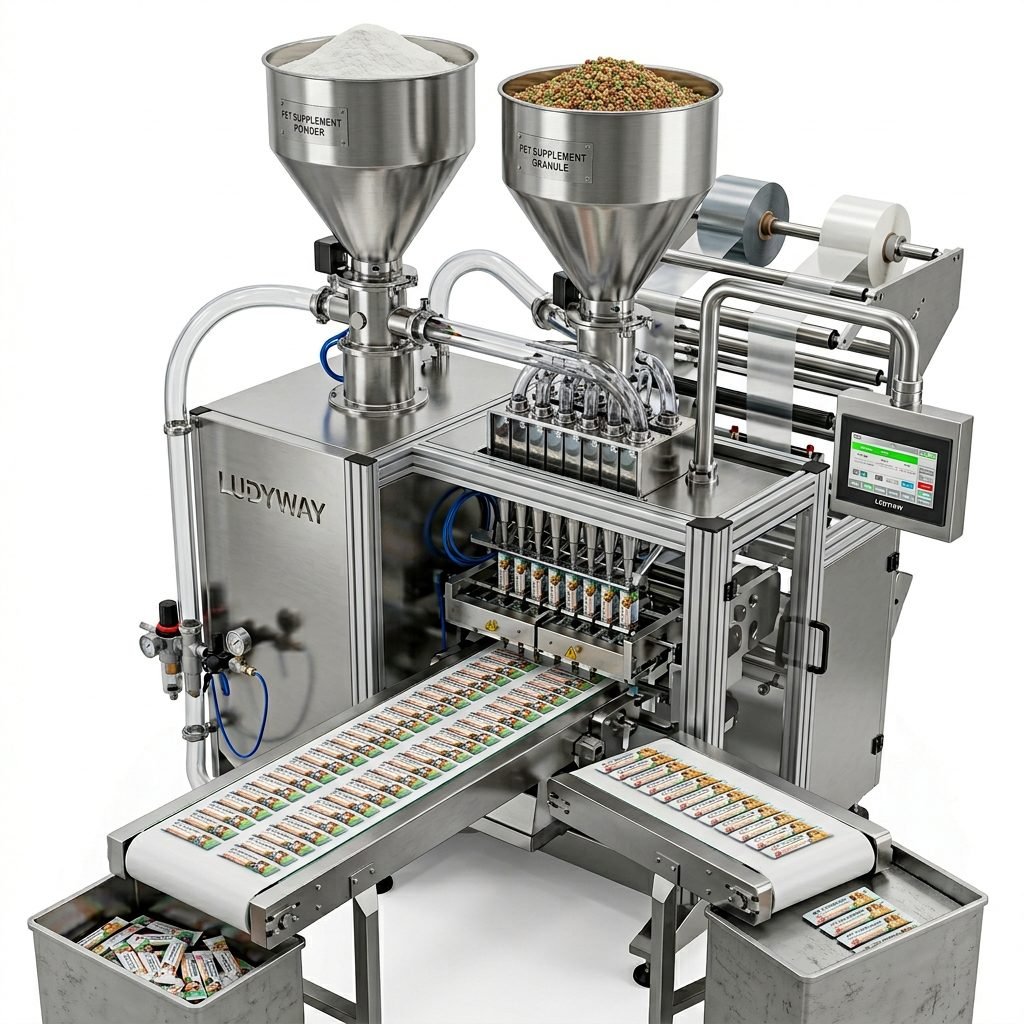
Choosing the best packaging machine for food is a critical decision that directly impacts your production efficiency, product quality, and overall operational costs. With a vast array of options available, from simple sachet fillers to complex multi-lane stick pack systems, navigating the selection process can be daunting. This guide will walk you through the essential factors to consider, ensuring you find the right solution that aligns perfectly with your production line’s specific needs and goals.
Core Decision Factors
Your choice must be rooted in a deep understanding of your own operation. Before comparing machines, clearly define these parameters:
- Product Characteristics: Is your product a granule, fine powder, viscous liquid, or paste? Each type demands different feeding, filling, and sealing technologies.
- Required Output Speed: Calculate your required units per minute (UPM) or packs per hour, considering both current demand and projected growth.
- Packaging Format & Material: Determine if you need stick packs, sachets, pouches, or bags, and what laminate (e.g., PET/AL/PE) is required for product barrier and shelf life.
- Available Floor Space & Utilities: Assess the physical footprint in your facility and the availability of power (voltage, phases) and compressed air.
Understanding Key Packaging Machine Types
The food industry utilizes specialized machinery designed for specific formats and product states. Familiarizing yourself with the primary categories is the first step toward a smart investment.
1. Vertical Form-Fill-Seal (VFFS) Machines
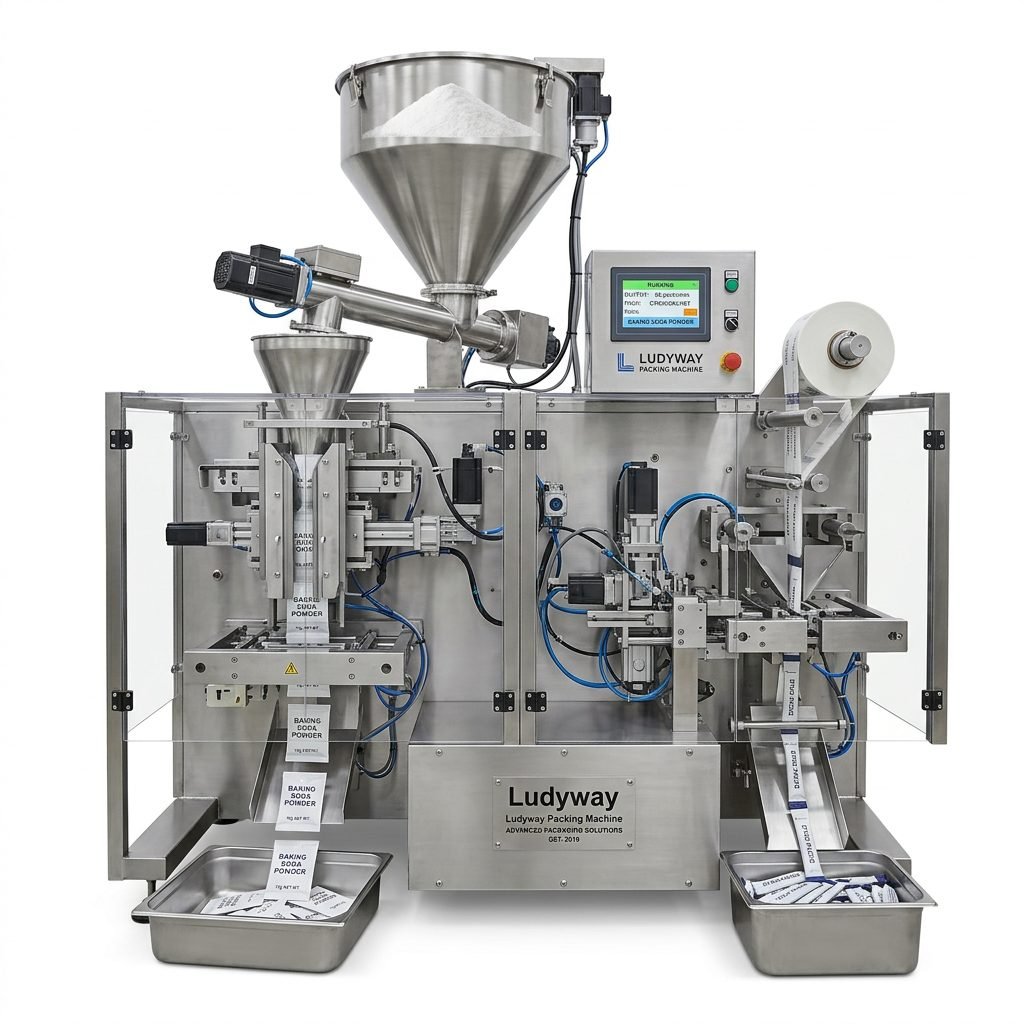
These are the workhorses of the industry, creating bags from a roll of flat film, filling them with product, and sealing them in a continuous vertical process. Ideal for snacks, coffee, grains, and powders. They offer high flexibility in bag size and shape.
2. Stick Pack & Sachet Packaging Machines
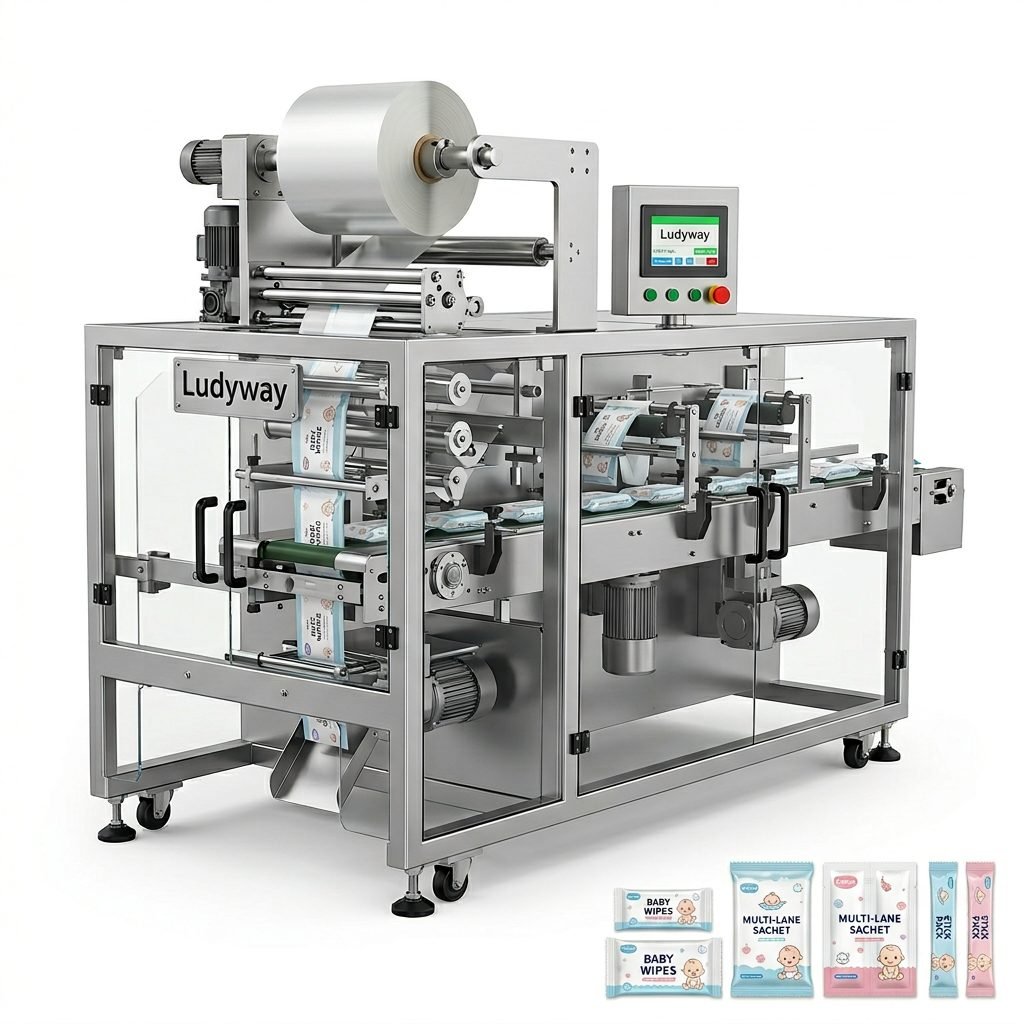
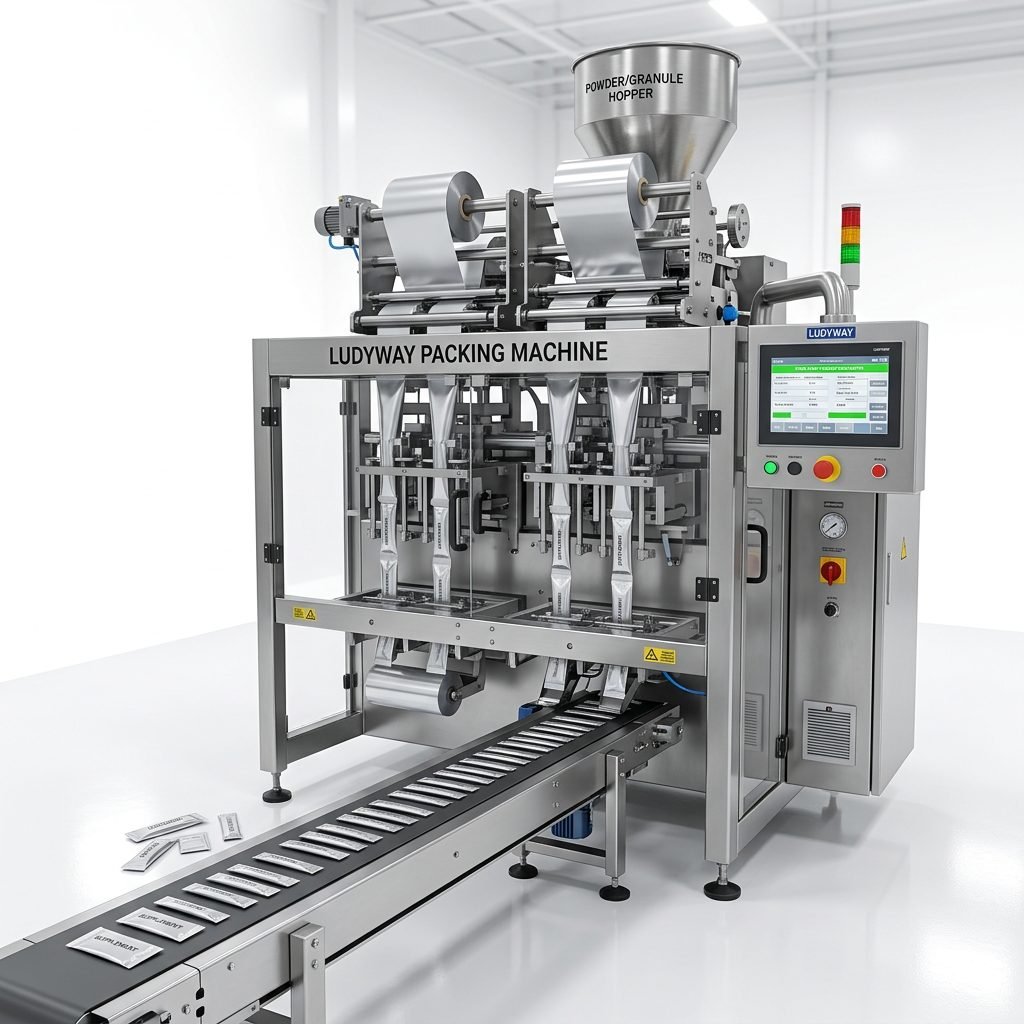
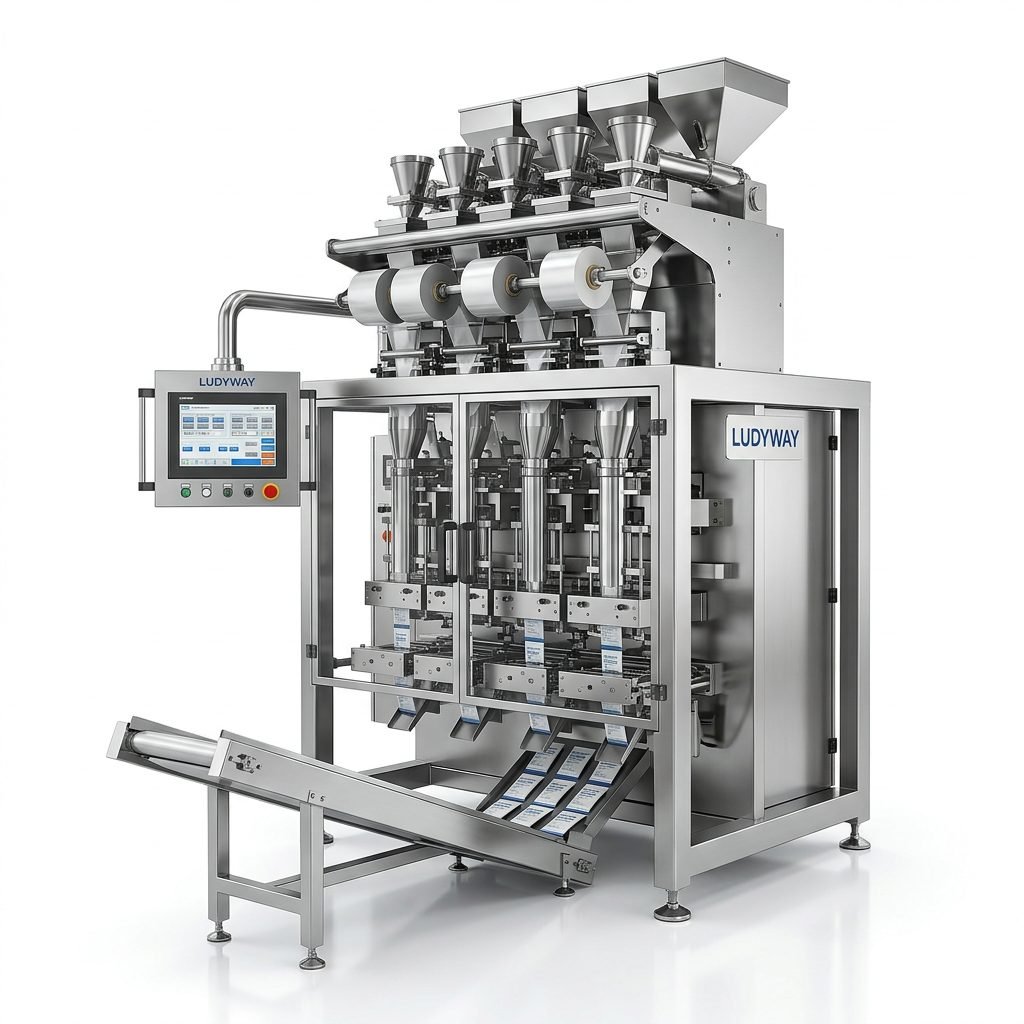
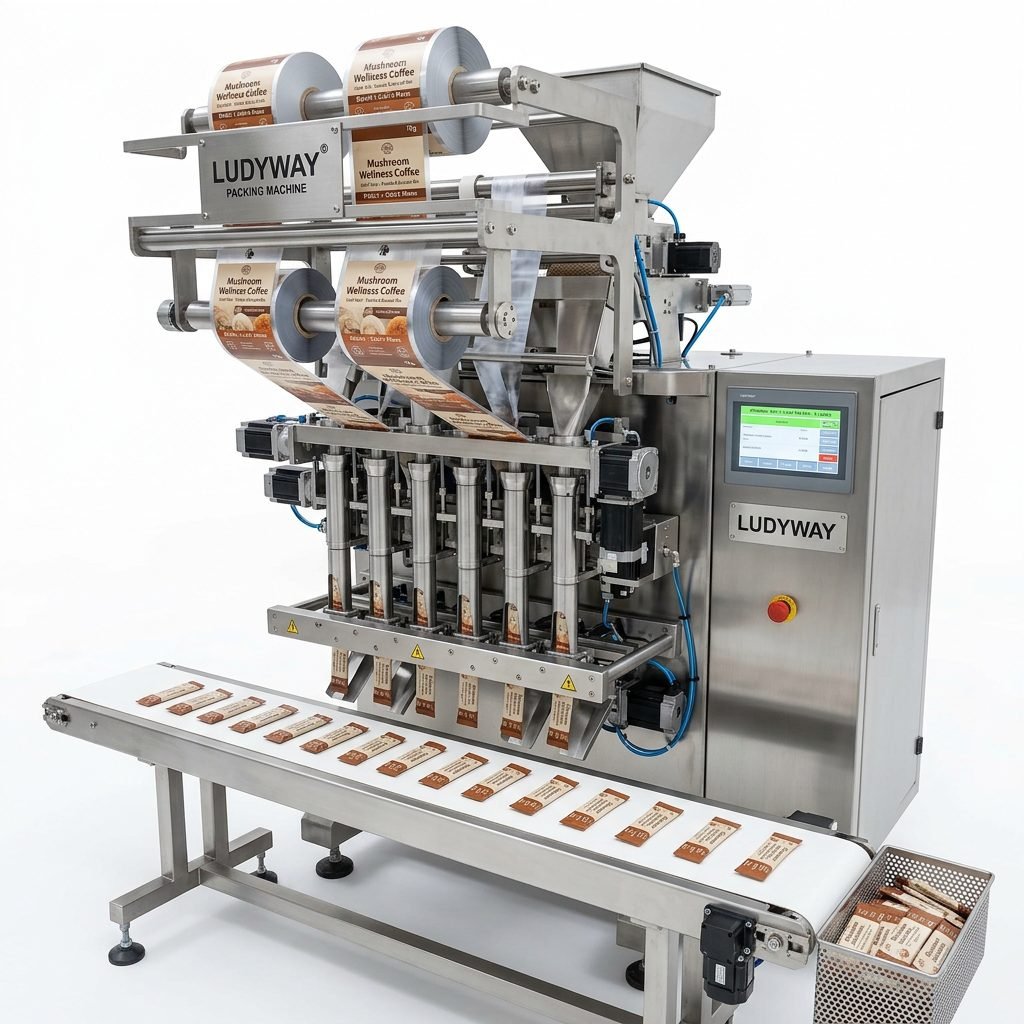
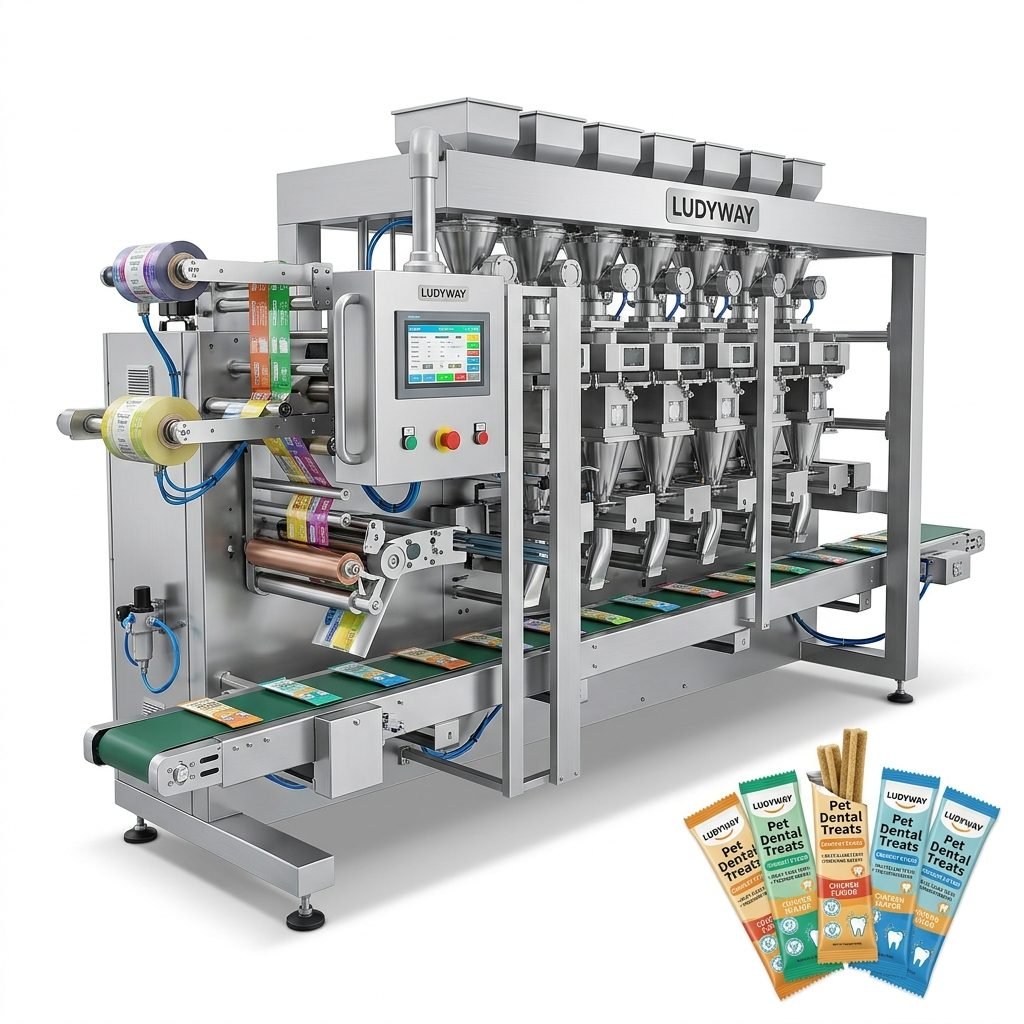
Designed for single-serve portions of powders (like instant drinks, spices), liquids (sauces, oils), and granules. Modern multi-lane models offer exceptionally high speeds. Choosing between a stick pack (long, slender) and a sachet (more rectangular) often depends on marketing and user convenience.
3. Liquid & Pasty Filling Machines
These systems handle products like sauces, dressings, honey, and creams. They employ precise filling mechanisms such as piston fillers, gravity fillers, or vacuum fillers to ensure accurate volume control and minimize dripping or oxidation.
4. Granule & Powder Multihead Weighers
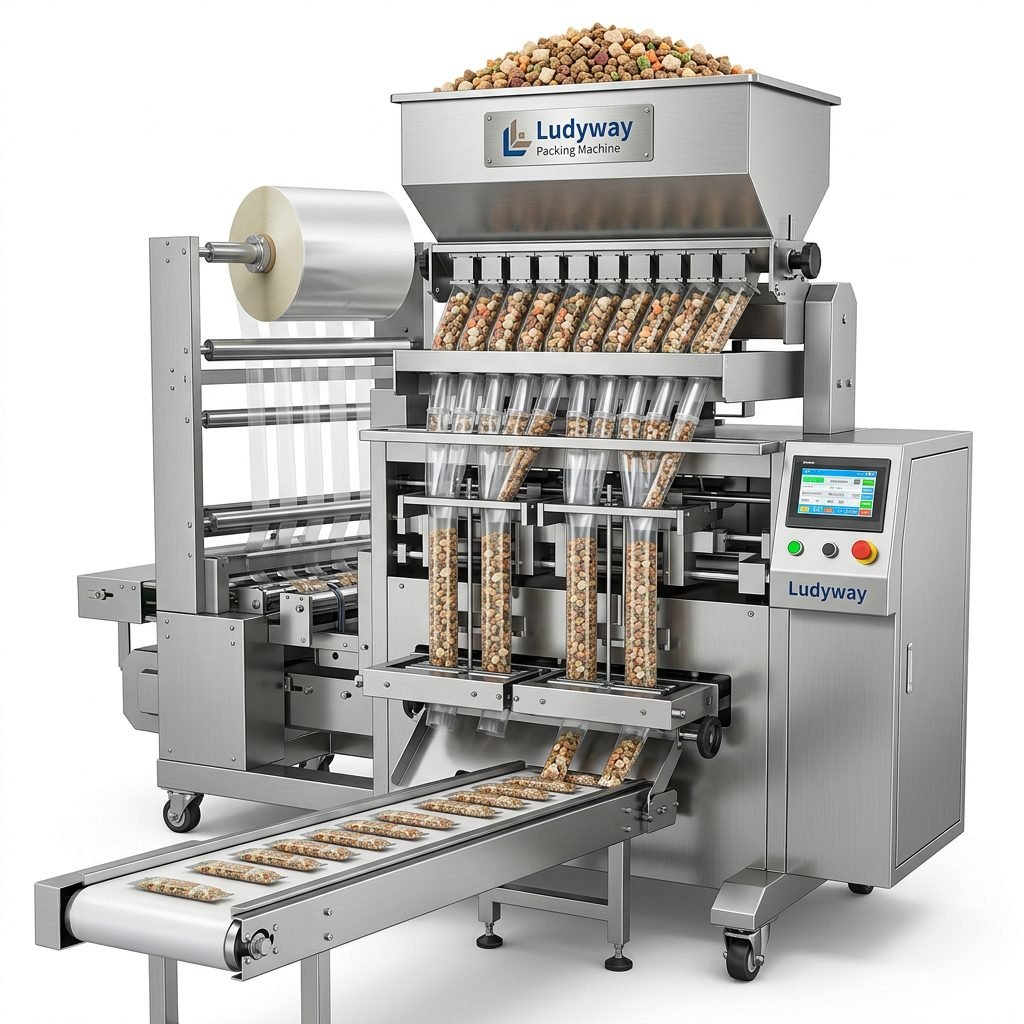
For products like frozen vegetables, nuts, candy, or powdered soup mixes, multihead weighers provide unparalleled speed and accuracy. They use a combination of weigh buckets to achieve a target weight rapidly, feeding into a downstream VFFS or premade bag machine.
📈 Production Line Integration Checklist
A great machine is only as good as its integration. Ensure compatibility with your upstream and downstream processes.
Upstream
Product feeding system (e.g., elevator, conveyor), checkweigher, metal detector.
Machine Core
Filling accuracy, changeover time, user interface (HMI), sanitation access points.
Downstream
Cartoning, case packing, palletizing. Verify communication protocols (e.g., PLC).
Evaluating Machine Features & Supplier Capability
Beyond the basic type, delve into the features that differentiate a good machine from a great one, and assess the partner behind the equipment.
Critical Technical Features
Accuracy & Consistency: Look for machines with servo-driven systems for precise control of film feed, filling, and sealing. Inconsistent seals or fills lead to waste and customer complaints.
Hygienic Design & Ease of Cleaning: Food-grade stainless steel contact parts, smooth surfaces without crevices, and tool-less disassembly for washdowns are non-negotiable for food safety and reducing downtime.
Changeover Speed & Flexibility: Quick-release mechanisms and recipe storage on the HMI allow for faster product changeovers, enabling smaller, more economical production runs.
Reliability & Uptime: Investigate the robustness of key components like seals, heaters, and drives. High uptime is more valuable than a marginally higher top speed.
Choosing the Right Partner
The supplier is as important as the machine itself. A reliable partner like Ludyway Packing Machine provides value far beyond the initial sale. Key considerations include:
- Application Expertise: Do they have proven experience with products similar to yours?
- Technical Support & Spare Parts: What is their response time? Is local service or comprehensive remote support available?
- Customization Ability: Can they tailor the solution to your unique floor plan or product handling needs?
- Training & Documentation: Clear manuals and thorough operator/maintenance training are essential for long-term success.
With over 30 years of industry experience and a portfolio of 50+ intelligent packaging models, a partner with deep engineering roots can guide you through this complex decision. You can learn more about their approach to building reliable turnkey solutions on their company page.
Future-Proofing Your Investment
Think long-term. Consider how the machine will serve your business 5 or 10 years from now.
Scalability: Can the machine’s speed be upgraded? Can additional lanes or functions be added later?
Connectivity & Industry 4.0: Machines with OPC-UA or similar communication protocols can integrate into a smart factory, providing valuable production data (OEE, downtime reasons) for continuous improvement.
Sustainability: As packaging regulations evolve, consider a machine’s ability to handle recyclable or mono-material films, or to optimize material usage to reduce waste.
Exploring a supplier’s full range of advanced packaging equipment can reveal possibilities for future line expansions you may not have initially considered.
Final Steps Before Purchase
- Request a Product Test: Always send your actual product to the supplier for a live machine test. This validates performance, accuracy, and seal quality.
- Analyze Total Cost of Ownership (TCO): Look beyond the purchase price. Factor in energy consumption, expected maintenance costs, spare part pricing, and potential cost savings from reduced material waste.
- Check References: Ask the supplier for contacts at companies with similar applications and speak to them about their real-world experience with the machine and after-sales service.
Frequently Asked Questions (FAQs)
1. What is the most important factor when choosing a food packaging machine?
While all factors are interconnected, understanding your specific product characteristics is paramount. The machine must be engineered to handle your product’s flowability, abrasiveness, and hygiene requirements effectively. A machine perfect for flour may fail miserably with sticky dates or oily nuts.
2. How do I determine the speed (UPM) I need?
Calculate based on your peak daily output requirement and available production hours. Add a 15-20% buffer for future growth. It’s often wiser to choose a slightly faster machine running at 80% capacity than to run a slower machine at 100% constantly, as this reduces wear and provides flexibility.
3. What’s the difference between a servo-driven and a mechanical machine?
Servo-driven machines use digital motors for each motion (film pull, filling, sealing), offering superior precision, easier changeovers via software, and generally quieter operation. Mechanical machines use cams and gears, which can be robust but less flexible. For food packaging requiring high hygiene and flexibility, servo systems are often preferred.
4. How critical is after-sales service and support?
Extremely critical. A packaging machine is a long-term investment. Ensure your supplier offers comprehensive training, readily available spare parts, and responsive technical support (remote or on-site). Downtime is lost revenue, so the quality of support is a direct component of your machine’s ROI.
5. Can one machine handle multiple different food products?
Yes, many machines are designed for flexibility. The key is the changeover time and complexity. Discuss your full product range with the supplier. Machines with quick-change parts and digital recipe storage can switch between similar products (e.g., different granule sizes) in minutes, while switching between vastly different formats (e.g., from stick packs to sachets) may require more time and component changes.