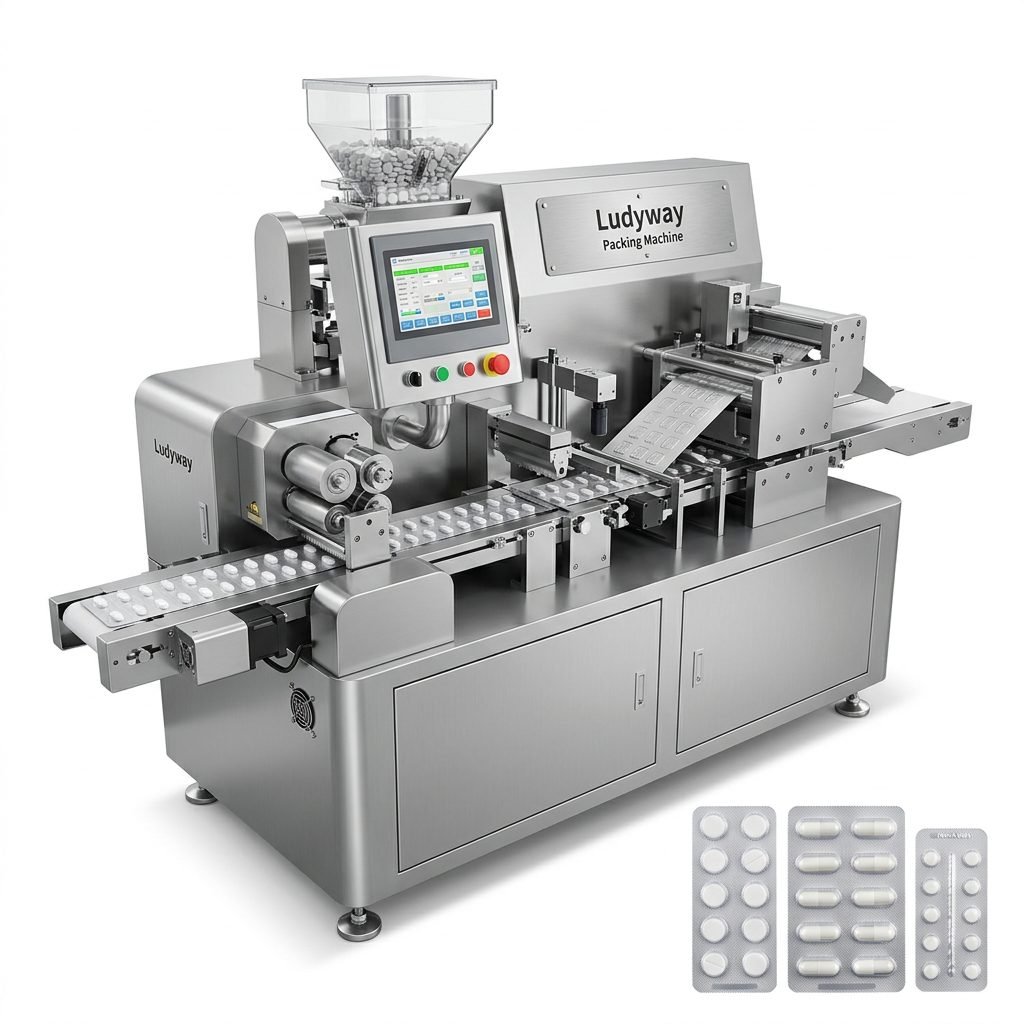
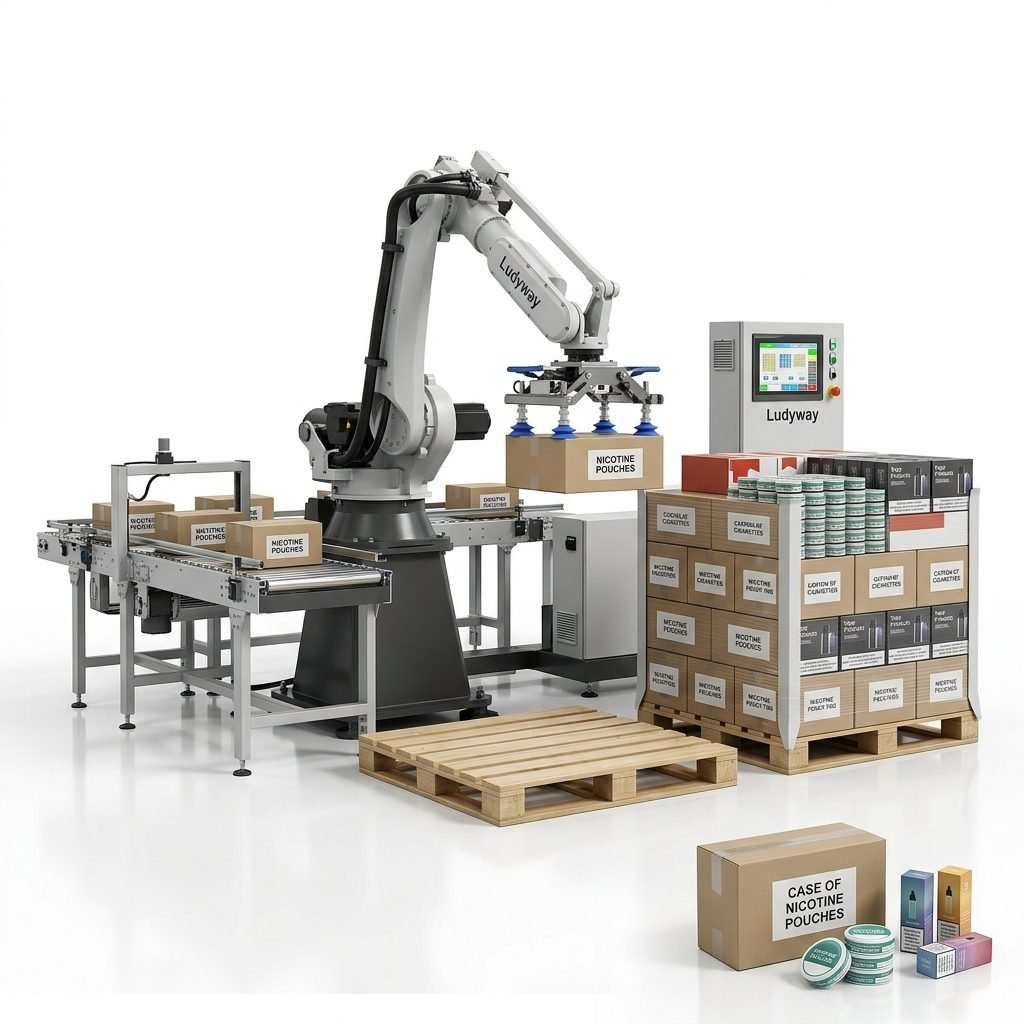
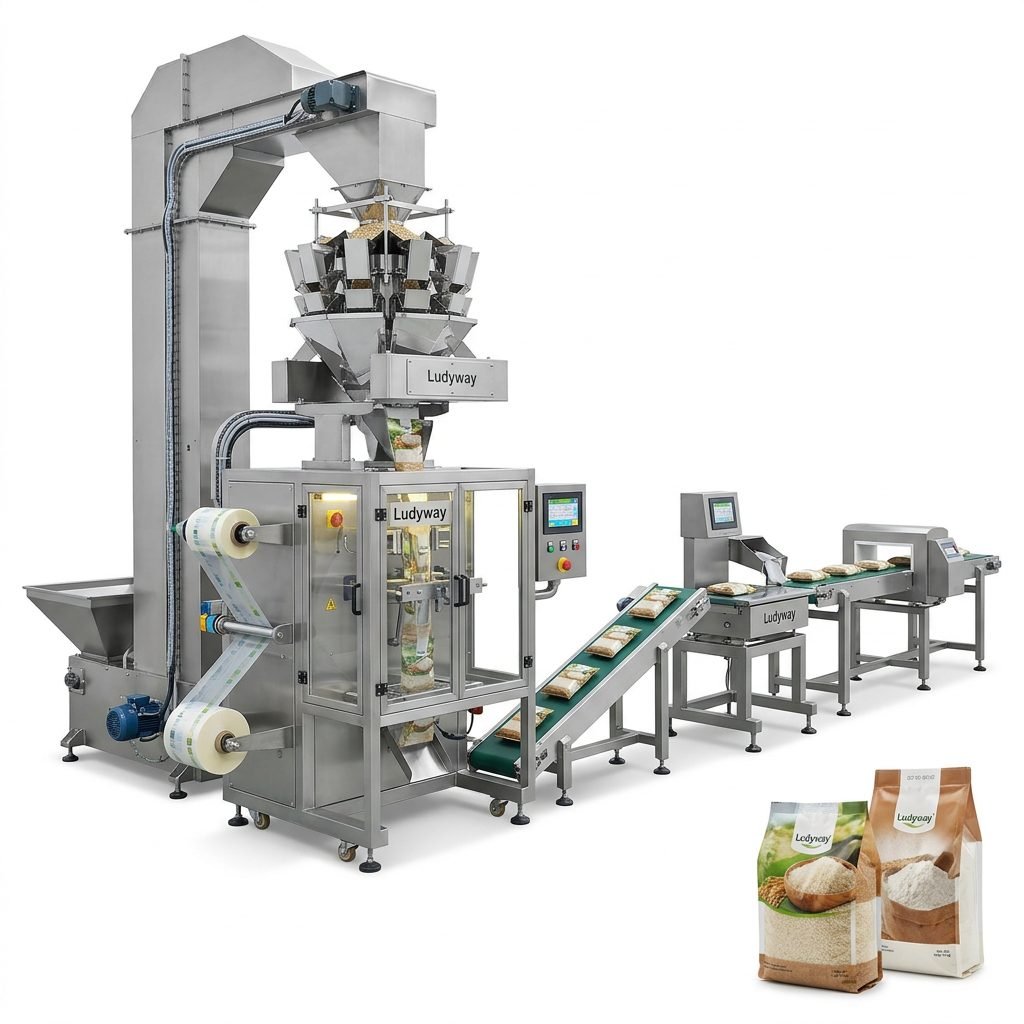
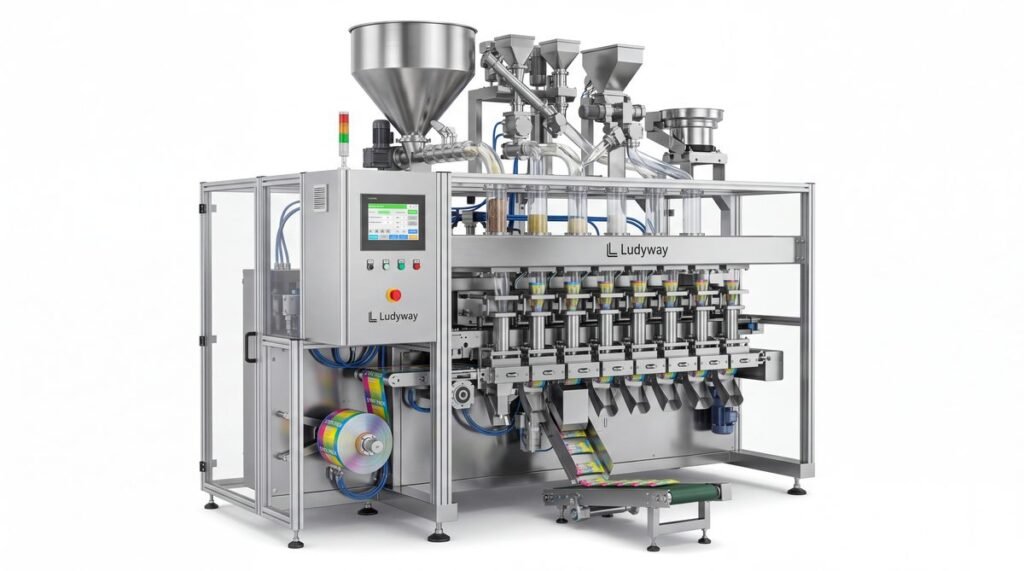
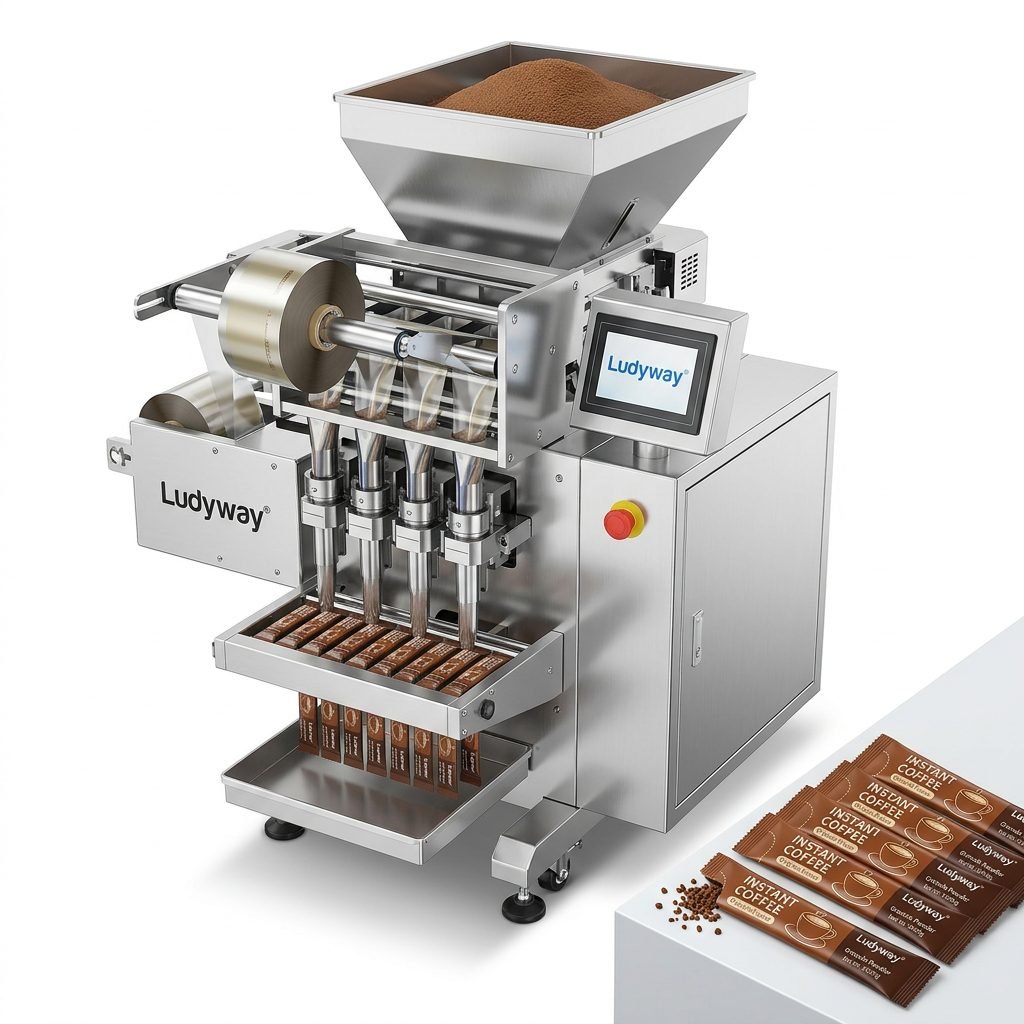
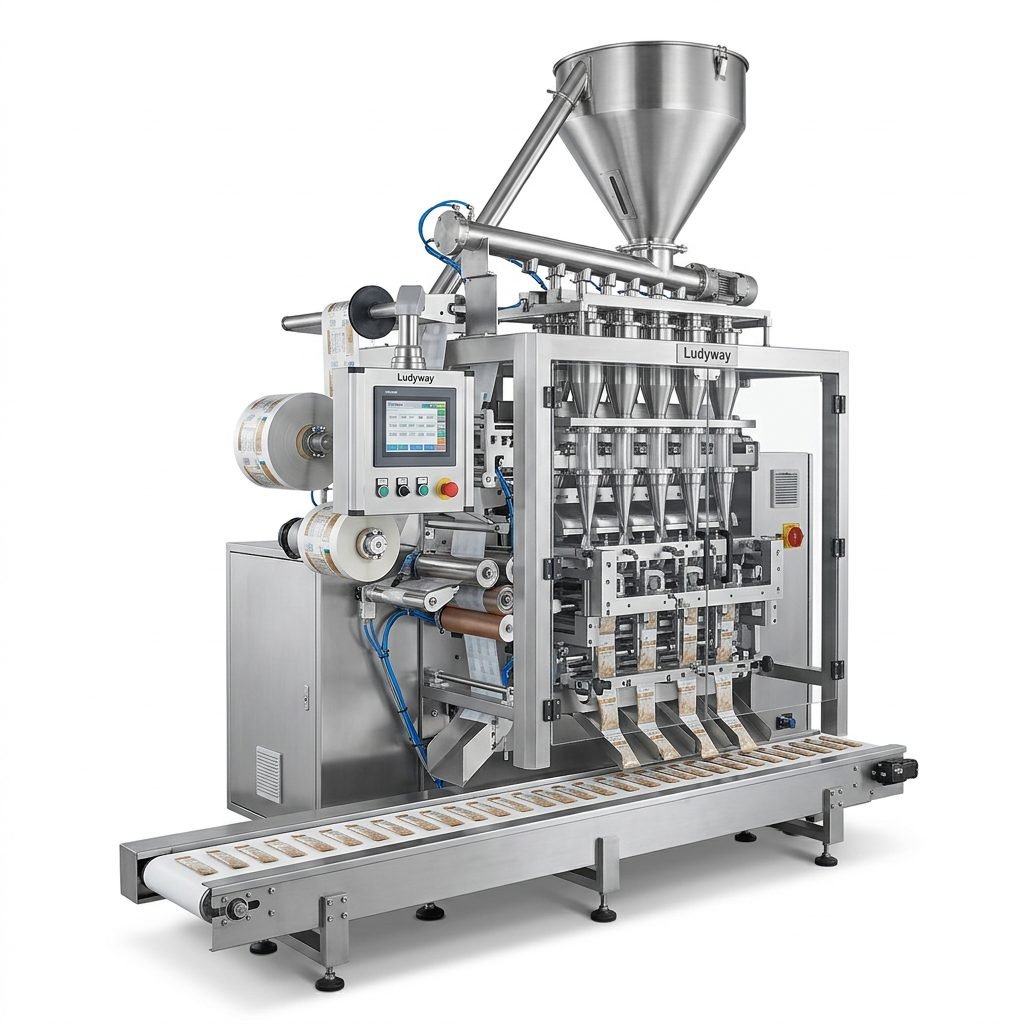
Selecting the right carton packaging equipment is a critical decision for any manufacturing or distribution operation. This comprehensive guide will walk you through the different types of machines, their key features, and the essential factors to consider when choosing the perfect system for your needs. Whether you are packaging food, pharmaceuticals, or consumer goods, understanding your equipment options is the first step toward optimizing your packaging line for efficiency, reliability, and cost-effectiveness.
Understanding the Main Types of Carton Packaging Equipment
The world of carton packaging machinery is diverse, with each type designed for specific tasks and production volumes. The primary categories include carton erectors, sealers, and fully integrated systems.
Carton Erectors and Formers
These machines take flat, die-cut carton blanks and automatically form them into three-dimensional boxes, ready for product loading. They are the starting point of most automated cartoning lines. High-speed models can form hundreds of cartons per minute, drastically reducing manual labor and ensuring consistent box quality.
Automatic Carton Sealers
Once a carton is filled, it needs to be securely closed. Automatic carton sealers apply adhesive tape or hot melt glue to the top and/or bottom flaps. They range from semi-automatic tape sealers, where an operator places the box, to fully automatic random case sealers that adjust to various box sizes on the fly, ideal for mixed-SKU environments like e-commerce fulfillment.
Integrated Cartoning Systems
These are complete workhorses that combine multiple functions: erecting the carton, inserting the product (like bottles, blisters, or pouches), and finally sealing it shut. They are often paired with upstream equipment like blister packers or sachet machines to create a seamless production line. Their high efficiency makes them essential for large-scale production in industries like pharmaceuticals and food.
Key Takeaway:
Your choice between an erector, a sealer, or a full system hinges on your current process stage. Are you starting from flat blanks, or do you need to automate both forming and closing? Assessing your line’s bottlenecks is crucial.
Essential Features and Technological Considerations
Modern cartoners come equipped with a range of features that impact performance, flexibility, and ease of use. Prioritizing the right features will future-proof your investment.
Drive Systems and Control
The heart of the machine is its drive system. Servo-driven machines offer superior precision, flexibility, and energy efficiency compared to traditional mechanical cam drives. They allow for quick changeovers via a touchscreen HMI (Human-Machine Interface), which stores recipes for different carton sizes and products.
Changeover Flexibility
If you run multiple product lines with different carton sizes, quick changeover capability is non-negotiable. Look for machines with tool-less adjustments or digital size change features. This minimizes downtime when switching production runs, maximizing overall equipment effectiveness (OEE).
Integration and Connectivity
In today’s smart factories, the ability to integrate with other line equipment (like fillers, coders, and case packers) and plant management systems (MES/ERP) is vital. Features like PLC control, Ethernet connectivity, and data reporting capabilities are now standard on high-performance machines from providers like Ludyway Machinery.
A Step-by-Step Guide to Choosing the Right Machine
Making the correct investment requires a structured evaluation of your specific requirements. Follow this decision framework to narrow down your options.
Step 1: Define Your Core Requirements
Start with the fundamentals. What is your required production speed (cartons per minute)? What are the dimensions and material of your cartons? What type of product are you loading (e.g., vials, pouches, loose items)? Clearly documenting these parameters is essential for getting accurate quotes from suppliers.
Step 2: Evaluate Your Operational Environment
Consider your factory floor space, available utilities (electrical, compressed air), and the skill level of your operators. A compact, user-friendly machine might be more suitable for a space-constrained site than a large, complex system requiring specialized maintenance.
Step 3: Analyze Total Cost of Ownership (TCO)
Look beyond the initial purchase price. Factor in long-term costs such as energy consumption, spare parts, preventive maintenance, and potential downtime. A slightly more expensive machine with higher reliability and lower maintenance needs often provides a better return on investment over its lifespan.
Step 4: Assess Supplier Support and Reputation
The machine is only as good as the company behind it. Research the manufacturer’s experience, particularly in your industry. Do they offer comprehensive installation, training, and after-sales support? Can they provide readily available spare parts and responsive technical service? A partner with a strong track record, like one with over 30 years of industry experience, can be invaluable.
Pro Tip: Request a Product Test
Before finalizing your decision, always ask for a live or video demonstration using your actual carton blanks and product (or close equivalents). This is the best way to verify the machine’s performance, handling, and output quality for your specific application.
Conclusion
Investing in carton packaging equipment is a strategic move that can significantly enhance your production line’s productivity, consistency, and scalability. By thoroughly understanding the different machine types, focusing on key technological features like servo drives and easy changeovers, and following a disciplined selection process that emphasizes total cost of ownership and supplier reliability, you can make a confident choice. The right machine will not only meet your current needs but also adapt to future challenges, ensuring your packaging operations remain competitive and efficient.
Frequently Asked Questions (FAQs)
What is the typical lifespan of an automatic cartoning machine?
With proper maintenance and operation, a high-quality automatic cartoner from a reputable manufacturer can have a lifespan of 15 to 20 years or more. Regular preventive maintenance is key to maximizing longevity.
How long does it take to change over a cartoner for a different box size?
Changeover time varies greatly by machine design. Basic mechanical machines may take 30-60 minutes. Advanced servo-driven models with digital size change can switch over in under 5 minutes directly from the HMI, drastically reducing downtime.
Can one machine handle both corrugated and paperboard cartons?
Some versatile machines are designed to handle a range of carton materials, but it’s crucial to specify your needs. Machines for heavier corrugated boxes often have more robust forming mechanisms than those for lighter folding cartons. Always consult with the equipment supplier.
What are the main differences between hot melt glue and tape sealing?
Hot melt glue creates a strong, tamper-evident bond and offers a cleaner aesthetic but requires a glue system and maintenance. Tape sealing is generally faster, cleaner (no glue strings), and easier to maintain, but may be perceived as less premium. The choice often depends on industry standards and brand requirements.
What support should I expect from the machinery supplier after purchase?
A reliable supplier should provide comprehensive support including on-site installation and commissioning, detailed operator and maintenance training, a clear warranty, readily available spare parts, and access to responsive technical service for troubleshooting. This ongoing partnership is critical for long-term success.