In the competitive candy industry, packaging is not just about containment—it’s a critical component of branding, shelf appeal, and operational efficiency. Selecting the right packaging equipment can dramatically impact production speed, product quality, and overall profitability. This guide delves into the world of high-efficiency candy packaging equipment, exploring the various types available, their key features, and providing a structured approach to choosing the perfect machine for your specific needs.
Understanding the Core Types of Candy Packaging Equipment
The journey to optimal packaging begins with understanding the machinery landscape. Different candies and market demands require specialized packaging solutions.
Vertical Form-Fill-Seal (VFFS) Machines
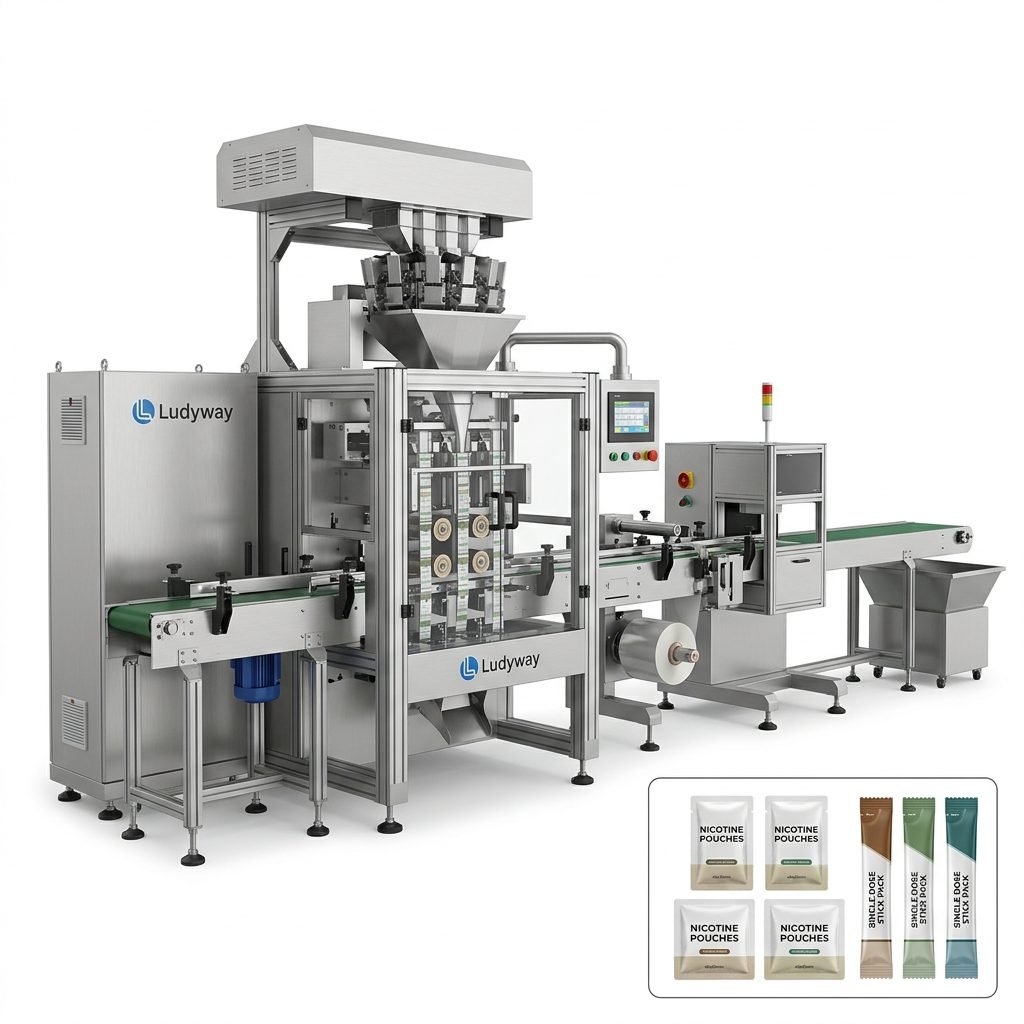
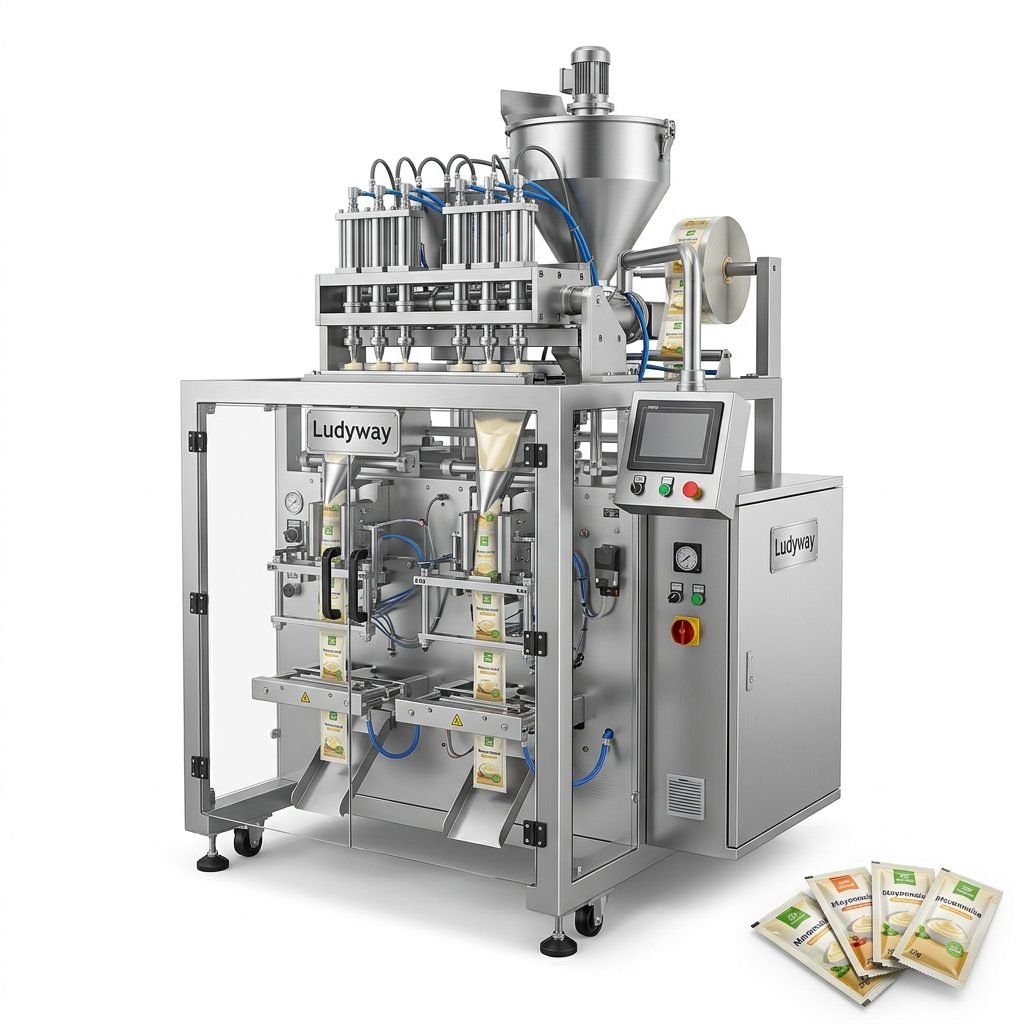
These are the workhorses of the industry for loose candies like jelly beans, gummies, or hard candies. A VFFS machine forms a bag from a roll of film, fills it with the product, and seals it—all in one continuous vertical motion. They are renowned for their high speed and flexibility, easily adapting to different bag sizes and shapes.
Horizontal Flow Wrappers
Ideal for individual bars, candies in trays, or twist-wrapped items, horizontal wrappers are perfect for creating a tight, secure, and visually appealing package. The product moves horizontally through the machine while being wrapped in film. This type is essential for achieving that classic, professional candy bar look.
Stick Pack and Sachet Machines
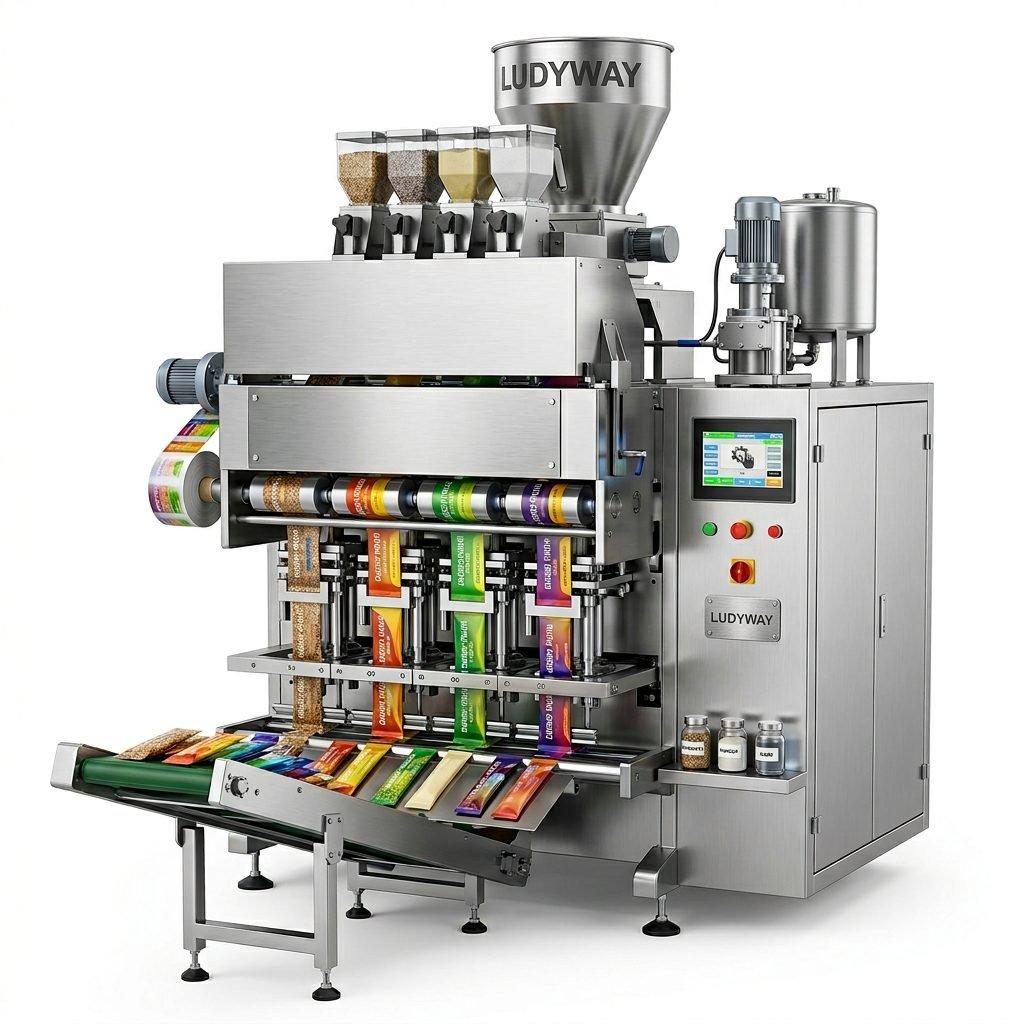
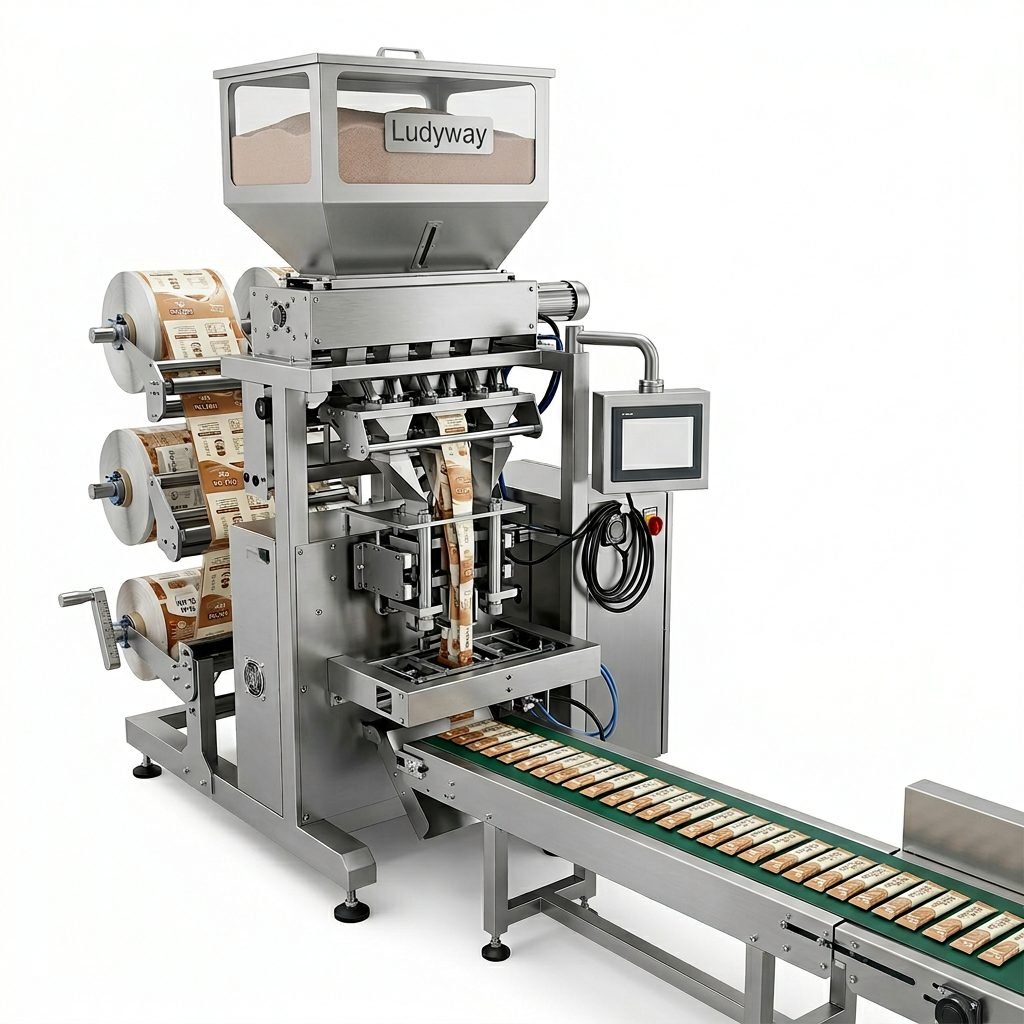
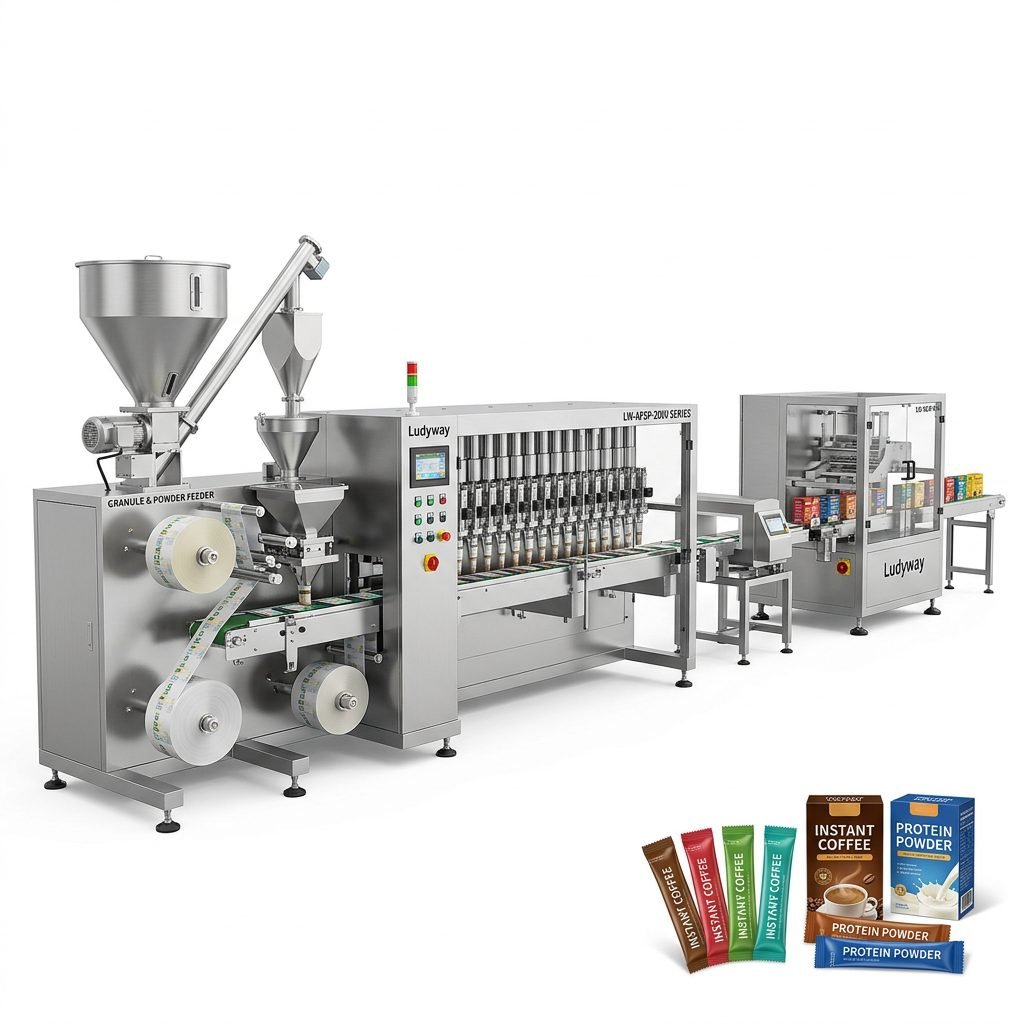
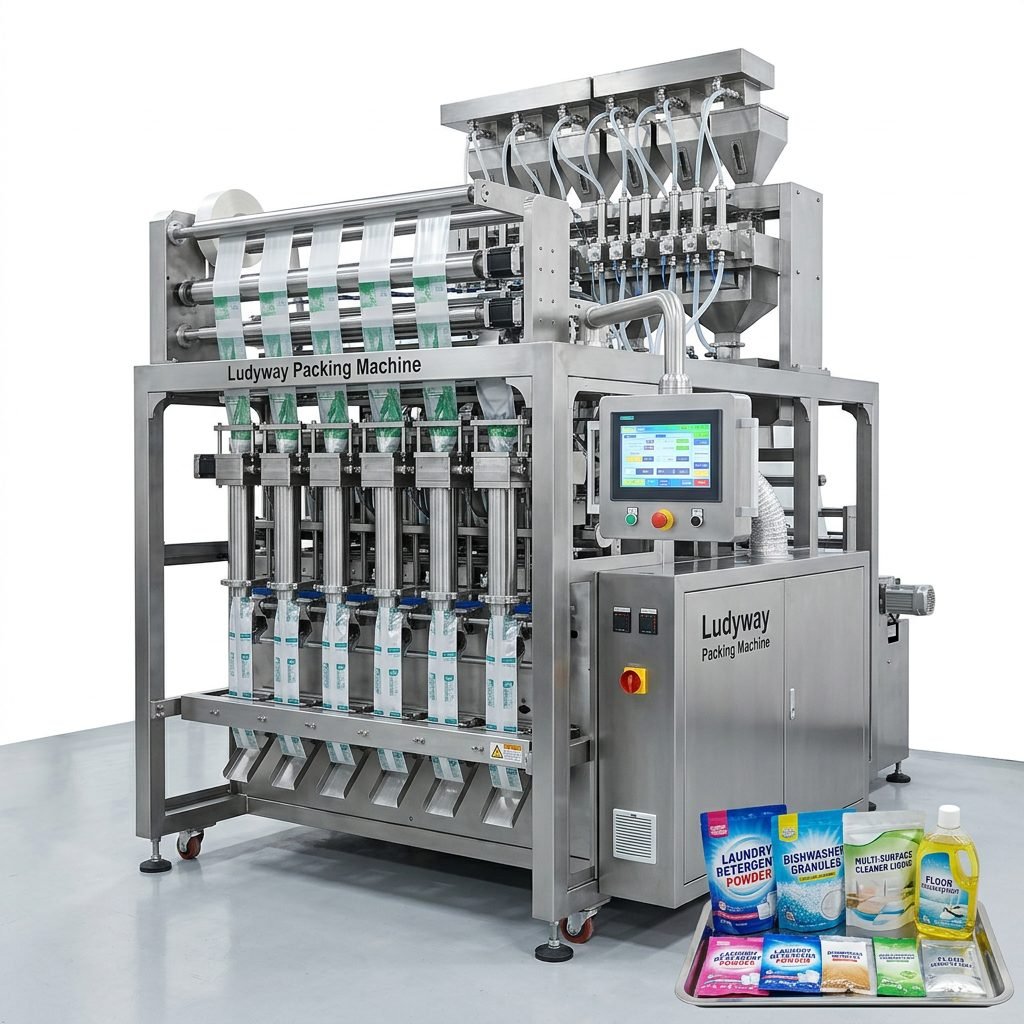
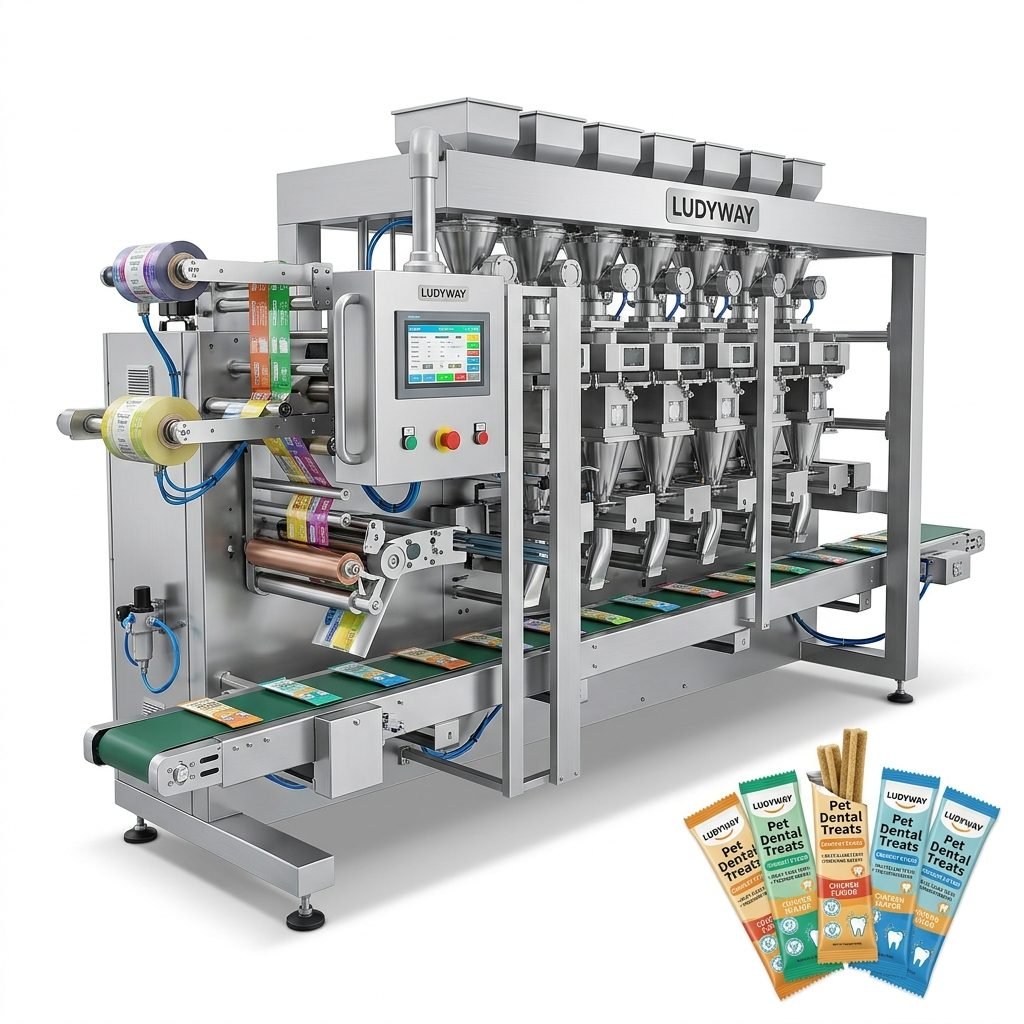
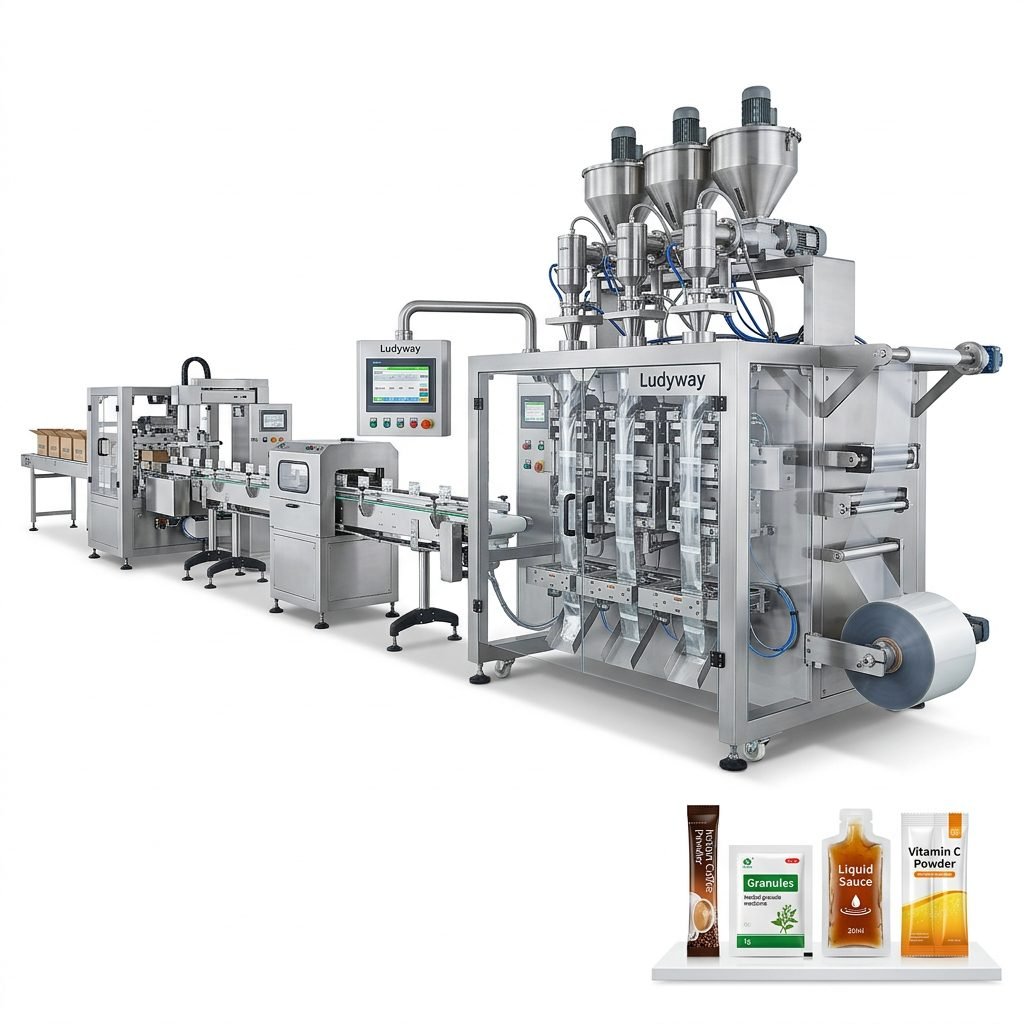
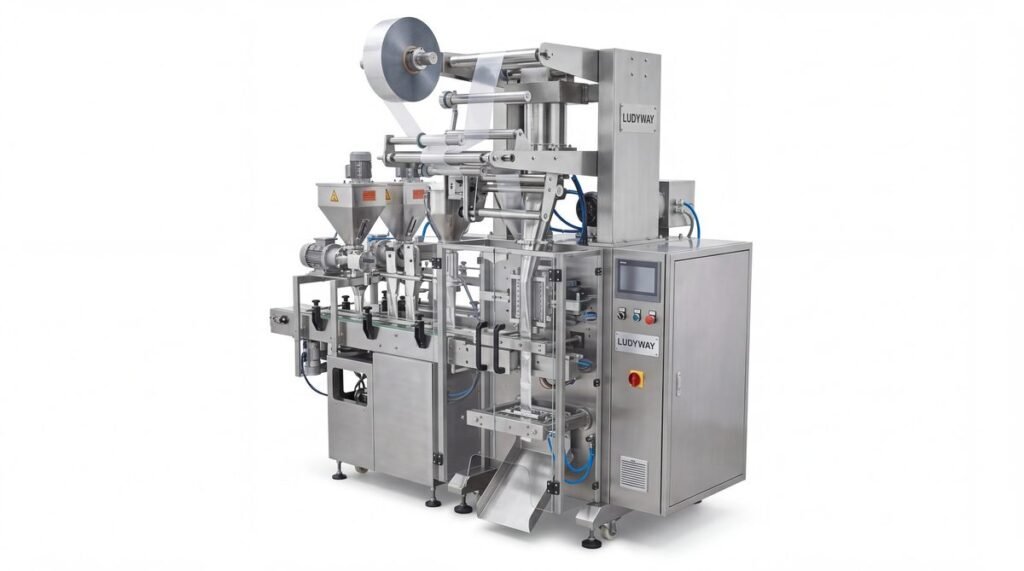
For powdered candies, drink mixes, or small, precise portions, stick pack and sachet machines are unparalleled. They create small, elongated stick packs or flat sachets, offering excellent barrier properties and a modern, convenient format for consumers. Companies like Ludyway Machinery specialize in multi-lane versions of these machines, which can dramatically increase output for high-volume production.
Bundling and Multi-Packing Equipment
This category includes machines that group individual packages into larger units—like bundling several chocolate bars into a single pack or creating multi-packs of candy bags. This step is crucial for creating retail-ready units and optimizing logistics.
Essential Features of Modern High-Efficiency Machines
Today’s advanced equipment goes beyond basic wrapping. Look for these features to ensure maximum efficiency and reliability.
✔️ Servo-Driven Technology
Machines with servo motors offer superior precision, flexibility, and energy efficiency compared to traditional mechanical drives. They allow for quick changeovers and fine-tuned control over every aspect of the packaging process.
✔️ Advanced Control Systems (HMI)
A user-friendly Human-Machine Interface (HMI) touchscreen is now standard. It should allow operators to easily set parameters, monitor production speeds, track output, and diagnose issues, minimizing downtime.
✔️ Robust Construction and Food-Grade Materials
Look for frames made from stainless steel or other durable, corrosion-resistant materials. All parts contacting the product must be food-grade to ensure compliance with global health and safety standards.
✔️ Integrated Checkweighers and Vision Systems
For quality assurance, modern lines often integrate checkweighers to reject under or over-filled packages and vision systems to inspect seal integrity and print quality automatically.
How to Choose the Right Candy Packaging Machine: A Step-by-Step Guide
Making an informed investment requires a careful analysis of your current and future needs. Follow this decision-making framework.
Step 1: Analyze Your Product and Packaging Requirements
Start with the basics: What are you packaging? Is it a fragile chocolate, a sticky gummy, or a free-flowing powder? The product’s physical characteristics dictate the machine type. Next, define your packaging material (laminate, polypropylene, foil) and final package style (pillow bag, stand-up pouch, stick pack).
Step 2: Determine Your Production Capacity Needs
Calculate your required output in packs per minute (PPM) or per hour. Consider both your current volume and projected growth for the next 3-5 years. Don’t just buy for today; choose a machine that can scale with your business. A provider with extensive experience can help you model future scenarios.
Step 3: Evaluate Flexibility and Changeover Time
If you run multiple SKUs (Stock Keeping Units), how quickly can the machine switch between them? Look for features like tool-less changeovers, recipe storage on the HMI, and quick-release mechanisms. Minimizing changeover time is key to maintaining efficiency in small-to-medium batch production.
Step 4: Assess Total Cost of Ownership (TCO)
Look beyond the initial purchase price. Consider:
• Energy Consumption: Servo machines often have lower long-term costs.
• Maintenance & Spare Parts: Availability and cost of wear parts.
• Operational Costs: Required manpower and training.
• Material Waste: A precise machine minimizes film and product giveaway.
Step 5: Verify Supplier Support and Service
The machine is only as good as the support behind it. Investigate the supplier’s reputation for:
• Installation & Training: On-site setup and comprehensive operator training.
• Technical Support: Availability of remote diagnostics and spare parts logistics.
• Warranty: Length and coverage of the warranty period.
Choosing a partner like Ludyway Machinery, which offers professional service and long-term cooperation, can safeguard your production continuity.
Conclusion: Investing in Your Packaging Future
Selecting high-efficiency candy packaging equipment is a strategic decision that directly influences your brand’s market presence and bottom line. By thoroughly understanding the machine types, prioritizing essential modern features, and following a disciplined selection process focused on your unique product and capacity needs, you can make an investment that pays dividends in reliability, quality, and growth for years to come.
Frequently Asked Questions (FAQs)
Q1: What is the typical lifespan of a high-quality candy packaging machine?
With proper maintenance and operation, a well-built machine from a reputable manufacturer can have a productive lifespan of 10 to 15 years or more. Regular servicing and using genuine spare parts are crucial for longevity.
Q2: How important is after-sales service when choosing a supplier?
It is critically important. Even the best machines may require troubleshooting, parts, or adjustments. A supplier with a strong global service network and responsive technical support, as highlighted in our company story, minimizes costly downtime and ensures your investment is protected.
Q3: Can one machine handle different types of candy and package sizes?
Yes, many machines are designed for flexibility. However, the degree of flexibility varies. Vertical form-fill-seal machines are generally more adaptable to different bag sizes and free-flowing products. Changing between vastly different products (e.g., powder to solid chunks) may require significant changeover of parts like filling systems.
Q4: What are the key trends in candy packaging automation?
Major trends include the integration of Industrial Internet of Things (IIoT) for predictive maintenance and data analytics, increased use of robotics for loading and palletizing, and a strong focus on sustainable packaging materials, which requires machines that can handle newer, often more challenging, bio-based films.
Q5: How do I ensure the machine meets food safety and regulatory standards?
Always specify that the machine must be constructed with food-grade materials (e.g., FDA-compliant coatings, stainless steel contact parts). Reputable suppliers design their equipment to meet international standards like CE (Europe) or UL (North America). Request documentation and certifications during the procurement process.