Choosing the right coffee packaging equipment is a critical decision for small to medium-sized coffee roasters. The right machinery not only protects your product’s freshness and flavor but also enhances your brand’s presentation and operational efficiency. This comprehensive guide will walk you through the key considerations, equipment types, and features to help you make an informed investment that scales with your business.
Why Packaging Matters for Coffee Roasters
For small to medium roasters, packaging is the final touchpoint before your product reaches the customer. It serves multiple crucial functions:
Freshness Preservation: The primary role of packaging is to create a barrier against oxygen, moisture, and light—the three main enemies of coffee freshness. Proper equipment ensures a consistent, airtight seal every time.
Brand Identity & Shelf Appeal: Your bag is a mobile billboard. Professional, consistent packaging builds consumer trust and allows your brand’s story and aesthetics to shine in a crowded marketplace.
Operational Efficiency: Manual filling and sealing is time-consuming and inconsistent. Automated or semi-automated equipment speeds up production, reduces labor costs, and minimizes product waste.
Key Types of Coffee Packaging Equipment
The landscape of packaging machinery can be segmented based on automation level and package style. Understanding these categories is the first step.
1. Vertical Form-Fill-Seal (VFFS) Machines
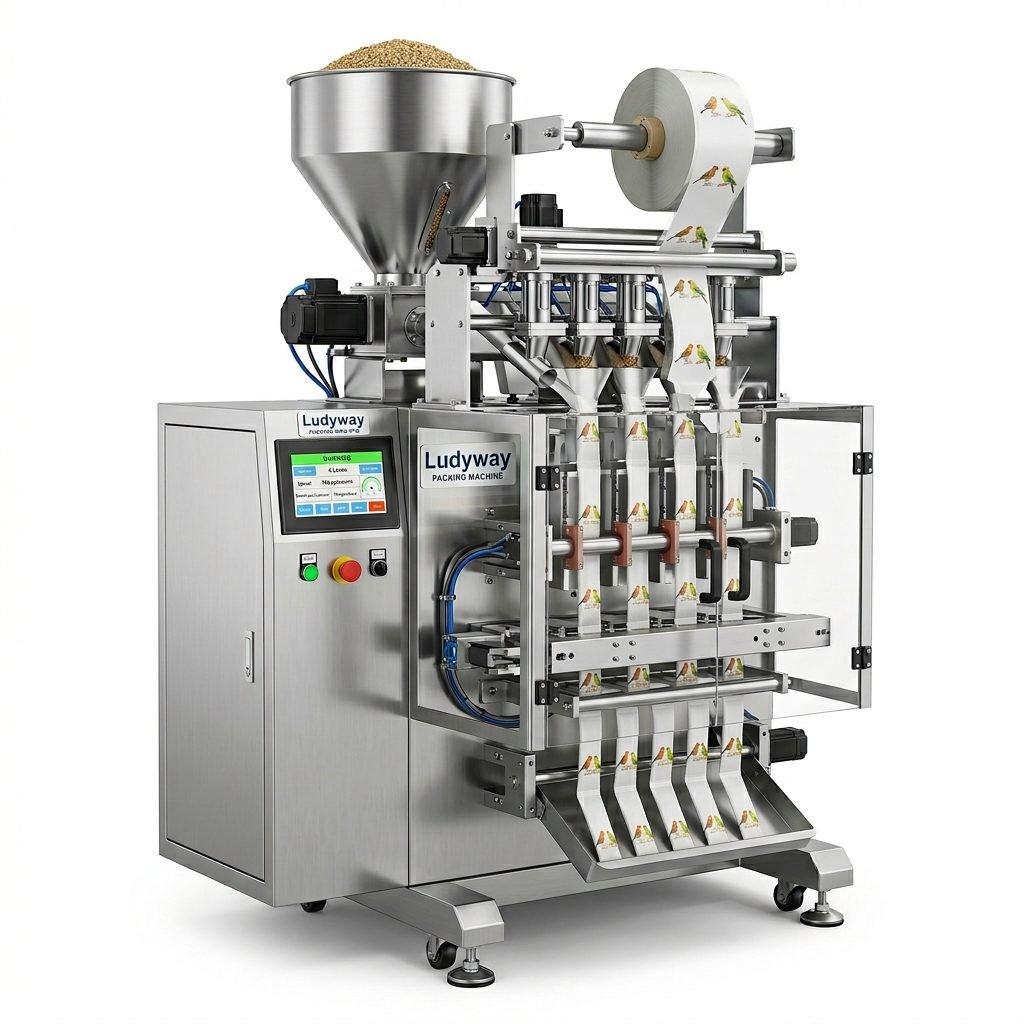
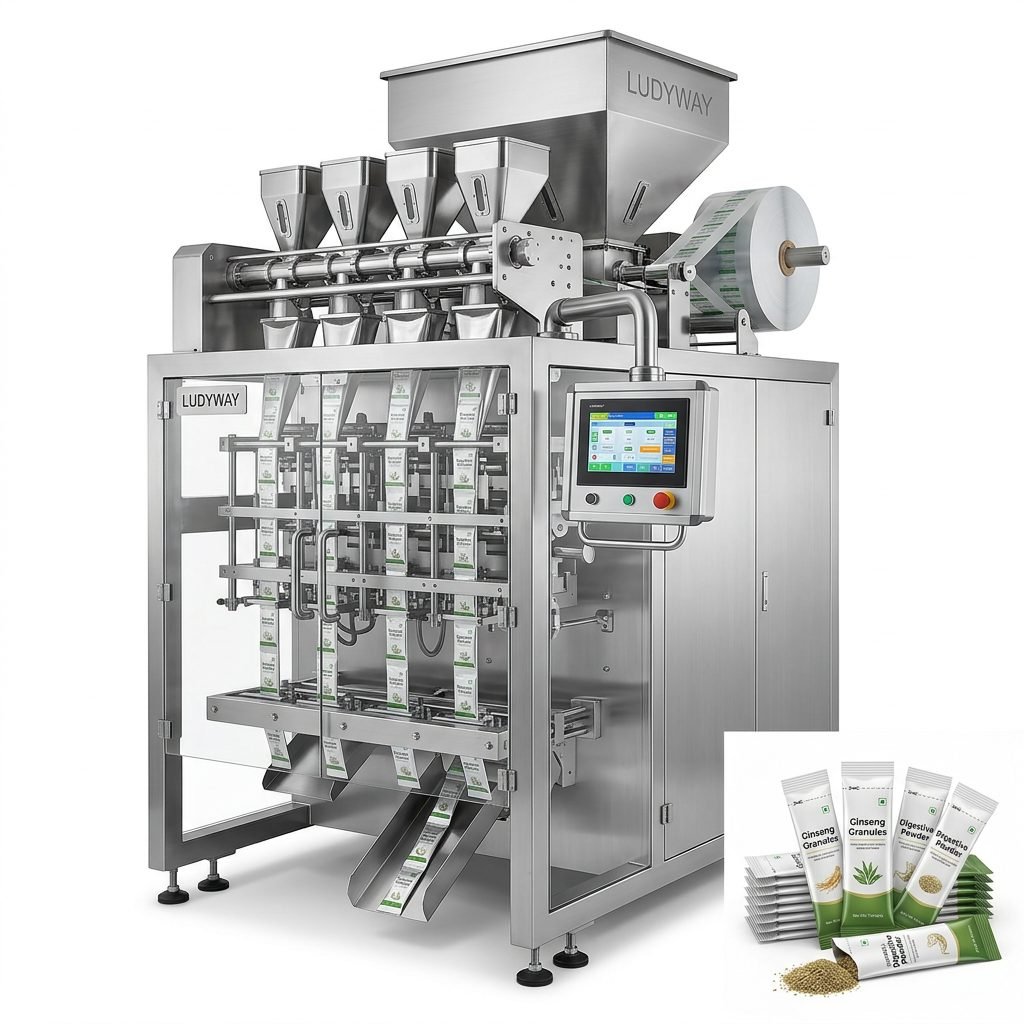
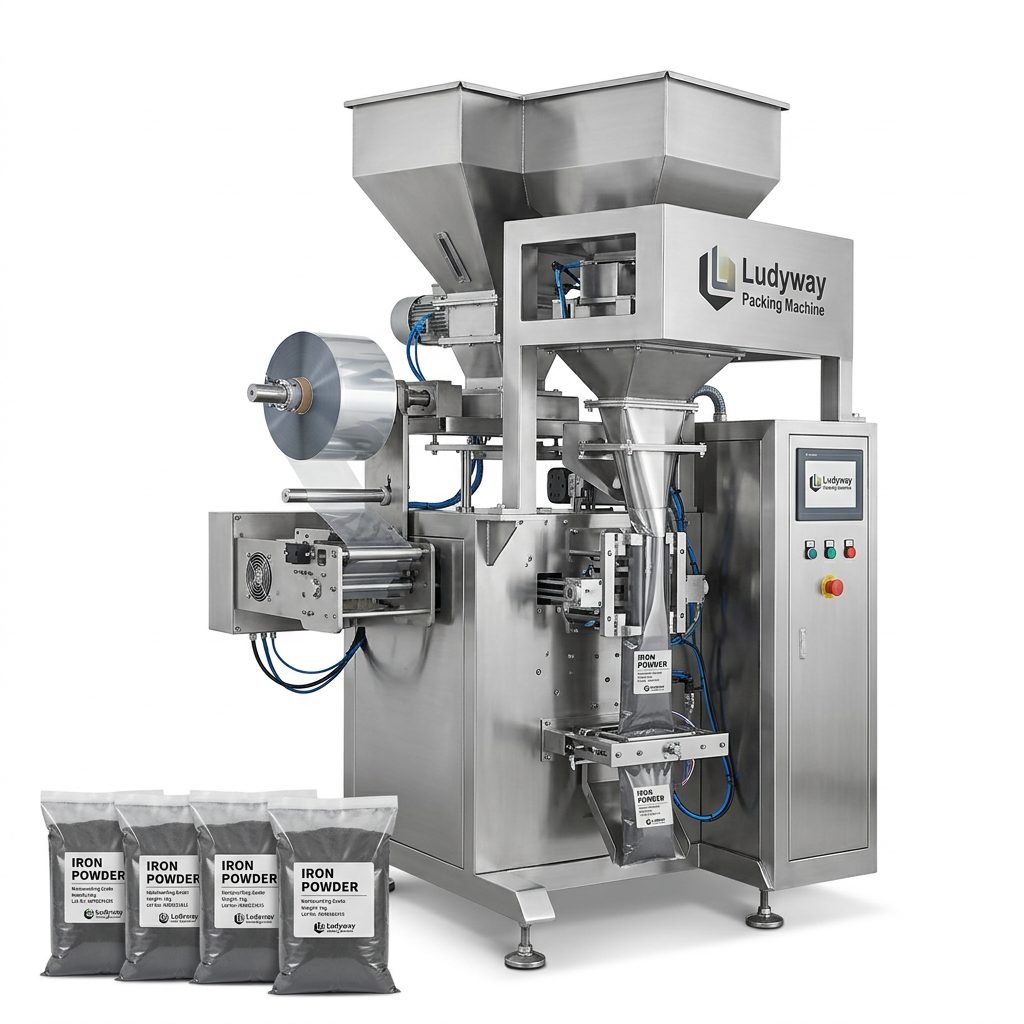
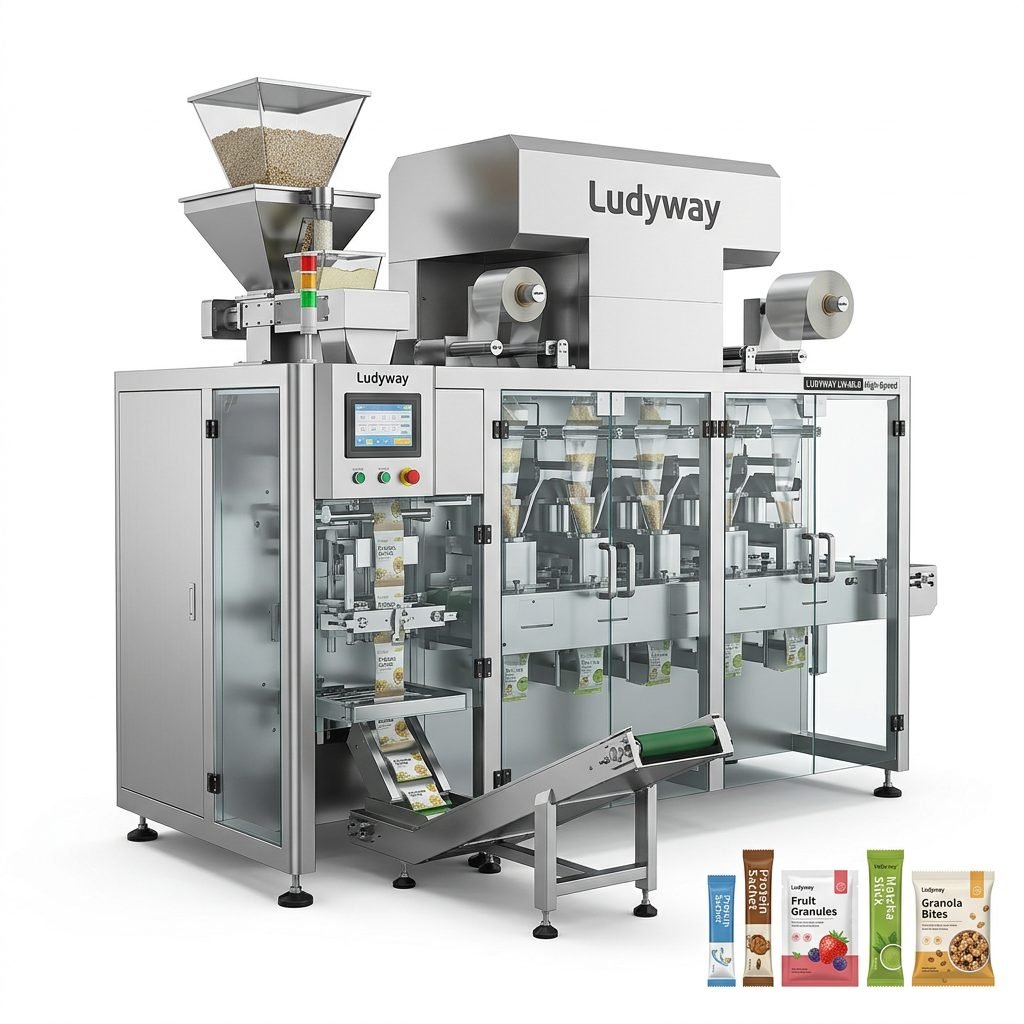
These are the workhorses for many roasters. A VFFS machine forms a bag from a roll of flat packaging film, fills it with your coffee, and then seals it—all in one continuous operation. They are highly versatile for different bag sizes and styles (like flat bottom or stand-up pouches).
Best for: Roasters with moderate to high volume who package into flexible pouches and need efficiency and bag consistency.
2. Pre-Made Pouch Fillers & Sealers
This equipment is designed to work with bags that are already formed and gusseted (pre-made pouches). The machine opens the bag, fills it with coffee, and then seals it closed, often with a gas flush option for degassing valves.
Best for: Roasters who prioritize specific, high-quality pre-made bag materials or have intricate bag designs that cannot be formed from a roll.
3. Dosing and Weighing Systems
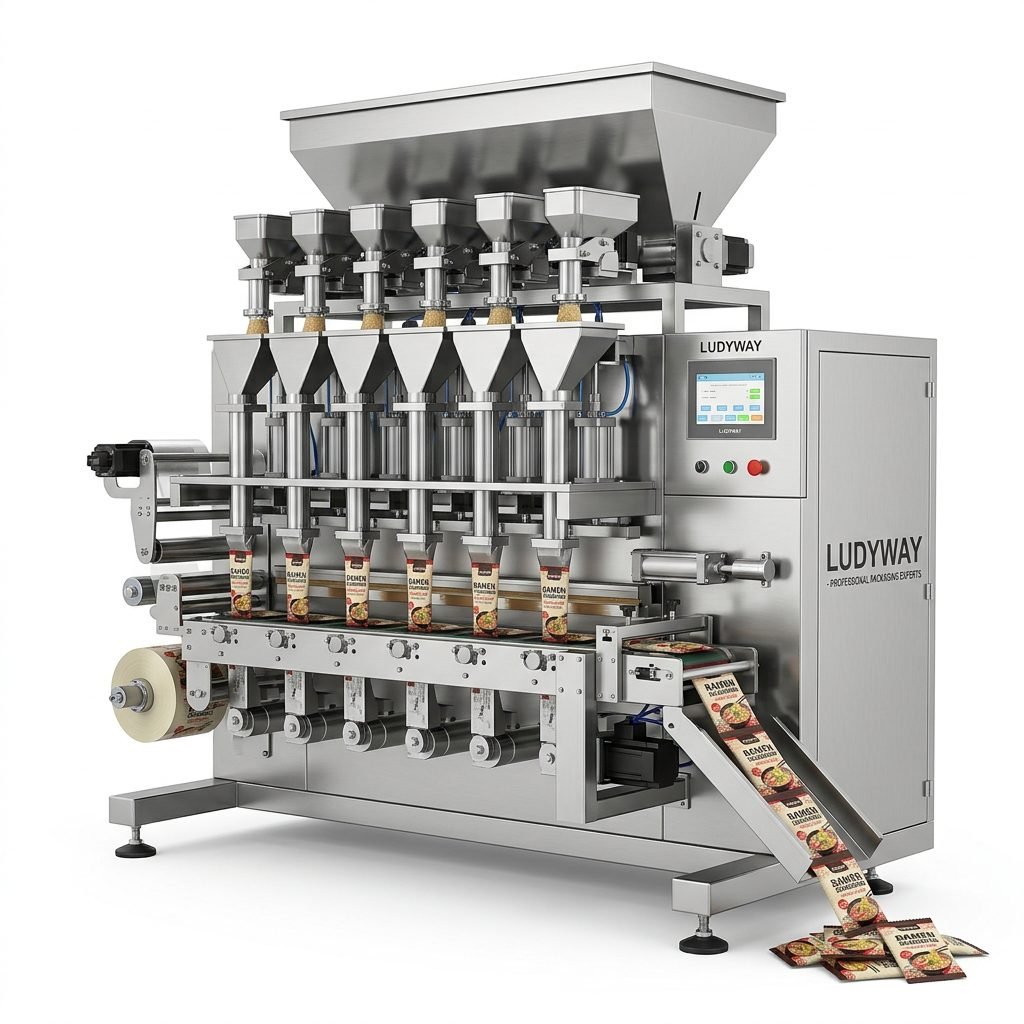
Accuracy is non-negotiable. These systems, often integrated with fillers, precisely measure the correct weight of coffee grounds or whole beans for each package. Volumetric cup fillers are common for grounds, while multi-head weighers offer extreme precision for whole beans.
Best for: Every roaster. Accurate dosing ensures regulatory compliance, customer satisfaction, and protects your profit margins.
4. Gas Flushing & Degassing Valve Applicators
To maximize shelf life, oxygen is replaced with an inert gas (like nitrogen) inside the bag before sealing. A dedicated gas flushing system is key for this. Additionally, a valve applicator cleanly attaches one-way degassing valves to bags, allowing CO2 to escape without letting air back in.
Best for: Roasters focused on whole bean sales and extending freshness for retail or subscription models.
Essential Features to Look For
Beyond the machine type, specific features will determine how well the equipment fits your workflow and product needs.
- Bag Size Range & Changeover Time: Can it handle your current bag sizes (e.g., 8oz, 12oz, 1lb) and easily adapt to future ones? Quick changeover mechanisms save precious production time.
- Weighing Accuracy & Speed: Look for a system that meets your speed requirements (bags per minute) while maintaining a tight weight tolerance (e.g., ±0.5 grams).
- Gas Flushing Efficiency (Oxygen Residual): A good system should achieve low residual oxygen levels (<2-3%) to ensure optimal freshness.
- Construction & Hygiene: Stainless steel contact parts are standard for food safety and durability. Easy-clean designs prevent cross-contamination between roasts.
- Ease of Use & Training: An intuitive user interface (touchscreen HMI) reduces training time and operator error.
- Support & Service: Reliable technical support, available spare parts, and clear documentation are critical for minimizing downtime.
Building a Complete Packaging Line
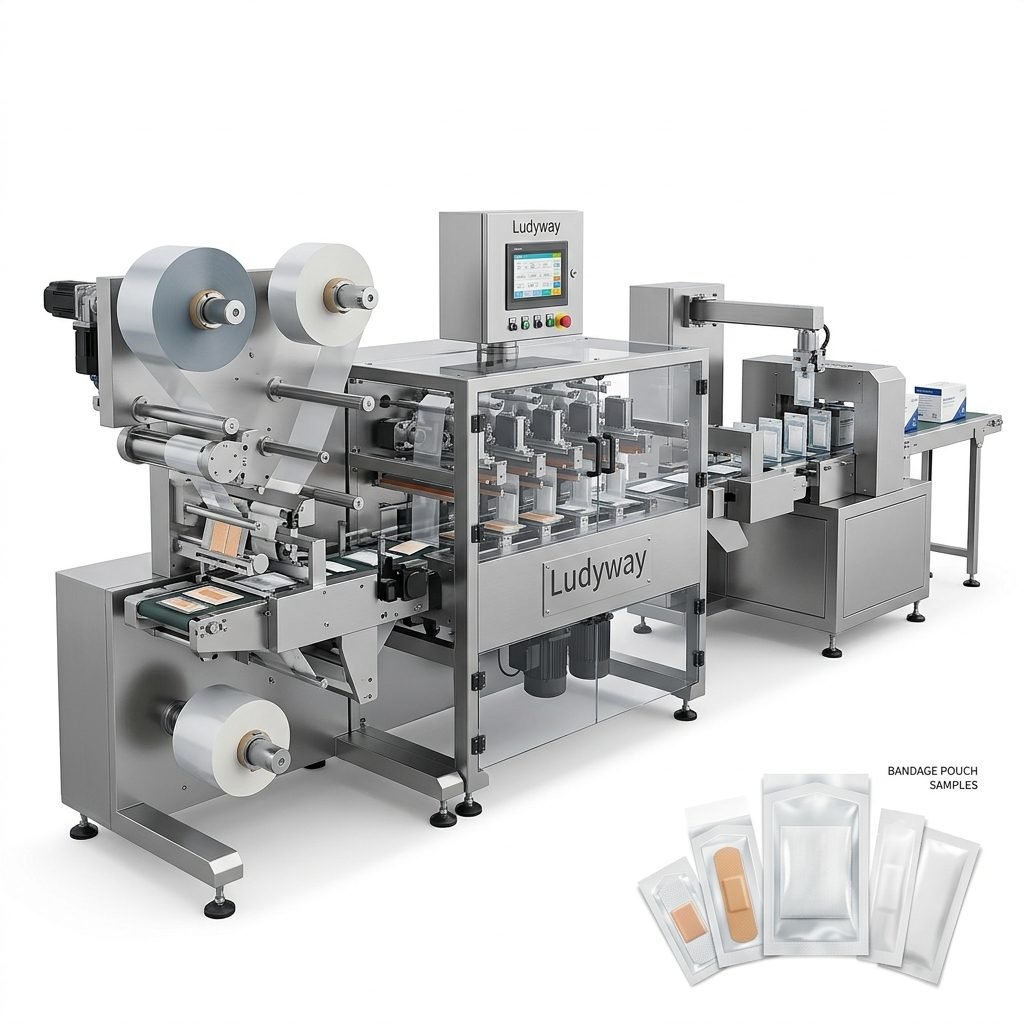
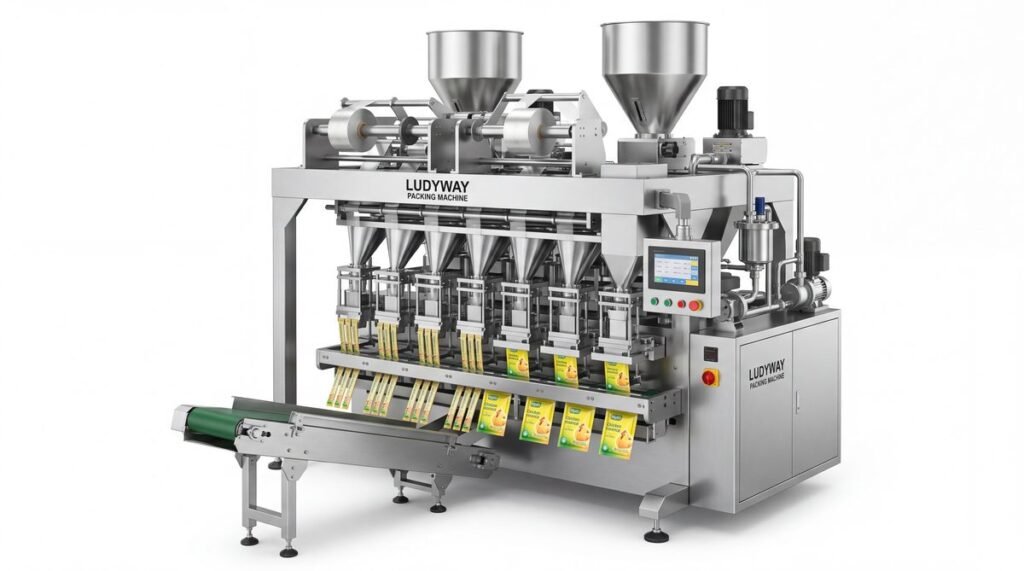
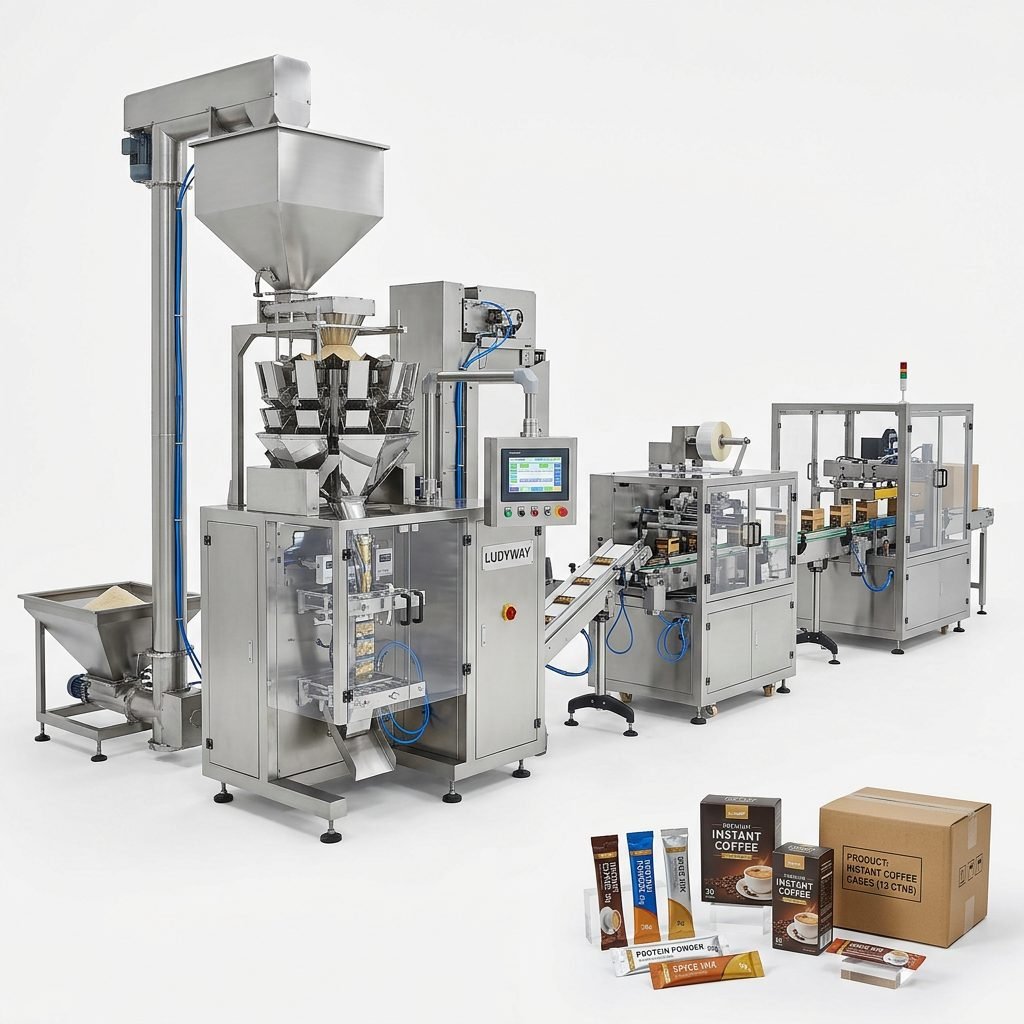
For many roasters, the goal is a seamless workflow. A typical small-scale line might integrate several machines. For instance, whole beans are transported from the grinder or hopper to a multi-head weigder for precise dosing. The weighed coffee is then fed into a VFFS machine, which forms the bag, receives the coffee, performs gas flushing, and applies a degassing valve before the final seal. The sealed bags are then conveyed to a checkweigher for quality assurance and finally to a labeling or coding station. Companies like Ludyway Machinery specialize in providing such integrated, turnkey packaging solutions, ensuring all components work harmoniously.
Budgeting and ROI Considerations
Investment ranges from a few thousand dollars for a semi-automatic sealer to tens of thousands for a fully automated line with gas flushing. Calculate your ROI by considering:
- Labor hours saved per week.
- Reduction in packaging material waste from inconsistent seals.
- Potential for increased sales through improved product presentation and extended shelf life.
- Scalability to handle growth without another major capital outlay.
Starting with a robust semi-automatic system and planning for future upgrades is a common and sensible path for growing roasters. Exploring the range of packaging machine models available can help you find the right balance between capability and cost.
Frequently Asked Questions (FAQs)
1. What is the most important feature for preserving coffee freshness in packaging?
The single most important feature is an effective gas flushing system coupled with a high-quality, airtight seal. Gas flushing displaces oxygen with inert gas, while a consistent seal maintains that protective atmosphere. The application of a proper one-way degassing valve is equally critical for whole bean coffee to allow CO₂ to escape without compromising the nitrogen-rich environment inside.
2. Can I use one machine for both whole bean and ground coffee?
Yes, many vertical form-fill-seal (VFFS) machines are versatile enough to handle both. The key difference is the dosing system. You may need to switch between a volumetric filler (ideal for uniform grounds) and a multi-head weigher (essential for accurate whole bean portions). Ensure the machine you choose supports easy interchangeability of these dosing units.
3. How much production speed do I really need?
Speed requirements depend entirely on your weekly volume. A small roastery selling 500-1000 bags per week might be well-served by a machine producing 15-30 bags per minute. Calculate based on your peak production hours. It’s often wiser to invest in a slightly faster machine to accommodate growth, rather than maxing out your current speed and needing to upgrade too soon.
4. Is fully automated equipment necessary for a small roastery?
Not initially. Many successful small roasters start with semi-automatic equipment, where an operator places the bag and the machine handles the filling, flushing, and sealing. This offers a great balance of improved consistency and speed at a lower entry cost. Full automation becomes more compelling as volume increases and labor for manual tasks becomes a bottleneck.
5. What should I prioritize: brand-new equipment or a reliable used machine?
For a critical piece of production equipment like a packager, new machinery from a reputable supplier is generally recommended. It comes with a full warranty, the latest technology for efficiency and hygiene, access to spare parts, and manufacturer support. While used machines can offer savings, they may come with hidden maintenance costs, outdated technology, and limited support, posing a risk to your production consistency and food safety. Partnering with an experienced provider ensures you get reliable solutions backed by strong engineering and service.