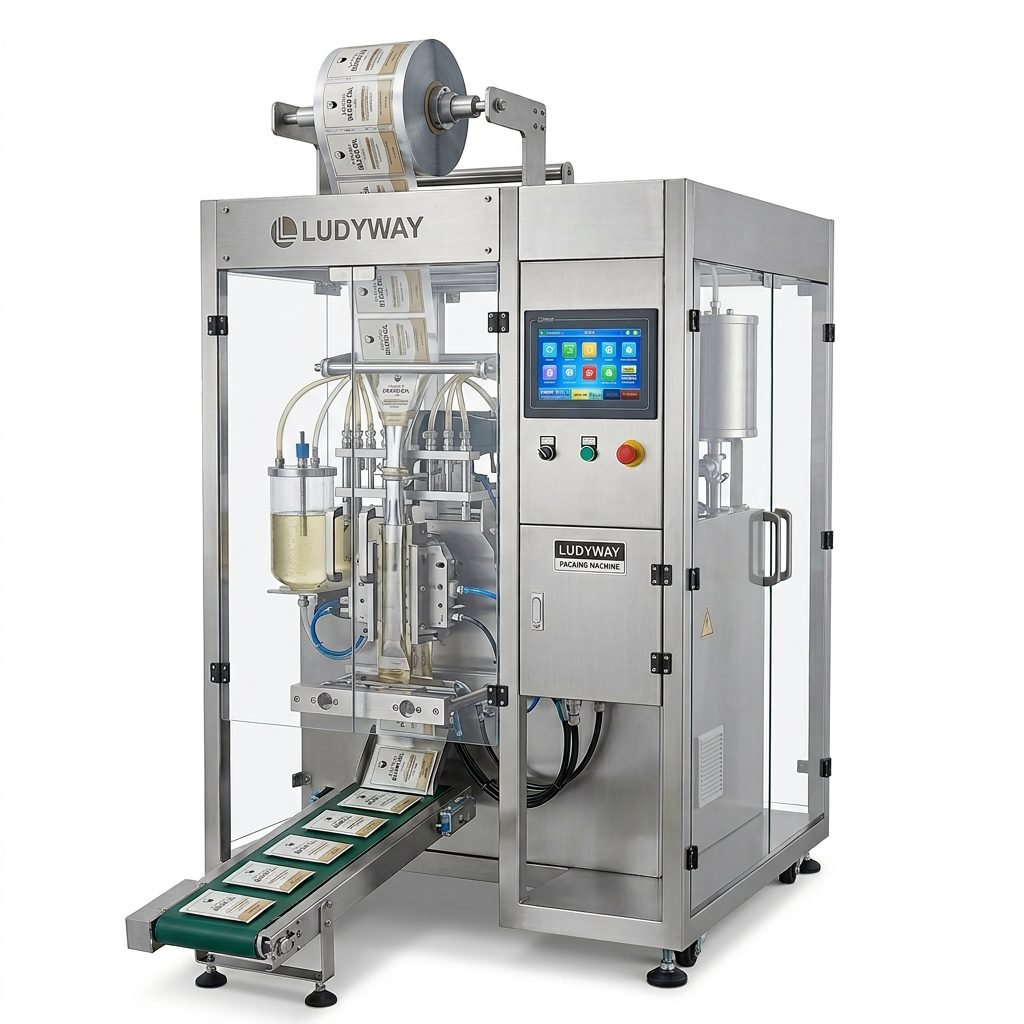
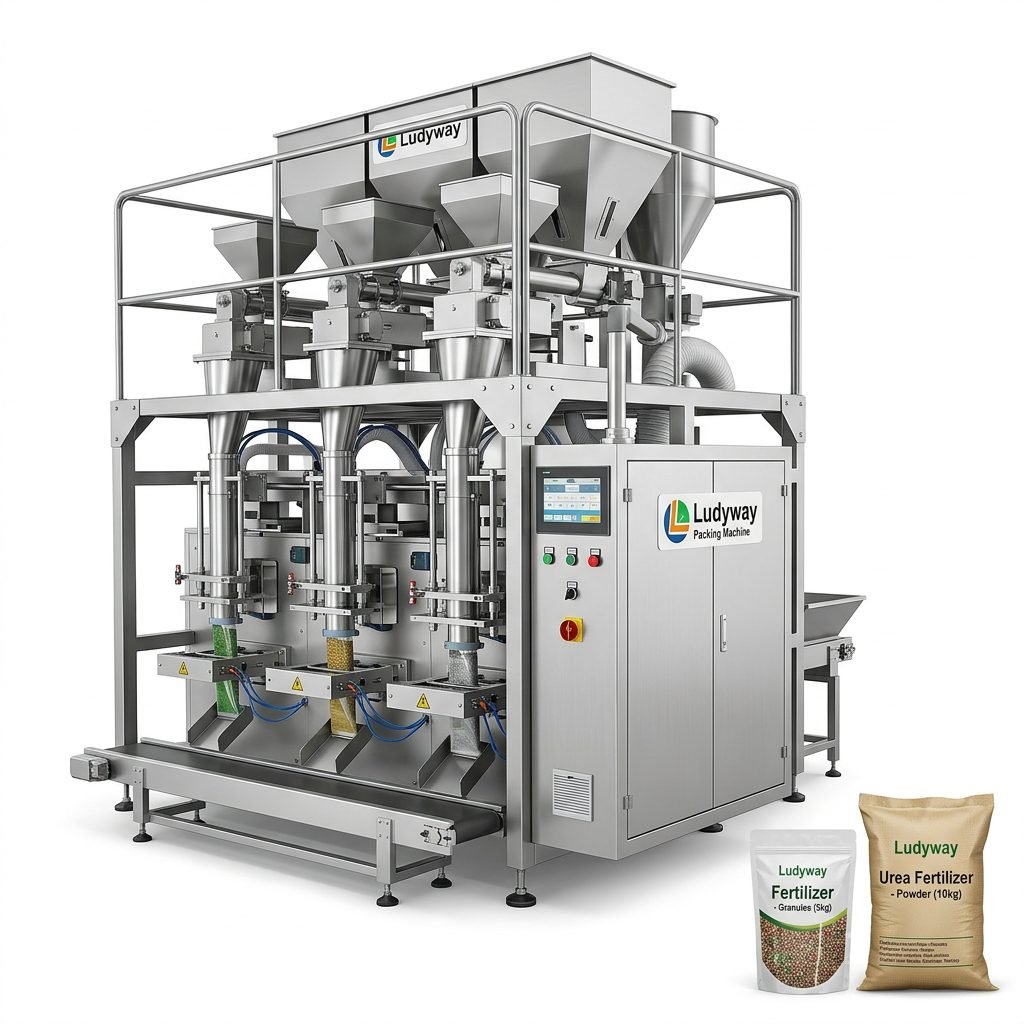
Efficient milk production relies heavily on the packaging stage. The right dairy packaging equipment not only protects the product’s freshness and safety but also optimizes operational efficiency, reduces waste, and enhances brand appeal on the shelf. For dairy producers, navigating the wide array of available machinery is crucial for maintaining a competitive edge.
Core Types of Dairy Packaging Equipment
The dairy industry utilizes specialized equipment tailored to different product forms and market demands.
Liquid Milk Filling and Sealing Machines
These are the workhorses for packaging milk, cream, and dairy-based beverages. They range from simple semi-automatic fillers to high-speed, fully integrated aseptic lines. Common formats include:
Gable-Top Carton Fillers: Ideal for fresh milk, these machines form, fill, and seal paperboard cartons. Modern versions often incorporate ultra-clean or aseptic filling technology to significantly extend shelf life without refrigeration.
Bottle Fillers (Plastic/HDPE): Used for gallons, half-gallons, and smaller bottles. Systems can include blow-molding, filling, capping, and labeling in one continuous line. Rotary piston fillers are renowned for their accuracy and gentle handling of viscous products like cream.
Aseptic Packaging Lines: The pinnacle of liquid dairy packaging. These complex systems sterilize the product and packaging material separately before filling in a sterile environment, allowing milk to be stored for months without preservatives or refrigeration. They are a major investment but open up distant markets.
Yogurt and Dessert Cup Fillers
Designed for handling viscous products, these machines fill pre-formed plastic or PP cups. Key features include:
- Multi-Lane Filling: For high-volume production of small snack-size cups.
- Fruit/Topping Addition: Integrated stations for depositing jam, fruit puree, or granola.
- Lidding and Sealing: Apply foil, plastic, or heat-seal lids, often with date coding.
Cheese and Butter Packaging Systems
This category includes equipment for portioning, wrapping, and boxing solid or semi-solid dairy products.
- Flow-Wrap Machines: For individually wrapping cheese sticks, butter portions, or small cheese blocks in flexible film.
- Vacuum Skin Packaging (VSP): Excellent for fresh cheese and sliced products, extending freshness by removing air and creating a tight, appealing skin pack.
- Form-Fill-Seal for Shredded Cheese: Vertical or horizontal machines that create bags from roll stock, fill them with shredded or grated cheese, and seal them with modified atmosphere (MAP) for prolonged shelf life.
Comprehensive Selection Guide for Dairy Producers
Choosing the right equipment requires a strategic evaluation of multiple factors beyond just the initial price tag.
1. Assess Your Product and Production Volume
Clearly define your product range (viscosity, acidity, particulate content) and target output (liters/hour or units/minute). A small artisanal cheesemaker has vastly different needs than a large-scale fluid milk processor. Future scalability should also be considered.
2. Prioritize Hygiene and Safety Standards
Dairy equipment must comply with stringent food safety regulations. Look for:
- Construction with food-grade stainless steel (e.g., 304 or 316L) on all product-contact surfaces.
- Designs that allow for easy cleaning, disassembly, and drainage (CIP/SIP capabilities).
- Certifications relevant to your market (e.g., FDA, CE, 3-A Sanitary Standards).
3. Evaluate Automation and Integration Level
The level of automation directly impacts labor costs and consistency.
Semi-Automatic: Lower upfront cost, suitable for low-volume or start-up operations. Requires more manual intervention.
Fully Automatic: Higher investment but offers superior speed, accuracy, and labor savings. Essential for medium to high-volume production.
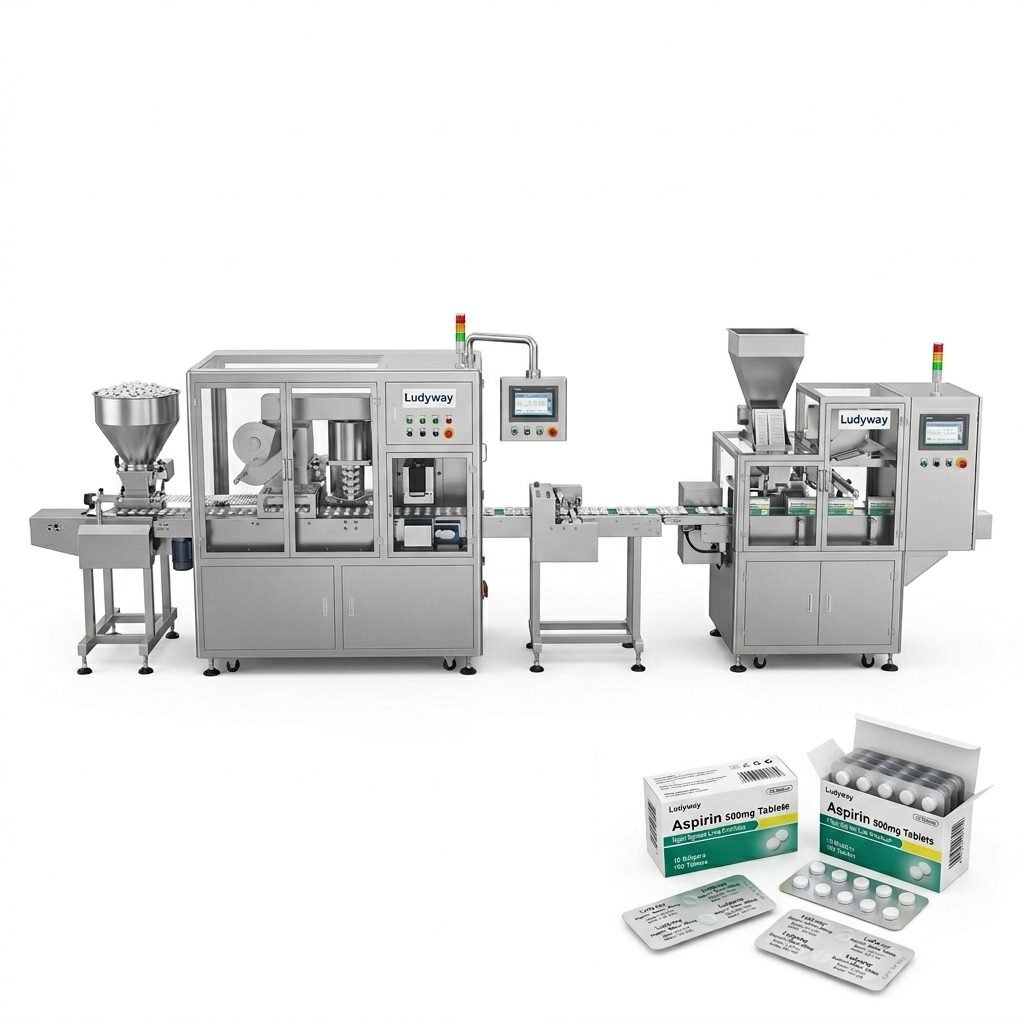
Turnkey Line: A fully integrated solution from reputable suppliers like Ludyway, where all components (filler, capper, labeler, case packer) are designed to work seamlessly together, minimizing integration headaches.
4. Consider Flexibility and Changeover
If you produce multiple SKUs (different sizes, flavors), quick changeover times are critical to minimize downtime. Ask about tool-less change parts and recipe storage in the machine’s PLC.
5. Analyze Total Cost of Ownership (TCO)
Look beyond the purchase price. Factor in:
- Energy and Water Consumption: Efficient machines reduce utility costs.
- Maintenance and Spare Parts: Availability and cost of wear parts.
- Technical Support & Service: Reliable after-sales support from the equipment provider is invaluable for minimizing production stoppages.
Key Cost Factors in Dairy Packaging Equipment
Understanding what drives the cost helps in budgeting and justifying investment.
Machine Capability and Speed
A machine rated for 10,000 bottles per hour will cost significantly more than one for 1,000 bottles per hour. The engineering, motor power, and control systems required for high speed increase the price.
Level of Automation and Technology
A basic volumetric filler is less expensive than a weight-based filler with checkweigher feedback. Aseptic technology, robotics for case packing, and advanced PLCs with IoT connectivity for predictive maintenance all add to the cost but also add value.
Materials and Construction Quality
Equipment built with premium, corrosion-resistant stainless steel and high-quality industrial components (motors, drives, sensors) commands a higher price but ensures durability, compliance, and longer service life, reducing long-term costs.
Customization and Integration Requirements
Off-the-shelf solutions are generally cheaper. Customized machines designed to handle a unique package shape, integrate with existing legacy lines, or perform a specialized function require additional engineering and development, increasing the project cost.
Supplier Expertise and Support
Investing with an experienced supplier like Ludyway, which offers comprehensive service, training, and spare parts logistics, often involves a higher initial investment but provides greater security and uptime over the equipment’s lifespan.
Conclusion
Selecting the optimal dairy packaging equipment is a strategic decision that impacts product quality, operational efficiency, and profitability. By thoroughly understanding the different equipment types, following a structured selection process that prioritizes hygiene and TCO, and carefully evaluating the key cost factors, dairy producers can make an informed investment that supports both current needs and future growth. Partnering with a reliable and experienced machinery provider is crucial for navigating this complex landscape and ensuring a successful packaging operation.
Frequently Asked Questions (FAQs)
Q1: What is the most important feature to look for in dairy packaging machinery?
The non-negotiable feature is hygienic design and construction. All product-contact surfaces must be made of food-grade stainless steel, easily cleanable, and compliant with relevant sanitary standards (like 3-A) to ensure product safety and meet regulatory requirements.
Q2: How much does a basic liquid milk filling line cost?
Costs vary widely. A small, semi-automatic filler for bottles or cartons might start in the tens of thousands of dollars. A mid-range, fully automatic line can range from $100,000 to $500,000. Large-scale, high-speed aseptic lines can run into millions. A detailed quote based on your specific needs is essential.
Q3: Can one machine package different dairy products, like milk and yogurt?
It is challenging. Milk and yogurt have different viscosities and often require different filling technologies and package types. While some versatile fillers can handle a range of viscosities, significant changeovers (including cleaning, part swaps, and parameter adjustments) are usually needed. Dedicated lines are more common for high-volume, distinct products.
Q4: What are the benefits of Modified Atmosphere Packaging (MAP) for cheese?
MAP replaces the air inside the package with a gas mixture (often nitrogen and carbon dioxide). This dramatically slows oxidation and microbial growth, extending the shelf life of shredded, sliced, or block cheese without altering its taste or texture, reducing food waste and expanding distribution reach.
Q5: Why is after-sales service critical when buying packaging equipment?
Packaging machines are complex and require maintenance. Reliable after-sales service ensures you have access to genuine spare parts, expert technical support, and prompt repair services. This minimizes costly downtime, maintains machine efficiency, and protects your investment over its entire operational life.