In the competitive world of ecommerce, your product’s first physical interaction with a customer is through its packaging. The right packaging equipment is not just a tool; it’s a strategic asset that impacts efficiency, cost, brand perception, and customer satisfaction. This comprehensive guide will walk you through the essential types of ecommerce packaging equipment, associated costs, and a detailed framework for selecting the perfect machines for your business needs.
Understanding the Core Types of Ecommerce Packaging Equipment
The packaging process can be broken down into several key stages, each requiring specialized machinery. Understanding these categories is the first step in building an efficient packaging line.
Primary Product Packaging Machines
This equipment handles the direct containment of your product. The type you need depends entirely on your product’s form factor.
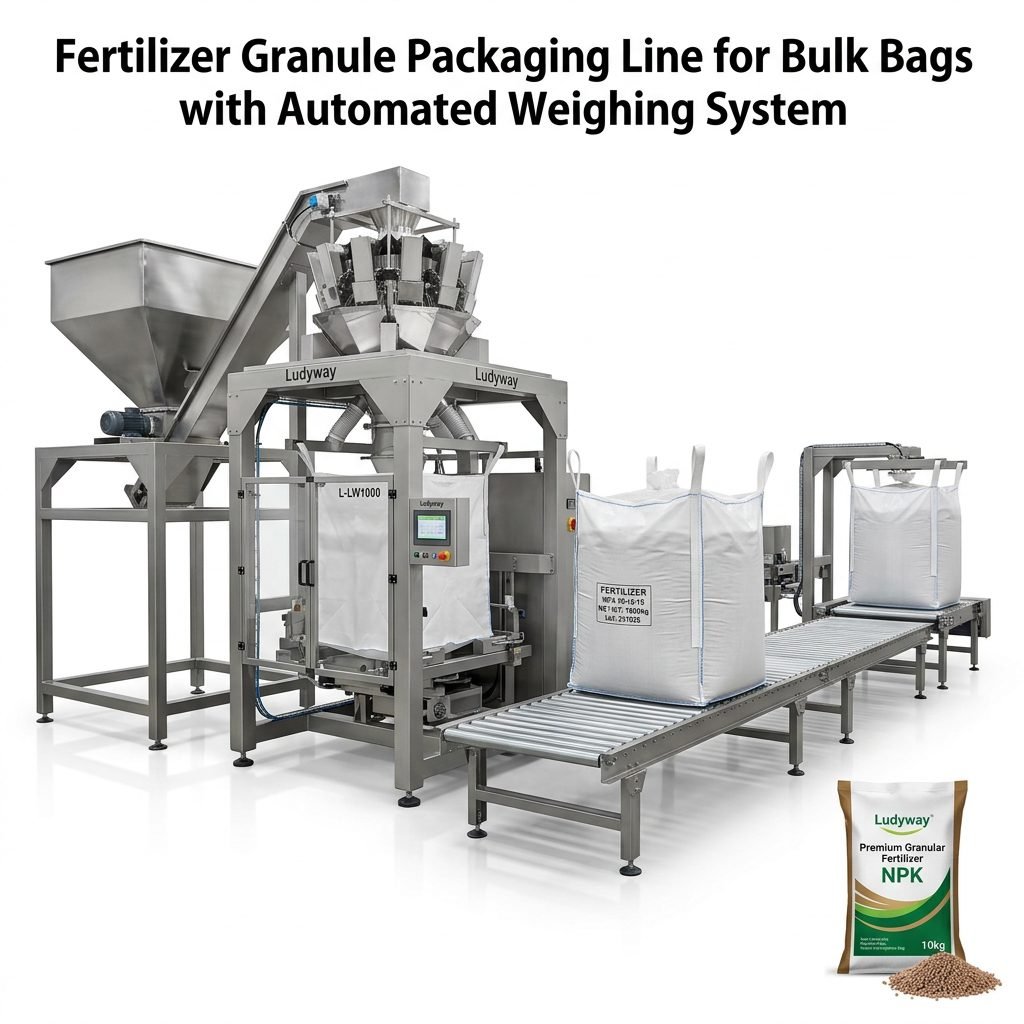
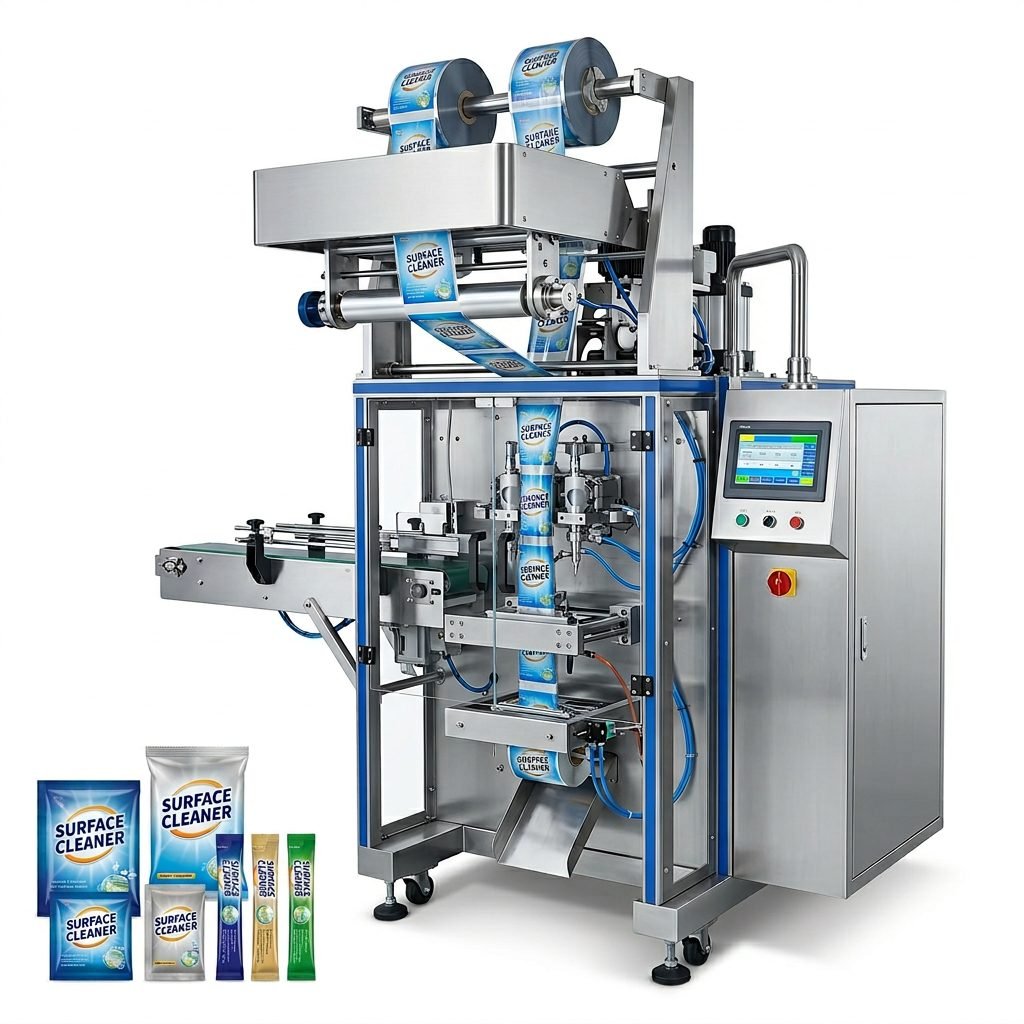
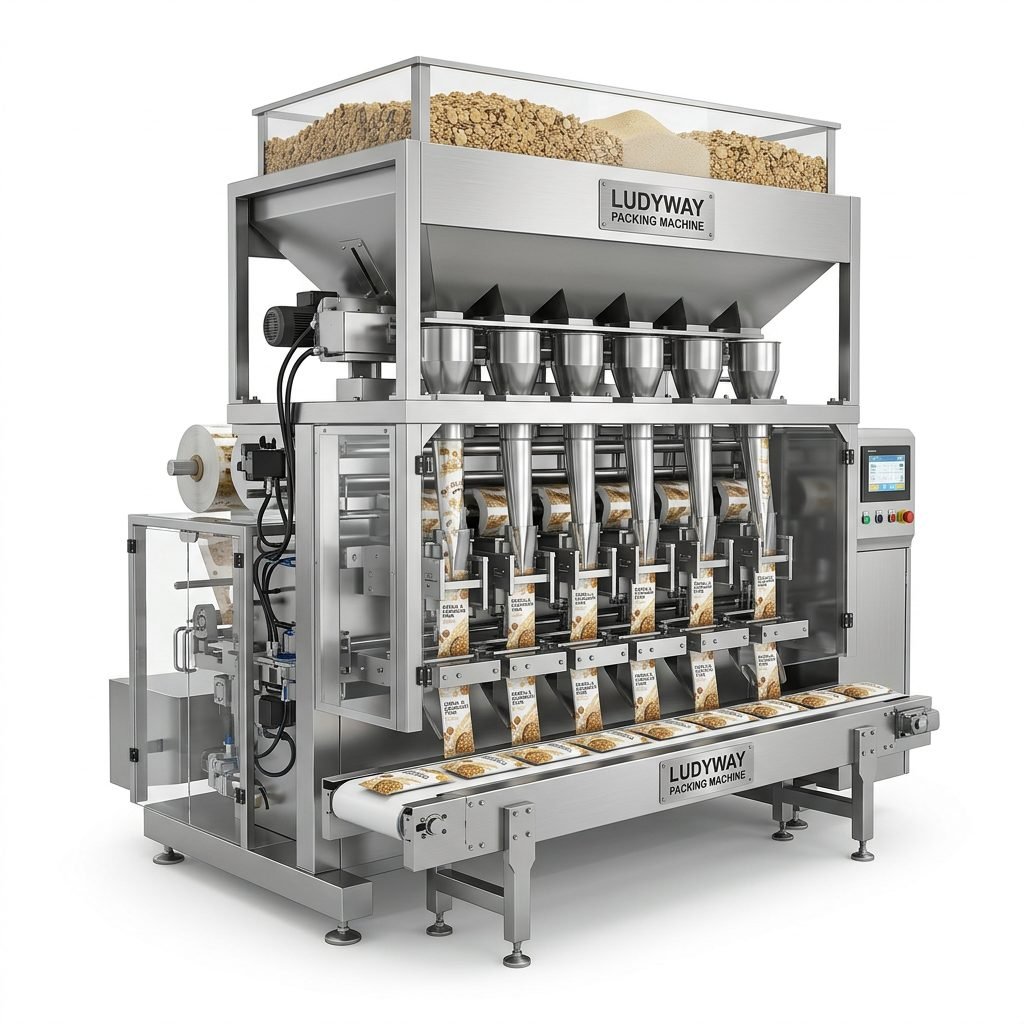
→ Vertical Form Fill Seal (VFFS) Machines: The workhorse for granular, powder, and small solid items like coffee, nuts, or hardware. They form a bag from a roll of film, fill it with product, and seal it—all in one continuous, high-speed operation.
→ Horizontal Form Fill Seal (HFFS) Machines: Ideal for bar-shaped items (protein bars, candy bars), multi-packs, and products that require presentation-oriented packaging. They wrap products in a flat film, creating a neat, pillow-style pack.
→ Liquid & Paste Filling Machines: These range from simple semi-automatic piston fillers for artisanal cosmetics to fully automated rotary fillers for high-volume beverages. They ensure precise, spill-free filling of bottles, tubes, or pouches.
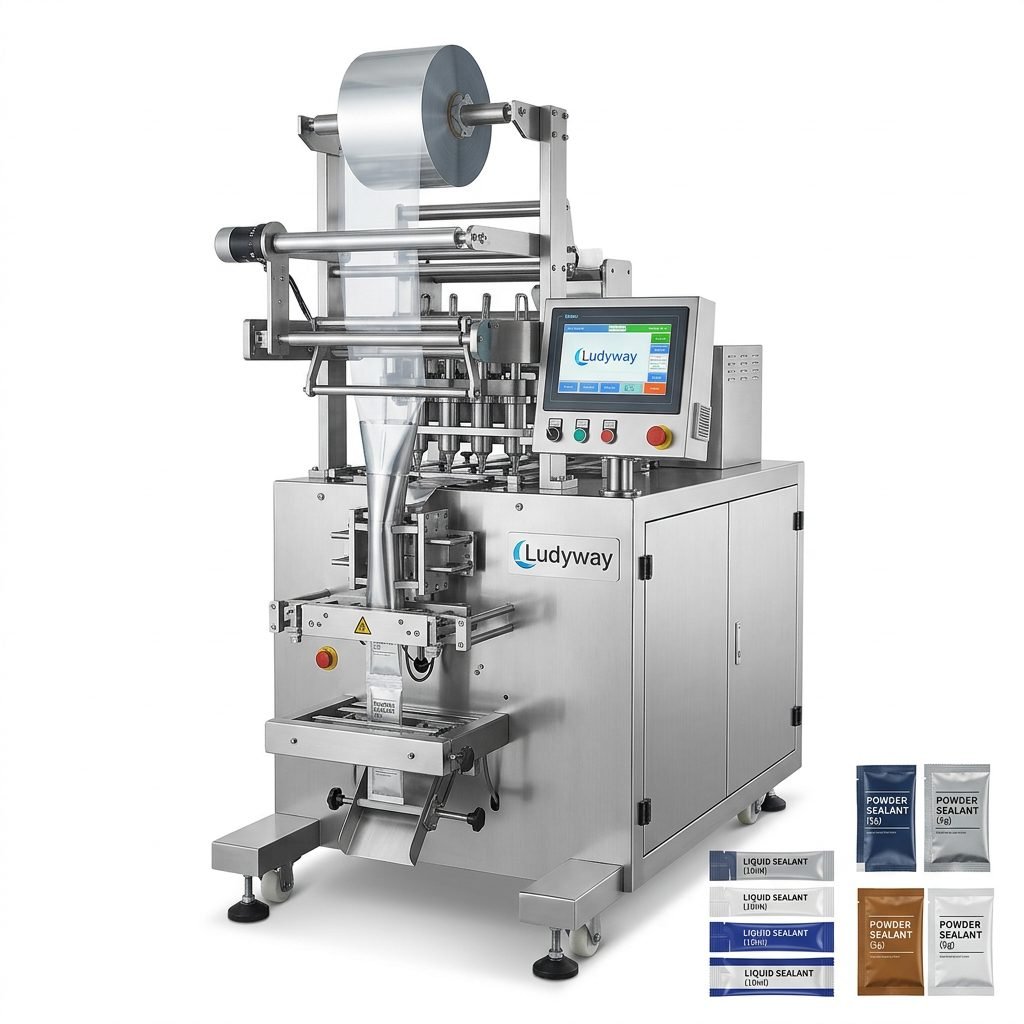
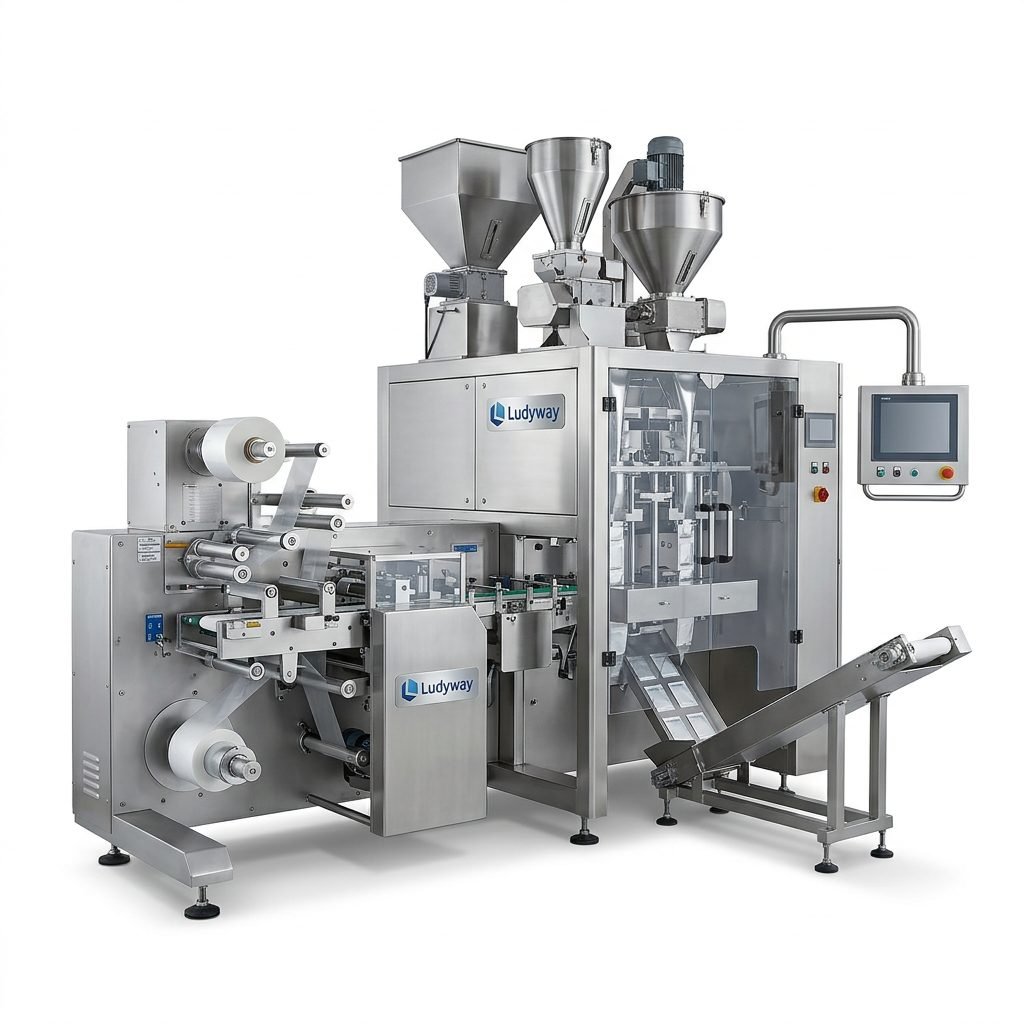
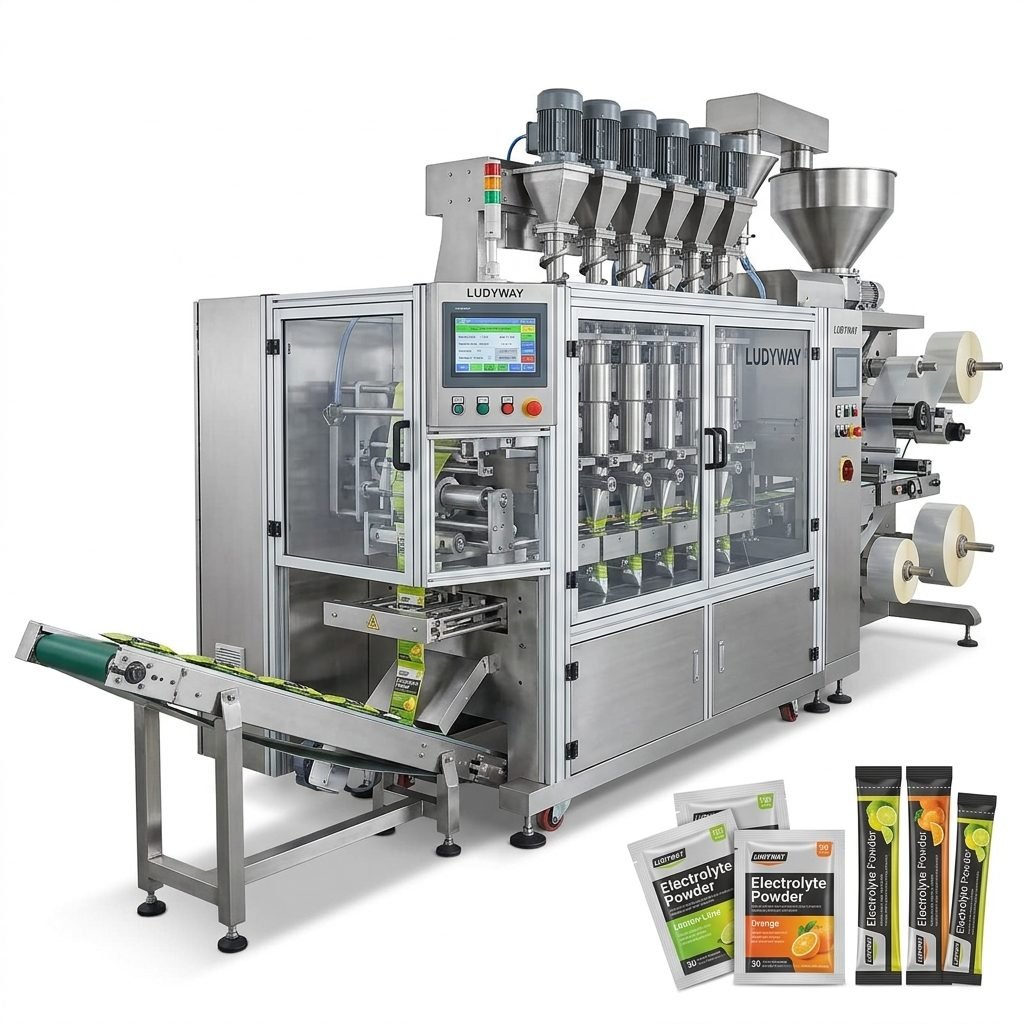
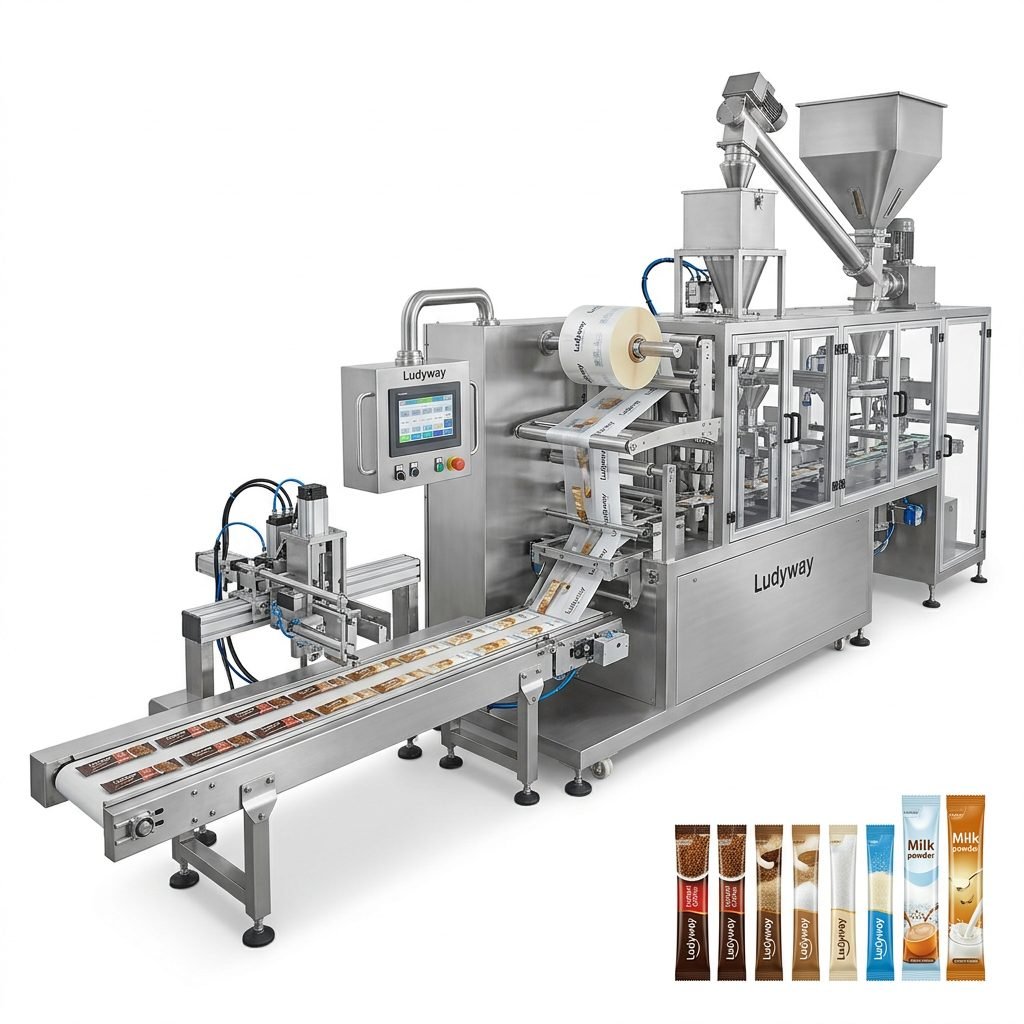
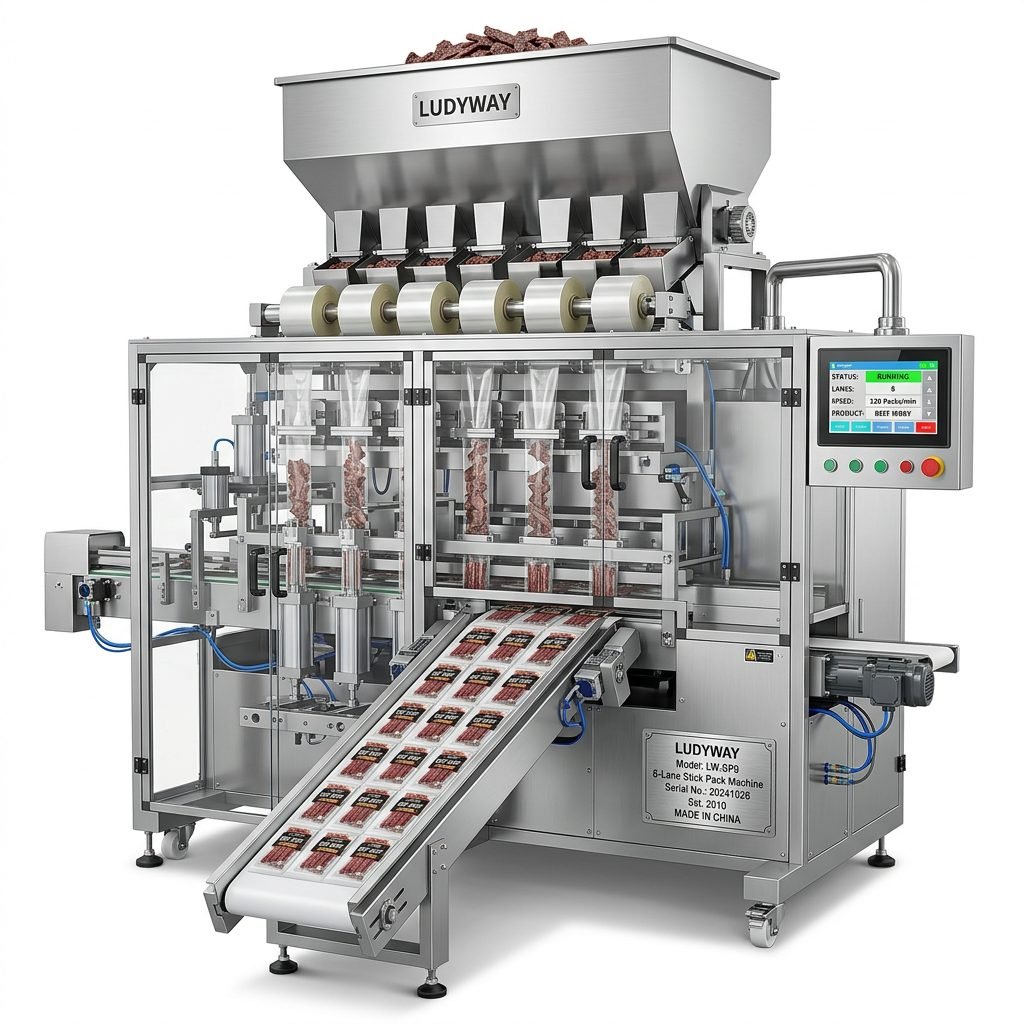
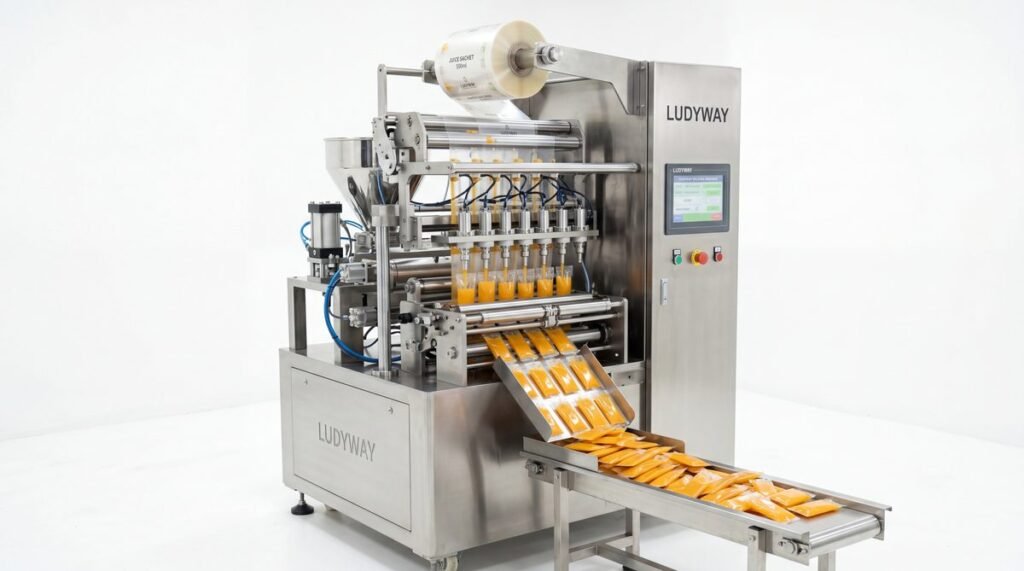
→ Stick Pack & Sachet Machines: Perfect for single-serve portions of powders (creamer, supplements), liquids (sauce, shampoo samples), or gels. Companies like Ludyway Packaging Machinery offer advanced multi-lane systems that dramatically increase output for these popular formats.
Secondary & Tertiary Packaging Equipment
Once the product is in its primary package, it often needs further preparation for shipping.
Cartoning Machines: Automatically erect, load, and close cartons. This is essential for putting sachets, bottles, or pouches into a retail-ready box.
Case Packing & Sealing Machines: These take multiple primary or secondary packages and place them into shipping cases (corrugated boxes), then apply tape or glue to seal them securely. This is a critical step for warehouse efficiency.
Labeling & Coding Systems: Apply shipping labels, barcodes, expiration dates, or batch codes directly onto cartons or primary packages. Accuracy here is non-negotiable for logistics and compliance.
Breaking Down the Costs: Investment vs. Operational Savings
The cost of packaging equipment varies wildly, from a few thousand dollars to several hundred thousand. It’s an investment that must be evaluated against long-term operational savings.
Upfront Capital Expenditure
• Semi-Automatic Machines: $3,000 – $20,000. A low-entry point for startups or low-volume businesses. They require more manual labor but offer flexibility.
• Fully Automatic Standalone Machines: $25,000 – $100,000. The core of most small to mid-sized operations. Think automatic VFFS baggers or liquid fillers. They offer a strong balance of speed and automation.
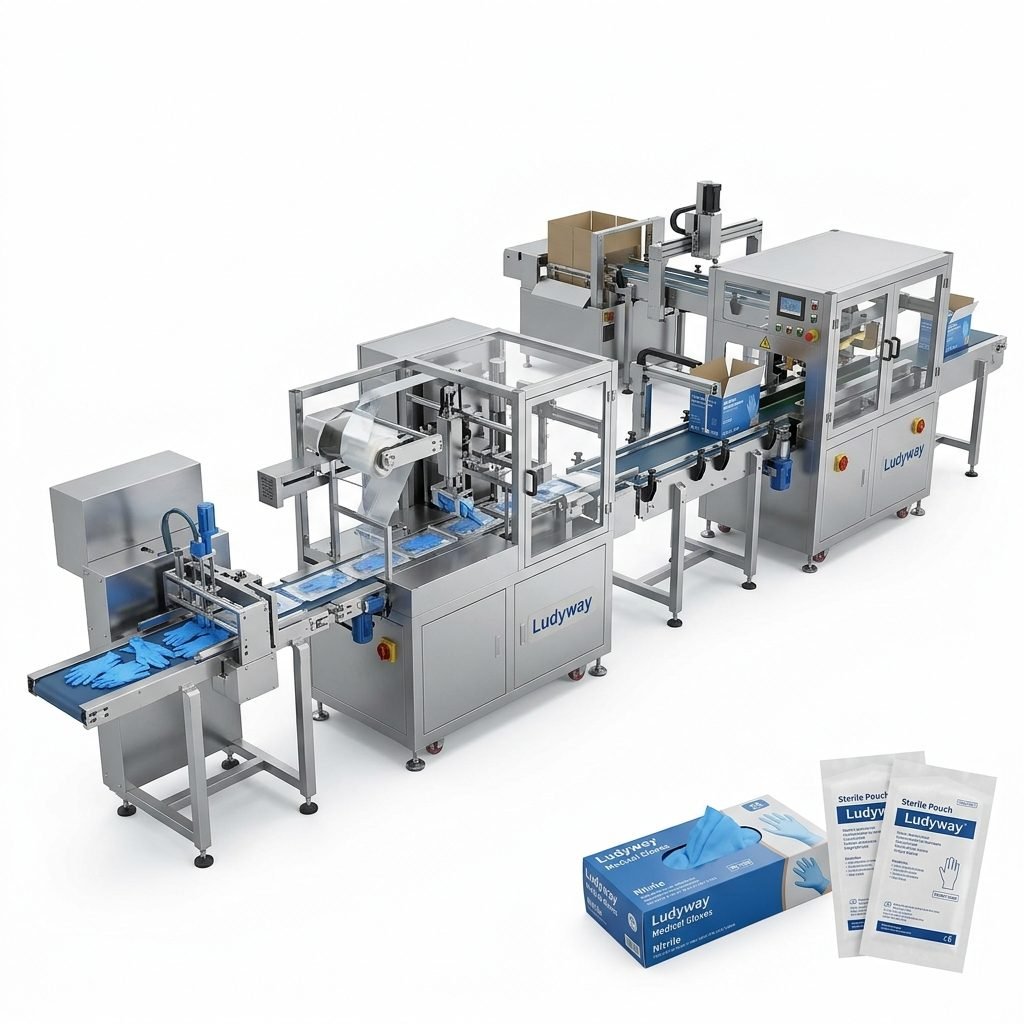
• Integrated Turnkey Packaging Lines: $100,000 – $500,000+. For high-volume production. This is a complete system (e.g., filler + capper + labeler + case packer) designed to work seamlessly together. Investing in a reliable turnkey solution from an experienced provider can minimize integration headaches and downtime.
Hidden & Ongoing Costs
Beyond the sticker price, consider: Installation & Training, Maintenance Contracts, Spare Parts Inventory, Consumables (film, cartons, labels), and Energy Consumption. A slightly more expensive, energy-efficient machine from a reputable brand often has a lower total cost of ownership.
How to Choose the Right Packaging Machines: A 5-Step Framework
Selecting equipment is a strategic decision. Follow this framework to make an informed choice.
Step 1: Analyze Your Product & Packaging Specifications
This is the foundation. Document everything: product dimensions, weight, form (granular, liquid, fragile), and any special requirements (nitrogen flushing for chips, sterile filling for healthcare). Define your desired primary package type (pouch, bottle, stick pack) and material.
Step 2: Evaluate Your Production Volume & Growth Trajectory
➤ Low Volume/Startup: Semi-automatic machines offer the most flexibility and lowest capital risk.
➤ Steady Mid-Volume: A fully automatic standalone machine is ideal. Target 70-80% of its maximum speed to allow for maintenance and future growth.
➤ High Volume/Scaling Rapidly: Plan for an integrated line. Consider modular equipment that allows you to add a cartoner or case packer later. Look for suppliers with a track record of supporting scalable packaging solutions for growing businesses.
Step 3: Prioritize Key Machine Features & Flexibility
Look for features that match your needs: Quick Changeover capabilities (crucial for short runs), User-Friendly HMI (Human-Machine Interface), Precision Weighing or Filling Systems, and Compatibility with Various Packaging Materials. Flexibility future-proofs your investment.
Step 4: Assess Supplier Credibility & Support
The machine is only as good as the company behind it. Investigate their industry experience, reputation, and after-sales service. Do they offer comprehensive training, readily available spare parts, and responsive technical support? A supplier with 30+ years of industry experience typically brings invaluable problem-solving expertise to the table.
Step 5: Calculate Total ROI (Return on Investment)
Compare the total cost (machine + hidden costs) against the savings: reduced labor costs, lower material waste from precise filling, increased output, and decreased product damage. A good ROI calculation justifies the capital expenditure and guides you toward the most economically sensible option.
Conclusion: Packaging as a Strategic Advantage
Choosing ecommerce packaging equipment is a complex but critical decision that goes beyond mere automation. It’s about building a reliable, scalable, and cost-effective foundation for your brand’s physical presence. By thoroughly understanding the machine types, honestly assessing costs, and methodically following a selection framework, you can invest in technology that not only packs your products but also protects your margins, delights your customers, and supports your business growth for years to come.
Frequently Asked Questions (FAQs)
What is the most versatile type of packaging machine for a small ecommerce business?
A semi-automatic vertical form fill seal (VFFS) machine is often the most versatile starting point. It can handle a wide range of granular and powdered products with relatively quick changeovers between bag sizes, making it suitable for businesses with multiple SKUs or short production runs.
How much can I realistically save on labor with automated packaging equipment?
Savings are significant but vary. A single fully automatic machine can often replace 3-5 manual packing stations. Beyond direct labor, savings come from increased consistency, higher output per hour, and reduced physical strain leading to lower turnover. The ROI typically pays back the investment in 1-3 years for a busy operation.
Is it better to buy one integrated line or separate machines from different suppliers?
For a streamlined, high-volume operation, an integrated line from a single supplier is preferable for compatibility and single-point service responsibility. For smaller operations or where flexibility is key, buying best-in-class standalone machines can work, but it requires more effort to ensure they interface properly and you may have multiple service contacts.
What are the most common maintenance issues with packaging machines?
Common issues include seal bar wear/buildup, film tracking misalignment, sensor calibration drift, and general wear on moving parts like belts and gears. A proactive maintenance schedule with regular cleaning, inspection, and lubrication as per the manufacturer’s manual is the best way to prevent unexpected downtime.
Can packaging equipment handle eco-friendly or biodegradable materials?
Many modern machines can, but it requires careful selection. You must confirm with the equipment supplier that their heat sealing systems, tension controls, and film feed mechanisms are compatible with your chosen sustainable material (e.g., compostable films, recycled content laminates), as these materials often have different sealing temperatures and tensile strengths.