Investing in a ketchup packaging machine is a significant decision for any food manufacturer. The right equipment directly impacts your production efficiency, product shelf life, and ultimately, your brand’s reputation. With various technologies available, from simple filling systems to fully automated packaging lines, navigating the selection process requires a clear understanding of your operational needs and product characteristics.
Understanding Your Ketchup Product and Production Goals
Before evaluating machine specifications, you must define your requirements. Ketchup is a viscous, shear-thinning liquid, which means its viscosity changes under agitation. This physical property affects pump selection, filling accuracy, and line speed. Start by mapping out your current and projected production volumes. Are you a small artisanal producer needing 500 sachets per hour, or a large-scale manufacturer requiring a high-speed multi-lane system capable of filling thousands of units per minute? Understanding this will immediately narrow your search to the appropriate machine category.
Ketchup Packaging Format Options
The packaging format is a primary decision point. The most common configurations for ketchup packaging include:
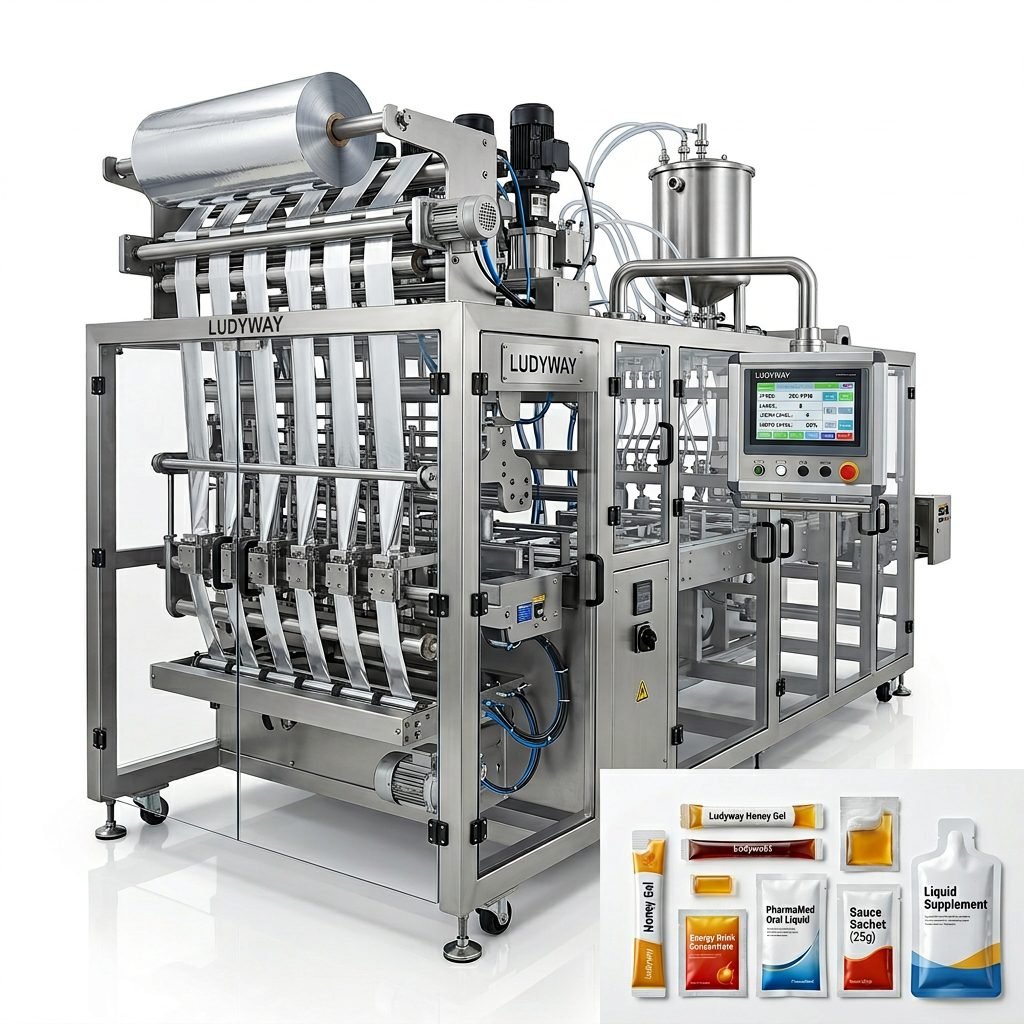
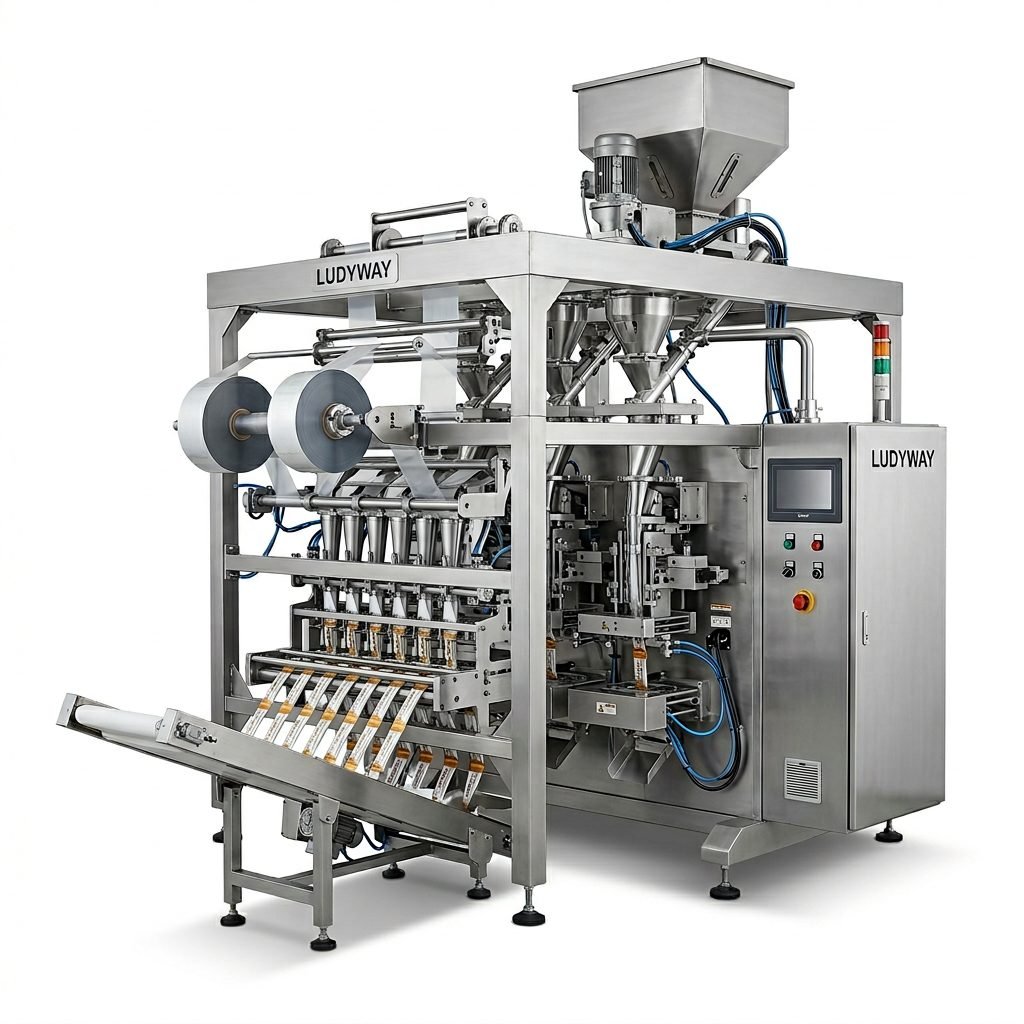
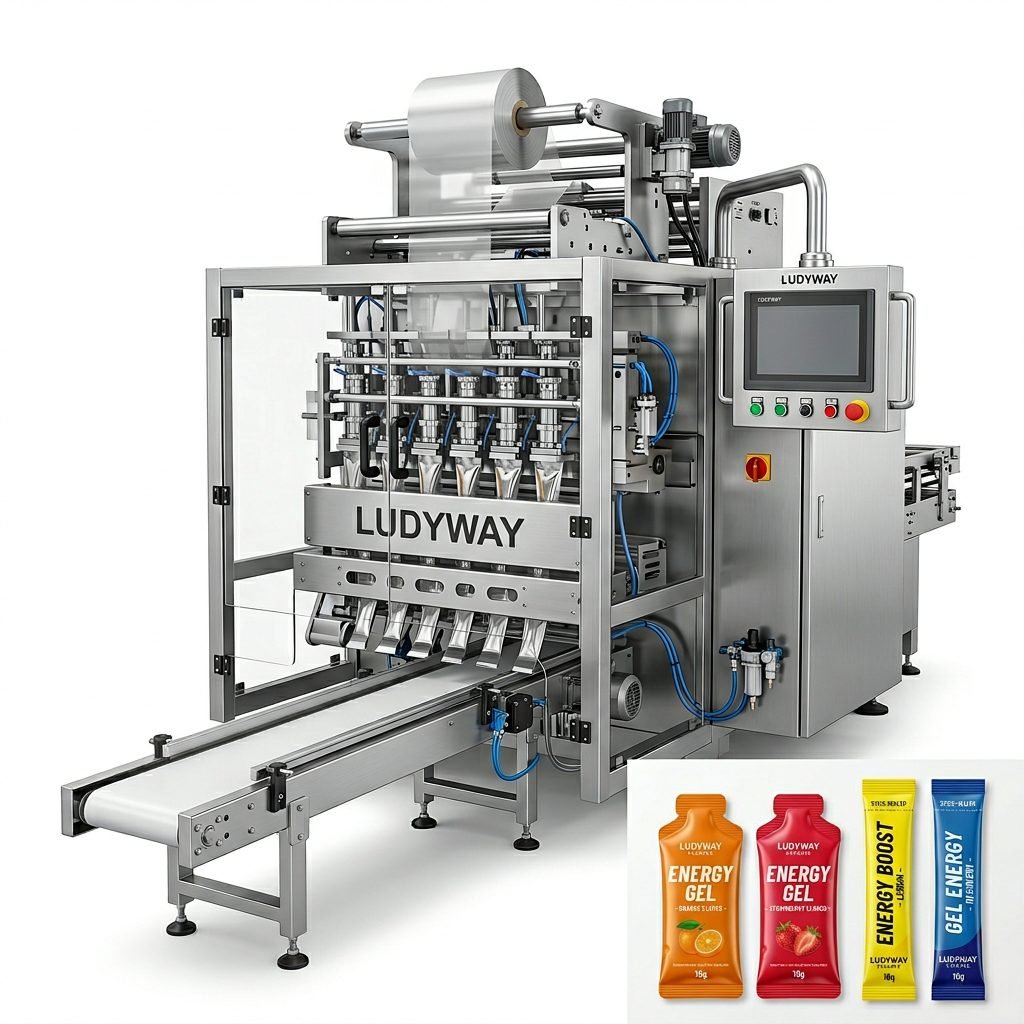
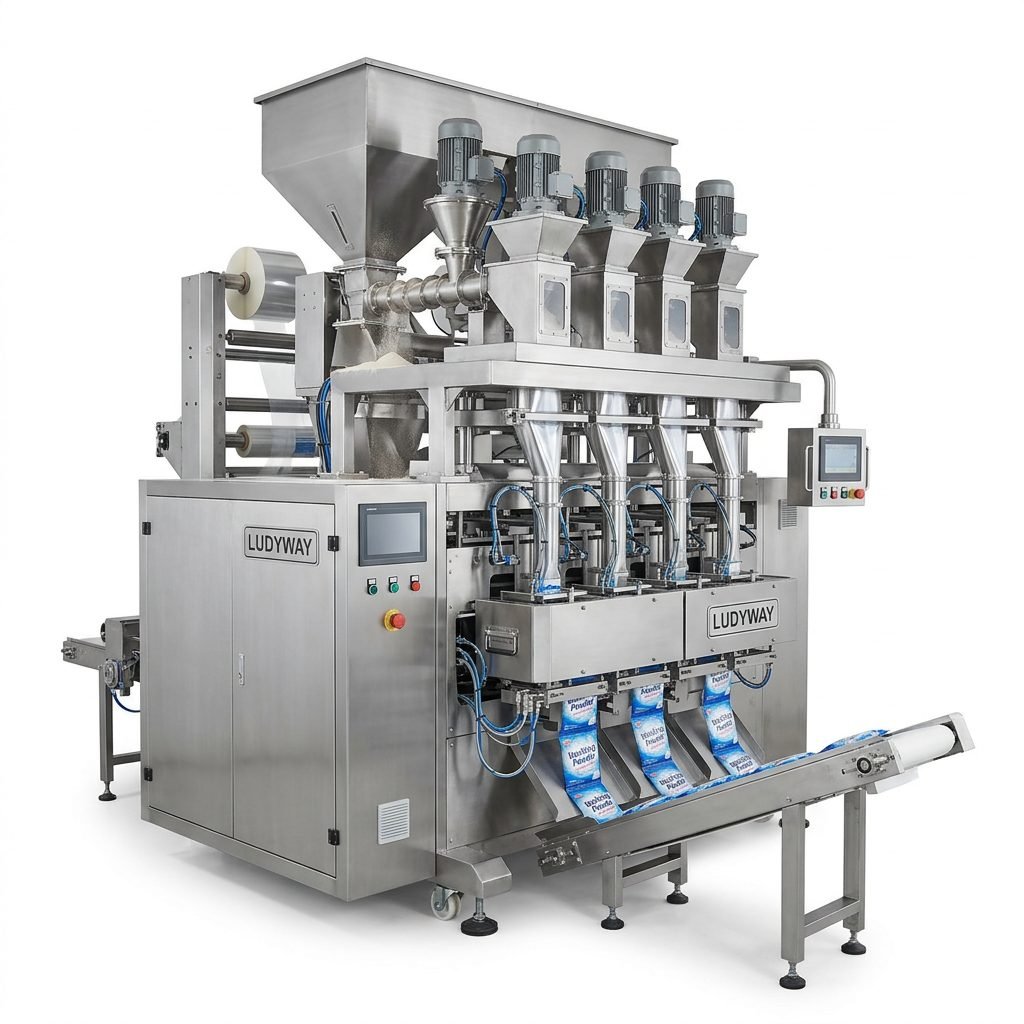
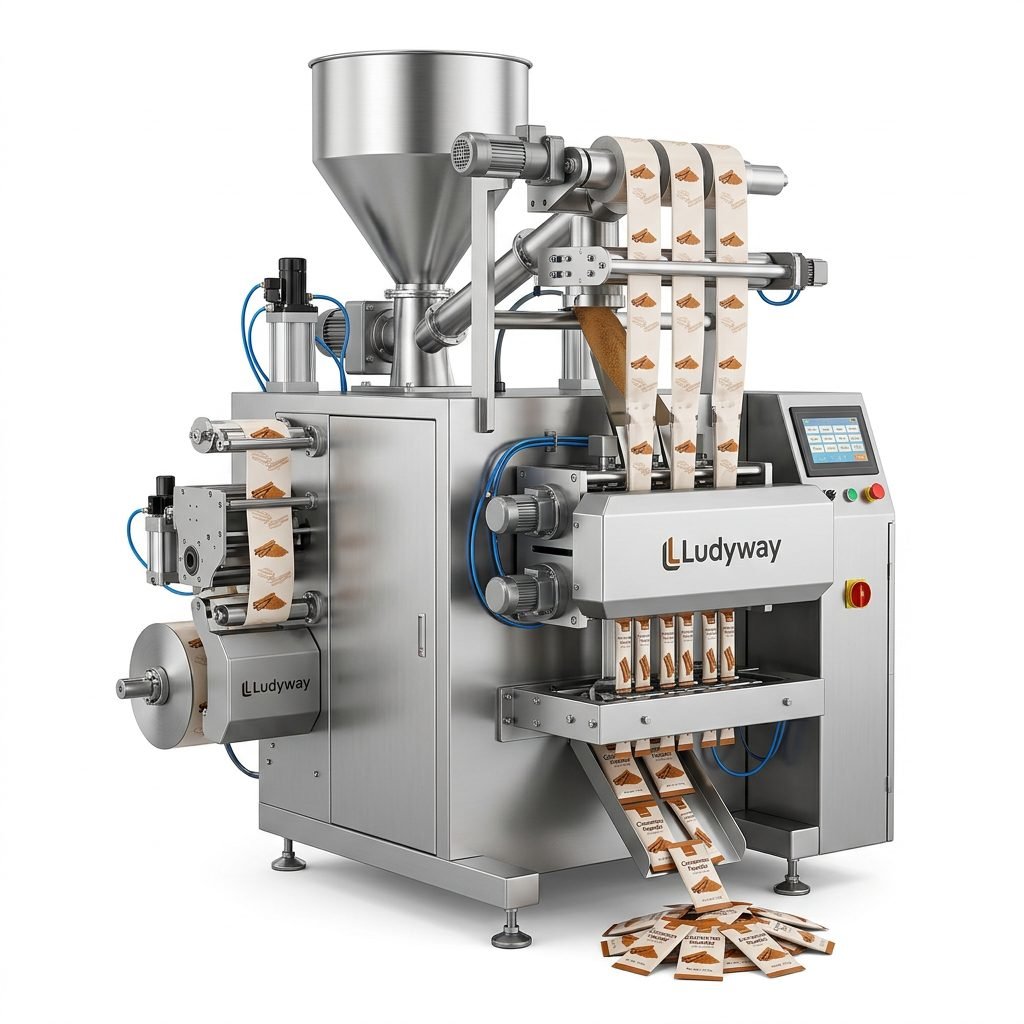
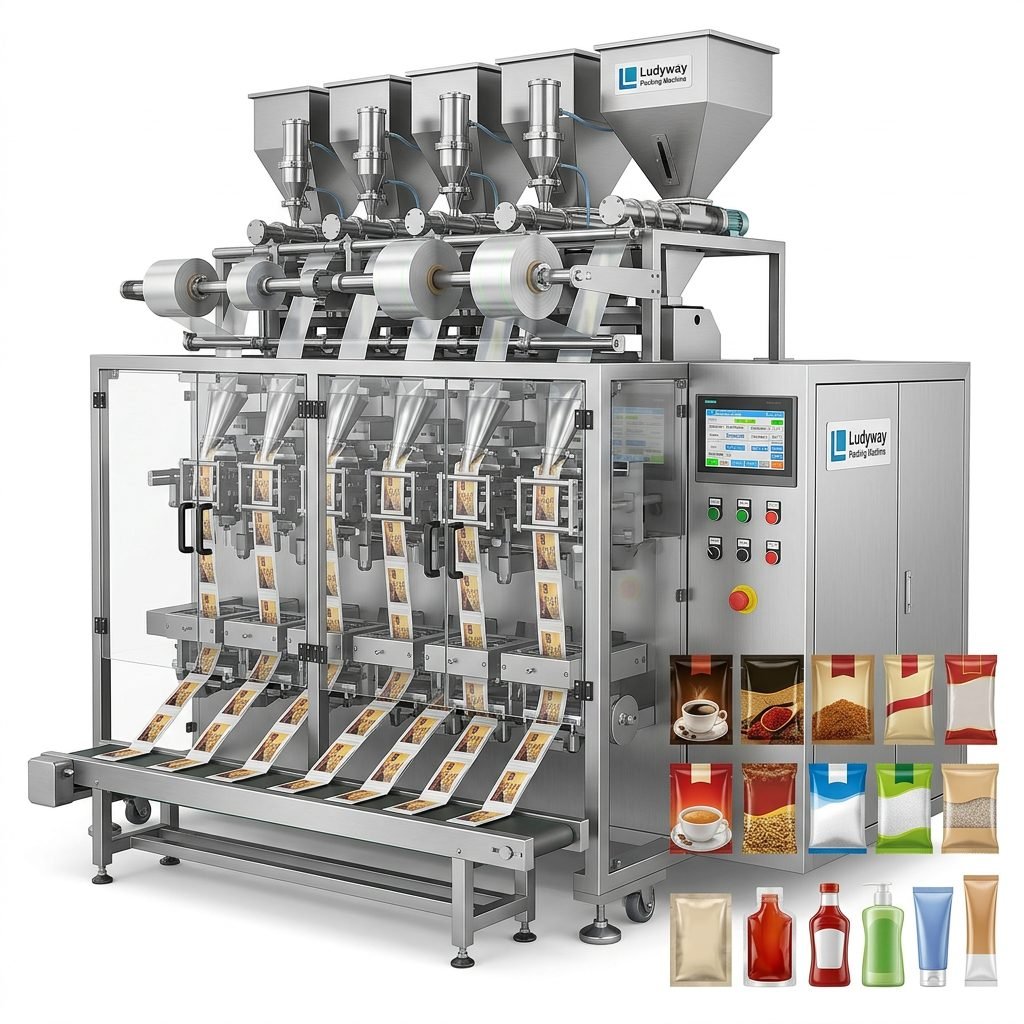
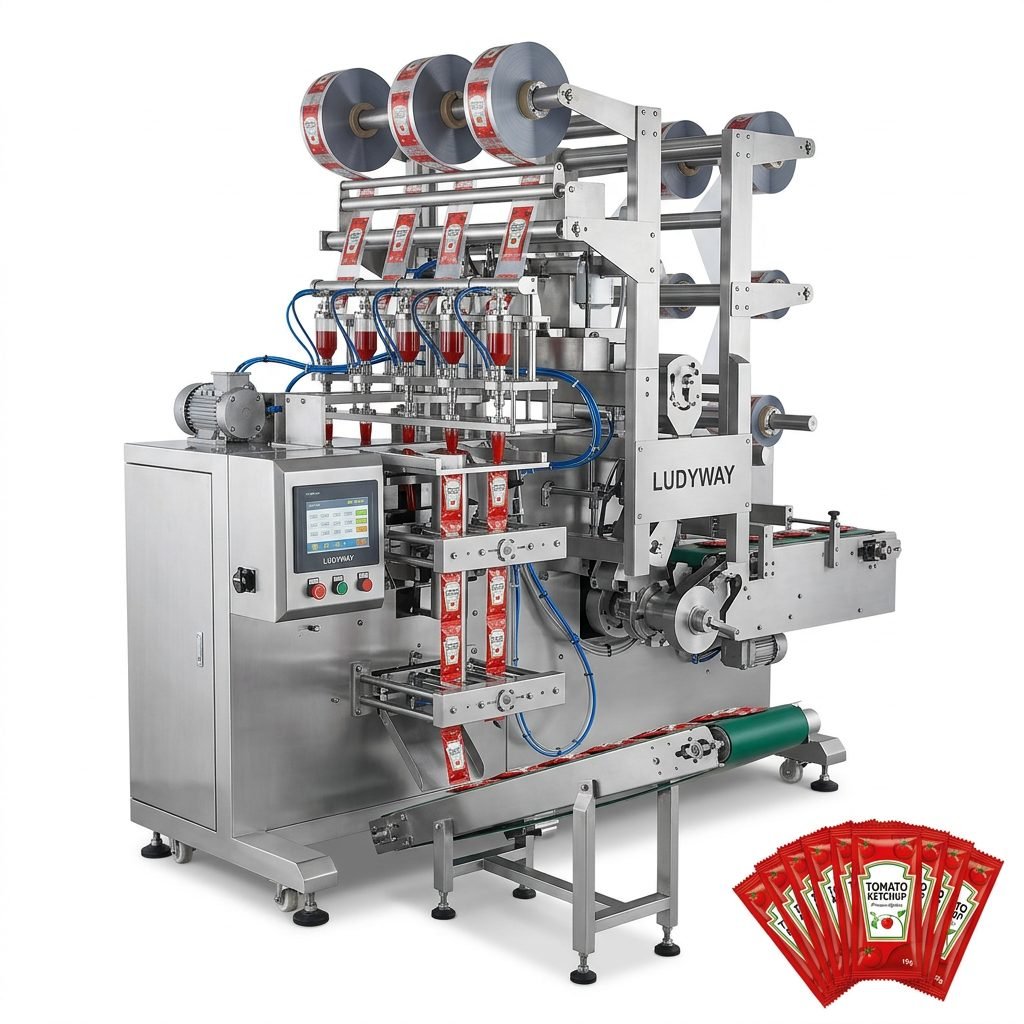
- Sachet & Stick Pack Machines: Ideal for single-serve portions in restaurants, takeout, and catering. Multi-lane models maximize output by producing several sachets simultaneously. These machines are excellent for preserving product freshness with each use and are a growing trend in the food service industry, as noted by the Flexible Packaging Association’s industry resources.
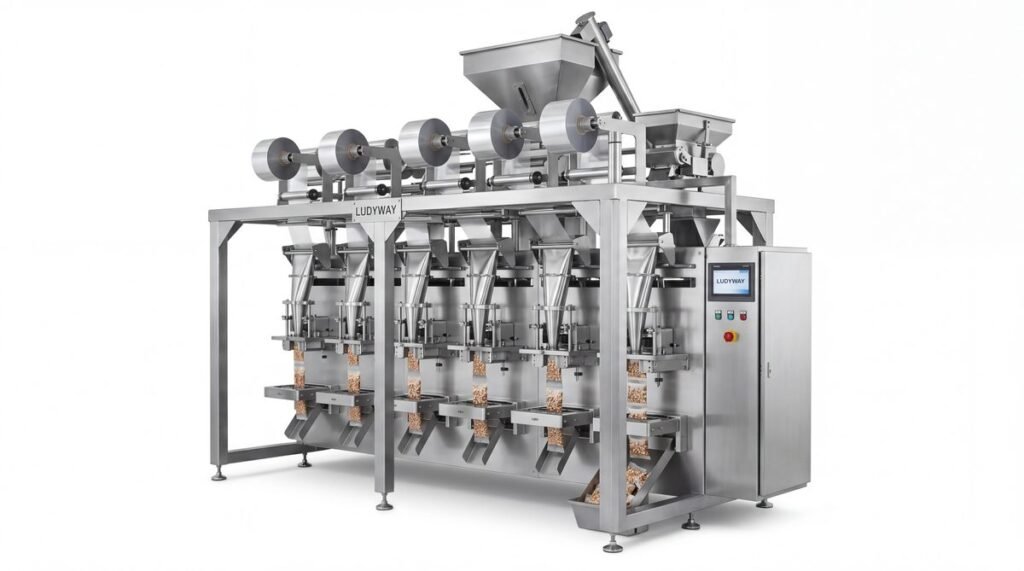
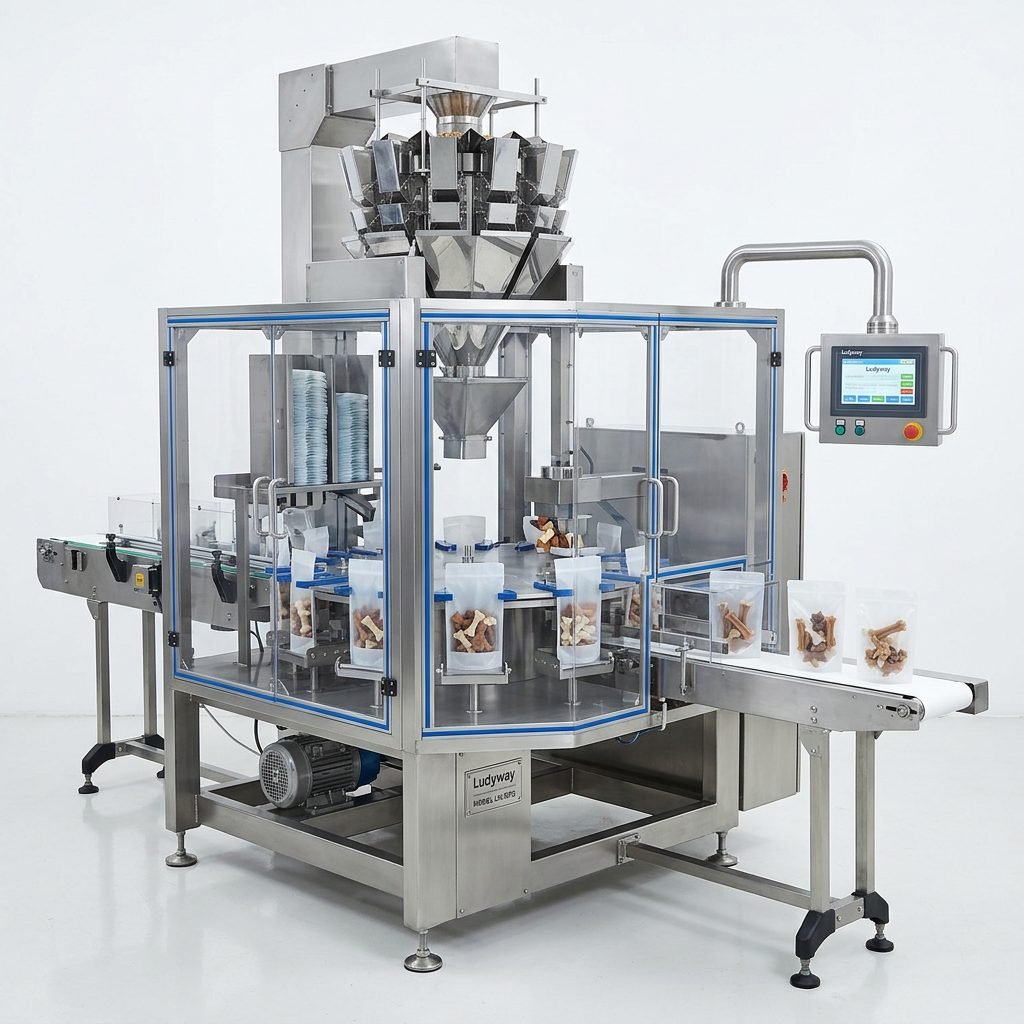
- Pouch Fill & Seal Machines: Suitable for both consumer retail and food service back-of-house packs. Pouches can range from small 250ml units to large bulk sizes. Systems like the pre-made pouch packaging machine offer flexibility for different pouch styles and volumes.
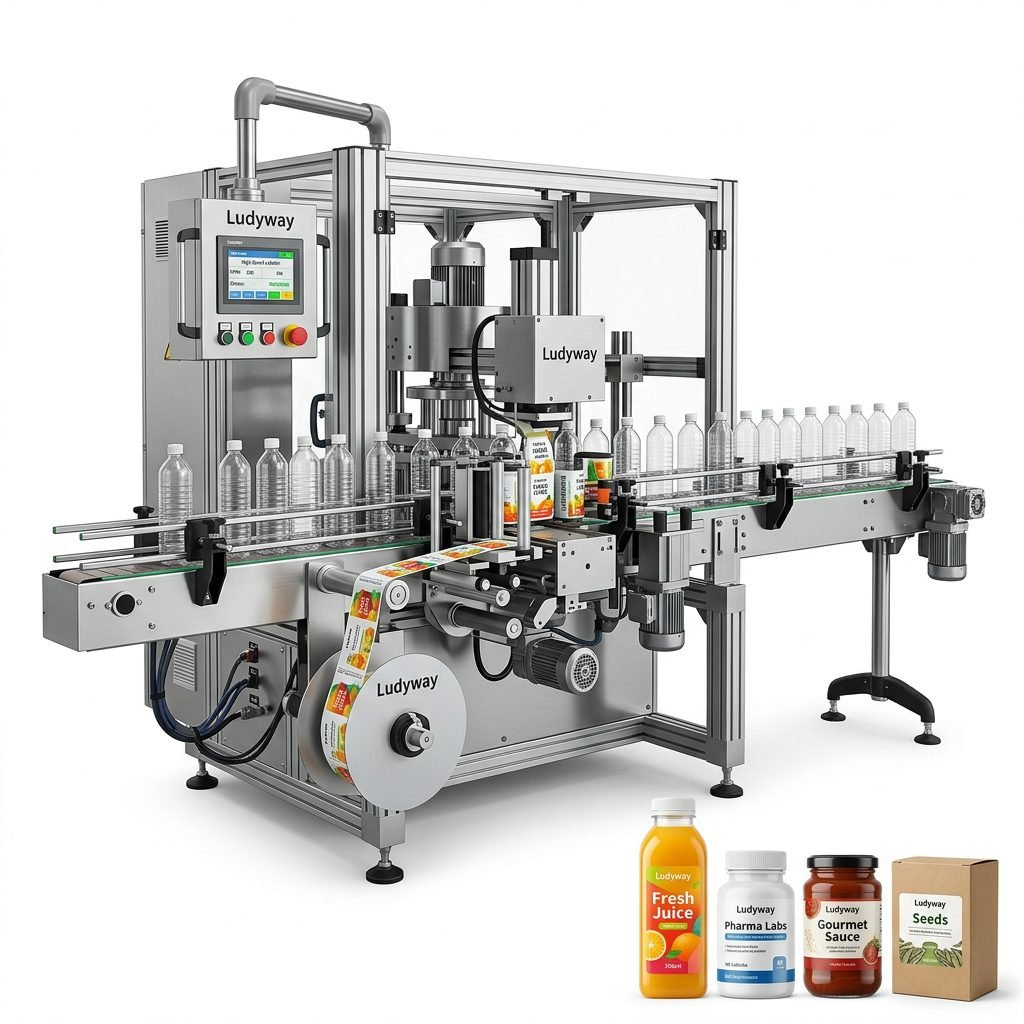
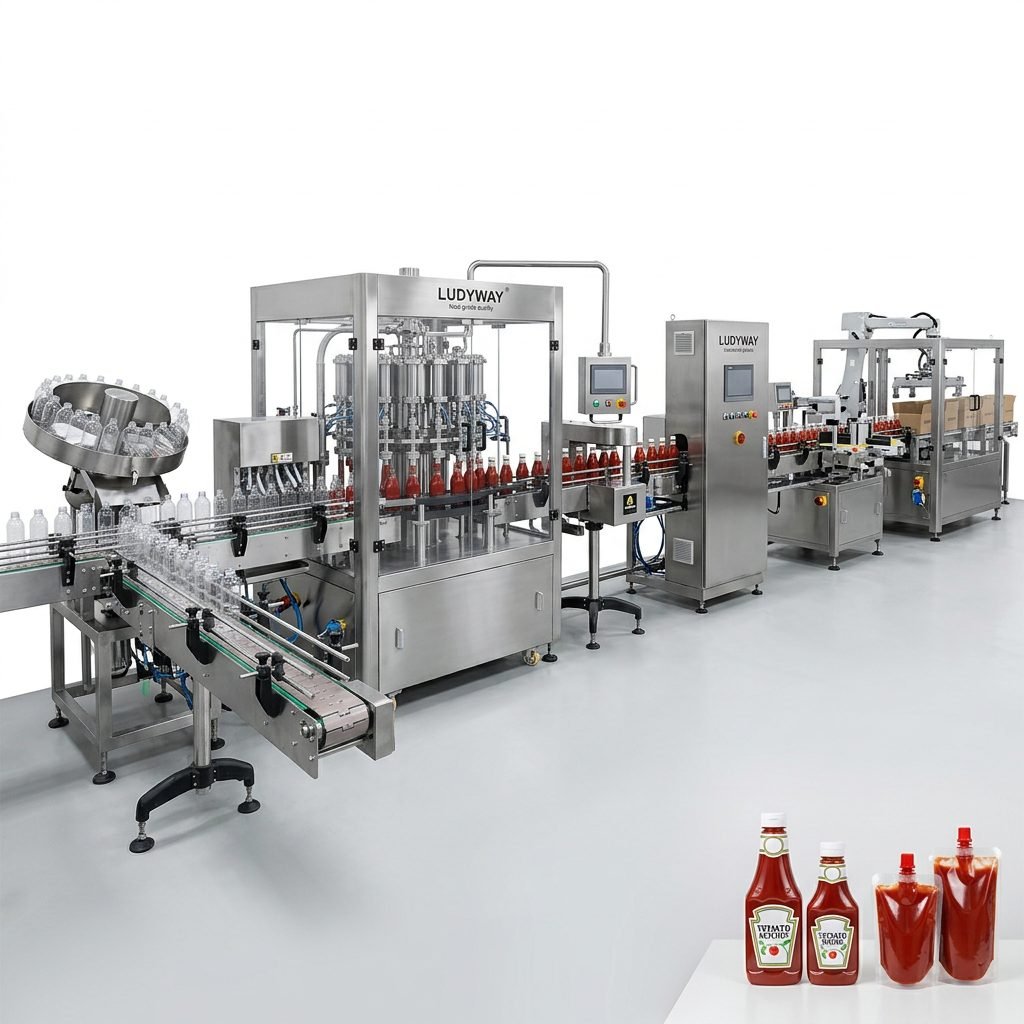
- Bottle Filling Lines: The classic format for retail ketchup. High-speed rotary fillers integrated with capping, labeling, and shrink-sleeving stations are the standard for mass production.
Key Technical Specifications to Evaluate
Once the format is decided, examine the engineering specifics. These details determine how well the machine handles the unique properties of ketchup without compromising quality or speed.
Critical Factor 1: Filling Technology and Accuracy
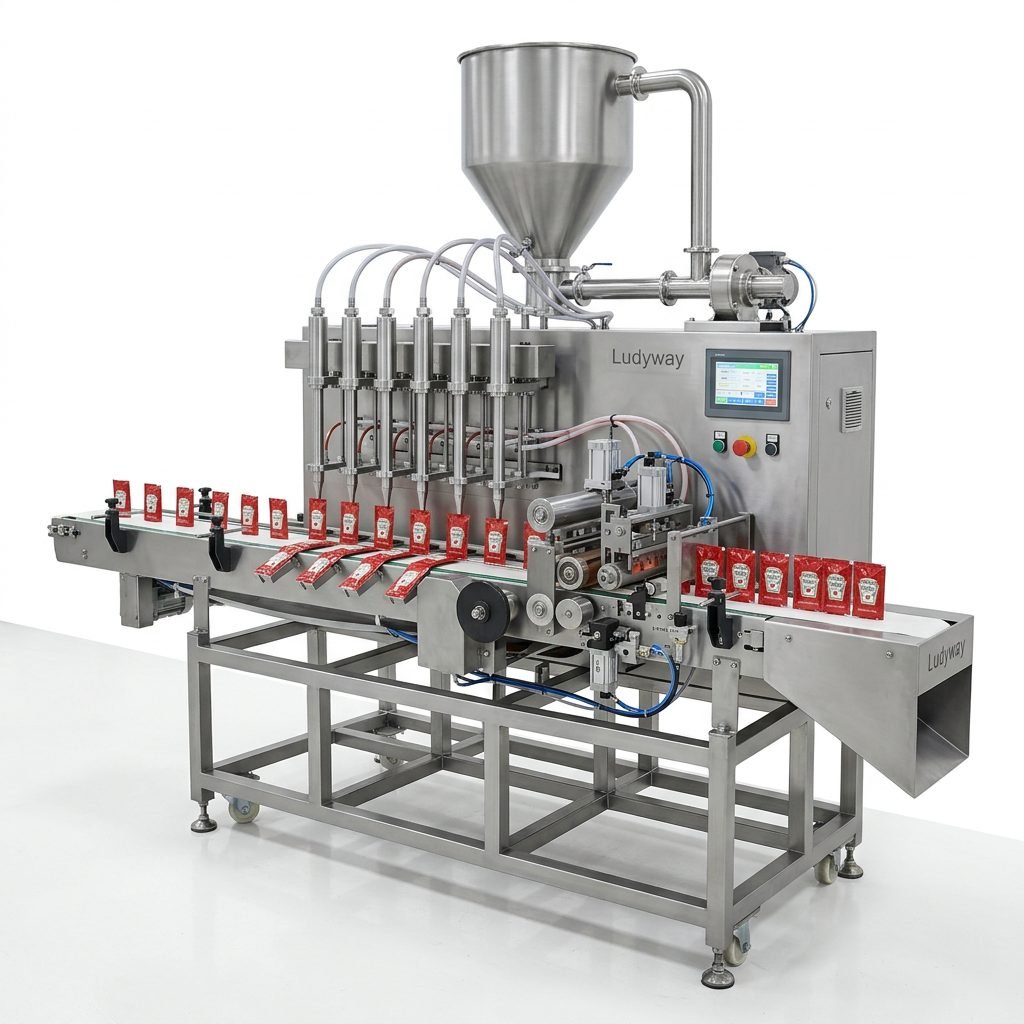
For a viscous product like ketchup, piston fillers and pump-based systems are generally preferred. Positive displacement pumps are highly effective because they deliver a consistent volume regardless of minor variations in viscosity. Dripping and stringing are common challenges with ketchup; therefore, look for machines equipped with cutoff nozzles or suck-back features. High filling accuracy is not just about meeting label weight claims—it also directly controls product giveaway, which impacts your long-term profitability.
Critical Factor 2: Automation and Smart Controls
The level of automation determines your labor costs and consistency. Servo-driven machines offer precise control over film advance, filling, and sealing cycles, allowing for quick recipe changes and minimal downtime. Modern interfaces with touchscreens simplify operator interaction, while advanced systems can integrate with plant-wide data networks for performance monitoring. This aligns with the broader industry movement towards smart manufacturing, discussed in the PMMI Business Intelligence Library, which highlights how connectivity can significantly enhance operational efficiency.
Material Compatibility and Seal Integrity
The packaging material, typically a laminate with barrier properties (like PET/AL/PE), must be compatible with your machine’s sealing system. Reliable heat sealing jaws with precise temperature control are essential to create leak-proof seals without damaging the film. A poor seal can lead to spoilage and costly returns. Always test your specific laminate structure on the machine during a factory acceptance test. The importance of robust packaging materials that prevent contamination and extend shelf life is reflected in guidelines from bodies like the FDA’s Food Packaging resources.
Critical Factor 3: Hygiene, Cleaning, and Maintenance
Food safety and sanitation are non-negotiable. The ideal ketchup packaging machine should be designed for Clean-in-Place (CIP) or easy disassembly for thorough Cleaning-out-of-Place (COP). Stainless steel construction, sloped surfaces to prevent liquid pooling, and hygienic design of the filling nozzles and product contact parts are crucial. Quick-change parts and tool-less disassembly can significantly reduce maintenance downtime and increase overall equipment effectiveness.
Comparing Machine Types and Configurations
The table below provides a quick reference guide for aligning machine types with common ketchup production requirements. Use this as a starting point for discussions with equipment suppliers.
| Packaging Format | Typical Output Range | Key Features & Technologies | Best For |
|---|---|---|---|
| Stick Pack / Sachet | Up to 1,500 packs/min/lane | Multi-lane, servo-driven, inert gas flush | Single-serve, HORECA, travel packs |
| Pouch (Doypack/Pillow) | 40-120 packs/min | Zipper applicator, hot/cold fill, VFFS/HFFS | Retail, family packs, food service |
| Bottle Filling Line | 60-600 bottles/min | Rotary filler, integrated capper, labeler | High-volume retail brands |
Evaluating the Total Cost of Ownership (TCO)
The purchase price is just one part of the equation. A well-informed buying decision evaluates the total cost of ownership. This includes not only the initial capital expenditure but also the long-term costs for spare parts, energy consumption, expected service life, and technical support. A machine with a slightly higher upfront cost but superior build quality and lower maintenance requirements often delivers far greater return on investment. As a growth-oriented manufacturer, considering partners who offer robust support is key. For example, Ludyway Machinery, a packaging machinery manufacturer with over 30 years of experience, provides integrated solutions and global technical support, aiming to be a long-term partner rather than just a single equipment vendor, which is an approach that directly addresses long-term TCO concerns.
Supplier Vetting and After-Sales Support
Before finalizing your purchase, vet the supplier’s credentials. Inquire about their installation and commissioning protocols, operator training programs, response time for technical support, and availability of critical spare parts in your region. A supplier with a global footprint and a robust understanding of international packaging standards, such as those covered in the PMMI packaging machinery standards and regulations, will be better positioned to support your operations and help you navigate market-specific compliance requirements.
Future-Proofing Your Investment
Finally, think long-term. The global packaging machinery market growth is driven by evolving consumer demands for convenience, portability, and sustainability. Choose a machine platform that can be adapted or reconfigured for future packaging trends, new formats, or different product lines. A modular design with upgradeable software and change parts will protect your investment. Ultimately, choosing the right ketchup packaging machine is a strategic decision that, when executed with thorough research and the right engineering partner, builds the foundation for scalable, efficient, and profitable production.