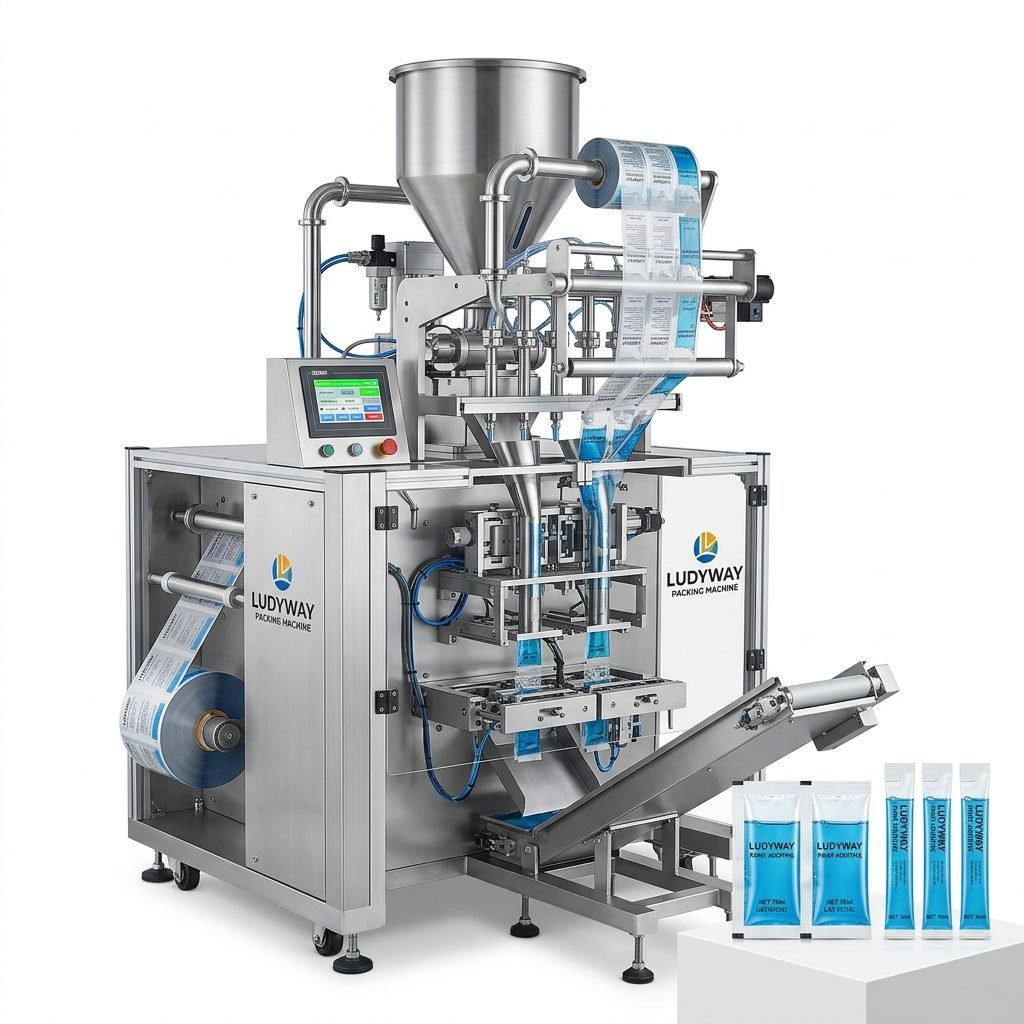
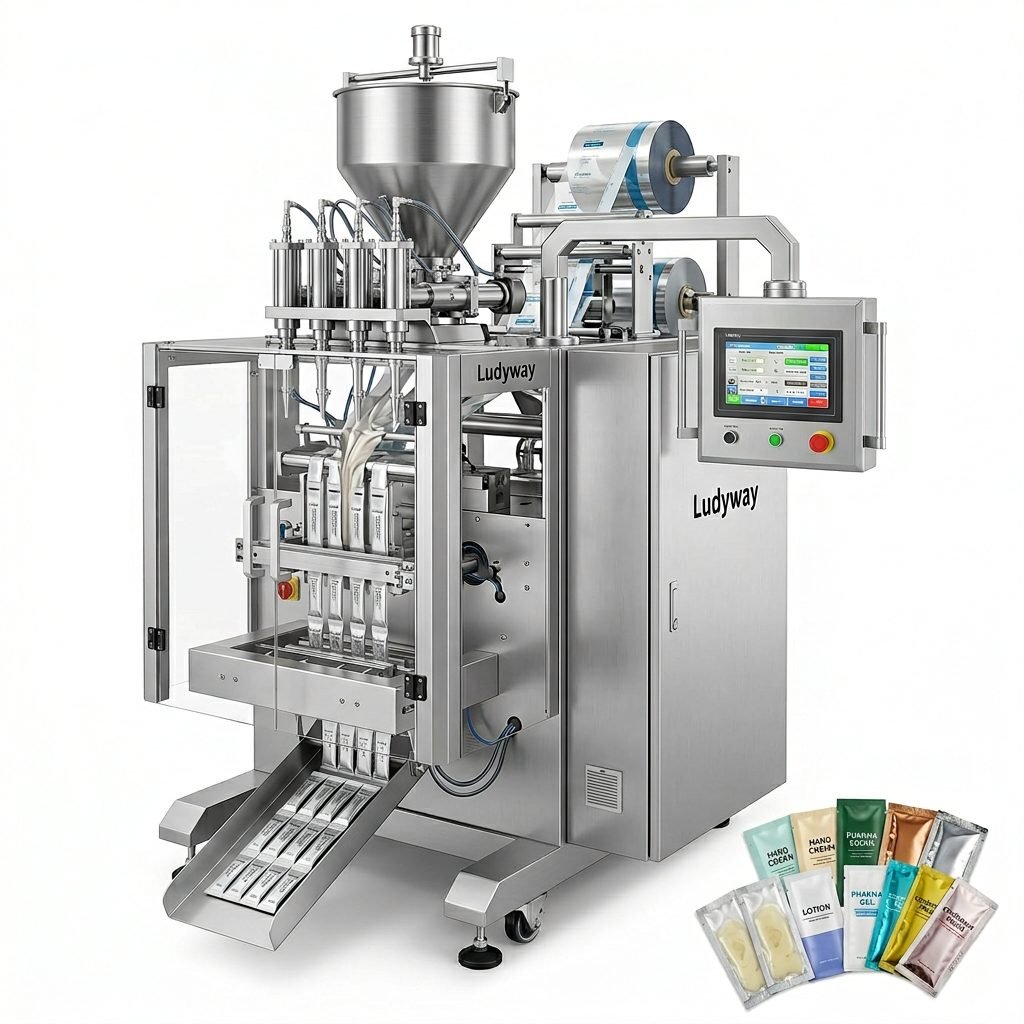
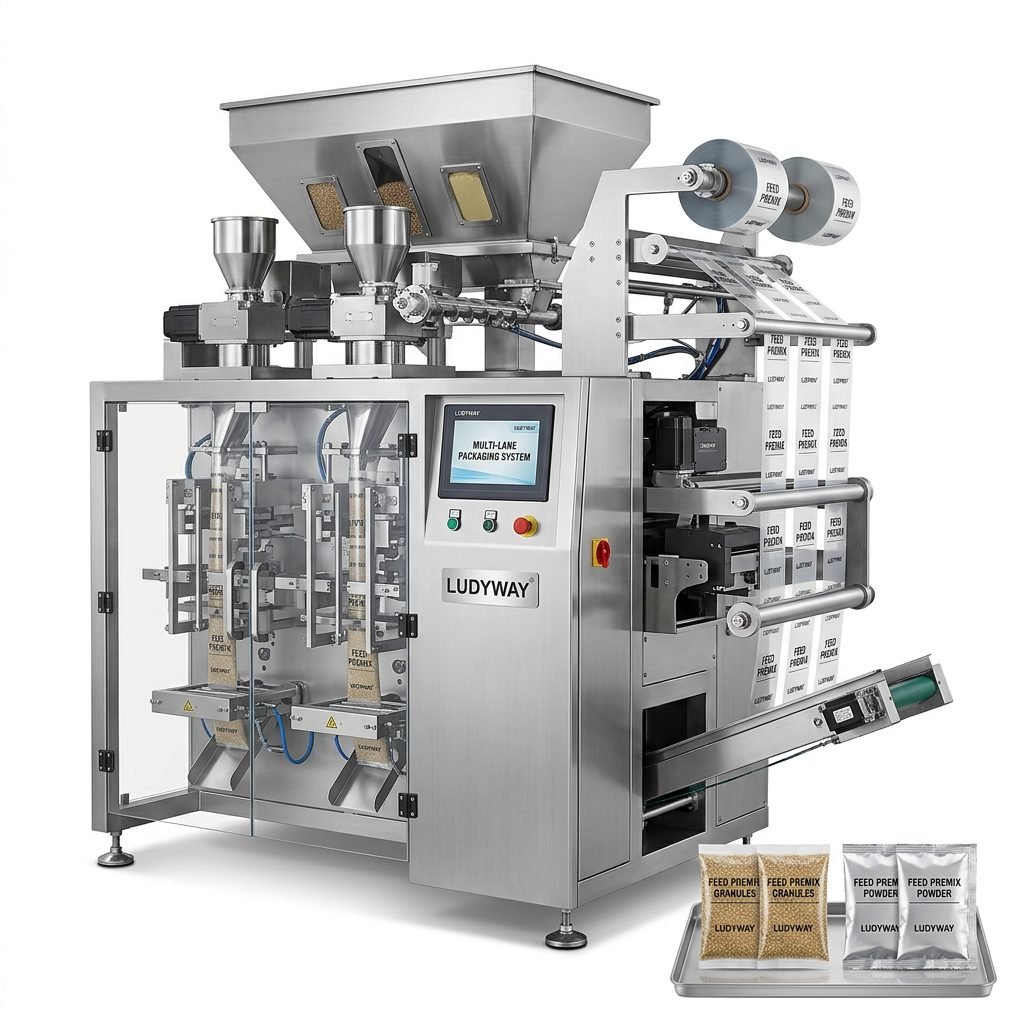
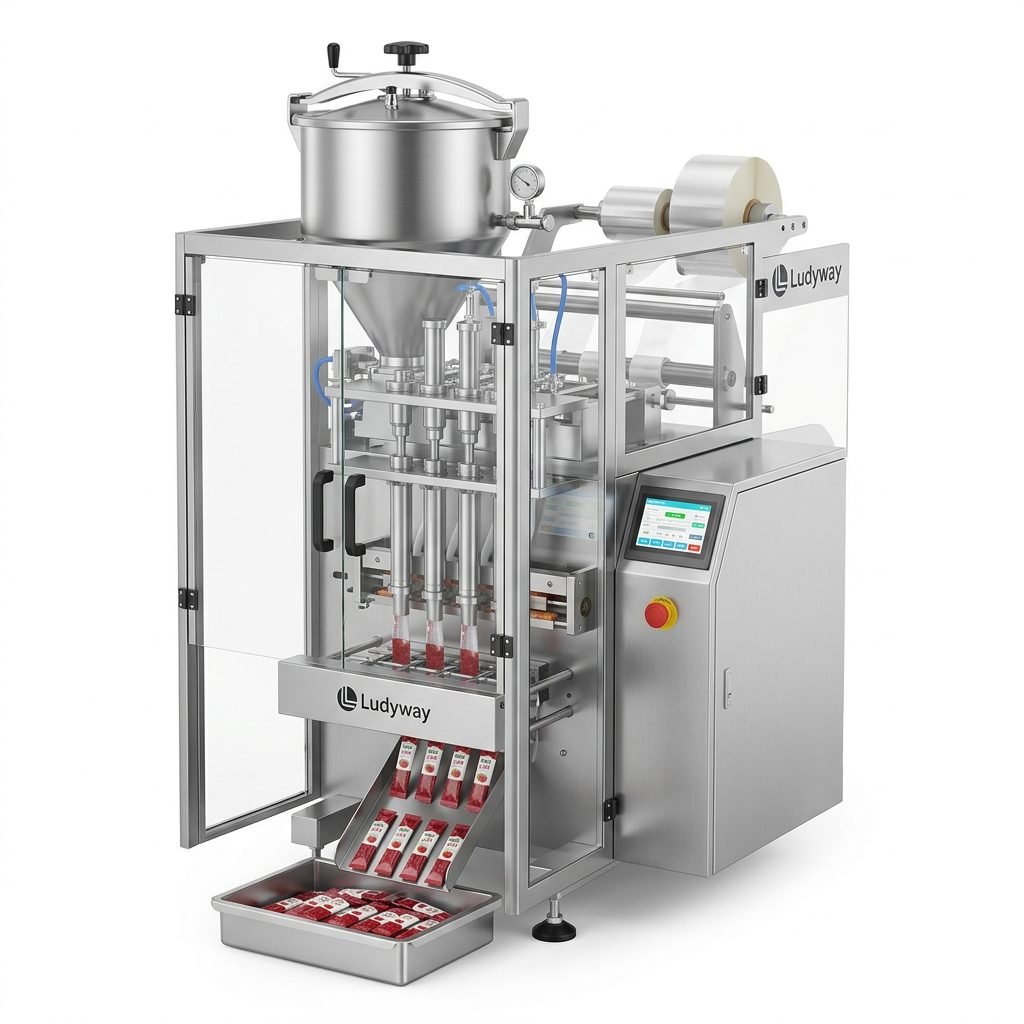
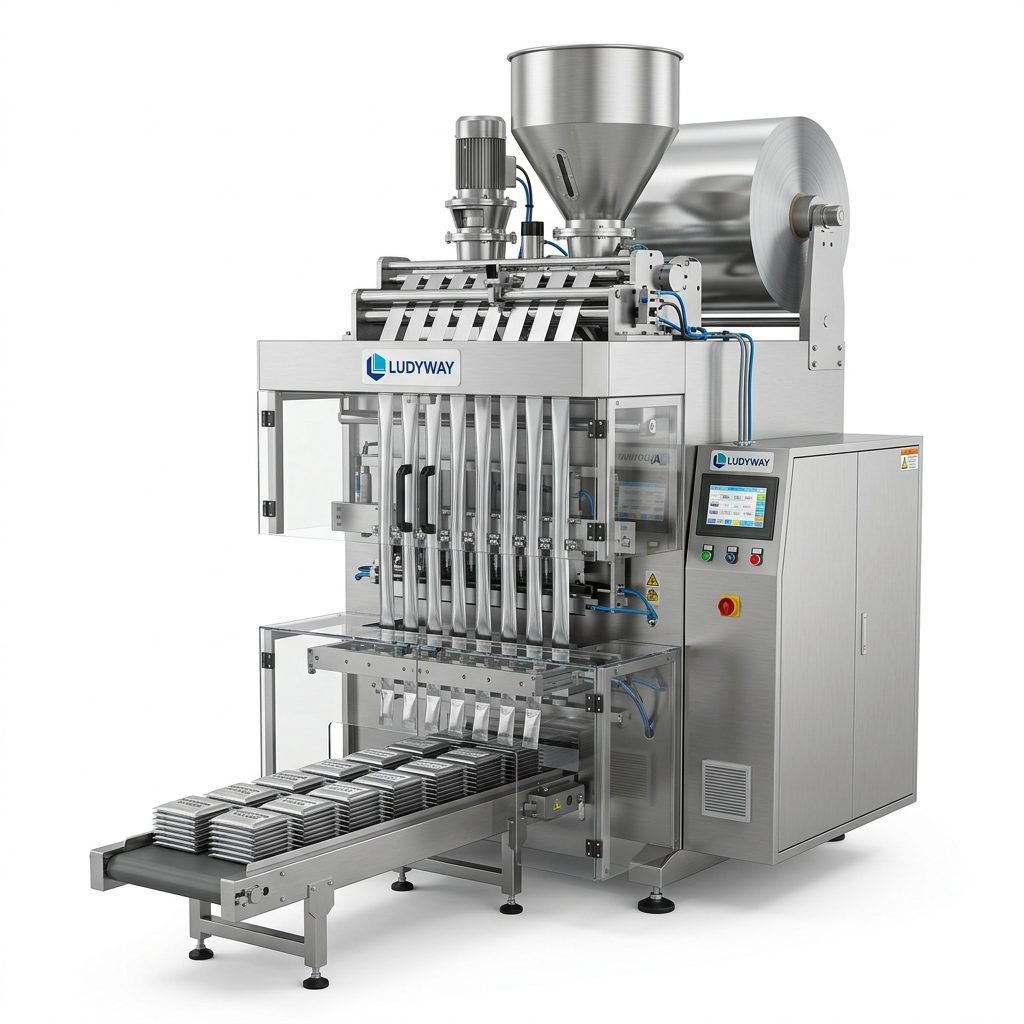
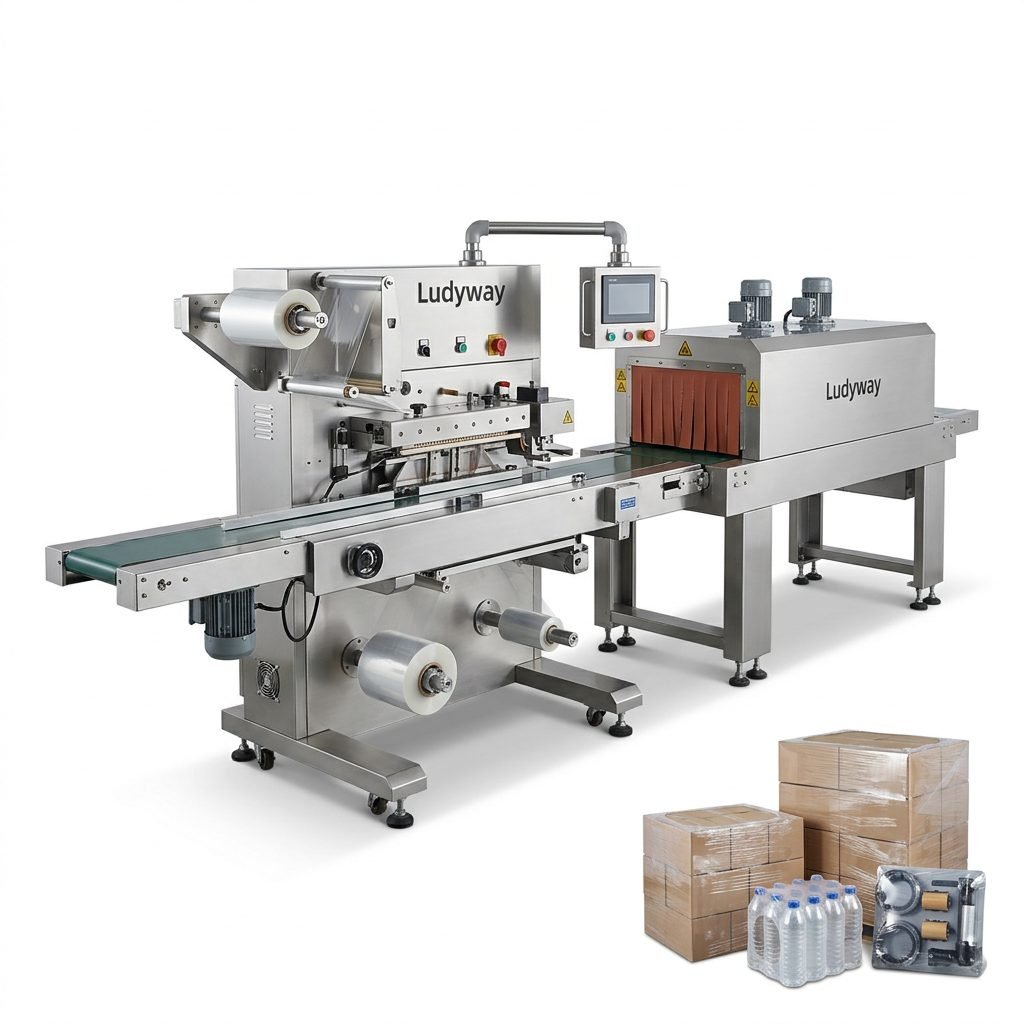
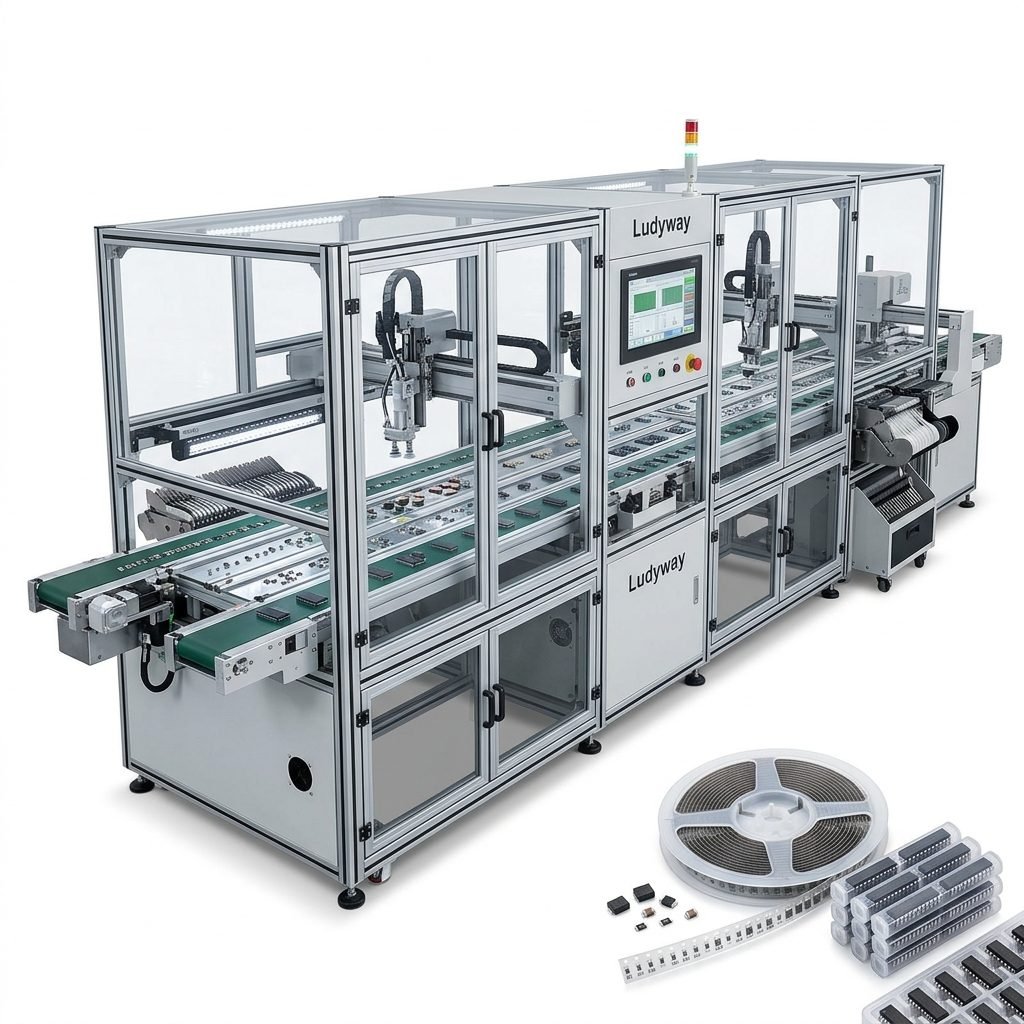
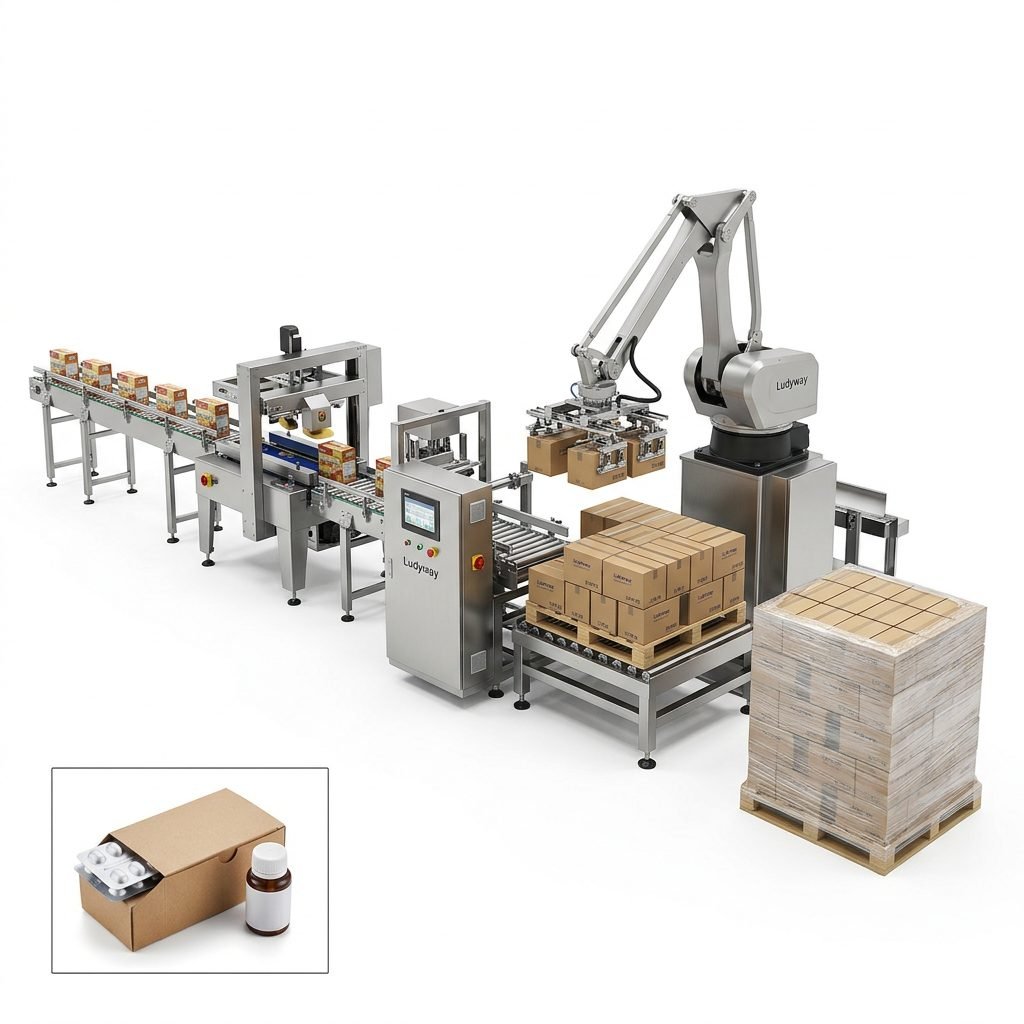
Effective packaging equipment design is the cornerstone of modern manufacturing, directly impacting production efficiency, product integrity, and operational costs. It is a multidisciplinary endeavor that blends mechanical engineering, materials science, ergonomics, and process control. A well-designed packaging system not only performs its primary function of containing and protecting products but also enhances brand perception through consistent, high-quality presentation. In today’s competitive market, where speed-to-market and flexibility are paramount, the principles guiding this design process are more critical than ever.
Core Principles of Packaging Equipment Design
The foundation of any successful packaging machine lies in adhering to several key principles. These are not mere suggestions but essential guidelines that ensure the equipment is fit for purpose, durable, and adaptable.
1. Functional Reliability and Precision
At its heart, packaging equipment must perform its designated tasks with unwavering consistency. This involves precision in measurement, filling, sealing, and labeling. Reliability minimizes product waste, reduces downtime, and ensures every unit meets quality standards. Designers must select components—such as servo motors, sensors, and sealing jaws—based on proven performance data and life-cycle testing to guarantee long-term operational stability.
2. Operational Efficiency and Speed
Throughput is a primary metric for any production line. Efficient design optimizes the machine cycle time, minimizes non-value-added movements, and ensures smooth material flow. This often involves modular design concepts, allowing for quick changeovers between different package formats or product types, which is crucial for manufacturers running short batches or multiple SKUs.
Design Insight:
Efficiency isn’t just about raw speed. It’s about synchronizing all subsystems—from infeed conveyors to discharge—to work in harmony, eliminating bottlenecks and maximizing overall equipment effectiveness (OEE).
3. User-Centric and Ergonomic Design
Machines are operated and maintained by people. An ergonomic design prioritizes the safety and comfort of operators. This includes intuitive human-machine interfaces (HMIs), easily accessible controls, clear visibility into the process, and safeguards that prevent injury. Easy access for routine cleaning, maintenance, and part replacement reduces downtime and lowers the total cost of ownership.
4. Hygiene and Cleanability
Particularly in the food and pharmaceutical industries, hygiene is non-negotiable. Equipment design must facilitate easy and thorough cleaning to meet stringent regulatory standards like FDA, GMP, or EHEDG. This involves using smooth, stainless-steel surfaces, minimizing crevices where product can accumulate, and designing for clean-in-place (CIP) or steam-in-place (SIP) capabilities where applicable.
5. Scalability and Future-Proofing
A well-designed machine should not be obsolete in a few years. Incorporating scalability—such as the ability to add more filling heads, integrate with robotic palletizers, or upgrade software—protects the manufacturer’s investment. Design should consider potential future needs for higher speeds, different materials, or integration with broader Industry 4.0 data systems.
Best Practices for Implementation
Translating these principles into a physical machine requires a methodical approach grounded in industry best practices.
Comprehensive Needs Analysis
Before a single component is modeled, a thorough analysis of the product, packaging materials, required output, and factory environment is essential. This stage defines the project’s scope and prevents costly redesigns later.
Modular and Standardized Components
Utilizing standardized, high-quality components from reputable suppliers improves reliability and simplifies maintenance and spare parts procurement. A modular architecture allows for easier customization and future upgrades.
💡 Key Consideration:
Prototype and Test Rigorously. Building and testing prototypes or conducting factory acceptance tests (FAT) is a non-negotiable best practice. It validates the design under real-world conditions with the actual product and packaging materials, uncovering issues that simulations might miss.
Integration of Smart Technology
Modern best practice involves embedding Industry 4.0 capabilities. This includes IoT sensors for predictive maintenance, data collection for OEE tracking, and connectivity with manufacturing execution systems (MES). These features transform the machine from a standalone unit into a data-rich node in the smart factory.
Focus on Total Cost of Ownership (TCO)
Best-practice design looks beyond the initial purchase price. It optimizes for energy efficiency, minimizes consumable usage (like film or adhesive), and designs for easy maintenance to reduce labor costs and downtime over the machine’s entire lifespan.
Optimization Strategies for Peak Performance
Once equipment is installed, continuous optimization is key to maintaining and improving performance. This is an ongoing process of measurement, analysis, and refinement.
1. Data-Driven Performance Monitoring
Utilize the machine’s built-in data capabilities to monitor key performance indicators (KPIs) in real-time. Track metrics like cycle time, rejection rate, and downtime causes. Analyzing this data helps identify patterns and pinpoint the root cause of inefficiencies.
2. Proactive and Predictive Maintenance
Shift from a reactive “fix-it-when-it-breaks” model to a proactive schedule based on component wear data. Predictive maintenance, using vibration analysis or thermal imaging, can forecast failures before they occur, scheduling interventions during planned downtime.
3. Regular Calibration and Validation
Critical systems, especially those involving weighing or volumetric filling, require regular calibration to maintain accuracy. Establish a strict schedule to ensure the machine consistently meets the required tolerances for weight, fill volume, and seal integrity.
4. Operator Training and Engagement
The operators are the eyes and ears of the production line. Comprehensive training ensures they can run the machine efficiently, perform basic troubleshooting, and identify early signs of potential problems. Engaged operators are a vital source of improvement ideas.
5. Continuous Improvement (Kaizen)
Adopt a culture of continuous improvement. Regularly review process data, solicit feedback from operators and maintenance staff, and implement small, incremental changes to enhance speed, reduce waste, or improve ergonomics. Even a 1% gain in efficiency, compounded over time, yields significant results.
The Role of a Trusted Partner
Navigating the complexities of packaging equipment design, implementation, and optimization is challenging. Partnering with an experienced provider like Ludyway Packing Machine can be transformative. With over 30 years of industry experience and a portfolio of 50+ intelligent machine models, they offer more than just hardware. They provide turnkey solutions based on deep practical knowledge, ensuring the design principles and best practices are correctly applied from the outset. Their focus on reliable, efficient, and high-quality automated solutions, backed by strong engineering support, helps manufacturers worldwide optimize their packaging operations for long-term success. Explore their expertise in complete turnkey production lines.
Frequently Asked Questions (FAQs)
1. What is the most critical factor in packaging equipment design for food products?
While reliability and speed are important, hygienic design and cleanability are paramount for food applications. The equipment must be constructed with appropriate materials (e.g., stainless steel) and designed to prevent bacterial harborage points, ensuring compliance with food safety regulations and protecting consumer health.
2. How can I future-proof my packaging equipment investment?
Look for designs that emphasize modularity and connectivity. A modular machine allows you to add capabilities later. Ensure the machine has modern control systems with open communication protocols (like OPC UA) to easily integrate with factory-wide data networks and future automation upgrades.
3. What are common mistakes to avoid during the design specification phase?
A common mistake is not testing with actual production materials. Always provide your exact packaging film, pouches, or containers for testing during the FAT. Another error is underestimating required changeover frequency and speed, which can drastically reduce flexibility and efficiency.
4. How does equipment design impact sustainability goals?
Significantly. An optimized design reduces material waste through precise filling and sealing. Energy-efficient drives and motors lower power consumption. Furthermore, equipment designed to handle mono-material or recyclable films directly supports packaging sustainability initiatives.
5. Why is partner selection as important as the technical design itself?
The equipment provider’s expertise, support network, and commitment to innovation are crucial. A strong partner offers valuable guidance during design, ensures proper installation and training, and provides reliable after-sales service and parts supply. This long-term support is essential for maximizing uptime and return on investment over the equipment’s lifetime.