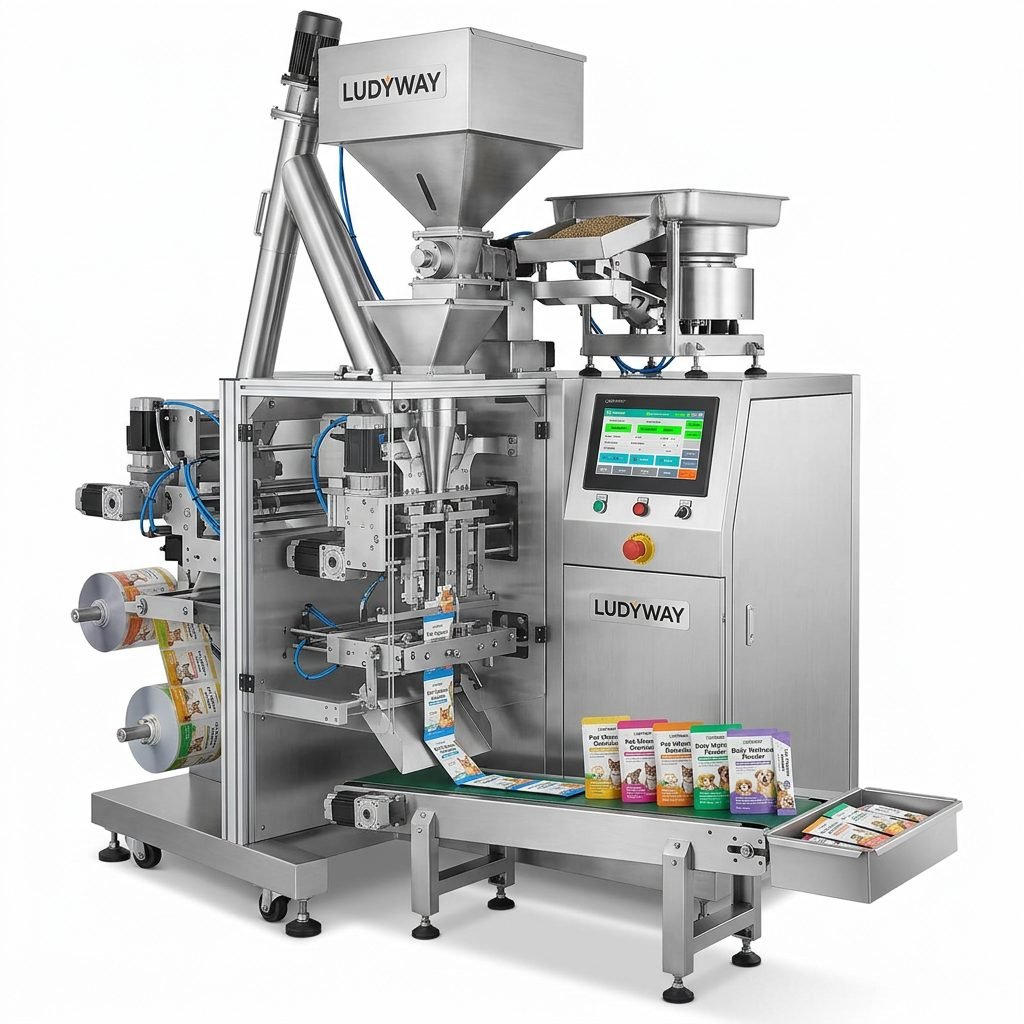
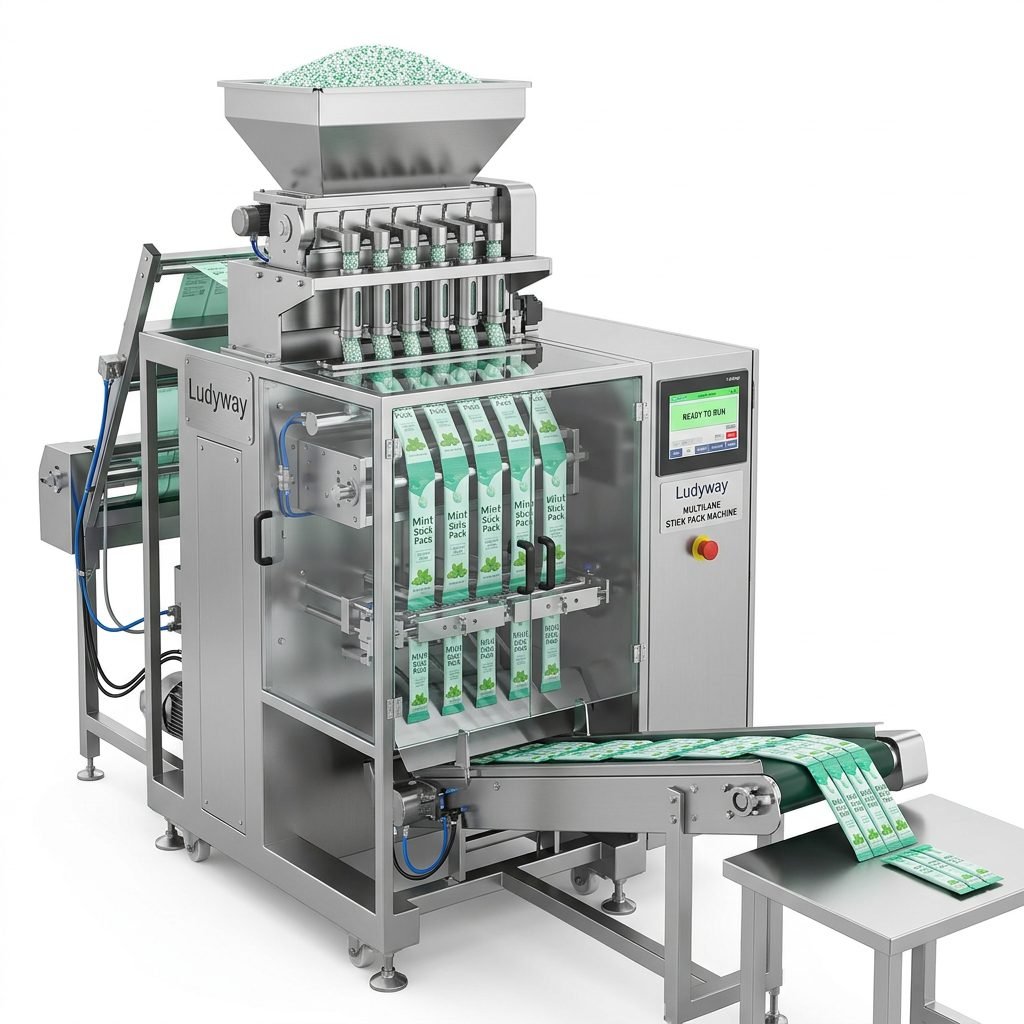
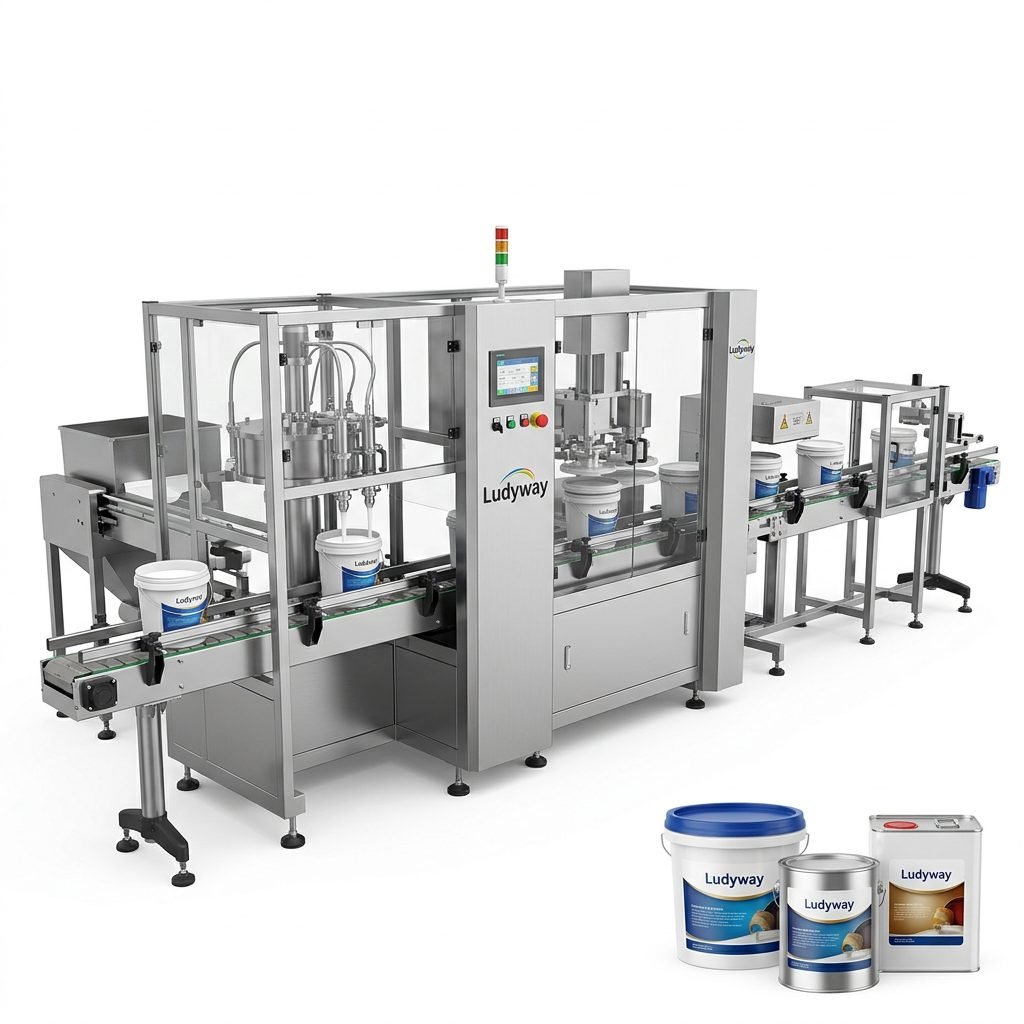
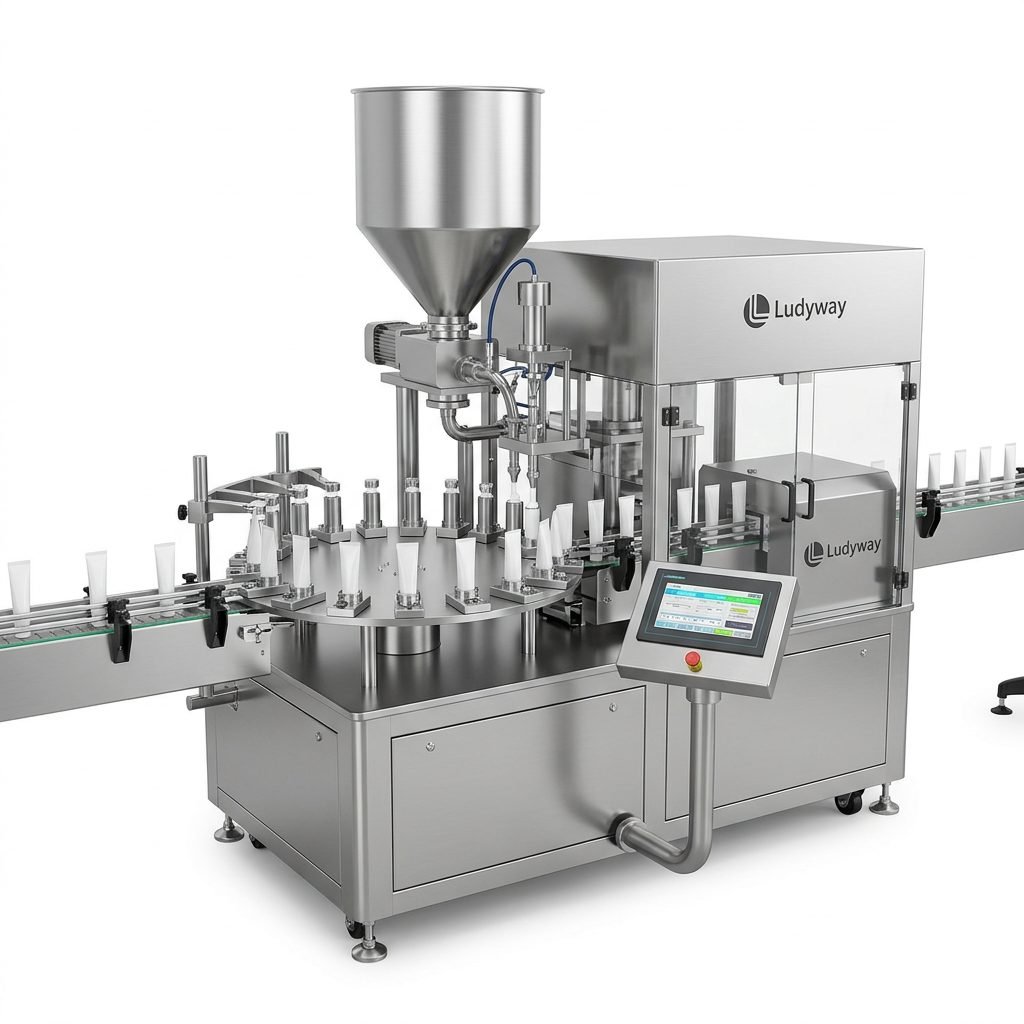
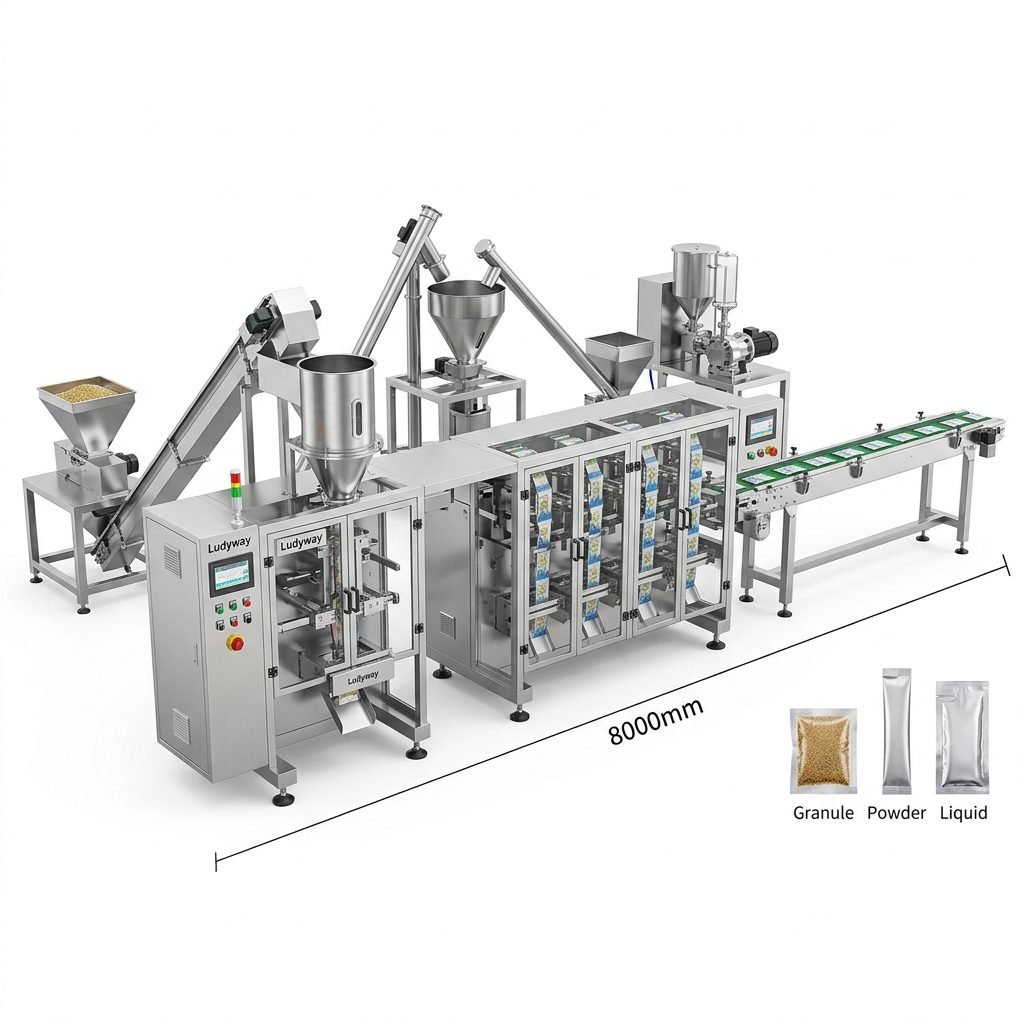
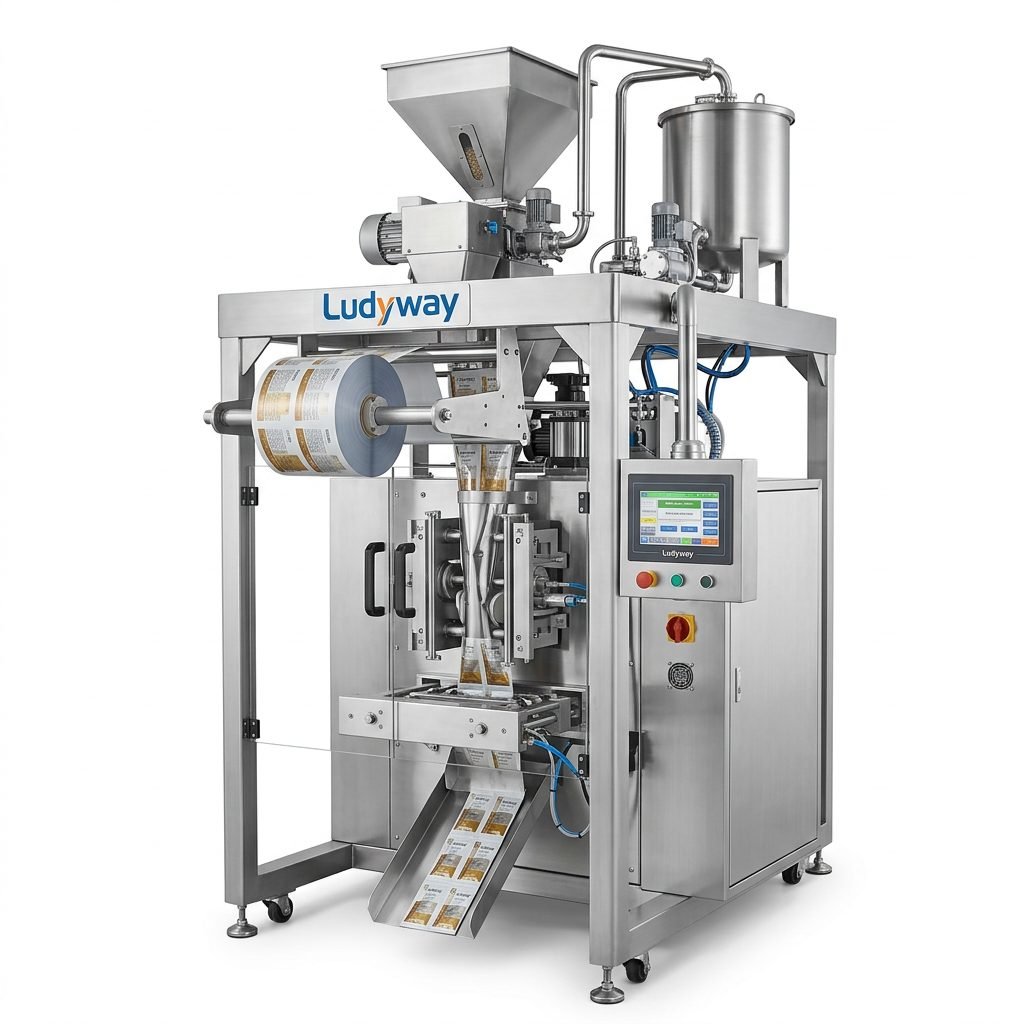
Plastic film packaging machines are widely used across food, pharmaceutical, cosmetic, chemical, and daily-use product industries because they can form, fill, seal, wrap, and protect products efficiently. Whether you are packing powders, granules, liquids, pastes, or finished retail units, understanding how these machines work helps you choose equipment that improves output, reduces waste, and supports long-term production goals.
What Is a Plastic Film Packaging Machine?
A plastic film packaging machine is an automated system that uses flexible film material to enclose, seal, and present products in a secure package. Depending on the application, the film may be used for wrapping, bag making, pouch forming, stick pack production, sachet packaging, shrink packaging, or overwrapping.
These machines can work with different film materials such as PE, PP, PET, laminated films, barrier films, and other heat-sealable structures. The final package may be a pillow bag, sachet, stick pack, pouch, shrink-wrapped bundle, or secondary outer pack.
Typical products packed with plastic film
- Snack foods, coffee, sugar, spices, frozen foods, and sauces
- Pharmaceutical powders, capsules, tablets, and medical supplies
- Cosmetic creams, serums, lotions, wipes, and sample packs
- Detergents, lubricants, chemical powders, and liquids
- Pet food, feed additives, and nutrition products
How a Plastic Film Packaging Machine Works
Although designs vary by product and package style, most plastic film packaging machines follow a similar workflow. The machine combines film handling, product dosing or feeding, sealing, and discharge into one continuous process.
1. Film unwinding and feeding
The packaging film is loaded onto a reel holder and unwound into the machine. Tension control systems keep the film stable to avoid wrinkles, drift, and seal misalignment. Registration sensors may detect printed marks to ensure that graphics and cutting positions remain accurate.
2. Film forming
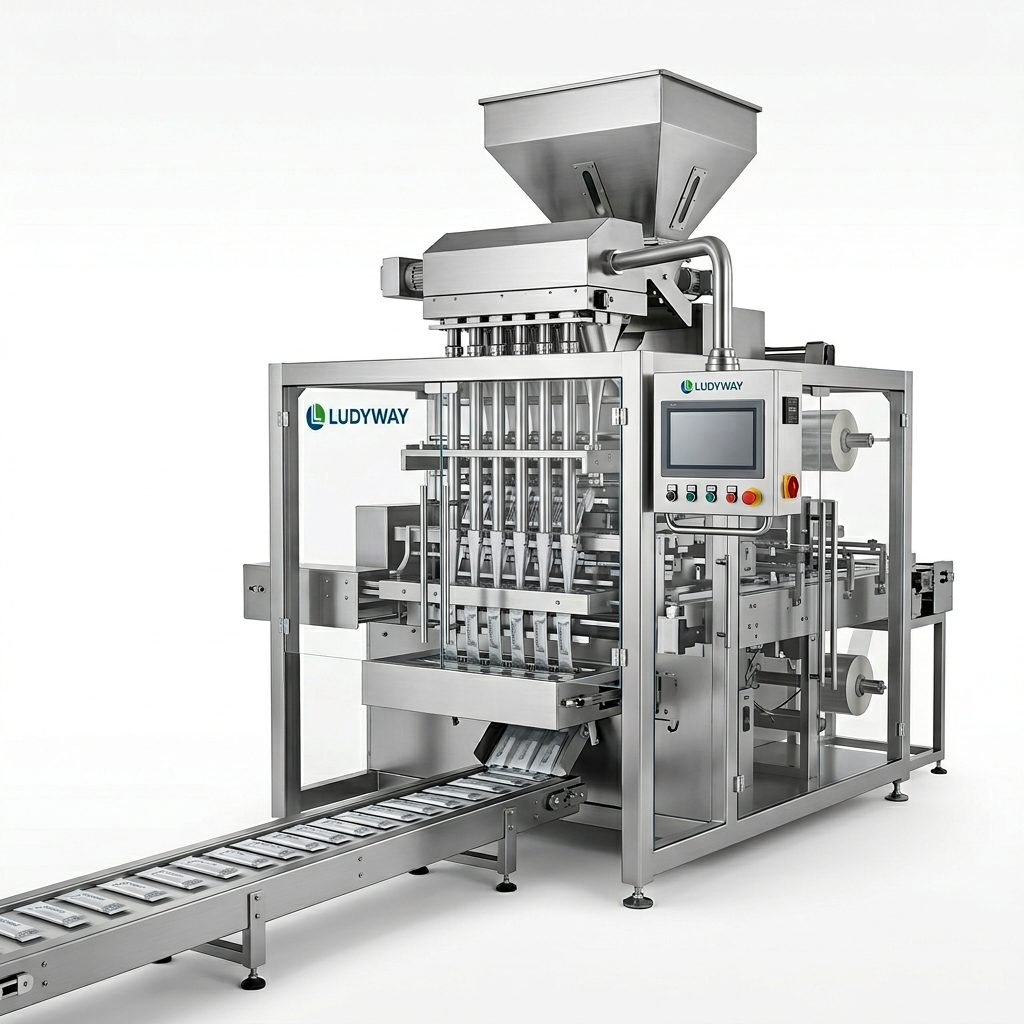
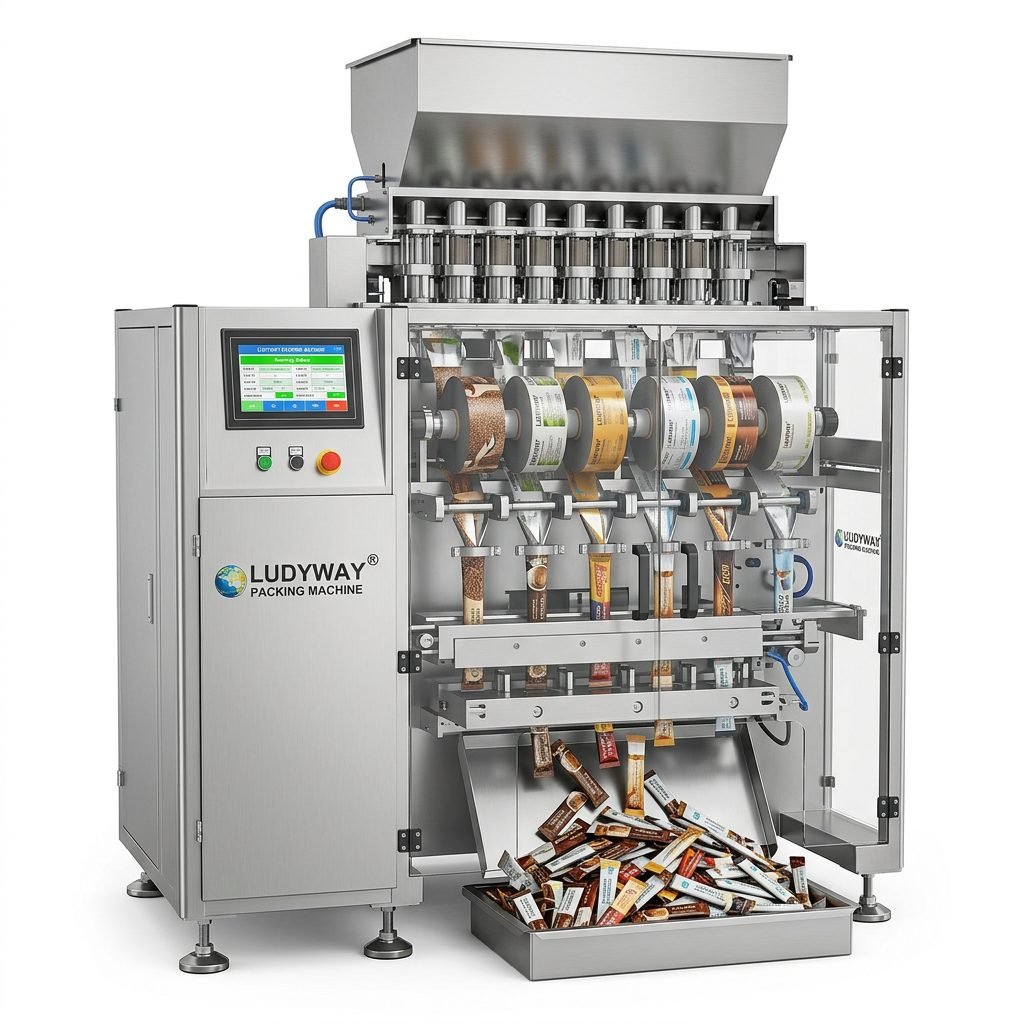
The flat film is guided around a forming collar or mold to create the desired package shape. In vertical form-fill-seal systems, this usually becomes a tube. In sachet or stick pack machines, multiple lanes may form several narrow packs at the same time.
3. Product filling or loading
Once the package cavity is ready, the machine introduces the product. Different dosing systems are selected based on product characteristics:
- Auger fillers for powders
- Volumetric cup fillers for free-flowing granules
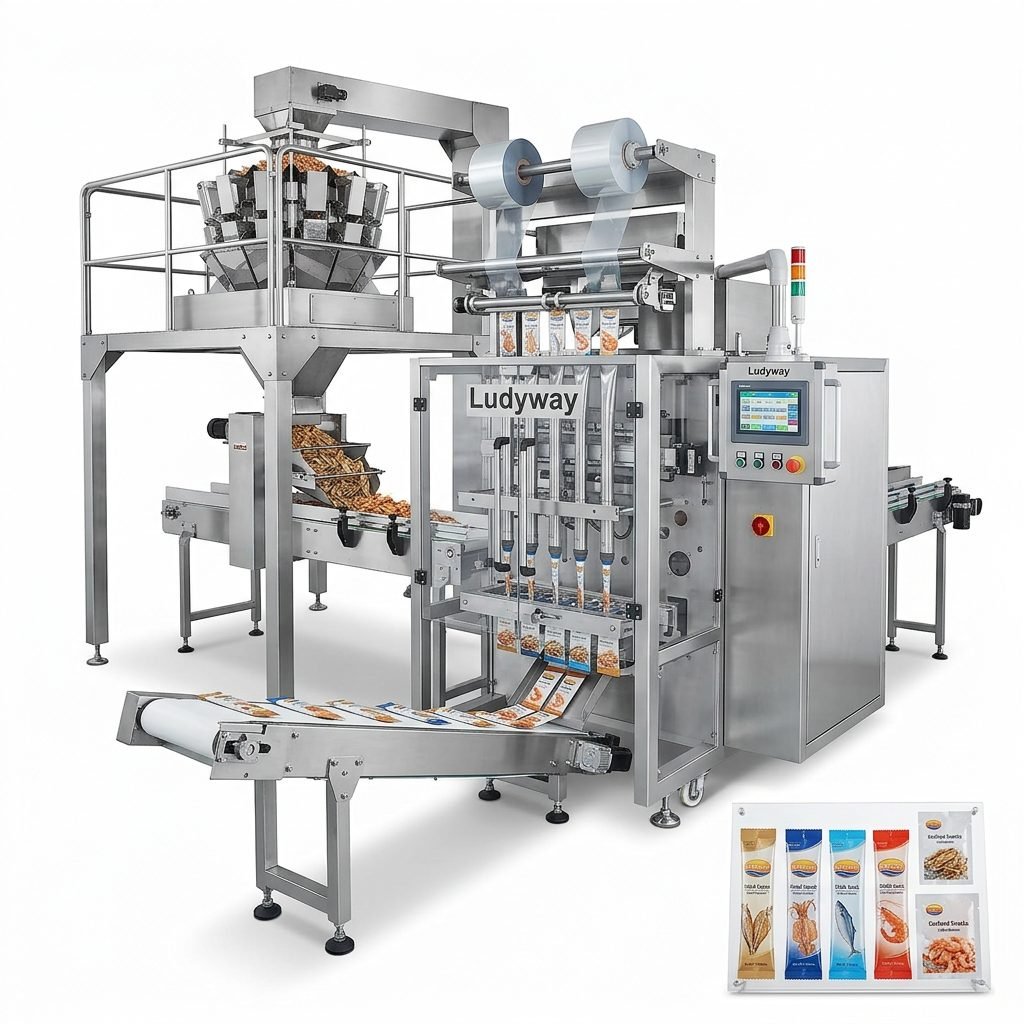
- Multihead weighers for snacks and irregular solids
- Piston pumps for creams and pastes
- Liquid pumps or flow meters for beverages and thin liquids
4. Sealing
Heat sealing jaws close the package by bonding the film layers together. Depending on the machine, this may include longitudinal seals, cross seals, edge seals, or shrink sealing. Proper temperature, pressure, and dwell time are essential for package integrity.
5. Cutting and discharge
After sealing, the machine cuts individual units and transfers them to the discharge conveyor. Finished packs may then move to coding, checkweighing, metal detection, cartoning, case packing, or palletizing.
6. Optional finishing functions
Many modern lines include added functions for better automation and compliance:
- Date coding and batch printing
- Nitrogen flushing for freshness
- Vacuum feeding and conveying
- Vision inspection and reject systems
- Labeling, cartoning, and secondary packing
Main Types of Plastic Film Packaging Machines
Choosing the right machine starts with understanding the most common machine categories.
| Machine Type | Best For | Package Style |
|---|---|---|
| Vertical Form Fill Seal (VFFS) | Powders, granules, snacks, small solids | Pillow bags, gusset bags, sachets |
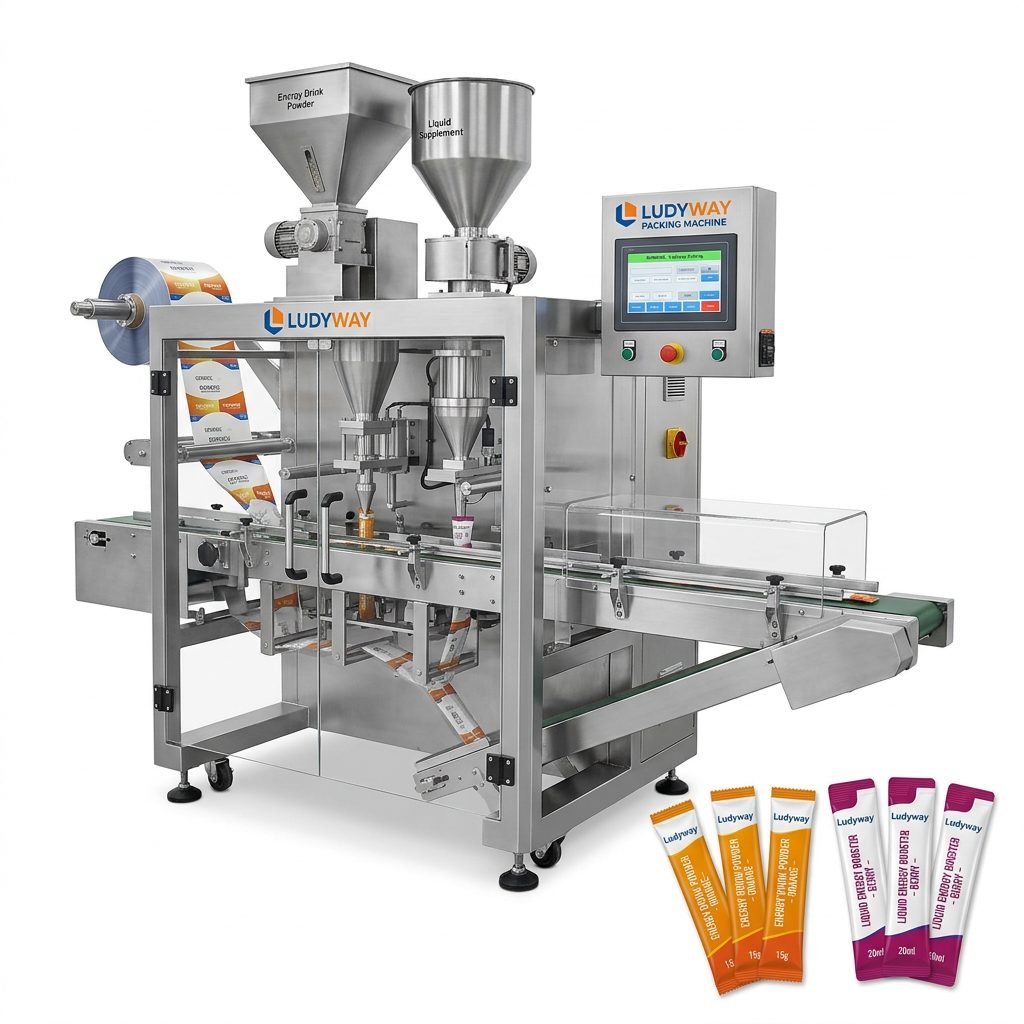
| Stick Pack Machine | Drink mix, sugar, coffee, pharma powders, gels | Narrow stick packs |
| Sachet Packing Machine | Liquids, powders, granules, creams | 3-side or 4-side seal sachets |
| Flow Wrapper | Bars, biscuits, single items, trays | Pillow wrap |
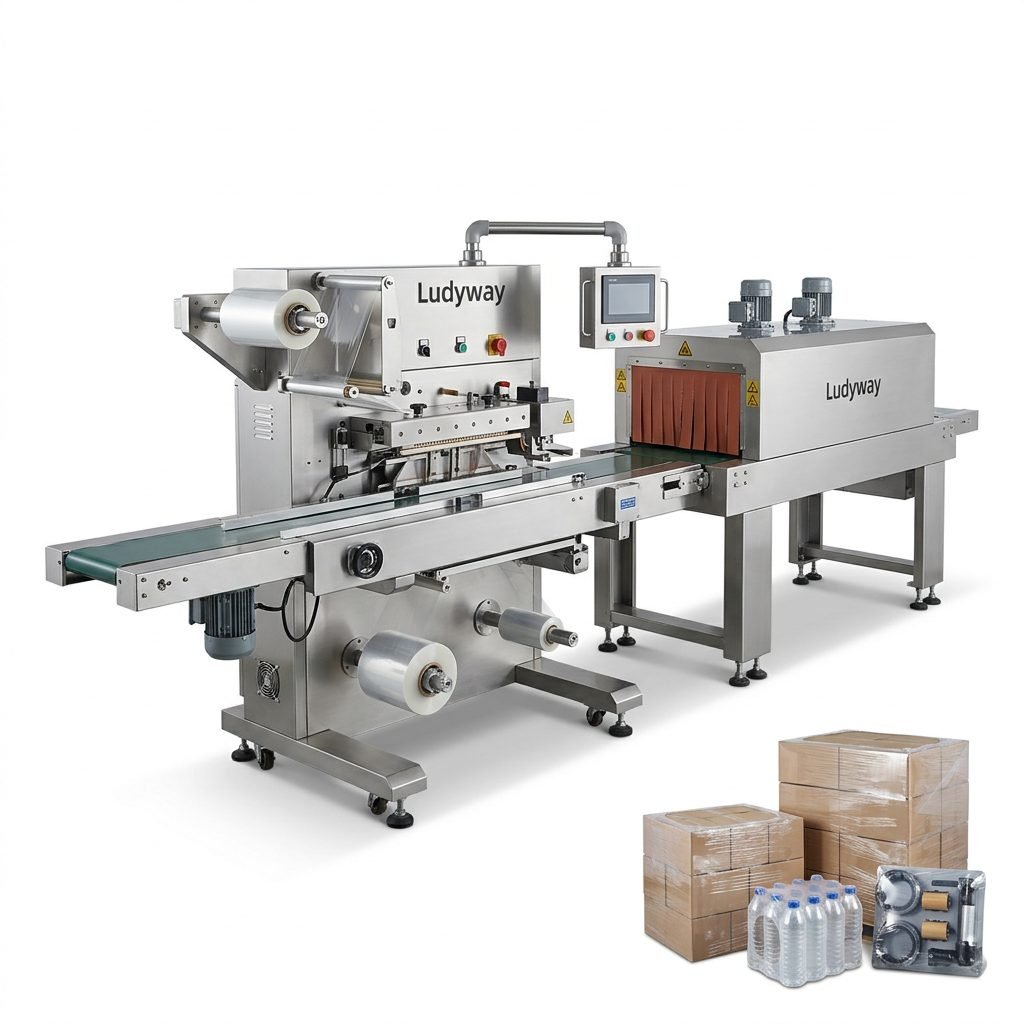
| Shrink Wrapping Machine | Bundles, bottles, cartons, retail multipacks | Shrink film pack |
| Premade Pouch Machine | Premium products and stand-up pouches | Doypack, zipper pouch, shaped pouch |
Key Benefits of Using a Plastic Film Packaging Machine
Higher packaging speed
Automatic machines can package far more units per minute than manual operations. This is especially valuable for factories handling large-volume production or seasonal demand peaks.
Better consistency
Automated film feeding, precise dosing, and controlled sealing improve package uniformity. This supports stronger retail presentation, more stable product quality, and fewer customer complaints.
Lower labor dependence
A properly configured machine reduces repetitive manual work and allows operators to focus on monitoring, quality control, and line management instead of hand packing.
Reduced material waste
Modern servo-driven systems control film length, seal position, and cutting more accurately. This helps reduce scrap, misprints, and underfilled or leaky packages.
Improved hygiene and product protection
In food and pharmaceutical applications, limiting human contact is important. Plastic film packaging creates a protective barrier against moisture, dust, oxygen, and contamination when the correct film structure is selected.
Scalability
Many systems can be integrated into complete lines with conveyors, feeders, checkweighers, coding systems, cartoners, and case packers, making it easier to expand production over time.
Practical takeaway: the right machine is not just about packing product faster. It should also improve seal quality, machine uptime, flexibility, and total operating efficiency.
Industries That Commonly Use Film Packaging Equipment
- Food: spices, coffee, tea, instant powders, sauces, snacks, cereals
- Pharmaceutical: granules, oral powders, capsules, medical consumables
- Cosmetics: creams, lotions, gels, facial masks, serum samples
- Chemical: detergent, additives, treatment powders, industrial liquids
- Pet and feed: kibble, supplements, pellets, premixes
How to Choose the Right Plastic Film Packaging Machine
The best machine depends on your product, package type, output target, and future expansion plan. A lower initial cost does not always mean lower long-term cost.
1. Understand your product characteristics
Ask these questions before selecting equipment:
- Is the product powder, granule, liquid, paste, or solid piece?
- Is it free-flowing, sticky, dusty, fragile, or abrasive?
- Does it require hygienic design or special containment?
- Will it foam, settle, separate, or react with air?
2. Define your packaging format
Your target format determines the machine architecture. For example:
- Single-serve powder → stick pack or sachet machine
- Large bag snack product → VFFS with weigher
- Retail multipack → shrink wrapper
- Premium stand-up pouch → premade pouch machine
3. Match output requirements
Select a machine that can meet both your current demand and expected growth. It is wise to evaluate hourly output, shift length, and future SKU expansion. A machine that is too small creates a production bottleneck, while one that is too large may increase unnecessary investment.
4. Check film compatibility
Not every machine handles every film equally well. Confirm film thickness range, sealing properties, roll dimensions, and whether the machine supports recyclable or mono-material film structures if sustainability is part of your strategy.
5. Evaluate filling accuracy and seal quality
Especially for high-value products, poor dosing or unstable seals can lead to major losses. Request sample testing and verify actual performance with your product and film, not just standard machine data.
6. Consider cleaning and maintenance
Machines should be easy to clean, maintain, and access. This matters even more in food, pharma, and powder handling environments, where changeovers and sanitation affect daily productivity.
7. Think about integration
If you plan to connect the machine with upstream or downstream systems, check whether it supports conveyors, feeders, coding units, inspection devices, cartoners, case packers, and palletizing equipment.
| Selection Factor | Why It Matters |
|---|---|
| Product type | Determines filler, machine design, and handling method |
| Package style | Affects sealing structure and machine configuration |
| Target speed | Must match output goals and labor planning |
| Film material | Impacts sealing performance, waste, and package protection |
| Automation level | Influences labor cost, consistency, and expansion potential |
| After-sales support | Important for commissioning, training, spare parts, and uptime |
Common Mistakes Buyers Should Avoid
- Choosing a machine based only on price
- Ignoring actual film compatibility
- Underestimating changeover time between SKUs
- Not testing with real product samples
- Buying a standalone machine without planning downstream packaging
- Overlooking technical support and spare parts availability
What to Ask a Packaging Machine Supplier
- What package formats can the machine run?
- What products and viscosities or densities are supported?
- What is the real production speed under my product conditions?
- How accurate is filling, and how stable is sealing?
- Can the machine connect with coding, inspection, and case packing systems?
- What spare parts, training, and remote support are available?
- Can the line be customized for future upgrades?
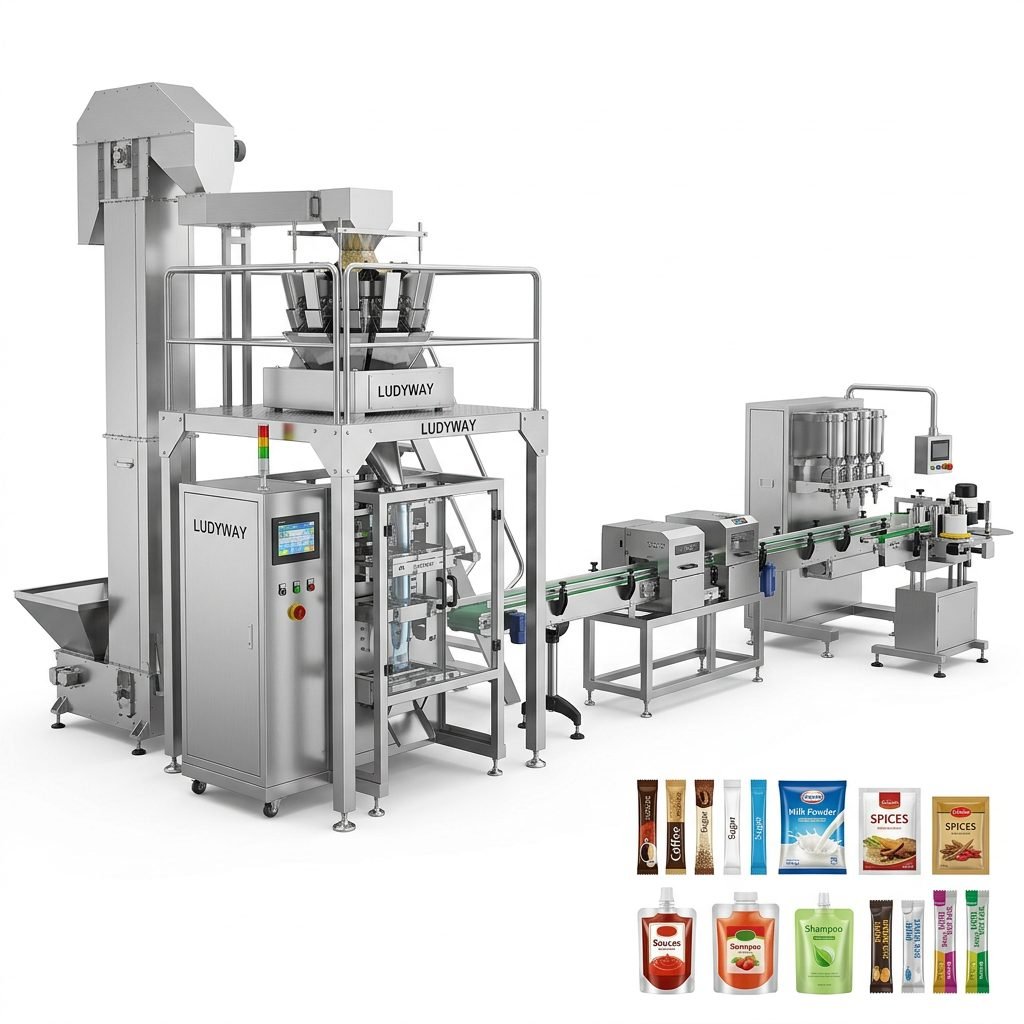
Why Turnkey Packaging Line Planning Matters
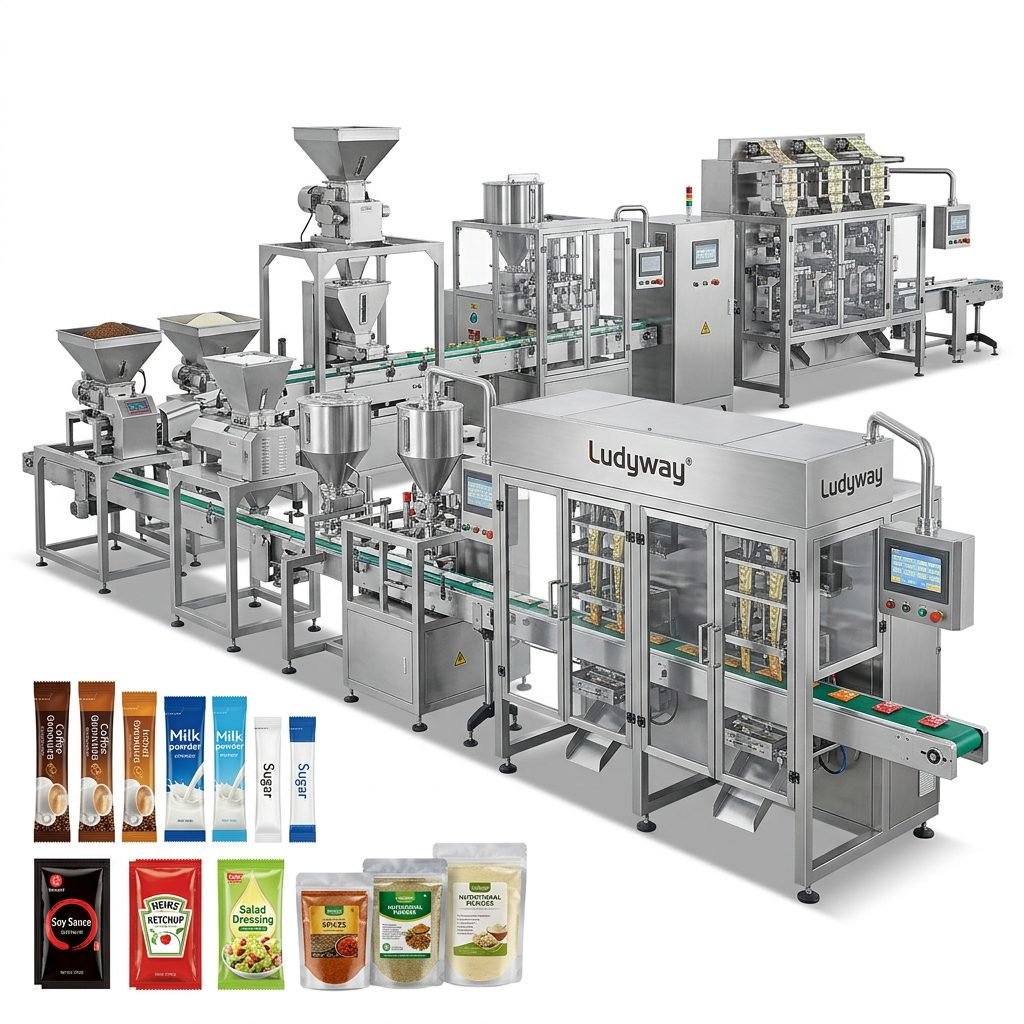
For many manufacturers, the best solution is not just one machine but a coordinated system. A turnkey line can combine feeding, weighing, filling, sealing, inspection, coding, labeling, cartoning, case packing, and palletizing into one streamlined workflow. This improves line balance, reduces manual transfer points, and helps maintain consistent package quality from start to finish.
For businesses looking for scalable automation, Ludyway plastic film packaging machine solutions are often considered for both standalone machines and turnkey packaging lines, supported by more than 30 years of manufacturing experience and broad application coverage across food, pharmaceutical, health supplement, cosmetic, and related sectors.
Final Buying Insight
The right plastic film packaging machine should fit your product type, package format, production speed, film structure, hygiene standard, and long-term automation plan. When selected correctly, it can raise efficiency, protect product quality, reduce labor cost, and support future business growth.
Before making a final decision, compare real sample performance, machine stability, customization flexibility, and after-sales capability. A well-matched packaging system creates value not just at installation, but throughout the entire life of your production line.