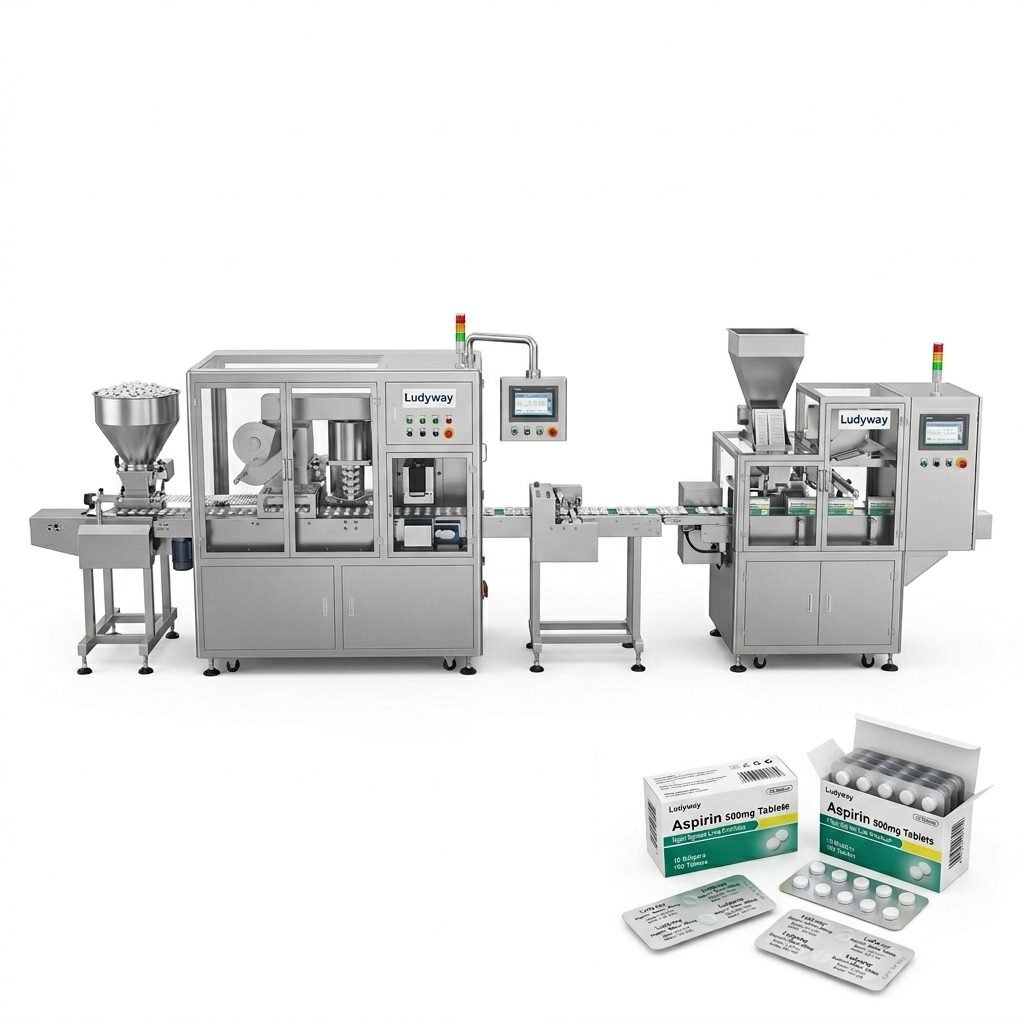
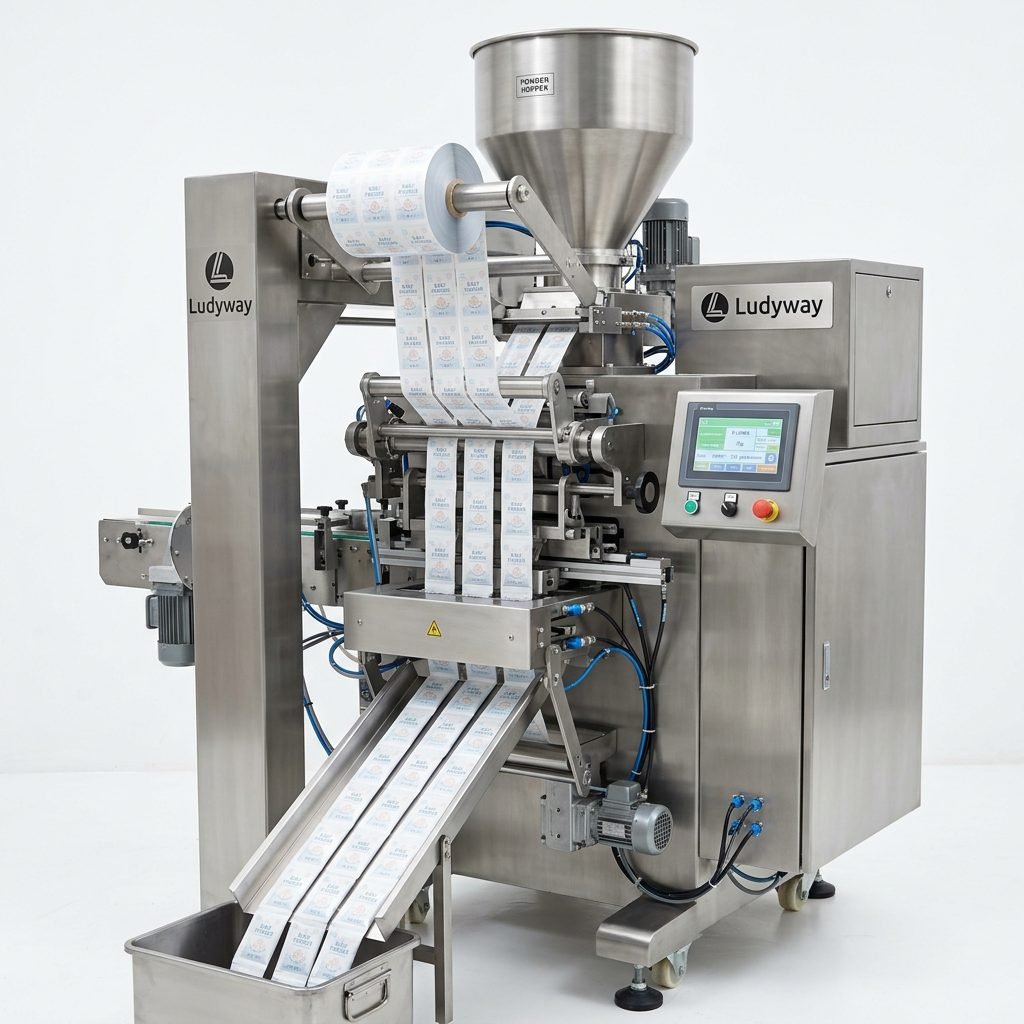
In the fast-paced world of manufacturing, the efficiency and reliability of your production line hinge on a critical, yet sometimes overlooked, component: primary packaging equipment. This machinery forms the first line of defense for your product, directly contacting it to create the individual consumer unit—be it a sachet, stick pack, bottle, or pouch. Selecting the right equipment is not merely a purchase; it’s a strategic investment that impacts product integrity, operational speed, brand perception, and ultimately, your bottom line. This comprehensive guide delves into the various types of primary packaging machines, provides a structured framework for selection, and highlights the key benefits they bring to modern, efficient production facilities.
Understanding the Core Types of Primary Packaging Equipment
The landscape of primary packaging machinery is diverse, each type engineered for specific product forms and output requirements. Understanding these categories is the first step toward making an informed decision.
For Solid and Granular Products
Products like coffee, sugar, spices, nuts, and pharmaceuticals in granule or tablet form require precision filling.
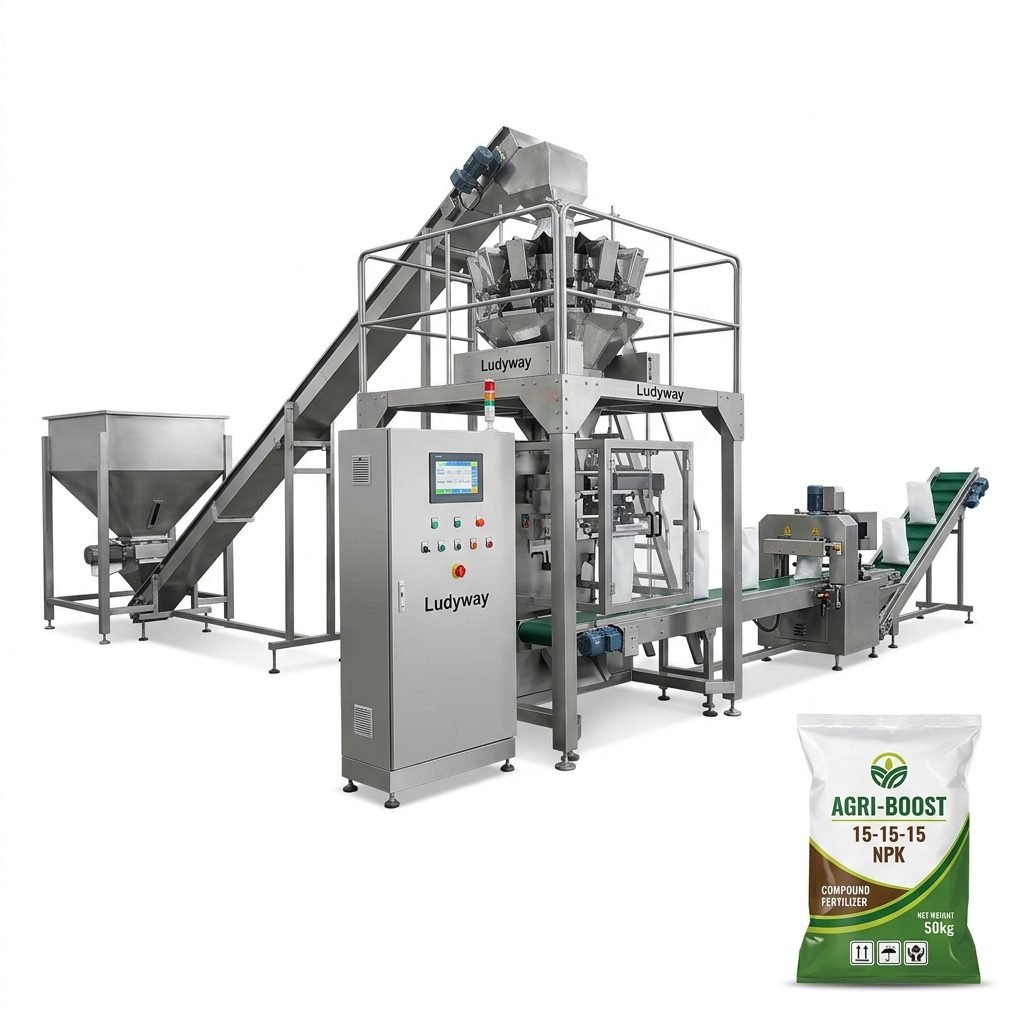
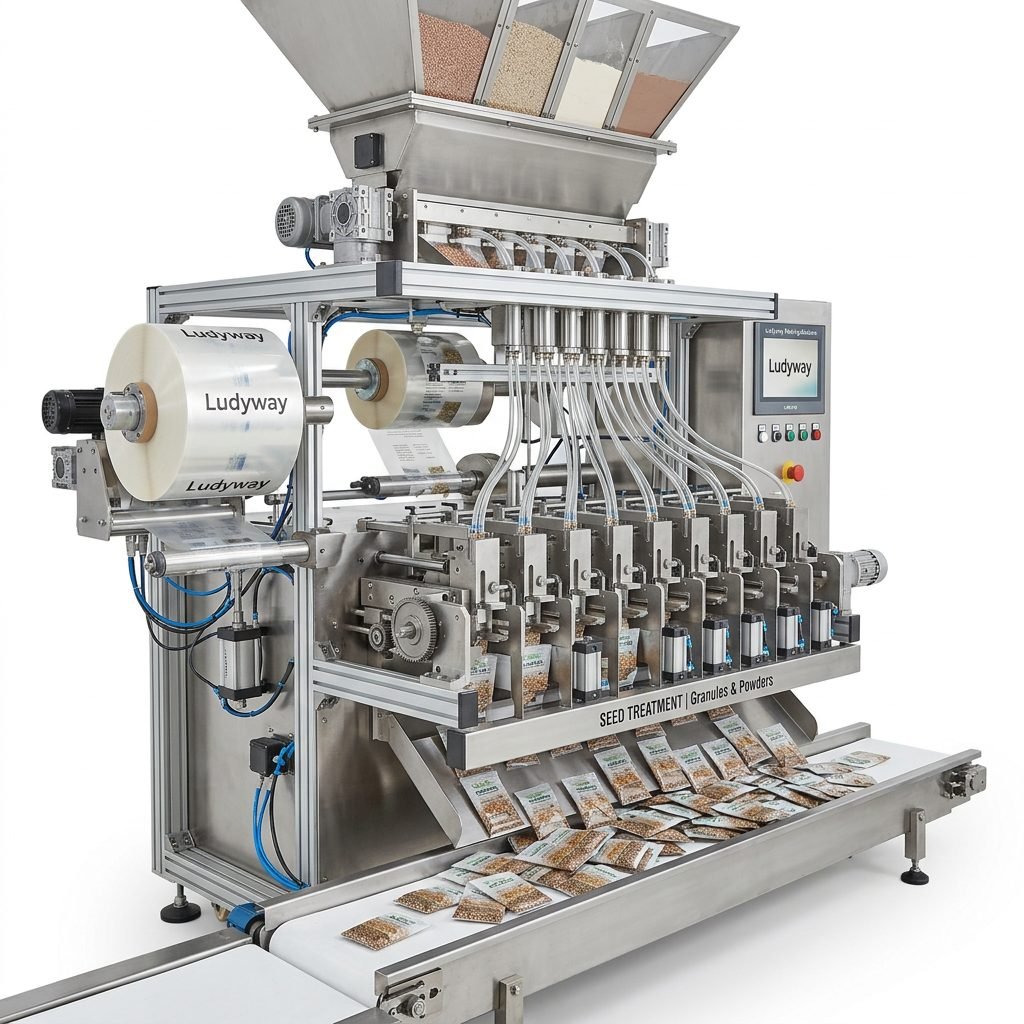
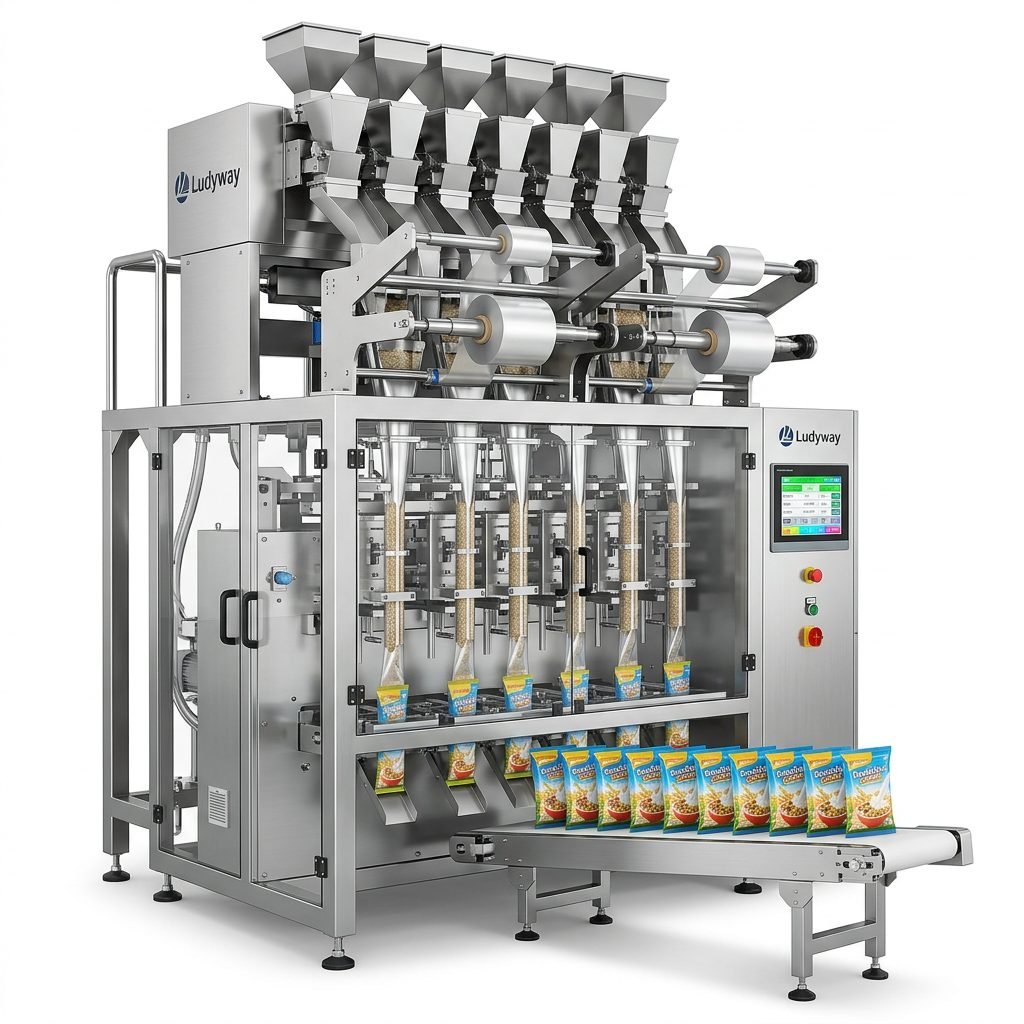
Vertical Form-Fill-Seal (VFFS) Machines: These are the workhorses of the industry. They form a tube from a roll of packaging film, fill it with a pre-measured amount of product, and then seal and cut it into individual bags or pouches. They are incredibly versatile for a wide range of free-flowing products.
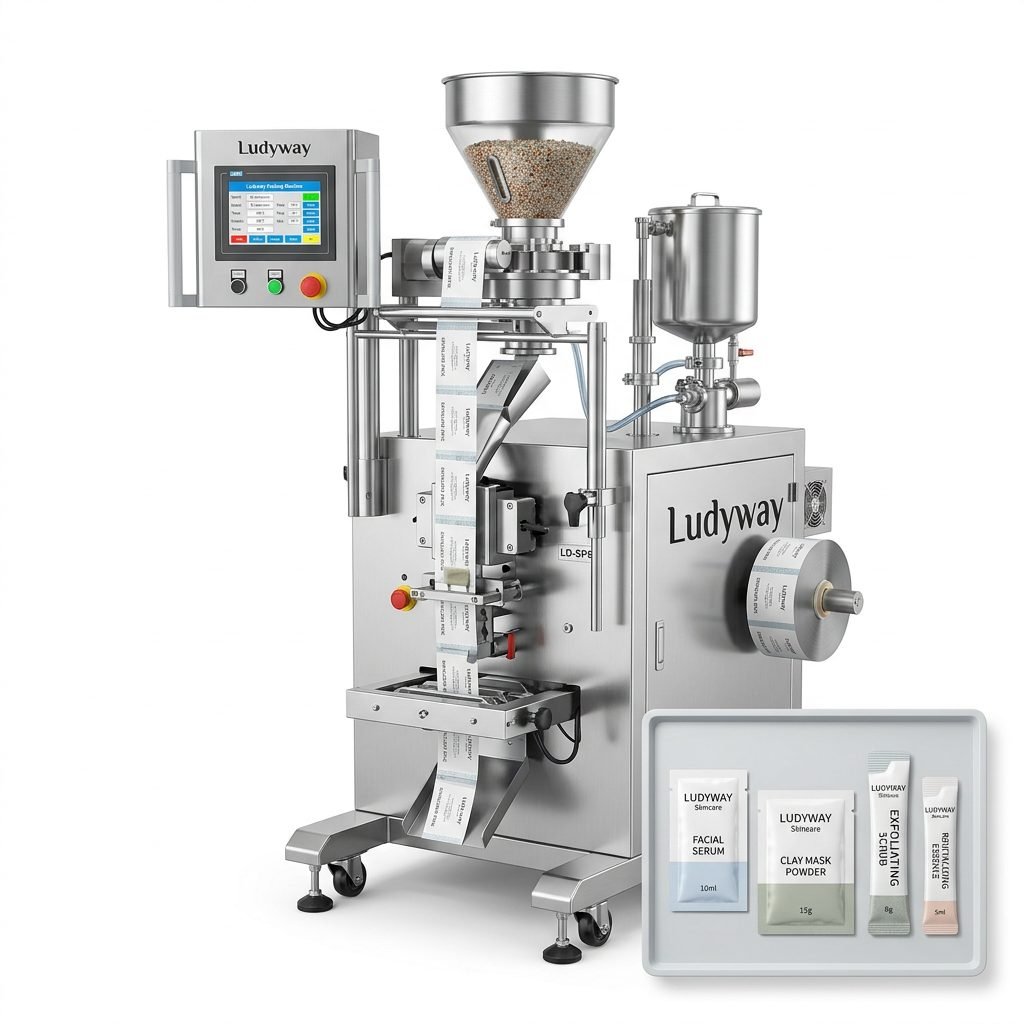
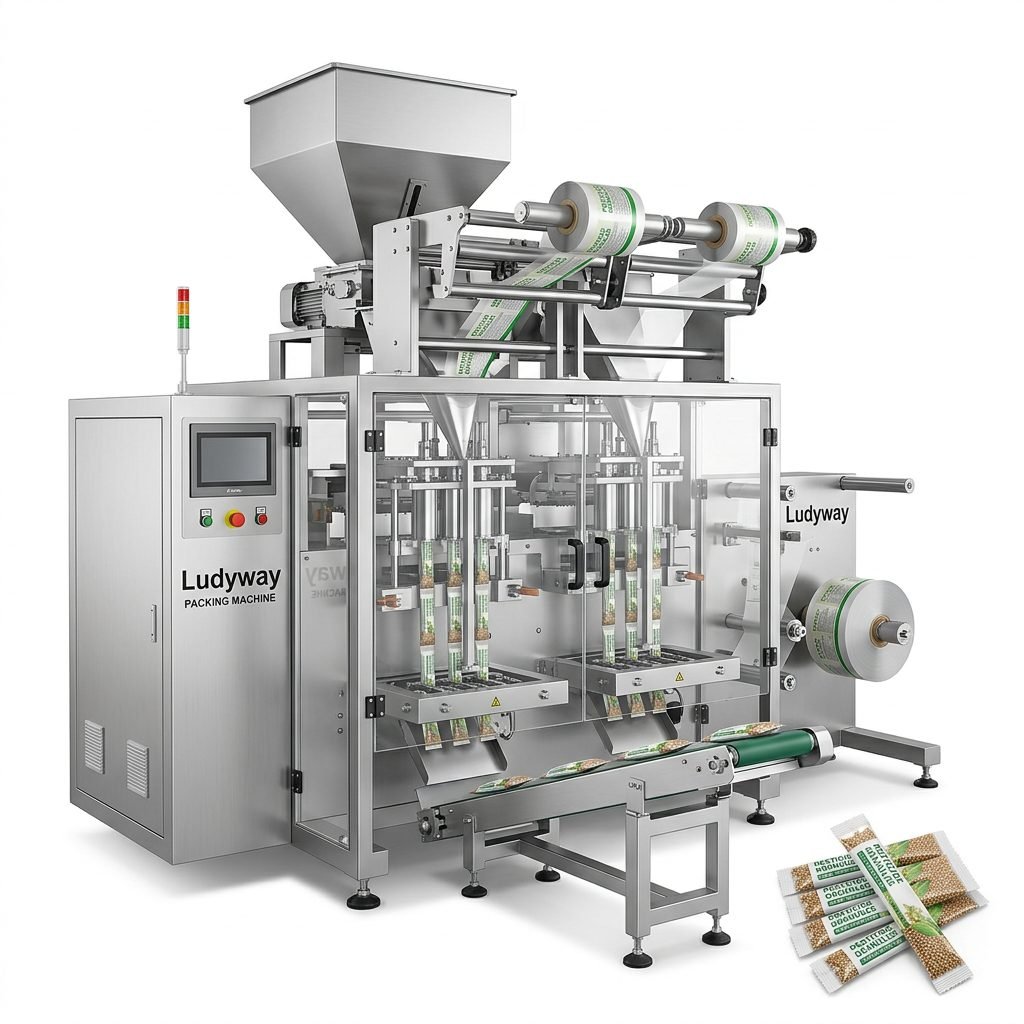
Multi-Lane Stick Pack Machines: Designed for high-speed output of small, elongated packets—perfect for single-serve portions of instant drinks, supplements, or condiments. They operate multiple lanes simultaneously, dramatically increasing production rates for these popular package formats.
For Powders and Fine Granules
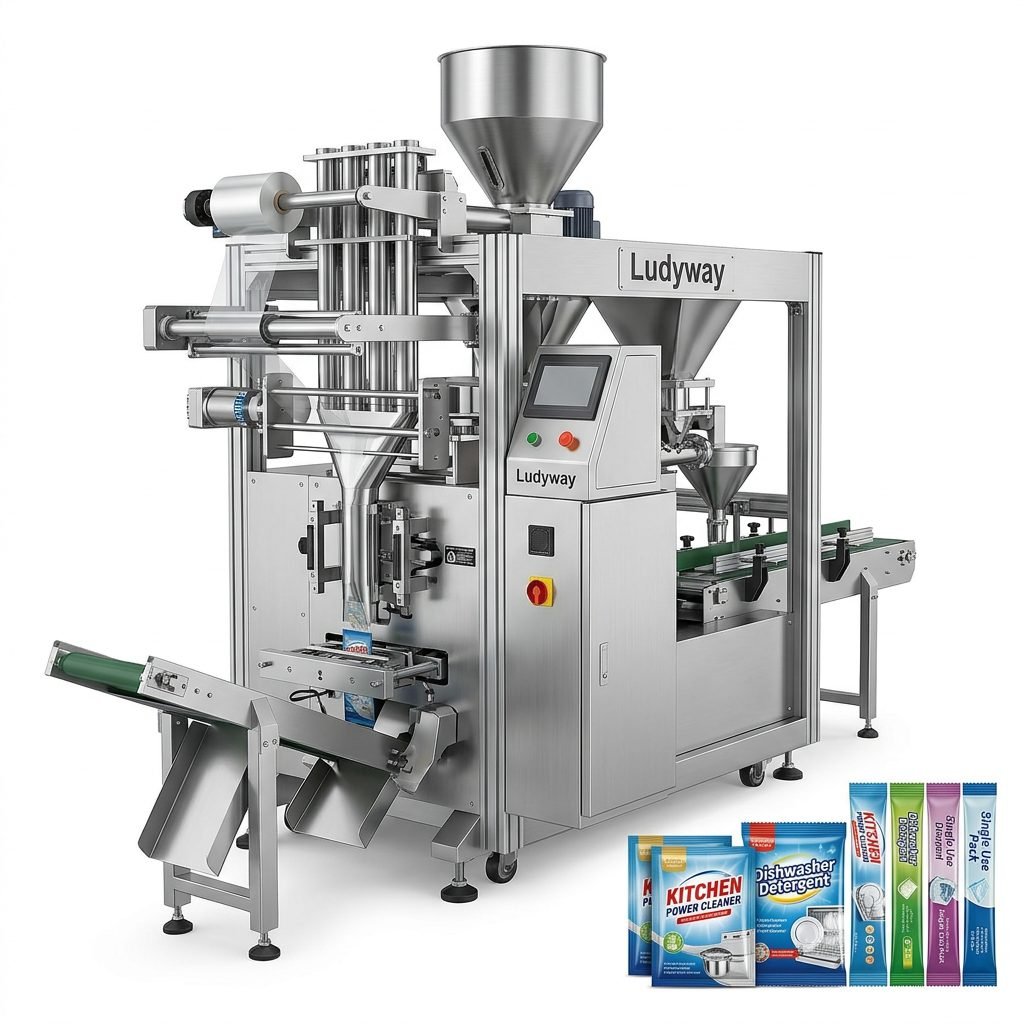
Powdered milk, protein supplements, spices, and detergents demand equipment that handles dust and ensures accurate, consistent fills.
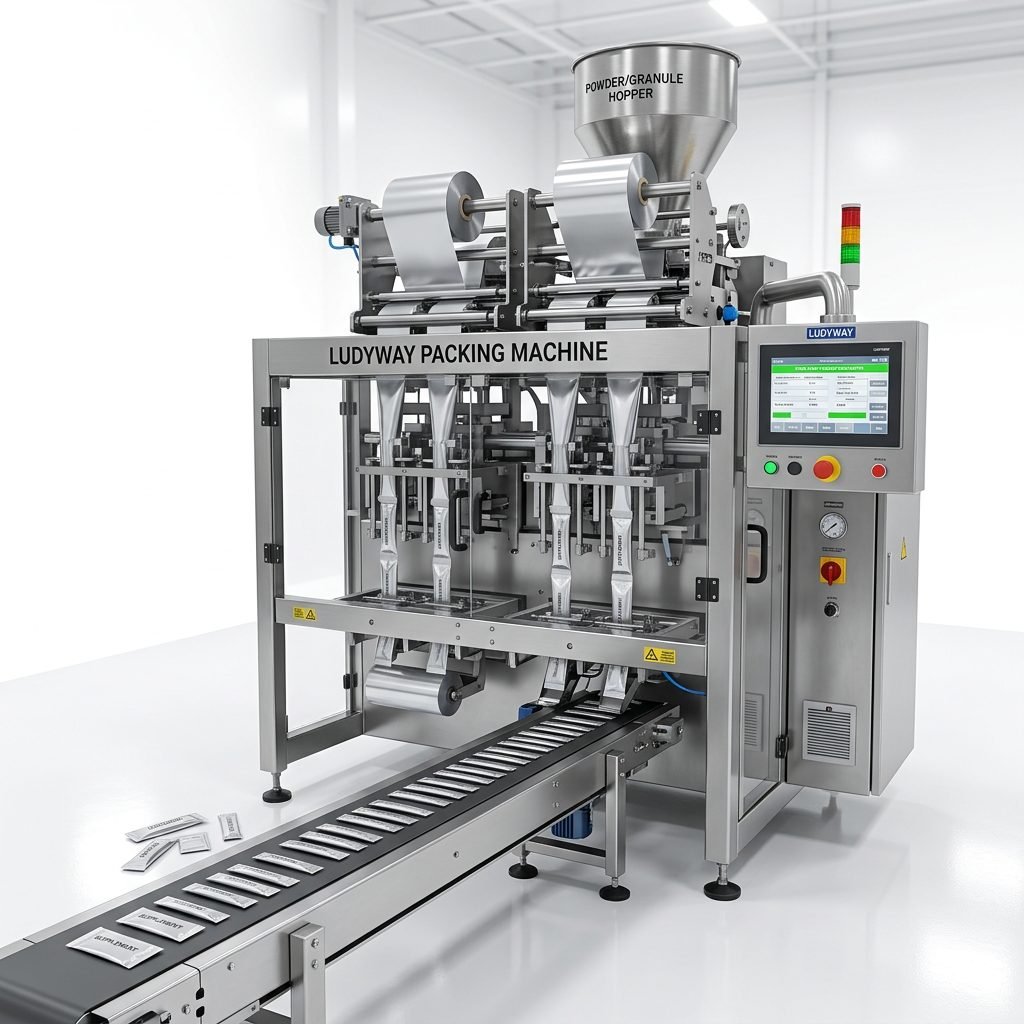
Auger Filling Systems: These systems use a rotating screw (auger) within a hopper to dispense powder into packages with exceptional accuracy. They are ideal for non-free-flowing powders and are often integrated with VFFS or sachet machines.
Sachet Packaging Machines: Similar to stick packs but often wider, sachet machines create small, flat packets ideal for sauces, shampoo samples, or powdered drink mixes. They excel in creating attractive, convenient single-use packages.
For Liquids and Viscous Products
From sauces and oils to shampoos and pharmaceuticals, liquid packaging requires robust sealing and precise volumetric control.
Liquid Filling and Sealing Machines: This category includes piston fillers, peristaltic pumps, and gravity fillers that accurately dose liquids into pre-formed pouches, bottles, or cups before hermetically sealing them. Aseptic versions are critical for sensitive products like dairy or baby food.
Pouch Packaging Machines for Liquids: Stand-up pouches (SUPs) have become hugely popular. Specialized machines form, fill, and seal these flexible packages, offering brands a lightweight, shelf-appealing, and sustainable alternative to rigid bottles.
A Step-by-Step Guide to Selecting Your Primary Packaging Equipment
Choosing the right machine is a multi-faceted process. Follow this guide to align your investment with your production goals.
Step 1: Define Your Product and Packaging Specifications
This is the foundation. Clearly outline your product’s physical state (solid, powder, liquid), its characteristics (abrasive, corrosive, hygroscopic), and your desired package type, material, and dimensions. Accuracy here prevents costly mismatches later.
Step 2: Assess Your Production Requirements
Determine your required output speed (packages per minute/hour), the number of shifts you will run, and your plans for future scalability. This will dictate whether you need a standard single-lane machine or a high-speed, multi-lane system.
Step 3: Evaluate Machine Features and Technology
Look for features that enhance efficiency and ease of use. Key considerations include:
• Changeover Time: How quickly can you switch between different products or package sizes? Look for machines with quick-change parts and recipe memory.
• Control System: A user-friendly, PLC-based touchscreen interface simplifies operation, monitoring, and troubleshooting.
• Accuracy & Consistency: Investigate the filling technology (weighing, volumetric, count) and its tolerance levels to minimize product give-away.
Step 4: Prioritize Hygiene, Safety, and Compliance
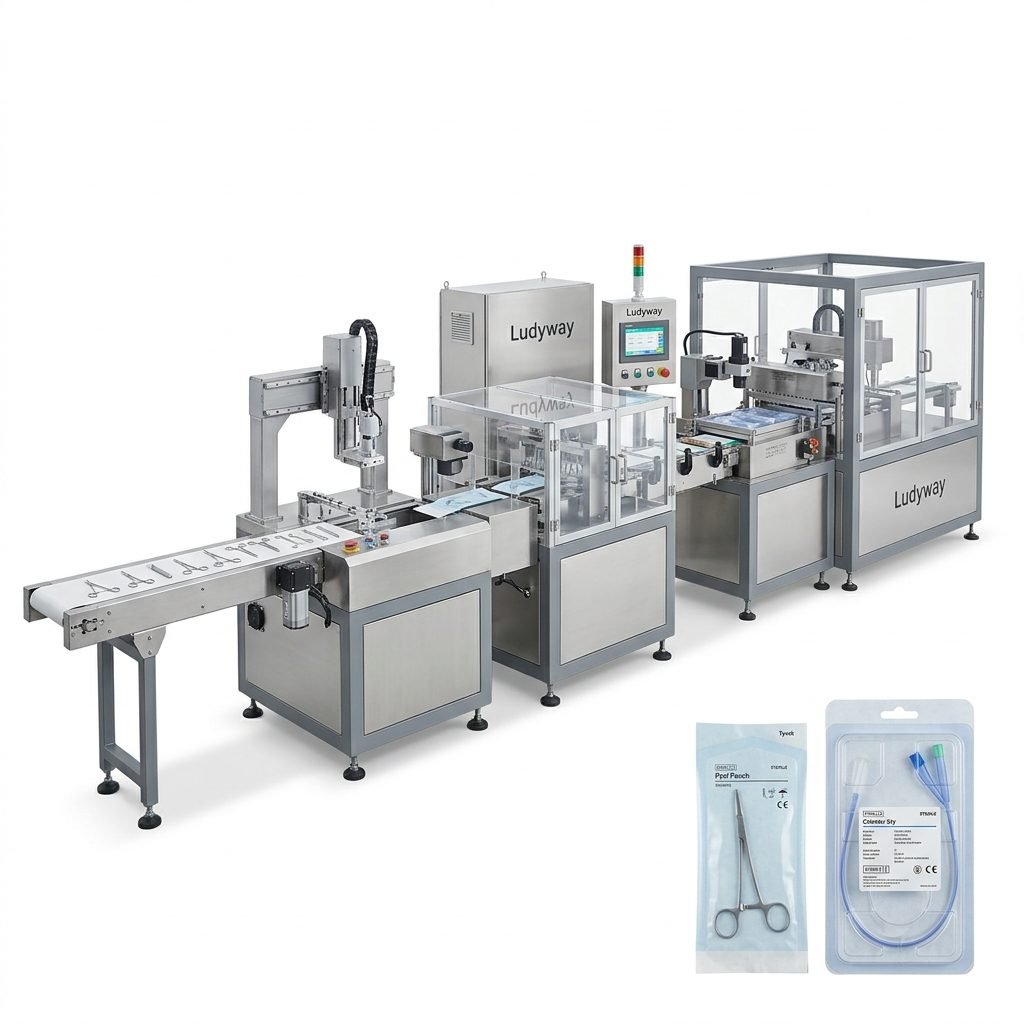
For food, pharmaceutical, or cosmetic products, hygiene is non-negotiable. Ensure the machine design allows for easy cleaning (CIP/SIP options), uses food-grade materials (e.g., 304 or 316 stainless steel), and can be integrated into your facility’s safety protocols. Compliance with regional standards (like FDA, CE, GMP) is mandatory.
Step 5: Analyze Supplier Credibility and Support: The machine is only as good as the company behind it. Partner with a supplier known for reliability, like Ludyway Packing Machine, which brings over 30 years of industry experience. Evaluate their technical support, availability of spare parts, warranty terms, and training offerings. A supplier with a proven track record and a global service network is a valuable long-term partner.
Key Benefits of Investing in Advanced Primary Packaging Equipment
Modern, well-chosen packaging machinery delivers a compelling return on investment across several dimensions.
1. Dramatically Enhanced Production Efficiency & Speed
Automated systems operate continuously at high speeds, far surpassing manual packaging. Multi-lane machines, such as those for stick packs, can produce tens of thousands of units per hour, reducing bottlenecks and maximizing throughput.
2. Unmatched Consistency and Reduced Product Waste
Precision filling systems ensure every package contains the exact specified amount. This consistency protects your brand’s reputation, satisfies regulatory requirements, and directly saves money by minimizing “give-away” product, a significant cost in high-volume production.
3. Significant Labor Cost Savings and Improved Safety
Automation reduces reliance on large manual packaging lines, lowering long-term labor costs and minimizing repetitive strain injuries. It also allows skilled workers to be redeployed to more value-added tasks like quality control and machine supervision.
4. Superior Product Protection and Shelf Life
Advanced machines create strong, hermetic seals that protect contents from moisture, oxygen, and contaminants. For sensitive products, integrated nitrogen flushing or vacuum sealing options can significantly extend shelf life, reducing spoilage and expanding market reach.
5. Greater Flexibility and Agility in the Market
Modern machines with quick-changeover capabilities allow you to respond rapidly to market trends. You can efficiently run smaller batches of different products or package sizes, enabling promotions, seasonal offerings, and customization without major downtime.
Conclusion: The Strategic Cornerstone of Modern Production
Primary packaging equipment is far more than a line item on a capital expenditure list. It is the strategic cornerstone of an efficient, competitive, and scalable production operation. By thoroughly understanding the equipment types, following a disciplined selection process focused on your specific product and output needs, and partnering with a credible supplier, you unlock a suite of benefits—from soaring efficiency and impeccable consistency to substantial cost savings and enhanced brand equity. In today’s market, the right packaging machinery is not just an operational tool; it’s a catalyst for growth and a guardian of quality.
Frequently Asked Questions (FAQs)
What is the main difference between primary and secondary packaging equipment?
Primary packaging equipment handles the package that is in direct contact with the product (e.g., filling and sealing a sachet). Secondary packaging equipment handles the outer packaging that groups primary packages together (e.g., boxing, cartoning, or shrink-wrapping multiple sachets).
How do I determine the right speed (packages per minute) for my needs?
Calculate your current and projected daily/weekly production volume. Divide this by your available operating hours (accounting for breaks and changeovers). It’s often advisable to choose a machine that can operate at 15-20% above your current peak requirement to allow for future growth and efficient operation at slightly below maximum capacity.
Can one machine handle different types of products, like powders and granules?
Some versatile machines, particularly certain VFFS models with interchangeable filling systems (like switching from an auger for powder to a cup filler for granules), can handle different product types. However, significant changes in product characteristics usually require specific tooling and careful re-validation to ensure accuracy and cleanliness.
What are the most critical maintenance tasks for primary packaging machines?
Daily cleaning to prevent product buildup, regular lubrication of moving parts as per the manufacturer’s manual, and periodic inspection/wear-part replacement (like sealing jaws, cutting blades, and gaskets) are essential. Consistent, preventive maintenance is key to avoiding unplanned downtime.
Why is supplier after-sales support so important?
Even the best machinery may require technical assistance, spare parts, or preventative maintenance. A supplier with strong after-sales support, like Ludyway Packing Machine with its global service commitment, ensures quick resolution of issues, minimizes production stoppages, and protects your long-term investment by keeping your line running optimally for years.