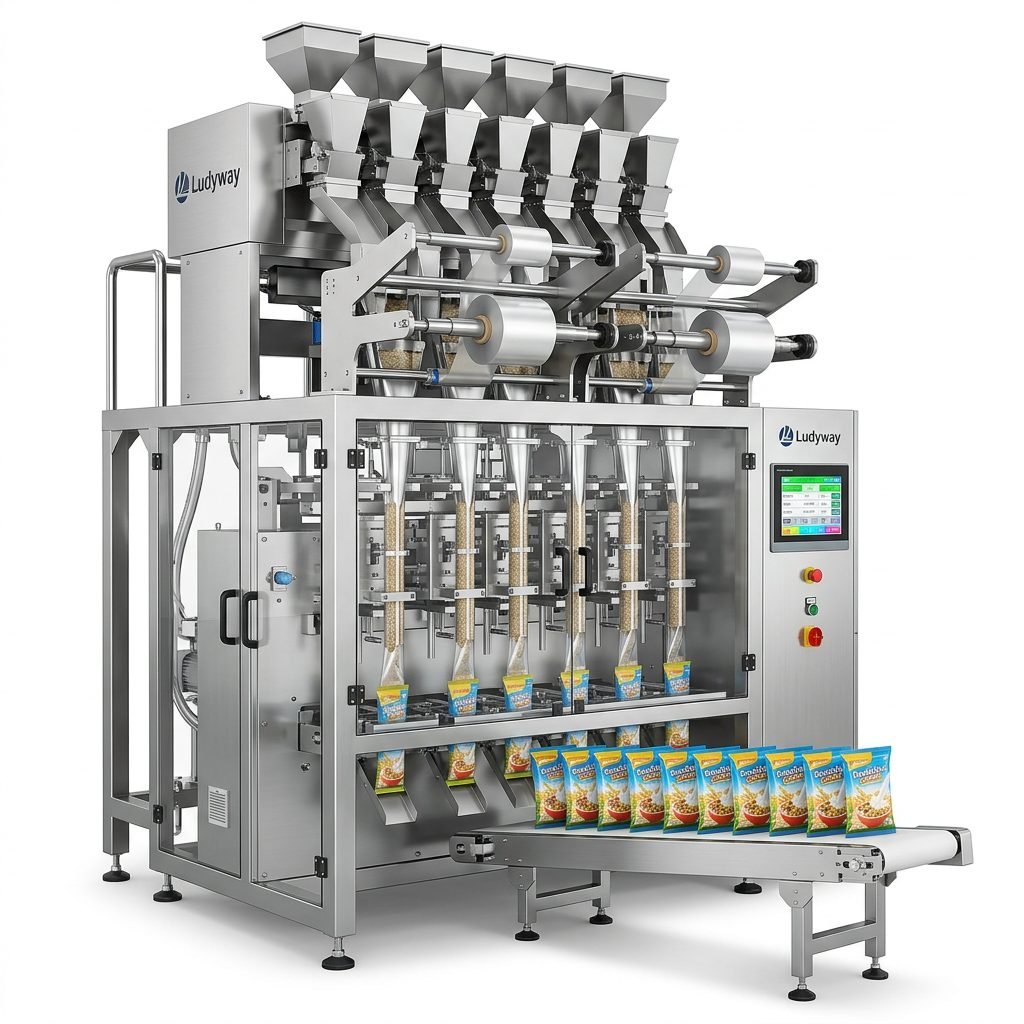
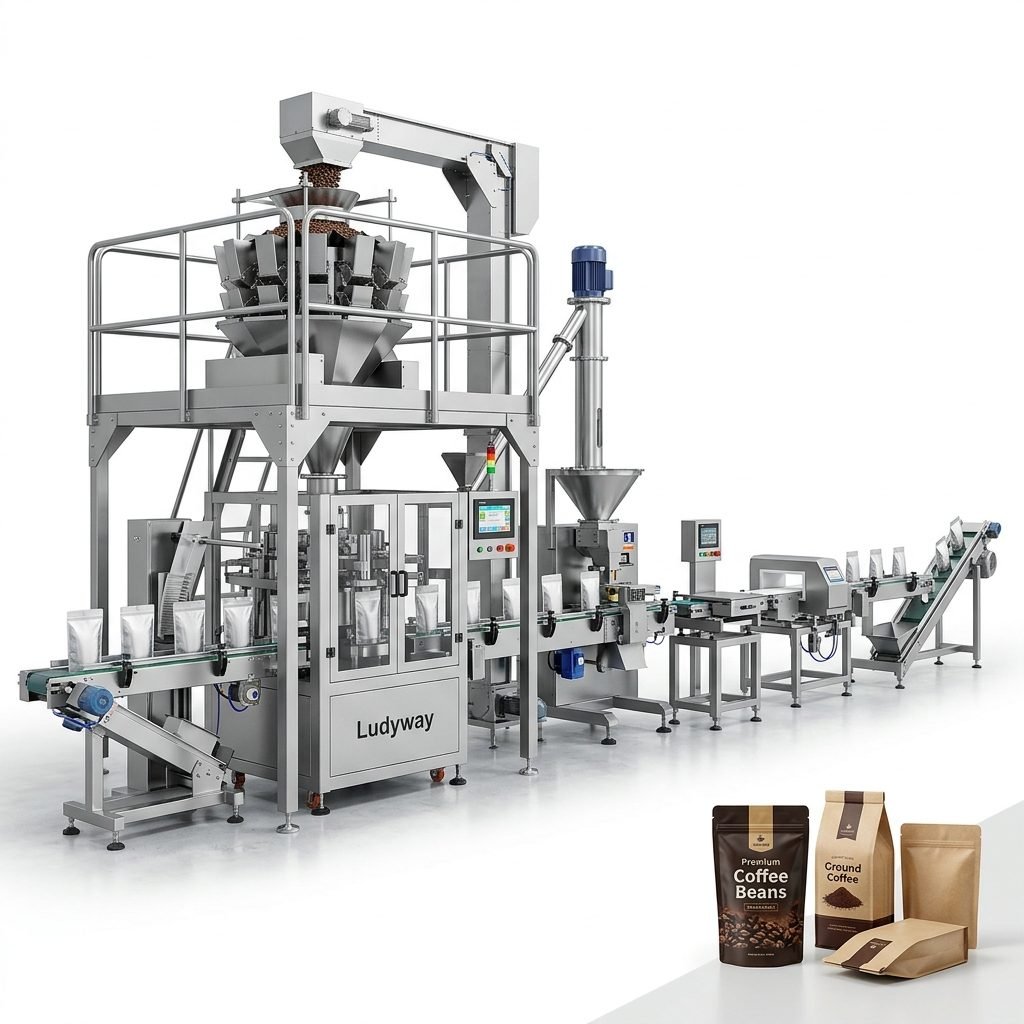
Selecting the right stretch film packaging machine is a critical decision that directly impacts your production line’s efficiency, cost-effectiveness, and product protection. This ultimate guide will walk you through the key factors, machine types, and essential considerations to ensure you make the best investment for your specific operational needs.
Understanding Your Production Requirements
Before diving into machine specifications, a thorough analysis of your own production line is paramount. This foundational step ensures the machine you choose aligns perfectly with your output goals and product characteristics.
Key Questions to Ask:
→ Product Dimensions & Weight: What is the size, shape, and weight range of your pallets or products? This determines the required film width, stretch capability, and machine strength.
→ Production Speed (Pallets/Hr): What is your current and projected output? Machine throughput must match or exceed this to avoid bottlenecks.
→ Film Type & Consumption: Do you use pre-stretched or blown film? Understanding film usage is crucial for calculating operational costs and machine compatibility.
→ Line Integration: How will the wrapper integrate with existing conveyors, palletizers, or robotic systems? Compatibility is key for seamless automation.
Types of Stretch Film Packaging Machines
The market offers several types of wrappers, each suited to different production volumes and automation levels. Choosing the correct type is the first major decision.
1. Semi-Automatic Wrappers
Ideal for lower-volume operations or varied pallet sizes. The operator manually places the film and initiates the wrapping cycle. These machines offer a low initial investment and flexibility but rely on operator consistency.
2. Fully Automatic Wrappers (Turntable Systems)
The most common type for steady, high-volume production. The pallet remains stationary on a rotating turntable while the film carriage moves up and down. They provide excellent consistency, high speed, and reduced labor.
3. Robotic Arm Wrappers
Utilize a programmable robotic arm to apply film. They offer unmatched flexibility for irregular shapes, very heavy loads, or integrating into complex, space-constrained production lines. The initial cost is higher but can solve unique packaging challenges.
4. Rotary Ring Wrappers
The pallet moves through a stationary ring that dispenses the film. Perfect for high-speed, continuous in-line production where pallets are on a conveyor. They offer very fast cycle times and are often used in fully automated warehouses.
Critical Technical Features to Evaluate
Beyond the basic type, these technical specifications will differentiate machines and impact long-term performance.
Core Performance Specs
Film Delivery System: Look for a power pre-stretch system (e.g., 250%-300%). It mechanically stretches the film before application, maximizing film yield and providing superior load containment at a lower cost.
Control System: A user-friendly, programmable PLC (Programmable Logic Controller) with a touchscreen HMI is essential. It should allow easy storage of multiple wrap patterns for different products.
Mechanical Construction: Heavy-duty steel frames and quality components (motors, drives, bearings) ensure durability, stability, and longevity in a demanding industrial environment.
Advanced Features for Modern Lines
Connectivity & Data Logging: Machines with IoT capabilities can integrate with your production monitoring systems, providing data on output, film usage, and maintenance alerts.
Top Platen & Sheet Dispensers: For unstable loads, a top platen applies downward pressure during wrapping. Sheet dispensers automatically place a protective layer on the load before wrapping.
Energy Efficiency: Consider machines with efficient servo-drive systems that reduce power consumption, especially in 24/7 operations.
Cost Analysis: Beyond the Purchase Price
The machine’s sticker price is just one part of the Total Cost of Ownership (TCO). A cheaper machine may cost far more over its lifespan.
Film Consumption: A machine with a high-quality pre-stretch system can reduce film use by 20-30%, offering massive ongoing savings.
Maintenance & Downtime: Assess the availability of spare parts, ease of service, and the manufacturer’s support reputation. Unplanned downtime is the single largest cost in packaging.
Labor Impact: A fully automatic wrapper can free up 1-2 operators, reallocating labor to more valuable tasks and providing a clear ROI.
Partnering with an experienced supplier like Ludyway Machinery, with over 30 years of industry experience, ensures you get a solution that optimizes TCO, not just initial expenditure.
Supplier Selection and Support
Your machine supplier is a long-term partner. Their expertise and support are as important as the equipment itself.
Industry Experience: Choose a supplier with proven experience in your specific sector (e.g., food, pharmaceuticals, beverages). They will understand your unique challenges, such as hygiene requirements or variable load stability.
Technical & After-Sales Support: Verify the availability of installation, training, and a responsive service team. Ask about warranty terms and the process for obtaining spare parts. A global supplier with a strong track record, like Ludyway, which serves customers worldwide, can provide reliable support wherever you are located.
Customization Capability: Can the supplier tailor the machine to your exact line layout and product needs? Off-the-shelf solutions are not always the best fit.
Implementation and Best Practices
Successful integration requires planning. Work with your supplier on site preparation, including floor space, power, and air supply. Comprehensive operator training is non-negotiable for safety, efficiency, and achieving the desired wrap quality. Develop a preventive maintenance schedule from day one to maximize uptime and machine life.
Final Checklist Before You Buy
✓ Have you validated machine specs against your actual pallet samples?
✓ Have you calculated the projected ROI and TCO, including film savings?
✓ Does the supplier offer a convincing demo with your product?
✓ Are the control software and safety features up to modern standards?
✓ Is the service agreement clear, with defined response times?
Frequently Asked Questions (FAQs)
1. What is the main advantage of a power pre-stretch system?
The primary advantage is significant film cost reduction. By stretching the film mechanically before it touches the load, you use less film per pallet while achieving better force-to-load containment and higher puncture resistance compared to hand wrapping or simple brake-stretch systems.
2. How do I choose between a turntable wrapper and a rotary ring wrapper?
Choose a Turntable Wrapper for batch processing where pallets are placed and removed from the same spot. Choose a Rotary Ring (or “Spiral”) Wrapper for continuous, in-line systems where pallets move on a conveyor through the wrapper without stopping. Turntables are generally more versatile for mixed operations, while ring wrappers excel at pure speed.
3. Can one machine handle a wide variety of pallet sizes?
Yes, most modern automatic wrappers are highly adjustable. The film carriage height, turntable speed, and wrap pattern are programmable. You can save multiple programs in the PLC for different pallet dimensions and stability requirements, allowing quick changeover between products.
4. What are the most common causes of downtime, and how can they be prevented?
Common issues include film breaks, mechanical wear on bearings and belts, and PLC/electrical faults. Prevention hinges on a robust preventive maintenance plan: regular cleaning, lubrication, inspection of wear parts, and using high-quality, recommended stretch film. Proper operator training to correctly thread film and clear jams is also vital.
5. How important is the supplier’s after-sales service?
It is critically important. Even the best machine may require service. A supplier with a strong, responsive support network ensures minimal downtime. Look for suppliers who offer remote diagnostics, readily available spare parts, and certified technicians. Their ongoing support protects your investment and keeps your production line running smoothly for years.