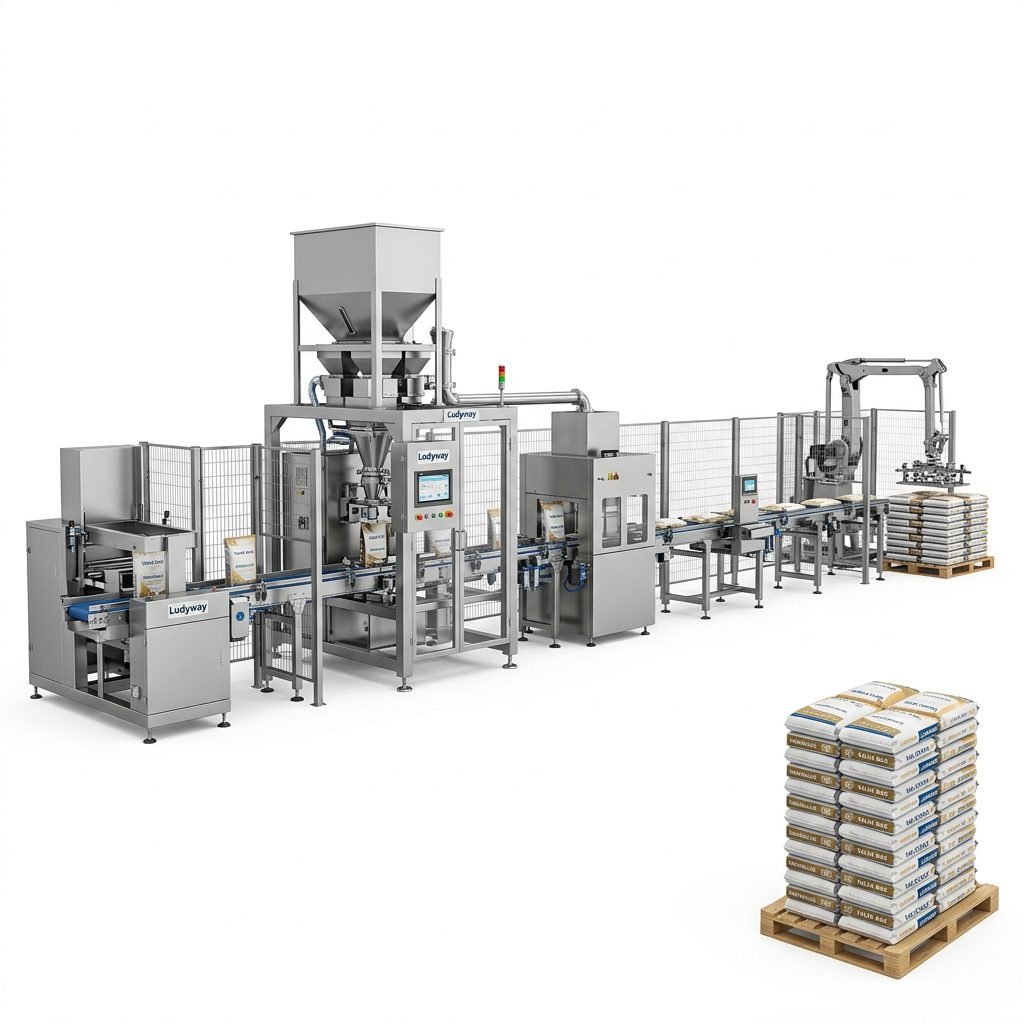
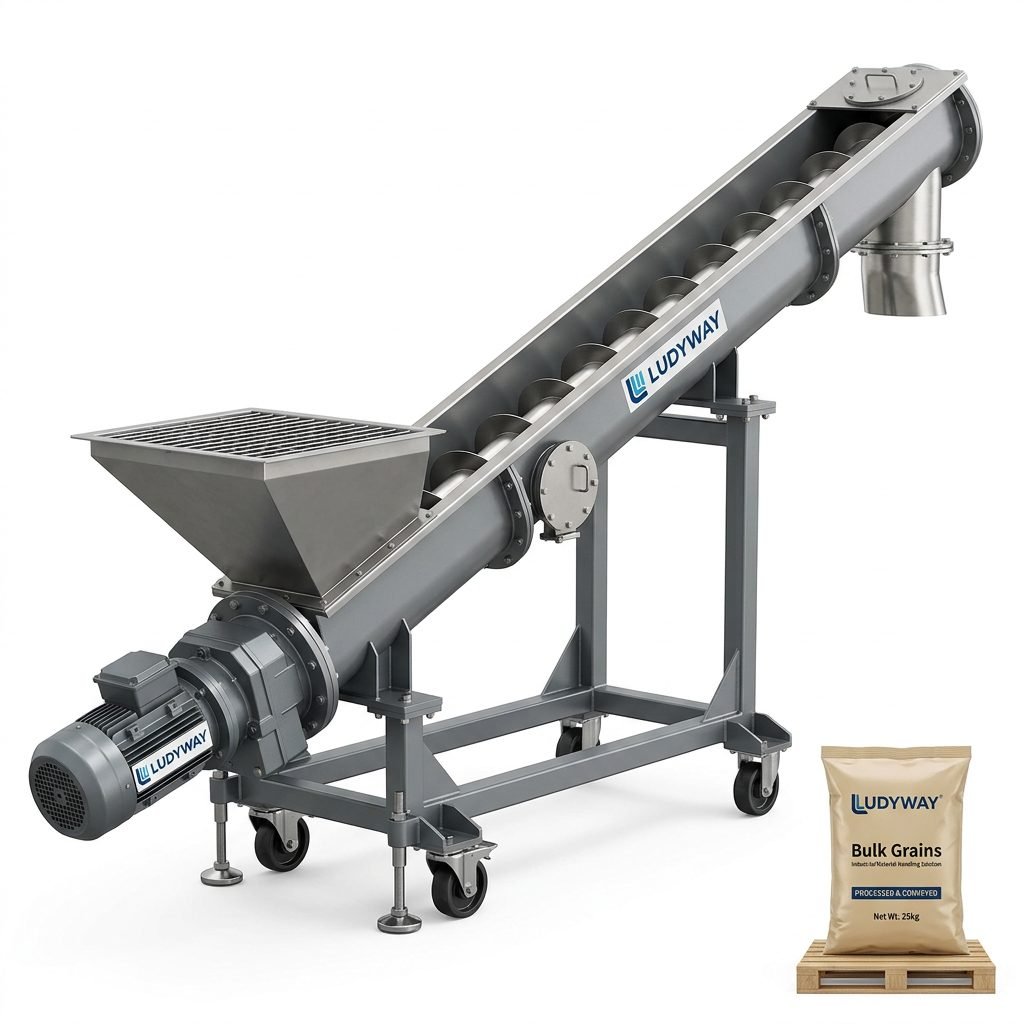
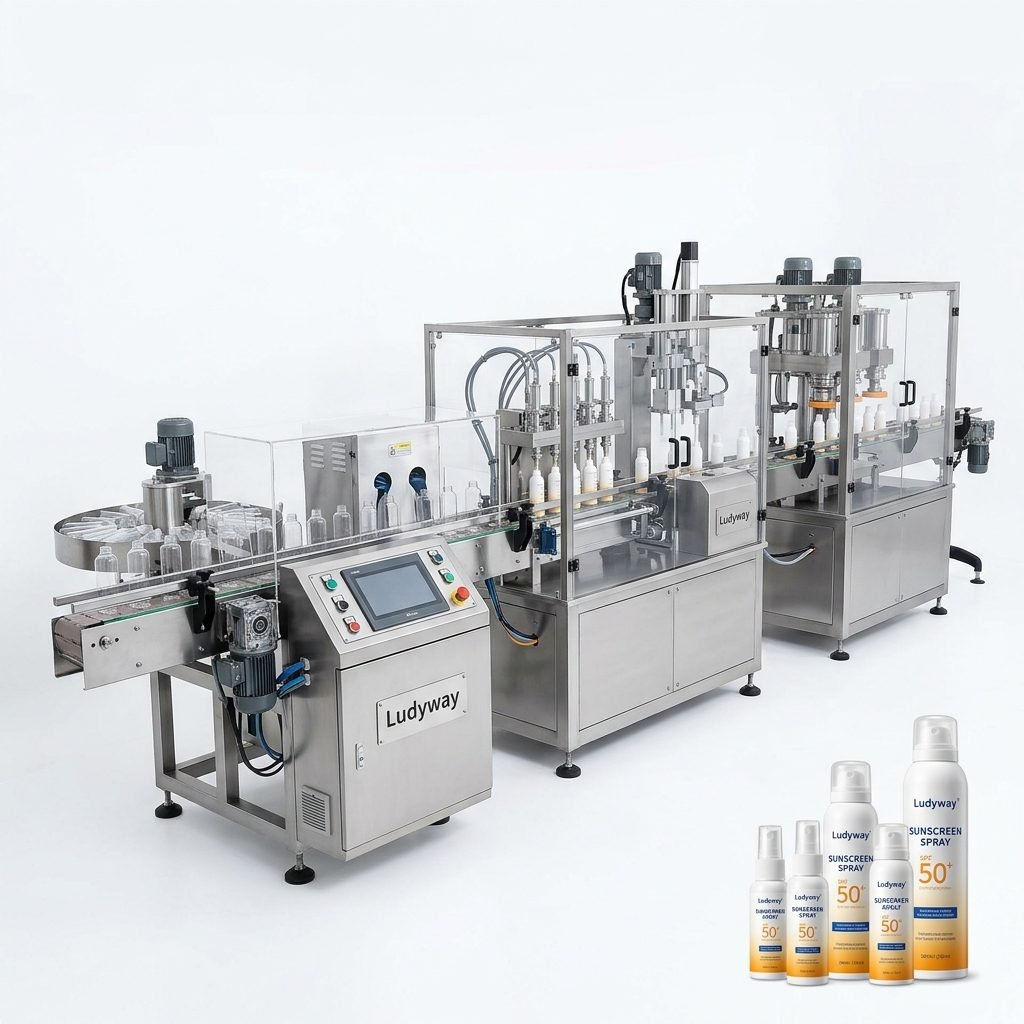
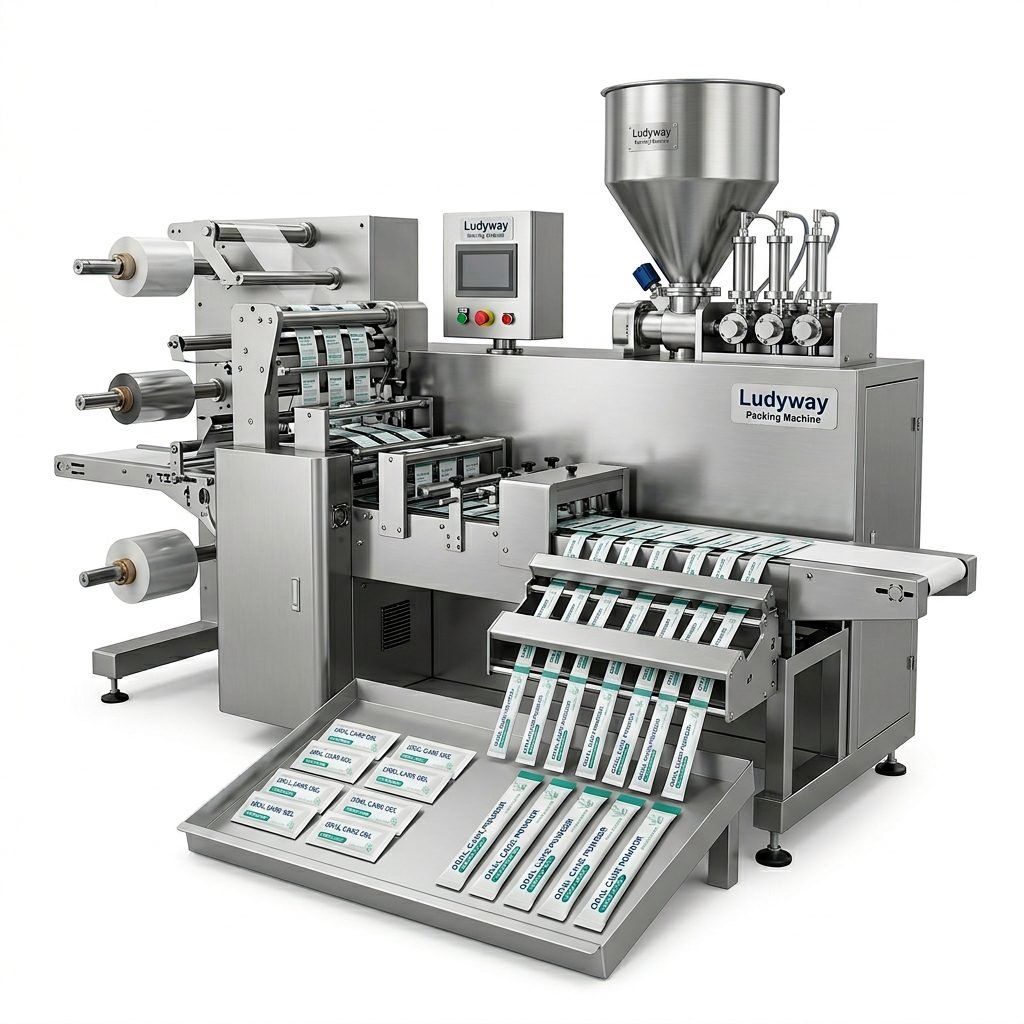
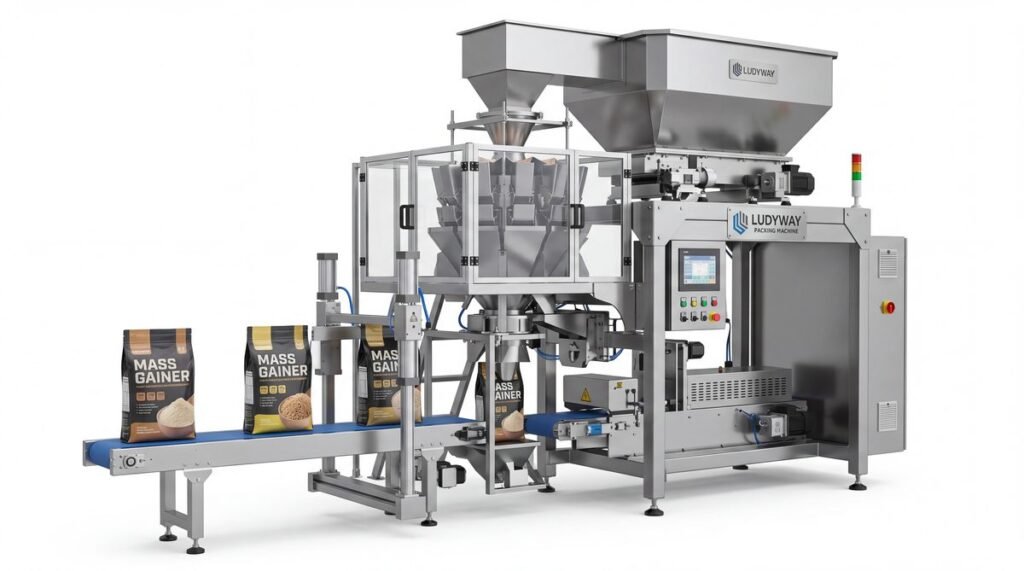
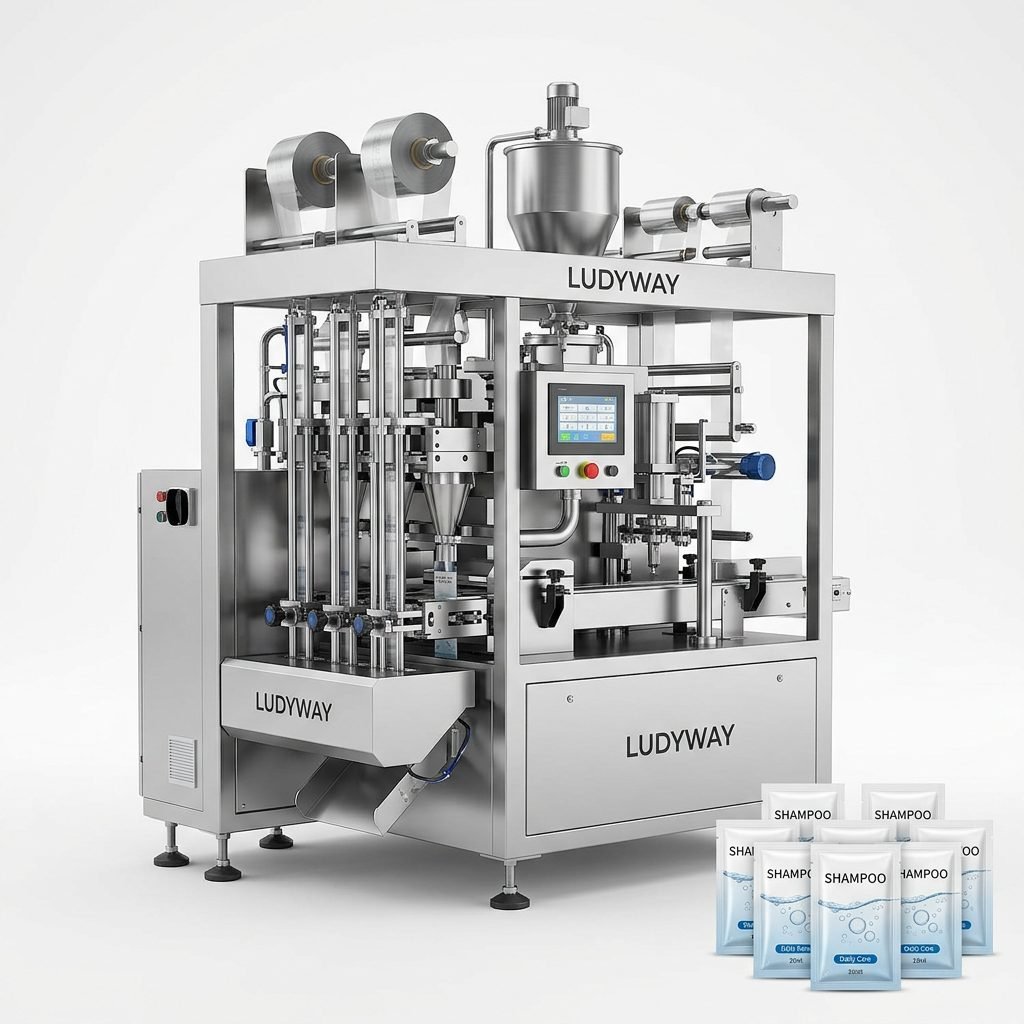
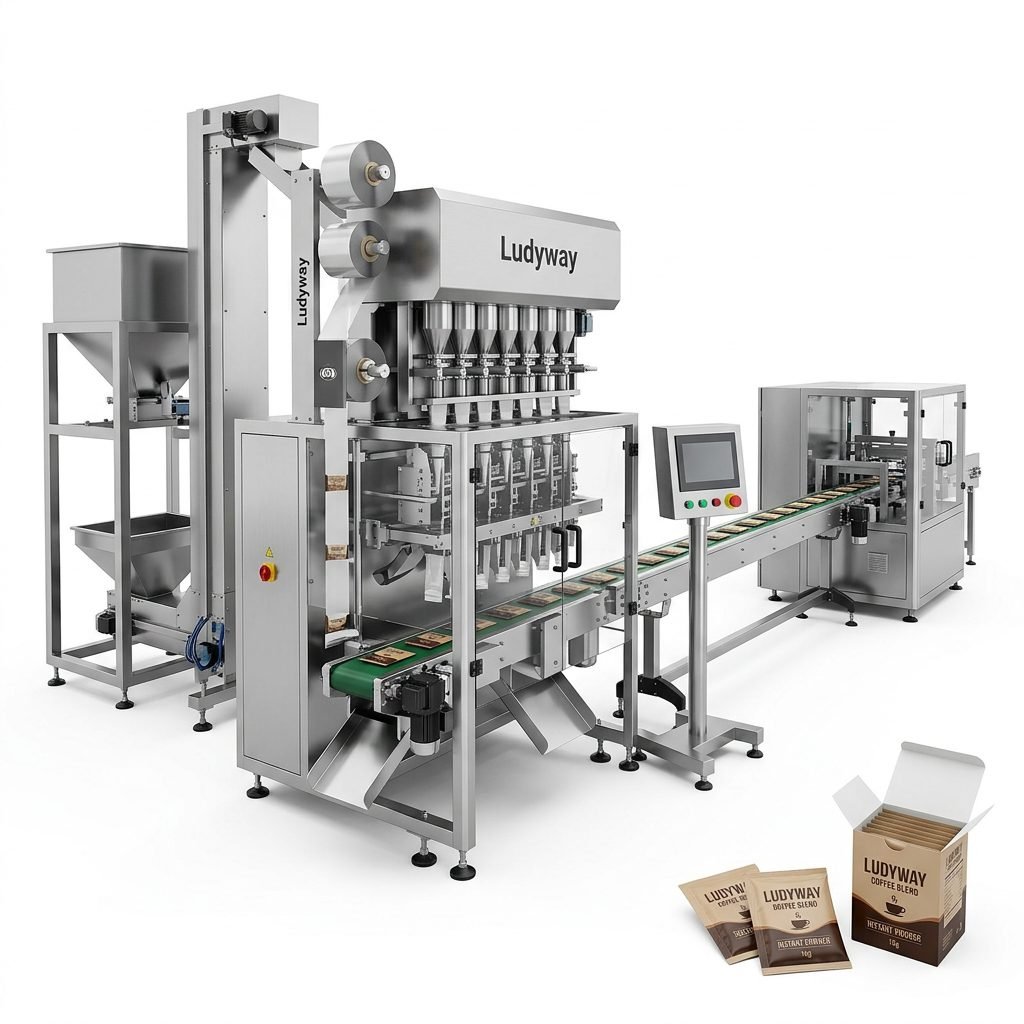
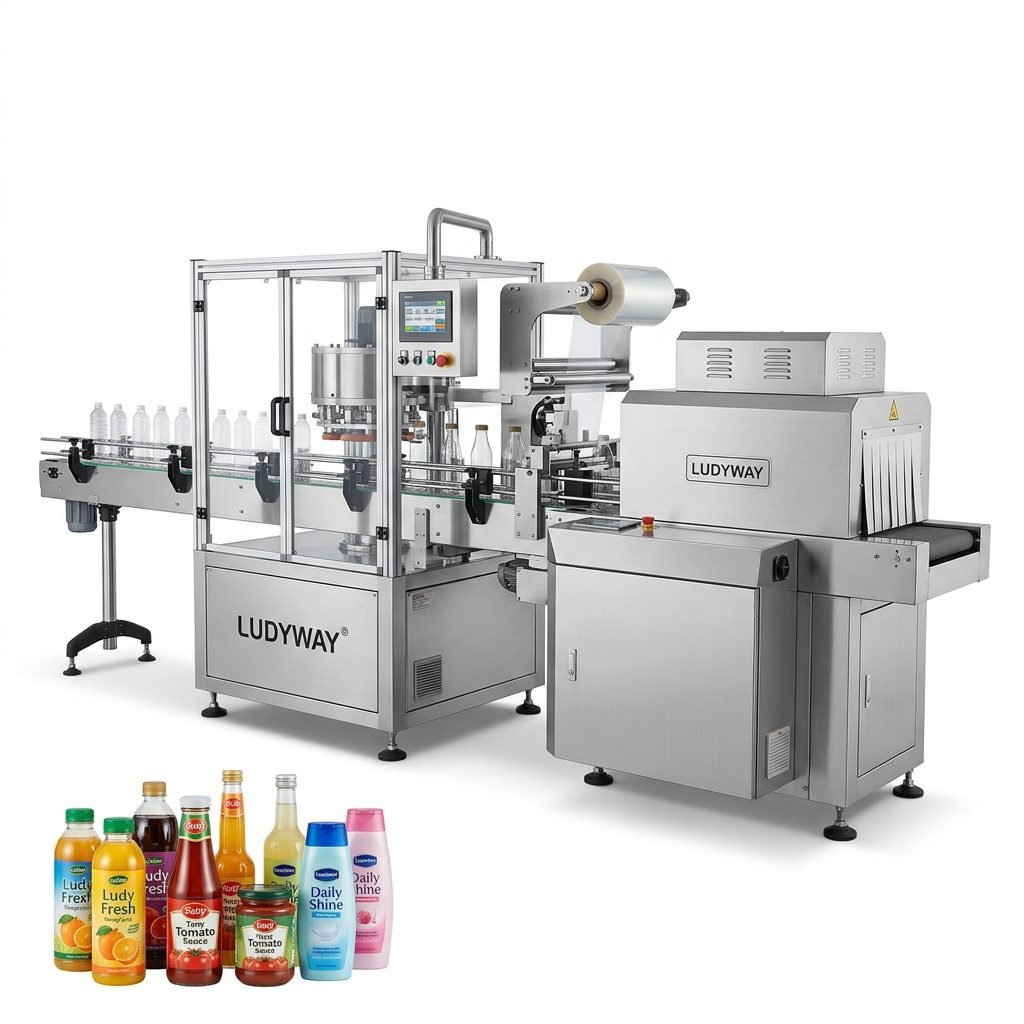
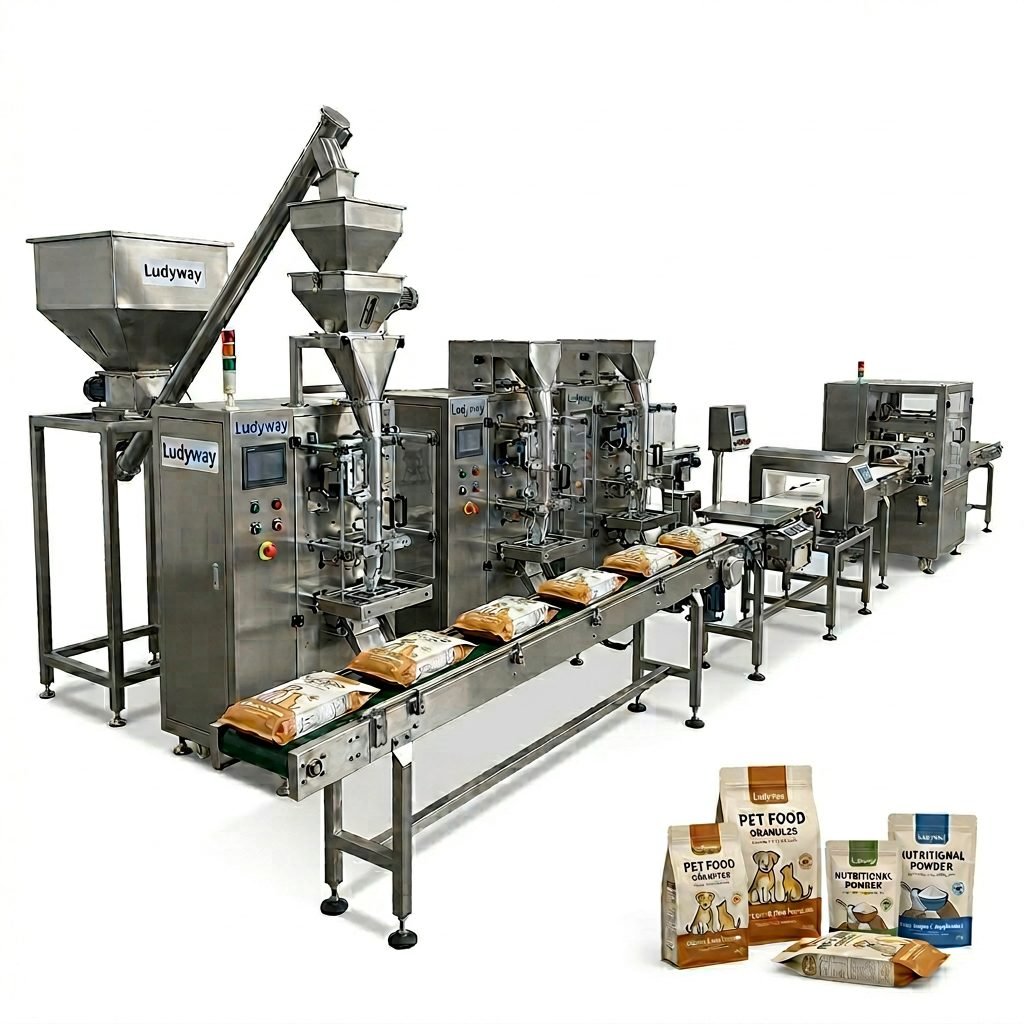
In the fast-paced world of manufacturing, the final stage of getting your product into the hands of consumers is just as critical as its creation. This is where production packaging equipment comes into play. It encompasses the machinery and systems used to enclose, protect, identify, and prepare products for distribution, storage, sale, and use. From simple filling and sealing machines to complex, fully integrated lines with robotics and vision systems, the right packaging equipment is a cornerstone of operational efficiency, product safety, and brand presentation.
The Core Components of a Packaging System
Understanding the different types of equipment is the first step in selecting the right system. A typical production line may involve several interconnected machines, each performing a specific function.
Filling Machines
These are responsible for accurately dispensing your product into its container—be it a pouch, bottle, stick pack, or box. Accuracy is paramount to ensure consistent product weight and comply with regulations. Common types include volumetric fillers, auger fillers for powders, liquid fillers, and net weight scales.
Sealing & Closing Equipment
Once filled, the package must be securely closed. This category includes heat sealers for flexible pouches, cappers for bottles, induction sealers for tamper evidence, carton closers, and labelers that apply seals or promotional bands.
Forming & Wrapping Machines
Some systems form the package itself from a roll of film or cardboard. This includes vertical and horizontal form-fill-seal (VFFS/HFFS) machines, blister pack formers, and shrink wrapping equipment. They are highly efficient for high-volume, uniform products.
Conveying & Handling Systems
The silent workhorses of the line, conveyors, elevators, and robotic pick-and-place units move products smoothly between different packaging stations. Proper handling prevents jams, damage, and bottlenecks, ensuring a continuous flow.
Inspection & Quality Control
Modern lines integrate checkweighers, metal detectors, X-ray inspectors, and vision systems. These devices automatically reject under/over-filled packages, detect foreign contaminants, and verify label placement, safeguarding your brand’s quality and compliance.
How to Choose the Right System for Your Line
Selecting packaging machinery is a significant investment. A methodical approach ensures you choose a system that meets your needs today and scales with you tomorrow.
1. Define Your Product & Package
This is the foundation. Be specific about your product’s physical state (granule, powder, liquid, solid), its characteristics (abrasive, hygroscopic, viscous), and its sensitivity (to oxygen, light, moisture). Simultaneously, finalize your package type, material, and size. The machine must be compatible with both.
2. Assess Your Production Requirements
Calculate your required output speed in packages per minute (PPM) or units per hour. Consider your current volume and realistic future growth. Also, evaluate the required flexibility: Will you run multiple SKUs on the same line? How quick and easy are changeovers? A flexible machine might have a higher upfront cost but save immensely on downtime.
3. Evaluate Integration & Footprint
The new equipment must integrate seamlessly with your existing upstream (production) and downstream (palletizing) processes. Measure your available floor space carefully. A modular system from a single supplier like Ludyway Packing Machine can often offer a more cohesive and space-efficient solution than piecing together machines from different vendors.
4. Prioritize Hygiene & Compliance
For food, pharmaceutical, or nutraceutical products, this is non-negotiable. Equipment must be designed for easy cleaning (CIP/SIP), use food-grade materials (stainless steel 304/316), and meet relevant industry standards (FDA, cGMP, CE). A supplier with deep experience in these sectors is crucial.
5. Consider Total Cost of Ownership (TCO)
Look beyond the purchase price. Factor in installation, commissioning, training, maintenance costs, spare parts availability, energy consumption, and potential future upgrades. Reliable, durable machinery from an established brand may have a higher initial cost but a lower TCO due to less downtime and longer service life.
6. Vet the Supplier Thoroughly
The supplier is your long-term partner. Assess their industry experience, technical support capabilities, and spare parts logistics. Request references from similar clients. A supplier that offers comprehensive turnkey production solutions can manage the entire project, reducing complexity and risk for you.
The Value of a Trusted Partner
Navigating the complex landscape of packaging automation is challenging. Partnering with an experienced provider like Ludyway Machinery can transform this process. With over 30 years of collective industry experience, they don’t just sell machines; they deliver solutions tailored to your specific product and throughput goals. Their expertise spans critical sectors like food and pharmaceuticals, ensuring the equipment meets stringent hygiene and safety standards. From single multi-lane stick pack machines to complete integrated lines, their focus is on delivering reliability, efficiency, and innovation that drives your production forward.
Conclusion
Choosing the right production packaging equipment is a strategic decision that impacts your efficiency, product quality, and bottom line. By thoroughly analyzing your product, output needs, and operational constraints, and by partnering with a knowledgeable and reliable equipment supplier, you can implement a system that not only meets today’s demands but also adapts to future opportunities. The goal is to create a seamless, reliable, and cost-effective bridge between your manufacturing process and your customer.
Frequently Asked Questions (FAQs)
What is the difference between semi-automatic and fully automatic packaging equipment?
Semi-automatic machines require an operator to perform certain tasks, like placing empty containers or initiating a cycle. They are suitable for lower volumes or varied production runs. Fully automatic systems integrate all functions (filling, sealing, labeling, etc.) and run continuously with minimal human intervention, designed for high-volume, consistent output.
How important is after-sales service and support when buying packaging machinery?
Extremely important. Even the best equipment may require maintenance, parts, or troubleshooting. A supplier with a strong global support network, readily available spare parts, and responsive technical service minimizes costly downtime and ensures the long-term productivity of your investment.
Can one packaging machine handle different package sizes or products?
Many modern machines are designed with flexibility in mind. Look for features like quick-change parts (like changeover kits for filling heads), tool-less adjustments, and programmable recipes stored in the PLC. The ease and speed of these changeovers are key metrics when evaluating equipment for multi-SKU production.
What are the key trends in production packaging equipment today?
Major trends include the integration of Industry 4.0 and IoT for predictive maintenance and data analytics, increased use of robotics for flexible handling, a focus on sustainability through material reduction and easier recycling, and the development of more hygienic and clean-in-place designs for sensitive industries.
How do I determine the required speed (PPM) for my packaging line?
Calculate based on your annual production target, accounting for shifts, days of operation, and an efficiency factor (typically 75-85%). For example: (Annual Units / Operating Days / Shift Hours / 60 minutes) * Efficiency Factor. It’s often wise to choose equipment with a 15-20% higher capacity than your current need to accommodate growth.