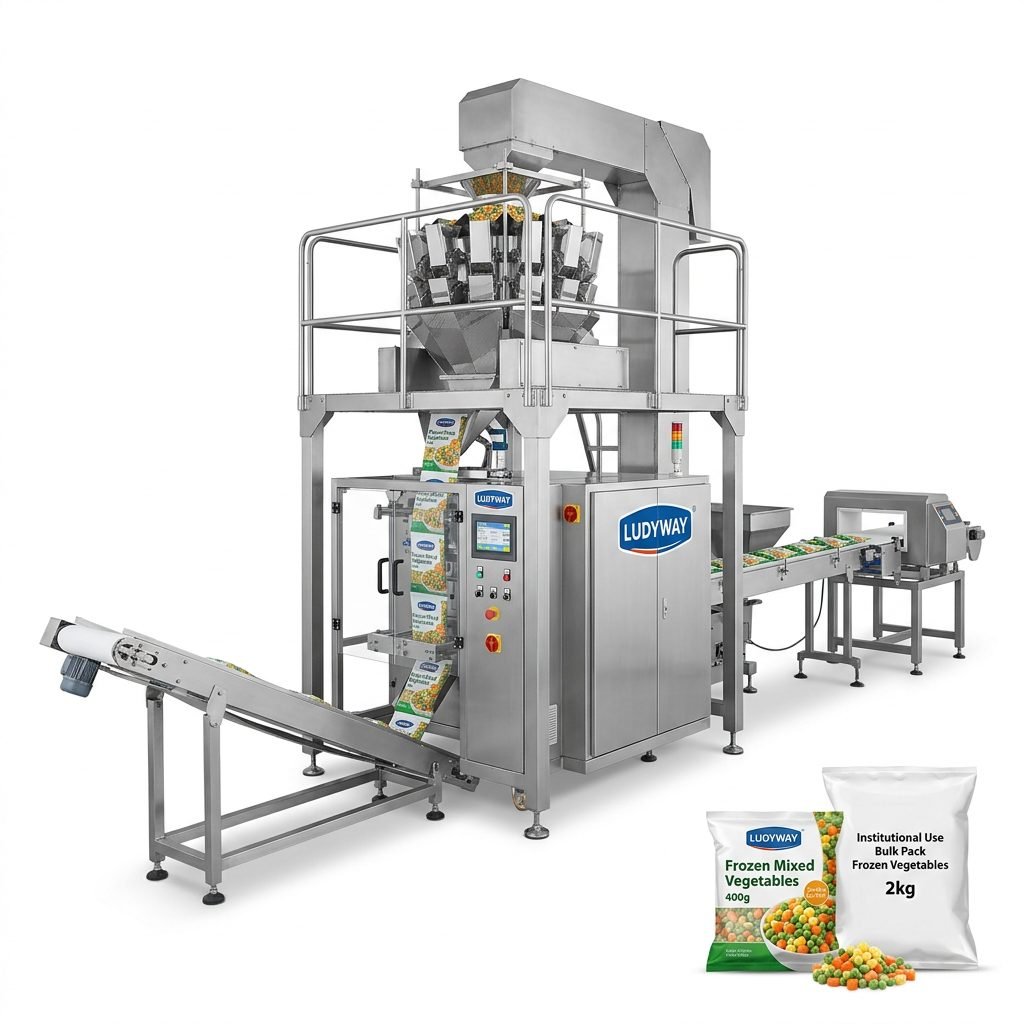
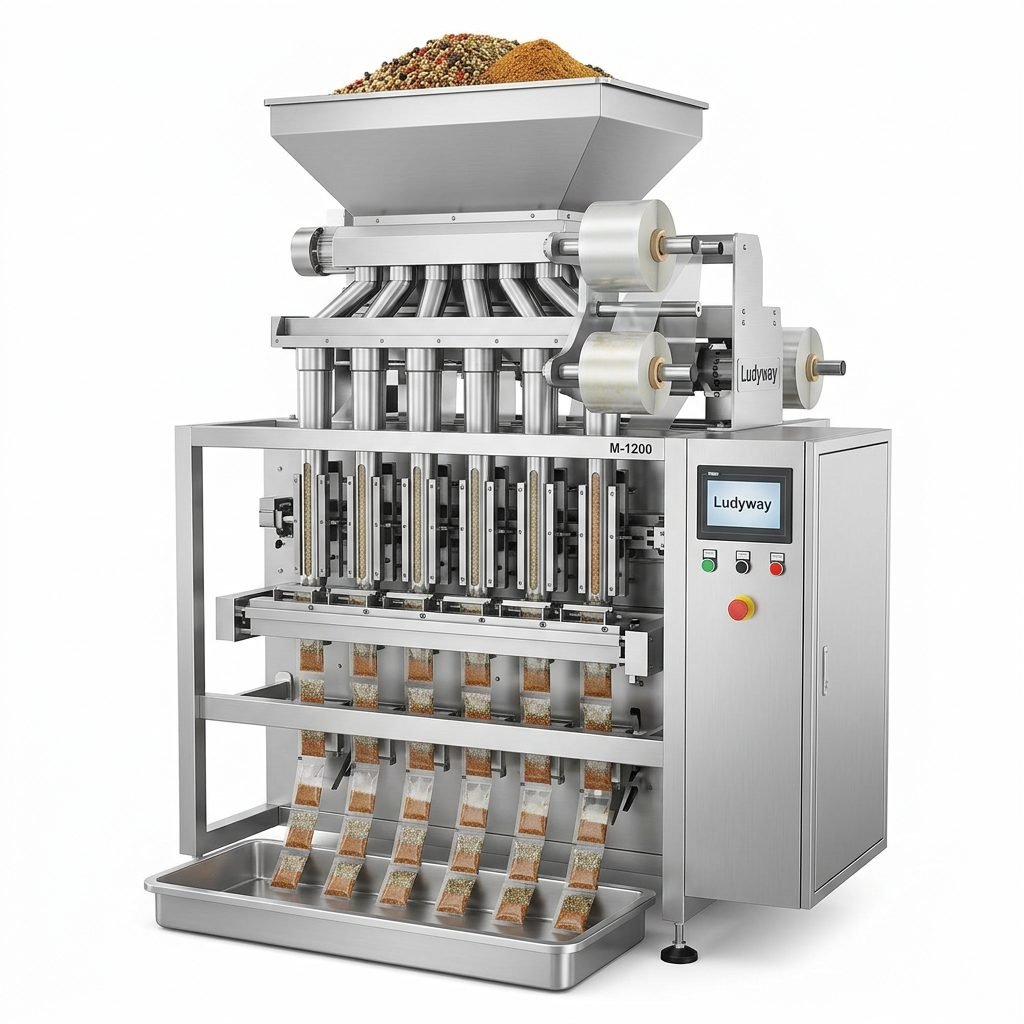
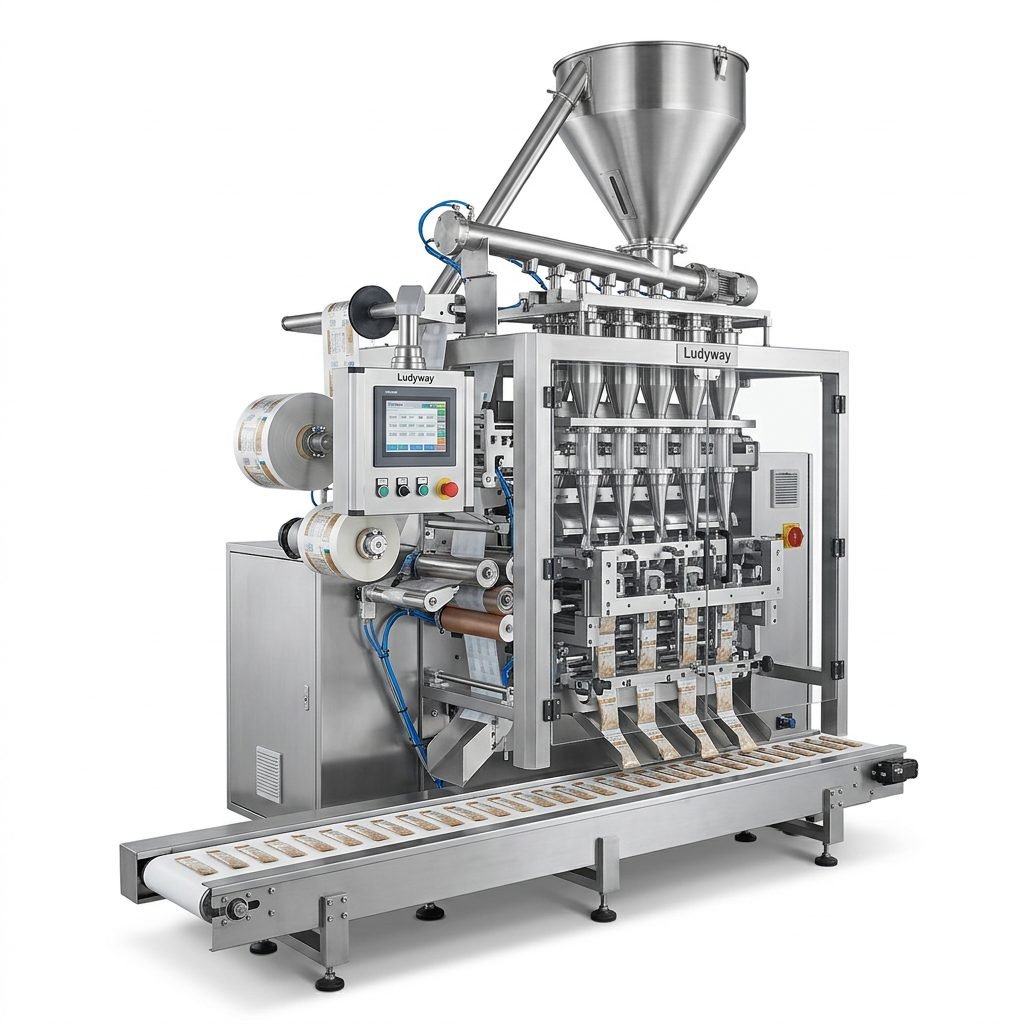
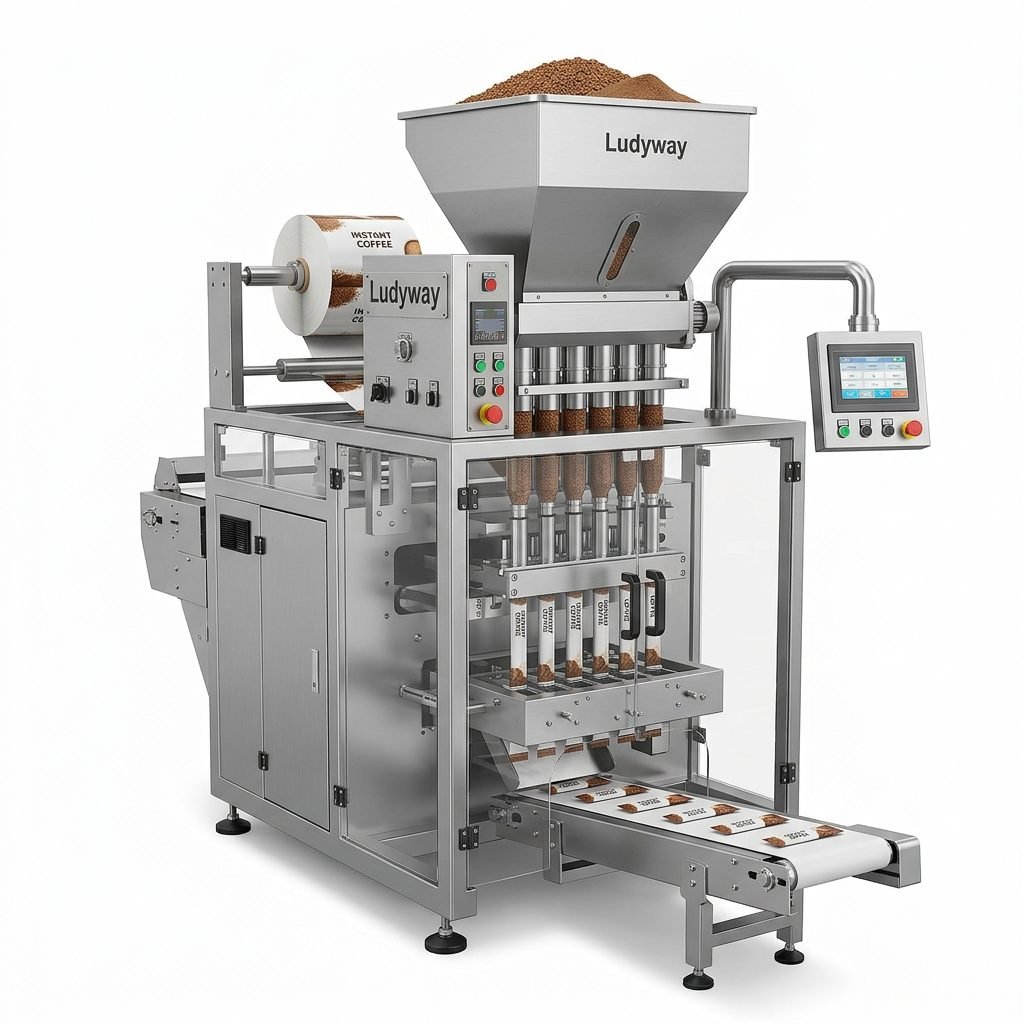
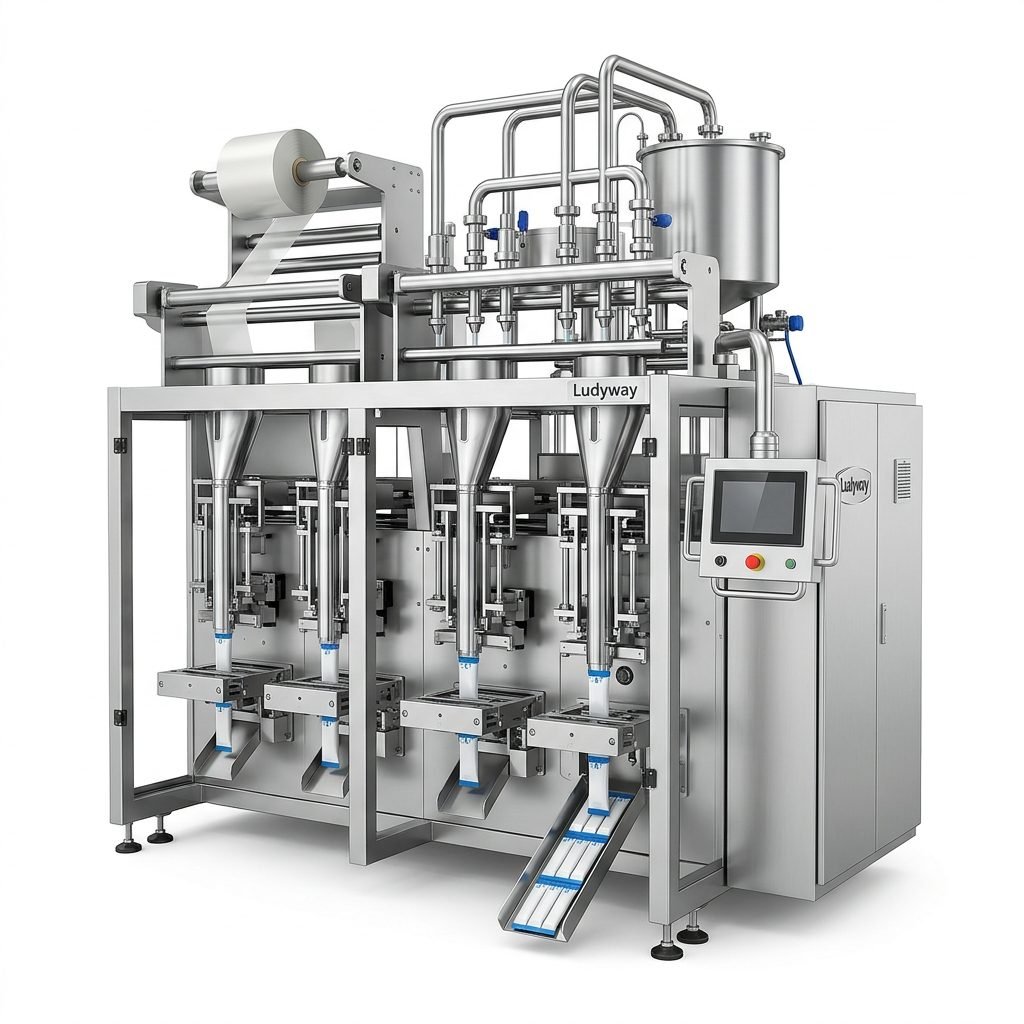
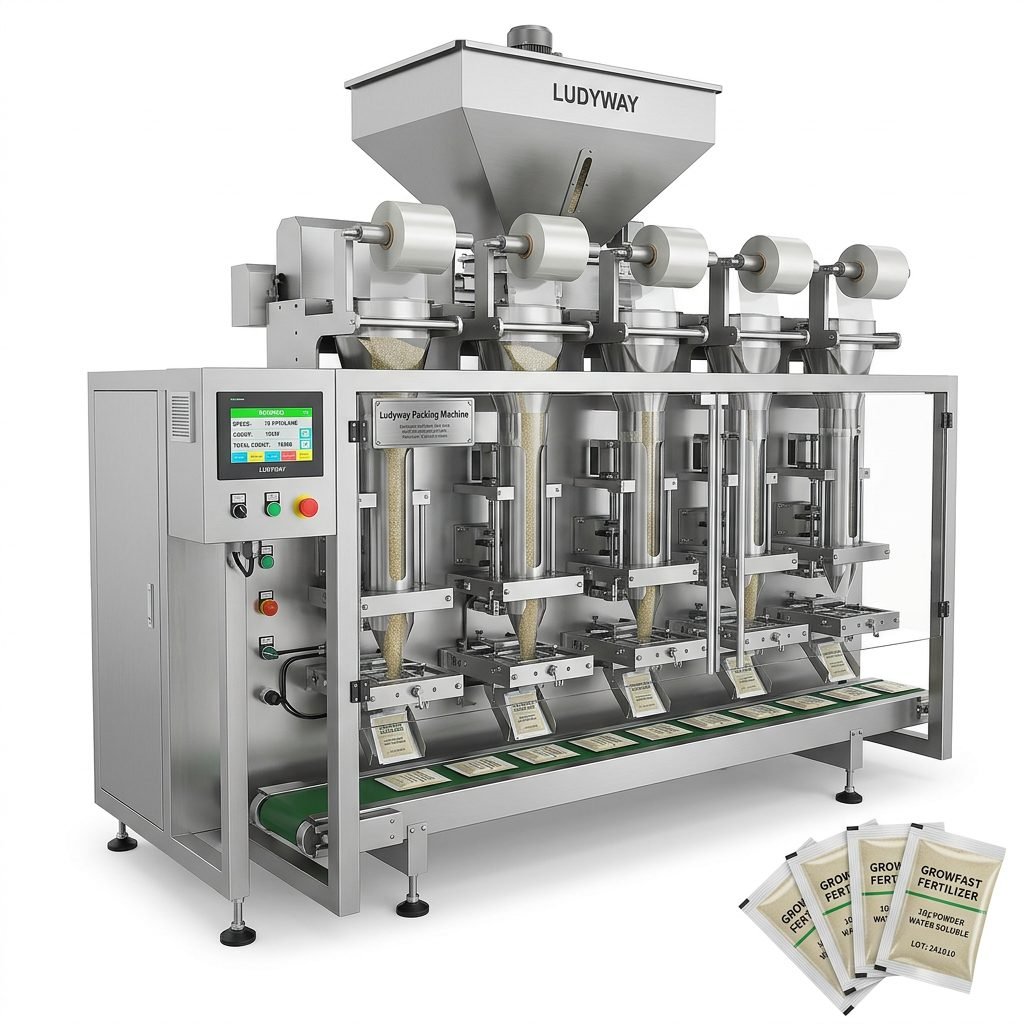
Selecting the right packaging machine for the chemical industry is a critical decision that directly impacts operational safety, production efficiency, and overall product integrity. Chemical products, ranging from powders and granules to viscous liquids and hazardous materials, present unique challenges that demand specialized packaging solutions. The consequences of choosing inadequate equipment can be severe, including contamination, product waste, safety incidents, and non-compliance with stringent global regulations.
Understanding the Unique Demands of Chemical Packaging
Unlike food or consumer goods, chemical packaging must address several high-stakes factors. The primary considerations are material compatibility, containment integrity, and operator safety. Machines must be constructed from materials resistant to corrosion and chemical attack, such as specific grades of stainless steel or coated components. Sealing systems must create hermetic barriers to prevent moisture ingress, oxidation, or the escape of volatile compounds. Furthermore, equipment design must minimize dust generation, contain spills, and often integrate with inert gas flushing systems to prevent explosive atmospheres or product degradation.
Key Point: The core principle is that the packaging machine is not just a filling device; it is an integral part of the product’s containment and safety lifecycle. Every component that contacts the product must be evaluated for chemical resistance and cleanability.
1. Material Compatibility and Construction
The machine’s construction materials are paramount. For most aggressive chemicals, 316L or higher-grade stainless steel is the standard for product contact parts due to its superior corrosion resistance. Non-contact frames may use powder-coated carbon steel. Critical components like seals, gaskets, and hoses must be made from compatible polymers such as PTFE (Teflon), EPDM, or Viton. Always request material compatibility charts from the manufacturer and consider conducting tests with your specific product.
2. Safety and Containment Features
Safety is non-negotiable. Look for machines with:
• Integrated dust collection and extraction ports at filling points.
• Explosion-proof (EX-rated) electrical components and motors for flammable powders or solvents.
• Containment sleeves or glove boxes for highly toxic or potent compounds.
• Emergency stop systems and safety interlocks on access panels.
• Compatibility with Nitrogen or Argon purging systems for oxygen-sensitive products.
3. Accuracy, Speed, and Flexibility
Weighing and filling accuracy directly affect your bottom line and compliance. For free-flowing powders, auger fillers with servo-driven technology offer high precision. For granules, multi-head weighers or cup fillers are efficient. Liquid chemicals may require piston, peristaltic, or mass flow meters. Consider your required output speed (bags/per minute) and whether you need quick changeover capabilities for different bag sizes or product types. A versatile machine can future-proof your investment.
4. Sealing Technology and Bag Integrity
The seal is the final barrier. For chemical bags, robust heat sealing is common, but the type matters. Impulse sealers work well for many laminates. For challenging materials or products that contaminate the seal area, hot air or ultrasonic sealing may be necessary. The machine should consistently produce seals that withstand transportation stresses and protect against moisture/vapor transmission. Testing seal strength as part of the validation process is crucial.
Step-by-Step Guide to Choosing Your Equipment
Step 1: Define Your Product and Packaging Specifications
List all characteristics: physical form (powder, granule, liquid), density, flowability, abrasiveness, hygroscopicity, and hazards (toxic, corrosive, flammable). Define your packaging format: bag type (stand-up pouch, flat pouch, woven bag), size range, and material structure (e.g., PET/AL/PE laminate).
Step 2: Assess Production Volume and Line Integration
Determine your required output (e.g., 50 bags/minute) and whether the machine will be a standalone unit or part of an automated line with upstream feeders and downstream palletizers. Consider floor space, utility requirements (power, compressed air, gas), and future scalability. Reviewing a supplier’s company profile and experience in integrated solutions is beneficial.
Step 3: Prioritize Safety and Regulatory Compliance
Identify all applicable regulations (OSHA, REACH, GHS, etc.). The machine must help you comply with labeling, containment, and worker exposure limits. Document the required safety features and ensure the manufacturer can provide the necessary risk assessments and compliance documentation.
Step 4: Evaluate Manufacturers and Request Trials
Shortlist suppliers with proven expertise in chemical packaging. Scrutinize their industry history and project portfolio. The most critical step is a factory acceptance test (FAT) or product trial. Ship your actual product to the manufacturer to run on the proposed machine. Test for accuracy, speed, dust control, seal quality, and cleanability.
Step 5: Consider Lifecycle Costs and Support
Look beyond the purchase price. Evaluate energy consumption, spare part costs, expected maintenance downtime, and the availability of local technical support. A reliable supplier with strong after-sales service and readily available spare parts minimizes total cost of ownership and production risks.
Final Recommendation for Decision-Makers
Investing in chemical packaging machinery is a strategic decision. Partner with a manufacturer that understands the intersection of engineering, chemistry, and safety. Opt for modular designs that allow for future upgrades. Never compromise on construction materials or critical safety features for a lower initial cost. A well-chosen machine becomes a cornerstone of safe, efficient, and compliant production for years to come, protecting your product, your people, and your brand reputation.
Frequently Asked Questions (FAQs)
Q1: What is the most important factor when choosing a chemical powder packaging machine?
A: Material compatibility and containment are paramount. The machine must be built from corrosion-resistant materials (like 316L stainless steel) and effectively control dust to ensure operator safety, product purity, and prevent cross-contamination or explosive atmospheres.
Q2: Can one machine handle both corrosive liquids and abrasive powders?
A: It is highly challenging. While some machines offer flexibility, the optimal material choices and sealing mechanisms often differ. Using one machine for both may lead to premature wear or contamination. It’s usually better to specify dedicated equipment for vastly different product types or plan for extensive, validated changeover procedures.
Q3: How do I ensure the packaging meets international hazardous material transport regulations?
A: The machine must produce consistent, leak-proof seals on UN-certified packaging materials. Work closely with your bag supplier and machine manufacturer. The equipment should facilitate proper filling, sealing, and often coding/check-weighing to verify that each package meets the prescribed performance standards (e.g., drop tests, stack pressure tests).
Q4: What level of automation is right for a mid-volume chemical producer?
A: Semi-automatic systems (manual bag placement, automatic filling/sealing) are cost-effective for lower volumes or multiple product lines. For mid-volume consistent production, a fully automatic system with automatic bag feeding, filling, sealing, and conveying significantly boosts output, reduces labor costs, and minimizes operator exposure to the product.
Q5: Why is a factory product trial so strongly recommended?
A: A trial with your actual product is the only way to verify real-world performance. It tests filling accuracy, material handling, dust generation, seal quality with your specific film, and cleanability. It de-risks the purchase by identifying any potential issues before the machine is installed in your facility.