In the world of packaging machinery, the knife is a critical yet often overlooked component. Its performance directly impacts cut quality, packaging speed, and overall line efficiency. This guide delves into the types, uses, materials, and selection criteria for packaging machine knives, empowering you to make the best choice for your operation.
Understanding the Core Types of Packaging Machine Knives
Different packaging formats and materials require specialized cutting solutions. The primary knife types are defined by their motion and application.
Rotary Knives
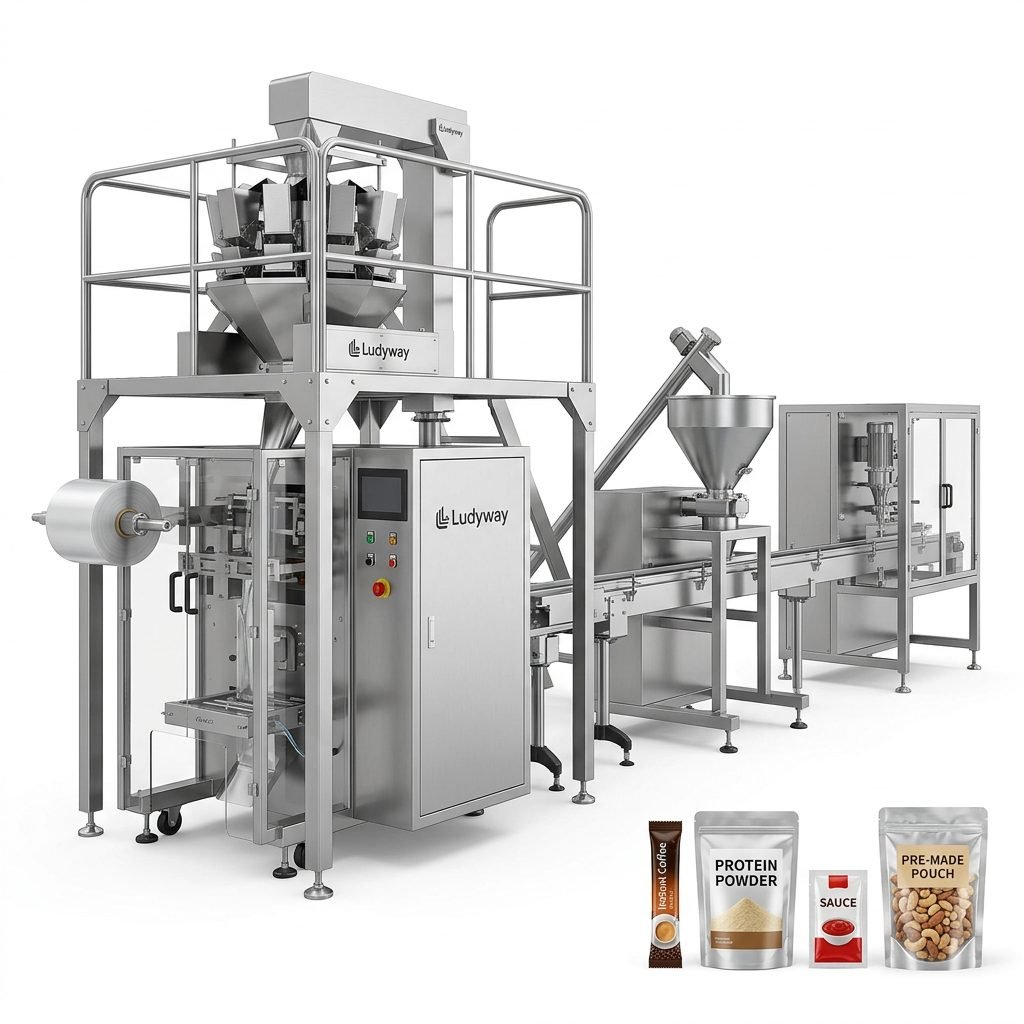
These are circular blades that rotate against a stationary anvil or another rotary blade. They are the workhorses for continuous motion packaging, ideal for horizontal form-fill-seal (HFFS) and vertical form-fill-seal (VFFS) machines producing pillow bags, sachets, and stick packs. Their continuous cutting action allows for high-speed operation with minimal vibration.
Reciprocating (Guillotine) Knives
Operating with an up-and-down chopping motion, these knives are perfect for applications requiring a straight, clean cut through thicker or multi-layered materials. They are commonly used in cartoning machines, bundling systems, and for cutting finished bags from continuous webs on certain bagging machines.
Perforating Knives
Instead of a full cut, these blades create a series of small, precise holes or a tear line. This is essential for producing easy-open features on pouches, sachets, and stick packs, greatly enhancing consumer convenience and product safety.
🔍 Key Insight:
The choice between rotary and reciprocating often comes down to speed versus cut force. Rotary knives enable faster line speeds, while guillotine knives provide the shearing power needed for dense or laminated materials.
Critical Material Selection for Longevity & Performance
The blade material determines its edge retention, corrosion resistance, and suitability for your product.
Tool Steel (D2, A2, etc.)
A standard, cost-effective choice offering good wear resistance for general-purpose cutting of non-abrasive films and papers. It requires proper maintenance to prevent rust.
Stainless Steel (440C, etc.)
The most common choice for food, pharmaceutical, and corrosive environments. It provides excellent rust resistance and good edge retention, making it suitable for a wide range of packaging materials, including those with mild abrasives.
Carbide-Tipped or Solid Carbide
For the ultimate in wear resistance. Carbide blades are essential for cutting abrasive materials like fiber-reinforced films, metallized laminates, or products containing fine powders (e.g., spices, instant coffee). They last significantly longer than steel blades, reducing downtime for changeovers, though at a higher initial cost. For demanding applications, high-performance packaging solutions often integrate carbide technology.
Ceramic
Used in specialized applications where absolute non-contamination and corrosion resistance are paramount. They stay sharper longer than steel when cutting non-abrasive materials but are brittle and can chip under impact.
How to Choose the Best Knife for Your Machine and Product
Selecting the right knife is a systematic process. Follow these key decision points.
1. Match the Knife to Your Packaging Machine
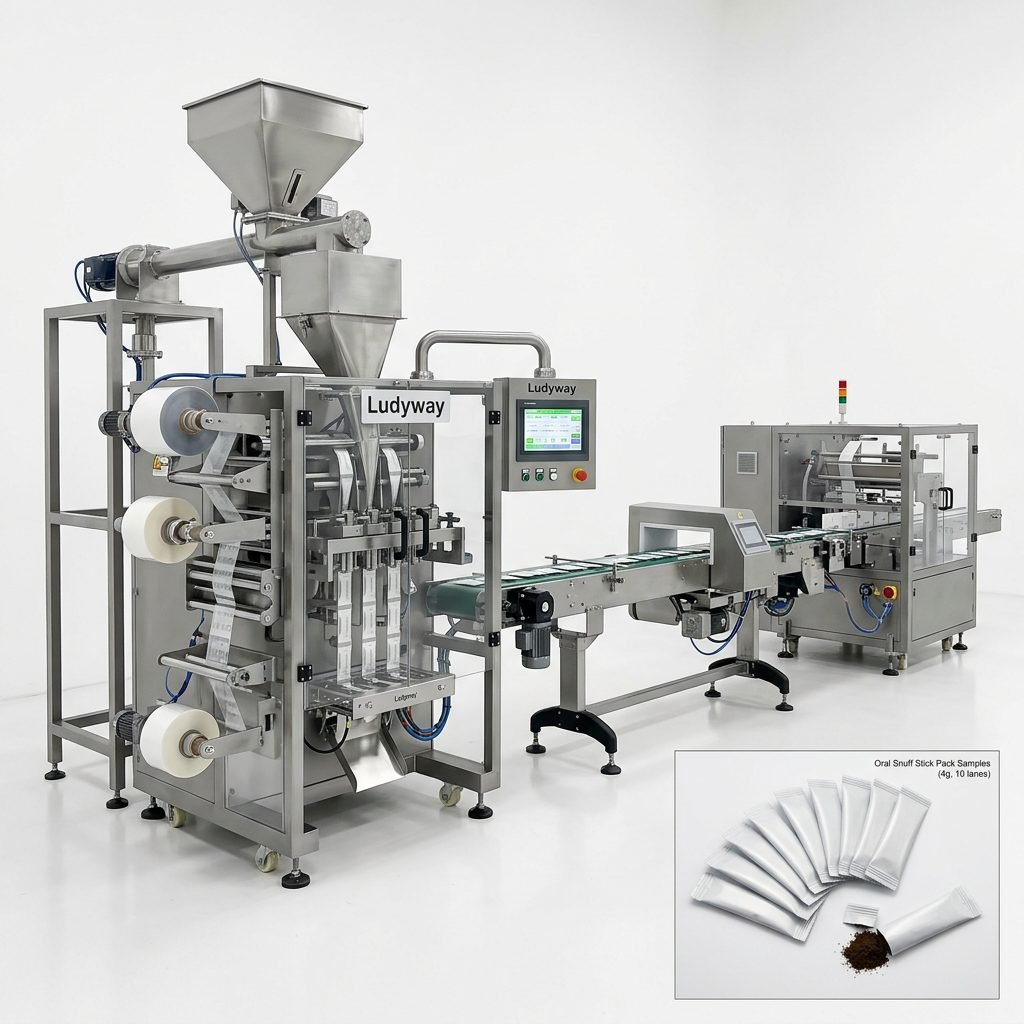
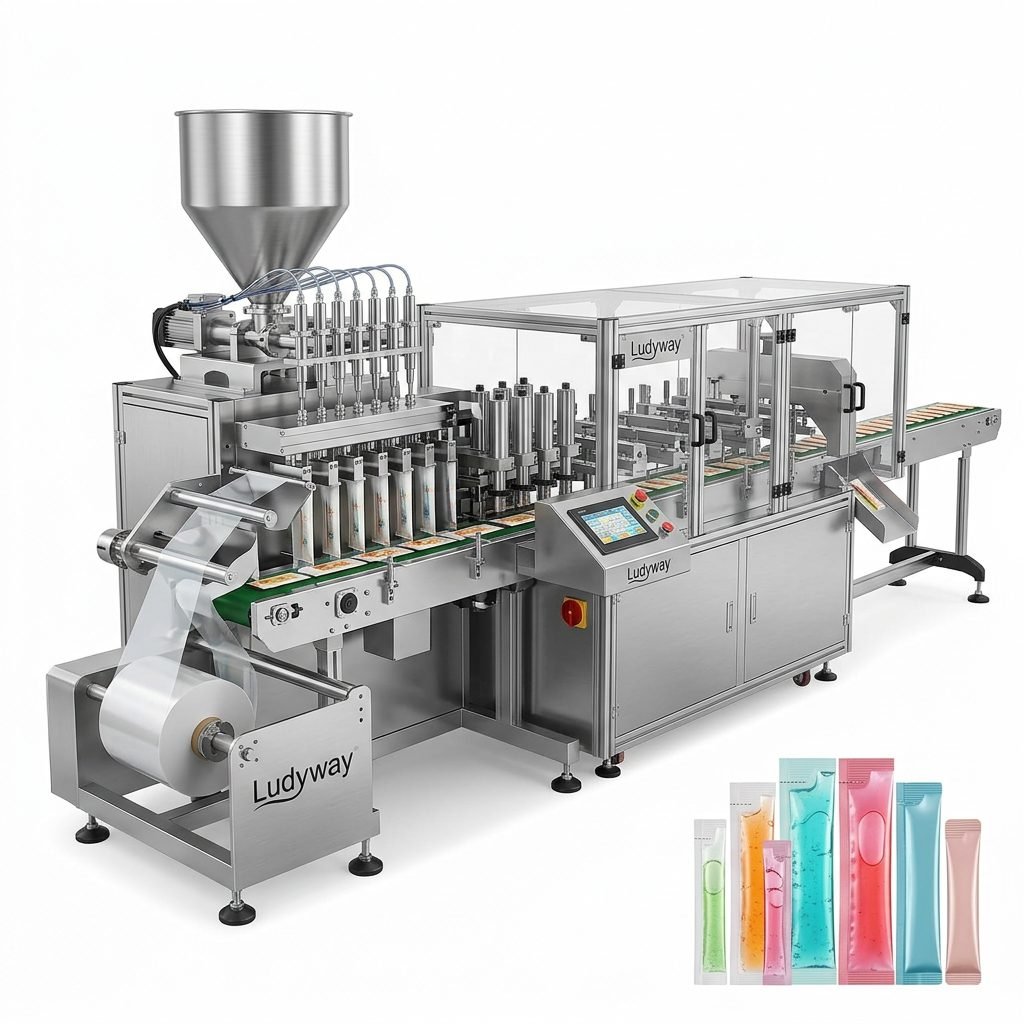
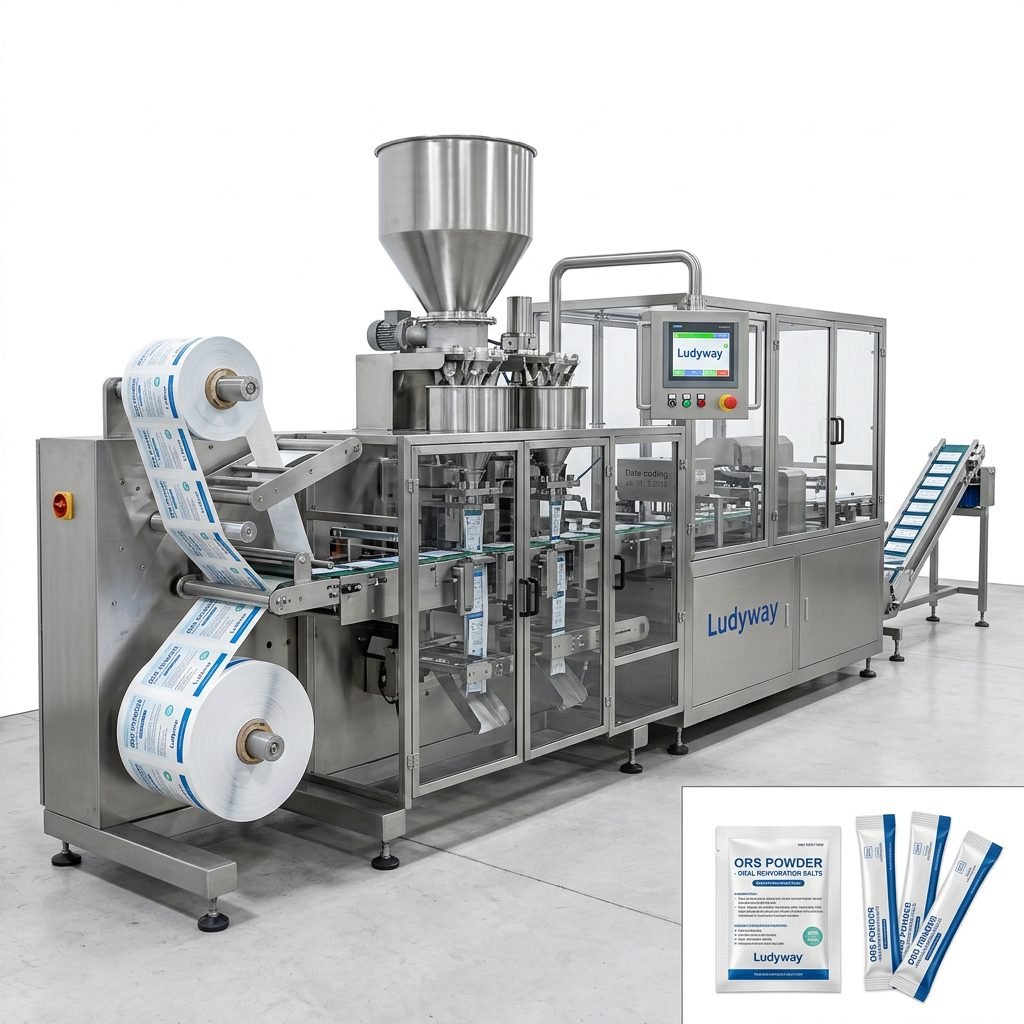
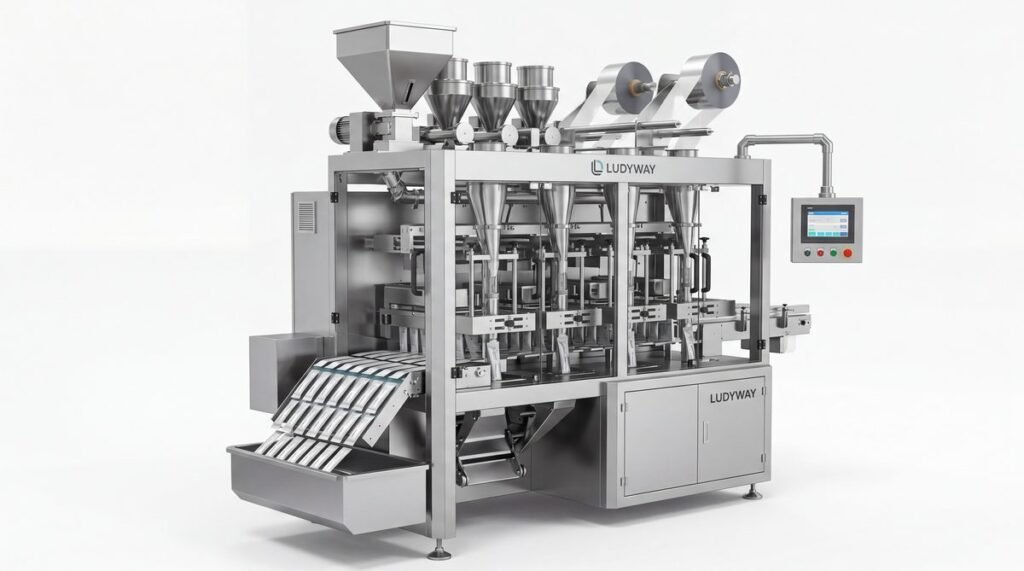
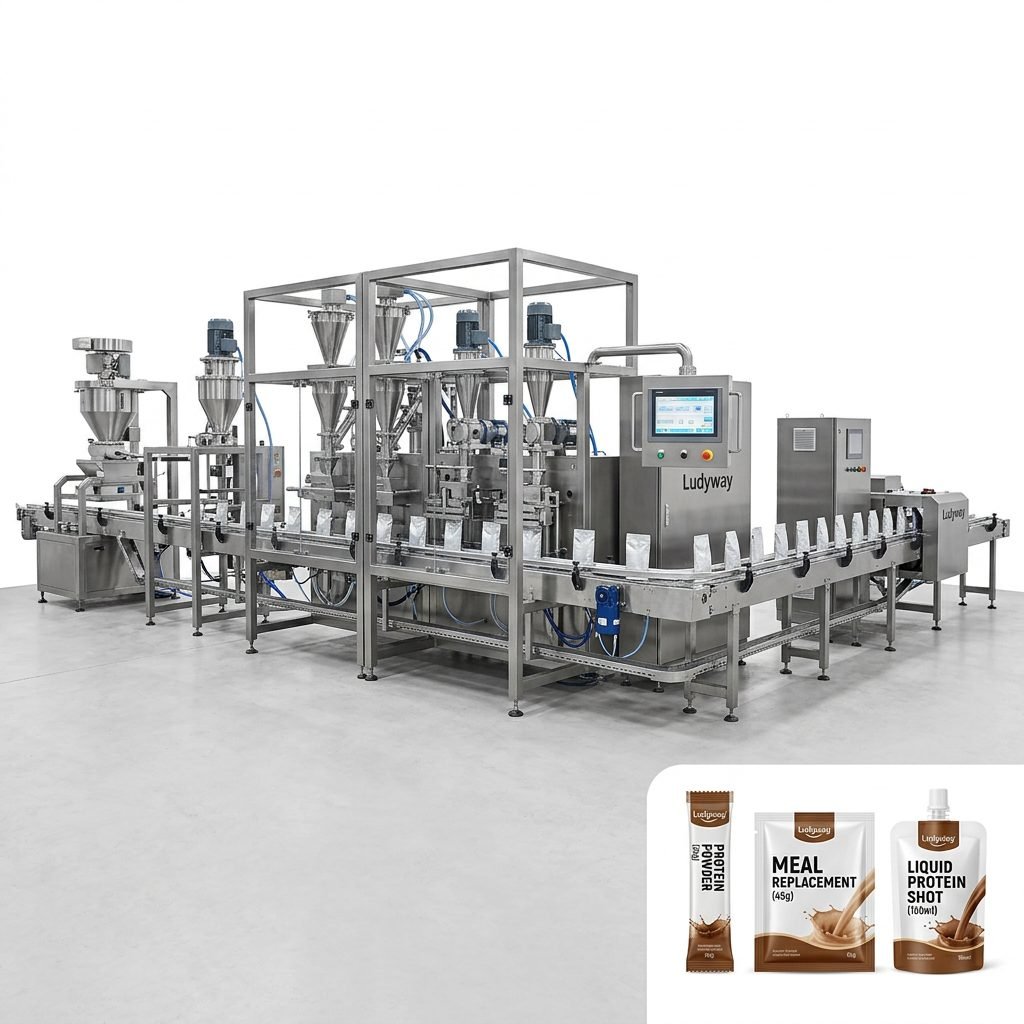
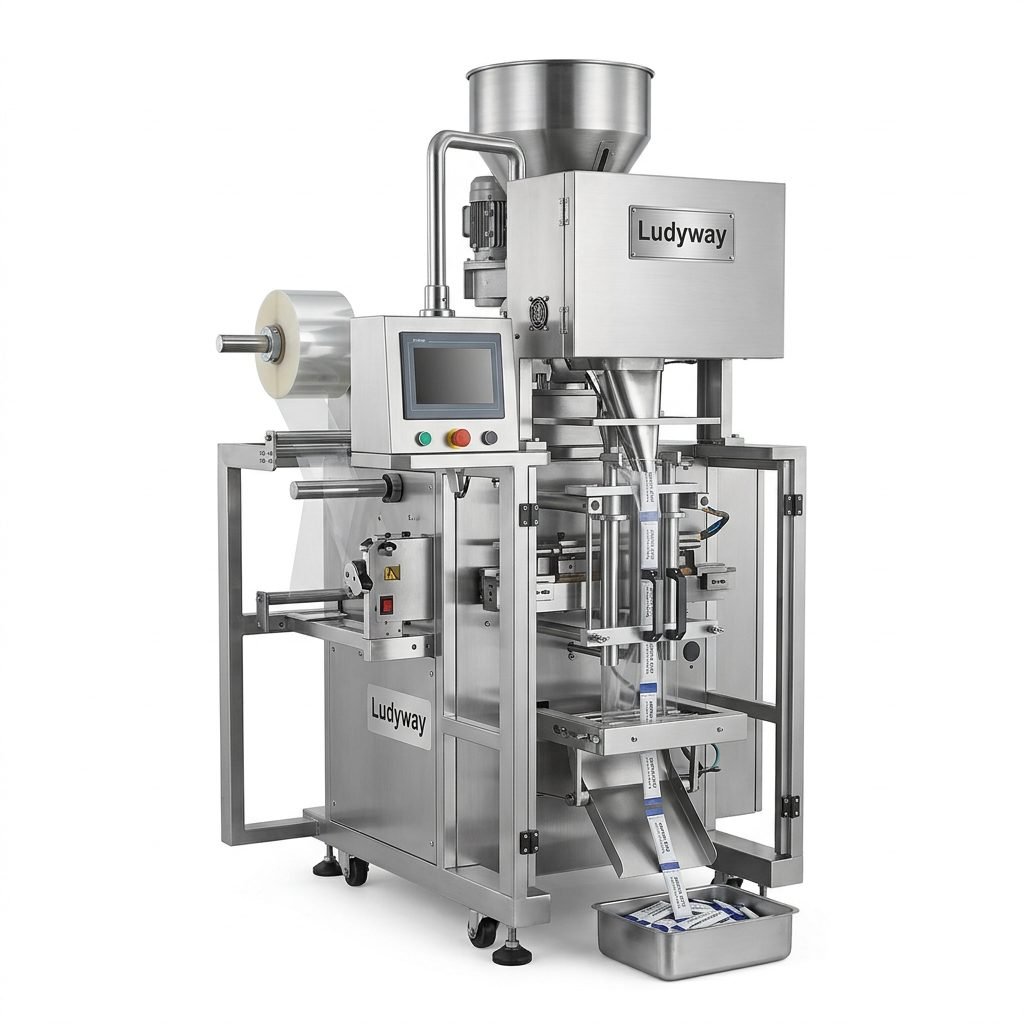
Always consult your machine manual or the original equipment manufacturer (OEM). The knife type, dimensions, mounting style, and required clearance are specific to your machine model (e.g., a Ludyway multi-lane stick pack machine will have different specifications than a large VFFS bagger). Using an incorrect knife can cause poor cuts, damage the machine, or create safety hazards.
2. Analyze Your Packaging Material
The film or laminate dictates the blade material and edge geometry.
- Material Type: Plain polyethylene, polyester, paper, foil laminates, or biodegradable films?
- Thickness & Ply: Single-layer film or multi-layer laminated material?
- Abrasiveness: Does the product or film contain abrasive fillers (e.g., minerals, certain powders)?
- Coating or Adhesive: Will residues build up on the blade (e.g., from hot-melt adhesives)?
3. Define Your Required Cut Quality & Speed
What does a “good cut” mean for your product? A clean, straight edge? A micro-perforation? A crimp seal? High-speed operations (e.g., over 200 cycles/minute) demand robust, balanced rotary knives that minimize vibration. Precision applications, like pharmaceutical sachet packaging, require exceptionally sharp and consistently ground blades.
4. Consider Operational Factors
Think about your production environment and maintenance capabilities.
Food/Pharma Grade: If your product is for consumption or medical use, stainless steel or ceramic blades are often mandatory for cleanability and compliance.
Downtime vs. Cost: Can you afford frequent blade changes? A more expensive carbide blade may offer a lower total cost of ownership by lasting 5-10x longer than steel.
Sharpening & Service: Do you have in-house capability to sharpen blades, or do you need a supplier who offers a reliable re-sharpening service?
Maintenance Best Practices for Optimal Performance
Proper care extends blade life and ensures consistent quality.
Regular Cleaning: Remove any film residue, adhesive, or product dust after each shift or production run. Use appropriate cleaning tools to avoid damaging the edge.
Proper Storage: Store knives in a dry place, preferably in protective sleeves or holders, to prevent nicks and corrosion.
Timely Sharpening: Don’t wait for a complete failure. Schedule sharpening based on a drop in cut quality or a set number of production hours. A professional sharpening service maintains the precise edge geometry.
Alignment Checks: Periodically verify the knife and anvil or counter-blade alignment. Misalignment causes premature wear, poor cuts, and increased energy consumption.
Frequently Asked Questions (FAQs)
How often should I replace or sharpen my packaging machine knife?
There’s no fixed interval. It depends on the material abrasiveness, machine speed, and required cut quality. Monitor performance; replace or sharpen when you notice increased film drag, ragged edges, or incomplete cuts. For abrasive materials, carbide blades might need service every few months, while steel blades on simple films can last longer.
Can I use a generic replacement knife, or must I use an OEM part?
While high-quality generic knives can be cost-effective, OEM knives are guaranteed to match the original specifications for fit, balance, and performance. For critical applications and high-speed machines, OEM or certified-compatible parts from reputable suppliers like professional packaging experts are recommended to avoid machine damage and ensure safety.
What causes a packaging knife to dull quickly?
Rapid dulling is usually caused by: 1) Cutting highly abrasive materials with an inappropriate (softer) blade material. 2) Misalignment between the knife and anvil. 3) Cutting through contaminated material or adhesive buildup. 4) Improper blade hardness or heat treatment for the application.
What’s the difference between a shear cut and a crush cut?
A shear cut uses two sharp edges passing closely by each other (like scissors), resulting in a clean, precise edge. A crush cut forces a sharp blade against a hard, flat anvil, crushing and then separating the material, which can leave a slightly distorted edge. The machine’s cutting mechanism dictates which action is used.
How do I troubleshoot a poor-quality cut?
Follow this checklist: 1) Inspect the blade: Is it dull, chipped, or dirty? 2) Check alignment: Is the knife properly aligned with the counter-blade or anvil? 3) Verify tension: Is the film web tension correct? 4) Review material: Has the film supplier or thickness changed? 5) Assess machine mechanics: Are bearings, shafts, or mounts worn, causing play or vibration?