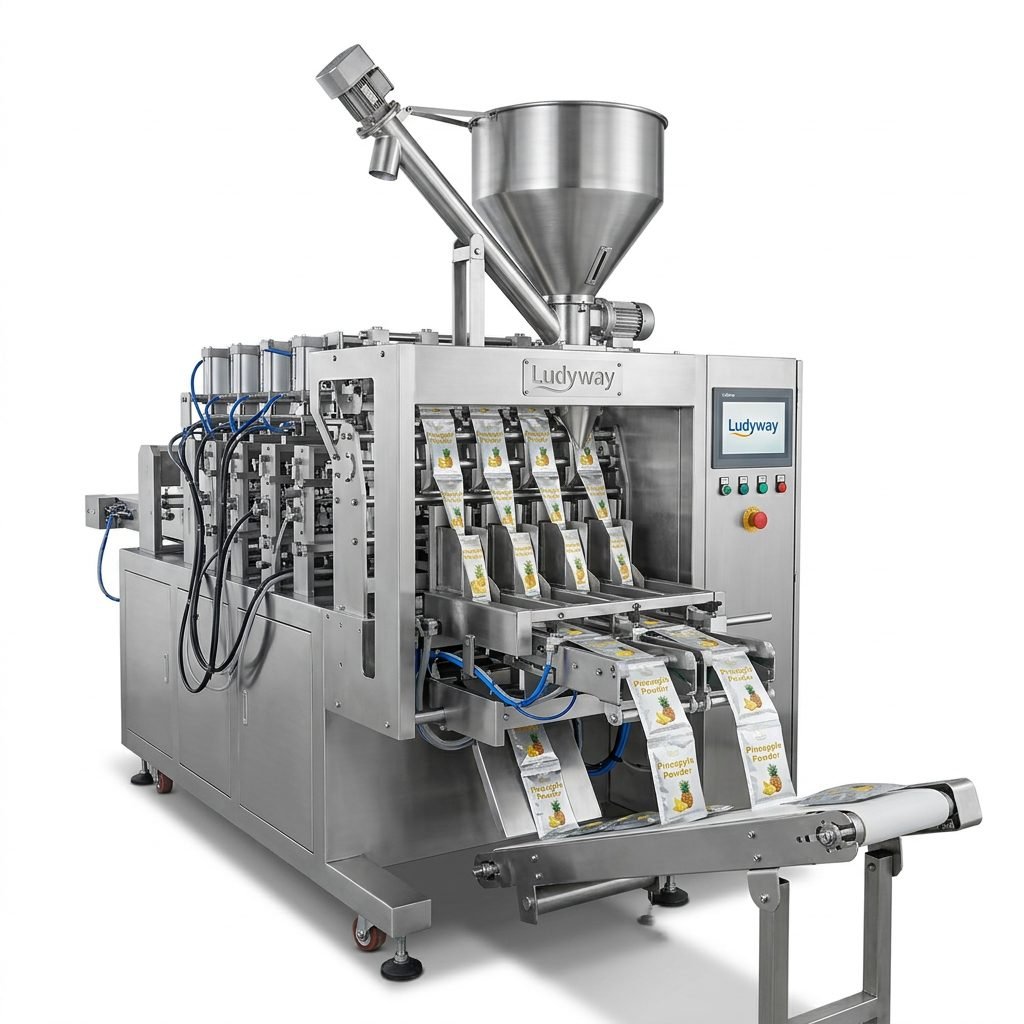
Selecting the right blister packaging machine manufacturer is a critical decision that impacts production efficiency, product quality, and long-term operational costs. The market offers a wide range of suppliers, from global giants to specialized niche players, making the choice complex. This guide will explore the landscape of top manufacturers and provide a detailed framework to help you choose the ideal supplier for your specific needs.
Understanding the Blister Packaging Machine Market
Blister packaging is a versatile solution used extensively in pharmaceuticals, consumer goods, electronics, and food industries. The machines that create these packages vary significantly in speed, automation level, and customization capabilities. The manufacturer you select will determine not just the machine’s performance but also the support you receive throughout its lifecycle.
Key Industry Segments Served
Leading manufacturers often specialize in or have strong divisions for:
- Pharmaceutical: Machines must comply with strict regulations (e.g., cGMP, FDA standards) and often include features for serialization and track & trace.
- Consumer Goods: Focus on high-speed, cost-effective packaging for items like batteries, razors, and small hardware.
- Food & Confectionery: Require food-grade materials and designs that emphasize product visibility and appeal.
- Industrial: For packaging electronic components, tools, or parts, often needing robust and precise handling.
Evaluating Top-Tier Manufacturers: What Sets Them Apart?
While many companies produce blister pack machines, the leading players distinguish themselves through several core competencies. It’s not just about the machine’s price tag.
1. Engineering Expertise and Innovation
Top manufacturers invest heavily in R&D. Look for companies with a documented history of innovation, such as developing machines with higher speeds, improved changeover systems, or integration with Industry 4.0 and IoT platforms for smart monitoring. A strong engineering team is crucial for solving unique packaging challenges.
2. Build Quality and Component Sourcing
The longevity and reliability of a machine depend on its construction. Premier suppliers use high-grade materials (e.g., stainless steel for contact parts) and source critical components like PLCs, servos, and drives from reputable brands (e.g., Siemens, Bosch, Allen-Bradley). This ensures precision, durability, and easier maintenance.
3. Regulatory Compliance and Certification
For industries like pharmaceuticals, this is non-negotiable. Leading manufacturers have deep experience navigating global standards. Their machines are designed and documented to meet regulatory requirements from the outset, saving you immense validation time and effort. Certifications like CE for Europe are a basic expectation.
4. After-Sales Support and Service Network
The relationship begins after the sale. The best suppliers offer comprehensive support: installation supervision, thorough operator training, readily available spare parts, and responsive technical service—either through a global network of agents or direct service engineers. Proactive remote diagnostics is becoming a key differentiator.
Case in Point: The Value of a Reliable Partner
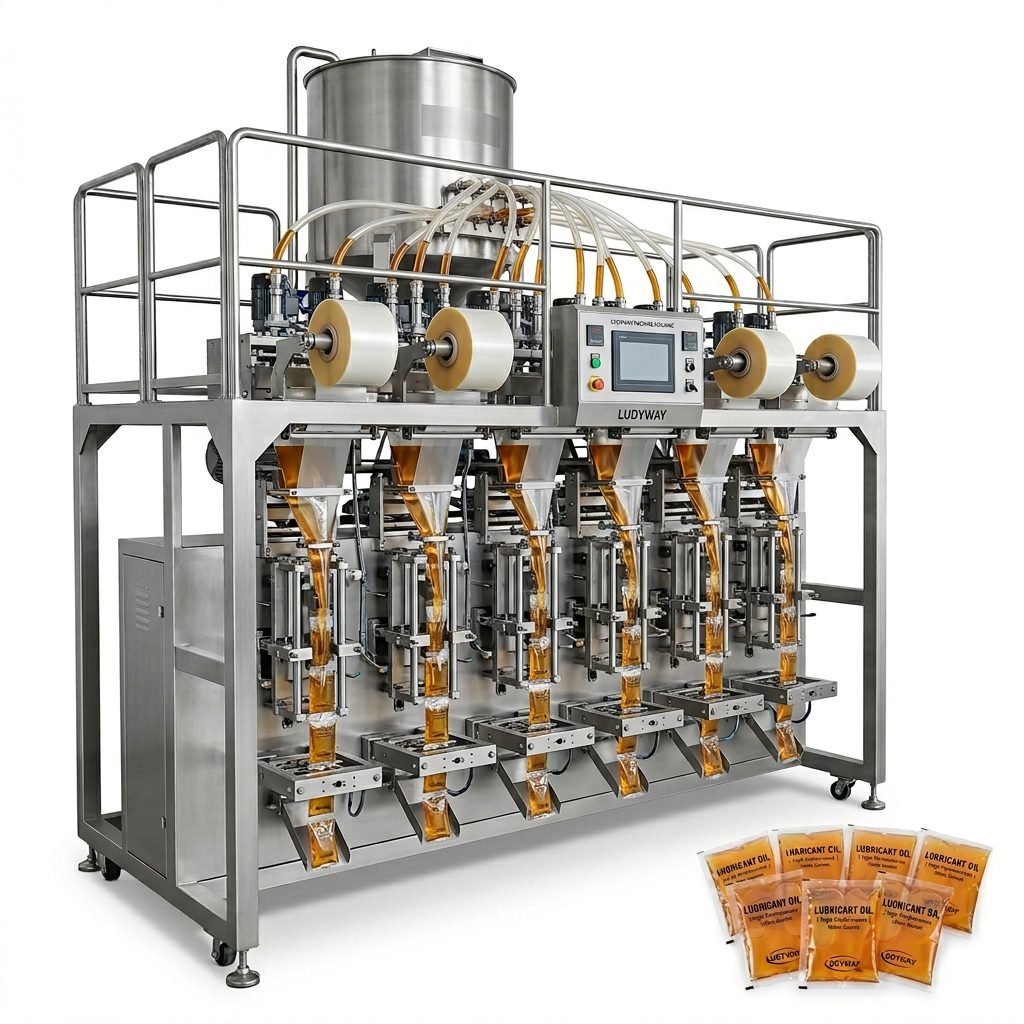
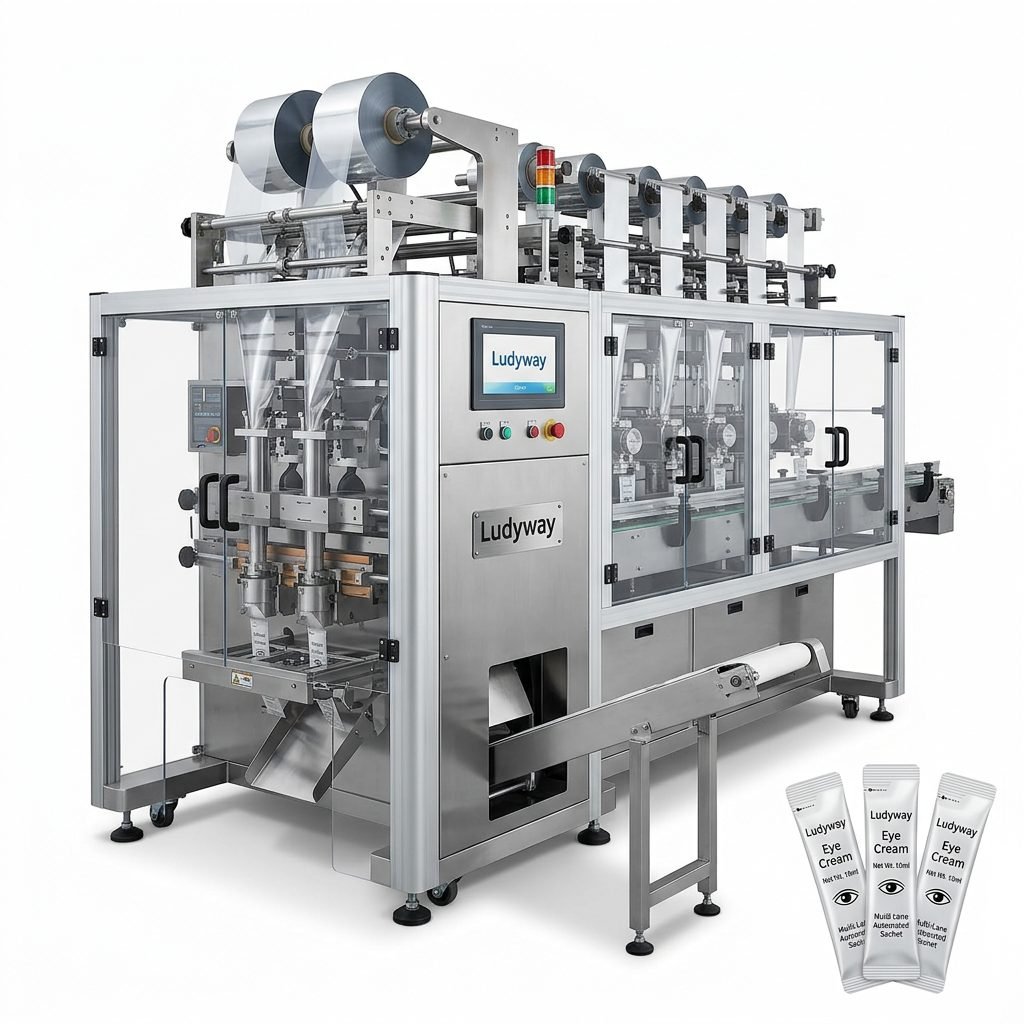
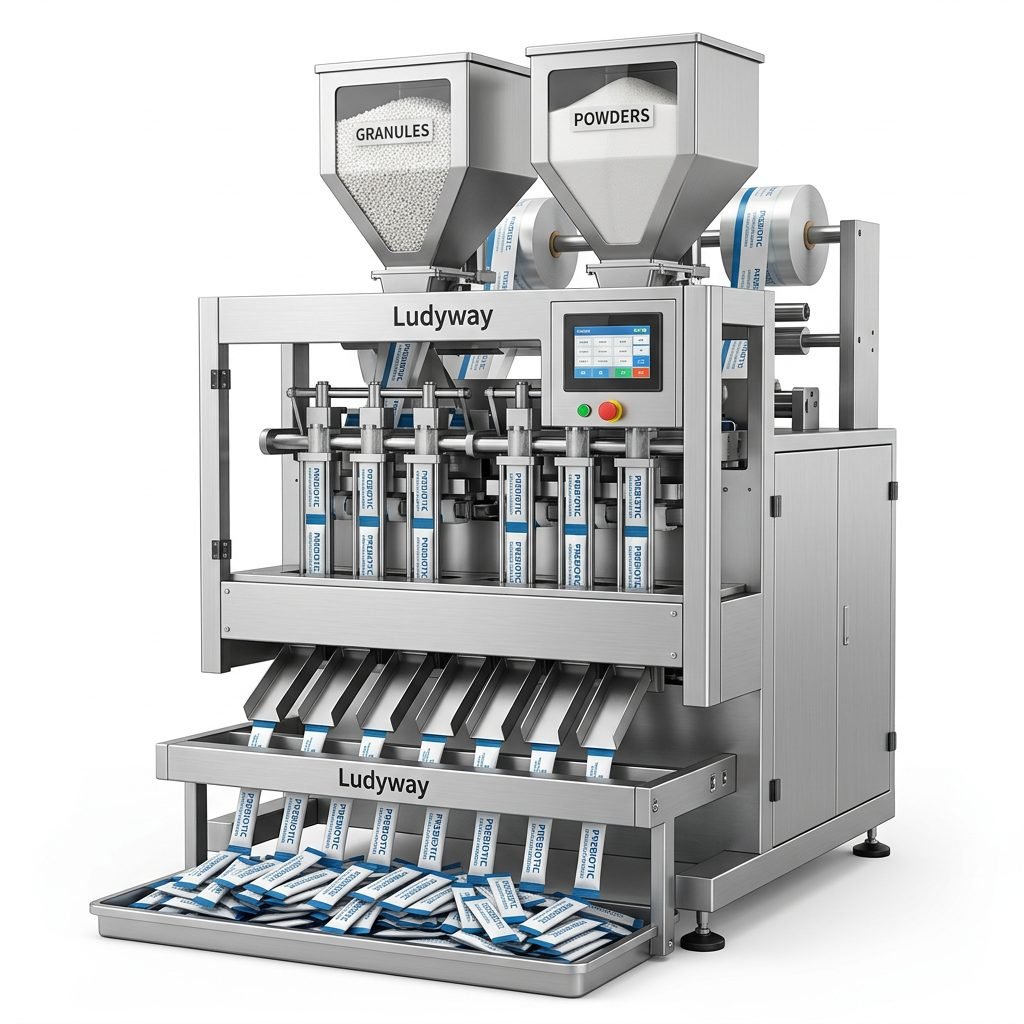
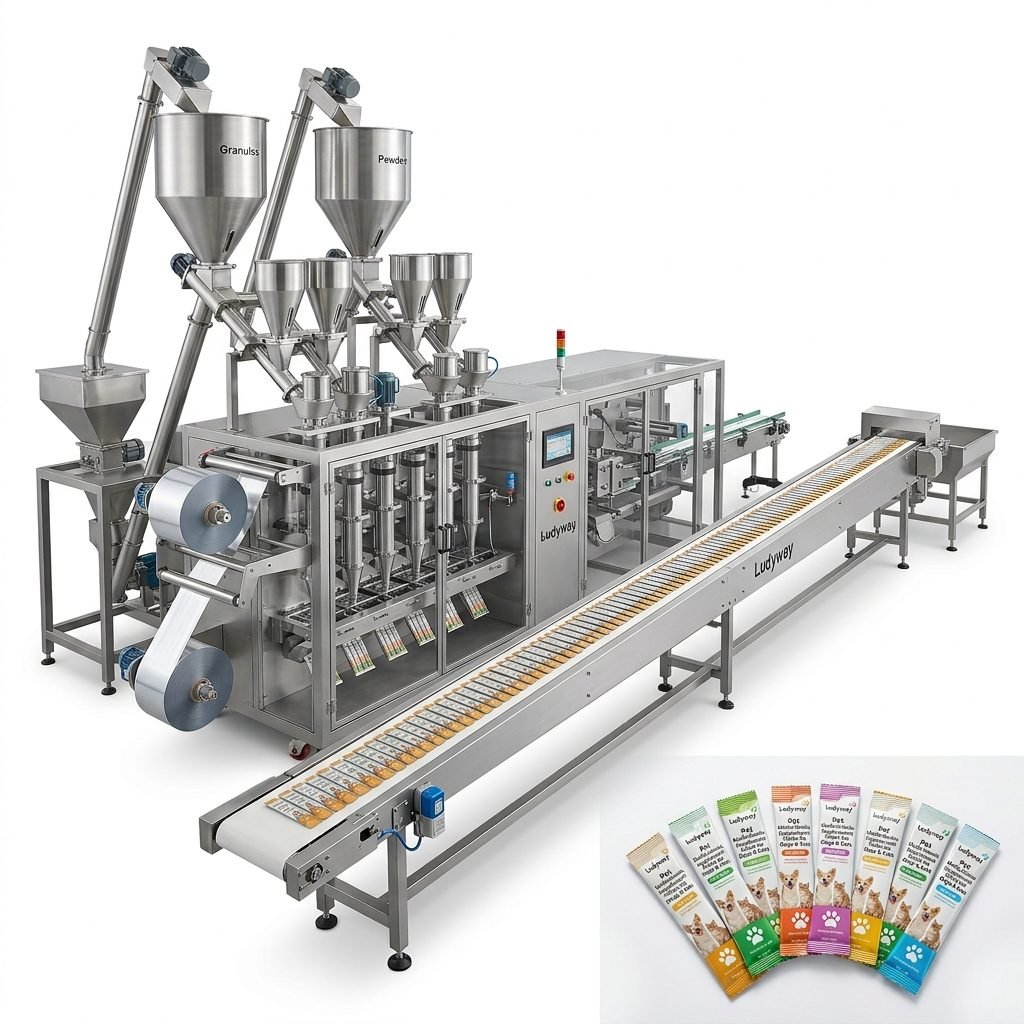
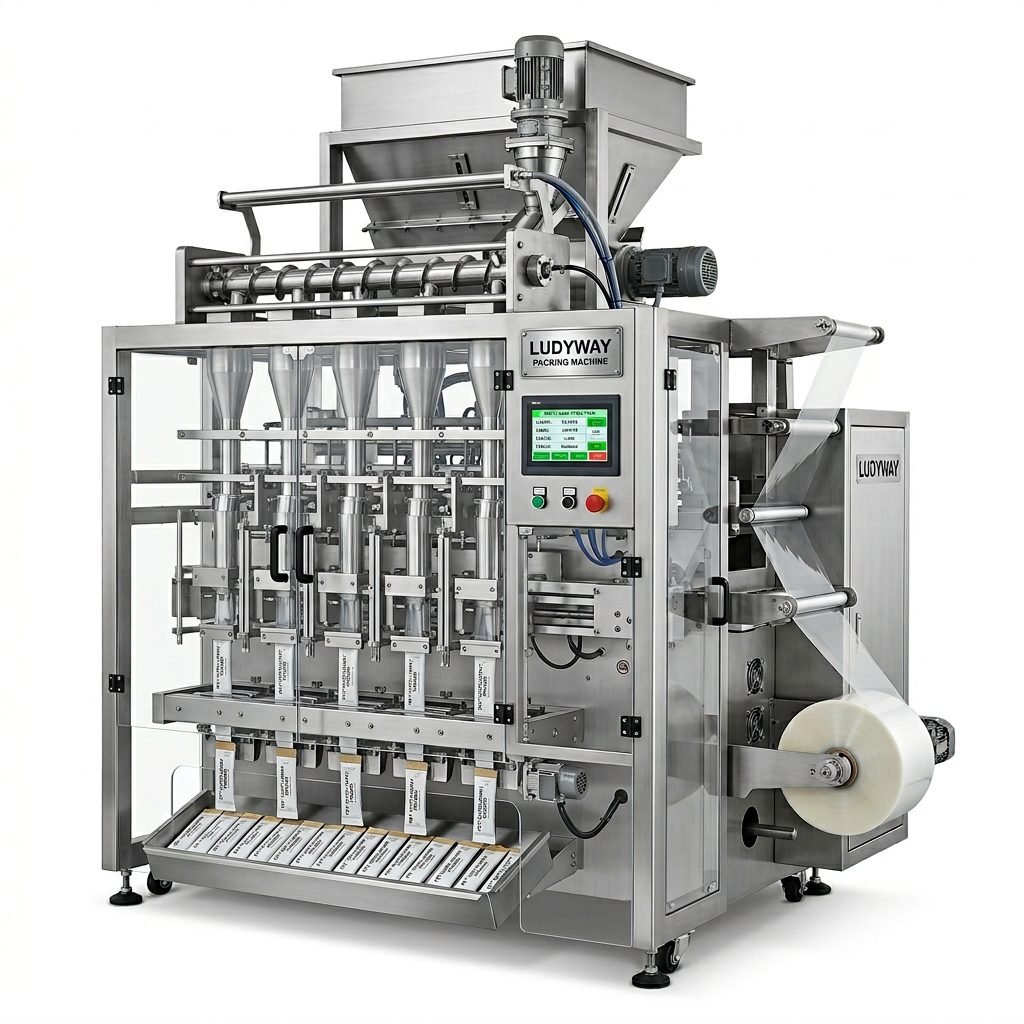
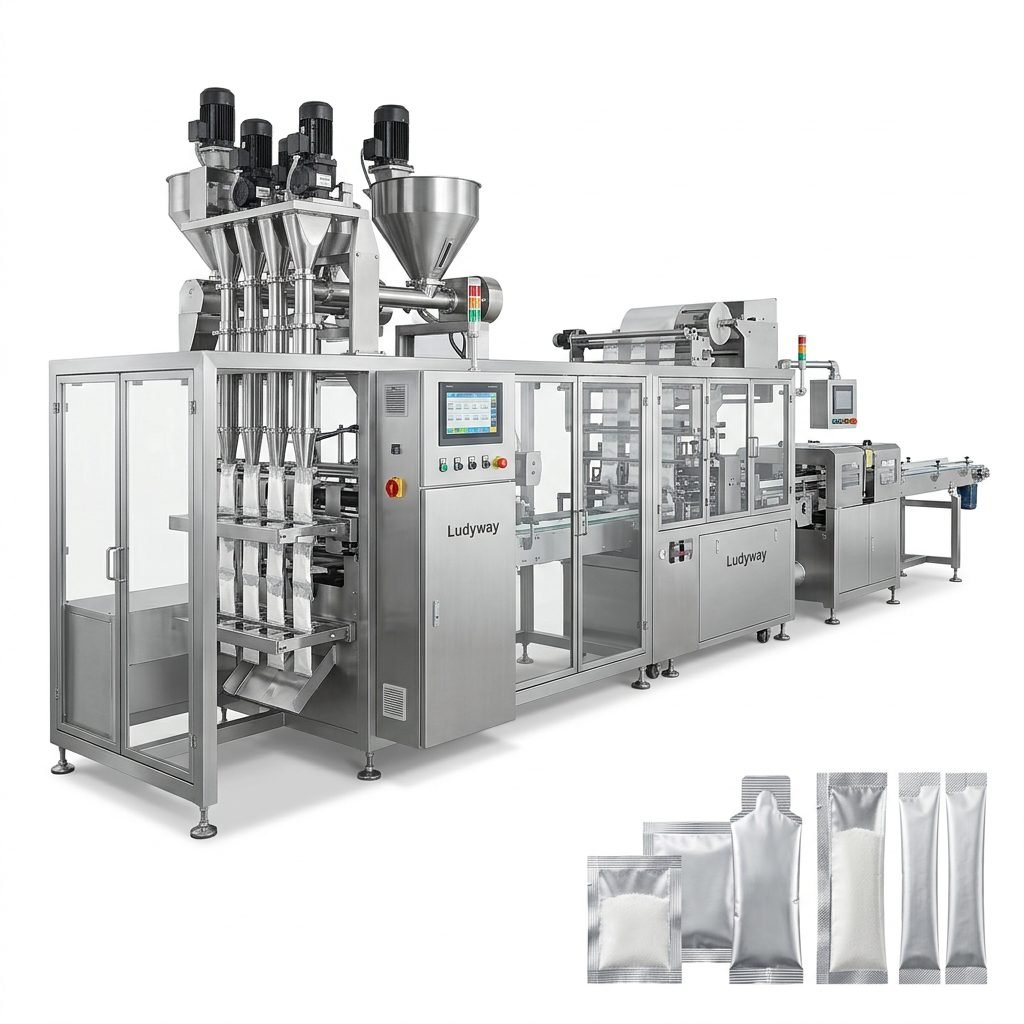
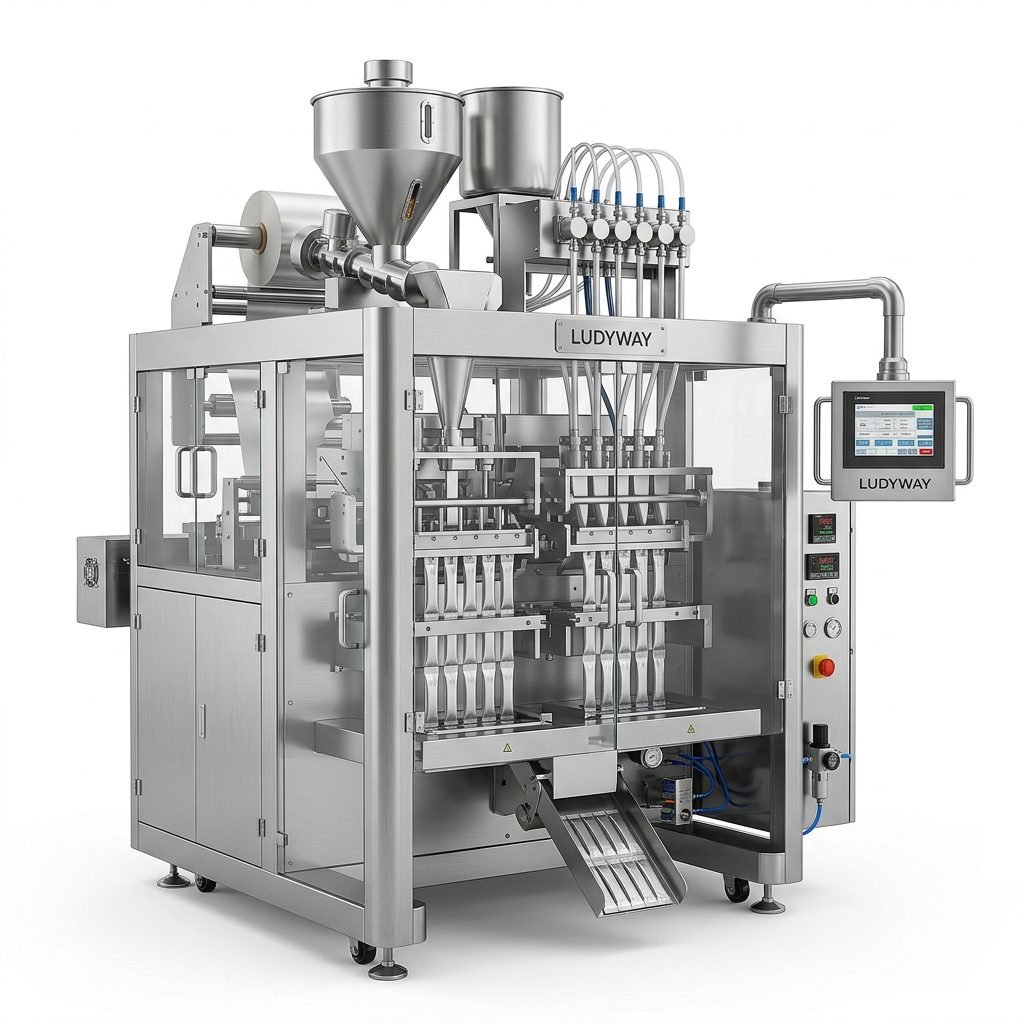
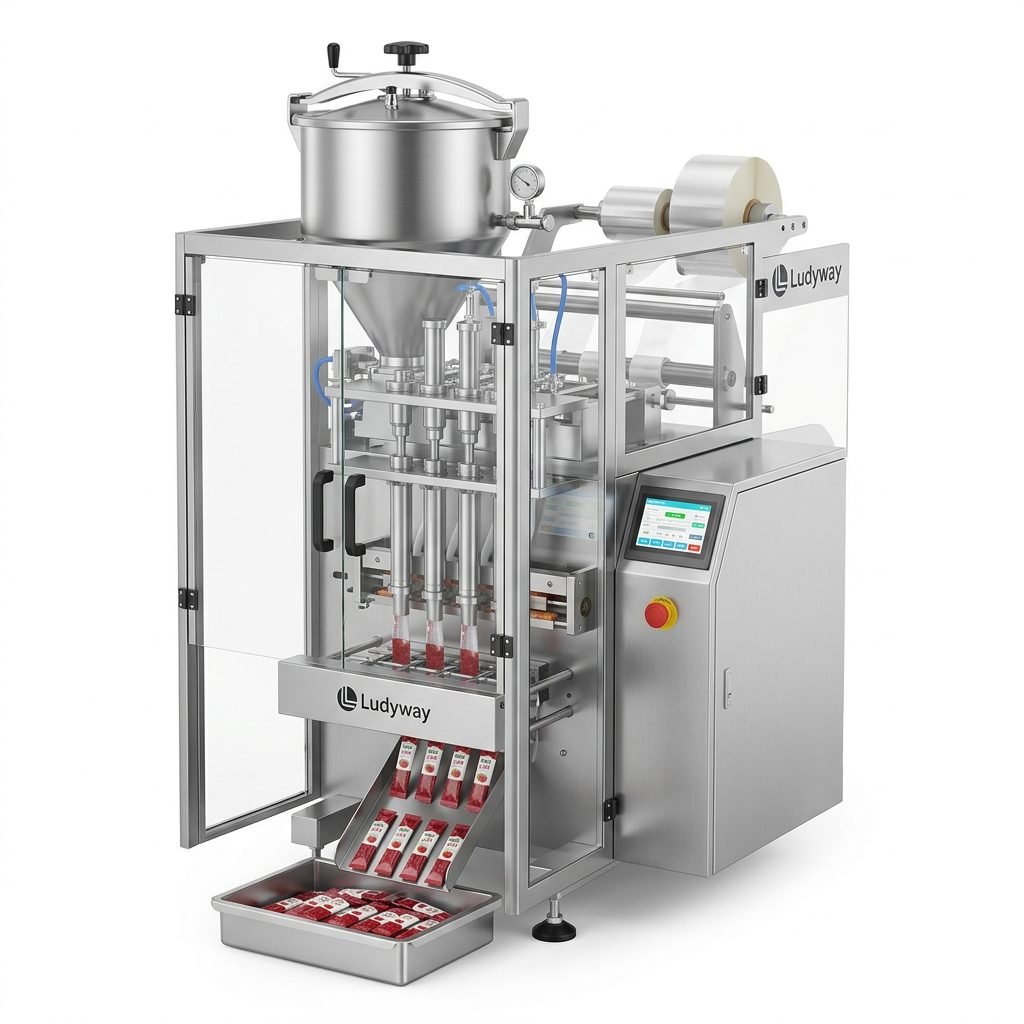
Consider a company like Ludyway Packing Machine. Founded in 2010 with a vision for reliable global solutions, it exemplifies how specialized suppliers compete. With over 30 years of collective industry experience and a modern 20,000㎡ facility supporting its engineering, it offers a portfolio of 50+ intelligent packaging machine models. Their growth from a focused engineering team to an international supplier underscores the importance of practical experience, strong manufacturing partnerships, and a commitment to long-term customer collaboration—factors as vital as the machinery itself.
A Step-by-Step Framework for Choosing Your Supplier
Use this actionable checklist to systematically evaluate potential blister packaging machine manufacturers.
Step 1: Define Your Exact Requirements
Before contacting suppliers, be specific about:
- Product Details: Size, shape, material (PVC, Aclar, foil), and required output speed (packs per minute).
- Line Integration: Will the blister machine need to connect with cartoners, labelers, or serialization equipment? Explore turnkey solutions if needed.
- Future-Proofing: Consider potential new products or formats in the next 5-7 years.
Step 2: Research and Create a Shortlist
Gather names from industry trade shows (like Interpack or PACK EXPO), professional publications, and peer recommendations. Visit their websites and review their case studies, focusing on projects similar to yours.
Step 3: Conduct In-Depth Technical & Commercial Discussions
Engage with shortlisted suppliers. Request a detailed proposal that includes:
✓ Machine specifications and layout drawings.
✓ A clear total cost of ownership (purchase price, installation, expected maintenance).
✓ Delivery timeline and warranty terms.
✓ List of recommended spare parts.
Step 4: Evaluate Manufacturing and Support Capabilities
This step is critical. If possible:
- Request a Factory Audit: Visit their production facility. Assess their quality control processes, workshop organization, and engineering team.
- Ask for References: Contact their existing customers, especially those in your region or industry.
- Test with Your Product: Arrange a live or video-recorded production test using your actual materials. This reveals machine performance better than any brochure.
Step 5: Final Negotiation and Contract Review
Ensure the contract clearly defines performance guarantees (e.g., speed, efficiency rate), acceptance criteria, payment terms linked to milestones, and intellectual property rights for any custom tooling or software. Clarity here prevents future disputes.
Common Pitfalls to Avoid
Pitfall 1: Choosing Based on Price Alone. The cheapest machine often has the highest lifetime cost due to downtime, poor efficiency, and expensive repairs.
Pitfall 2: Overlooking Total Cost of Ownership (TCO). Factor in energy consumption, required operator skill level, spare parts cost and availability, and potential upgrade costs.
Pitfall 3: Neglecting the “Service Fit”. A manufacturer with a great machine but no local support can become a major liability. Ensure their service and support model aligns with your operational needs.
Frequently Asked Questions (FAQs)
1. What is the typical lead time for a new blister packaging machine?
Lead times can vary from 4 to 9 months, depending on the machine’s complexity, customization level, and the manufacturer’s current order book. Standard models are faster, while fully customized or high-speed pharmaceutical lines take longer. Always get a confirmed timeline in writing.
2. How do I ensure the machine meets regulatory standards for my market?
Explicitly state your target market (e.g., USA, EU, ASEAN) and required standards (FDA, CE, etc.) during the initial inquiry. Reputable manufacturers will provide a compliance document listing the standards their machine design meets and the supporting documentation they will supply.
3. What are the most common causes of downtime in blister packaging lines?
Common issues include film/web feeding problems, heating/sealing inconsistencies, and product feeding jams. Choosing a machine with robust design in these areas and ensuring comprehensive operator training are the best preventative measures.
4. Should I buy a new or a refurbished/used blister machine?
A new machine offers the latest technology, full warranty, and is tailored to your needs. A quality refurbished machine from a reputable source can be a cost-effective option for simpler applications or budget constraints. However, assess its service history, expected remaining lifespan, and availability of spare parts carefully.
5. What ongoing maintenance is required, and can we perform it ourselves?
Daily cleaning, lubrication, and visual inspections are typically owner-operated. More advanced mechanical, electrical, or software maintenance often requires manufacturer-trained technicians. Discuss training programs and the availability of detailed maintenance manuals with your supplier to maximize your in-house capabilities.