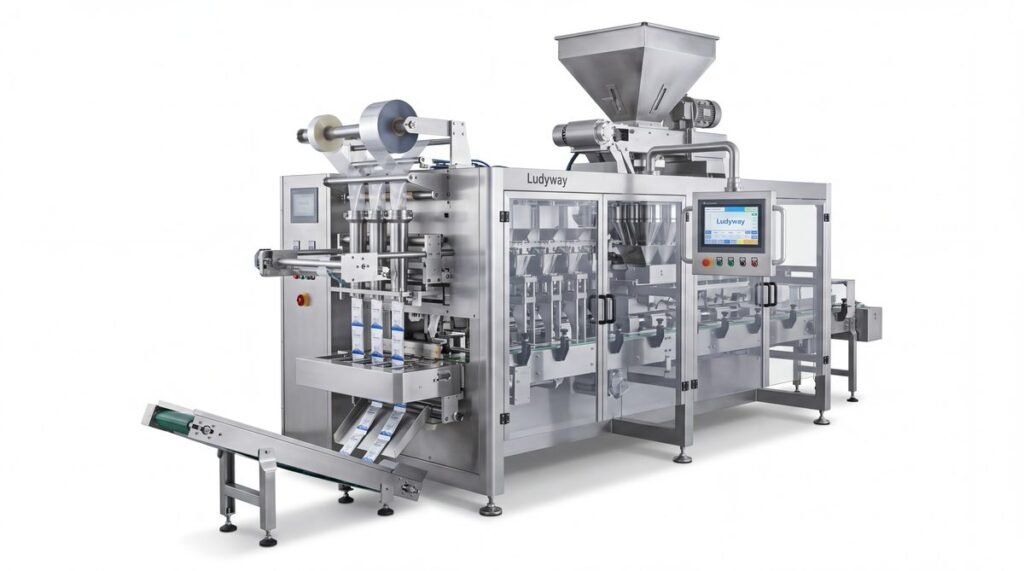
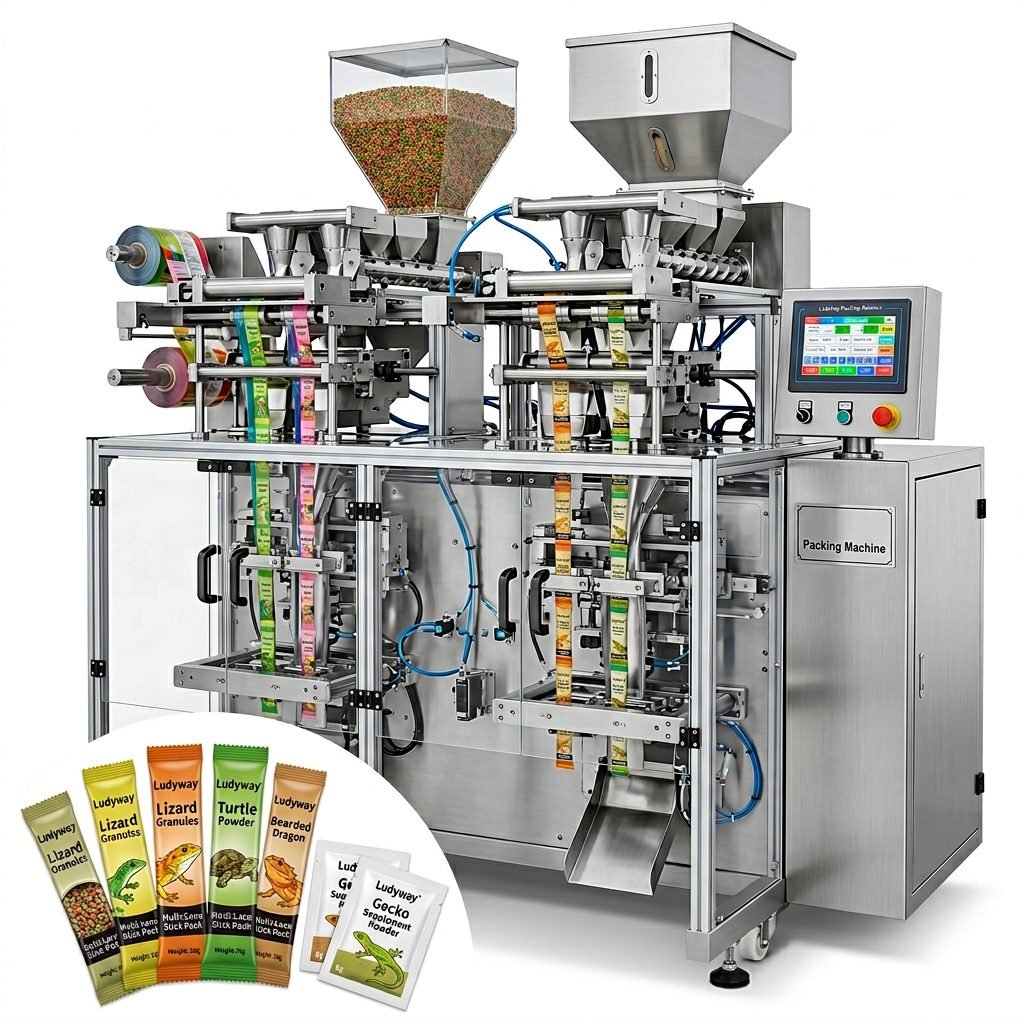
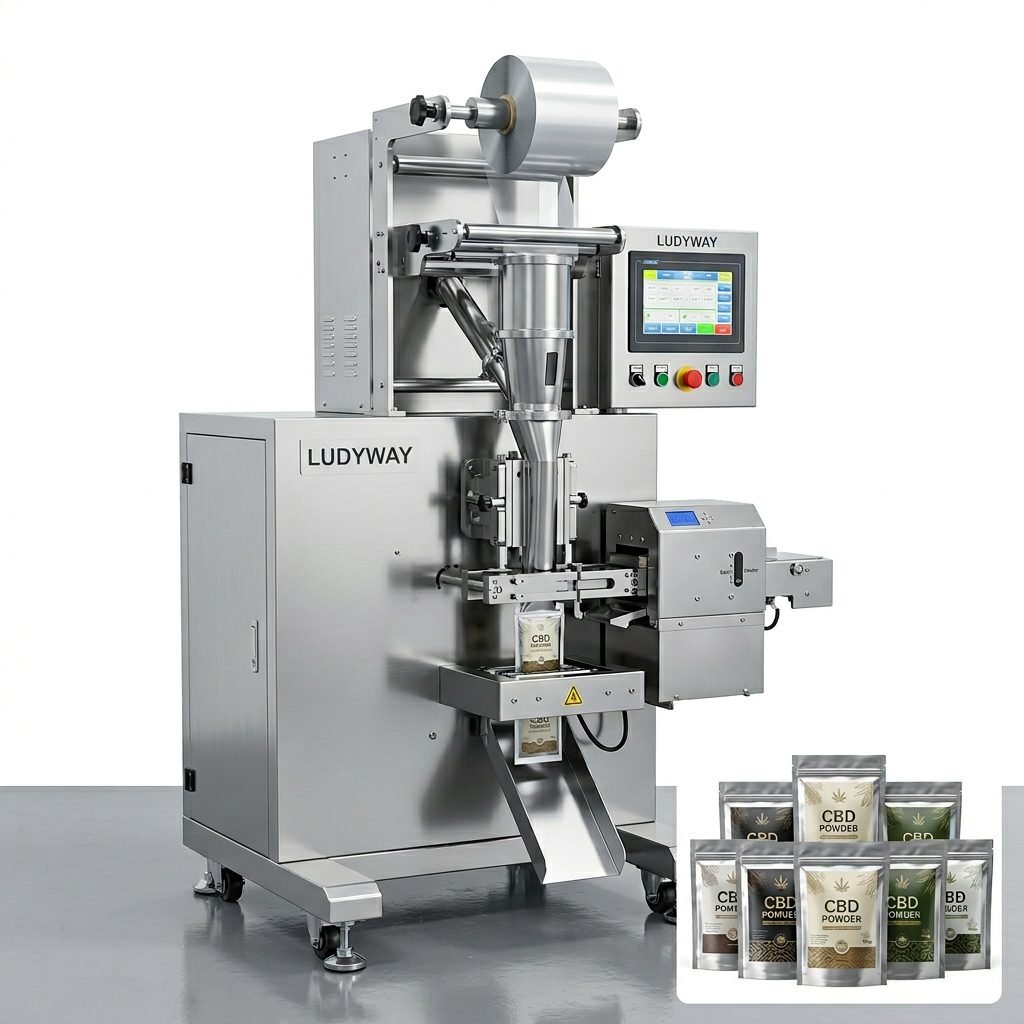
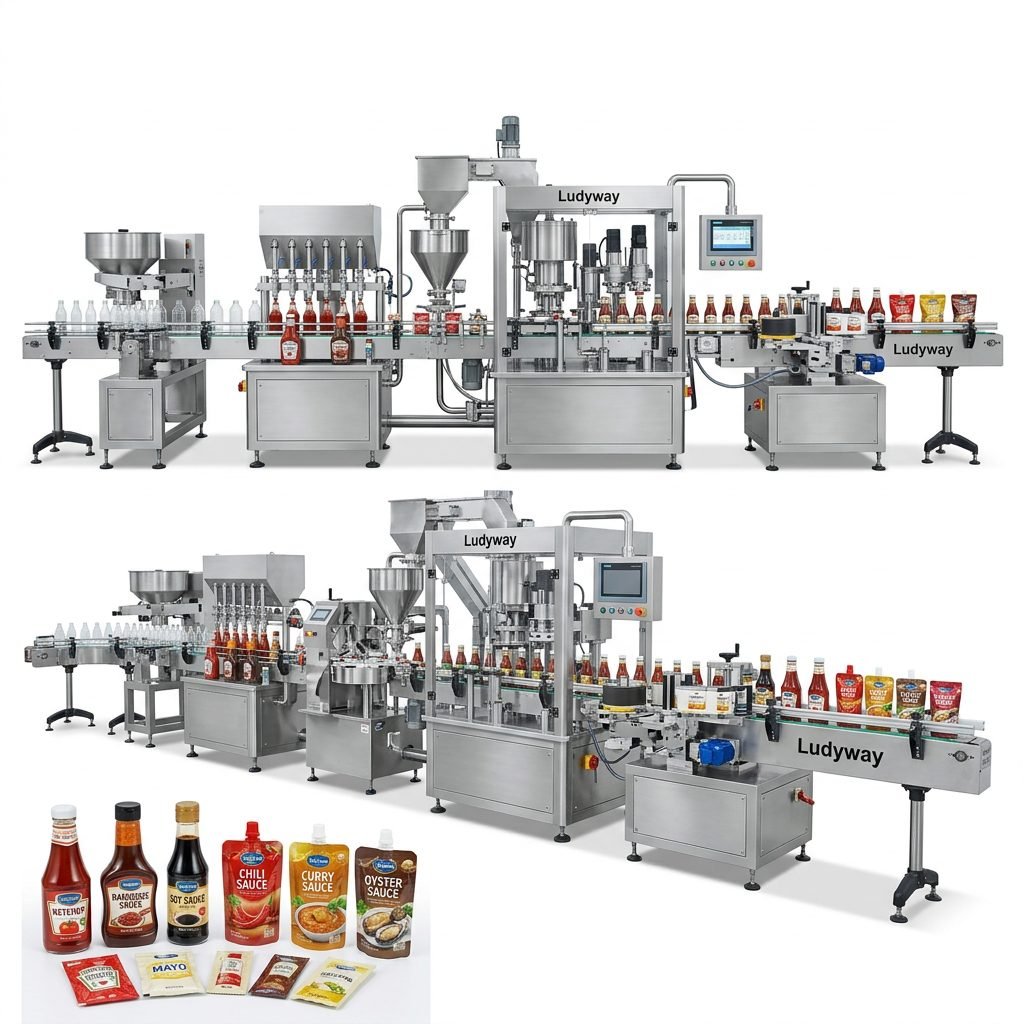
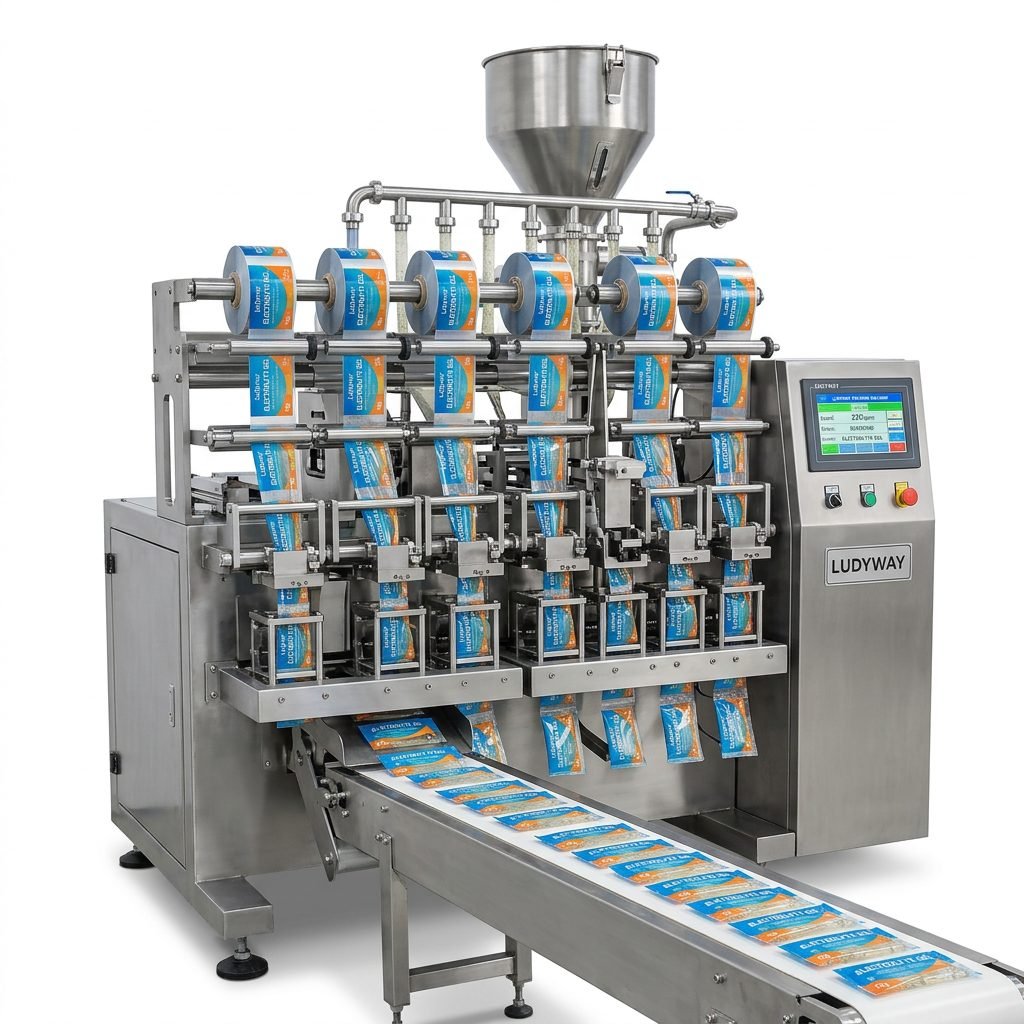
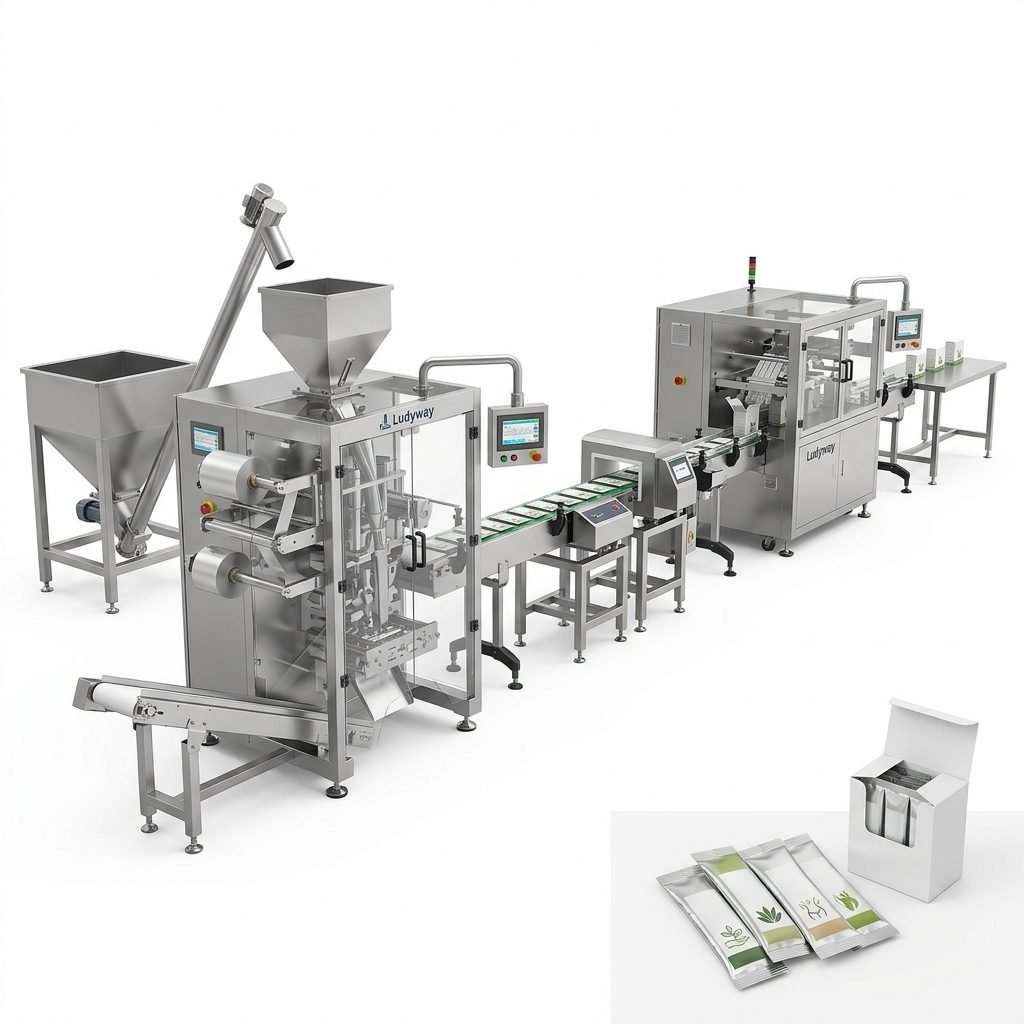
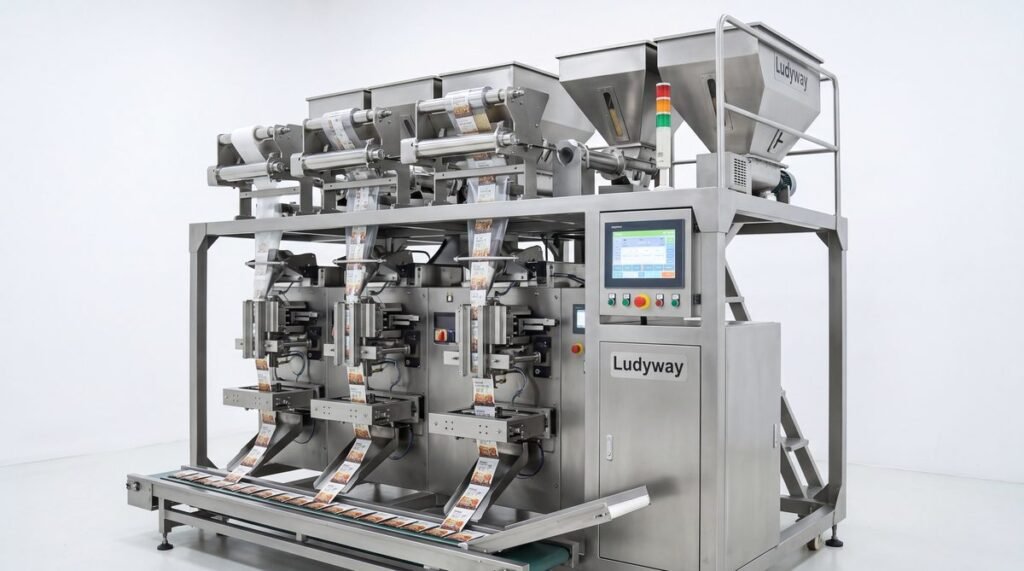
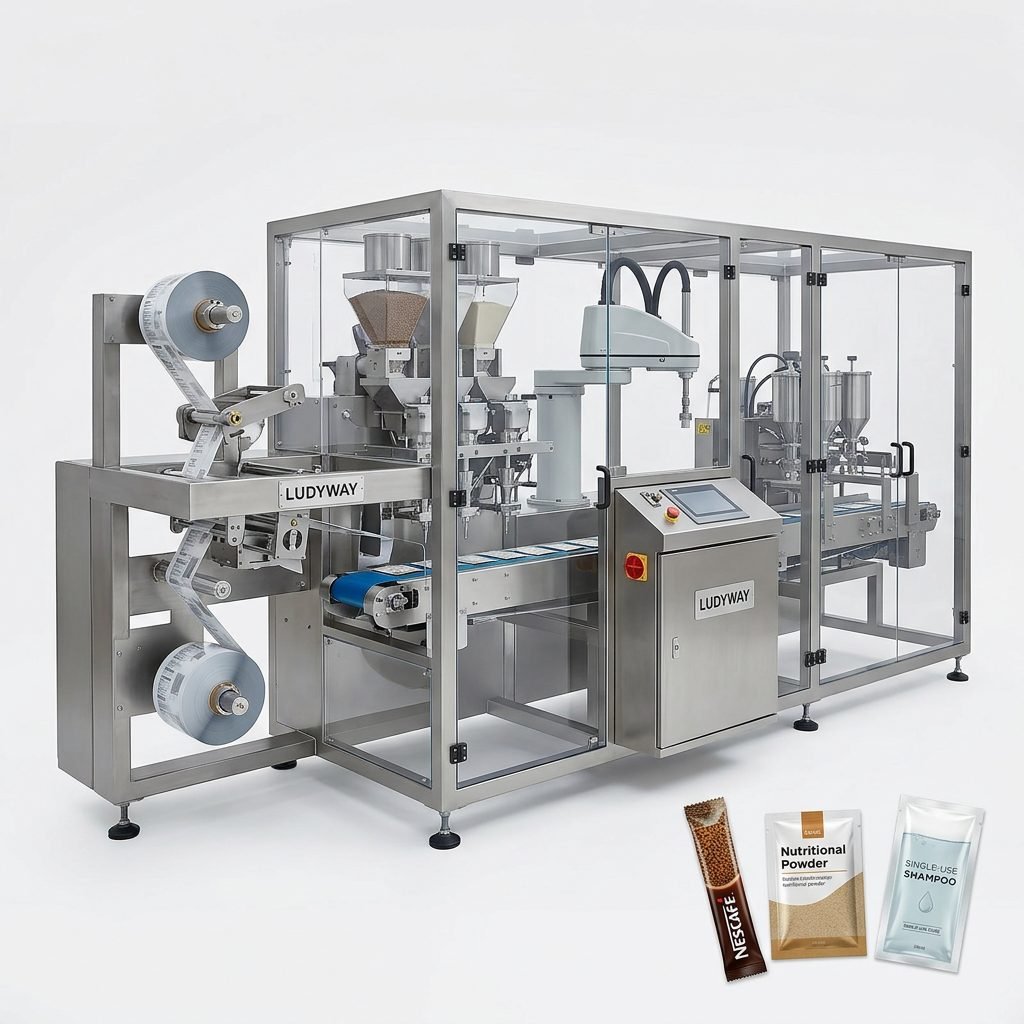
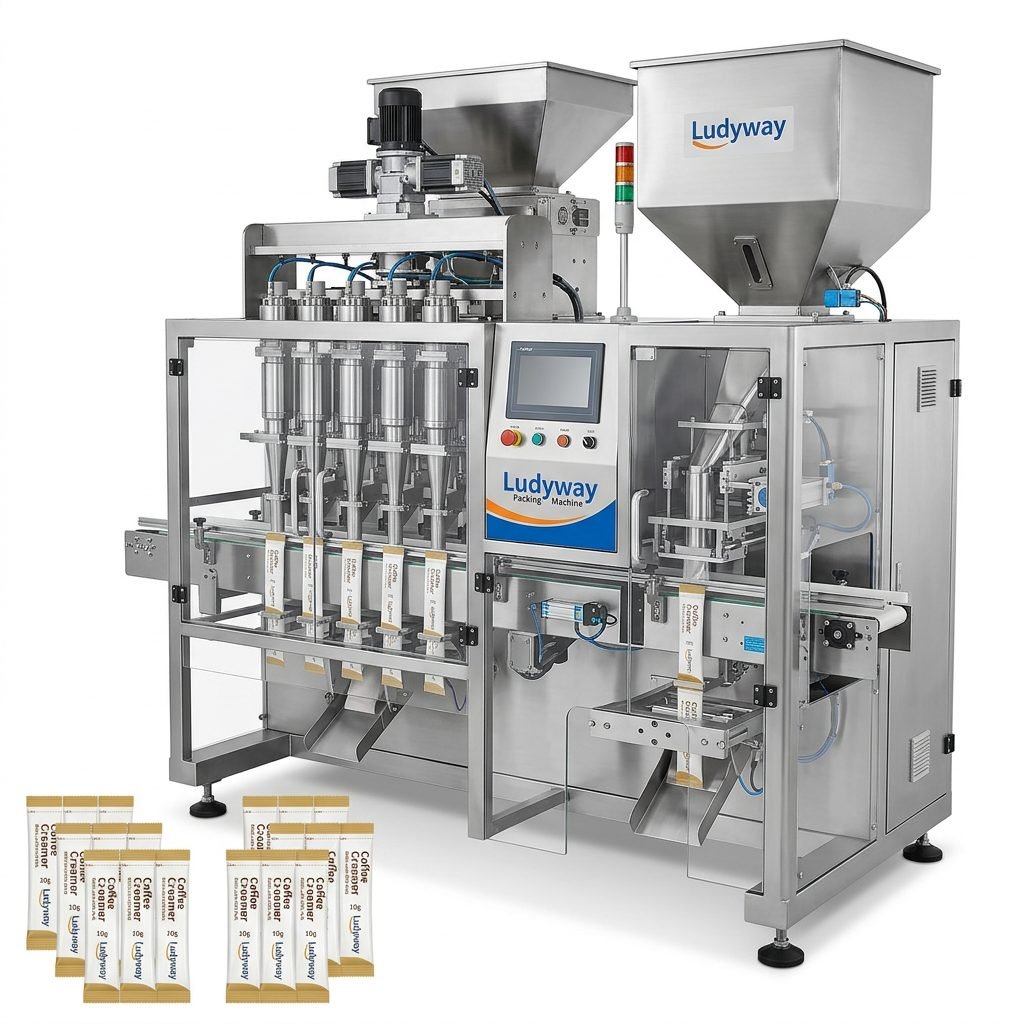
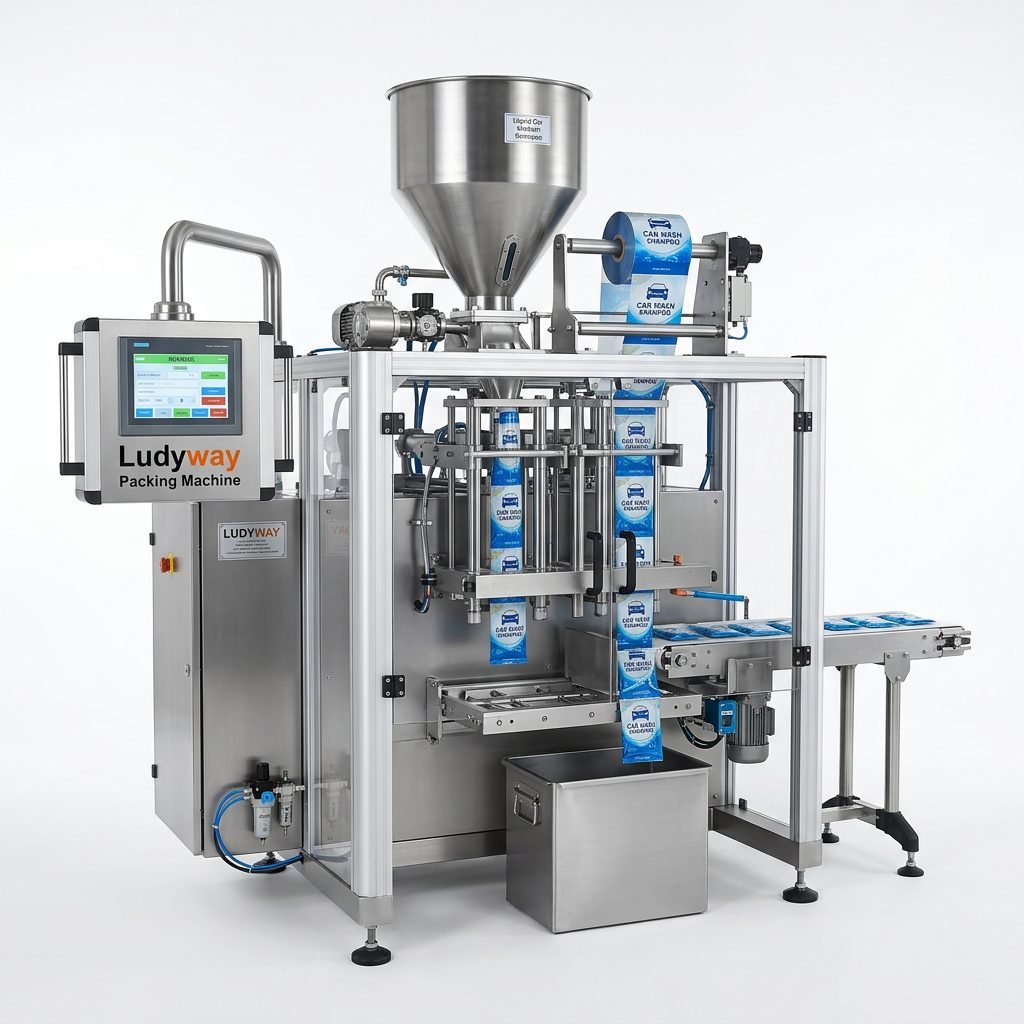
In today’s fast-paced manufacturing world, efficient and reliable packaging is paramount, especially for liquid products. From beverages and pharmaceuticals to chemicals and personal care items, liquid packaging machinery forms the backbone of countless production lines. Choosing the right system is not just about filling containers; it’s about ensuring product integrity, maximizing efficiency, and optimizing your total cost of ownership.
Understanding the Core Types of Liquid Packaging Machinery
The landscape of liquid packaging equipment is diverse, designed to handle different viscosities, container types, and production speeds. Here’s a breakdown of the primary categories.
Volumetric Fillers
These machines dispense a predetermined volume of liquid into each container. They are ideal for free-flowing, non-foaming liquids with consistent density.
Piston Fillers: Use a cylinder and piston mechanism for high-accuracy filling of a wide range of viscosities, from thin juices to thick pastes.
Diaphragm Fillers: Excellent for handling foamy, aerated, or shear-sensitive products as the liquid does not contact moving pump parts.
Gravity Fillers
Simple and cost-effective, these rely on the natural flow of liquid from a tank into containers. Best suited for thin, non-carbonated beverages like water or juice.
Pressure Fillers
Used primarily for carbonated beverages. Containers are pressurized to match the tank pressure, allowing carbonation to be maintained during the fill process without excessive foaming.
Vacuum Fillers
These create a vacuum in the container to draw the liquid in. They are particularly effective for filling fragile containers or achieving a consistent fill level regardless of minor container volume variations.
Pump Fillers (Peristaltic & Rotary)
Utilize pumps to move liquid. Peristaltic pumps are superb for sterile applications as the liquid only contacts the tubing. Rotary pumps are workhorses for high-speed, continuous filling lines.
Key Working Principles Behind the Machines
While types vary, the fundamental operation of a liquid packaging line follows a synchronized sequence. Understanding this flow is crucial for system integration.
- Container Handling & Unscrambling: Empty containers (bottles, pouches) are fed, oriented, and singulated onto the conveyor.
- Cleaning & Purging (Optional): Containers may be inverted and air-blown to remove dust or particulates.
- The Filling Process: Containers are positioned under the filling nozzles. The chosen mechanism (piston, gravity, etc.) accurately meters the liquid.
- Capping/Sealing: Immediately after filling, caps, lids, or seals are applied to ensure closure integrity and prevent contamination.
- Labeling & Coding: Product labels are applied, and batch codes, expiry dates, or other information are printed directly onto the container or label.
- Inspection & Discharge: Final inspection (e.g., checkweighing, cap detection) occurs before packaged products are discharged for casing or palletizing.
How to Choose the Right Liquid Packaging System for Your Needs
Selecting machinery is a significant investment. A methodical evaluation based on your specific parameters will lead to the best long-term decision.
1. Analyze Your Product Characteristics
This is the most critical starting point. Define your liquid’s viscosity, acidity, particulate content, tendency to foam, and sensitivity to oxygen or shear. A piston filler handles viscous sauces well, while a diaphragm filler protects delicate emulsions.
2. Define Container and Output Specifications
What is your container material (glass, PET, HDPE, pouch), size range, and opening type? Determine your required output speed (containers per minute/hour) and consider future growth to avoid under-specifying.
3. Evaluate Hygiene and Compliance Requirements
Industries like pharmaceuticals, dairy, or nutraceuticals have stringent hygiene standards. Machines may require sanitary design with easy-clean surfaces, CIP (Clean-in-Place) capabilities, and construction from grades of stainless steel that meet FDA or EHEDG guidelines. Always verify the machine’s compliance with regulations in your target market.
4. Assess Flexibility and Changeover Needs
If you run multiple products or container sizes, quick changeover is vital. Look for machines with tool-less adjustments, digital recall of settings, and modular designs. This minimizes downtime and boosts overall equipment effectiveness (OEE).
5. Consider Integration and Support
The filler must integrate seamlessly with your existing or planned upstream (e.g., blow molders) and downstream (cappers, labelers) equipment. Crucially, prioritize suppliers with a strong global service network, readily available spare parts, and comprehensive training. Partnering with an experienced provider like Ludyway Machinery, which offers turnkey solutions, can streamline this process and ensure long-term reliability.
6. Total Cost of Ownership (TCO) Analysis
Look beyond the initial purchase price. Factor in energy consumption, maintenance costs, expected lifespan, and potential for upgrades. A slightly higher initial investment in a robust, efficient machine often yields a lower TCO.
Conclusion
Investing in liquid packaging machinery is a strategic decision that impacts your product quality, operational efficiency, and bottom line. By thoroughly understanding the different machine types, their working principles, and systematically evaluating your product, output, and compliance needs, you can select a system that not only meets today’s demands but also scales for tomorrow’s growth. Focusing on hygiene, flexibility, and the total cost of ownership with a reliable partner will ensure your packaging line becomes a dependable asset for years to come. For specialized applications, exploring customized liquid packaging solutions may provide the optimal fit.
Frequently Asked Questions (FAQs)
What is the most accurate type of liquid filler?
Piston fillers are generally considered the most accurate across a wide viscosity range, often achieving accuracies of ±0.1% to ±0.5%. For ultra-precise filling of small volumes, specialized micro-filling systems are used.
How do I choose between a single-head and a multi-head filler?
The choice depends on your required speed. Single-head fillers are suitable for low-volume production, pilot plants, or R&D. Multi-head rotary fillers (with 8, 12, 16, or more filling heads) are designed for medium to high-speed production lines, dramatically increasing output.
Can one machine handle both liquids and semi-liquids (like creams or gels)?
Yes, many piston fillers are highly versatile and can handle products ranging from water-like viscosities to thick pastes by simply changing the piston cylinder size and adjusting the valve timing. It’s essential to test your specific product with the machine.
What maintenance is required for a liquid packaging machine?
Regular maintenance includes daily cleaning and sanitization, lubrication of moving parts as per the manual, inspection and replacement of wear items (like seals, gaskets, and tubing), and calibration of weighing or volume control systems. A proactive maintenance schedule is key to preventing downtime.
What should I look for in a machinery supplier?
Prioritize suppliers with proven industry experience, a strong portfolio of reference projects, clear compliance documentation, and robust after-sales support. Look for providers who offer comprehensive training, readily available spare parts, and responsive technical service to ensure your line’s long-term productivity.