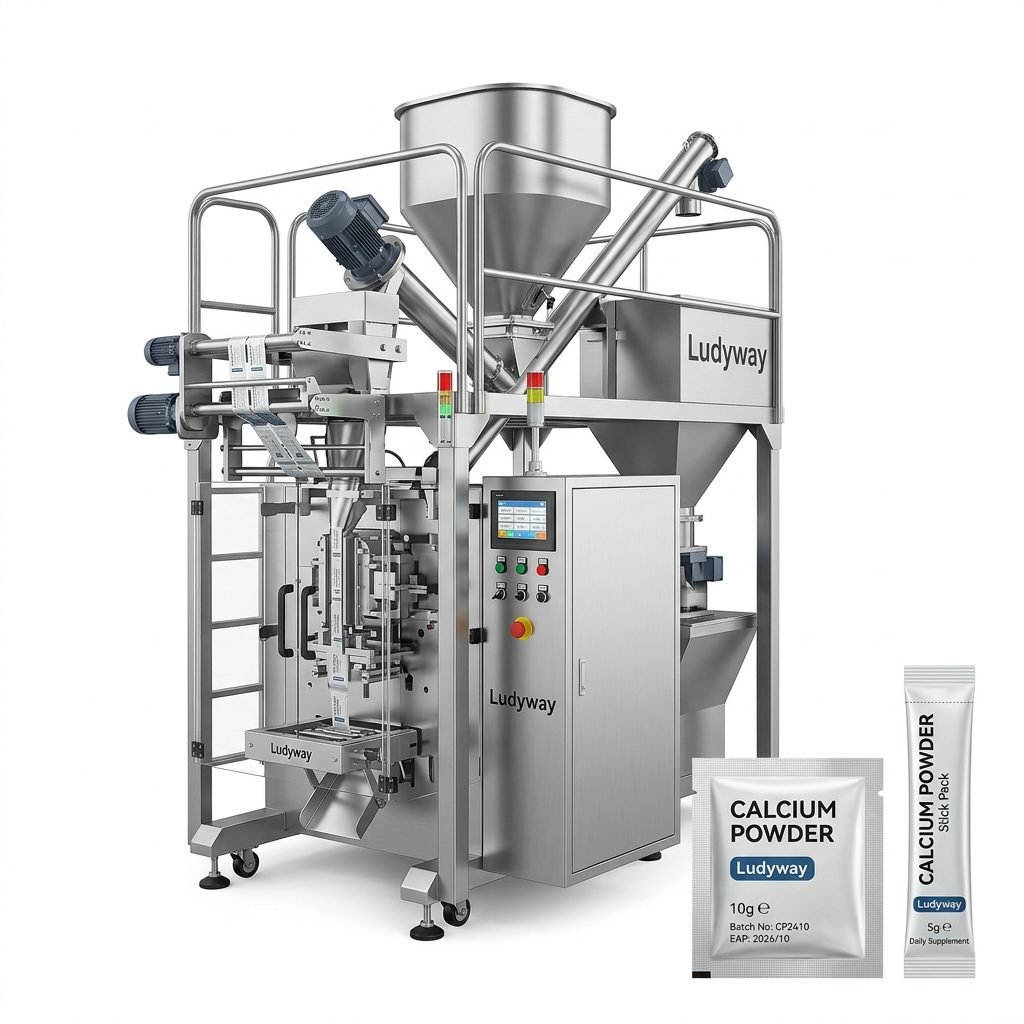
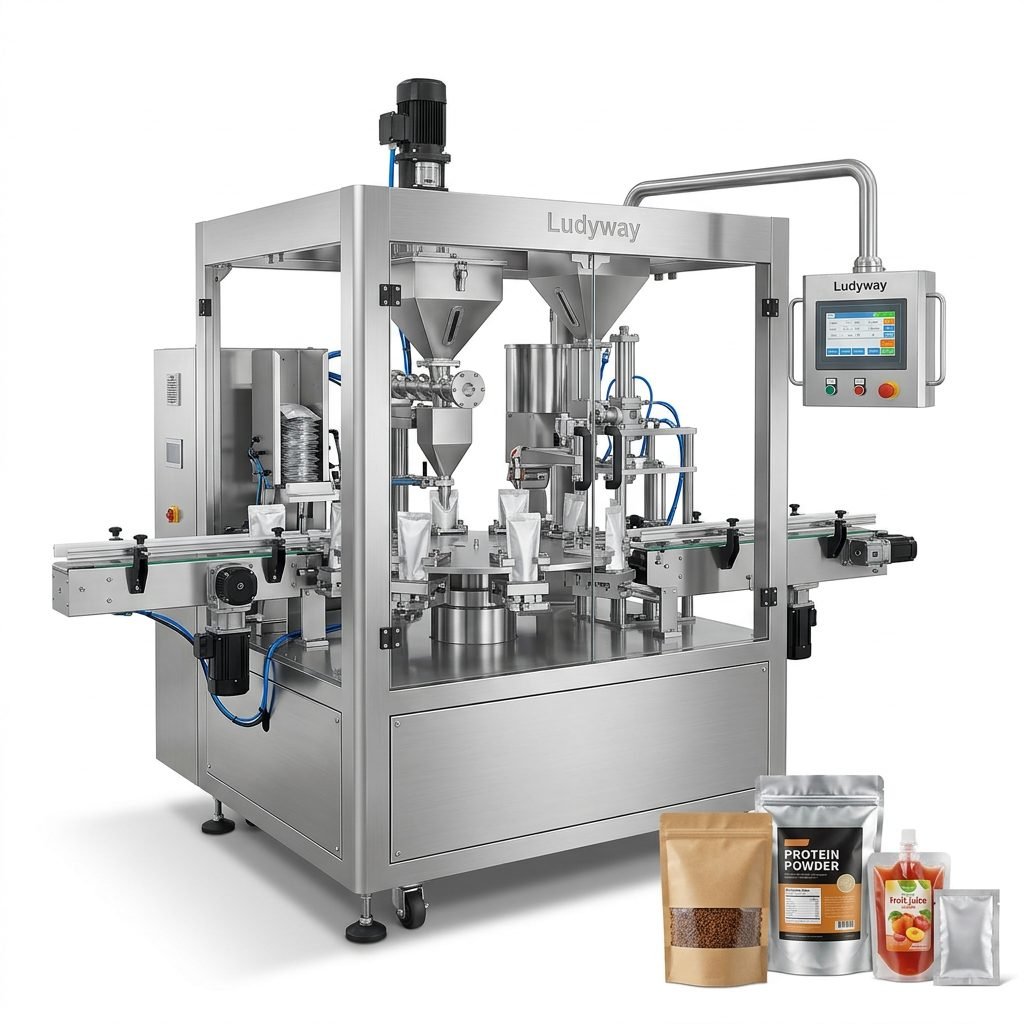
Selecting the right pre roll packaging machine is a critical decision that directly impacts your production efficiency, product consistency, and overall operational costs. With the growing demand for pre-rolled products, manufacturers need reliable, high-speed, and versatile packaging solutions to stay competitive. This guide will walk you through the key factors to consider when choosing the best pre roll packaging solution for your specific needs.
Understanding Pre Roll Packaging Machine Types
Not all packaging machines are created equal. The first step is to understand the different types of automation available and how they fit into your production workflow.
Primary Packaging Systems
These machines handle the direct packaging of the pre-rolled product into its final consumer unit.
- Tube Fillers & Sealers: Automatically insert pre-rolls into tubes and apply caps or seals. Ideal for rigid, crush-proof packaging.
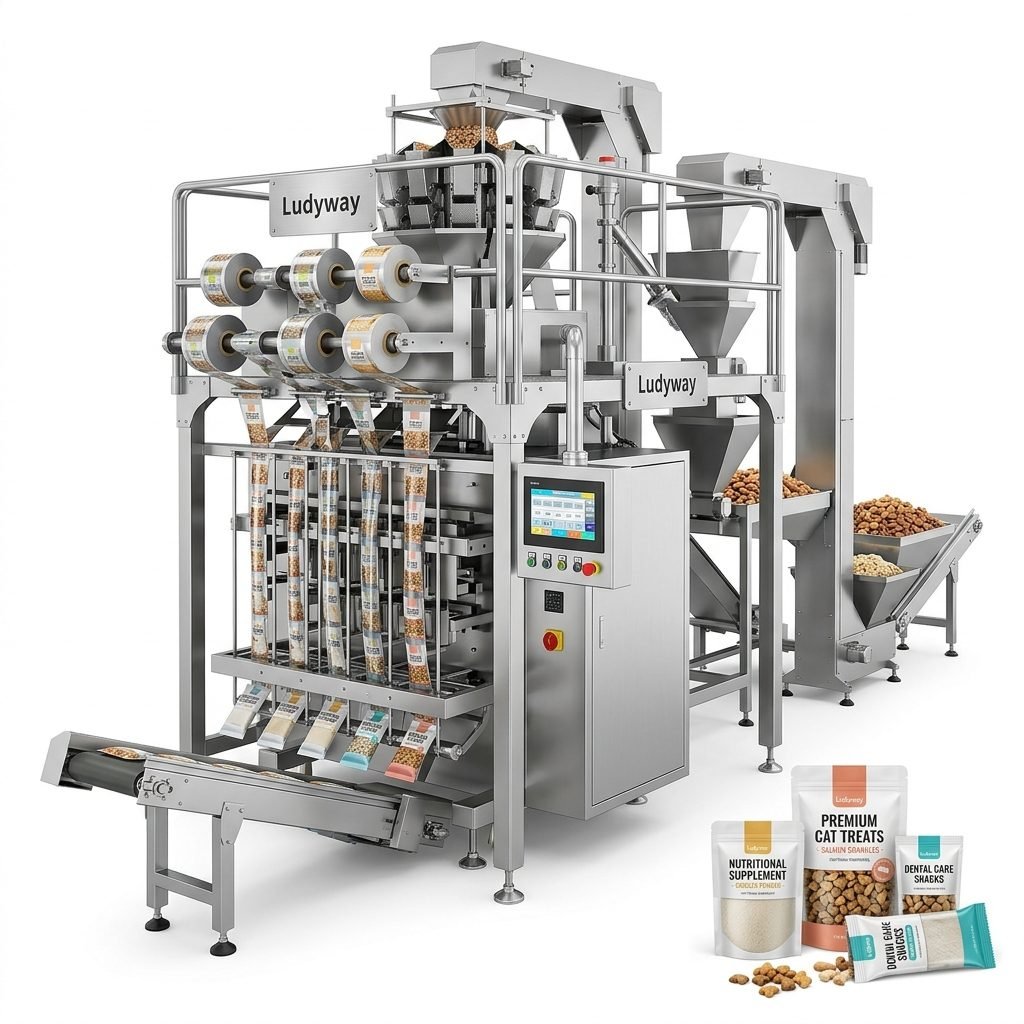
- Pouch Form-Fill-Seal (FFS) Machines: Create pouches from a roll of film, fill them with pre-rolls, and seal them. Offers excellent barrier properties and is highly customizable for branding.
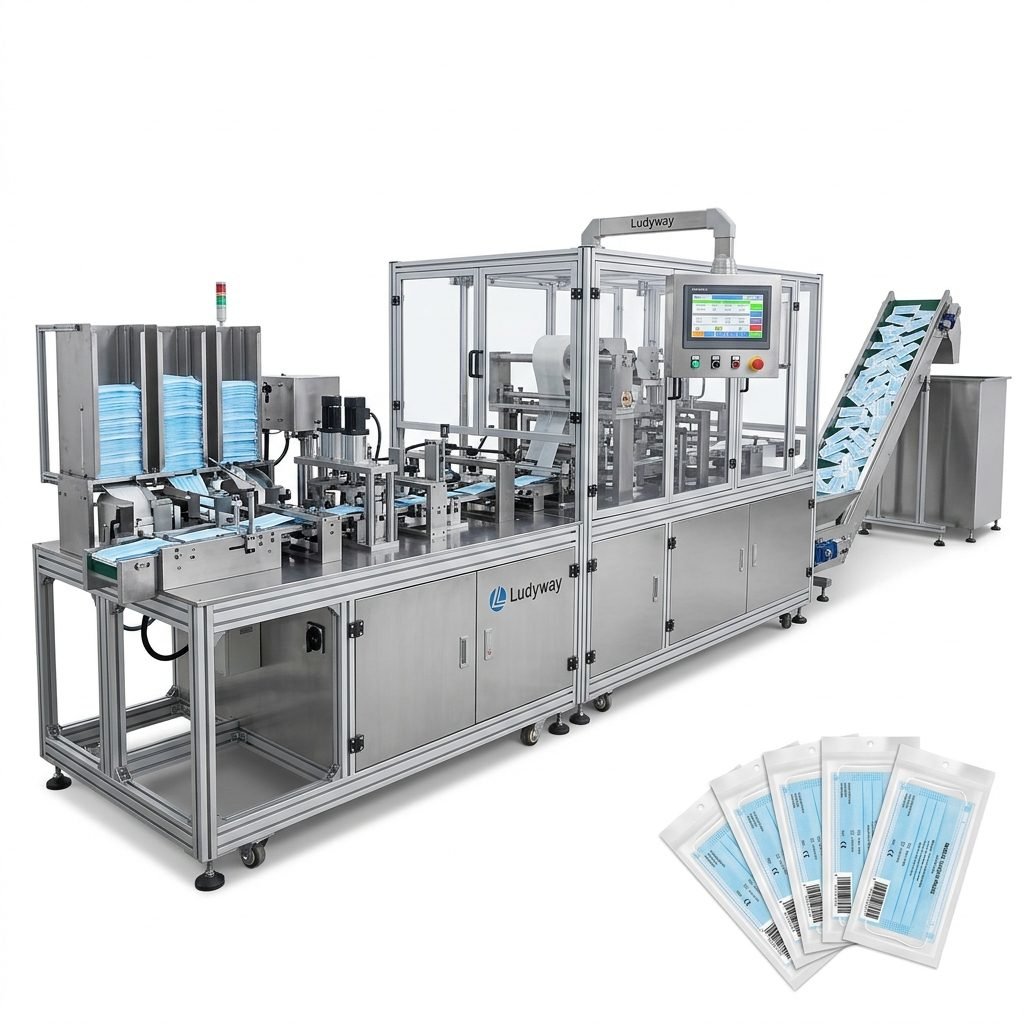
- Cartoning Machines: Automatically load pre-rolls into pre-formed boxes or cartons, often including leaflet insertion and closing.
Secondary & End-of-Line Packaging
These systems handle the bundling and casing of primary packages for shipment and retail display.
- Multi-Packers & Bundlers: Group individual tubes or pouches into multi-packs (e.g., 2-packs, 5-packs) using shrink film or cartons.
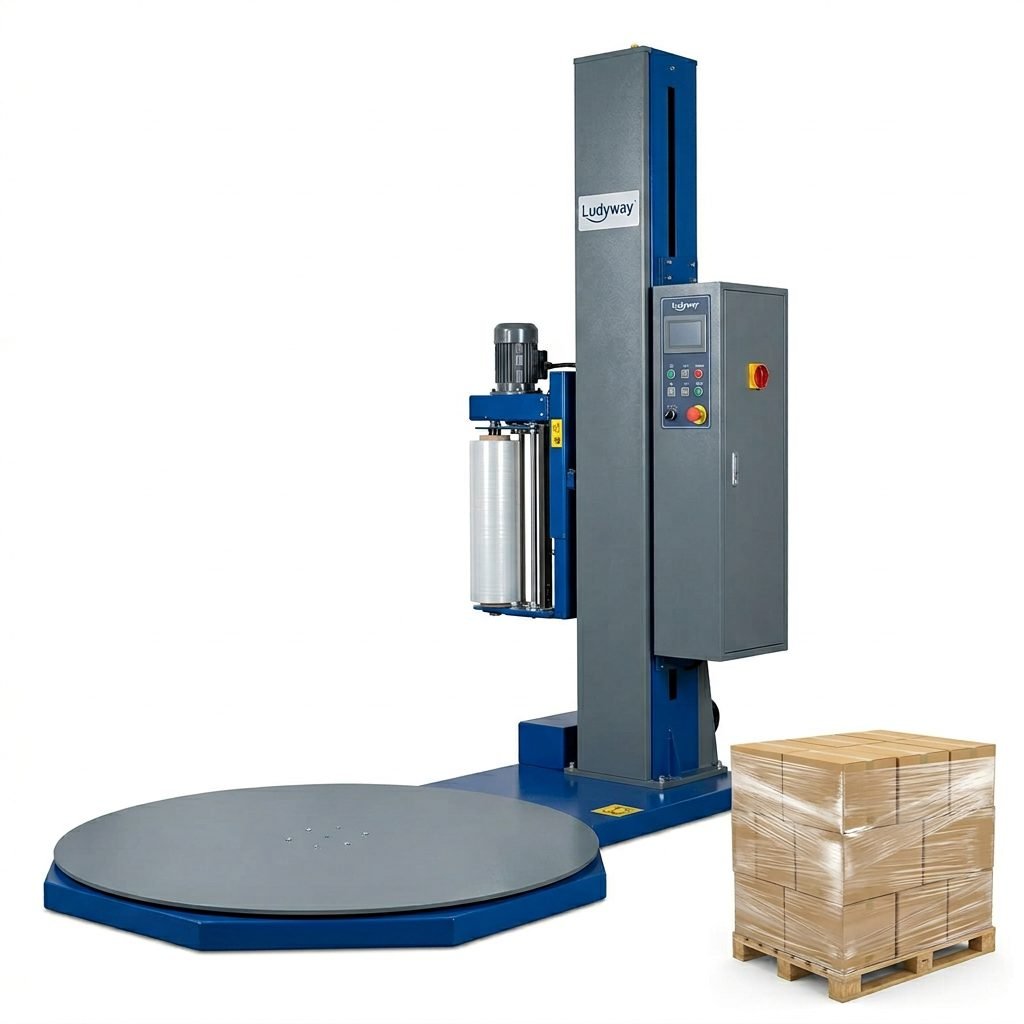
- Case Packers & Palletizers: Automatically load finished bundles into shipping cases and stack them onto pallets, drastically reducing manual labor.
Key Factors for Choosing the Best Solution
Evaluating machines based on the following criteria will ensure you invest in a system that delivers long-term value and meets your production goals.
1. Production Speed & Output Requirements
Match the machine’s speed (packs per minute, PPM) to your current and projected future output. Underestimating your growth can lead to costly bottlenecks. Consider machines with scalable speeds or modular designs that allow for future upgrades.
2. Machine Versatility & Changeover Flexibility
If you produce multiple SKUs (different lengths, diameters, or package types), rapid changeover is essential. Look for machines with quick-change parts, tool-less adjustments, and saved recipe settings to minimize downtime between production runs.
3. Integration with Upstream & Downstream Processes
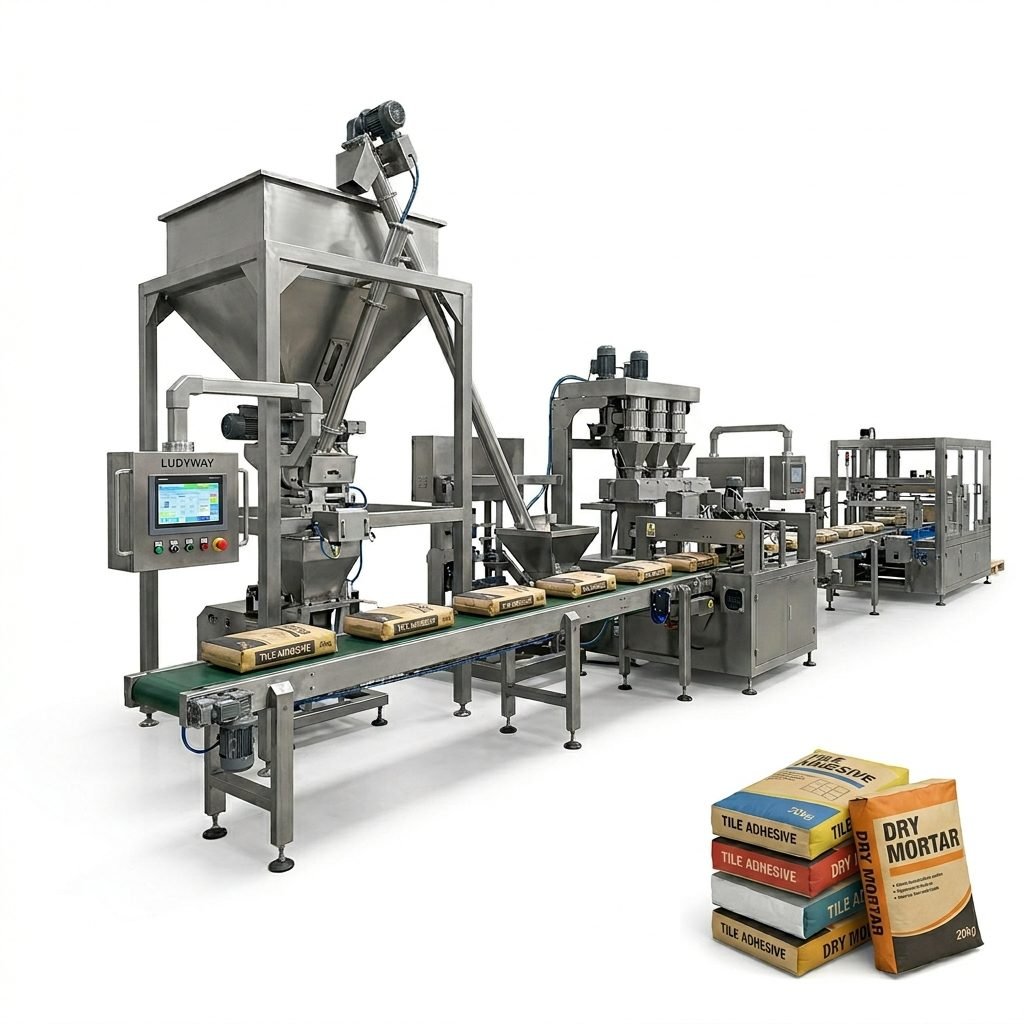
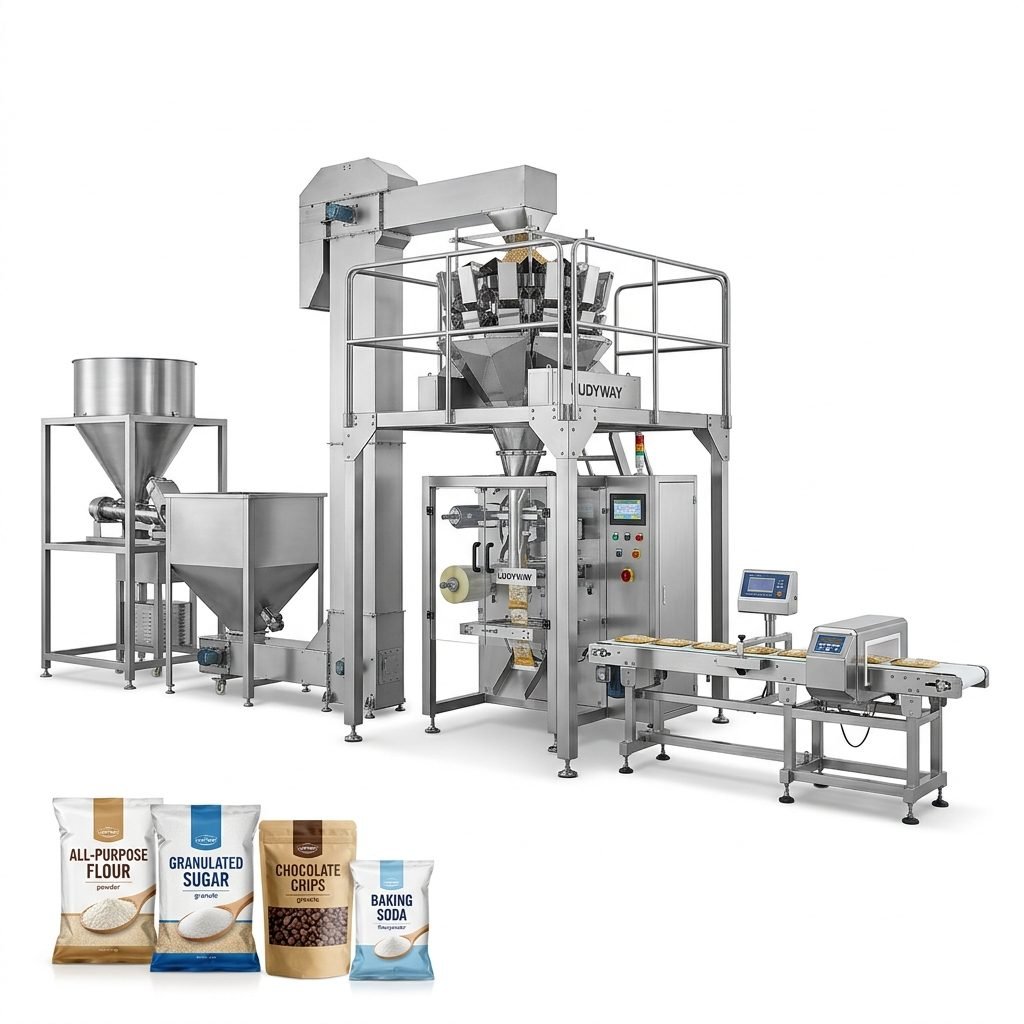
Your packaging machine should seamlessly connect with your pre-roll filling and conveying systems. Consider a turnkey solution from a single supplier to ensure compatibility and smooth material flow from production to packaging.
4. Precision and Product Handling
Gentle handling is crucial to avoid damaging the pre-rolls. Machines should use servo-driven mechanisms or soft-touch grippers for precise placement. Accurate counting and rejection of empty or defective packages is a must for quality control.
5. Ease of Operation & Maintenance
An intuitive HMI (Human-Machine Interface) with clear diagnostics reduces operator training time and errors. Easy access to mechanical parts for cleaning and routine maintenance ensures higher overall equipment effectiveness (OEE).
📌 Critical Decision Checklist
- ✅ Current & Future Output: Does the machine meet your 1-year and 5-year capacity plans?
- ✅ Package Variety: Can it handle all your current SKUs and anticipated new formats?
- ✅ Footprint & Utilities: Does it fit your factory layout and have the required power/air connections?
- ✅ Total Cost of Ownership: Have you factored in maintenance costs, spare parts, and potential downtime?
- ✅ Supplier Support: Does the manufacturer offer reliable installation, training, and technical support?
Benefits of Automated Pre Roll Packaging
Investing in automation goes beyond just speeding up the process. It delivers tangible returns across your entire operation.
Consistency & Brand Integrity: Every package is identical, presenting a professional and trustworthy brand image to consumers.
Major Labor Savings & Reduced Costs: Automating repetitive tasks frees up staff for higher-value roles and significantly lowers your cost per unit over time.
Enhanced Hygiene & Compliance: Closed automated systems minimize human contact with the product, which is vital for meeting strict health and safety regulations in many markets.
Scalability for Growth: Automated lines can be run for extended periods, allowing you to easily scale production to meet increasing market demand without a proportional increase in labor.
Common Questions About Pre Roll Packaging Machines
What is the typical speed range for an automatic tube filler?
Speeds vary greatly by model and complexity. Basic single-lane tube fillers can operate at 30-60 tubes per minute, while high-speed, multi-lane rotary systems can exceed 200 tubes per minute. The right speed depends entirely on your output targets.
Can one machine handle different pre-roll lengths and diameters?
Yes, many modern machines are designed for flexibility. Key is to look for models with “quick-change” features for format parts like tube magazines, insertion nozzles, and carrier plates. Always discuss your full range of product dimensions with the supplier.
How important is machine construction material (e.g., stainless steel)?
Extremely important. For food and pharmaceutical-grade production, contact parts should be 304 or 316 stainless steel for easy cleaning, corrosion resistance, and compliance with hygiene standards. The machine frame should be robust to ensure stability at high speeds.
What kind of maintenance is required?
Daily cleaning and lubrication of specific points are standard. Planned preventive maintenance (scheduled part replacements, belt tension checks) is crucial to avoid unplanned downtime. Choose a supplier that provides clear maintenance manuals and readily available spare parts.
Should I buy a standalone machine or a complete integrated line?
This depends on your starting point and budget. A standalone machine (like a tube filler) can automate one bottleneck. An integrated line (e.g., filler + cartoner + case packer) offers maximum efficiency but requires a larger initial investment. Many suppliers offer modular systems that can be expanded over time.