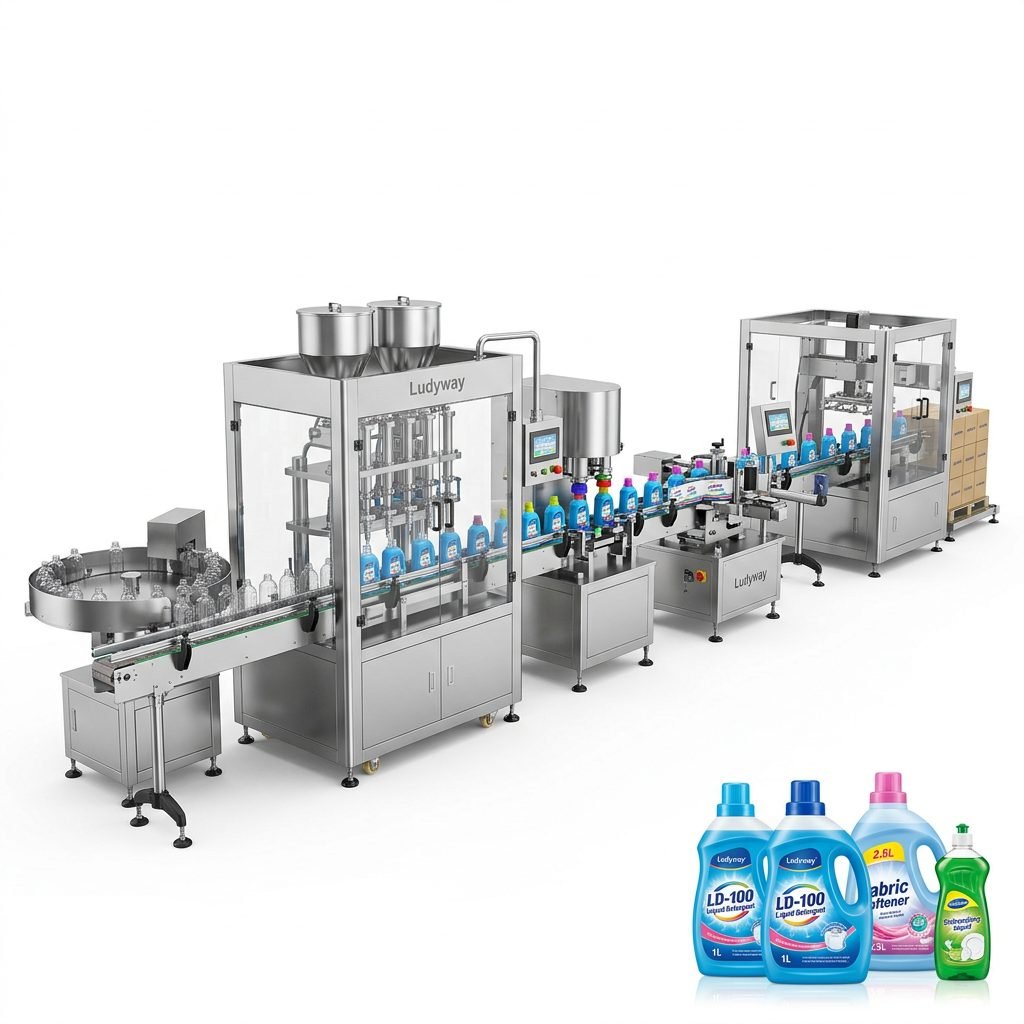
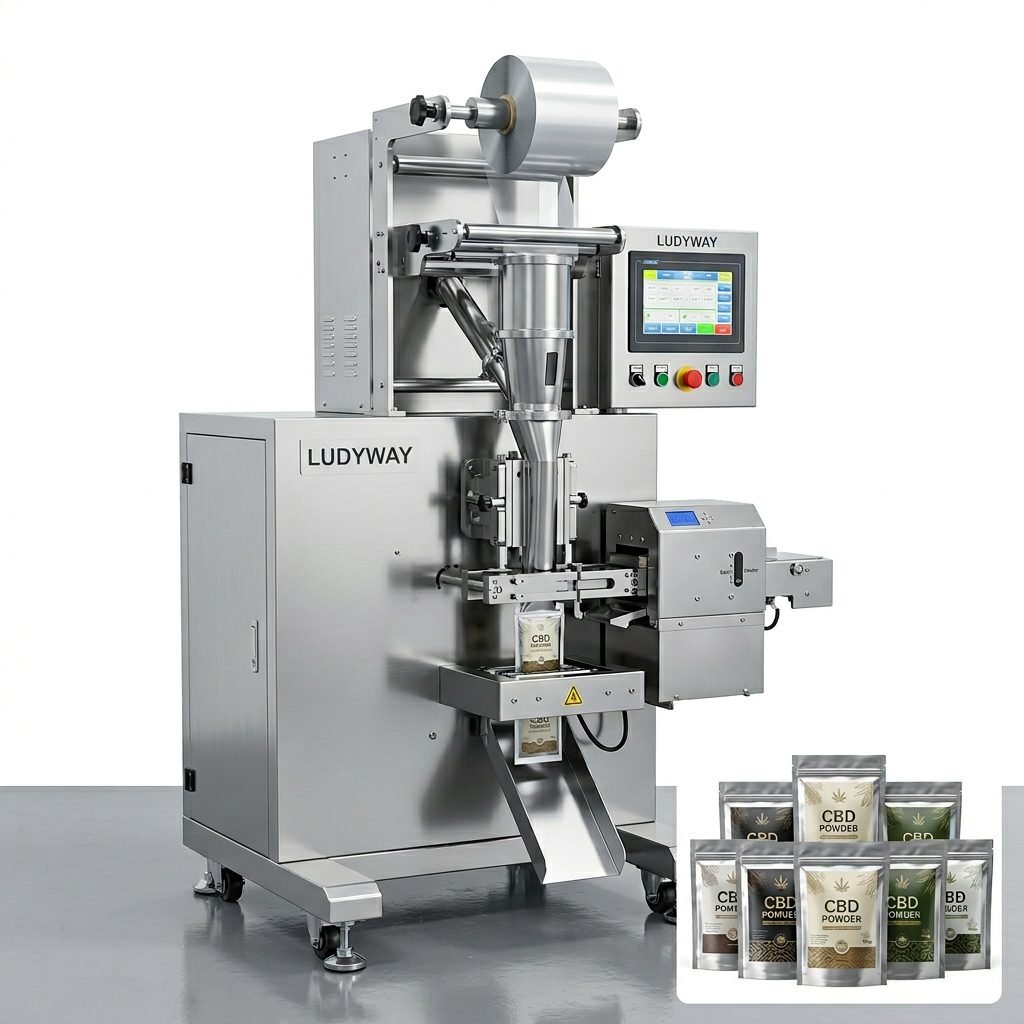
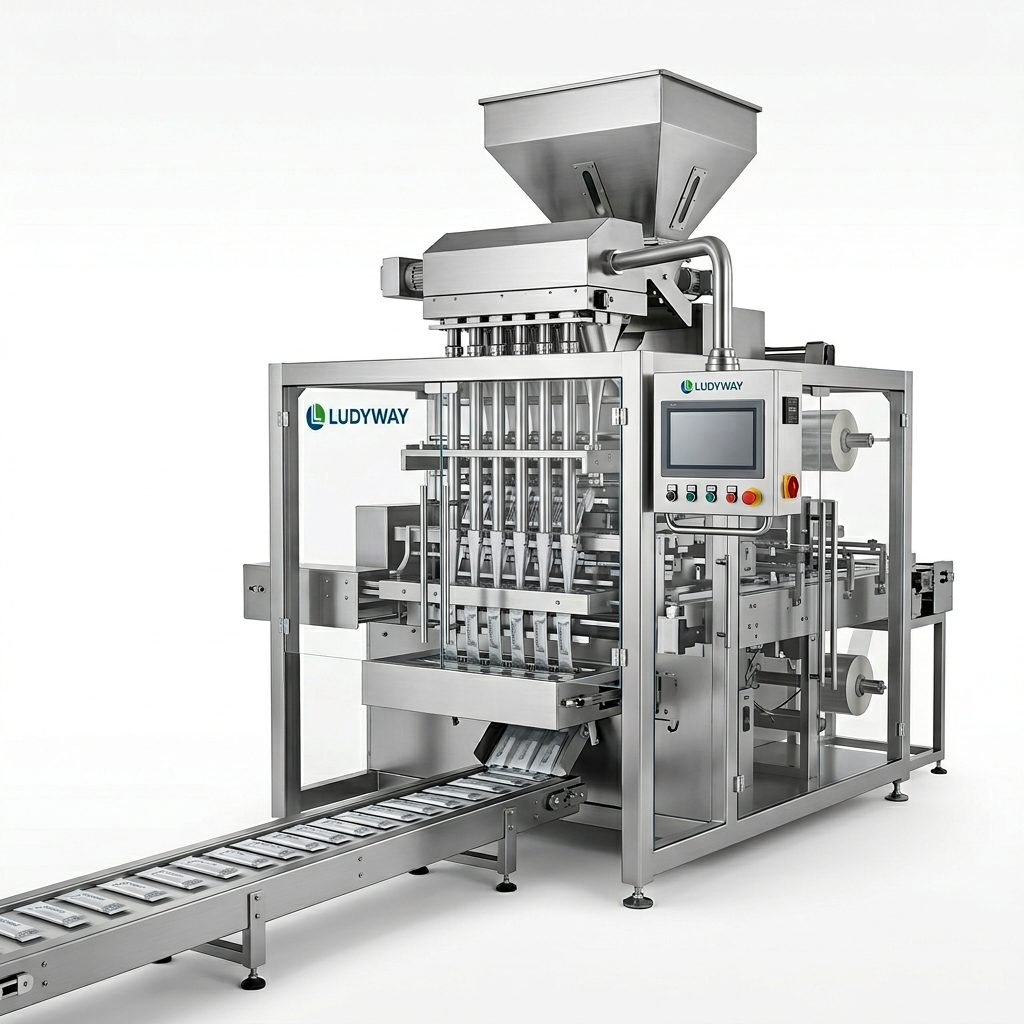
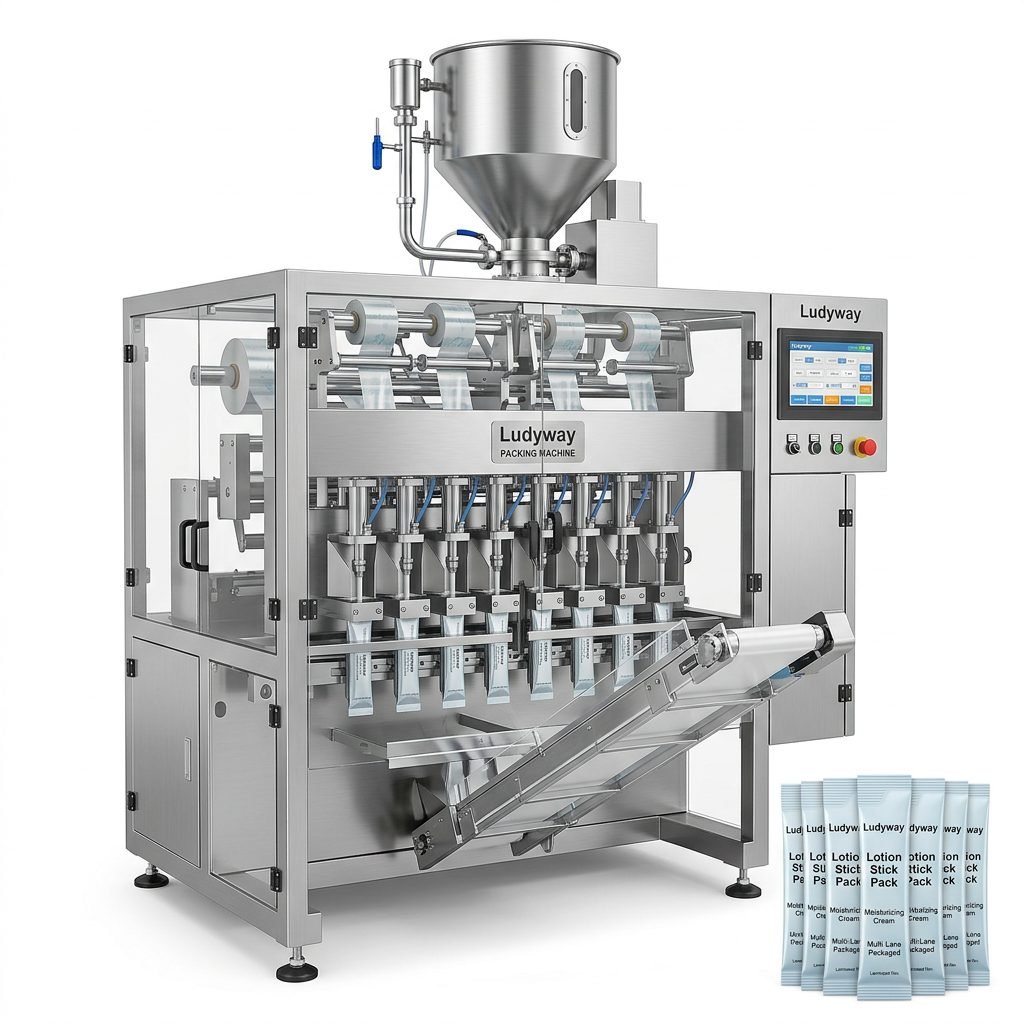
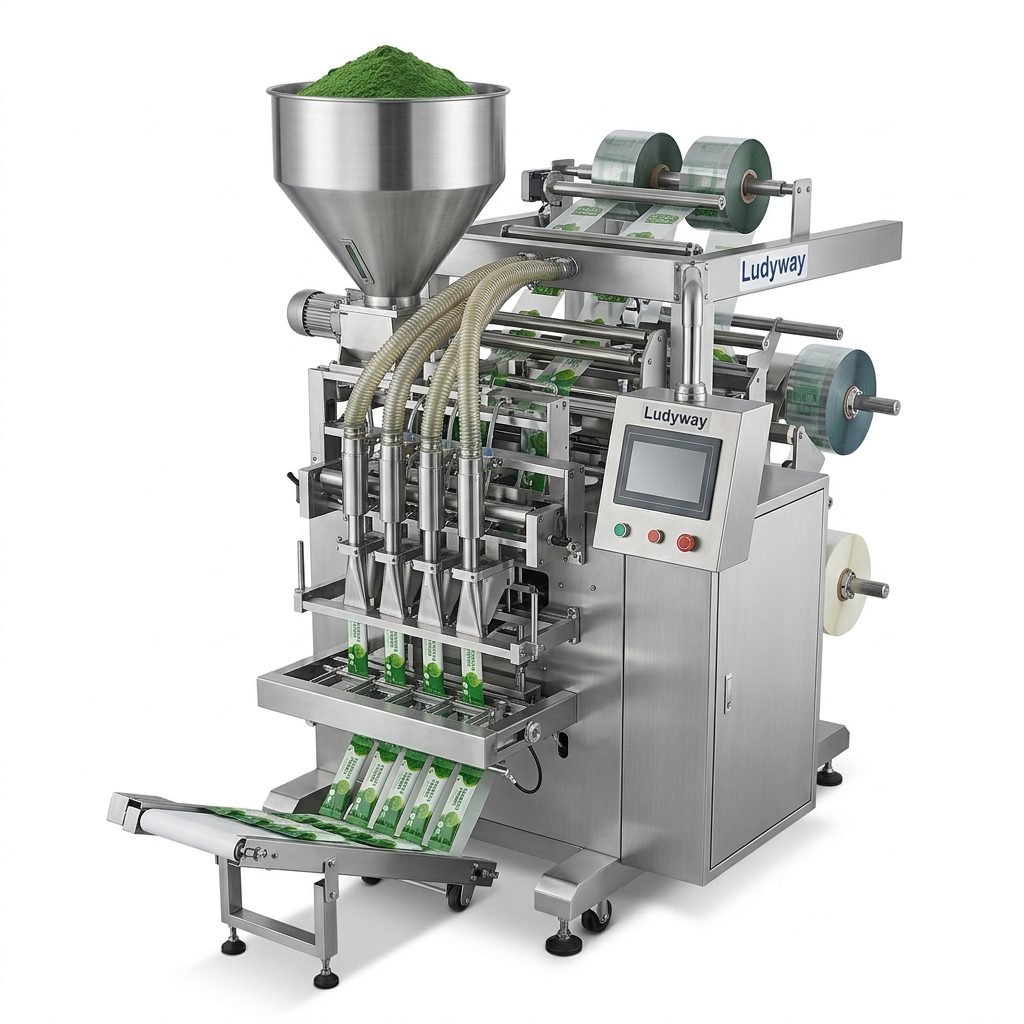
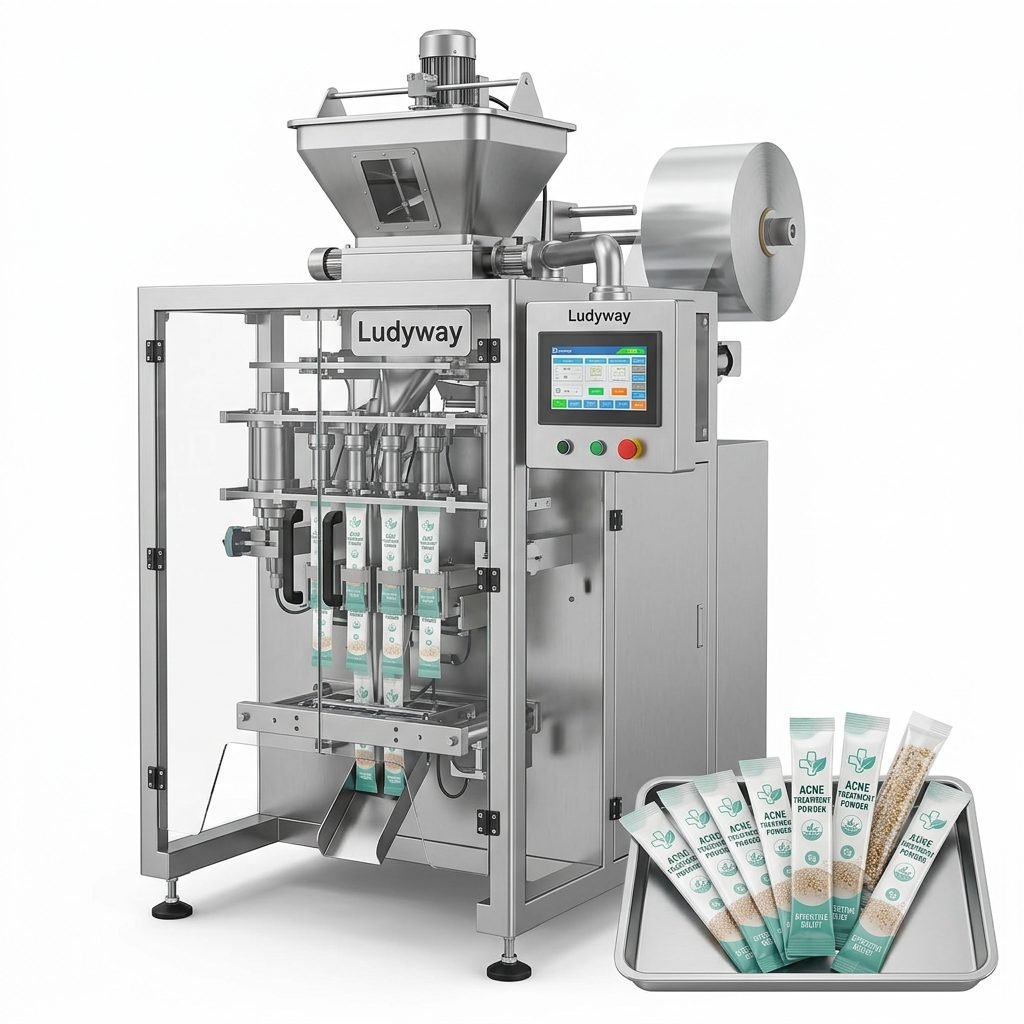
In the fast-paced world of manufacturing, efficiency and product integrity are paramount. For businesses packaging products like instant beverages, pharmaceuticals, condiments, or supplements, combi packaging equipment represents a significant leap forward. But what exactly is this technology, and how do you select the right system to supercharge your production line? This comprehensive guide will walk you through everything you need to know.
Understanding Combi Packaging Equipment
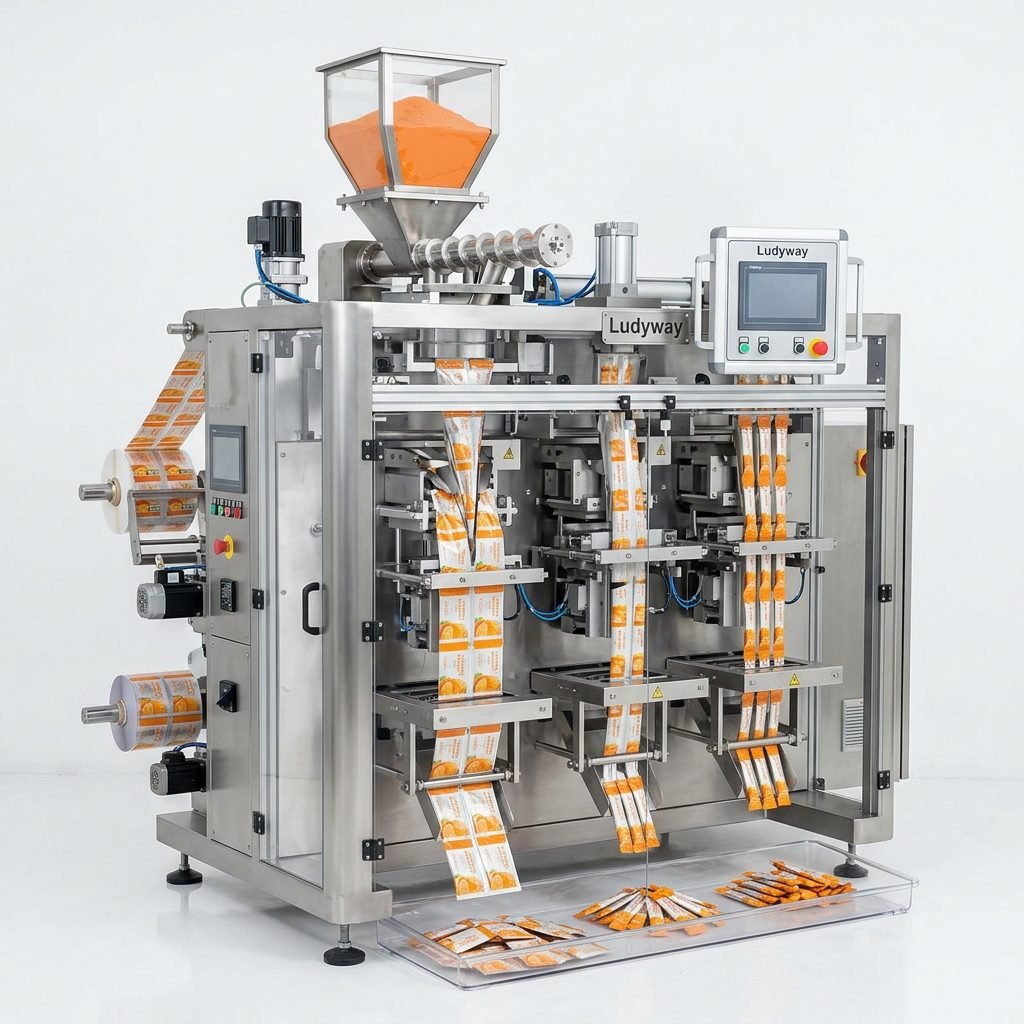
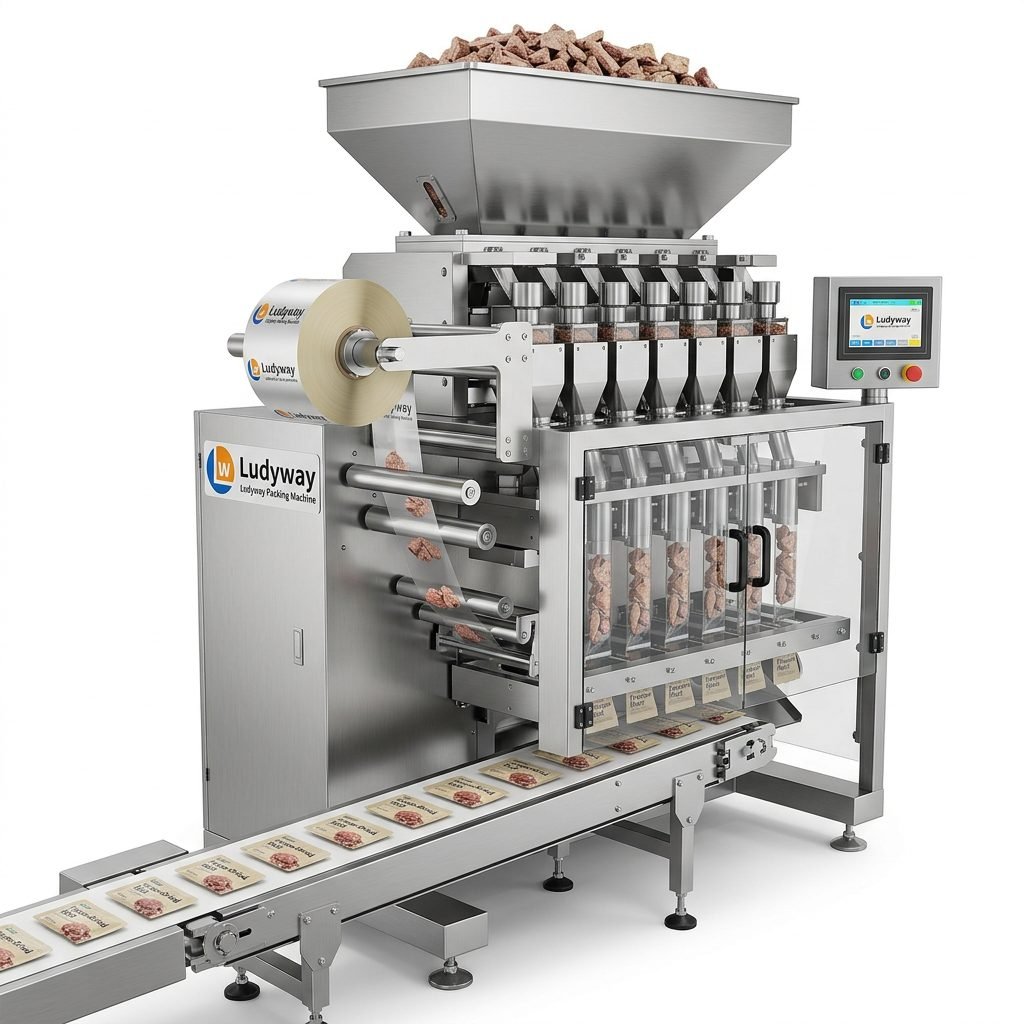
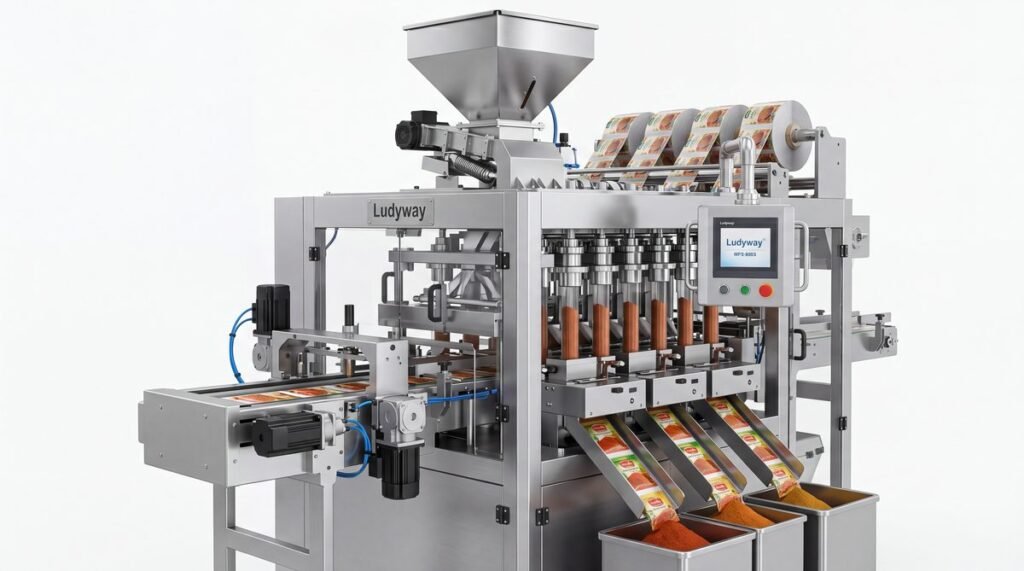
Combi packaging equipment, often called a combi machine or combination weigher system, is an integrated packaging solution that combines multiple functions into a single, automated line. At its core, it merges the precision of multi-head weighers with the speed and versatility of various packaging formats, primarily vertical form-fill-seal (VFFS) machines.
Core Function: The system’s primary job is to accurately weigh a product—be it granules, powders, flakes, or small pieces—and then automatically form, fill, and seal it into a bag, sachet, or stick pack. This seamless integration eliminates manual handling, drastically increases output, and ensures remarkable consistency in every single pack.
The Key Components of a Combi System
A typical combi packaging line is composed of several synchronized modules:
1. Product Supply & Distribution
This includes hoppers, elevators, or vibratory feeders that gently transport bulk product to the weighing system.
2. Multi-Head Weigher
The brain of the operation. It uses multiple weighing hoppers and a computer to calculate the fastest, most accurate combination of weights to reach the target fill weight.
3. Vertical Form-Fill-Seal (VFFS) Machine
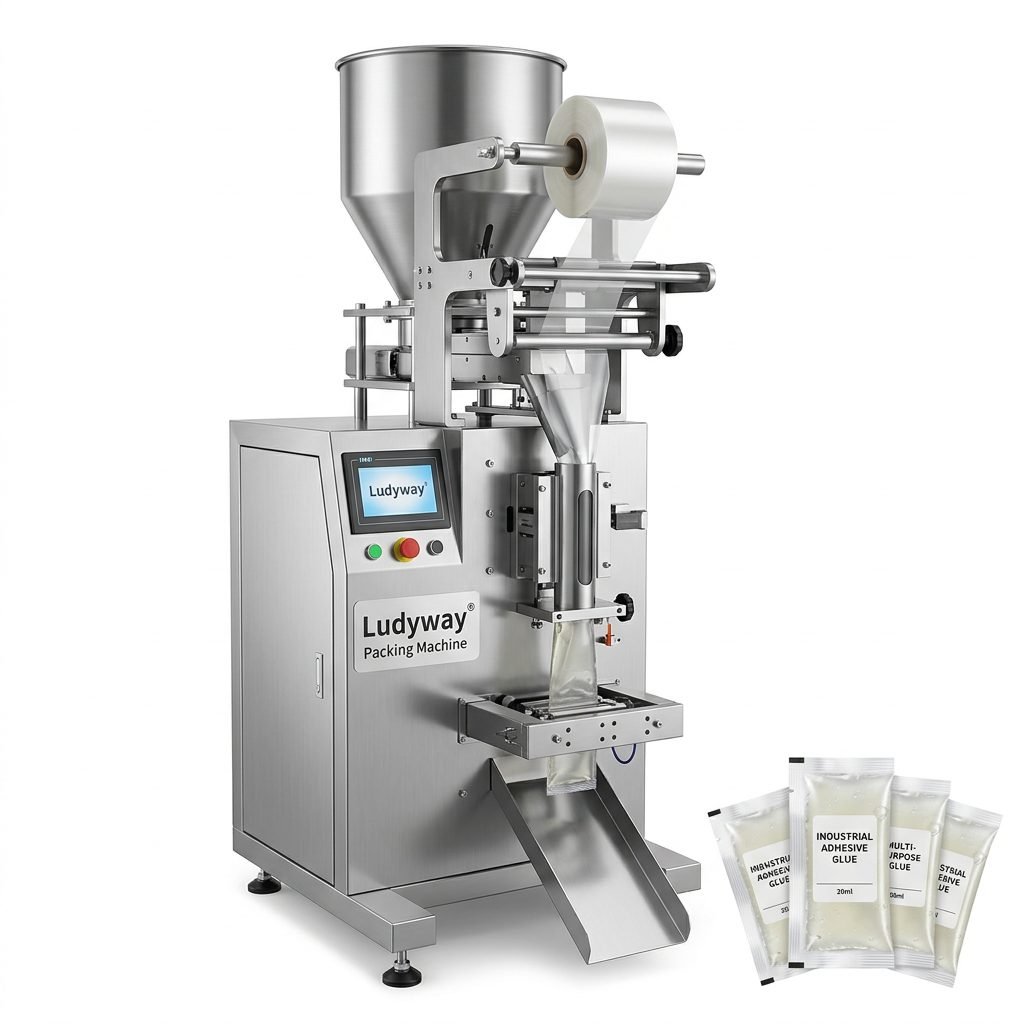
This unit forms a tube from a roll of packaging film, receives the weighed product, and creates the final sealed package (e.g., pillow bags, gusseted bags, stick packs).
4. Control System & HMI
A centralized programmable logic controller (PLC) and touch-screen Human-Machine Interface allow for easy operation, recipe changes, and monitoring.
Why Invest in a Combi Packaging System?
The advantages of integrating a combi system into your production are substantial and touch every aspect of your operation.
- Unmatched Speed & High Output: Capable of producing hundreds of packages per minute, combi systems are ideal for high-volume production environments.
- Superior Accuracy & Reduced Giveaway: Advanced weighers achieve precision within fractions of a gram, minimizing product “giveaway” and saving significant material costs over time.
- Enhanced Flexibility: Quick changeovers between different products, weights, and packaging sizes allow you to respond swiftly to market demands.
- Improved Hygiene & Safety: Fully enclosed systems minimize human contact with the product, which is critical for food and pharmaceutical applications.
- Labor Savings & Consistency: Automation reduces reliance on manual labor for weighing and filling, while eliminating human error to ensure every package is identical.
How to Choose the Right System for Your Production Line
Selecting the perfect combi packaging system is not a one-size-fits-all decision. It requires a careful analysis of your specific needs. Follow this step-by-step framework to make an informed choice.
Step 1: Analyze Your Product Characteristics
Your product dictates the machine’s design. Consider these factors:
- Type: Is it free-flowing (rice, seeds), non-free-flowing (sticky powders, flakes), fragile (chips), or oily (nuts)?
- Particle Size & Density: This affects feeder design and weighing technology.
- Hygiene Requirements: For sensitive products, look for systems with stainless steel contact parts, easy-clean designs, and IP-rated protection.
Step 2: Define Your Production Requirements
Quantify your needs to match machine capability.
Key Questions to Ask:
Target Speed: What is your required output in packs per minute (PPM) or per hour?
Packaging Format: Do you need standard pillow bags, stand-up pouches, stick packs, or sachets?
Weight Range: What is the minimum and maximum weight you need to package?
Film Type: Will you use mono-layer, laminated, or high-barrier films?
Step 3: Evaluate Machine Features & Technology
Look beyond the brochure. Key technological aspects include:
- Weighing Technology: The number of heads (14, 16, 24+) correlates with speed and accuracy. Look for systems with anti-vibration and self-diagnostic features.
- Drive System: Servo-driven systems offer superior precision, smoother motion, and energy savings compared to traditional mechanical drives.
- Software & Controls: An intuitive HMI with recipe memory, production reports, and connectivity for Industry 4.0 integration is a major advantage.
Step 4: Assess Supplier Credibility and Support
The machine is only as good as the company behind it. A partner like Ludyway Machinery, with over 30 years of industry experience, brings invaluable expertise. Evaluate potential suppliers on:
- Industry Experience & References: Do they have a proven track record with products similar to yours?
- Technical Support & Spare Parts: What is their response time? Is local service available?
- Customization Ability: Can they tailor the system to your unique factory layout and product needs?
- Training & Documentation: Comprehensive training ensures your team can operate and maintain the system effectively.
Step 5: Consider Total Cost of Ownership (TCO)
Look beyond the initial purchase price. Calculate TCO by including:
- Energy consumption
- Film waste and yield efficiency
- Expected maintenance costs and spare part availability
- Potential for future upgrades or expansion
Investing in a robust, reliable system from a reputable partner often results in lower long-term costs and higher ROI.
Conclusion
Choosing the right combi packaging equipment is a strategic decision that impacts your productivity, product quality, and bottom line for years to come. By thoroughly understanding your product, defining clear production goals, and partnering with an experienced and reliable supplier, you can implement a system that not only meets today’s demands but also scales for future growth. The journey towards fully automated, efficient packaging starts with a detailed and informed selection process.
Frequently Asked Questions (FAQs)
What is the main difference between a combi machine and a standard VFFS machine?
A standard VFFS machine typically uses a volumetric cup or auger filler, which is less accurate and slower for many products. A combi machine integrates a highly precise multi-head computer weigher, making it the superior choice for high-speed, high-accuracy weighing of granular, powdery, or irregular products.
How difficult is it to change over a combi system to a different product?
Modern combi systems are designed for flexibility. Changeover difficulty depends on the product differences. Changing only the weight or film type can be done in minutes via the touchscreen HMI. A full product change (e.g., from sugar to flakes) may require cleaning and changing feeder parts, which can take 30 minutes to an hour with proper training.
Can combi machines handle liquid or paste products?
Traditional combi systems with multi-head weighers are designed for dry products. For liquids, pastes, or creams, a different type of integrated system is used, typically involving piston pump fillers coupled with a VFFS machine. It’s crucial to discuss your specific product type with your equipment supplier.
What kind of maintenance does a combi packaging line require?
Regular preventive maintenance is key. Daily cleaning, weekly checks of seals and wear parts (like weigher hoppers), and periodic lubrication as per the manufacturer’s manual are essential. Partnering with a supplier that offers clear maintenance guides and readily available spare parts, like Ludyway Machinery, ensures maximum uptime.
Is it possible to integrate checkweighers or metal detectors into the combi line?
Absolutely. In fact, it is highly recommended for quality control. Most combi lines can be seamlessly integrated with downstream equipment such as checkweighers (to verify fill weight), metal detectors, or X-ray inspection systems, and even cartoners or case packers to create a complete turnkey production line.