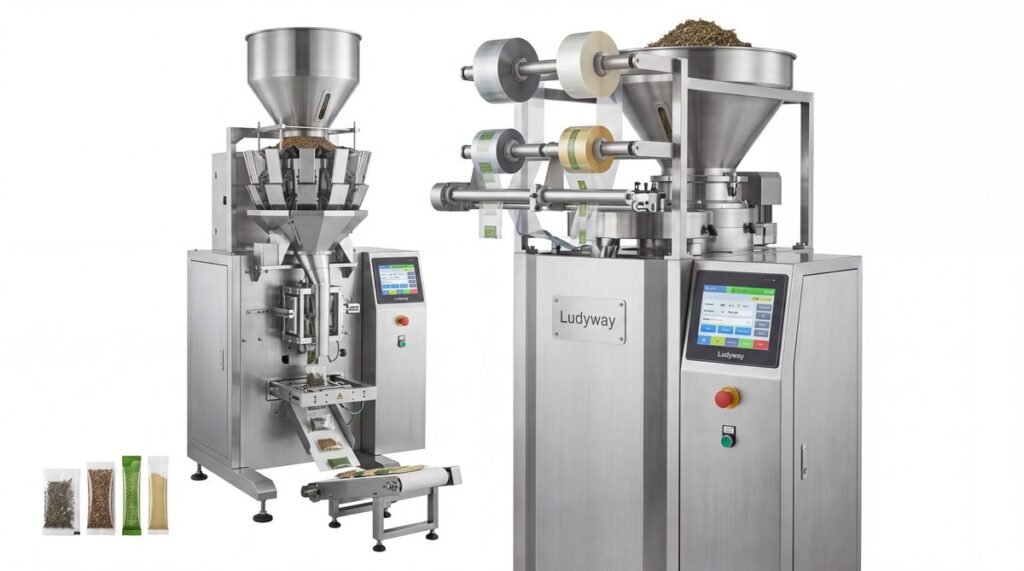
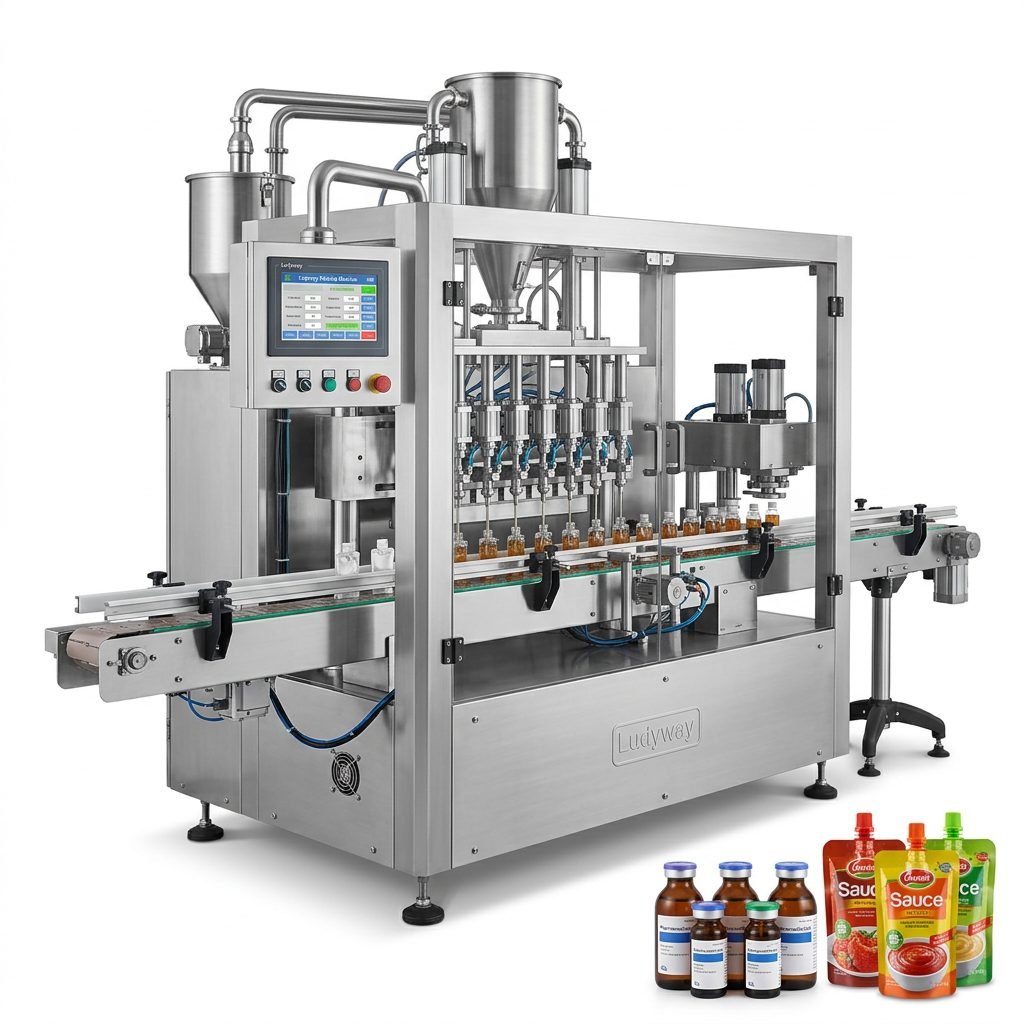
In today’s fast-paced manufacturing landscape, achieving high efficiency is not just a goal—it’s a necessity for survival and growth. For industries handling food, beverage, and industrial goods, packaging is a critical juncture where speed, accuracy, and reliability directly impact profitability, shelf appeal, and consumer safety. High-efficiency packaging machinery solutions are the engines that drive this vital process, transforming raw production output into market-ready products with precision and scale.
The Core Pillars of High-Efficiency Packaging
True efficiency in packaging transcends mere speed. It is a holistic concept built on several interconnected pillars that together define a superior packaging line.
1. Unmatched Speed & Consistent Output
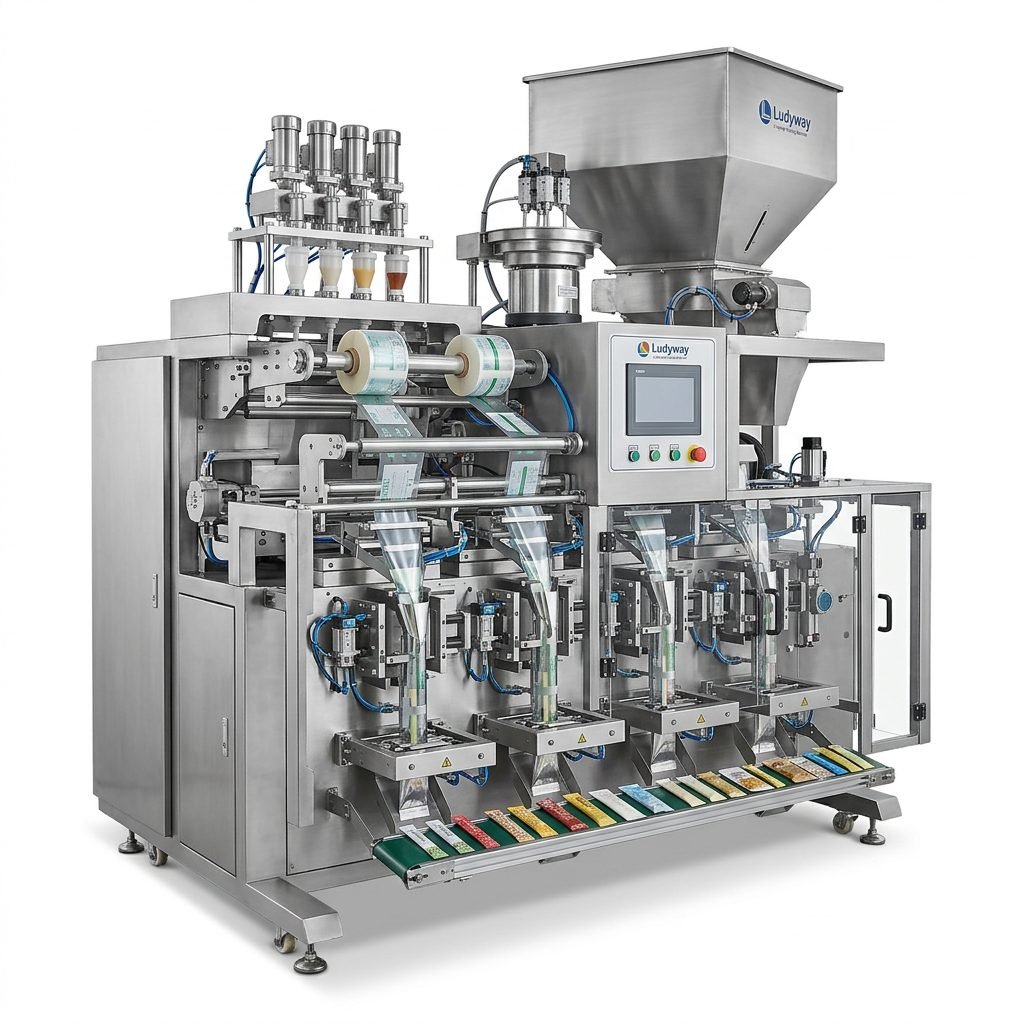
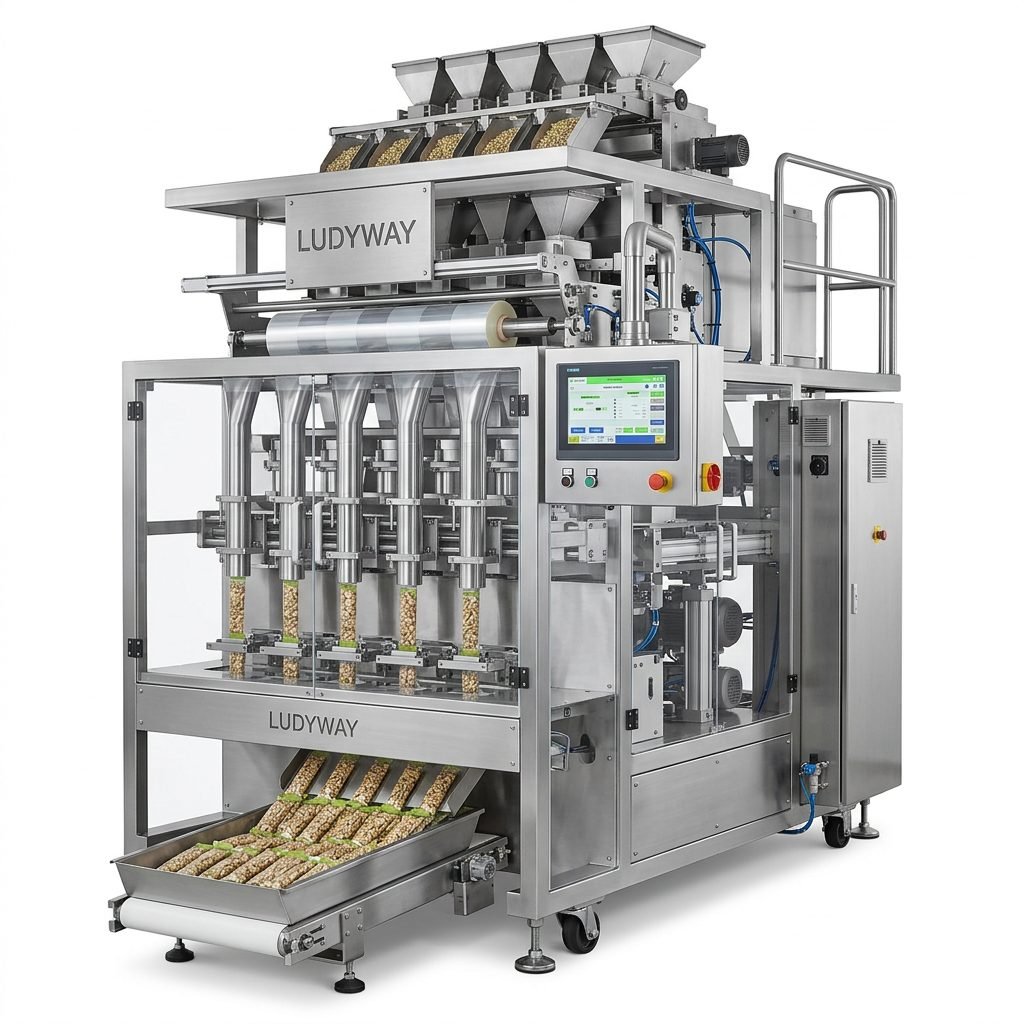
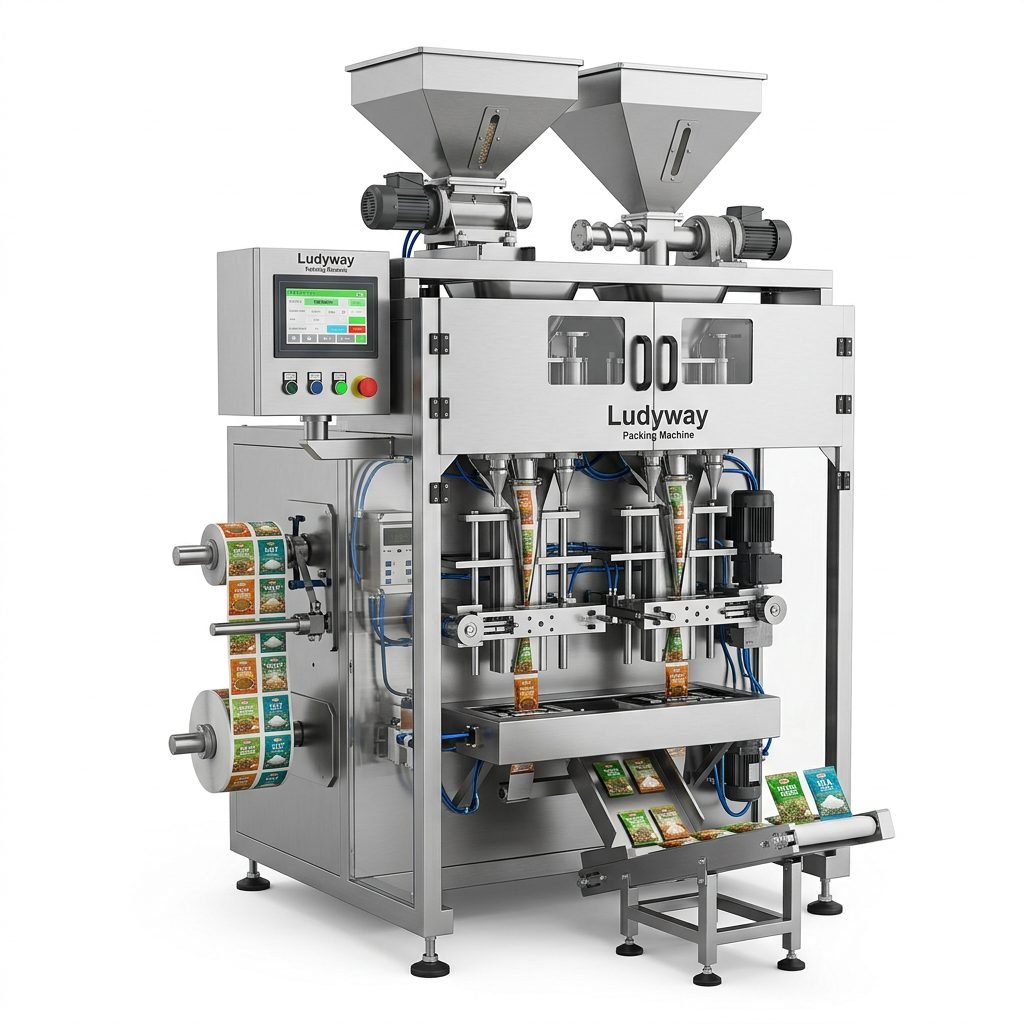
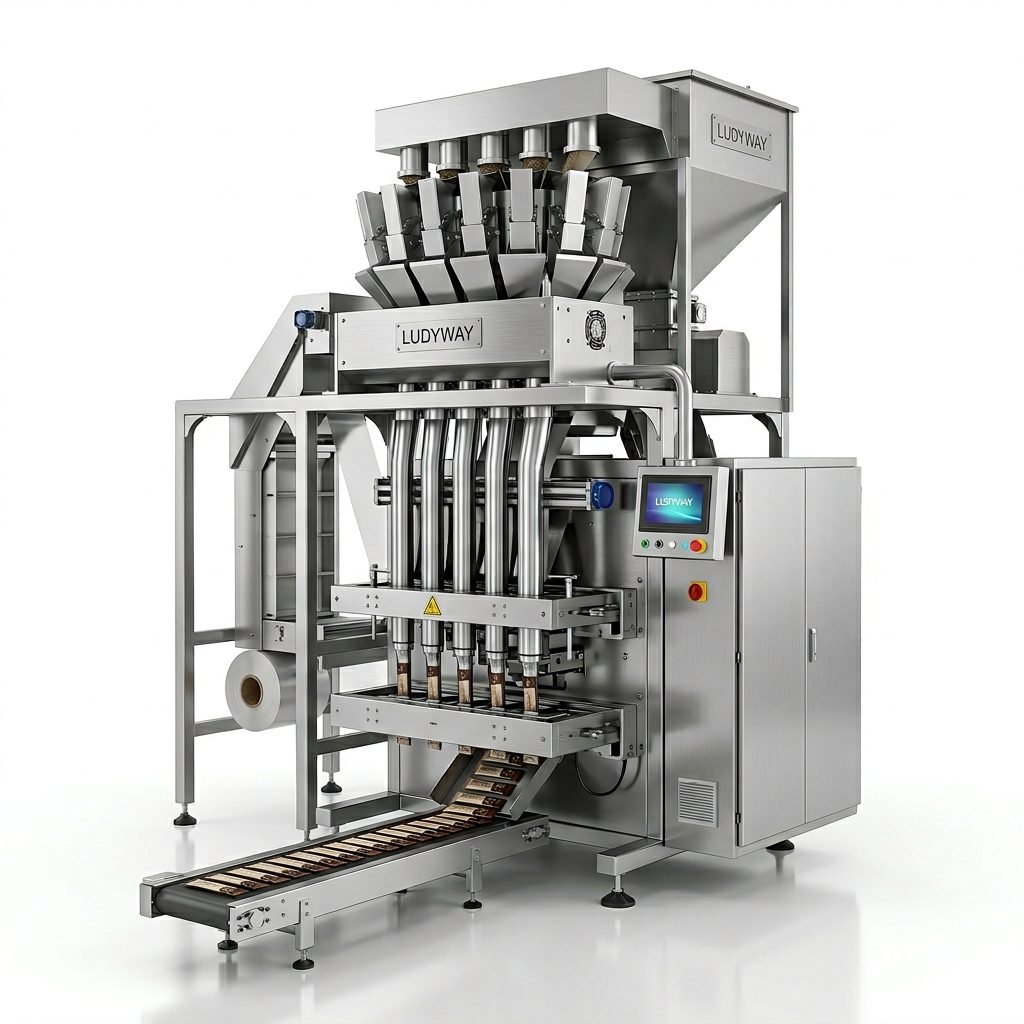
Modern high-speed machines, such as multi-lane stick pack and sachet packaging systems, can achieve astonishing outputs, often ranging from hundreds to thousands of units per minute. This raw speed is crucial for meeting large-volume orders and just-in-time delivery schedules. However, speed without consistency is wasteful. The hallmark of a high-efficiency solution is its ability to maintain this peak output over extended periods with minimal deviation, ensuring every product meets the same stringent standards.
2. Precision Engineering for Zero Waste
Efficiency is intrinsically linked to material savings. Advanced packaging machinery incorporates precision dosing systems—for granules, powders, and liquids—that minimize product giveaway. Simultaneously, sophisticated web tension control and sealing technologies ensure packaging film is used optimally, reducing trim waste. This precision not only cuts material costs but also aligns with sustainable manufacturing principles by reducing the environmental footprint of the production process.
3. Agile Flexibility & Quick Changeover
Market demands shift rapidly, requiring production lines to adapt. High-efficiency machinery is designed for agility. Features like tool-less changeovers, programmable recipe storage, and modular components allow a single line to handle multiple product formats, sizes, and packaging types. This flexibility reduces downtime during product switches from hours to minutes, maximizing overall equipment effectiveness (OEE) and enabling manufacturers to respond swiftly to market opportunities.
4. Robust Reliability & Uptime
The most efficient machine is the one that is running. Durability and reliability are non-negotiable. Equipment built with high-grade components, robust frames, and simplified mechanical designs experiences fewer breakdowns. When integrated with predictive maintenance alerts and easy-access service points, these machines achieve exceptional uptime, ensuring the packaging line is a reliable asset, not a bottleneck.
5. Seamless Integration & Smart Automation
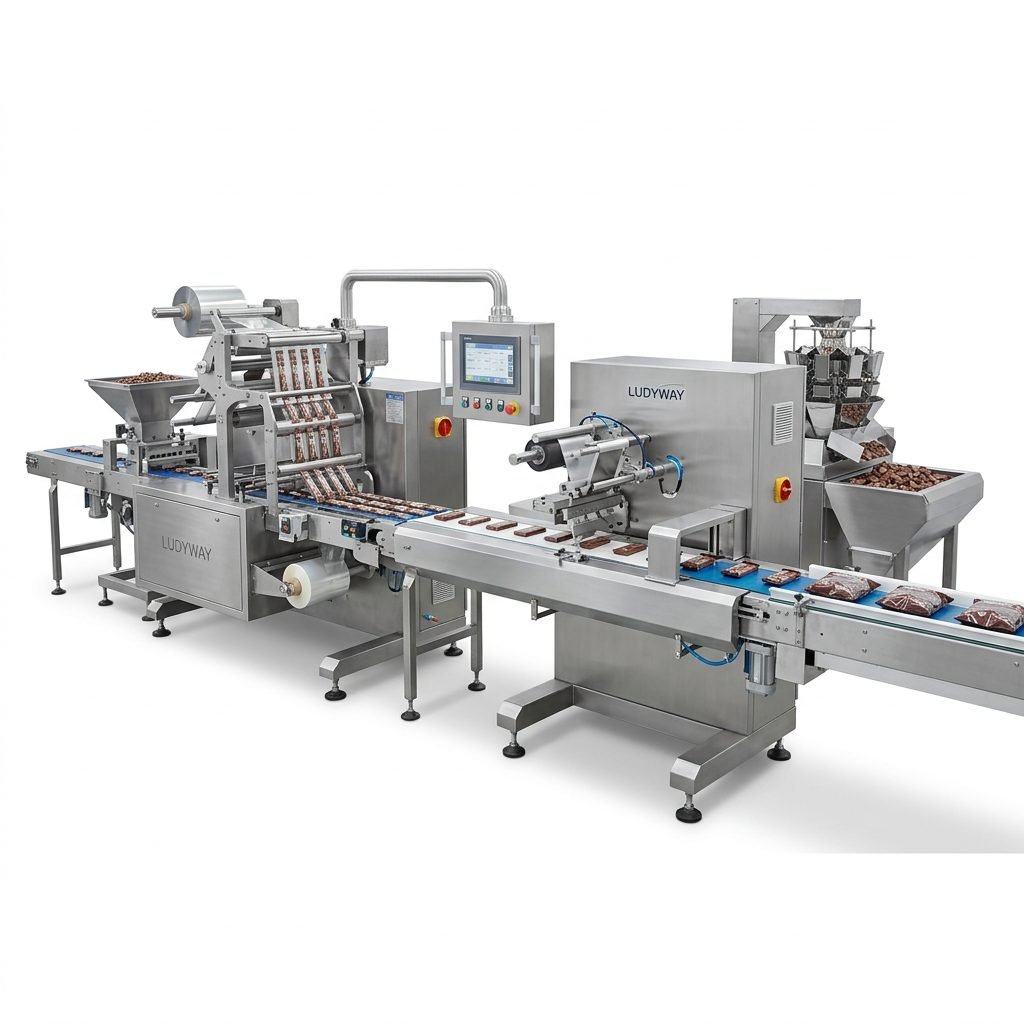
An isolated machine cannot create an efficient system. True high-efficiency solutions are designed for seamless integration into complete turnkey production lines. This includes compatibility with upstream feeders, fillers, and downstream cartoning or case-packing robots. Furthermore, integration with Manufacturing Execution Systems (MES) and SCADA allows for real-time monitoring, data collection, and centralized control, enabling data-driven decisions for continuous optimization.
Industry-Specific Applications & Benefits
The drive for packaging efficiency manifests uniquely across different sectors, each with its own set of challenges and regulatory requirements.
✔ Food & Beverage Industry
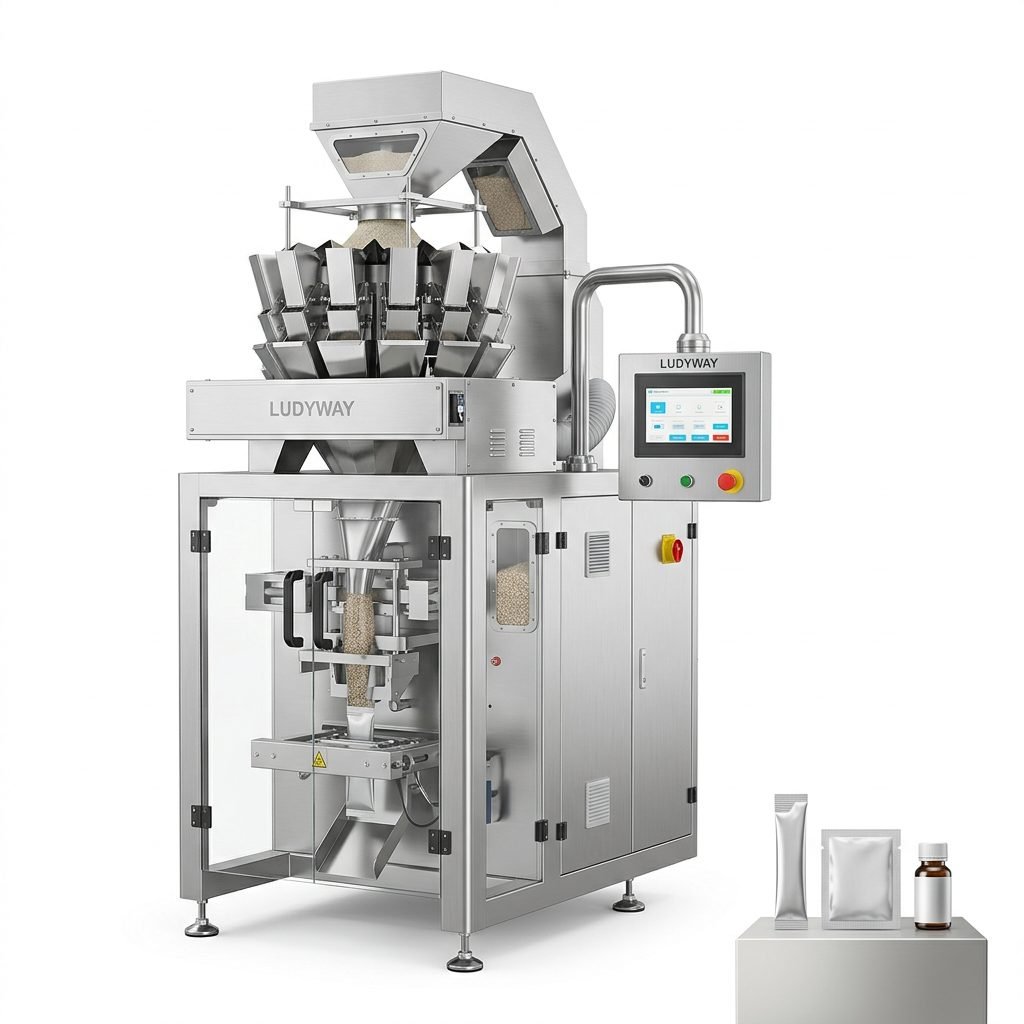
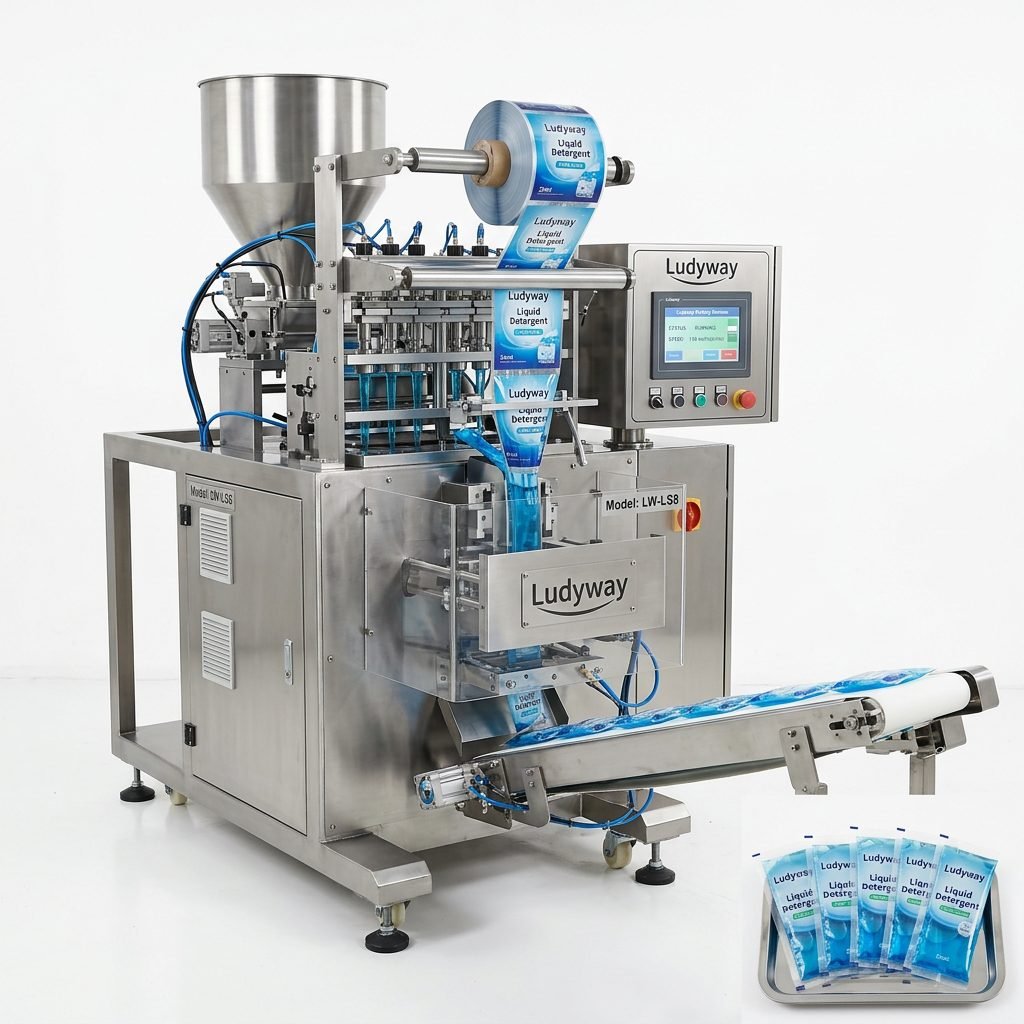
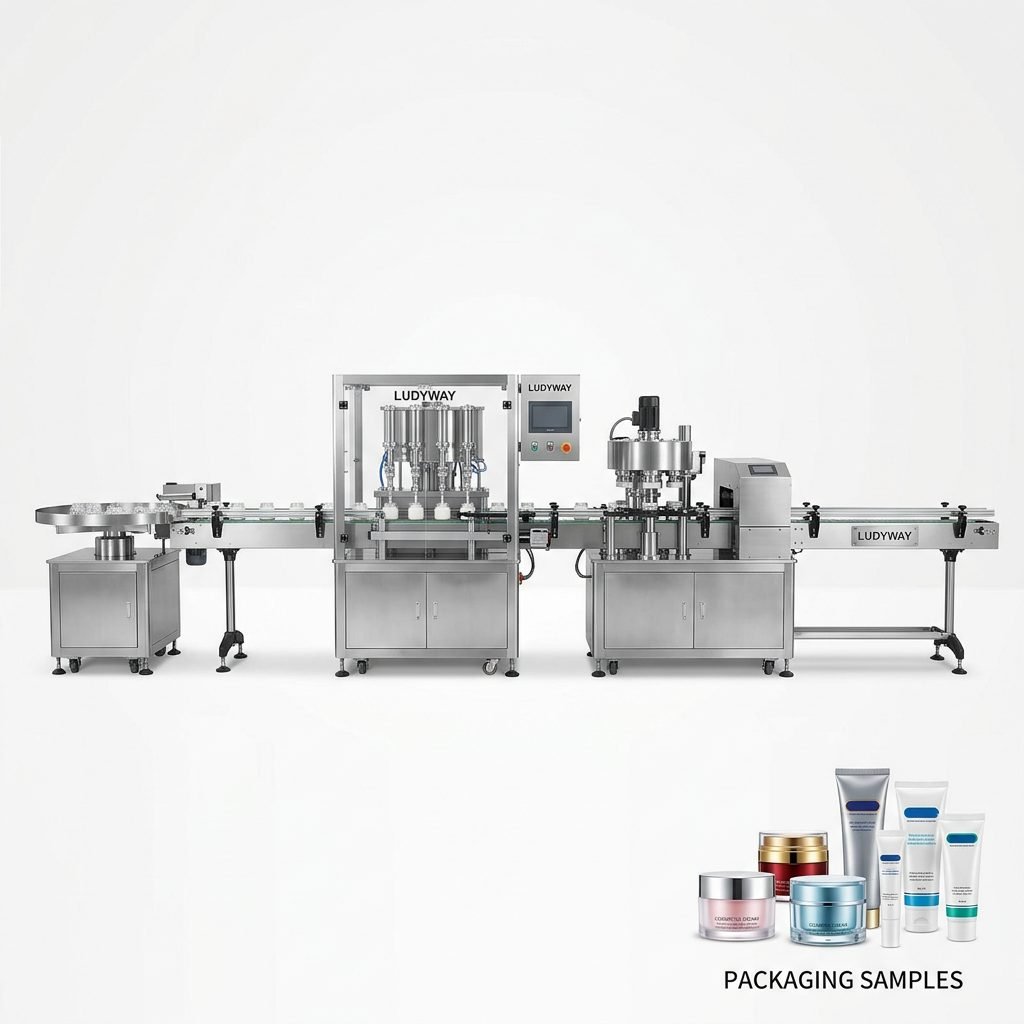
Here, efficiency must coexist with stringent hygiene and freshness preservation. High-speed vertical form-fill-seal (VFFS) machines for snacks, powdered drinks, and pasta ensure rapid packaging that locks in flavor and crispness. For liquids and sauces, precision liquid fillers with no-drip nozzles and inert gas flushing capabilities prevent oxidation and spillage, extending shelf life while maximizing throughput. The agility to package seasonal promotions or limited-edition flavors quickly is a key competitive advantage enabled by flexible machinery.
✔ Industrial & Chemical Production
This sector prioritizes accuracy, safety, and handling diverse materials. Packaging machinery for industrial granules, powders (like cement additives or cleaning compounds), and lubricants must be exceptionally robust and often feature dust-proof and corrosion-resistant designs. High-efficiency solutions provide exact weight control to comply with regulatory standards and prevent costly overfilling of expensive raw materials. Automated bagging, sealing, and palletizing lines handle heavy-duty tasks, protecting workers and ensuring consistent, reliable output for B2B supply chains.
The Role of Expert Partners in Delivering Efficiency
Implementing a high-efficiency packaging solution is a significant investment. Partnering with an experienced provider is critical to ensuring this investment delivers its promised return. A true partner brings more than just equipment.
They offer deep application expertise, understanding the nuances of packaging different product viscosities, flowabilities, and sensitivities. They provide customized engineering, tailoring solutions to fit specific factory layouts and production goals rather than offering a one-size-fits-all approach. Furthermore, comprehensive after-sales support—including training, spare parts logistics, and remote diagnostics—guarantees that the machinery maintains its high-efficiency performance throughout its entire lifecycle. Companies like Ludyway Machinery, with decades of focused experience, exemplify this partner approach, helping clients navigate the complex journey from initial concept to a fully operational, optimized packaging line.
Future Trends: The Next Wave of Packaging Efficiency
The pursuit of efficiency is continuous. Emerging technologies are set to redefine benchmarks further.
- AI-Powered Optimization: Machine learning algorithms will analyze operational data in real-time to self-adjust parameters for optimal speed and material use, predict failures before they happen, and suggest improvements.
- Advanced Robotics: More dexterous and vision-guided robots will handle complex secondary packaging tasks with greater speed and flexibility, seamlessly integrating with primary packaging units.
- Sustainable Design: Efficiency will increasingly be measured by energy and material consumption. Machinery will evolve to handle mono-materials and recyclable films effortlessly and operate on significantly lower power.
- Hyper-Connectivity: The Industrial Internet of Things (IIoT) will deepen, with every sensor and actuator providing data to cloud platforms for holistic supply chain optimization and traceability from production to end-user.
Conclusion
High-efficiency packaging machinery is the cornerstone of modern, competitive manufacturing in the food, beverage, and industrial sectors. It represents a sophisticated synergy of speed, precision, flexibility, and intelligence. By investing in these advanced solutions and partnering with knowledgeable experts, manufacturers can unlock new levels of productivity, reduce total cost of ownership, enhance product quality, and build a resilient, adaptable operation ready for the future. The journey towards packaging excellence is ongoing, and the right machinery is the most critical vehicle on that path.
Frequently Asked Questions (FAQs)
1. What is the most important factor when choosing a high-efficiency packaging machine?
While speed is often highlighted, Overall Equipment Effectiveness (OEE)—a combination of availability, performance, and quality rate—is the most critical metric. A machine that is fast but breaks down frequently or produces high waste is not truly efficient. Prioritize reliable, robust machinery with a proven track record of high OEE in your specific application.
2. Can high-speed packaging machinery handle delicate or irregularly shaped products?
Yes, with the right customization. Modern machines can be equipped with gentle handling systems like vibratory trays, soft-drop mechanisms, and specialized cup or bucket conveyors designed to protect fragile products like chips, biscuits, or intricate components while maintaining high speed.
3. How long does it typically take to integrate a new packaging line and see a return on investment (ROI)?
The timeline varies based on complexity. A standard machine might be operational in weeks, while a full turnkey line could take several months. ROI is typically calculated based on labor savings, reduced material waste, and increased output. Many high-efficiency projects achieve payback within 12 to 24 months. A detailed feasibility study with your supplier, like the experts at Ludyway, can provide a precise projection.
4. Are these machines difficult for operators to learn and maintain?
Leading manufacturers design for user-friendliness. Features include intuitive touchscreen HMIs (Human-Machine Interfaces), guided changeover procedures, and comprehensive training programs. Predictive maintenance systems and easily accessible service points further simplify upkeep, empowering your team to manage the equipment effectively.
5. How can I ensure the machine remains efficient as my packaging materials or product formulations change?
This underscores the importance of flexibility and supplier partnership. Choose machinery with a wide operational range and modular design. A reliable supplier will offer ongoing technical support to help recalibrate and potentially retrofit equipment for new materials, ensuring your investment is protected and adaptable to future needs. Reviewing a supplier’s history of innovation and support is key here.