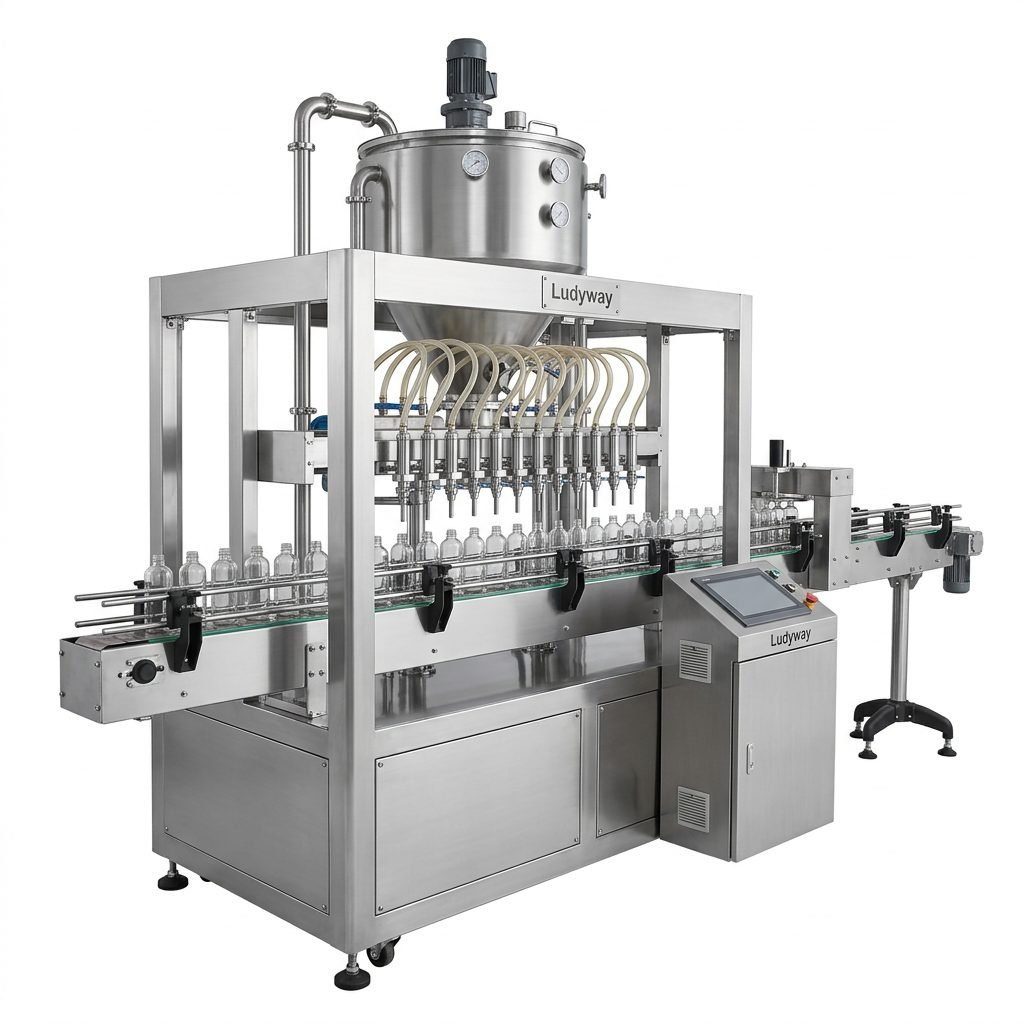
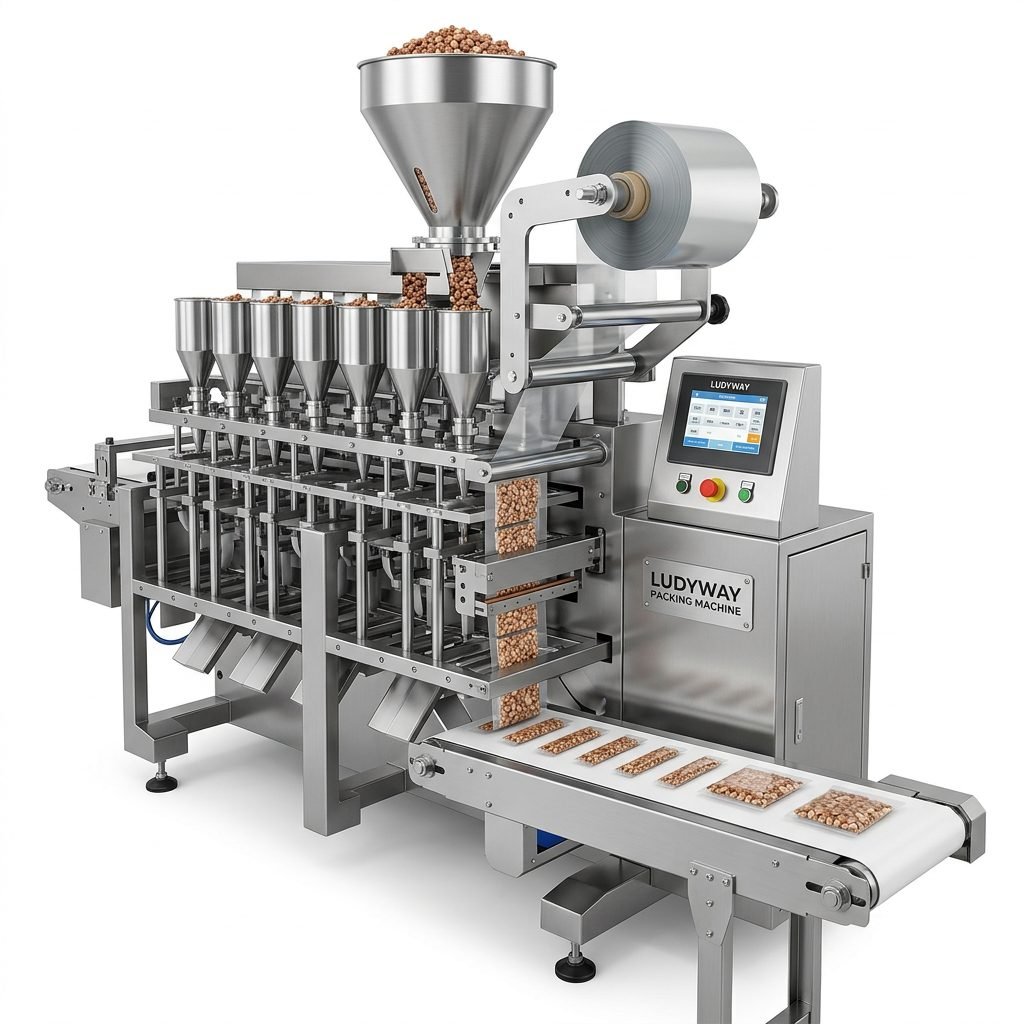
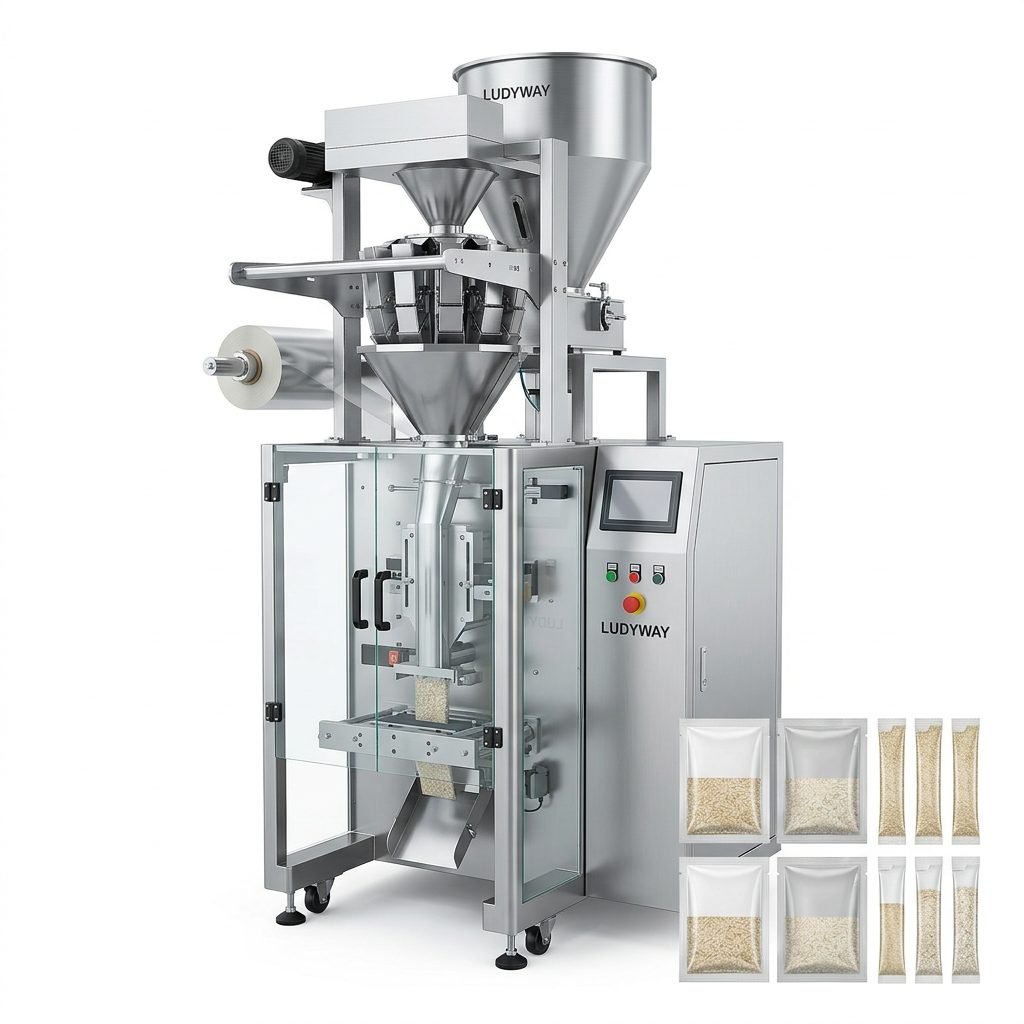
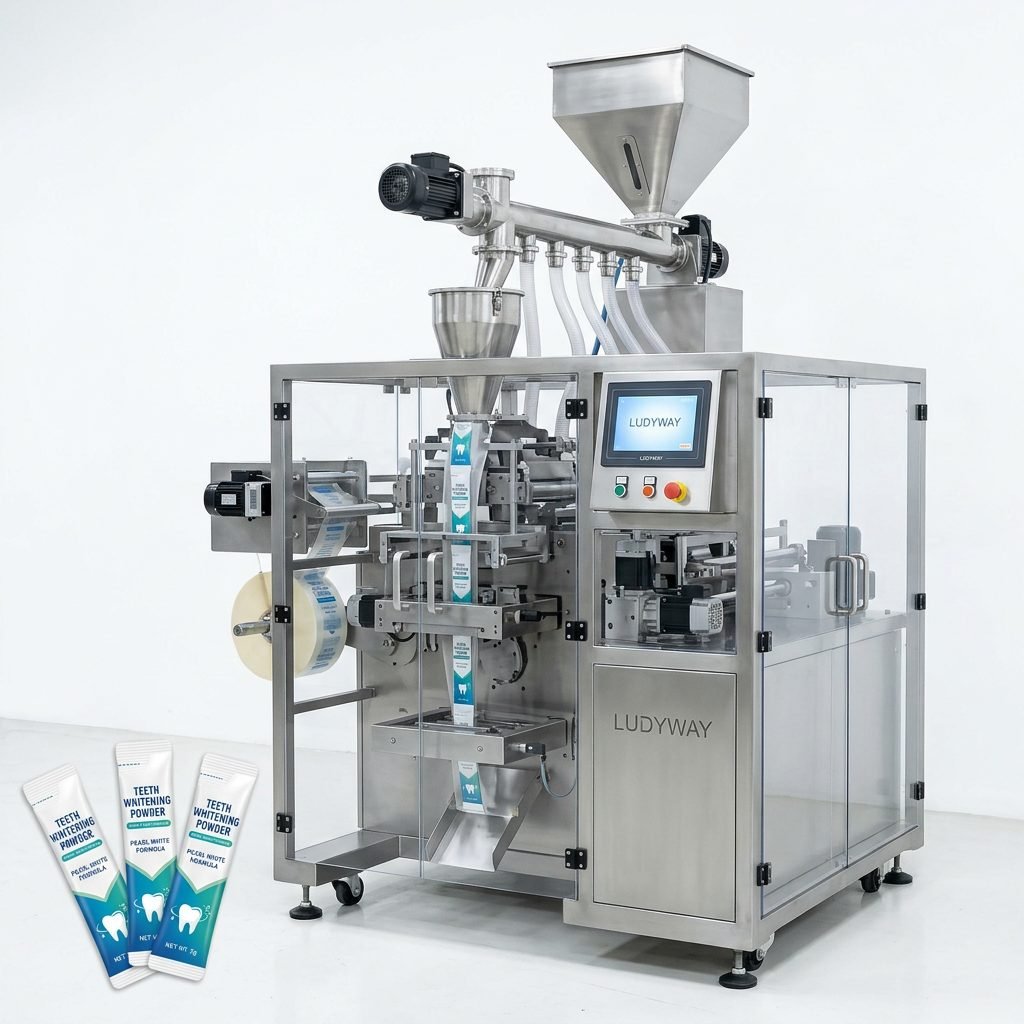
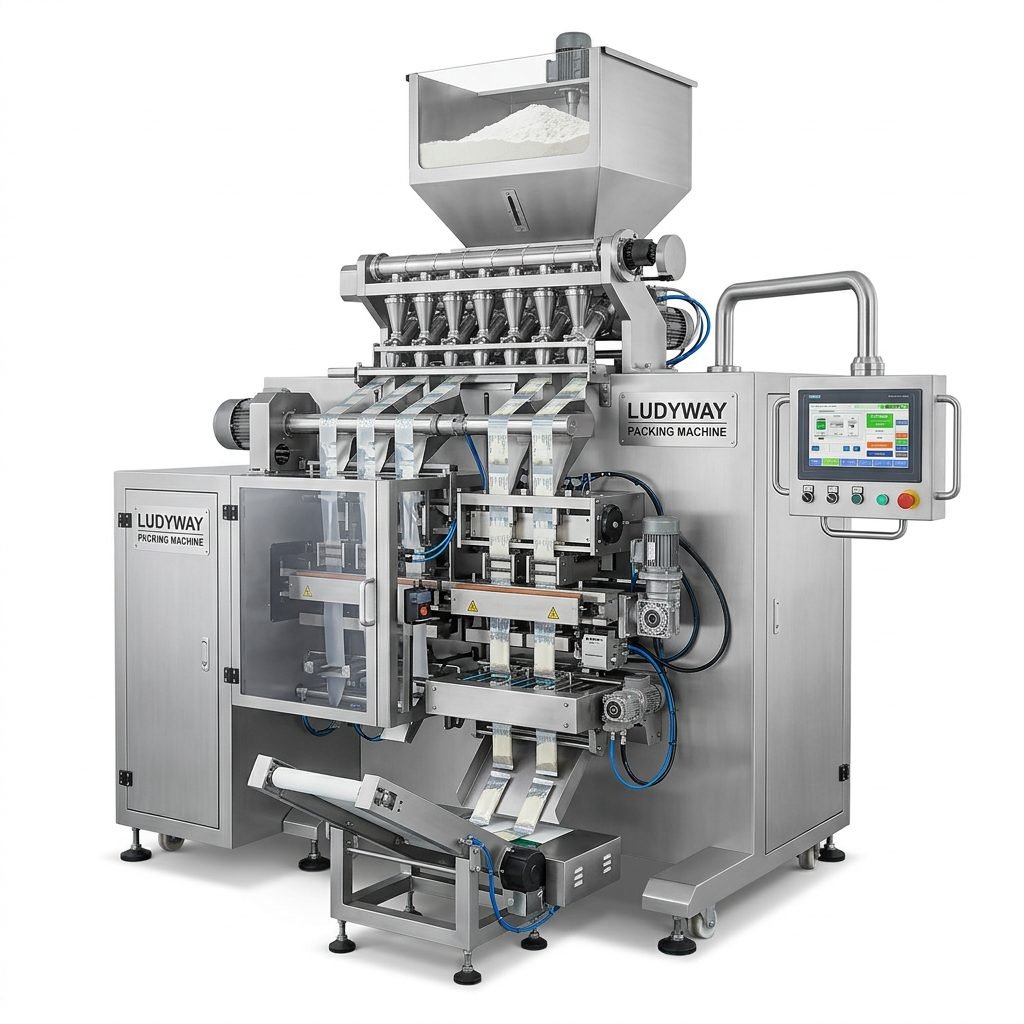
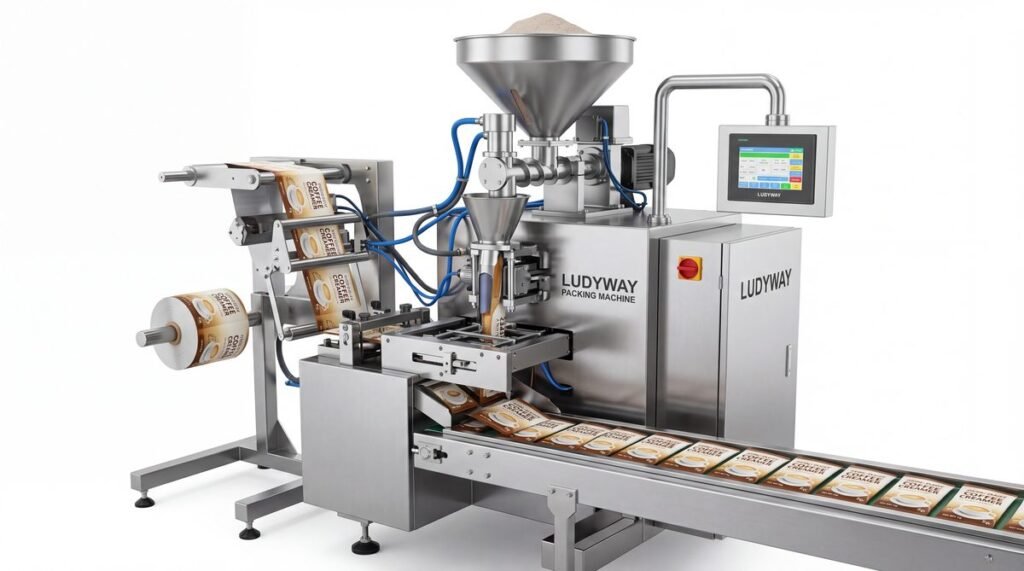
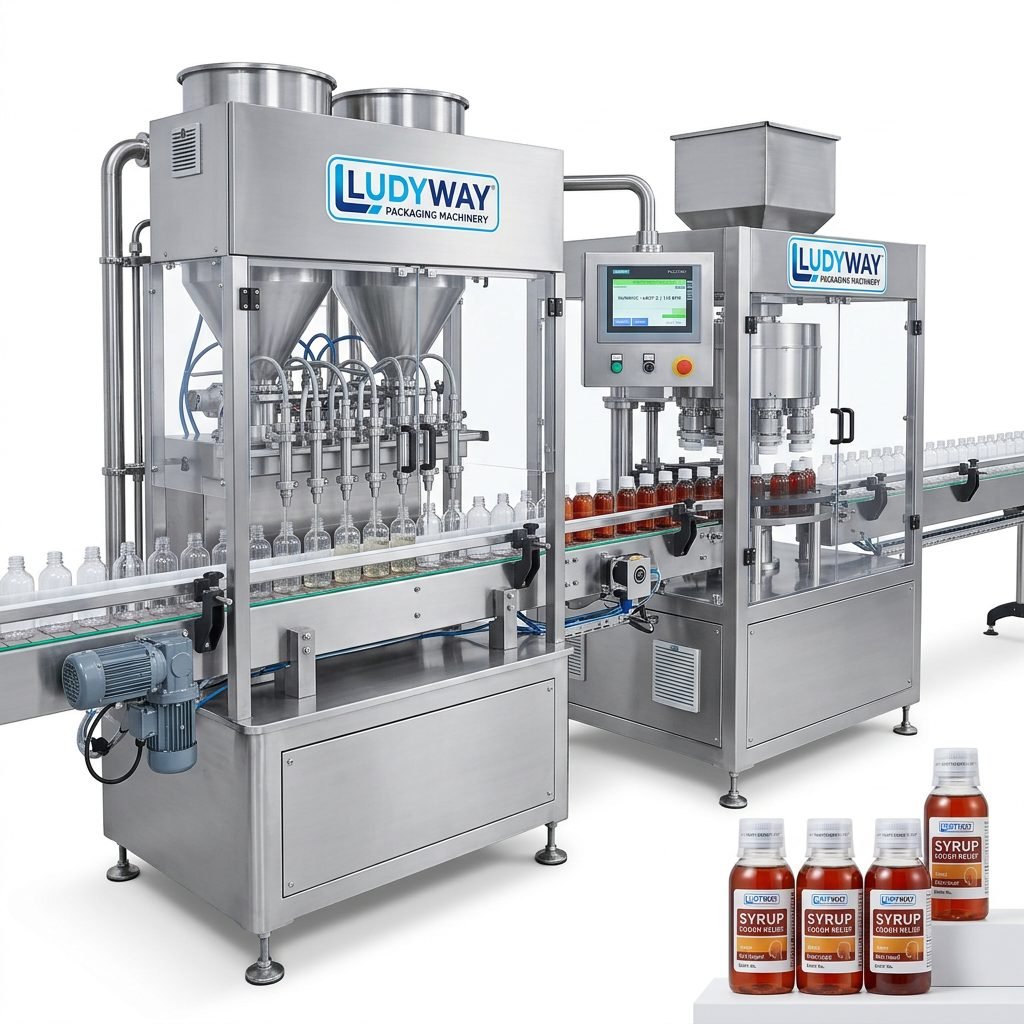
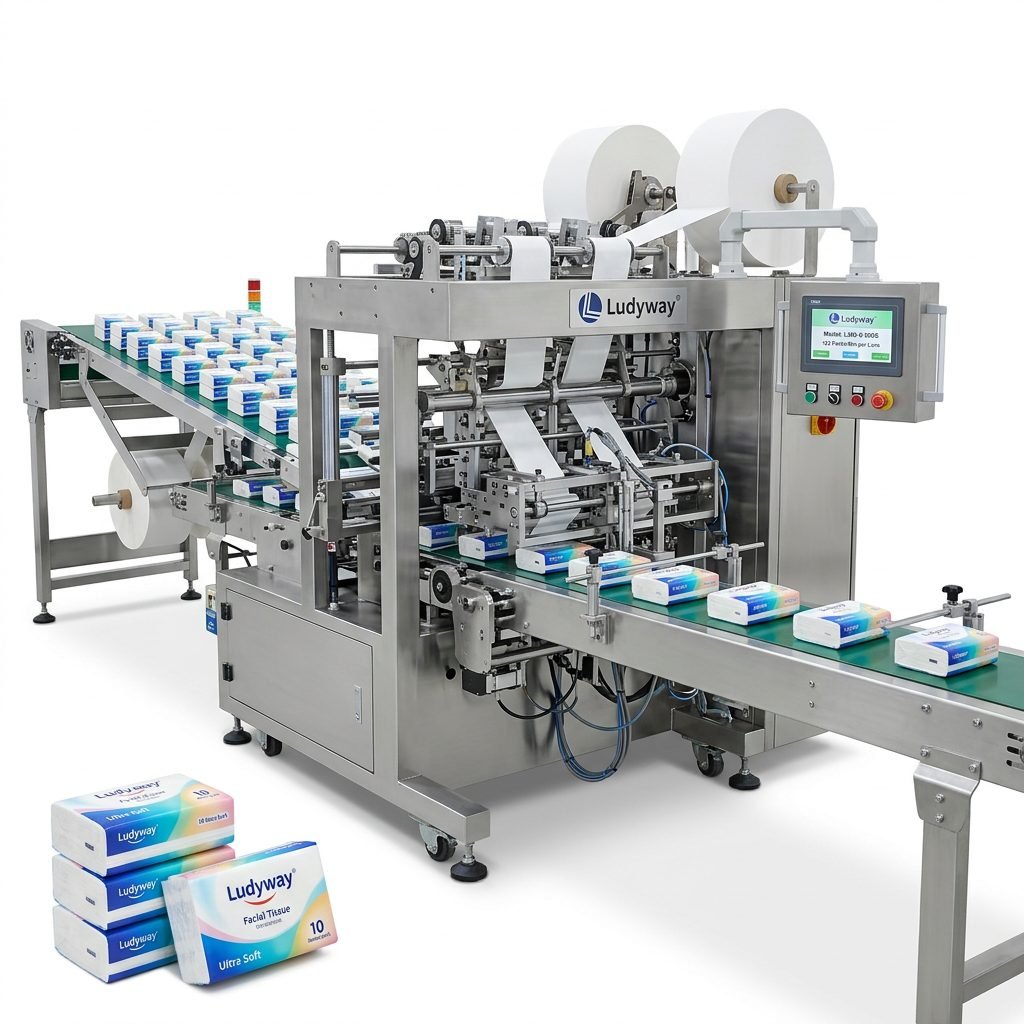
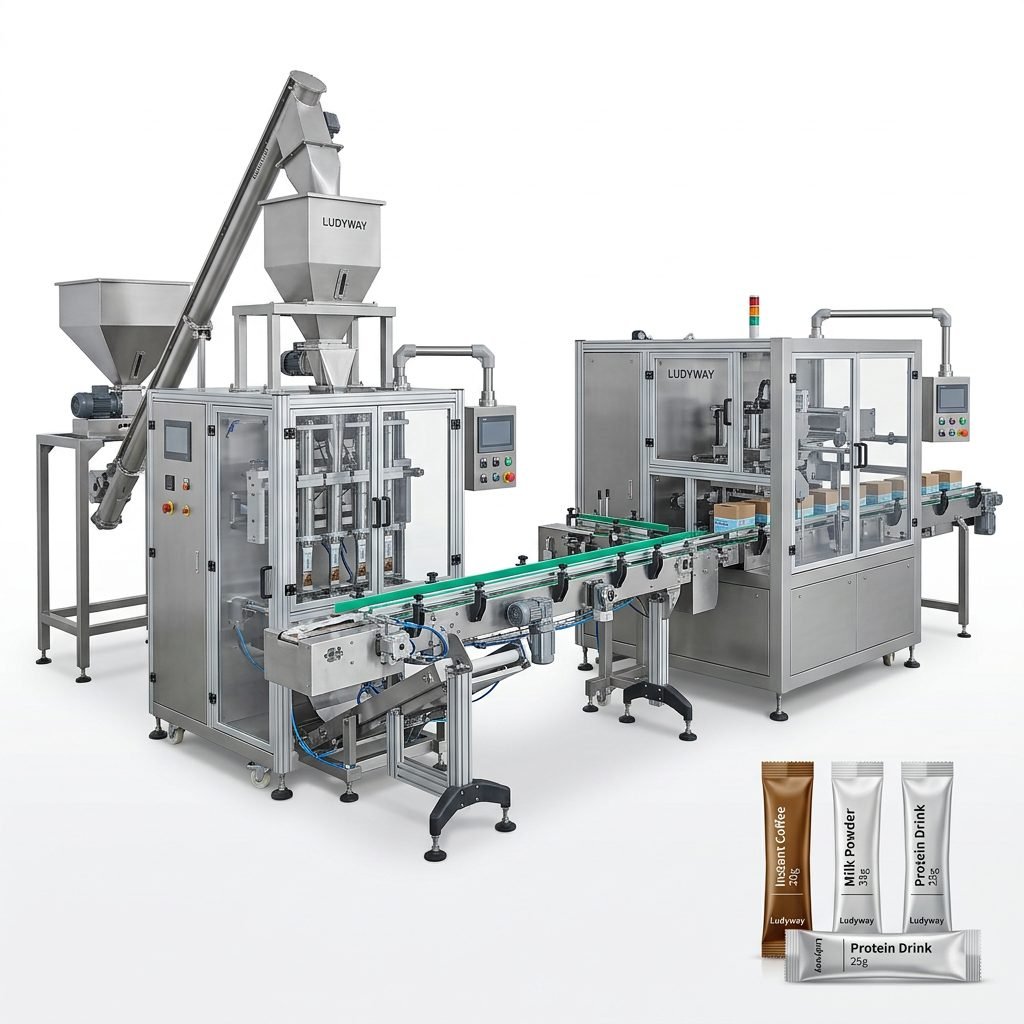
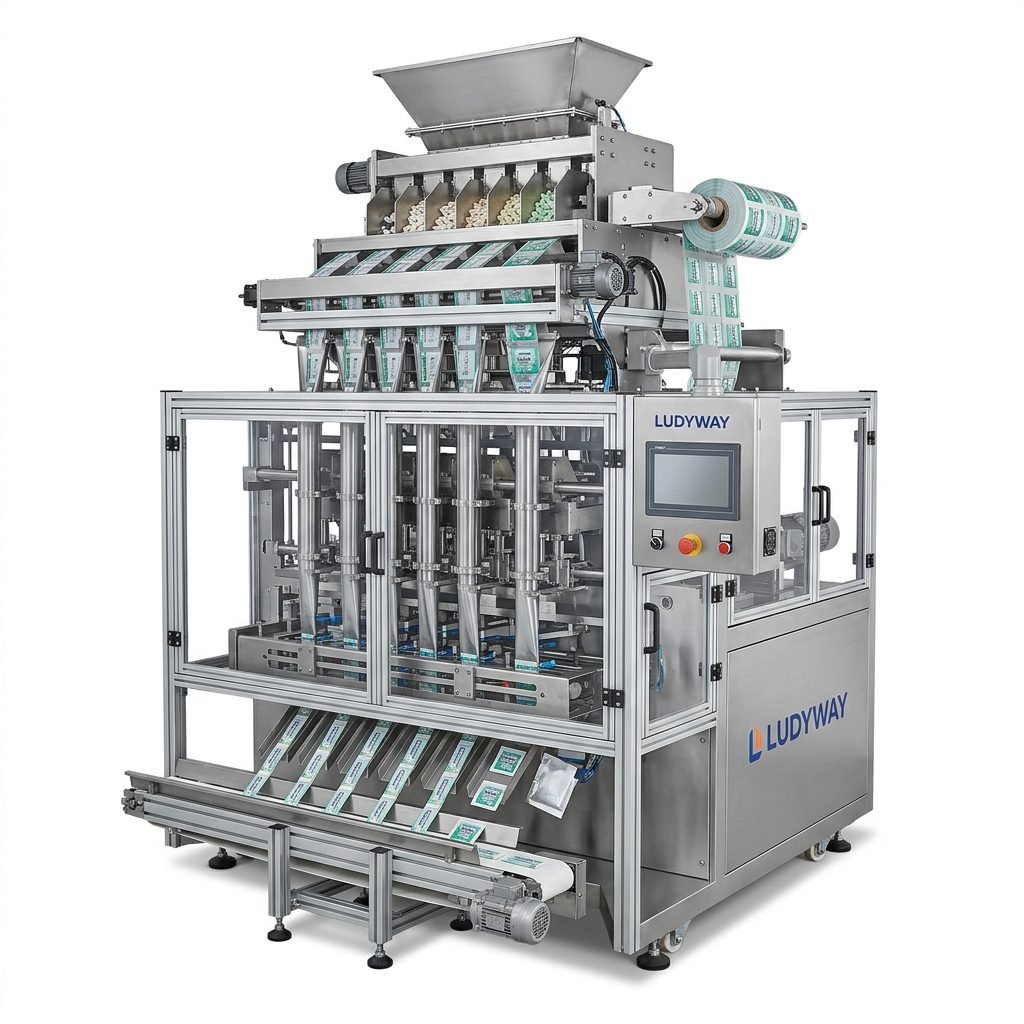
In industries where purity is paramount—from pharmaceuticals and nutraceuticals to high-end food production—the packaging environment is a critical frontier. Contamination, even at microscopic levels, can compromise product safety, efficacy, and brand integrity. This is where the ultraclean packaging machine becomes not just a tool, but a guardian of quality. These specialized systems are engineered to operate within controlled environments, minimizing particulate generation and microbial ingress to ensure the final packaged product meets the highest hygienic standards.
The Core Mechanics: How an Ultraclean Packaging Machine Operates
Unlike standard packaging equipment, an ultraclean machine is designed with a holistic approach to contamination control. Its operation revolves around three fundamental principles: isolation, minimization, and sterilization.
1. The Isolated Packaging Zone
The heart of the machine is a fully enclosed hermetically sealed chamber. This zone is often constructed from polished stainless steel and features smooth, crevice-free surfaces to prevent particle accumulation. Access is controlled through airtight doors or panels, maintaining a positive pressure with filtered air to push contaminants away from the critical area.
2. Minimized Mechanical Particle Generation
Every moving part is a potential source of friction and particles. Ultraclean designs utilize direct-drive systems where possible, eliminating gearboxes that can shed metal wear debris. Components like bearings are often sealed or lubricated with clean, non-shedding materials. The film path—where packaging material travels—is meticulously engineered to avoid scraping or dragging.
3. Integrated Sterilization & Decontamination Cycles
Many advanced systems feature built-in sterilization capabilities. This can include ports for introducing vaporized hydrogen peroxide (VHP), ultraviolet (UV-C) light arrays within the chamber, or clean steam connections. The machine can execute a decontamination cycle automatically before a production run, ensuring the internal environment starts at a validated bio-burden level.
Key Benefits: Beyond Basic Hygiene
Investing in an ultraclean packaging system delivers a cascade of advantages that impact compliance, efficiency, and brand value.
Guaranteed Regulatory Compliance
For pharmaceuticals (complying with cGMP and Annex 1 requirements) or sensitive food products (under FDA and EU regulations), these machines provide documented evidence of a controlled packaging process. This is crucial for audit success and market approval.
Enhanced Product Shelf Life & Stability
By drastically reducing initial microbial and particulate contamination, the packaged product’s inherent stability is preserved. This can lead to extended shelf life, fewer preservatives, and higher customer satisfaction due to maintained product quality.
Reduced Operational Risk & Cost
While the capital investment is higher, the long-term operational costs linked to batch failures, recalls, or line shutdowns for deep cleaning are significantly reduced. It transforms packaging from a variable risk point into a reliable, controlled step.
Brand Protection & Market Differentiation
Producing in an ultraclean environment allows brands to legitimately claim superior purity and safety. This becomes a powerful marketing tool and a tangible point of differentiation in competitive markets like infant formula, dietary supplements, or sterile medical devices.
A Practical Buying Guide for Hygienic Production
Selecting the right ultraclean packaging machine requires a focused evaluation beyond standard equipment specs.
Step 1: Define Your Contamination Control Level (CCL)
Not all “clean” needs are the same. Establish a target based on your product:
• CCL 1 (Critical): For sterile products (e.g., injectables, implants). Requires ISO Class 5 (Class 100) conditions or better.
• CCL 2 (Stringent): For low-bioburden pharmaceuticals or sensitive probiotics. Targets ISO Class 7 (Class 10,000) environments.
• CCL 3 (Protected): For high-quality foods or nutraceuticals where particulate and odor control are key.
Step 2: Scrutinize Machine Design & Material
Look for:
• Chamber material: Electropolished 316L stainless steel is ideal.
• Sealing: Continuous welds, no bolts or rivets inside the zone.
• Motion design: Sealed linear actuators, minimal external shafts penetrating the chamber.
• Filtration: Integrated HEPA (H13 or H14) filtration for supply air, with monitored differential pressure.
Step 3: Evaluate Validation & Documentation Support
The supplier must provide:
• A IQ/OQ/PQ protocol framework for installation, operational, and performance qualification.
• Documentation for material certifications (e.g., steel grade, lubricants).
• Cleanliness test reports from the factory (e.g., particle count, bioburden).
Step 4: Consider Integration & Future Flexibility
How will the machine fit into your larger cleanroom or controlled area? Consider:
• Interface points for isolator transfer (e.g., RTP ports).
• Compatibility with automated loading/unloading systems (robots).
• Modularity to allow future upgrades (e.g., adding a VHP generator).
Partnering with an experienced manufacturer is crucial. Companies like Ludyway Packaging Machinery, with deep expertise in hygienic design for the food and pharmaceutical sectors, can guide this complex selection process. Their focus on turnkey solutions ensures the machine integrates seamlessly into your production environment.
Conclusion
The ultraclean packaging machine represents the convergence of precision engineering, microbiological science, and regulatory necessity. It is a strategic asset for producers who cannot compromise on purity. By understanding its working principles, tangible benefits, and following a disciplined buying guide, manufacturers can make an investment that safeguards their product, their process, and ultimately, their reputation in the global market.
Frequently Asked Questions (FAQs)
What is the main difference between a “clean” and an “ultraclean” packaging machine?
Standard “clean” machines focus on general hygiene and washdown capability. Ultraclean machines are designed for active contamination control within an isolated zone, featuring sealed construction, internal HEPA filtration, and often integrated sterilization systems to achieve and maintain a defined, validated cleanliness level.
Can an ultraclean machine handle all packaging formats?
While technology is advancing, the most common and validated formats are sachets, stick packs, and blister packs for powders, granules, and tablets. Formats requiring complex mechanical forming (like some bottles) are more challenging to fully isolate. The specific format must be discussed with specialists like those at Ludyway to assess feasibility.
How often does the internal chamber need to be sterilized?
The frequency depends on the product’s Critical Contamination Level (CCL) and the machine’s operational design. For sterile products (CCL 1), sterilization (e.g., via VHP) might be required before each batch. For lower levels, it could be weekly or at major product changeovers. The machine’s Qualification (PQ) protocol will establish the validated cycle.
Is operator training different for these machines?
Yes, significantly. Training extends beyond mechanical operation to include contamination control theory, proper gowning procedures for access, understanding airlock protocols, and interpreting environmental monitoring data from the machine. It’s a more disciplined operational mindset.
What is the typical lead time for acquiring such a specialized system?
Lead times are longer than for standard equipment due to custom fabrication, validation testing, and often complex integration planning. Expect a timeline of 6 to 12 months from order to validated installation. Engaging with a supplier early in the project planning phase is essential.