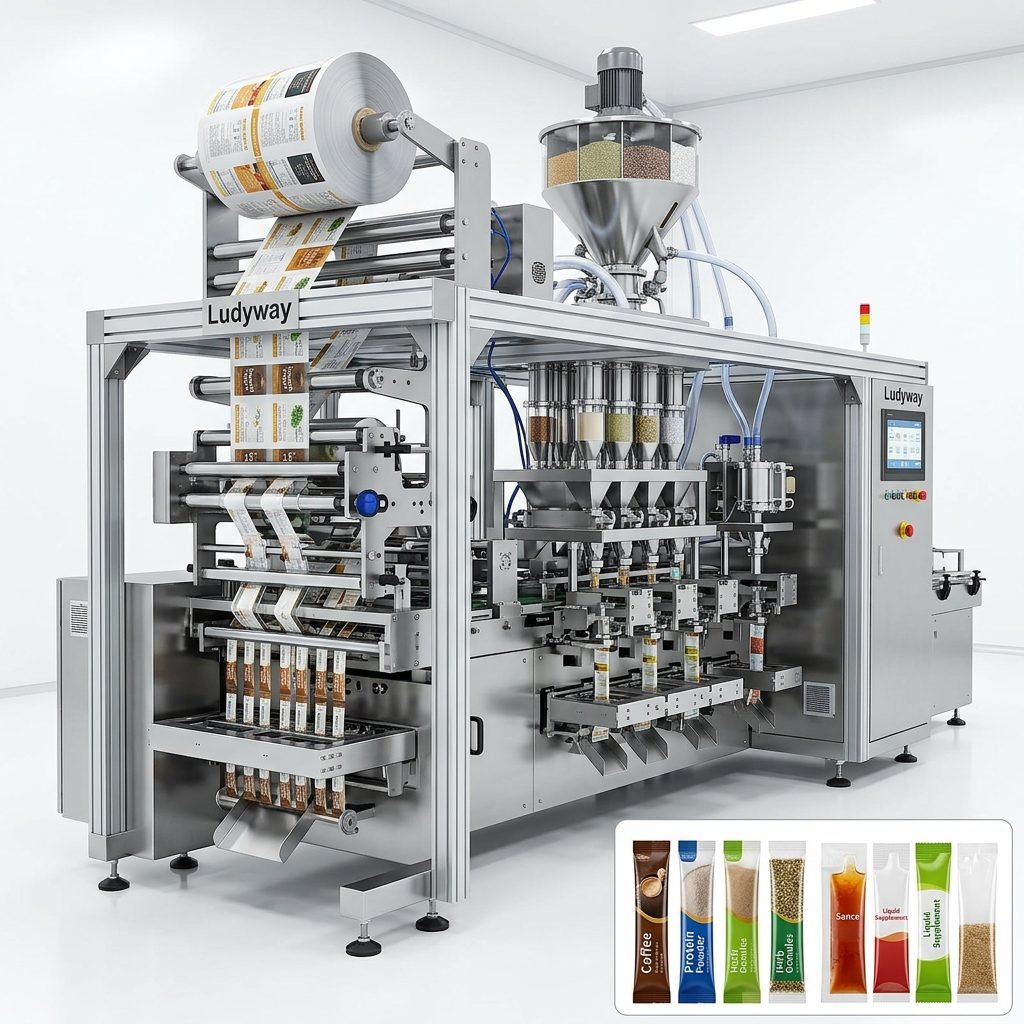
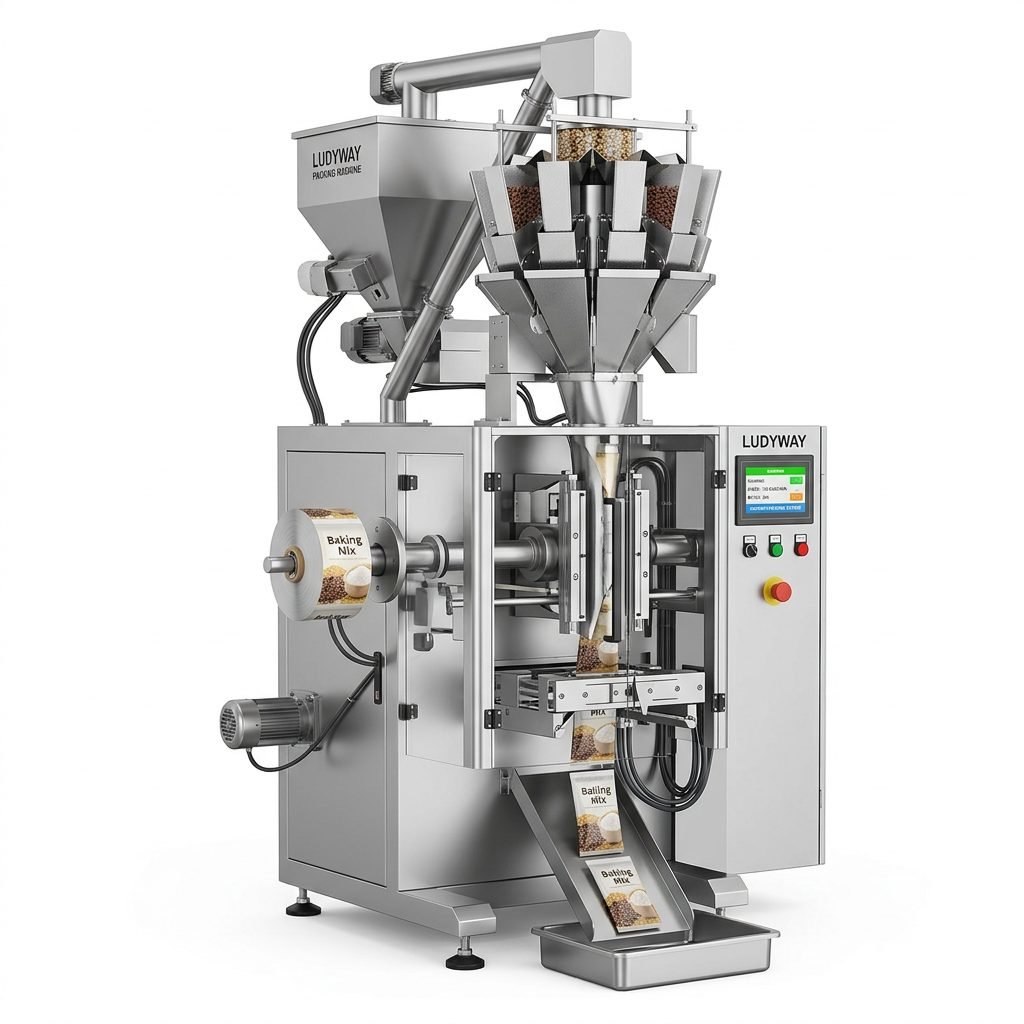
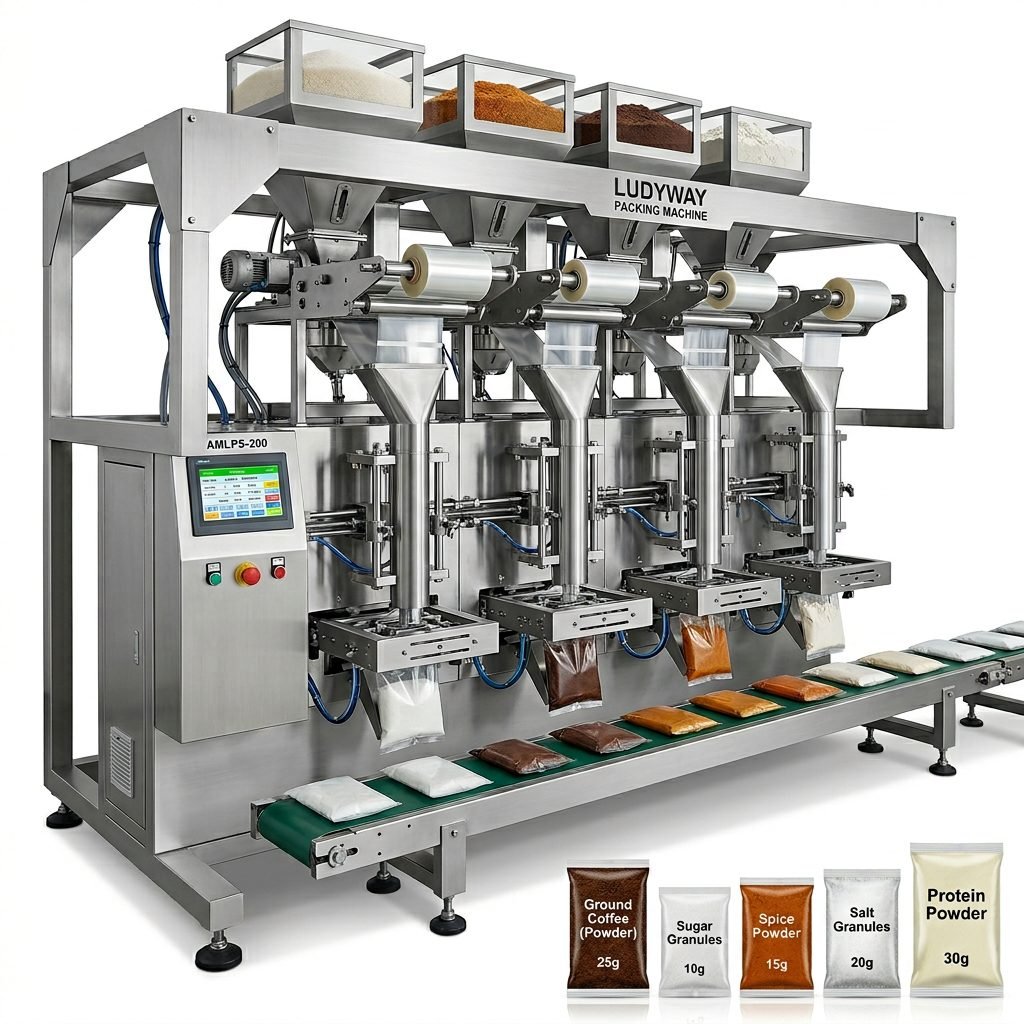
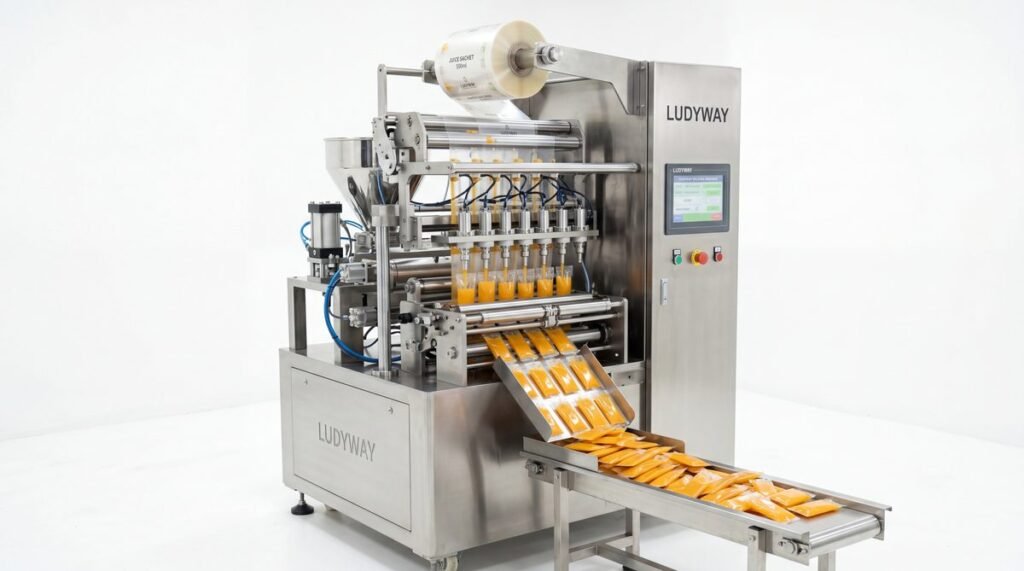
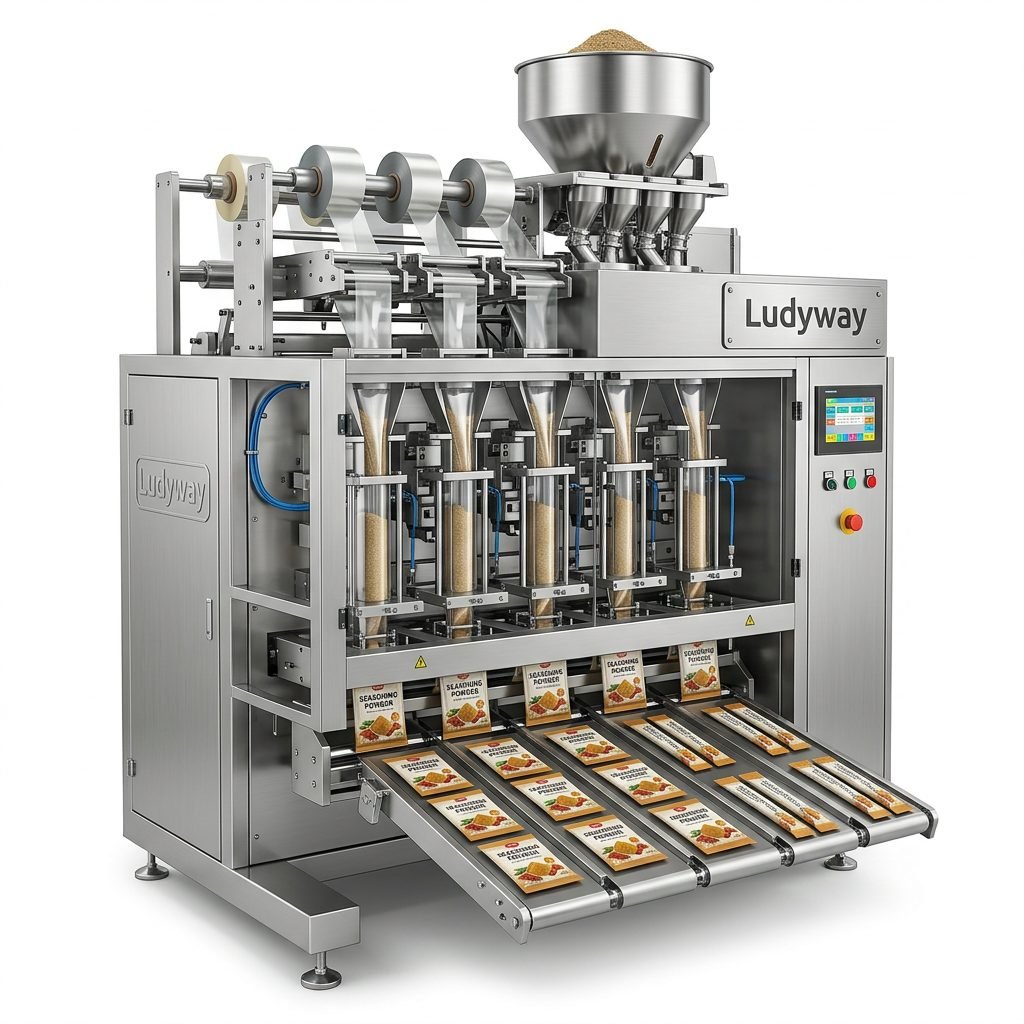
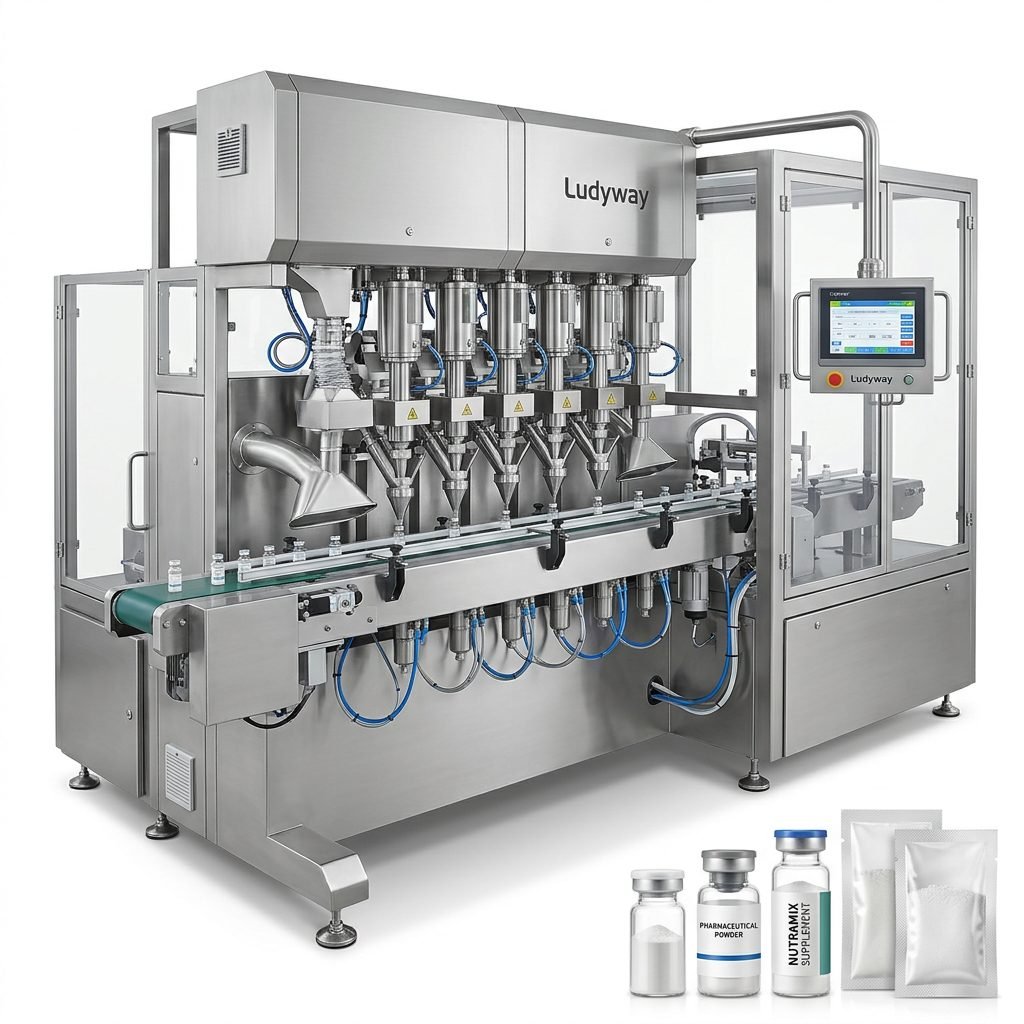
For food manufacturers, sauce packaging is a critical step that directly impacts product quality, shelf life, and market appeal. Choosing the right small sauce packaging machine is essential for businesses looking to enhance efficiency, maintain consistency, and scale production. This comprehensive guide explores the different types of machines available, factors affecting their prices, and key considerations to help you select the best equipment for your specific needs.
Understanding Small Sauce Packaging Machines
Small sauce packaging machines are automated systems designed to fill and seal precise amounts of liquid or viscous sauces into pouches, sachets, or stick packs. They are ideal for small to medium-scale production, sample packaging, or for businesses with a diverse product range requiring frequent changeovers.
Core Function: The primary function of these machines is to accurately meter, fill, and hermetically seal sauces—from ketchup and soy sauce to mayonnaise, chili oil, and gourmet dressings—into individual, hygienic packages.
Primary Types of Small Sauce Packaging Machines
The market offers several configurations, each suited to different production volumes, package styles, and sauce viscosities.
1. Vertical Form-Fill-Seal (VFFS) Machines
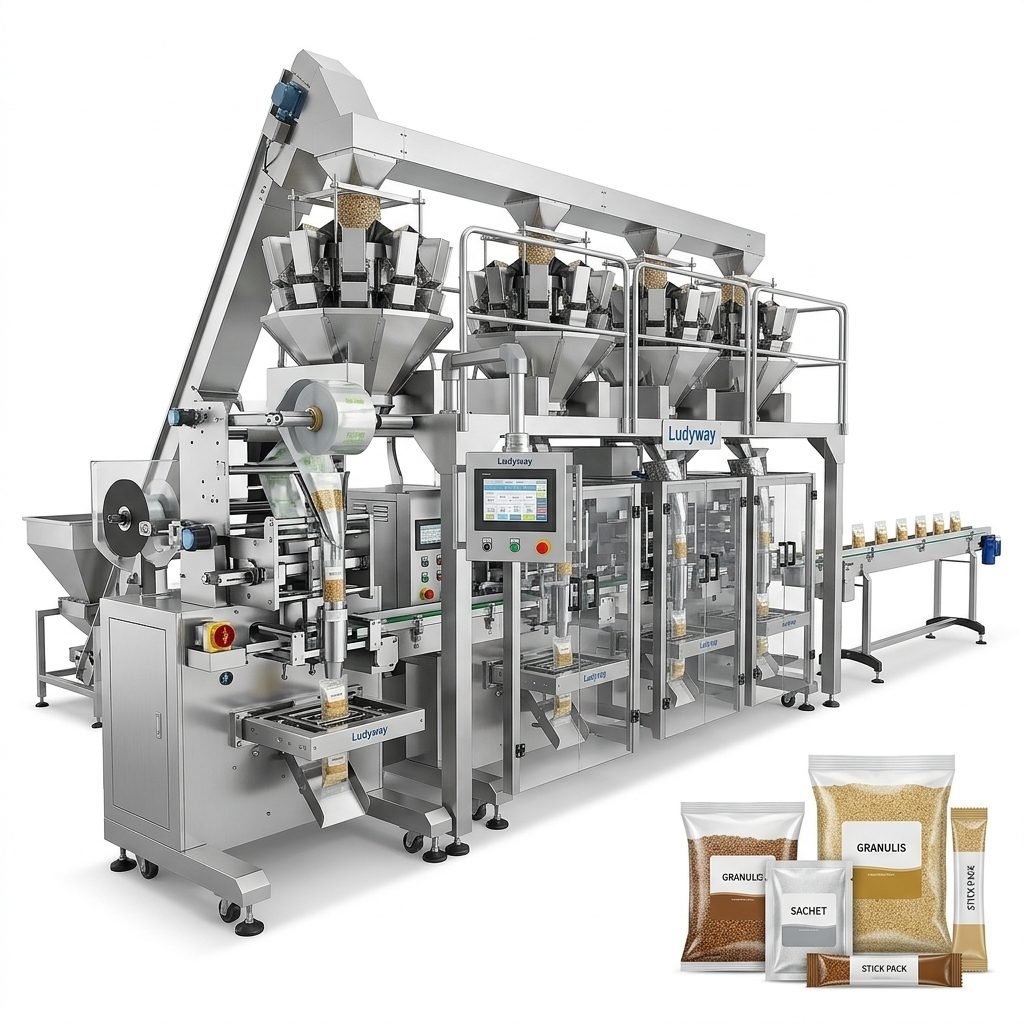
These are the most common type for pouch packaging. They form bags from a roll of packaging film, fill them with sauce, and then seal them. They are highly versatile and can handle various pouch sizes and styles.
- Best for: Medium-volume production of stand-up pouches, flat pouches, or gusseted bags.
- Advantage: Efficient use of packaging material and easy size changeovers.
2. Sachet (or Pouch) Packaging Machines
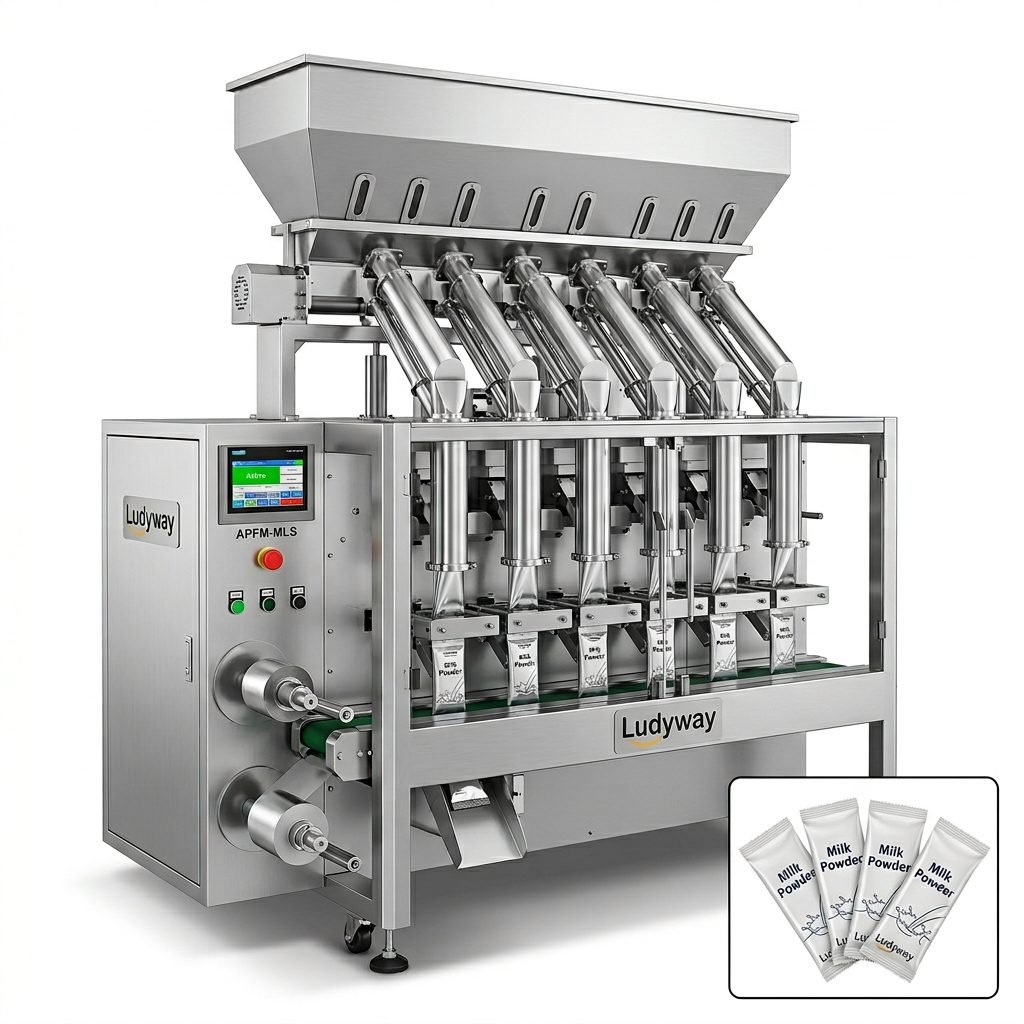
Often a subset of VFFS machines, these are specifically optimized for creating small, flat sachets. They can be single-lane or multi-lane for higher output.
- Best for: Single-serve condiments, dipping sauces, or sample packets.
- Advantage: Compact footprint and excellent for small, precise fills (5ml to 50ml).
3. Stick Pack Machines
These machines create long, narrow “stick” packs, which are very popular for portable liquid products. They require specialized forming and sealing techniques.
Market Trend: Stick packs have seen massive growth globally, particularly for on-the-go sauces, drink mixes, and supplements, due to their space-saving design and convenience.
4. Liquid Filling Machines with Capping
This category involves machines that fill sauce into pre-made bottles, jars, or tubes and then apply caps or lids. They are often used for thicker, chunkier sauces.
- Best for: Gourmet sauces, salsa, or products sold in rigid containers.
- Advantage: Presents a premium look and is suitable for products with particulates.
Key Factors Influencing Machine Price
The price of a small sauce packaging machine can range from a few thousand to tens of thousands of dollars. Understanding what drives the cost helps in budgeting and finding the best value.
Automation Level & Speed
Fully automatic machines with high-speed capabilities (e.g., 100+ packs per minute) command a higher price than semi-automatic or manual bench-top fillers. Speed directly correlates with output and investment return.
Filling Technology & Accuracy
The type of filling system is a major cost driver. Piston fillers are highly accurate for viscous sauces, while auger fillers are better for pastes. Volumetric cup or pump fillers might be used for simpler liquids. More precise and complex filling systems increase the price.
Machine Construction & Materials
Machines built with food-grade stainless steel (especially contact parts) are more durable, easier to clean, and compliant with hygiene standards, but are more expensive than those with painted carbon steel frames.
Brand & Technical Support
Established brands like Ludyway Machinery, with proven reliability and strong after-sales support, often have higher price points. This investment covers access to spare parts, technical manuals, and expert service, reducing long-term downtime risks.
Customization & Additional Features
Need a nitrogen flushing system for extended shelf life? An integrated date coder? Multi-lane configuration? Each add-on feature increases the initial cost but can add significant value to your operation.
How to Choose the Best Machine for Your Needs
Selecting the right machine requires a careful evaluation of your product, production goals, and operational constraints.
Step 1: Define Your Product & Packaging Specifications
- Sauce Viscosity: Is it watery, thick, or chunky? This determines the filling pump type.
- Packaging Material: Determine the film type (e.g., PET/AL/PE for sachets) and its compatibility with the machine’s sealing system.
- Package Size & Style: Define the exact volume and final pouch/bag shape.
Step 2: Assess Your Production Requirements
Critical Question: What is your target output per shift (e.g., 10,000 sachets)? This will narrow down your choice to machines with the appropriate speed and automation level. Don’t over-invest in excessive speed you won’t use.
Step 3: Evaluate Operational Factors
- Footprint: Measure your available floor space.
- Changeover Frequency: If you run many different sauces/sizes, prioritize a machine with quick, tool-less changeover features.
- Ease of Cleaning & Maintenance: Look for a sanitary design with easy disassembly. This is crucial for food safety and operational efficiency.
Step 4: Consider the Supplier’s Credibility
Choose a supplier with a strong track record in sauce packaging. Review their company profile and history. A reliable partner like Ludyway offers not just a machine, but a solution, including installation support, operator training, and accessible technical service, ensuring your investment is protected.
Step 5: Plan for the Future
Consider potential business growth. Can the machine handle a 20% increase in output? Is the supplier capable of providing upgrades or integrating the machine into a full production line later? Opting for a scalable solution from an innovative partner can save significant capital in the long run.
Frequently Asked Questions (FAQs)
What is the typical price range for a small sauce packaging machine?
Prices vary widely based on type and features. A basic semi-automatic sachet filler can start around $5,000, while a high-speed, fully automatic multi-lane VFFS machine with advanced controls can range from $30,000 to $80,000 or more. It’s best to request a detailed quote based on your specific requirements.
Can one machine package different types of sauces?
Yes, most machines are versatile, but changeover requires cleaning and potentially changing parts like filling nozzles or pump types. It’s crucial to discuss your full product range with the supplier to ensure the machine is configured for easy switching between different viscosities.
How important is after-sales service when purchasing?
Extremely important. Packaging machines are long-term investments. A supplier with robust after-sales support provides peace of mind through readily available spare parts, detailed troubleshooting guides, and responsive technical assistance, which minimizes costly production downtime.
What packaging materials work best with these machines?
Most machines use heat-sealable laminates (e.g., PET/PE, NY/PE, or MET/PE). For sauces requiring a high barrier against oxygen and light to preserve flavor and color, aluminum foil-based laminates (PET/AL/PE) are often used. Your machine supplier can recommend compatible materials.
Are these machines difficult to operate and maintain?
Modern machines are designed with user-friendly interfaces (often touchscreen HMI). While they are sophisticated, proper initial training from the supplier is key. Routine maintenance (daily cleaning, lubrication) is straightforward, and a good supplier will provide clear maintenance schedules and support.