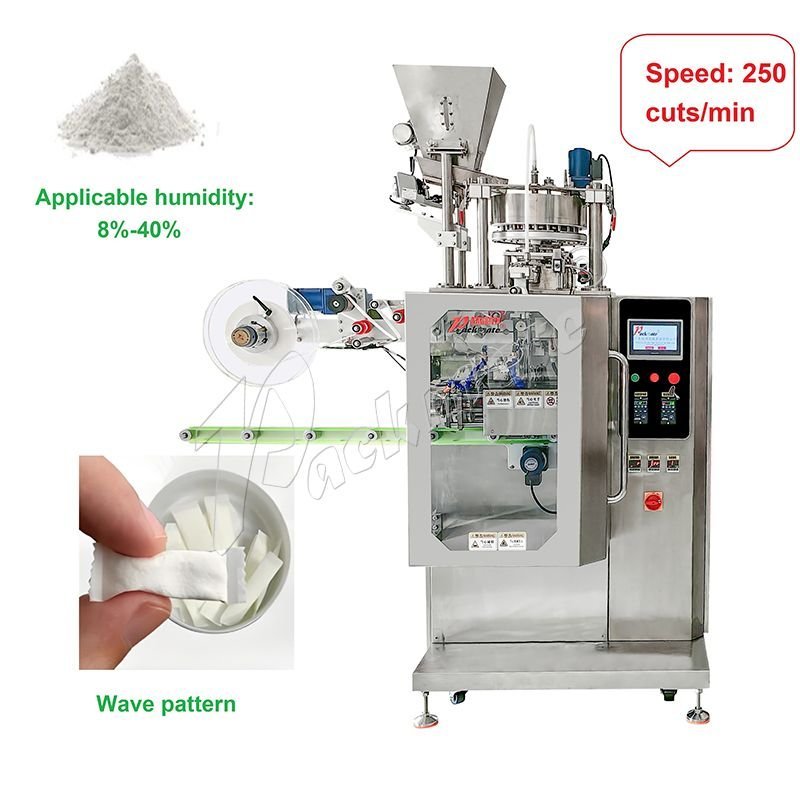
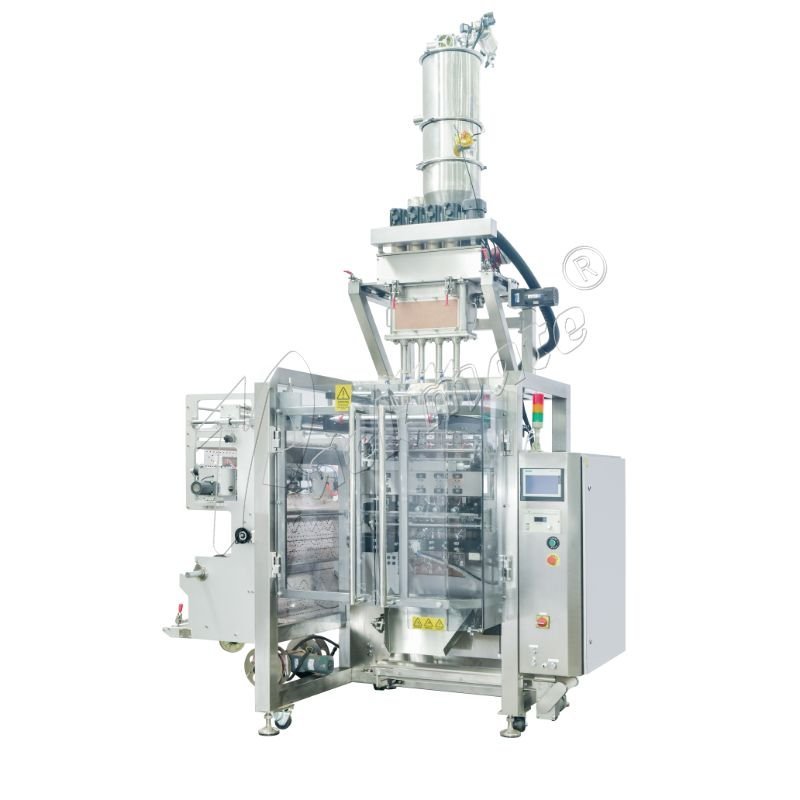
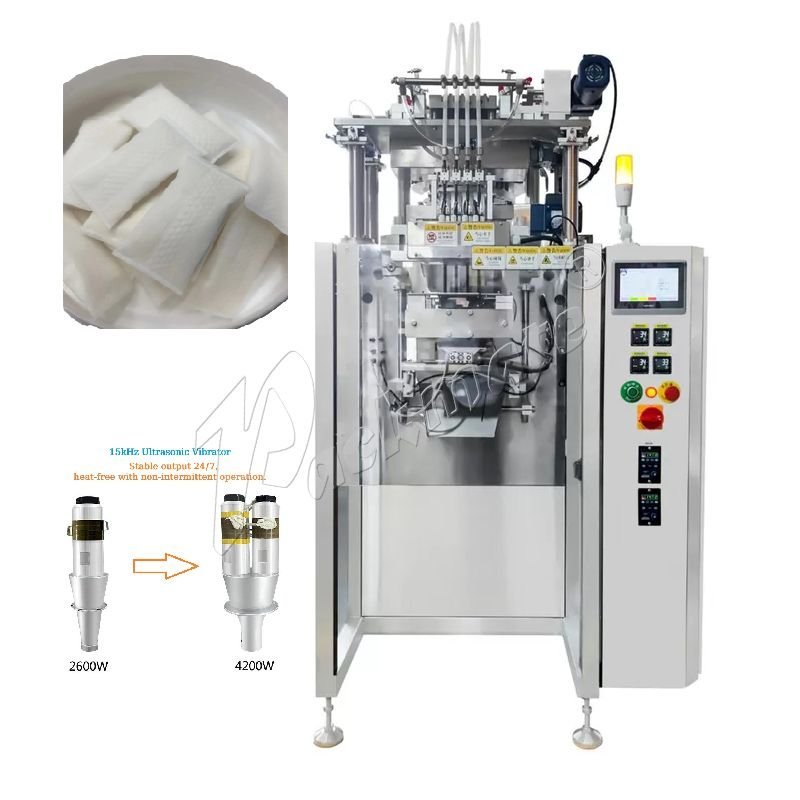
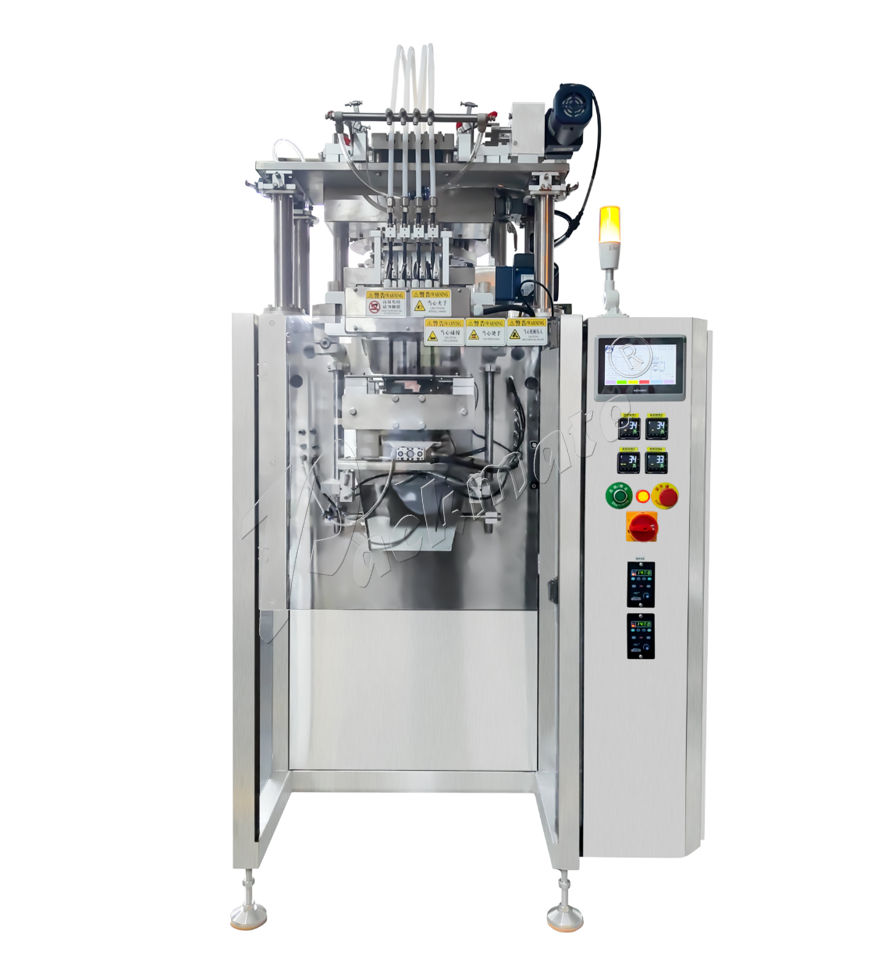
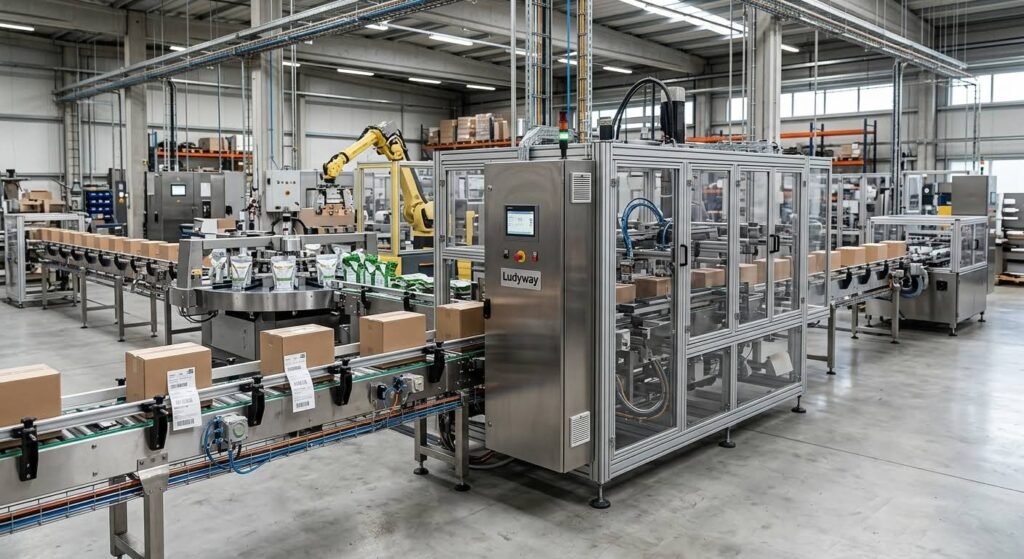
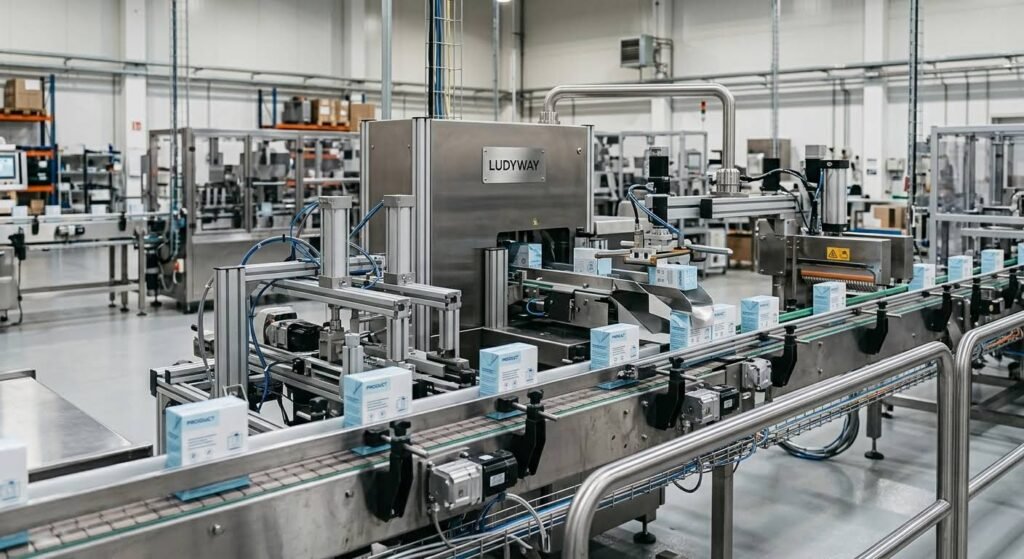
Operating a packaging machine efficiently requires more than just turning it on. A comprehensive understanding of the machine’s manual—covering installation, troubleshooting, and maintenance—is crucial for maximizing uptime, ensuring product quality, and safeguarding your investment. This guide serves as your essential companion to navigating these critical phases of machine ownership.
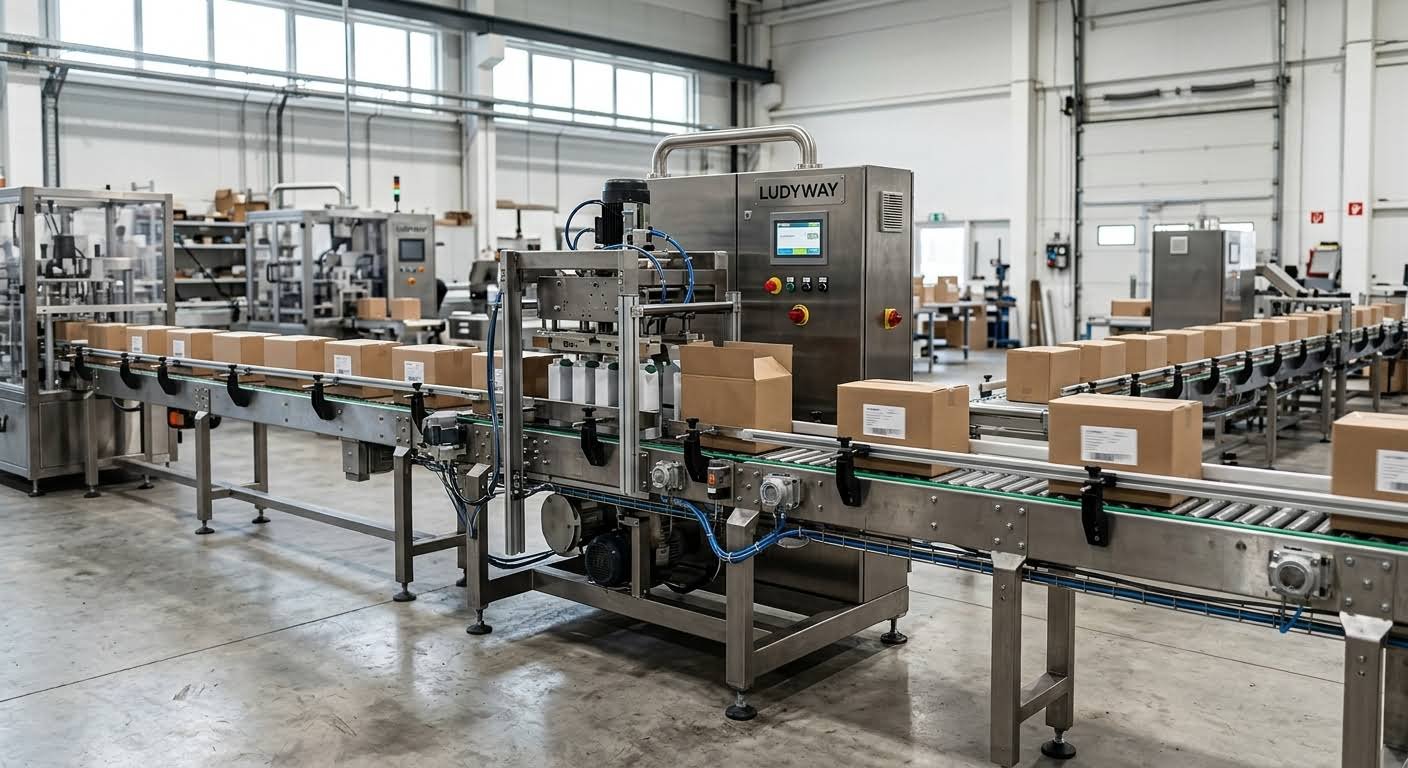
Mastering the Installation Process
A successful installation sets the foundation for years of reliable operation. Rushing through this phase can lead to premature wear, misalignment, and persistent operational issues.
Pre-Installation Site Preparation
Before your machine arrives, ensure your facility is ready. This involves more than just clearing space.
Key Checklist:
✔ Verify electrical supply (voltage, phase, frequency) matches the machine’s requirements.
✔ Ensure compressed air supply is clean, dry, and at the correct pressure.
✔ Confirm the floor is level and can support the machine’s weight and dynamic loads.
✔ Allocate sufficient space for operation, material feeding, and operator access.
Uncrating and Initial Placement
Follow the manual’s specific uncrating instructions. Use appropriate lifting equipment to move the machine to its prepared location. Avoid dragging or tilting the machine, as this can damage internal components and critical alignment points.
Mechanical and Electrical Connection
This is a meticulous step. Systematically connect all utilities:
- Electrical: Connect to the designated power source, ensuring proper grounding. Use the recommended fuse or circuit breaker.
- Pneumatics: Connect the air line using clean, oil-resistant hoses. Install filters and regulators as specified.
- Mechanical: Attach any feed systems, conveyors, or discharge chutes, ensuring they are square and securely fastened.
Effective Troubleshooting Strategies
Even well-maintained machines encounter issues. A structured approach to troubleshooting minimizes downtime.
Developing a Systematic Approach
Don’t jump to conclusions. Start with the simplest explanations first.
- Identify the Symptom: Be precise. Is the seal weak, or is it not forming at all? Is the fill weight consistently low or erratic?
- Consult the Manual’s Troubleshooting Chart: This is your first line of defense. It maps common symptoms to likely causes.
- Isolate the System: Determine if the issue is mechanical (sealing jaws, drives), electrical (sensors, motors), or related to materials (film, product).
- Inspect and Test: Check for obvious signs like loose parts, damaged wires, or contaminated sensors.
Common Operational Problems and Quick Checks
Poor Seal Integrity
Possible Causes: Incorrect temperature setting, worn sealing jaws, low air pressure to the sealing cylinder, contaminated jaw faces, or unsuitable packaging film.
Quick Action: Clean the jaws, verify temperature with a pyrometer, check air pressure gauges, and confirm film specification.
Inconsistent Filling
Possible Causes: Blocked or worn filling nozzles, product bridging in the hopper, incorrect auger/dosing pump settings, or failing load cell (on weigh-fillers).
Quick Action: Clean nozzles and hopper, verify product flowability, recalibrate the dosing system.
Machine Stops or Fault Alarms
Possible Causes: Film breakage or run-out, product jam in the forming tube, faulty photoelectric sensor, or an overloaded motor.
Quick Action: Clear any jams, re-thread film, clean the sensor lens, check the error code on the HMI and refer to the manual.
Proactive and Preventive Maintenance
Maintenance is not a cost; it’s an investment in reliability. A proactive schedule prevents minor issues from becoming major failures.
Daily Maintenance Tasks
These are quick checks performed at the start or end of each shift.
- Clean the machine exterior, sealing jaws, and forming tube to remove product dust and debris.
- Lubricate guide rails and chains with the specified lubricant (never use generic grease).
- Check for unusual noises, vibrations, or leaks (air, oil).
- Verify safety guards and interlocks are functional.
Weekly and Monthly Maintenance
More in-depth inspections and part checks.
Weekly: Inspect belts and chains for tension and wear. Check pneumatic filters and drain water. Inspect electrical connections for tightness.
Monthly: Inspect sealing jaws and cutting blades for wear and damage. Check all bearings and drives. Calibrate weighing systems if applicable. Perform a full machine lubrication as per the manual’s diagram.
Scheduled Part Replacement
Do not wait for parts to fail. The manual provides recommended lifespans for consumable and wear parts.
Critical wear parts often include: heating elements, Teflon sealing strips, cutting blades, gaskets, and filters. Keep a small inventory of these parts to avoid extended downtime.
Record Keeping is Essential
Maintain a maintenance logbook. Record every service, lubrication, part replacement, and unusual event. This log is invaluable for diagnosing recurring problems and planning future maintenance.
Summary of Common Questions
How often should I lubricate my packaging machine?
Refer to the manual’s lubrication schedule. Typically, light daily lubrication of chains and guides is needed, with a more comprehensive lubrication weekly or monthly. Always use the lubricant type specified by the manufacturer.
What is the most common cause of sealing problems?
Incorrect temperature setting or contaminated sealing jaws are very frequent causes. Ensure jaws are clean and use a pyrometer to verify the actual temperature matches the controller display. Also, verify you are using film compatible with your machine’s sealing method.
Can I use any packaging film with my machine?
No. Machines are designed for specific film types (e.g., thermoplastic laminates). Using the wrong film can lead to poor seals, jams, and damage to the heating elements. Always consult the manual or your supplier for approved film specifications.
My machine has an error code on the screen. What should I do first?
First, safely stop the machine. Write down the exact error code/number. Then, look it up in the “Alarms” or “Troubleshooting” section of your manual. It will explain the cause and suggested corrective action. Never ignore persistent error codes.
Where can I find genuine spare parts and technical support?
Always source spare parts, especially critical wear parts, directly from the original machine manufacturer or their authorized distributor. For example, companies like Ludyway Packing Machine provide genuine parts and expert technical support to ensure compatibility and maintain machine warranties. You can learn more about their commitment to quality and service on their company profile page, and explore their company history of providing reliable packaging solutions.