In the fast-paced world of industrial packaging, efficiency, safety, and reliability are non-negotiable. At the heart of many modern packaging lines lies a technology that is both powerful and precise: pneumatic systems. These air-powered mechanisms are the unsung heroes driving the automation revolution, enabling packaging machinery to achieve remarkable speeds while maintaining stringent safety standards and operational consistency.
The Core Principle: Harnessing Air Power
Pneumatic systems operate on a simple yet effective principle: using compressed air to generate controlled force and motion. This clean, readily available power source is channeled through components like cylinders, valves, and actuators to perform critical tasks—from gripping and lifting products to sealing packages and ejecting finished goods. The absence of electrical sparks in the working area makes this technology inherently safer for environments where dust or volatile substances are present, a crucial consideration in industries like food and pharmaceuticals.
Speed: The Unmatched Advantage of Air-Powered Automation
When it comes to high-volume production, every millisecond counts. Pneumatic systems excel in delivering rapid, repetitive motion cycles. The quick response time of air valves and the lightweight nature of pneumatic actuators allow for incredibly fast linear and rotary movements. This translates directly to higher cycles per minute (CPM) for packaging machines, significantly boosting overall line output. For businesses, this means meeting tight deadlines, scaling production to meet demand surges, and maximizing return on investment through increased throughput.
Furthermore, the simplicity of pneumatic circuits allows for easy adjustment of speed and force. By regulating air pressure and flow, operators can fine-tune the machine’s actions to match different product types or packaging materials without complex reprogramming. This flexibility is vital for manufacturers who run short batches or frequently switch between product lines.
Safety by Design: Protecting Products, People, and Processes
Safety in packaging extends beyond personnel to include product integrity and equipment longevity. Pneumatic technology contributes significantly on all fronts.
- Operational Safety: As a non-electric power source in the machine’s action zones, compressed air eliminates the risk of electrical fires or sparks. This is paramount in food, pharmaceutical, and chemical packaging where explosive atmospheres or clean environments are required.
- Product Safety: Pneumatic actuators can provide gentle yet firm handling. The force exerted is easily controlled and can be set to prevent crushing or damaging delicate items. This precise control ensures that products from fragile biscuits to sensitive medical devices are packaged without harm.
- System Safety: Pneumatic systems are inherently overload-safe. If an actuator encounters an unexpected obstruction, it will simply stall without damaging itself or other components, unlike mechanical systems which might break gears or motors. This failsafe characteristic reduces downtime and maintenance costs.
Efficiency: More Than Just Speed
True efficiency encompasses energy use, maintenance demands, and system reliability. Modern pneumatic systems are designed with efficiency at their core.
Energy-efficient compressors and smart air management systems now minimize wasted air and reduce overall power consumption. The components themselves are durable, with long service lives and minimal lubrication needs. When maintenance is required, the modular nature of pneumatic parts—like seals in a cylinder—allows for quick replacement, getting the line back up and running with minimal disruption. This reliability ensures consistent packaging quality and reduces the total cost of ownership over the machine’s lifespan.
Integration in Modern Packaging Machinery
The versatility of pneumatics allows it to be seamlessly integrated into various stages of the packaging process. In a typical automated line, you’ll find pneumatic systems performing essential functions:
1. Product Feeding and Positioning
Air-powered vibratory bowls, pushers, and gates gently orient and transfer products into the packaging machine’s infeed with high precision.
2. Forming, Filling, and Sealing (FFS)
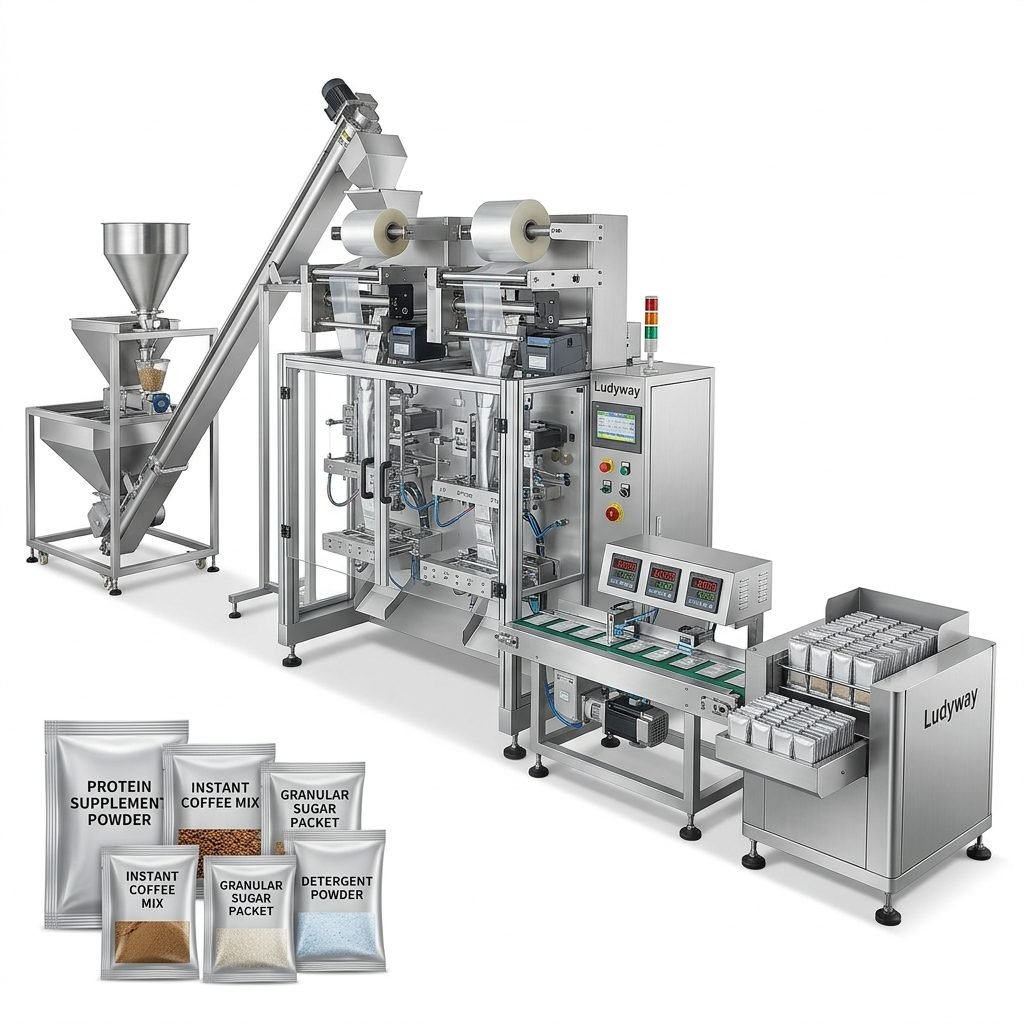
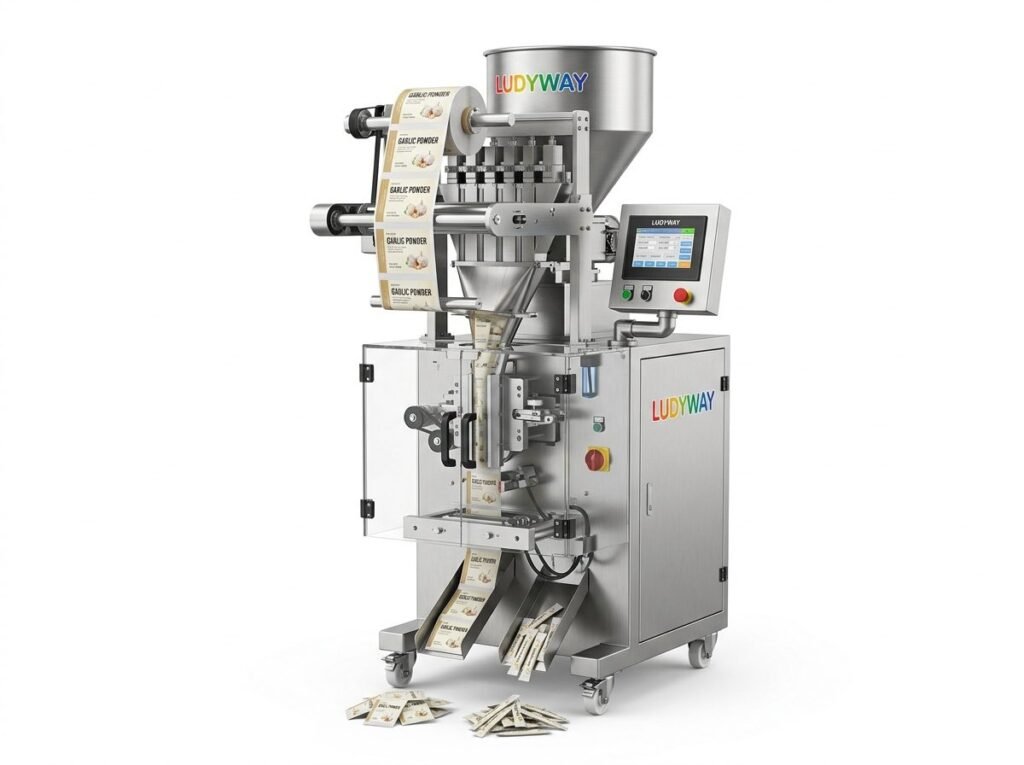
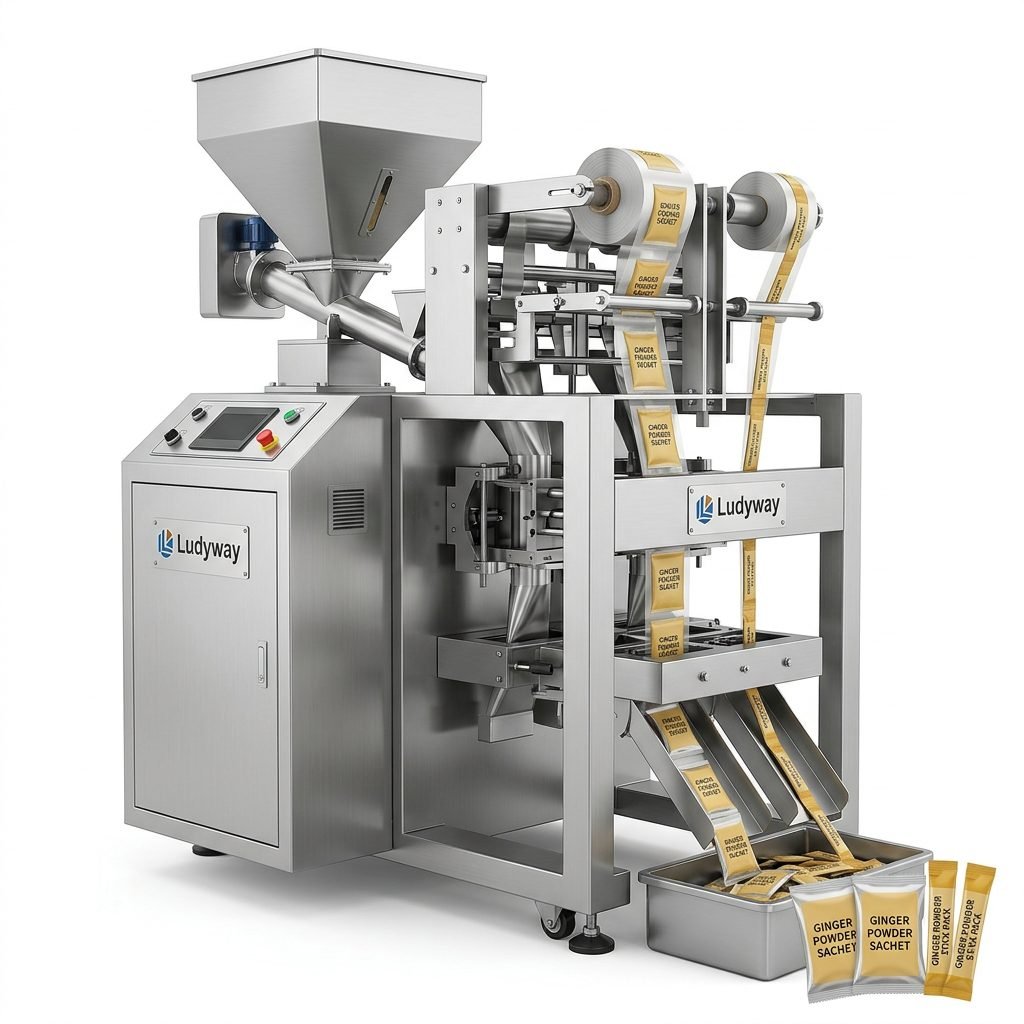
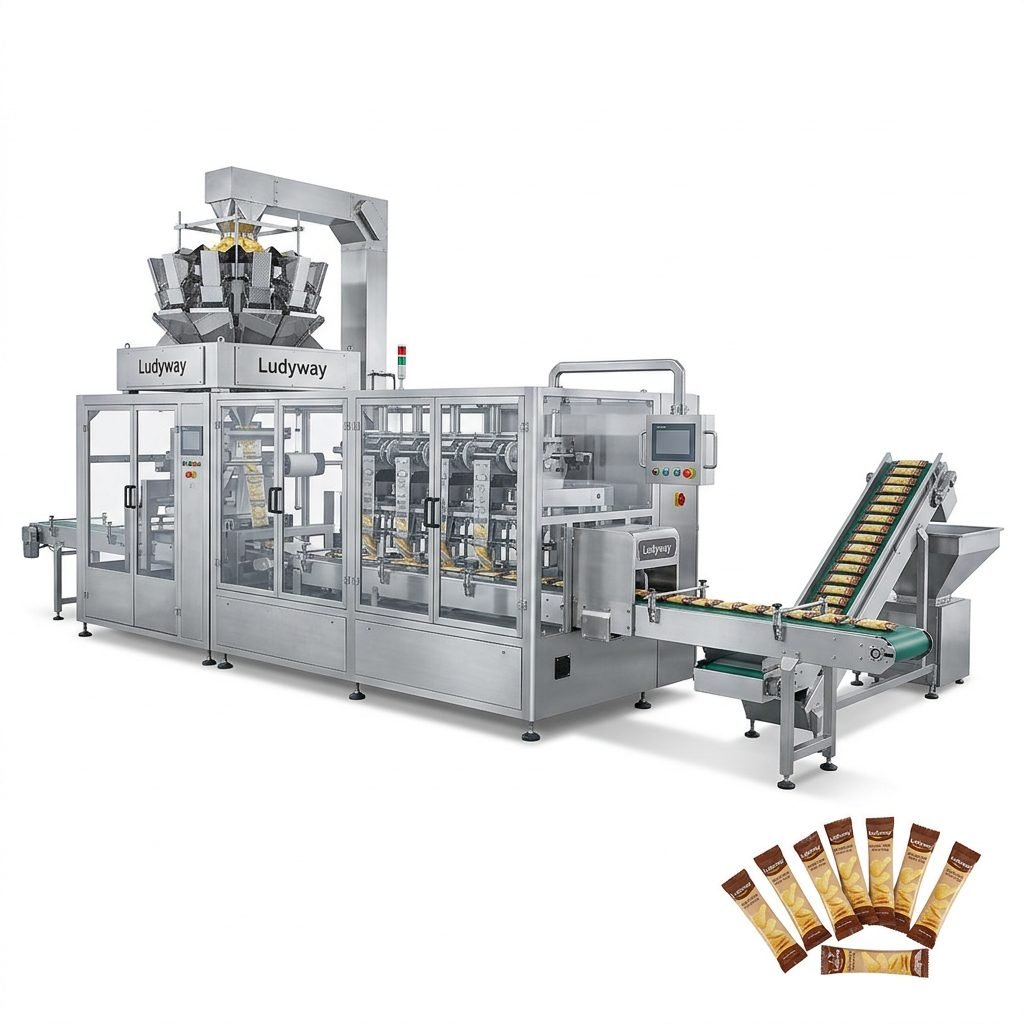
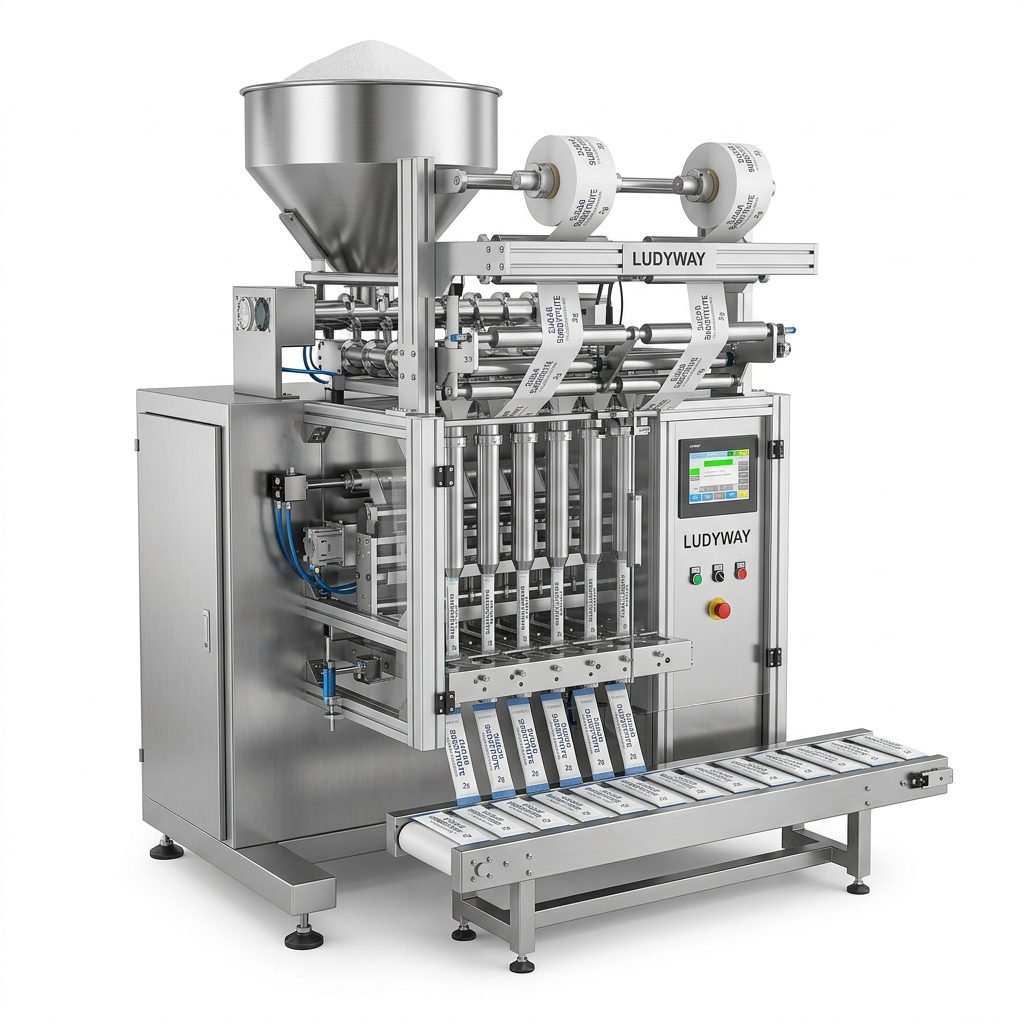
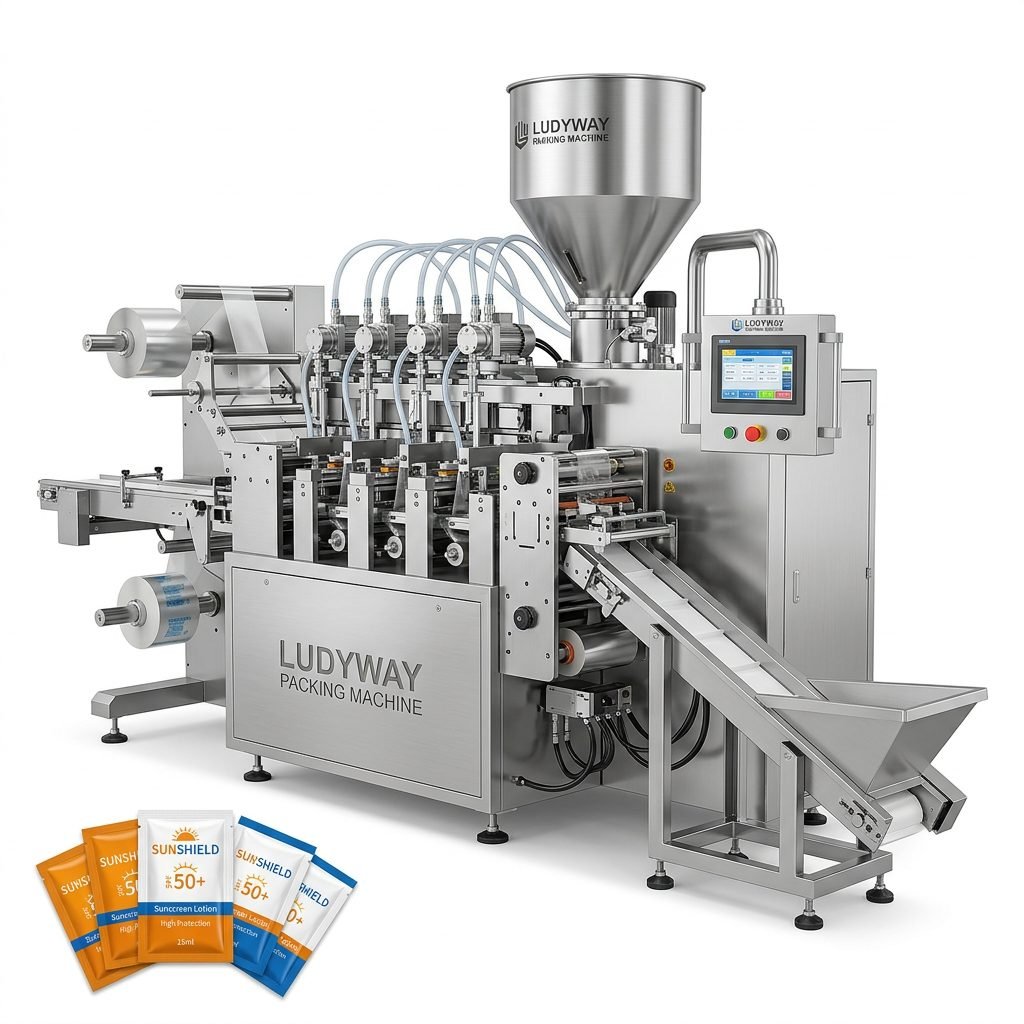
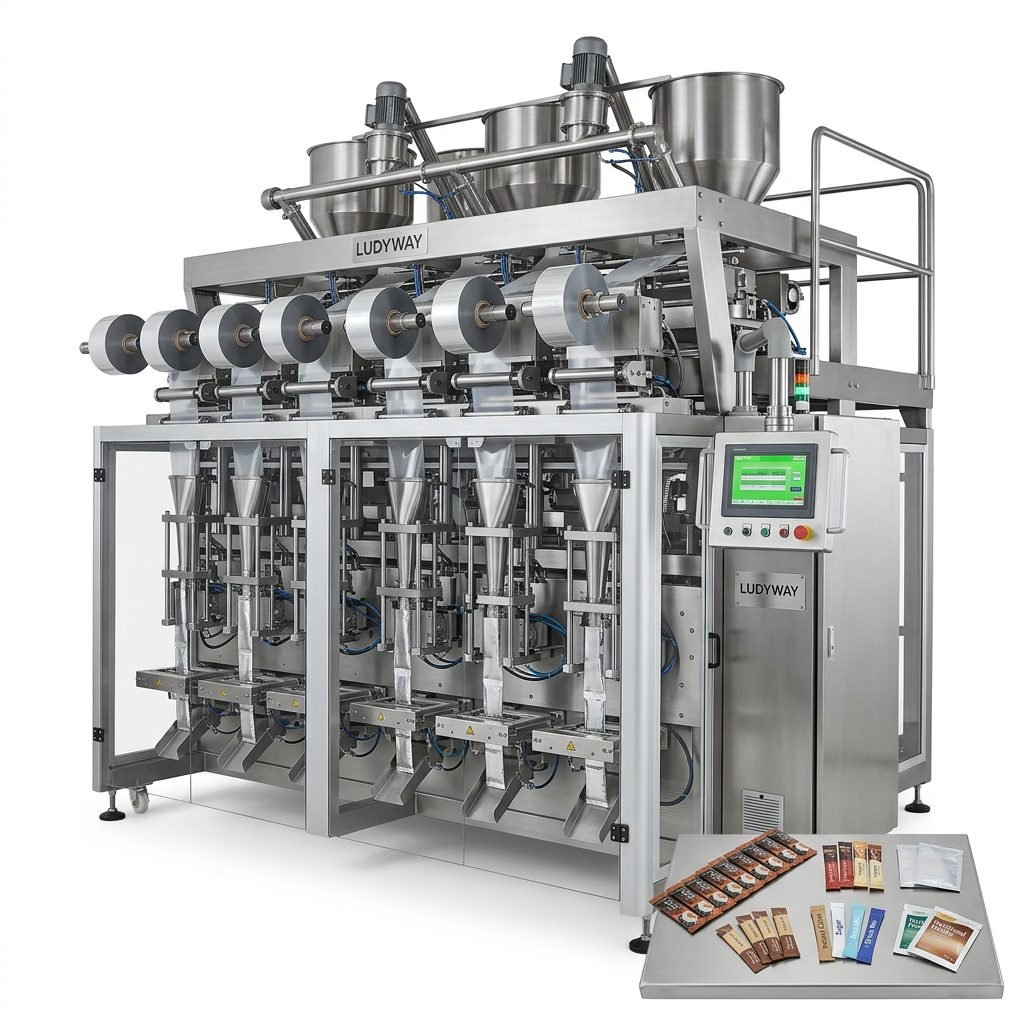
Pneumatic cylinders control the movement of forming shoulders, pull-down belts for film, and the critical jaws that create the hermetic seals on pouches and sachets. The consistent pressure and heat application are vital for seal integrity.
3. Capping and Labeling
Torque-controlled pneumatic screwdrivers apply caps with consistent tightness. Labelers use pneumatic suckers to pick and place labels accurately onto moving packages.
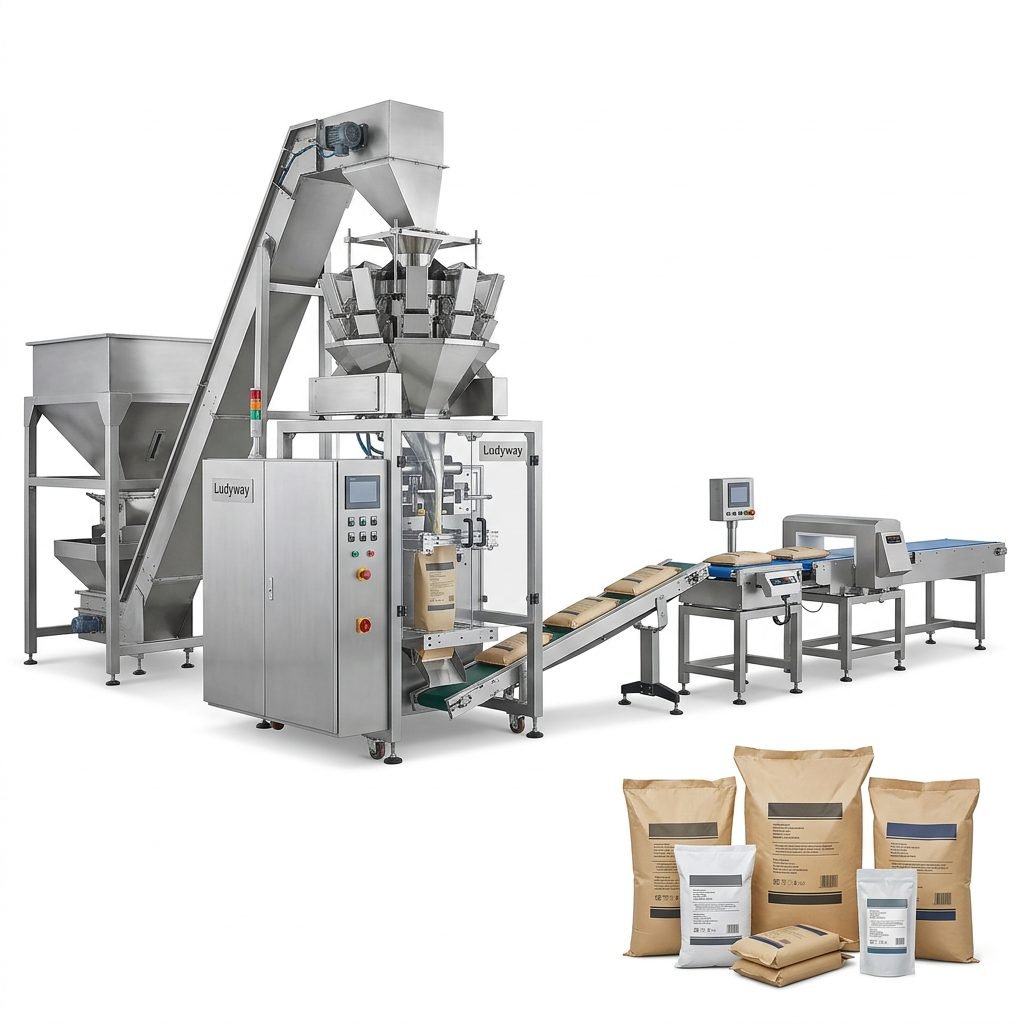
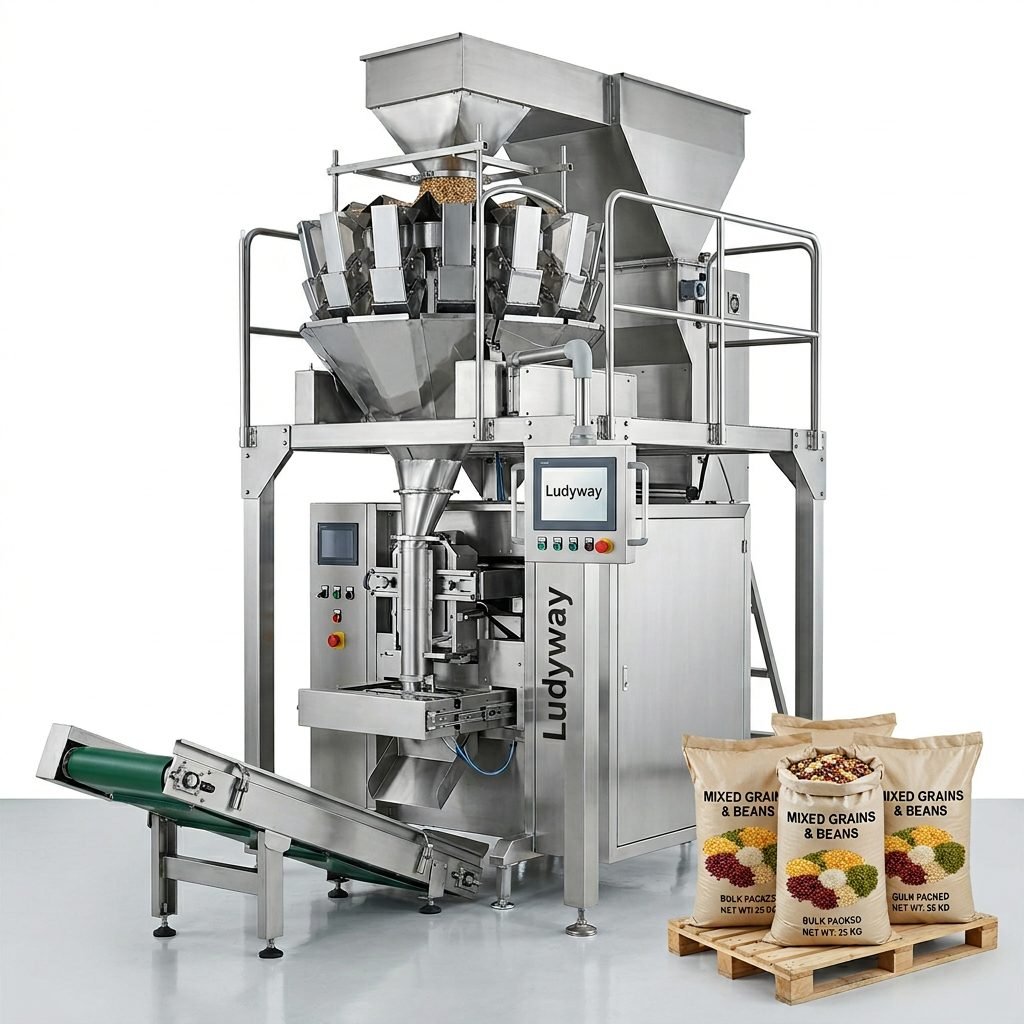
For companies seeking to implement or upgrade such technology, partnering with an experienced provider is key. Ludyway Machinery, with its deep expertise in automated packaging solutions, understands how to optimally integrate pneumatic systems to achieve specific production goals for granule, powder, and liquid products.
The Future: Smart Pneumatics and Industry 4.0
The evolution continues with the advent of “smart pneumatics.” These systems incorporate sensors and IoT (Internet of Things) connectivity to monitor parameters like pressure, cycle time, and energy consumption in real-time. This data allows for predictive maintenance—addressing issues before they cause downtime—and provides valuable insights for further optimizing the packaging process. Integrating these smart pneumatic nodes into a factory’s overall control system is a significant step towards a fully connected, data-driven packaging operation.
Conclusion
Pneumatic systems are far more than just tubes and cylinders; they are the dynamic force behind modern packaging automation. By delivering exceptional speed, embedding safety into the machine’s design, and operating with remarkable efficiency, air-powered technology directly contributes to a manufacturer’s bottom line. It enables faster production times, ensures consistent package quality, and protects both the product and the production environment. As packaging demands grow more complex, the role of advanced, reliable, and increasingly intelligent pneumatic systems will only become more central to successful manufacturing operations worldwide.
For over a decade, Ludyway Packaging Machinery has been at the forefront of integrating such robust technologies into turnkey packaging solutions, helping global clients harness the full potential of automation.
Frequently Asked Questions (FAQs)
1. What are the main advantages of pneumatic systems over electric actuators in packaging machines?
Pneumatic systems offer higher speed for repetitive motions, are inherently safer in explosive or wet environments, have a lower initial cost for high-force applications, and are overload-safe (they stall without damage). Electric actuators provide more precise positional control and can be more energy-efficient for complex, multi-axis movements.
2. How does air quality affect the performance and lifespan of pneumatic packaging machinery?
Clean, dry air is critical. Moisture can cause corrosion inside cylinders and valves, while particulates can wear out seals and block small orifices in valves. Using proper filtration (coalescing filters), dryers, and regular maintenance of the air preparation unit (FRL – Filter, Regulator, Lubricator) is essential for reliable operation and long component life.
3. Can pneumatic systems be easily integrated with modern digital control systems like PLCs?
Yes, absolutely. Modern pneumatic valves are typically equipped with solenoids that are controlled by low-voltage DC signals from a Programmable Logic Controller (PLC). Sensors, like magnetic piston sensors in cylinders, provide feedback to the PLC. This seamless integration allows for precise sequencing and monitoring within the overall machine automation program.
4. What routine maintenance do pneumatic systems on packaging equipment require?
Key maintenance tasks include: draining moisture from air tanks/filters daily, checking and maintaining proper air pressure, ensuring lubricators (if used) have adequate oil, inspecting for air leaks (audible hissing), and periodically checking actuator mounts and linkage for wear. Following the machine manufacturer’s preventive maintenance schedule is crucial.
5. Are pneumatic systems energy-efficient compared to all-electric alternatives?
Traditional pneumatics can be less energy-efficient due to air compressor losses and potential leaks. However, advancements like variable-speed drive (VSD) compressors, which match output to demand, and energy-efficient valves and actuators have significantly improved overall system efficiency. The choice often depends on the specific application’s duty cycle and force requirements.