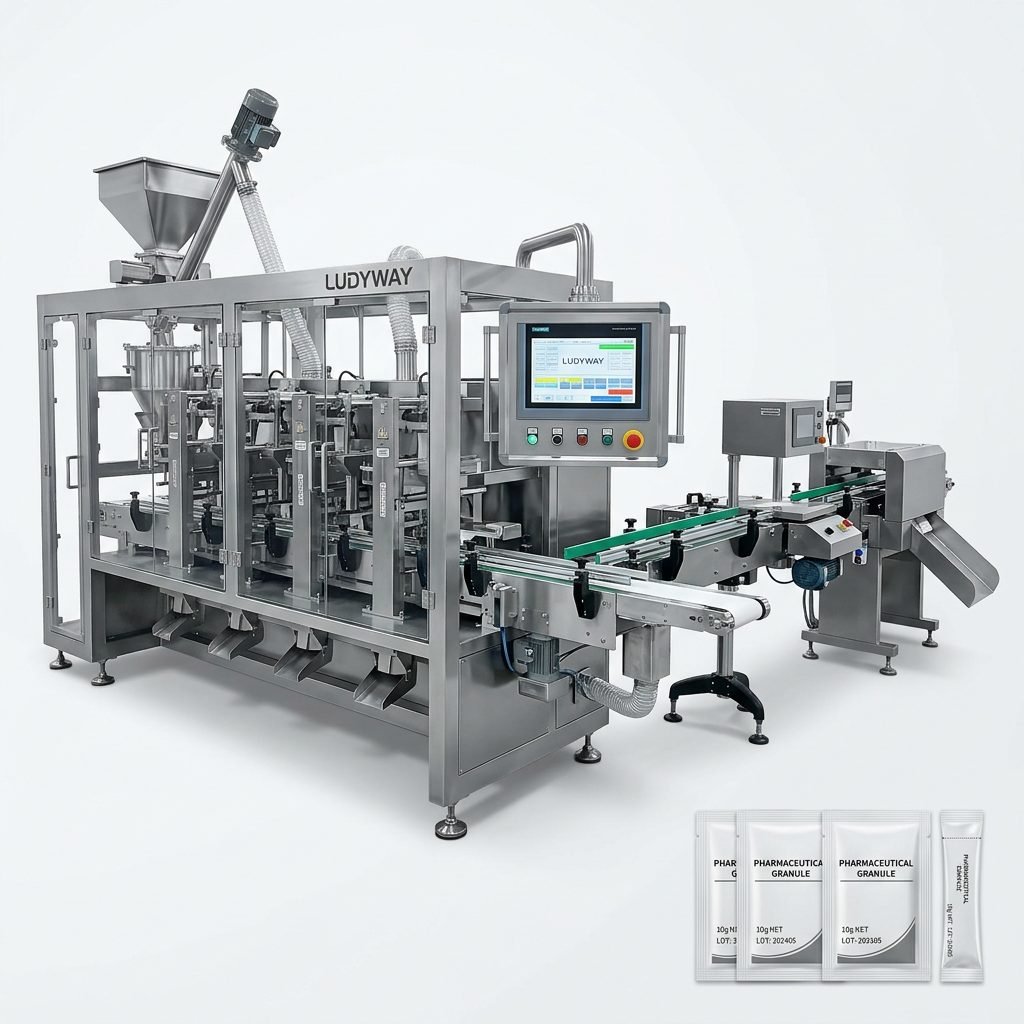
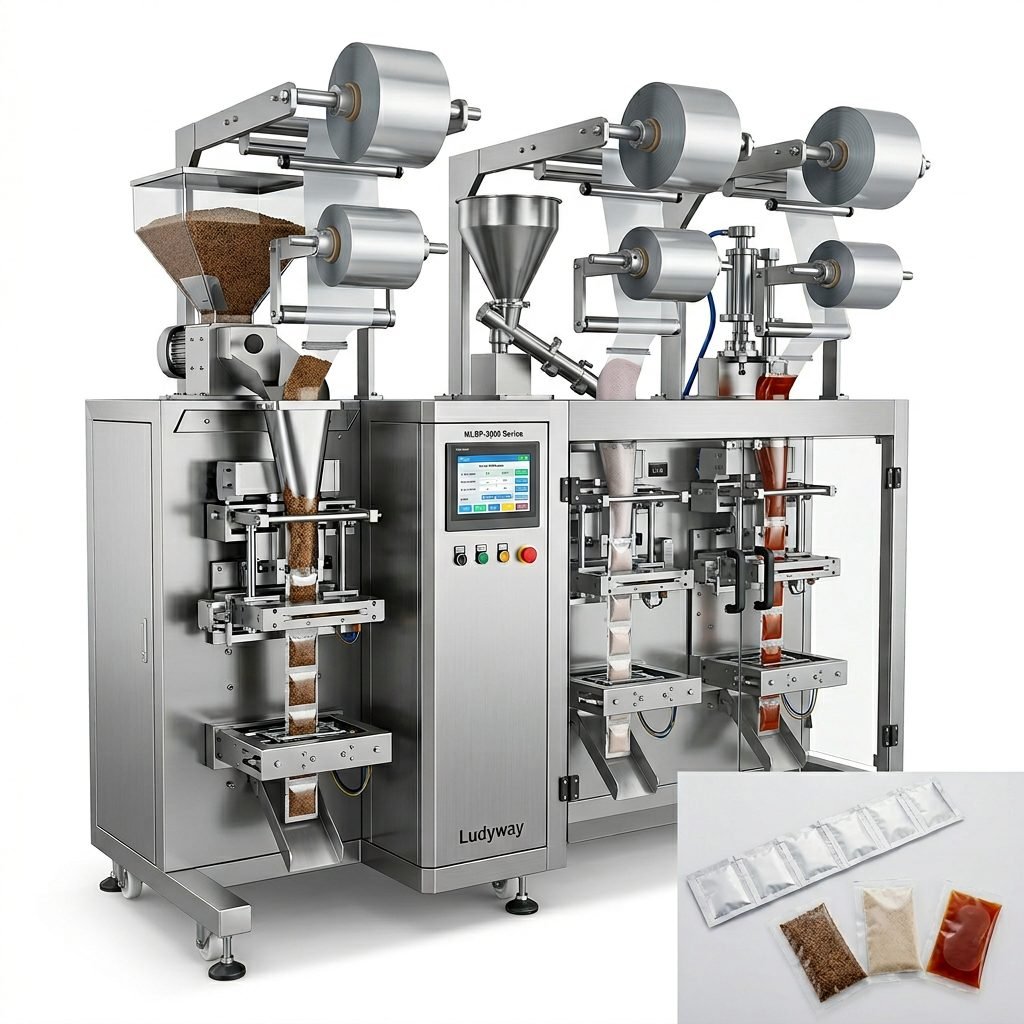
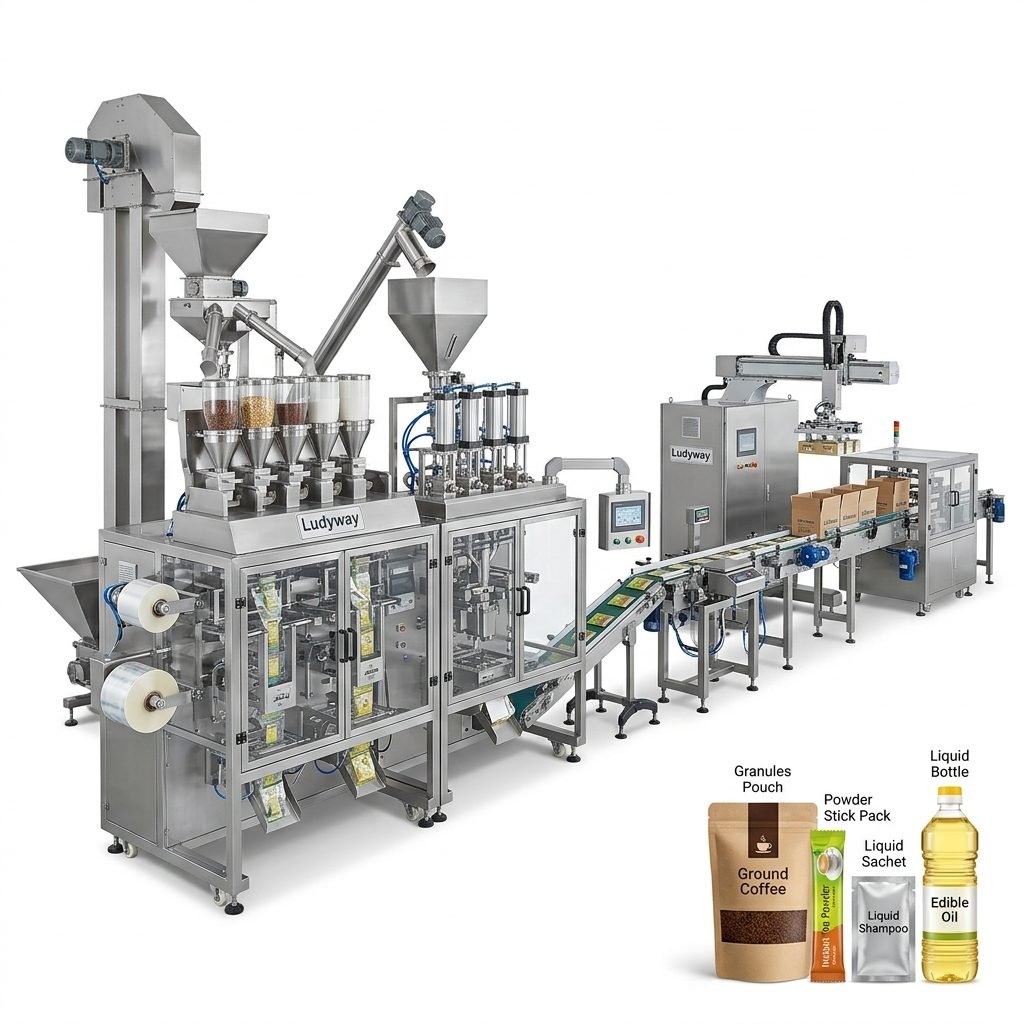
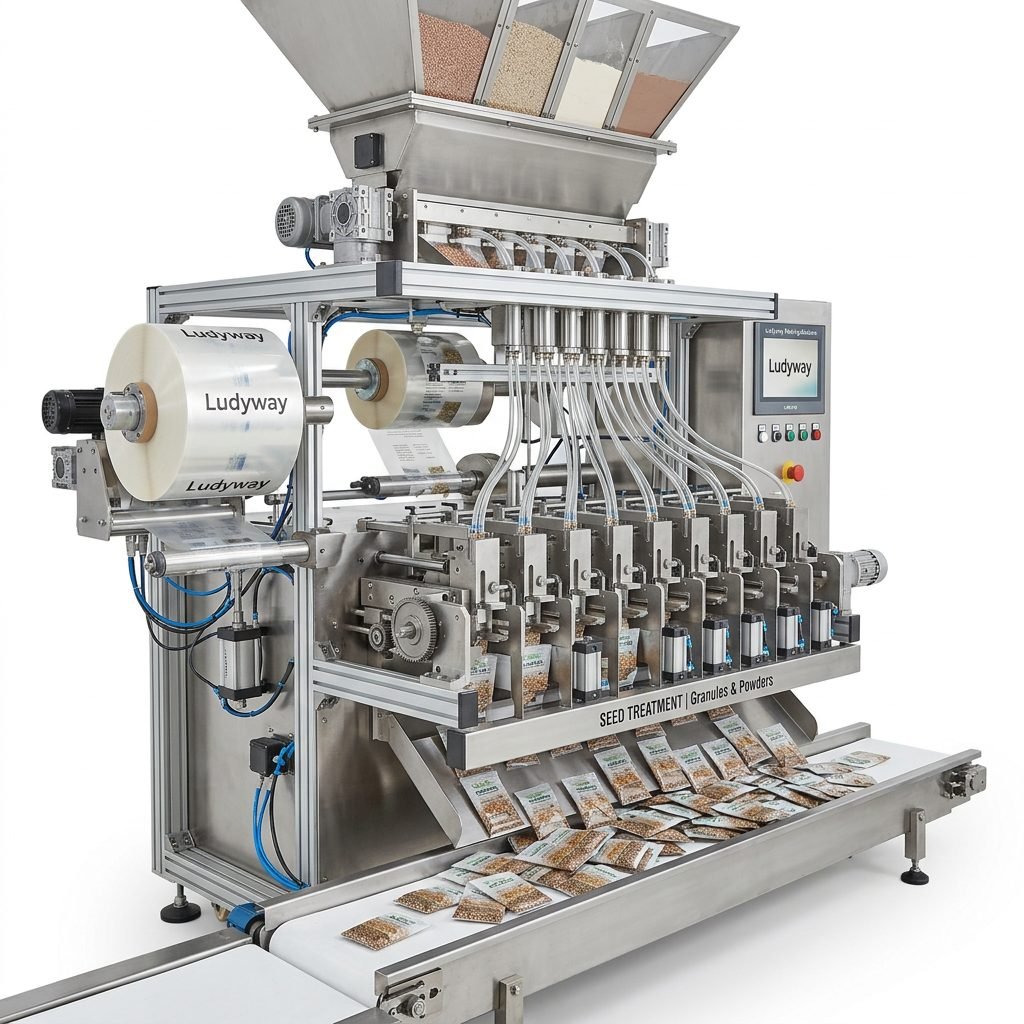
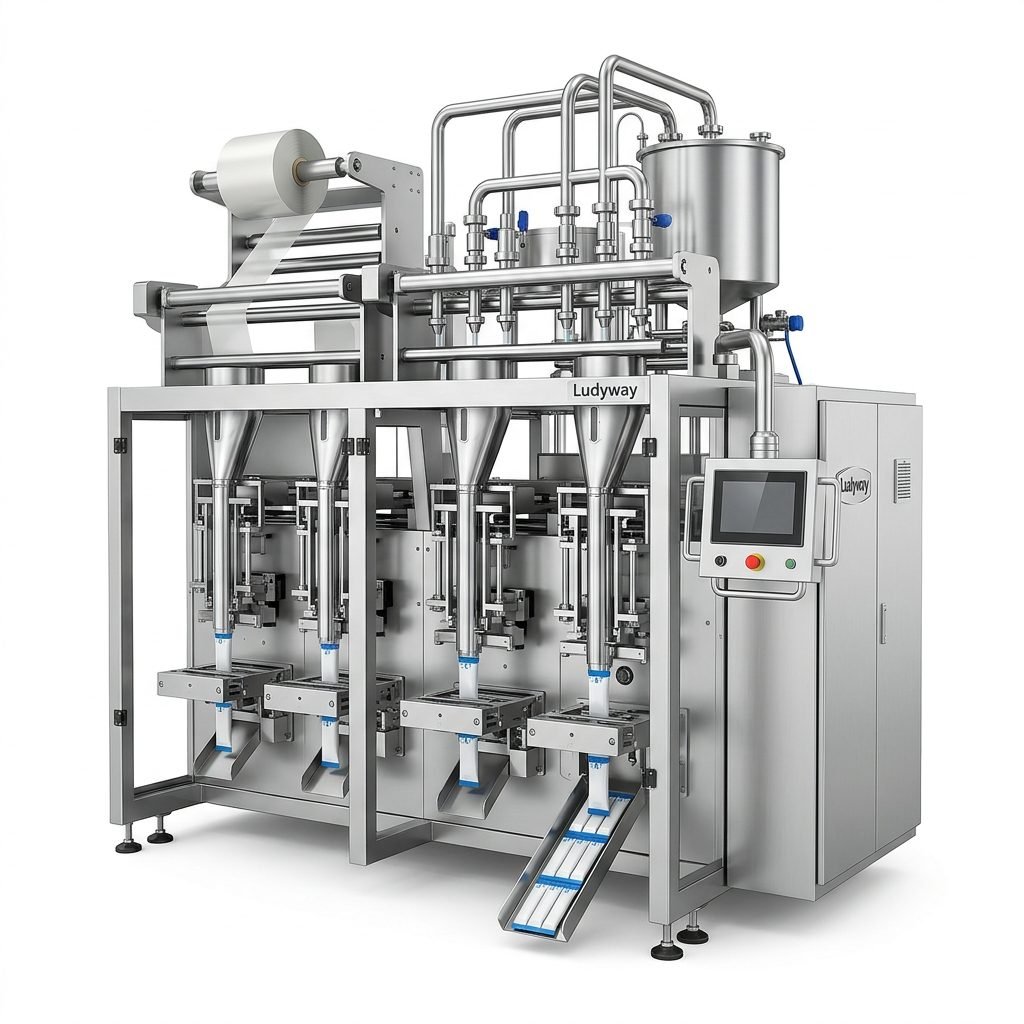
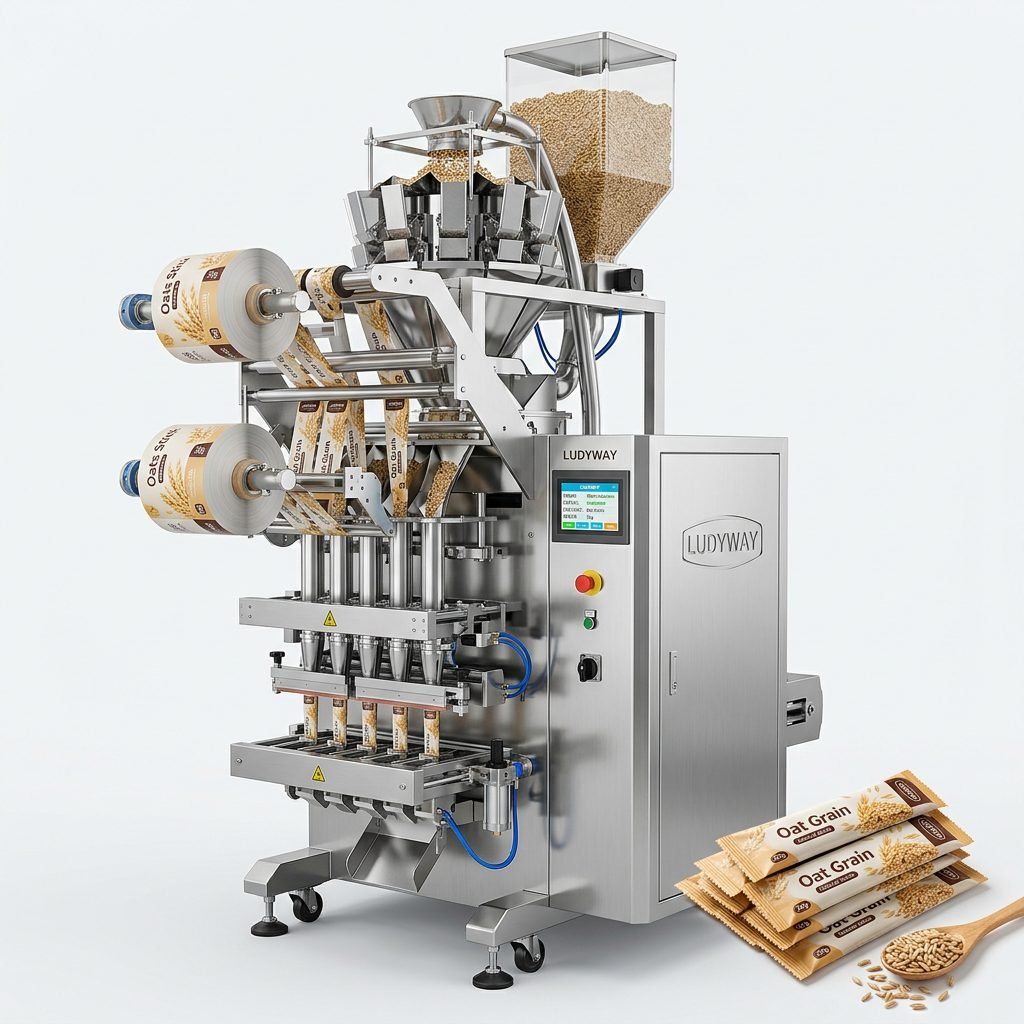
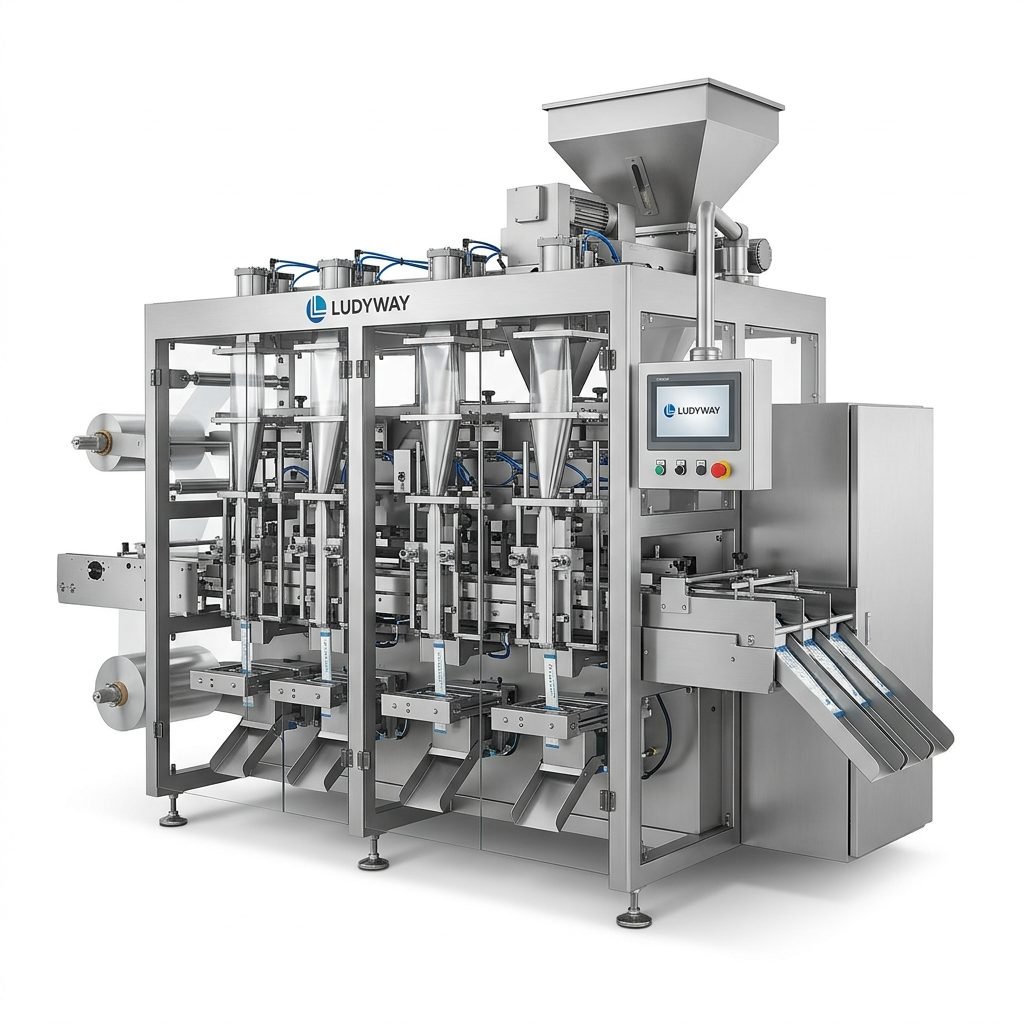
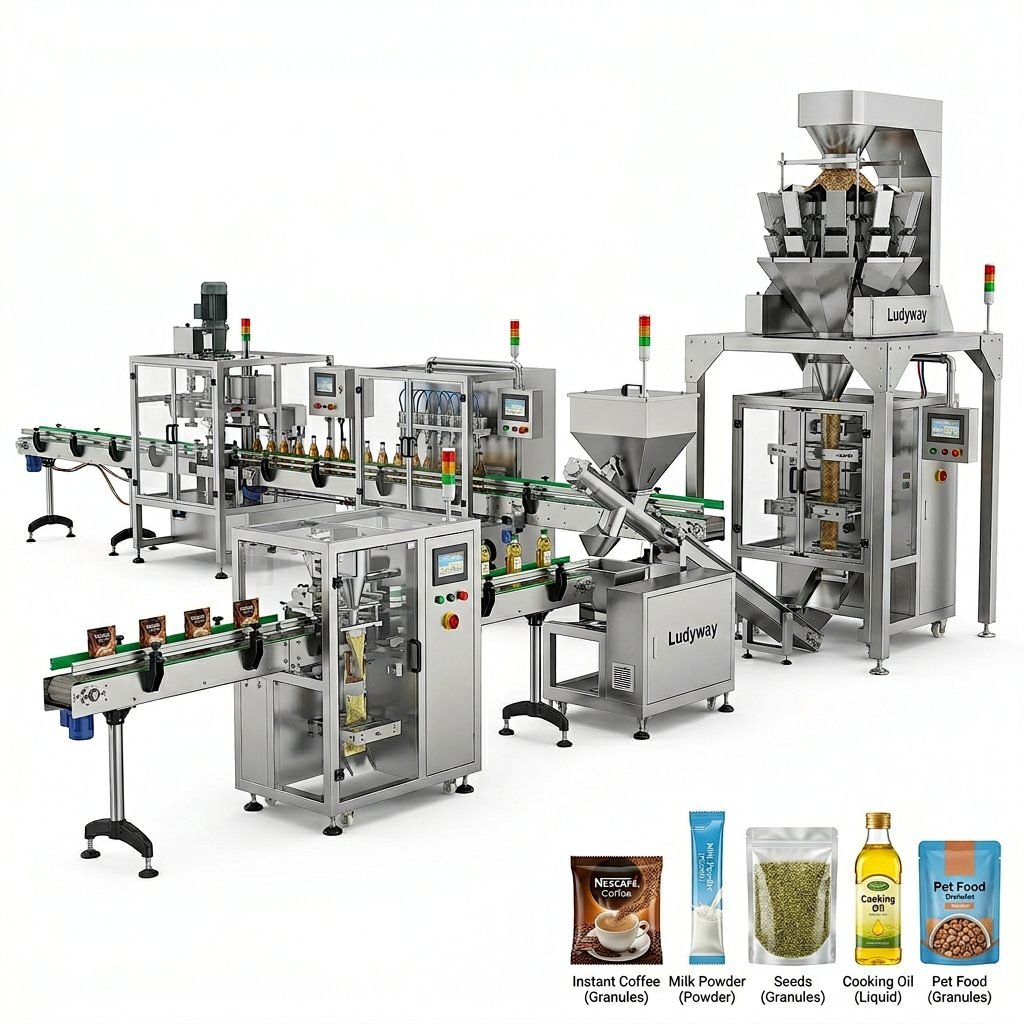
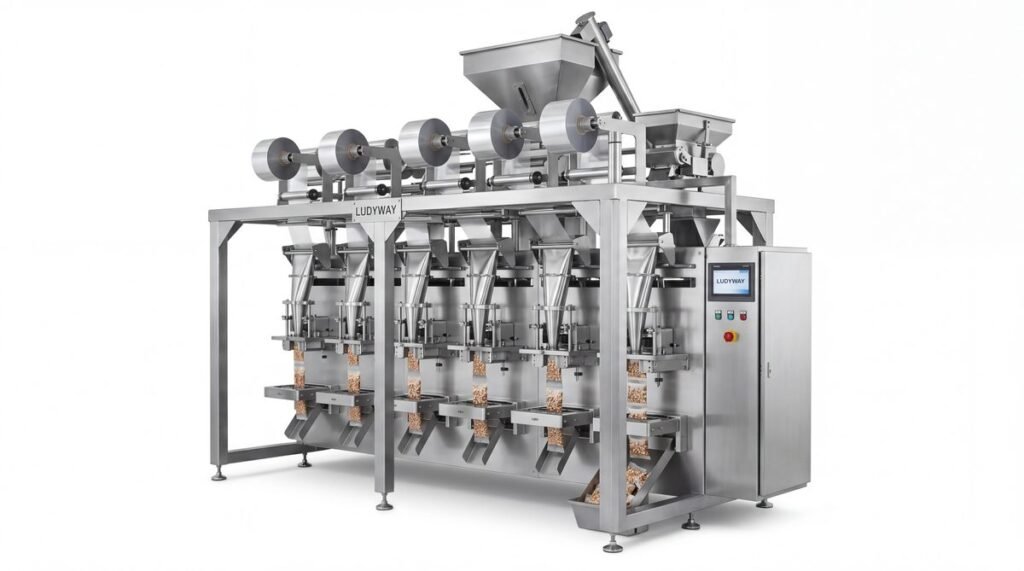
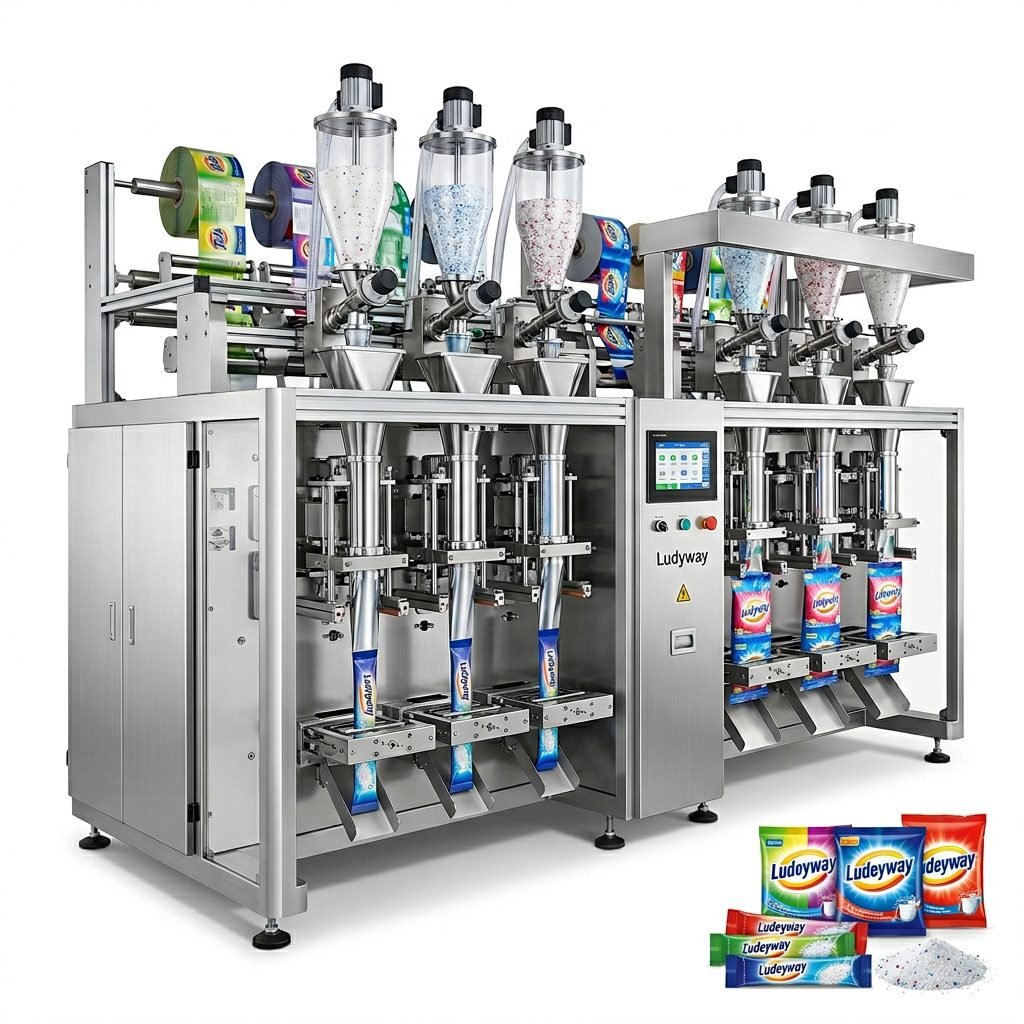
Cleaning a powder filling machine correctly is essential for product quality, operator safety, dosing accuracy, and machine lifespan. Powder residues can build up in hoppers, augers, screws, filling heads, dust collection points, sensors, and sealing areas. If left untreated, this buildup may lead to contamination, weight variation, clogging, corrosion, unplanned downtime, and failed audits.
This guide explains how to clean a powder filling machine step by step, what tools to prepare, which components require extra attention, and how to reduce cleaning time without compromising hygiene or compliance.
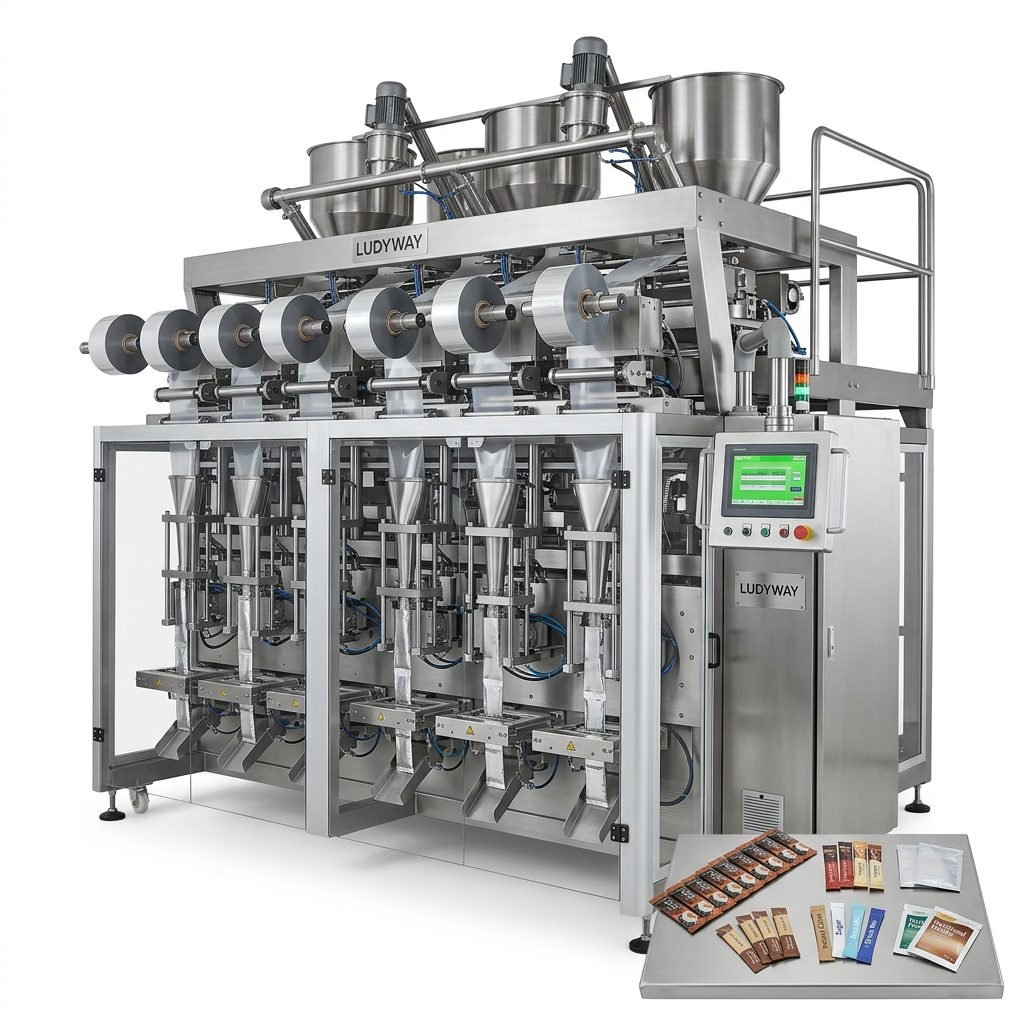
Why regular cleaning matters
Powder products behave differently from liquids. Fine particles can drift into narrow machine gaps, static-prone surfaces, bearings, electrical enclosures, and pneumatic areas. Regular cleaning helps prevent:
- Cross-contamination between product batches
- Dust accumulation that affects sensors and weighing accuracy
- Mechanical wear caused by abrasive powders
- Microbial or allergen risks in food and pharmaceutical environments
- Production interruptions from blocked augers or feeding systems
Before you start: safety first
Before cleaning any powder filling equipment, always make sure the machine is fully shut down and isolated. Follow your internal SOPs and lockout/tagout procedures.
Basic safety checklist
- Power off the machine completely
- Disconnect electrical supply where required
- Release compressed air pressure
- Stop product feeding and empty remaining material
- Wear proper PPE such as gloves, mask, goggles, and protective clothing
- Confirm whether the product is hazardous, allergenic, flammable, or moisture-sensitive
| Safety Item | Why It Matters |
|---|---|
| Lockout/Tagout | Prevents accidental startup during cleaning |
| Dust mask or respirator | Protects operators from inhaling fine powder particles |
| Gloves | Reduces skin contact and improves hygiene |
| Anti-static precautions | Important for combustible or clingy powders |
Tools and cleaning supplies you may need
The correct tools depend on whether the machine is used for food, pharma, chemicals, supplements, or industrial powders. In general, prepare the following:
- Soft brushes and narrow cleaning brushes
- Food-grade or industry-approved vacuum cleaner
- Lint-free cloths
- Warm water if the machine supports wet cleaning
- Approved detergent or sanitizer
- Compressed air only when permitted and carefully controlled
- Non-abrasive scrapers
- Component trays for disassembled parts
- Maintenance log sheet
Step-by-step: how to clean a powder filling machine
1. Remove leftover powder from the system
Start by running down the machine until as much residual powder as possible has been discharged. Then manually empty the hopper, feeder, auger chamber, dosing system, and discharge path. Use a vacuum instead of sweeping where possible, since sweeping can spread dust into sensitive areas.
2. Disassemble contact parts
Remove all product-contact components that are designed for tool-free or standard disassembly. This may include:
- Hopper
- Agitator
- Auger screw
- Filling nozzle or discharge tube
- Product feeding pipe
- Dust covers and guards
Place parts in a clean, organized area so reassembly is easier and no small items are lost.
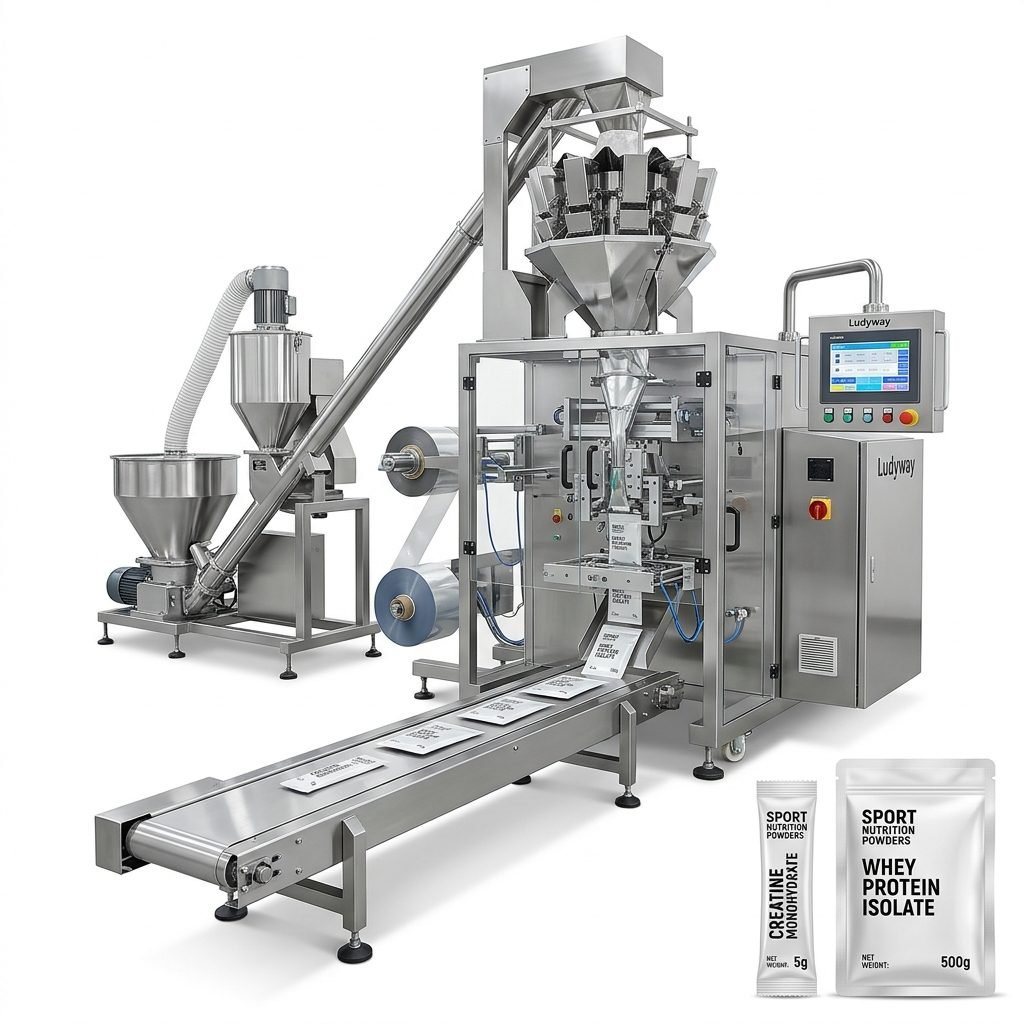
3. Dry clean loose powder first
For most powder filling machines, dry cleaning should come before any wet cleaning. This prevents powder from turning into paste and sticking inside the machine. Use a vacuum and soft brushes to remove loose residues from:
- Hopper walls and corners
- Auger flights
- Servo filling zones
- Load cell supports
- Sealing and forming areas
- Frames, guards, and collection trays
4. Wash removable parts if allowed
If your machine design supports wet washing, clean removable stainless steel parts using warm water and an approved detergent. Avoid aggressive chemicals unless the manufacturer permits them. Scrub gently to remove caked powder, oils, or sticky residues.
For pharmaceutical or food applications, use only validated cleaning agents and follow your plant’s sanitation protocol.
5. Clean fixed machine surfaces carefully
Use a damp lint-free cloth to wipe fixed external and internal-accessible surfaces. Do not allow excess water to enter motors, sensors, wiring, HMIs, bearings, or pneumatic controls. Sensitive areas should be cleaned with minimum moisture.
6. Sanitize when required
In food, pharma, and health supplement production, sanitization may be required after cleaning. Apply the sanitizer according to contact time recommendations, then allow the surfaces to dry fully if the protocol requires air drying.
7. Dry all parts completely
Residual moisture can cause powder clumping, corrosion, microbial growth, and inaccurate filling. Ensure all washed parts are fully dry before reassembly. Pay extra attention to threads, corners, seals, gasket grooves, and weld joints.
8. Inspect parts before reassembly
Cleaning time is also the best time to inspect wear points. Check for:
- Scratched or worn auger screws
- Damaged seals and gaskets
- Loose fasteners
- Powder buildup in hidden cavities
- Sensor contamination
- Signs of rust, corrosion, or pitting
9. Reassemble the machine properly
Reinstall all cleaned components in the correct order. Make sure contact parts are seated correctly and tightened according to equipment standards. Improper reassembly can affect fill weight, sealing quality, and operator safety.
10. Perform a post-cleaning verification
Before restarting production, carry out a verification check. This may include a visual inspection, swab test, allergen validation, metal detection confirmation, or a short dry run. Documentation is especially important in regulated industries.
Parts of a powder filling machine that need extra attention
| Machine Area | Cleaning Risk | Recommended Action |
|---|---|---|
| Hopper corners | Residual powder buildup | Brush and vacuum thoroughly |
| Auger and screw flights | Compacted product affects accuracy | Disassemble and detail clean |
| Dust extraction points | Restricted airflow | Empty and clean filters or ducts |
| Filling nozzle | Clogging and dripping | Inspect inner wall and outlet opening |
| Sensors and photoeyes | False readings due to dust | Wipe gently with approved cloth |
Dry cleaning vs. wet cleaning
Not every powder filling machine should be washed with water. The right cleaning method depends on powder properties, machine design, and regulatory requirements.
Dry cleaning is best for:
- Moisture-sensitive powders
- Machines with limited washdown protection
- Fast changeovers between similar non-allergen products
- Facilities controlling dust with industrial vacuum systems
Wet cleaning is best for:
- Sticky or oily powder residues
- Strict sanitation environments
- Validated cleaning protocols in food and pharma plants
- Machines designed with washable product-contact parts
Common cleaning mistakes to avoid
- Using too much water near electrical parts
- Skipping dry cleaning before washing
- Using abrasive pads on stainless steel contact surfaces
- Forgetting hidden points such as seals, threads, and dust filters
- Reassembling parts while still damp
- Ignoring post-cleaning calibration or weight check
- Failing to document cleaning activities
How often should you clean a powder filling machine?
Cleaning frequency depends on product type, shift pattern, hygiene level, and changeover needs. A typical approach may include:
- After every batch: contact parts and exposed powder zones
- At every product changeover: full residue removal and verification
- Daily: external wipe-down, hopper check, dust control areas
- Weekly: deeper inspection of augers, feeders, and sensors
- Monthly or planned maintenance intervals: full sanitation review and wear-part inspection
Best practices for faster and safer cleaning
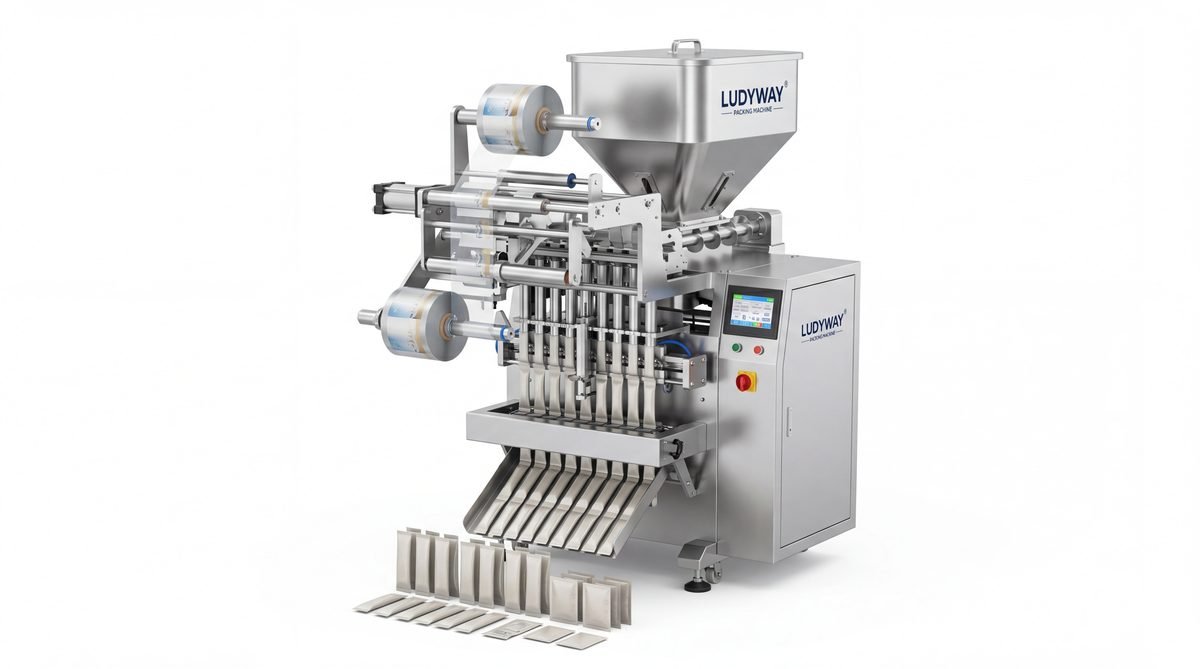
To improve efficiency without reducing cleaning quality, many manufacturers choose powder filling systems designed for easier maintenance. Features that help include quick-release hoppers, polished stainless steel contact parts, reduced dead corners, tool-less disassembly, and integrated dust control.
If you are evaluating new equipment, working with an experienced supplier such as powder packaging machine manufacturer Ludyway can help you select systems that simplify cleaning, reduce downtime, and support long-term production stability.
Cleaning checklist for operators
| Task | Completed |
|---|---|
| Machine powered down and isolated | □ |
| Residual powder removed | □ |
| Contact parts disassembled | □ |
| Dry cleaning completed | □ |
| Wet cleaning/sanitization completed if required | □ |
| Parts fully dried | □ |
| Wear and damage inspection completed | □ |
| Machine reassembled and tested | □ |
| Cleaning log updated | □ |
Final practical advice
A clean powder filling machine performs better, lasts longer, and supports more consistent packaging quality. The most effective cleaning process is one that is documented, repeatable, product-appropriate, and aligned with the machine manufacturer’s instructions. Whether you handle milk powder, protein blends, spices, chemicals, or pharmaceutical powders, a disciplined cleaning routine is one of the simplest ways to improve both safety and production efficiency.