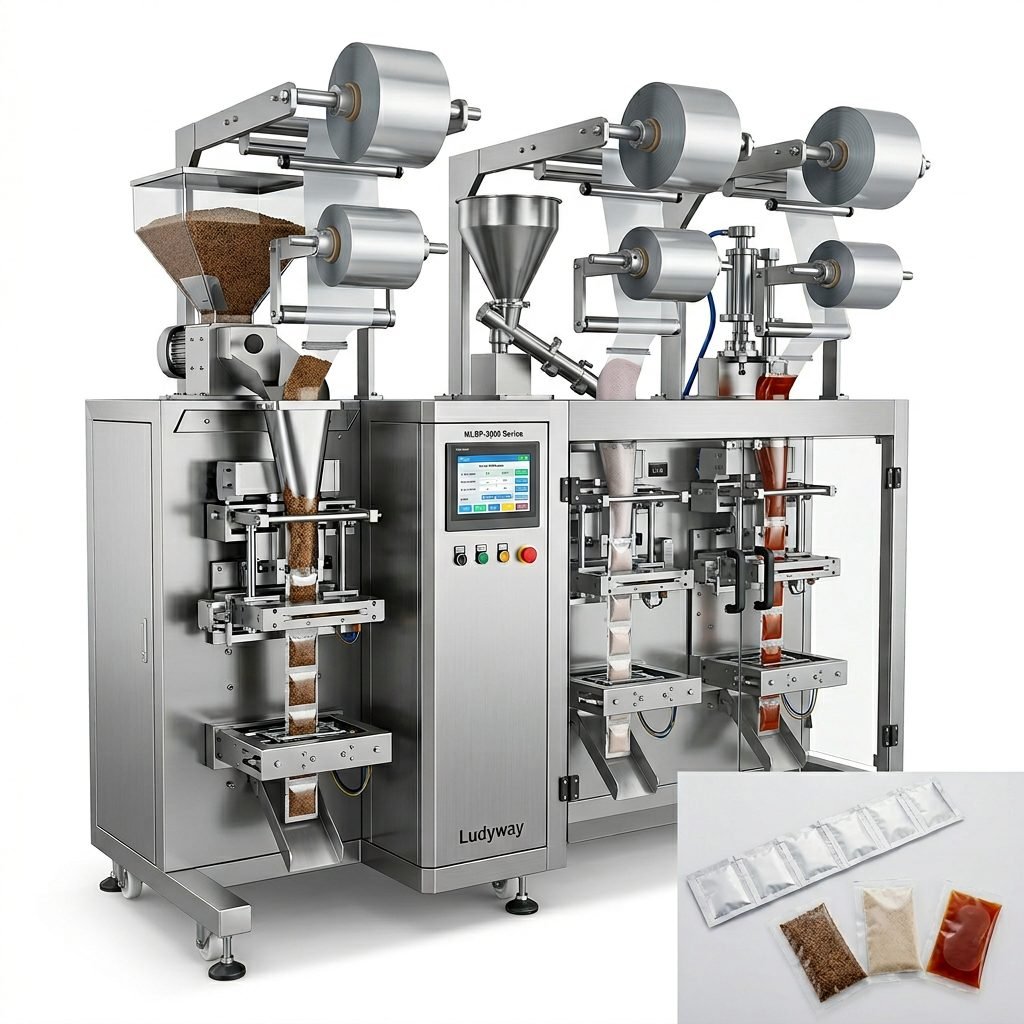
In the fast-paced world of manufacturing, efficient and reliable packaging is a critical component of production success. PFM (Powder, Granule, and Liquid) packaging machinery plays a vital role across numerous industries, from food and pharmaceuticals to chemicals and agriculture. Selecting the right machine is not just about automation; it’s about enhancing productivity, ensuring product integrity, and optimizing operational costs. This guide delves into the various types of PFM packaging machines, explains their core working principles, and provides a strategic framework to help you choose the perfect equipment for your specific production needs.
Understanding the Core Types of PFM Packaging Machinery
The landscape of PFM packaging is diverse, with machines designed for specific product forms and output requirements. Understanding these categories is the first step toward a sound investment.
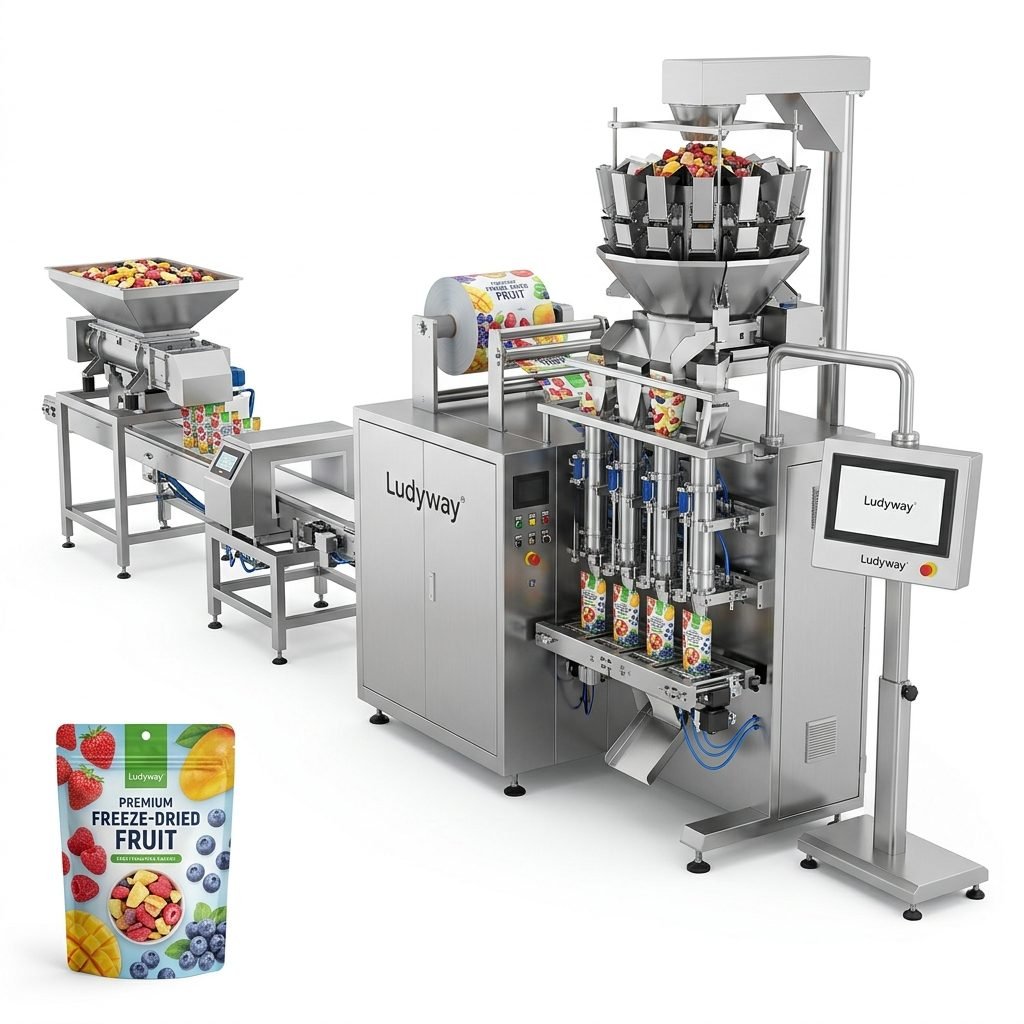
Vertical Form-Fill-Seal (VFFS) Machines
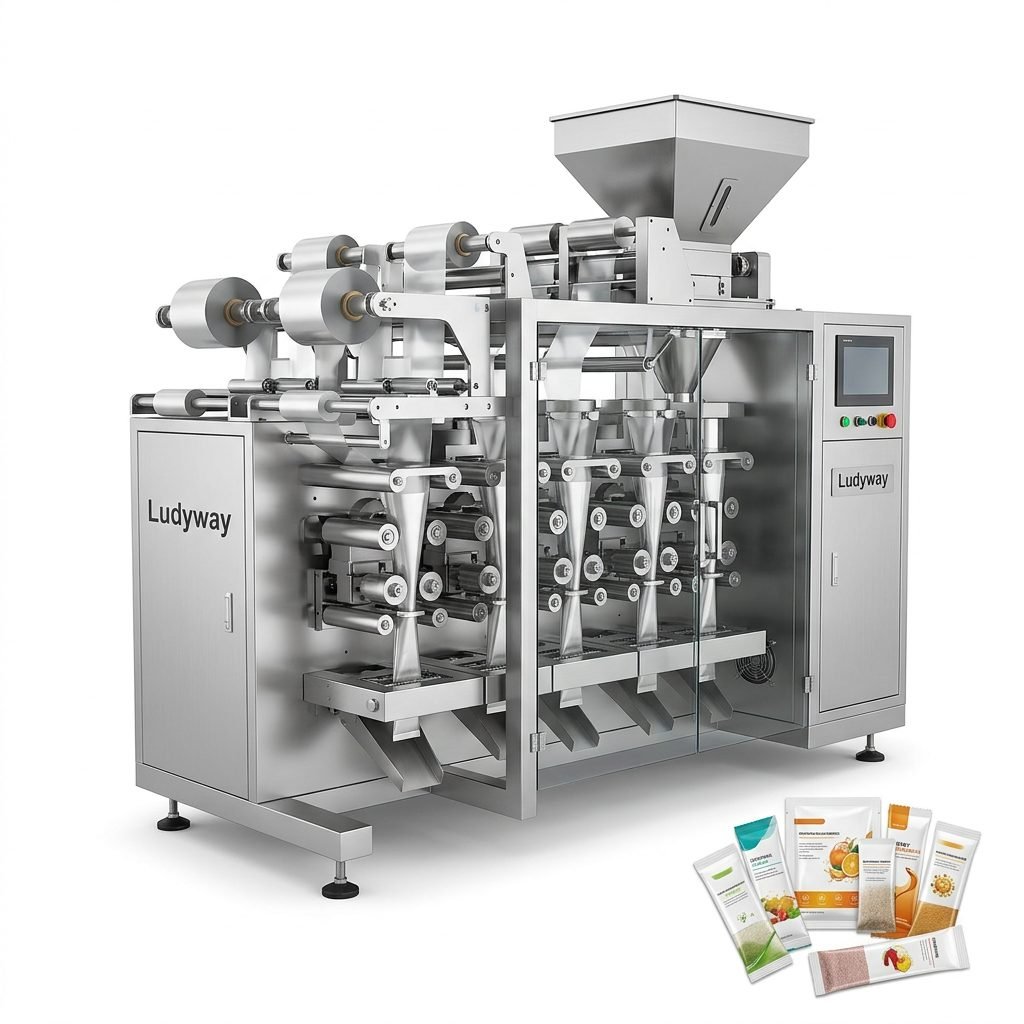
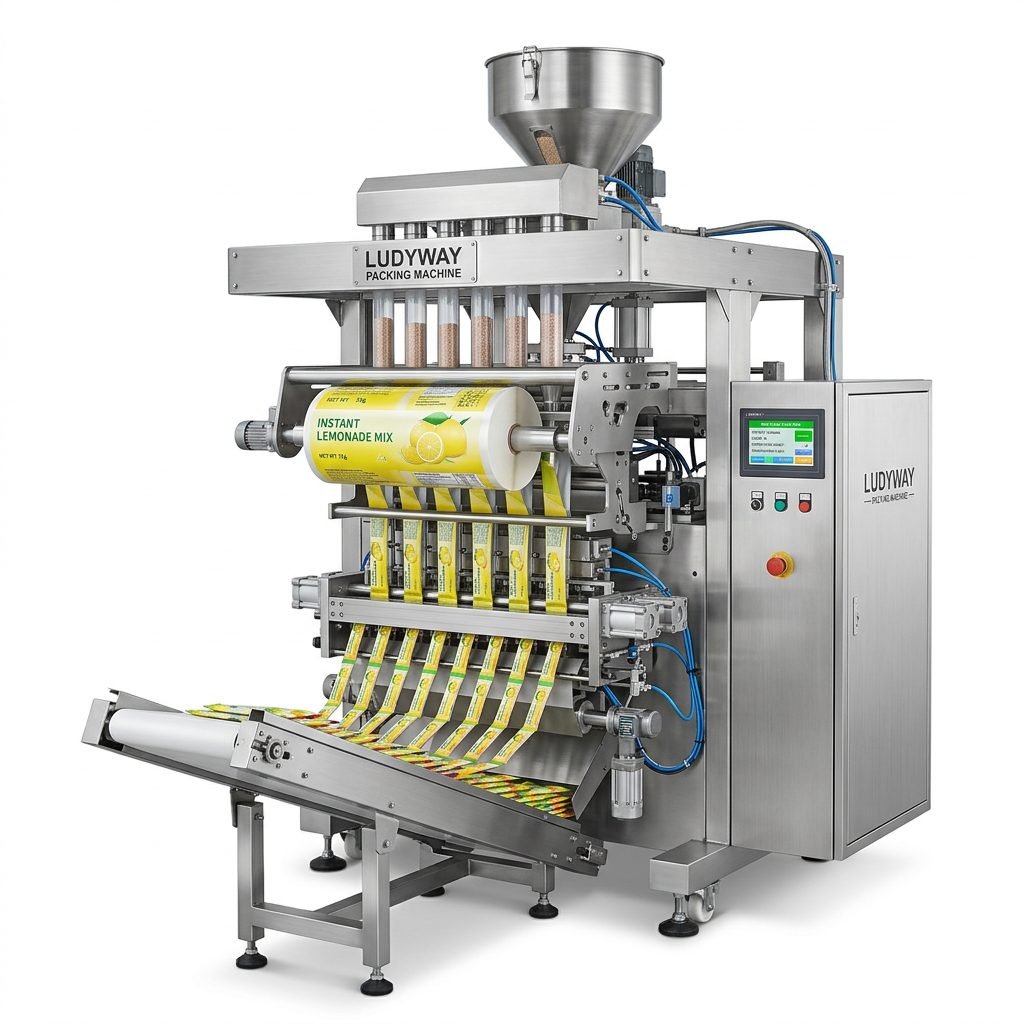
These are the workhorses of the industry, renowned for their versatility and space efficiency. A VFFS machine forms a tube from a roll of packaging film, fills it with the measured product, and then seals it, creating individual pouches or bags. They are ideal for a wide range of free-flowing powders, granules, and small solid items. Their ability to handle various bag styles—such as pillow bags, gusseted bags, or block-bottom bags—makes them a popular choice for snack foods, coffee, pet food, and hardware components.
Horizontal Form-Fill-Seal (HFFS) Machines
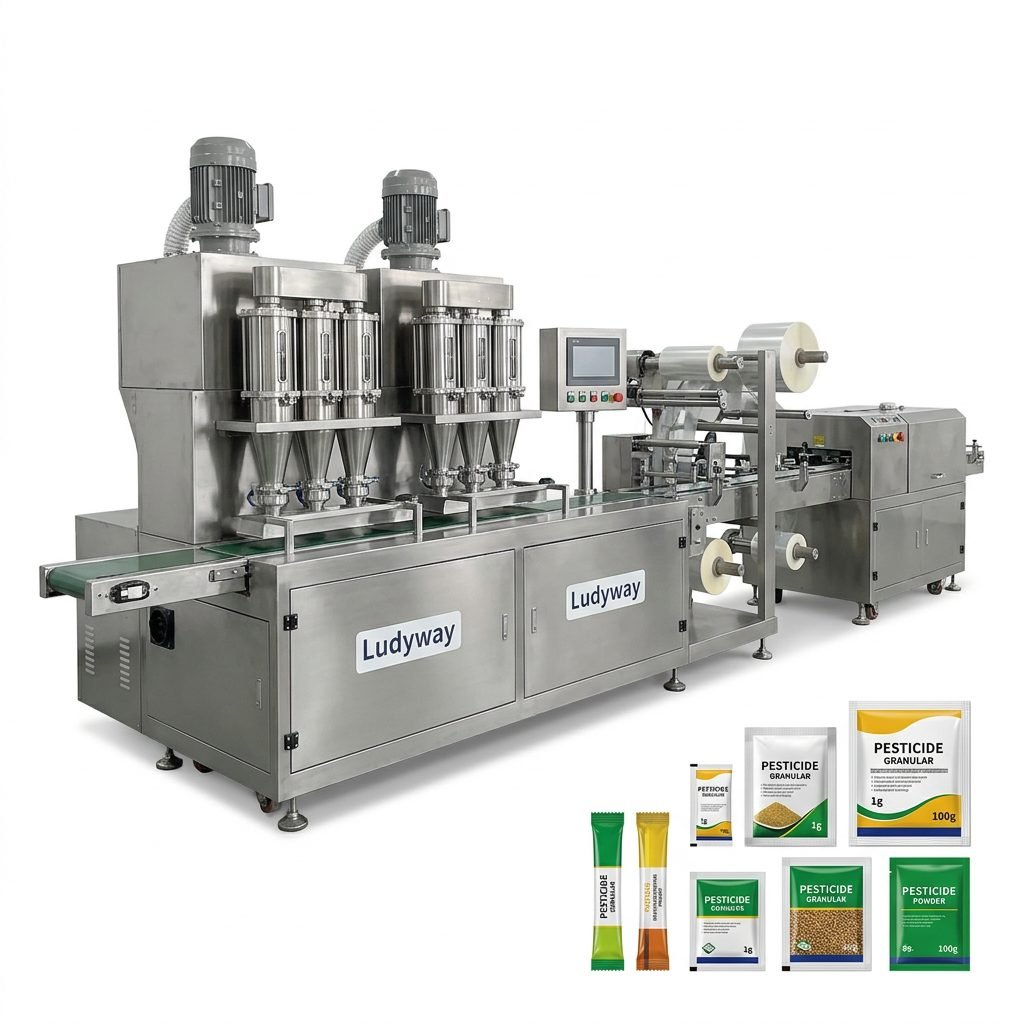
Where VFFS machines work vertically, HFFS machines operate on a horizontal plane. They are typically used for more complex packaging formats, especially for liquid, paste, or viscous products. Common applications include single-serve condiment sachets (ketchup, mayonnaise), pharmaceutical creams, and shampoo packets. HFFS machines excel at producing precise, clean-sealed sachets with excellent presentation, often incorporating features for handling difficult-to-manage products.
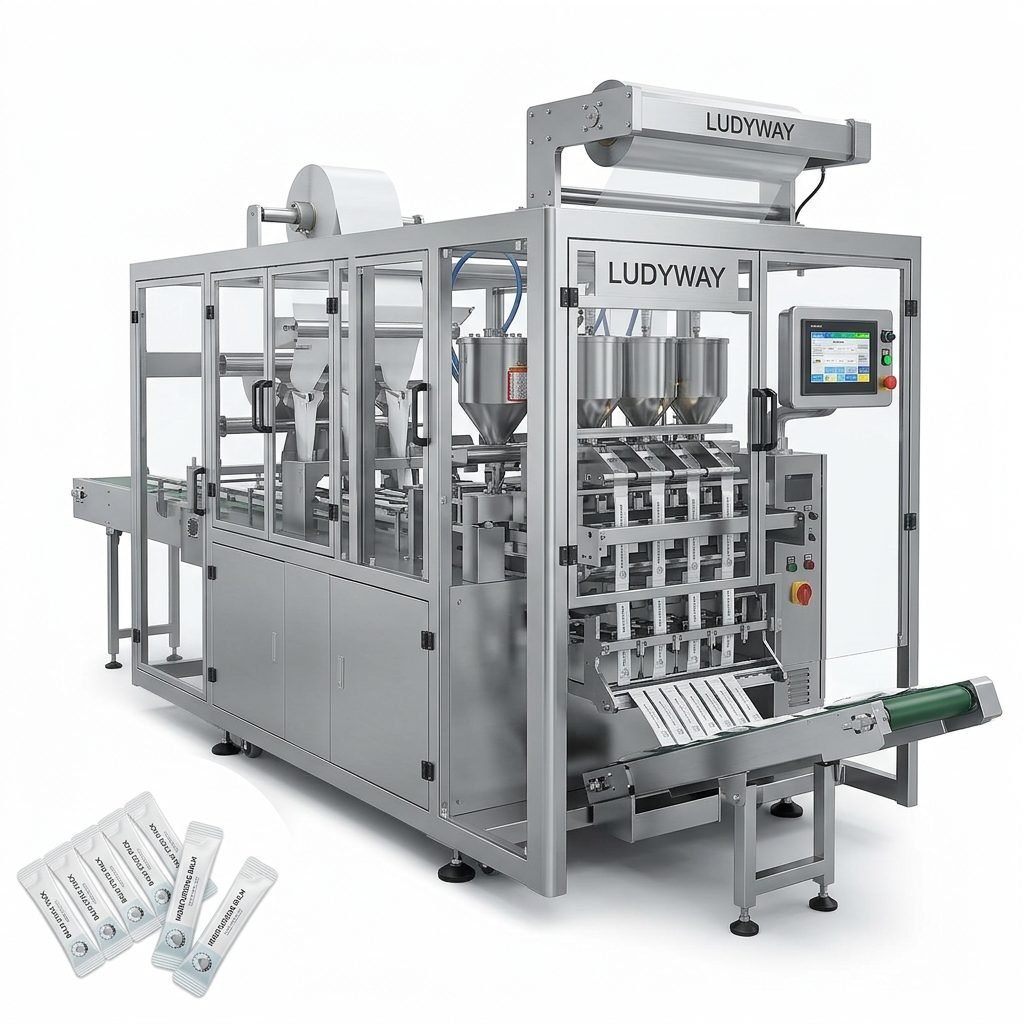
Stick Pack Machines
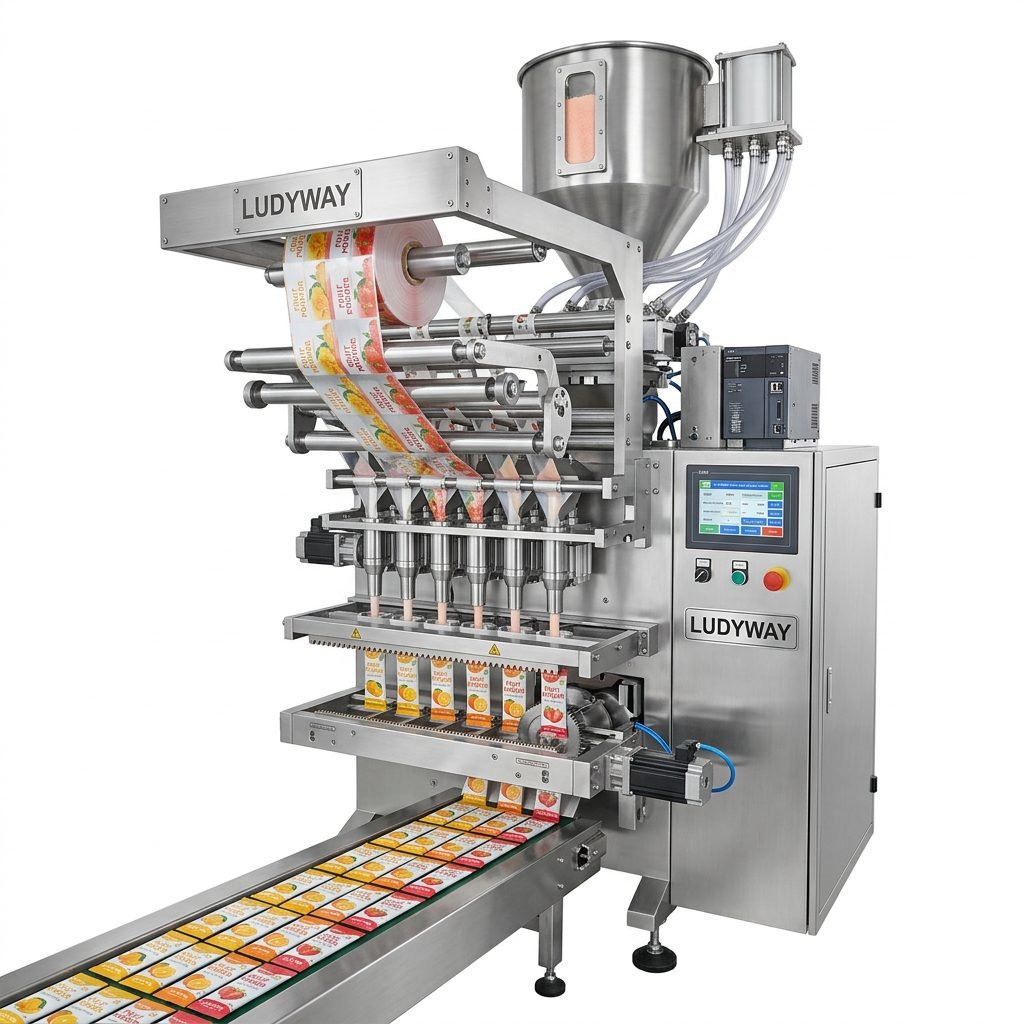
A specialized and growing segment, stick pack machines are designed to produce long, slender, single-serve packages. They are perfect for high-value powders and granules like instant coffee, nutritional supplements, drink mixes, and spices. The slim profile reduces packaging material use, offers a modern aesthetic, and provides great convenience for end-users. Modern machines can run multiple lanes simultaneously, achieving very high output rates for such a precise format.
Liquid Filling Machines
This category encompasses machines specifically engineered for accurate and sanitary liquid dispensing. Technologies vary based on viscosity and filling accuracy requirements:
- Volumetric Fillers: Use pistons or pumps to dispense a pre-set volume.
- Gravity Fillers: Rely on product flow by gravity, suitable for free-flowing liquids.
- Pressure Fillers: Use external pressure to push product into containers, ideal for foamy or viscous liquids.
These machines are often integrated with capping, sealing, and labeling systems to form complete liquid packaging lines for beverages, oils, chemicals, and pharmaceuticals.
Deconstructing the Working Principles
While each machine type has its unique mechanics, most automated PFM packaging systems follow a generalized sequence of operations. Grasping this workflow is key to understanding machine capabilities and limitations.
The Fundamental Packaging Cycle
- Film Feeding & Forming: A roll of packaging material (laminate, film) is fed into the machine. In VFFS machines, a forming tube shapes the flat film into a cylinder. In HFFS machines, the film is drawn over a forming box to create pockets.
- Product Metering & Filling: This is the heart of PFM packaging. The product is precisely measured from a hopper. Common metering systems include:
- Auger Fillers: A rotating screw delivers a highly accurate volume of powder or granules. The choice of auger design (single, twin, stepped) is critical for product-specific accuracy.
- Volumetric Cup Fillers: Use adjustable cups to scoop a set volume of free-flowing product.
- Liquid Pumps & Valves: Precisely control the flow of liquid product into the package.
- Sealing: The open end(s) of the package are sealed using heated jaws (for thermoplastic films) or other methods like ultrasonic sealing. This step creates a hermetic seal crucial for product shelf life and contamination prevention.
- Cutting & Discharge: Individual packages are cut from the film web and discharged onto a conveyor or collection system, ready for secondary packaging like cartoning.
Advanced machines integrate sophisticated PLC (Programmable Logic Controller) systems and HMI (Human-Machine Interface) panels, allowing operators to control speed, weight, temperature, and track production data with ease. Features like checkweighers and metal detectors can be integrated inline to ensure every package meets quality and safety standards.
How to Choose the Right PFM Machine for Your Production
Selecting packaging machinery is a significant capital decision. A methodical evaluation based on your specific parameters will lead to a successful, long-term investment.
1. Analyze Your Product Characteristics
This is the most critical starting point. The machine must be compatible with your product’s physical properties.
- Form & Flowability: Is it a fine powder, coarse granule, sticky paste, or free-flowing liquid? This determines the metering system (auger type, pump type).
- Hygroscopicity & Sensitivity: Does the product absorb moisture or degrade when exposed to air? This may necessitate inert gas (nitrogen) flushing capabilities within the machine.
- Abrasiveness or Corrosiveness: Highly abrasive products require wear-resistant contact parts (e.g., ceramic-coated augers, specialized seals).
2. Define Your Output & Speed Requirements
Be realistic about your current and near-future production volumes.
- Packs Per Minute (PPM): Calculate your required output based on shifts and days of operation. Always factor in a buffer for growth.
- Batch vs. Continuous Production: Do you run long batches of one product or need quick changeovers for multiple SKUs? Machines with recipe memory and quick-change parts reduce downtime.
3. Specify Your Packaging Materials & Format
The machine and the packaging material are a system.
- Film Type: Specify the laminate structure (e.g., PET/AL/PE, OPP/CPP). The machine’s sealing jaws must be calibrated to the film’s melting point.
- Bag/Sachet Style & Size: Define the exact dimensions (length, width, seal width) and style (pillow, gusseted, stand-up pouch, stick pack).
4. Evaluate Automation & Integration Needs
Consider the machine’s role in your production line.
- Level of Automation: Do you need a basic semi-automatic machine or a fully automatic line with integrated checkweighers, coders, and robotic cartoning?
- Footprint & Utilities: Assess your factory floor space and available utilities (electrical power, compressed air).
5. Prioritize Supplier Support & Service
The machine’s quality is only half the equation; the supplier’s support is the other.
- Technical Expertise & Customization: Can the supplier offer application testing and modify the machine to suit your unique needs? A partner like Ludyway Packaging Machinery, with deep application knowledge, is invaluable.
- After-Sales Service: Investigate the availability of spare parts, technical support (remote and on-site), and training programs. A reliable service network minimizes production stoppages.
- Reputation & References: Research the manufacturer’s track record. Request case studies or contact references in a similar industry.
✅ Key Takeaway for Selection
Never base your decision solely on the lowest upfront cost. Consider the Total Cost of Ownership (TCO), which includes purchase price, operational efficiency (material waste, energy use), maintenance costs, and the machine’s expected lifespan and reliability. A slightly higher investment in a robust, flexible machine from a reputable supplier like Ludyway often yields a far greater return through years of trouble-free, efficient operation.
Investing in PFM packaging machinery is a strategic step toward modernizing and scaling your production. By thoroughly understanding the different machine types, their operating principles, and systematically evaluating your needs against the selection criteria outlined above, you can make a confident choice. Partnering with an experienced and supportive machinery provider ensures you get not just a machine, but a comprehensive packaging solution that drives your business forward with efficiency, quality, and reliability.
Frequently Asked Questions (FAQs)
1. What is the main difference between VFFS and HFFS machines?
The primary difference is the orientation of package formation and filling. VFFS machines form bags vertically from a single roll of film, making them ideal for powders and granules. HFFS machines form and fill pockets horizontally, typically using two film webs, and are better suited for liquids, pastes, and creating more complex sachet shapes.
2. How accurate are auger fillers for powder packaging?
Modern auger fillers are highly accurate, often achieving fill accuracies within ±0.5% to ±1% of the target weight, depending on the product’s characteristics (flowability, density uniformity) and the auger system design. For ultra-high precision, weigh-cell technology (auger scales) can be integrated.
3. Can one machine handle different types of products (e.g., powder and granules)?
Many versatile VFFS machines can handle a range of free-flowing dry products. However, significant changes in product characteristics (e.g., switching from fine powder to large granules or to a liquid) usually require different metering systems. Some machines offer “quick-change” auger or pump assemblies to facilitate product changeovers.
4. What are the key maintenance requirements for a PFM packaging machine?
Regular daily cleaning to prevent product buildup, periodic lubrication of moving parts as per the manual, inspection and replacement of wear items (like sealing jaw Teflon covers, auger flights, or pump seals), and calibration of weighing systems are essential. A proactive maintenance schedule based on the manufacturer’s recommendations is crucial for longevity.
5. How do I ensure my packaging is airtight and preserves product freshness?
Airtight seals depend on three factors: 1) Correct film material with a hermetic seal layer (like polyethylene), 2) Properly calibrated sealing jaws (correct temperature, pressure, and dwell time), and 3) A well-maintained machine. For oxygen-sensitive products, choose a machine with integrated gas flushing (nitrogen purging) capability to displace air inside the package before sealing.