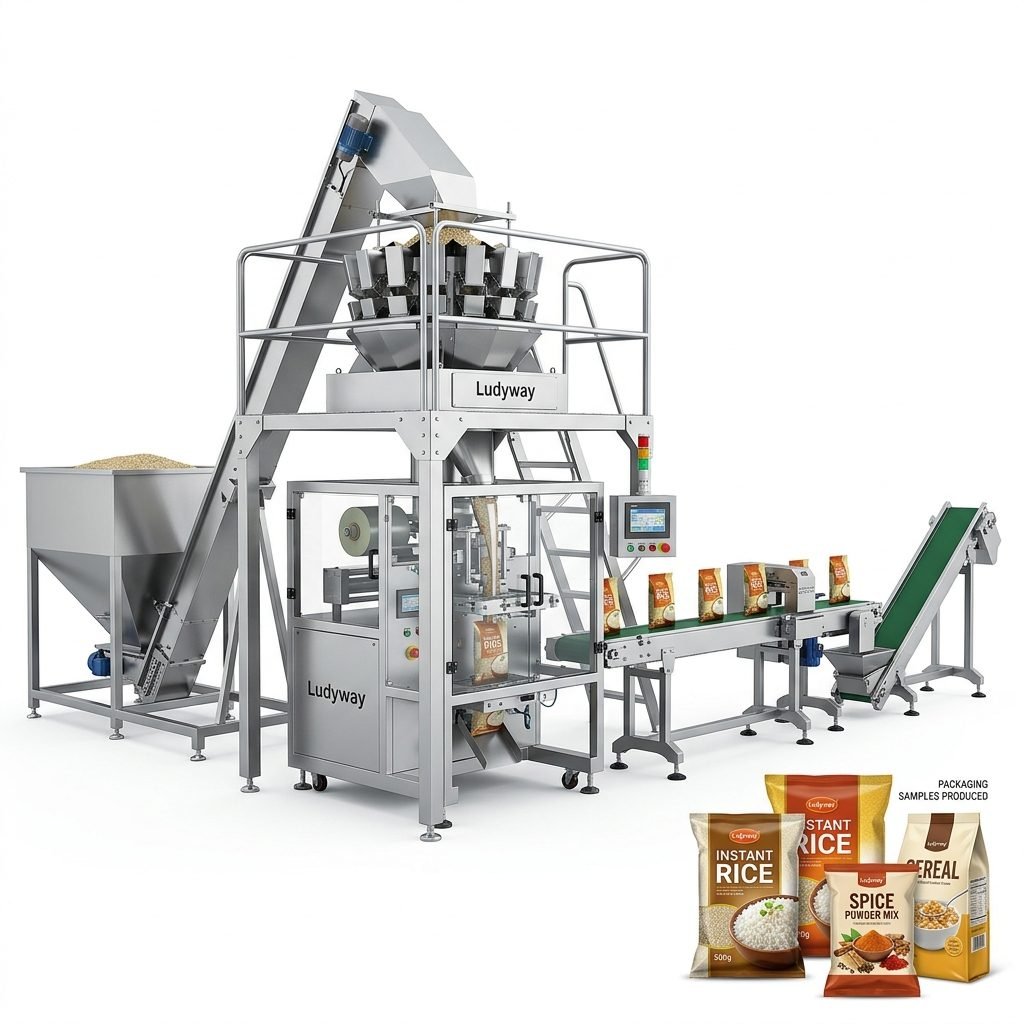
Semiconductor packaging equipment plays a critical role in transforming delicate chips into reliable, application-ready products. As device architectures become smaller, faster, and more complex, manufacturers need packaging systems that can deliver precision, cleanliness, traceability, and high throughput. From wire bonding and die attach to molding, singulation, inspection, and final testing, every step directly affects yield, thermal performance, and long-term reliability.
This guide explains the main types of semiconductor packaging equipment, where they are used, and how to choose the right solution for your production goals.
What Is Semiconductor Packaging Equipment?
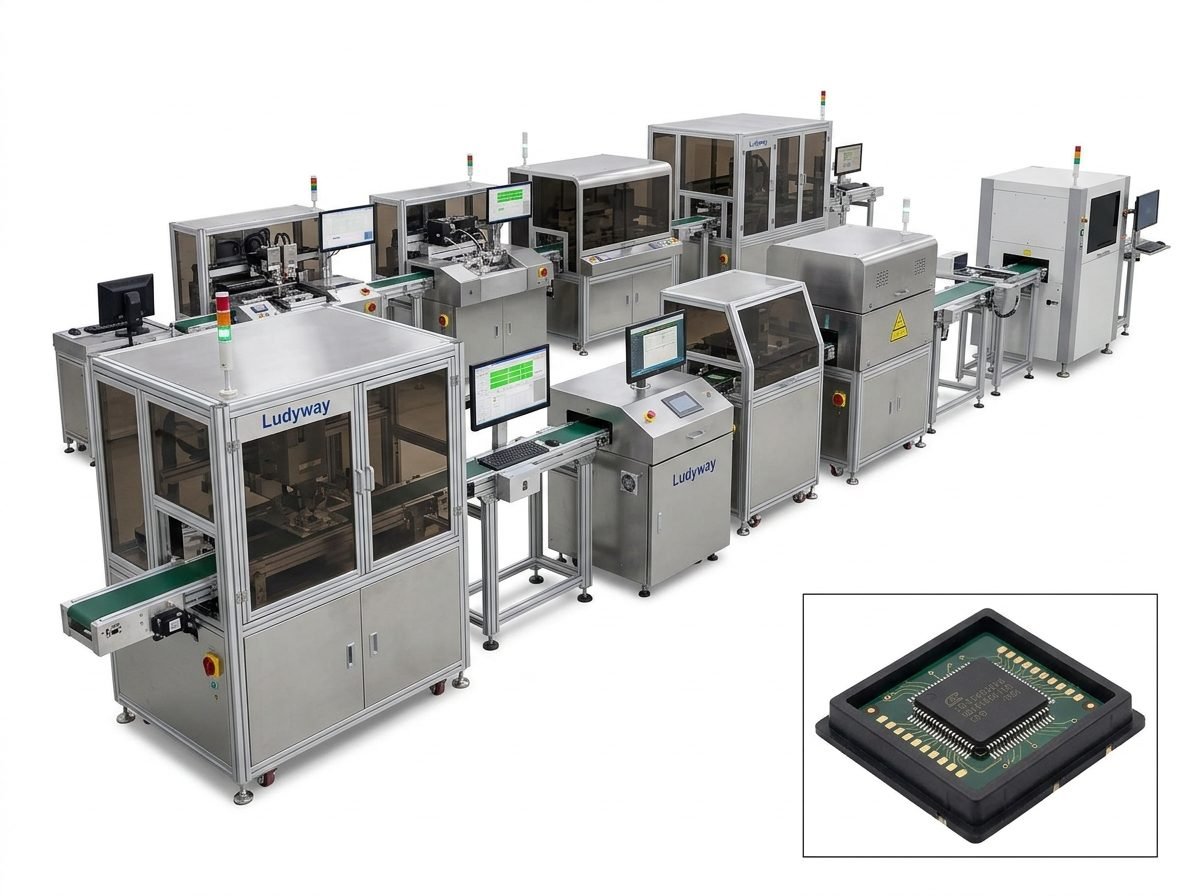
Semiconductor packaging equipment refers to the machinery used after wafer fabrication to protect semiconductor dies, create electrical connections, improve heat dissipation, and prepare components for board-level assembly. These machines are used in OSAT facilities, IDM production plants, and advanced electronics manufacturing environments.
Depending on the package type, the equipment may support processes such as:
- Wafer dicing and die preparation
- Die attach and substrate bonding
- Wire bonding or flip-chip interconnection
- Encapsulation and molding
- Marking, singulation, and trimming
- Optical inspection, X-ray inspection, and electrical test
- Tape-and-reel, tray loading, and final packing
Why Packaging Matters in Semiconductor Manufacturing
Packaging is no longer just a protective shell. It now influences electrical performance, thermal efficiency, miniaturization, signal integrity, and product lifespan. In markets such as automotive electronics, consumer devices, telecom infrastructure, industrial control, and medical electronics, package consistency is essential for quality compliance and customer trust.
- Mechanical protection: shields fragile dies from vibration, dust, and humidity
- Electrical connectivity: links chip I/O to leads, substrates, or balls
- Thermal management: helps dissipate heat in high-power devices
- Miniaturization: supports compact designs in mobile and wearable products
- Reliability: improves resistance to thermal cycling and harsh operating conditions
Main Types of Semiconductor Packaging Equipment
1. Die Attach Equipment
Die attach machines place semiconductor dies onto lead frames, substrates, or packages using epoxy, solder, sintering materials, or other bonding methods. Accuracy is crucial because even slight placement deviation can affect downstream bonding and final yield.
Typical uses include power semiconductors, memory devices, analog ICs, sensors, and advanced packages requiring precise thermal paths.
2. Wire Bonding Equipment
Wire bonders create electrical connections between the die and the package using gold, copper, or aluminum wire. This remains one of the most widely used technologies in semiconductor packaging due to its maturity, flexibility, and cost efficiency.
Common wire bonding methods include ball bonding and wedge bonding.
3. Flip-Chip Bonding Equipment
Flip-chip systems connect the die directly to the substrate through solder bumps or copper pillars. These machines are used where high I/O density, short interconnect paths, and better electrical performance are required.
They are common in processors, RF devices, high-performance computing, and advanced mobile applications.
4. Molding and Encapsulation Equipment
Molding machines encapsulate the semiconductor package to protect it from moisture, contamination, and mechanical stress. Transfer molding is common for standard packages, while advanced encapsulation methods support more specialized designs.
5. Wafer-Level Packaging Equipment
Wafer-level packaging equipment performs packaging-related processes directly on the wafer before singulation. This may include redistribution layers, bumping, underfill, and wafer-level molding. It supports compact devices and high-volume manufacturing.
6. Singulation and Dicing Equipment
After packaging or wafer processing, singulation systems separate individual units. These machines must maintain edge quality, avoid chipping, and support high throughput with minimal stress on the device.
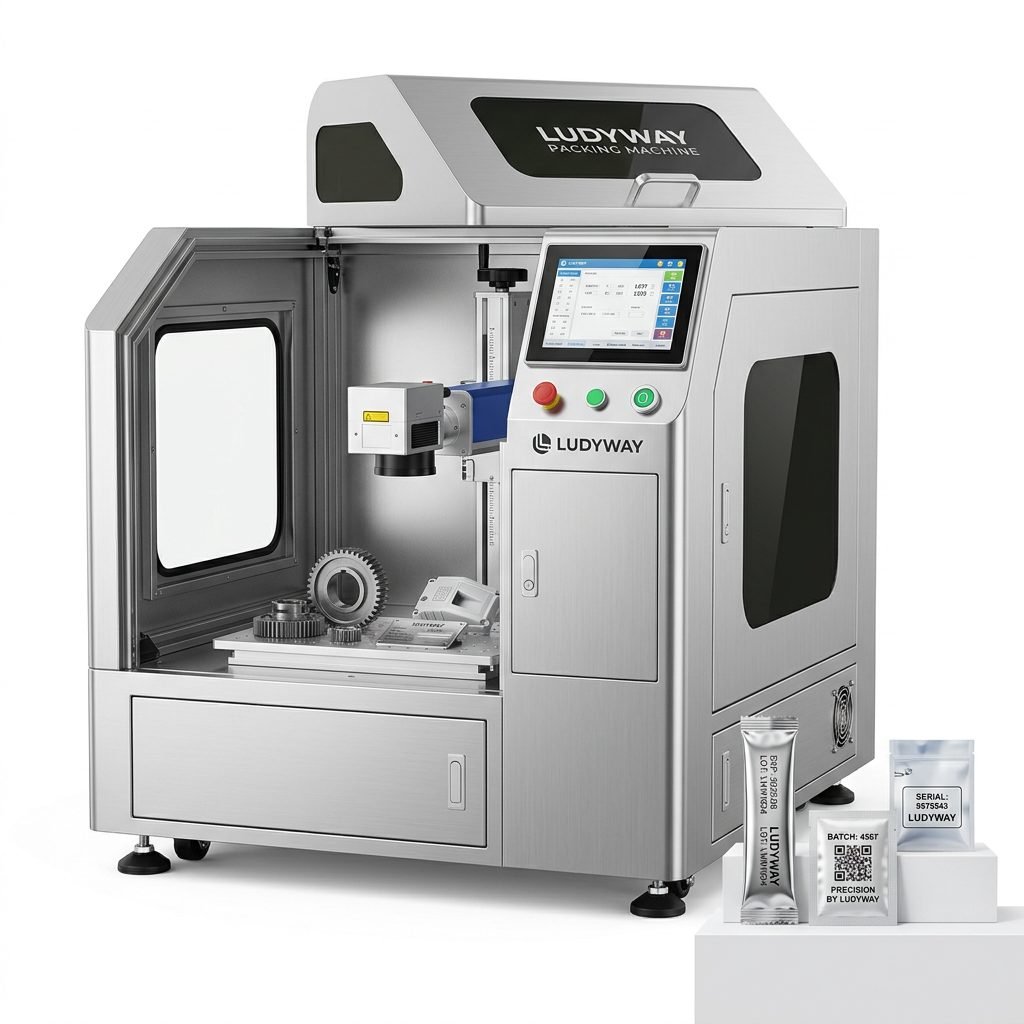
7. Marking and Traceability Equipment
Laser marking and coding systems provide lot identification, part numbers, 2D codes, and traceability marks. This is especially important for automotive, medical, and industrial semiconductor products where compliance and process tracking are required.
8. Inspection and Test Equipment
Inspection systems use vision, AOI, X-ray, or metrology tools to detect defects such as misalignment, voids, wire sweep, cracks, and contamination. Final test equipment validates electrical performance and package integrity before shipment.
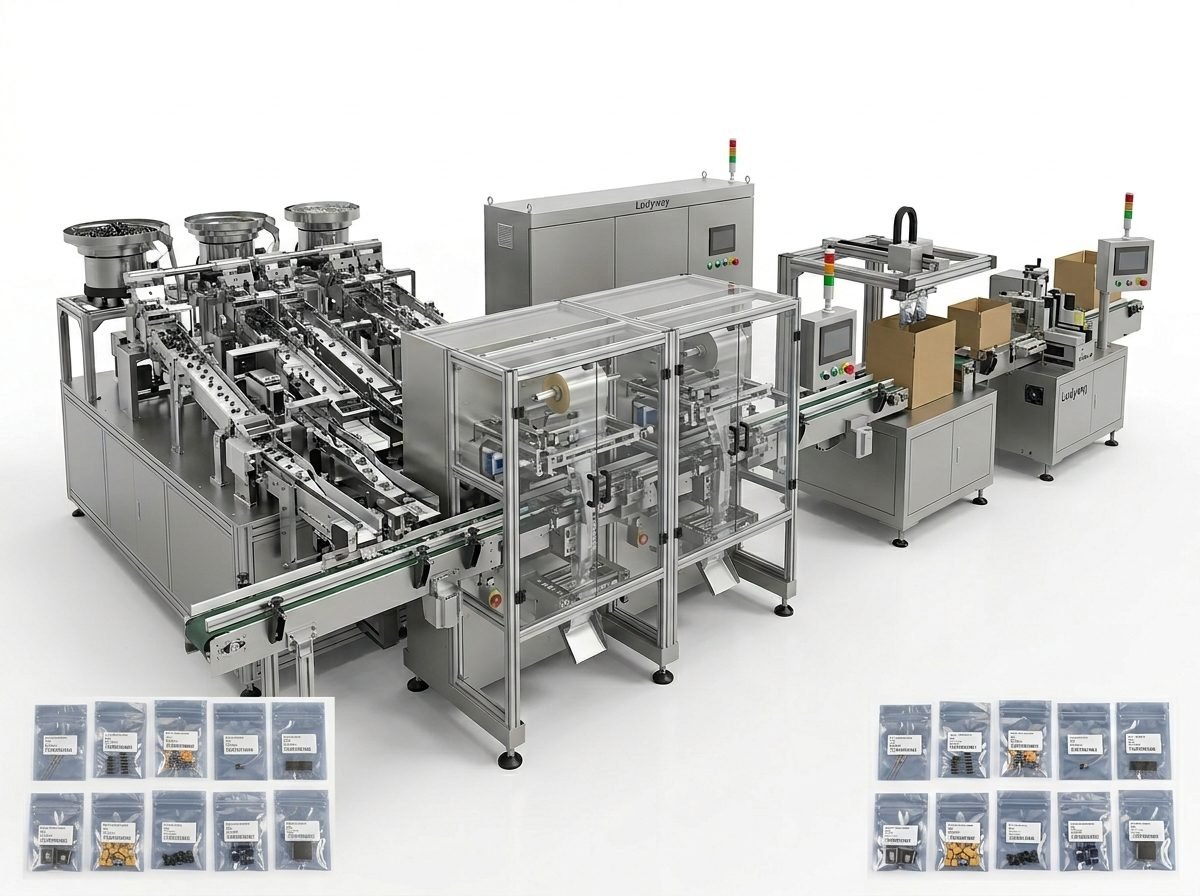
9. Final Packing and Handling Equipment
Once the packaged semiconductor passes inspection and test, automated handling systems move it into trays, tubes, tape-and-reel, cartons, or shipping-ready formats. Stable automation at this stage reduces handling damage and improves logistics efficiency.
Common Semiconductor Package Types and Matching Equipment
| Package Type | Typical Equipment Needed | Typical Applications |
|---|---|---|
| DIP / SOP / QFP | Die attach, wire bonder, molding press, trim & form, marking, test | Industrial controls, consumer electronics, legacy ICs |
| QFN / DFN | Die attach, wire bond or flip-chip, molding, singulation, inspection | Mobile devices, sensors, power management |
| BGA / CSP | Flip-chip, ball placement, reflow, underfill, X-ray inspection | Processors, memory, networking devices |
| WLP / Fan-Out | Wafer bumping, redistribution, wafer molding, wafer test, dicing | Smartphones, wearables, compact electronics |
| Power Modules | High-precision die attach, sintering, heavy wire bond, encapsulation, test | EVs, solar inverters, industrial drives |
Key Applications of Semiconductor Packaging Equipment
Consumer Electronics
Smartphones, tablets, wearables, laptops, and smart home products require compact, lightweight, and high-speed packaging solutions. Equipment for these products must support fine pitch, miniaturized footprints, and high-volume output.
Automotive Electronics
Automotive chips demand strict reliability for thermal cycling, vibration resistance, and long operating life. Packaging equipment used here often includes tighter inspection controls, traceability systems, and process validation capabilities.
Industrial and Power Devices
Power semiconductors, IGBTs, MOSFETs, and control ICs often require strong thermal performance and durable interconnect technology. Die attach precision, encapsulation quality, and electrical test stability are particularly important.
Medical Electronics
Medical devices and diagnostic electronics require highly consistent packaging quality, clean processing conditions, and detailed documentation for regulatory compliance.
Telecom and Data Infrastructure
High-frequency and high-performance chips used in base stations, servers, and networking equipment often require advanced packaging such as BGA, flip-chip, and wafer-level solutions.
How to Choose the Right Semiconductor Packaging Equipment
Choosing the right solution means balancing package design, throughput, budget, floor space, and future scalability. A machine that works for one package family may not fit another. Use the following criteria to make a more informed decision.
1. Define Your Package Type and Process Flow
Start with the package format you need to produce. The required equipment for QFN, BGA, wafer-level, and power modules can vary significantly. Map the complete flow from die preparation to final packing before comparing machine options.
2. Evaluate Precision Requirements
Placement accuracy, bond accuracy, alignment tolerance, and inspection resolution must match your device design. For advanced nodes and miniaturized packages, high-precision motion control and stable vision systems are essential.
3. Consider Throughput and OEE
High theoretical speed is not enough. Look at real operating efficiency, changeover time, uptime, reject rates, maintenance intervals, and ease of operator use. The best equipment improves long-term OEE rather than only headline speed.
4. Check Compatibility With Materials
Your equipment must be compatible with the specific lead frames, substrates, molding compounds, adhesives, solders, wafers, and reel or tray formats used in your factory.
5. Review Cleanroom and Contamination Control Needs
Semiconductor packaging is highly sensitive to particles and contamination. Confirm whether the machine design supports your cleanroom level, ESD protection requirements, and material handling standards.
6. Prioritize Inspection and Traceability
Integrated inspection, barcode management, data logging, and MES connectivity can reduce quality risk and improve root-cause analysis. This is especially important in regulated or high-reliability sectors.
7. Plan for Scalability
If product demand is expected to rise, choose equipment that can be upgraded with additional modules, automation interfaces, or line integration features. Modular systems can lower future expansion cost.
8. Assess Supplier Support
Responsive technical support, spare parts availability, installation guidance, operator training, and process optimization support all affect the success of your investment.
| Selection Factor | Why It Matters | Questions to Ask |
|---|---|---|
| Package compatibility | Ensures process fit and stable yield | Can this machine handle current and next-generation packages? |
| Accuracy | Directly affects bonding quality and reliability | What is the actual placement and alignment tolerance? |
| Automation level | Reduces labor and handling error | Does it support robotic loading, AOI, MES, and data collection? |
| Maintenance | Impacts uptime and operating cost | How easy is preventive maintenance and spare replacement? |
| Supplier service | Supports smooth startup and stable production | What installation, training, and after-sales support are included? |
Signs You May Need to Upgrade Your Packaging Equipment
- Frequent yield loss caused by placement or bonding errors
- Insufficient throughput to meet customer demand
- Long changeover times for multiple package formats
- High labor dependence and inconsistent handling quality
- Limited data collection or poor traceability
- Difficulty supporting smaller or more advanced packages
- Rising maintenance cost on aging equipment
Benefits of an Integrated Packaging Line
Instead of buying standalone machines without coordination, many manufacturers now prefer integrated packaging lines. A well-designed line reduces transfer bottlenecks, improves process synchronization, and enables centralized quality management.
- Better line balance and throughput consistency
- Lower handling risk between processes
- Improved yield monitoring and traceability
- More efficient labor allocation
- Easier future expansion and factory digitization
Working With an Experienced Equipment Partner
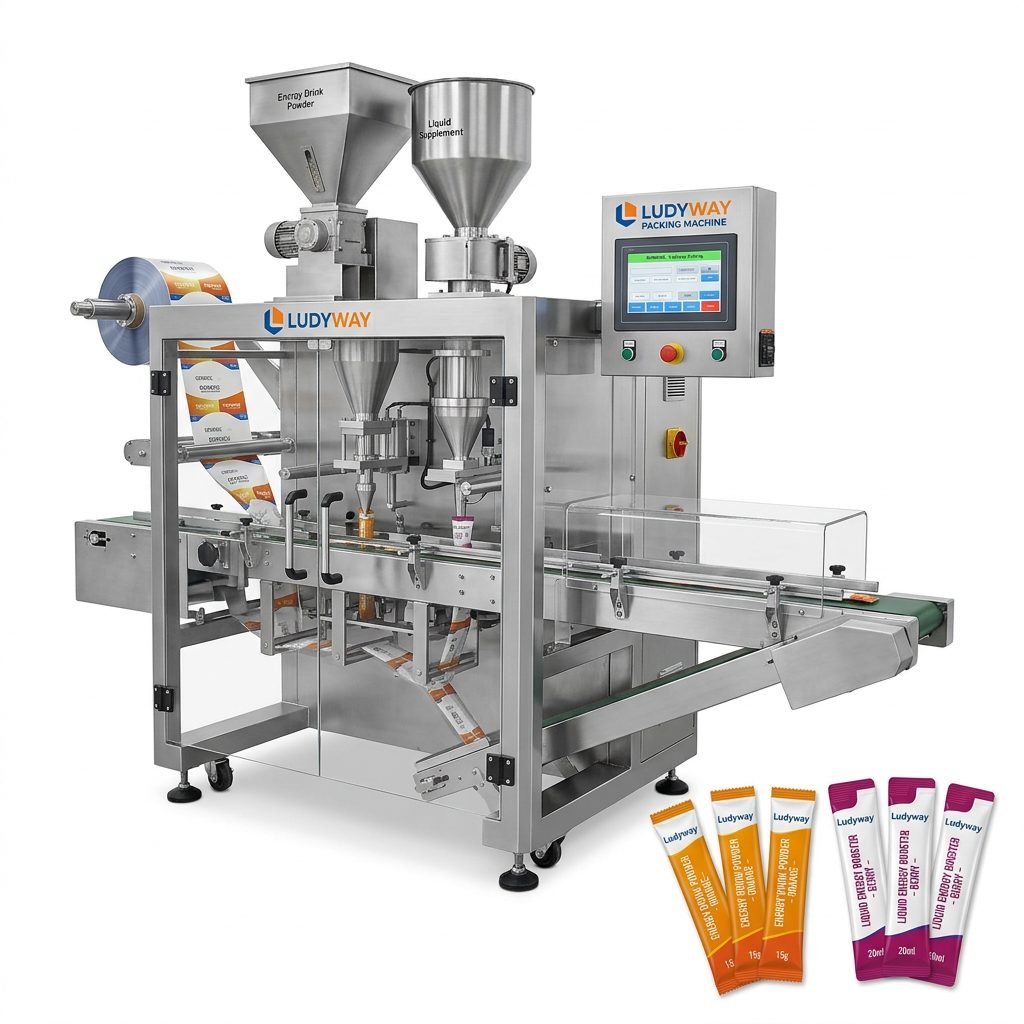
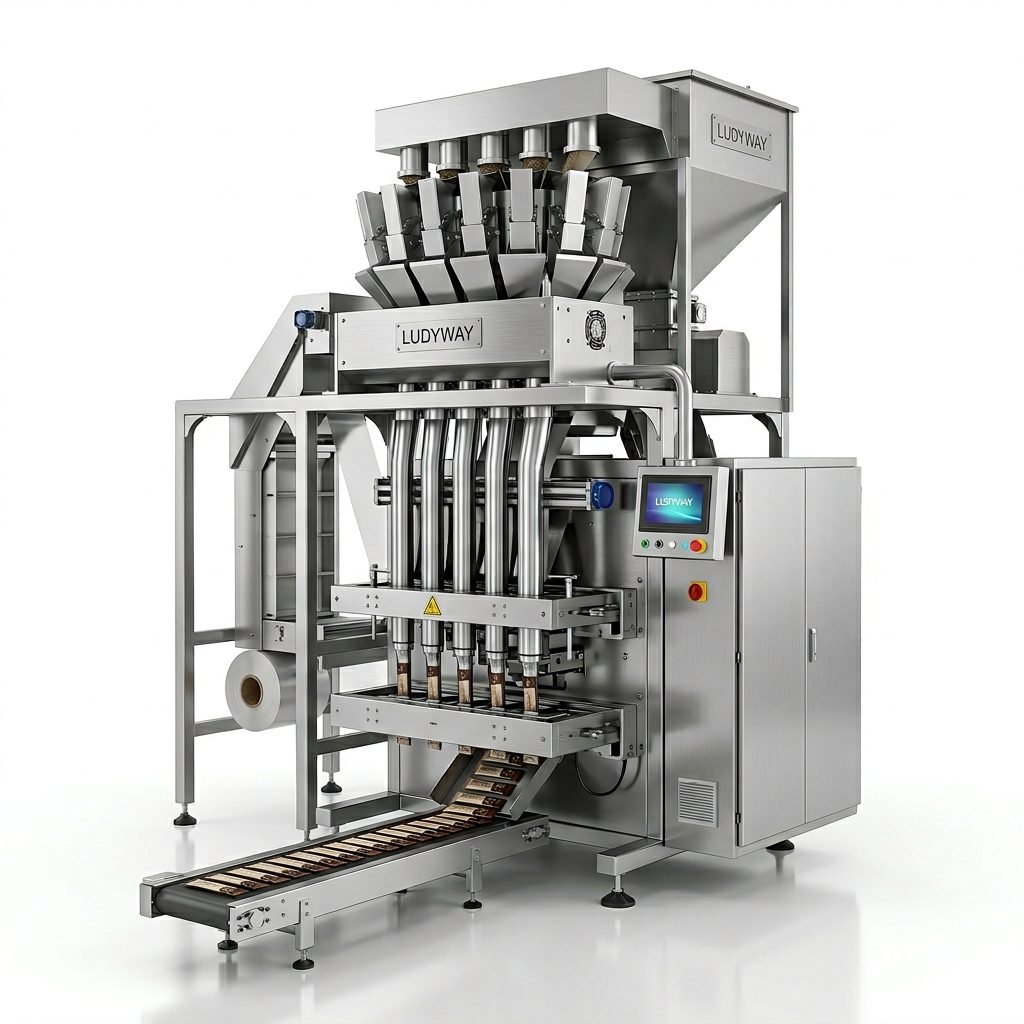
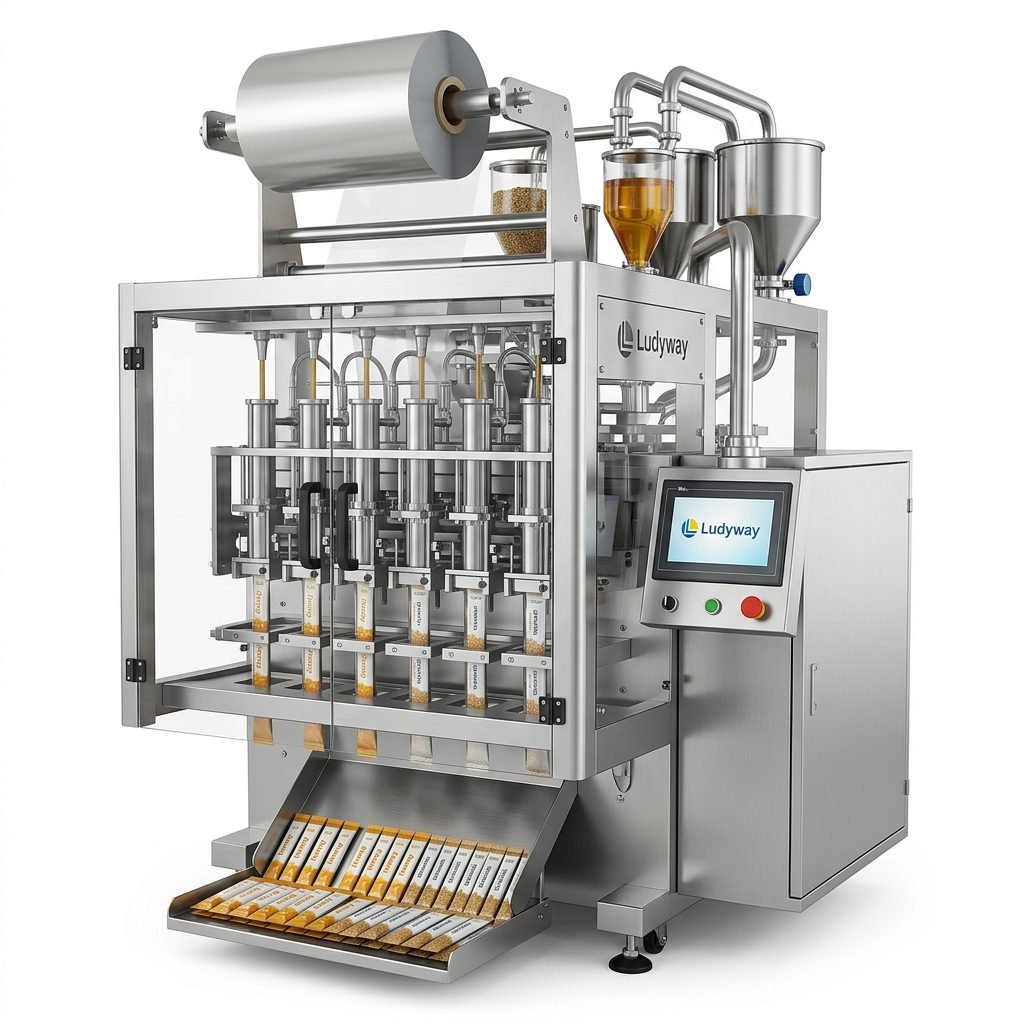
When evaluating suppliers, look beyond the machine itself. Engineering capability, customization experience, manufacturing strength, and project support can make a major difference, especially for turnkey automation projects. Companies looking for broader automation and integrated equipment solutions may also explore partners with established line-building experience such as packaging machine manufacturer Ludyway, known for custom machinery, integrated production systems, and export-oriented project delivery across multiple industries.
Final Buying Checklist
- Clarify package type, materials, and target output
- Confirm required precision, cleanliness, and test standards
- Check machine flexibility for future product changes
- Compare actual operating efficiency, not just rated speed
- Review inspection, MES, and traceability capabilities
- Verify supplier training, commissioning, and spare parts support
- Consider full-line integration if scaling production
The right semiconductor packaging equipment should do more than complete a single process. It should help your factory achieve higher yield, better reliability, lower operating risk, and stronger long-term competitiveness. By matching the equipment to your package type, production targets, and quality requirements, you can build a packaging operation that is ready for both today’s demand and tomorrow’s technology shifts.