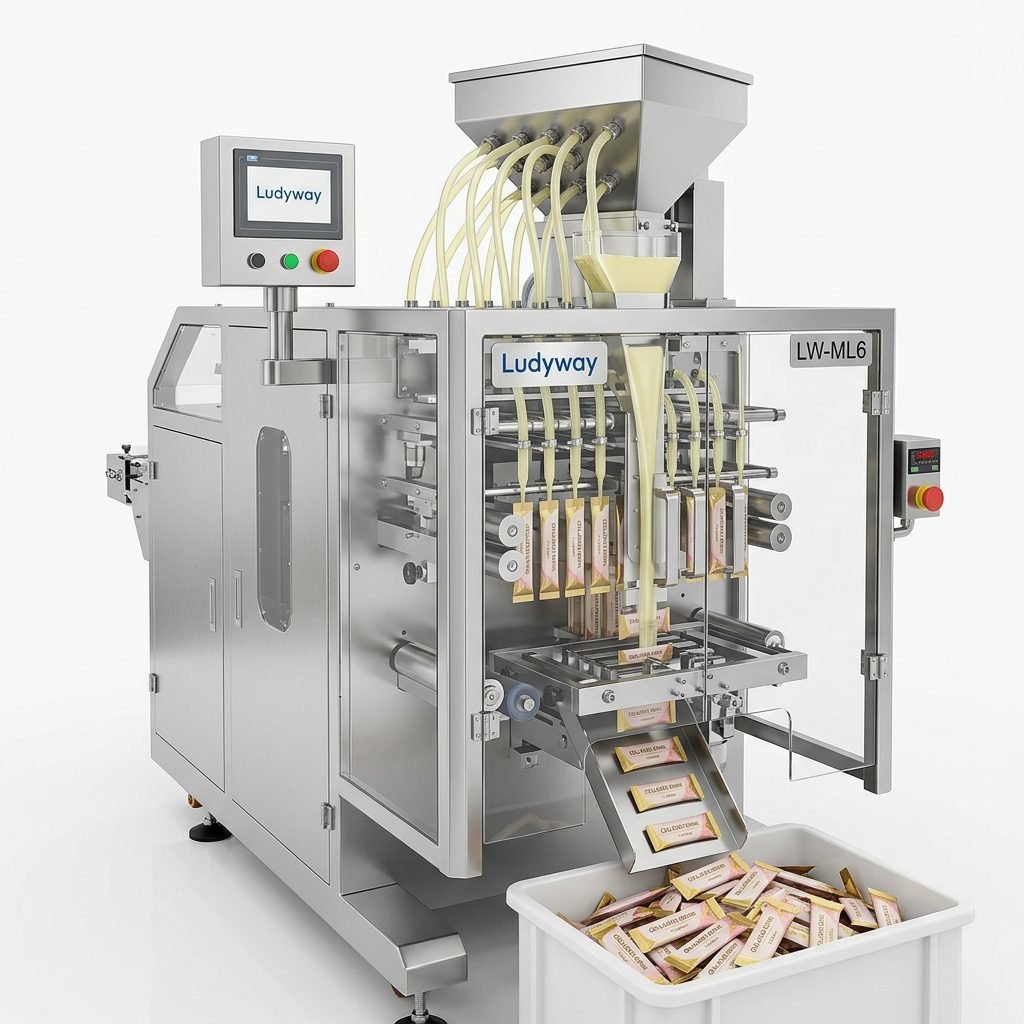
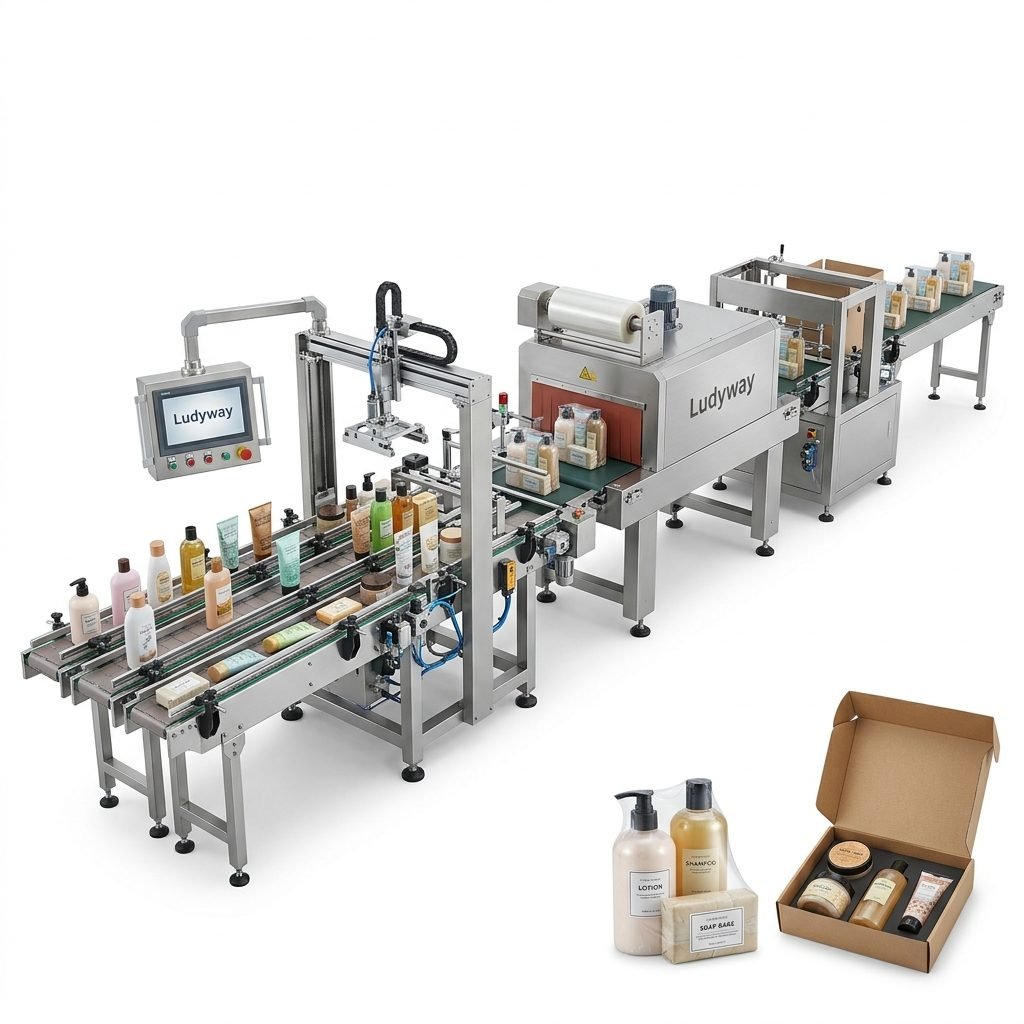
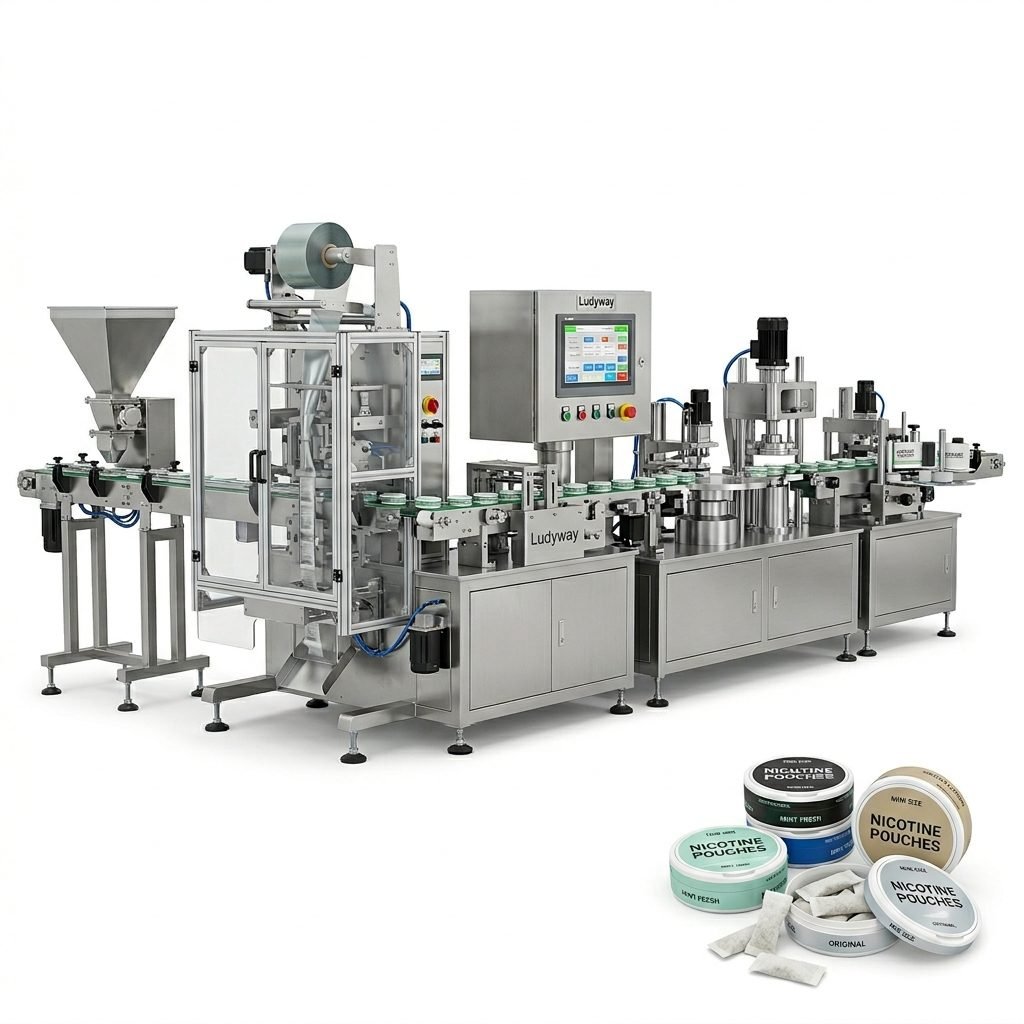
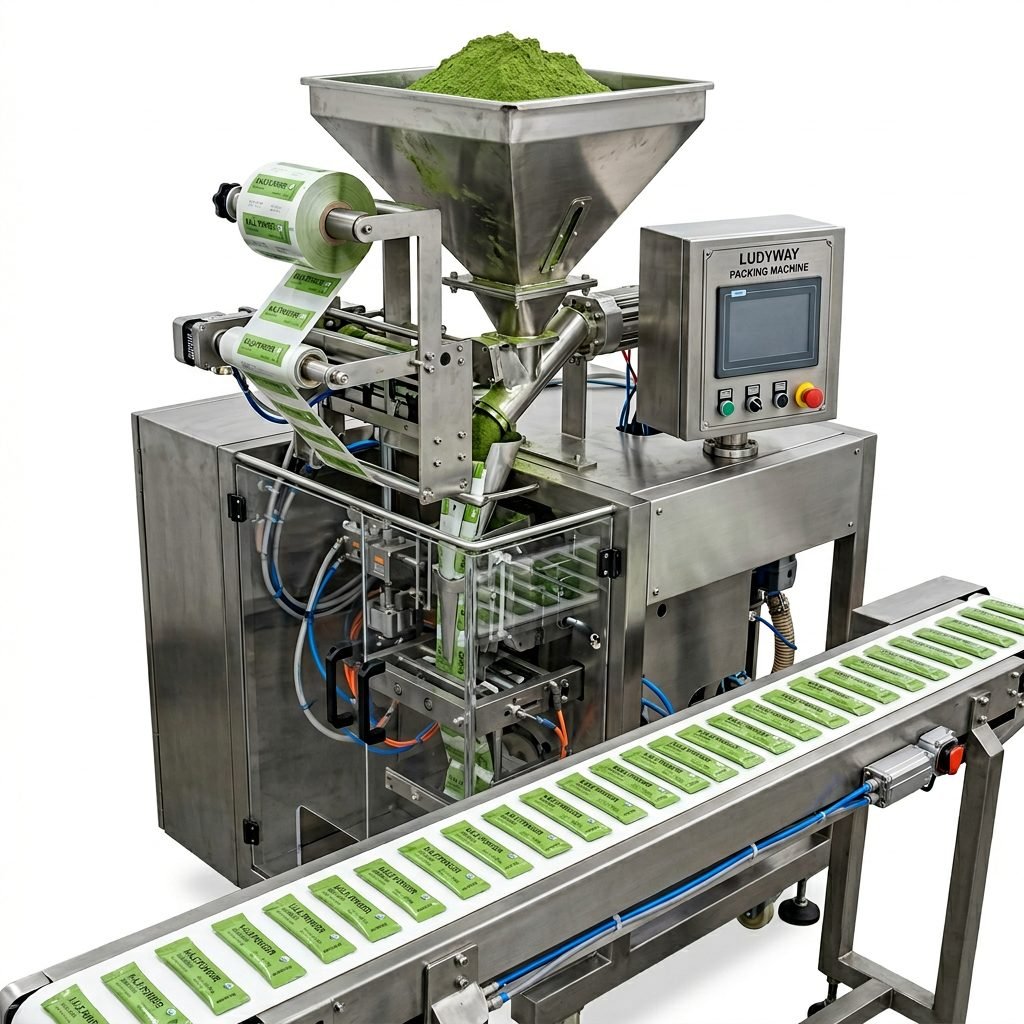
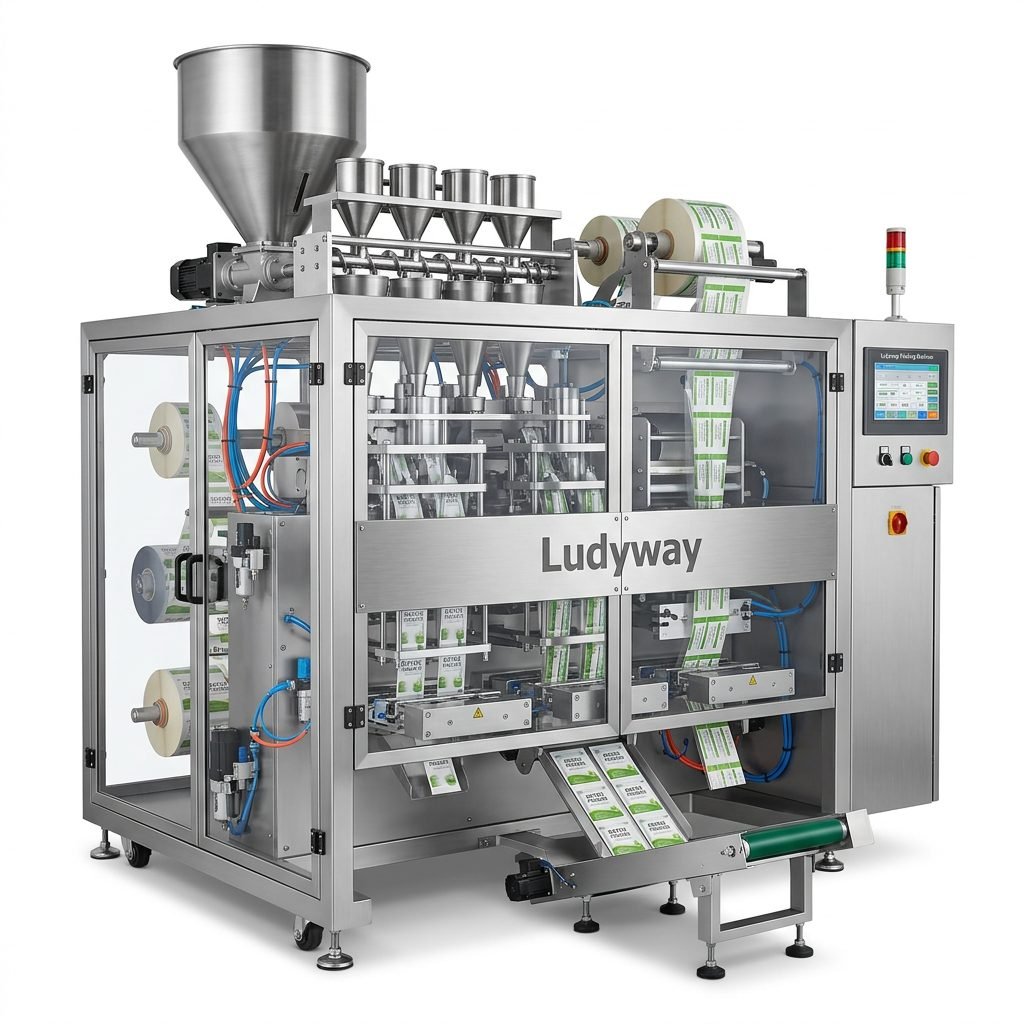
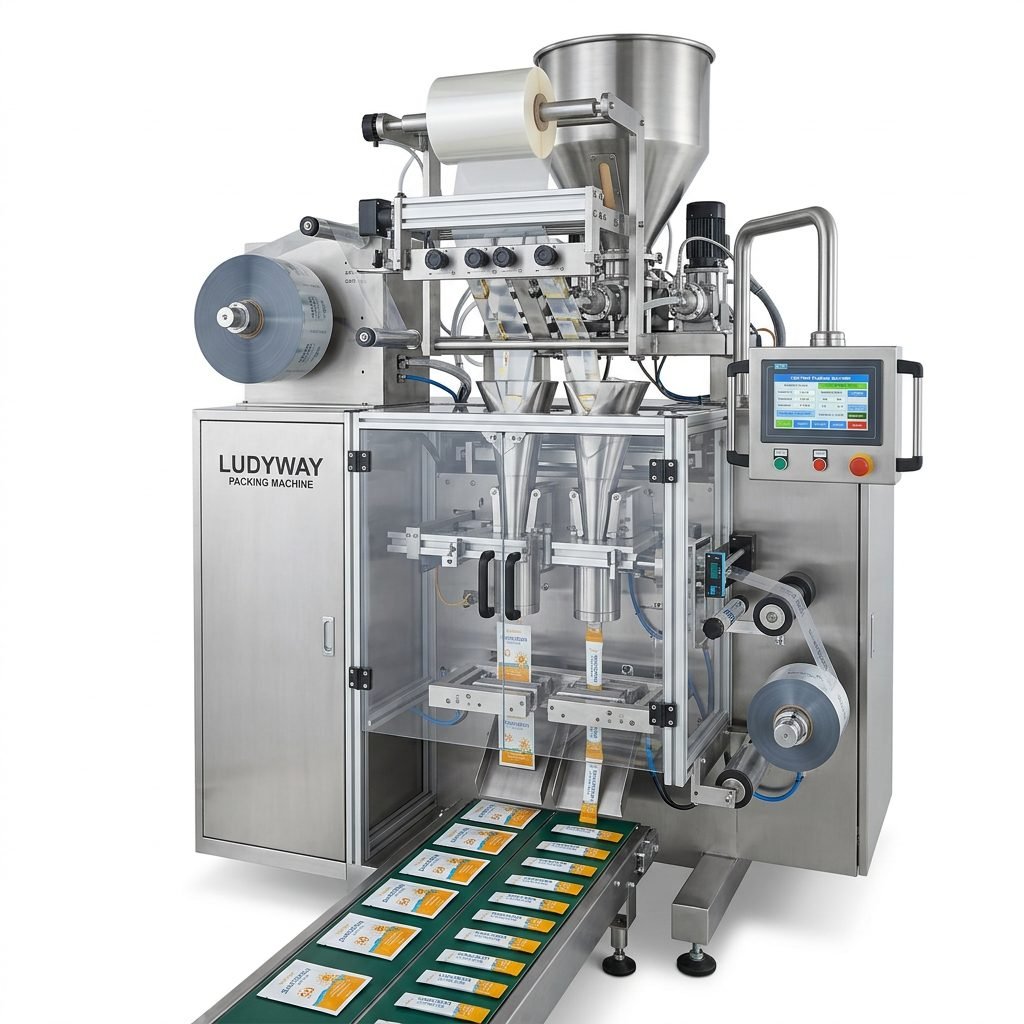
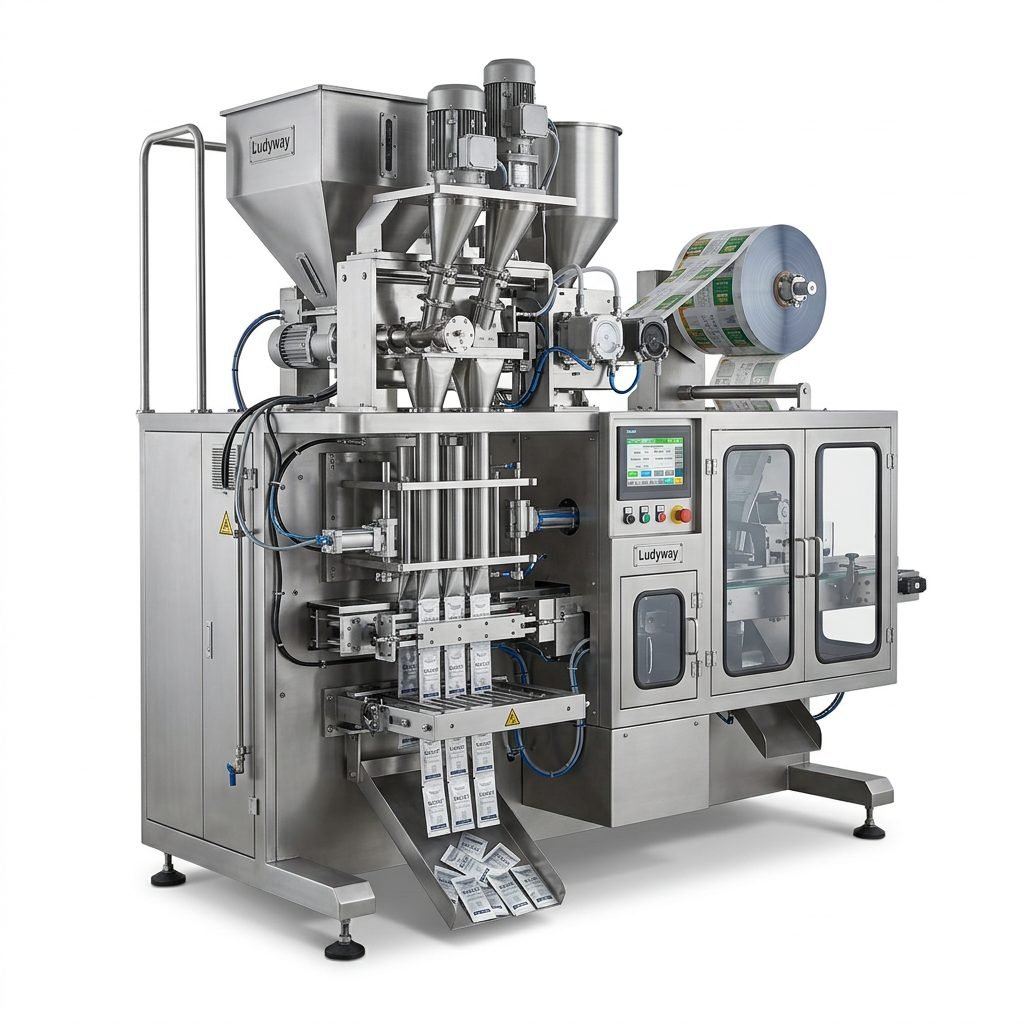
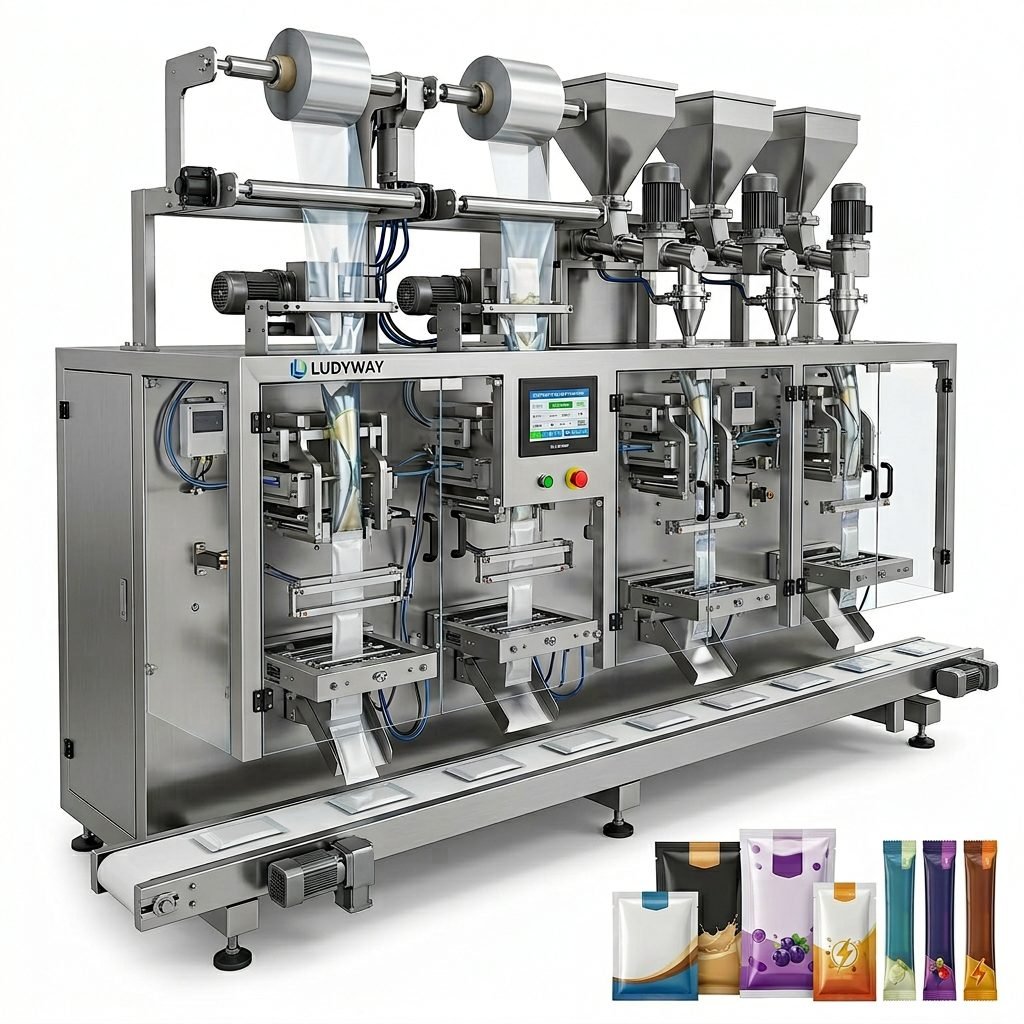
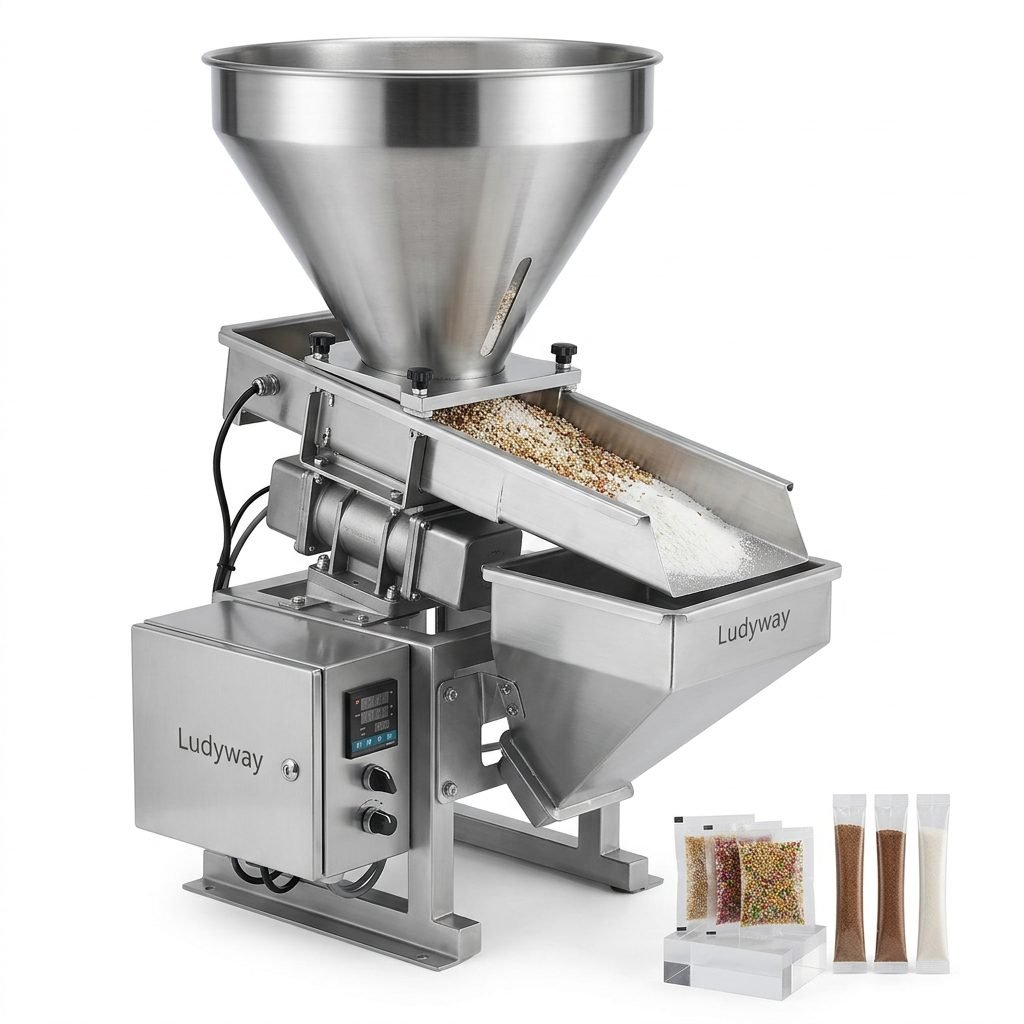
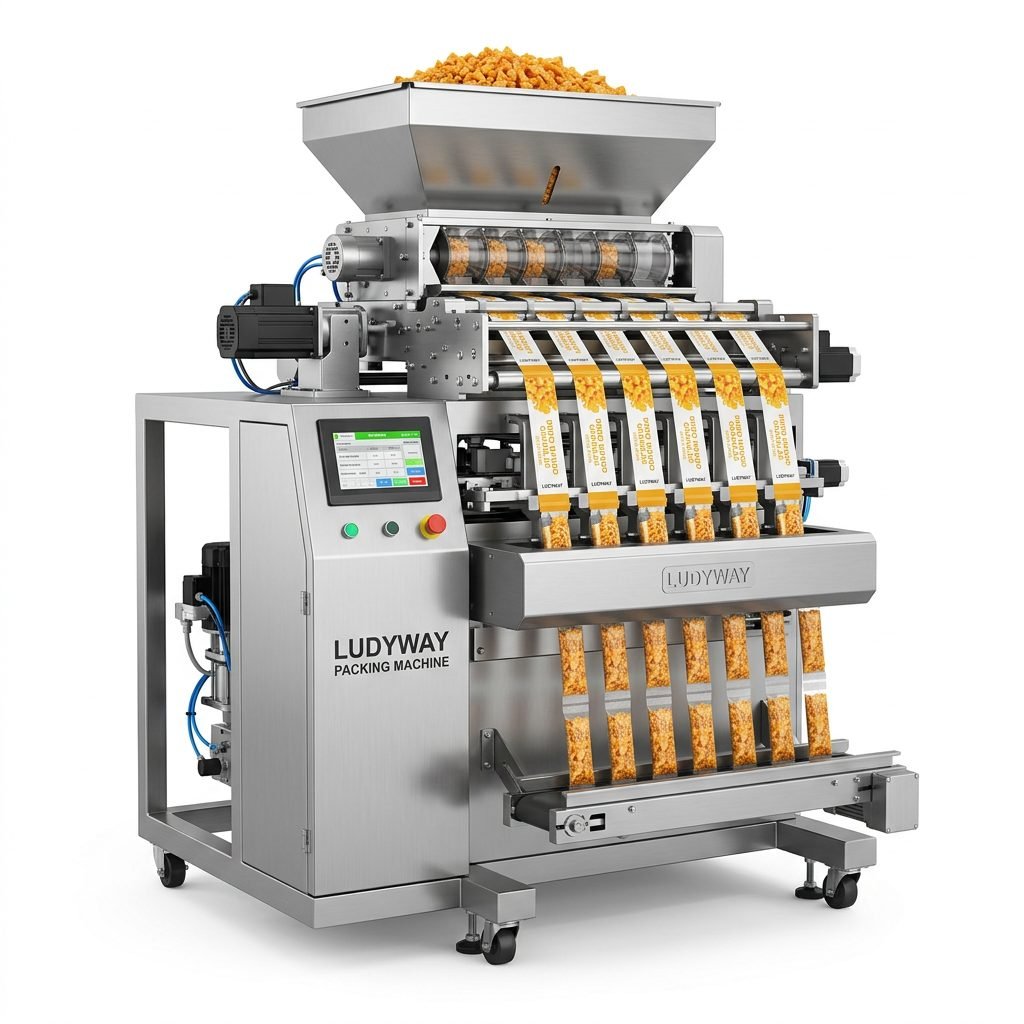
The packaging equipment market represents a critical segment within the global manufacturing and logistics ecosystem. As industries worldwide strive for efficiency, sustainability, and product integrity, the demand for advanced packaging machinery continues to evolve. This market encompasses a wide range of equipment designed for filling, sealing, wrapping, labeling, and palletizing across diverse sectors such as food and beverage, pharmaceuticals, consumer goods, and industrial products.
Market Size and Current Valuation
The global packaging equipment market has demonstrated robust growth, driven by increasing automation, e-commerce expansion, and stringent regulatory requirements for product safety and traceability. Current estimates place the market valuation in the multi-billion dollar range, with consistent annual growth rates. This growth is not uniform; it varies significantly by region, application, and technology type. Key drivers include the need for faster production speeds, reduced labor costs, and enhanced packaging quality to meet consumer expectations. The integration of smart technologies like IoT sensors and AI for predictive maintenance and quality control is further expanding the market’s scope and value.
Growth Trends Shaping the Industry
Several dominant trends are defining the future trajectory of the packaging equipment market.
Automation and Robotics
The shift towards fully automated and robotic packaging lines is accelerating. This trend focuses on improving precision, reducing human error, and increasing throughput, particularly in high-volume environments like food processing and pharmaceutical packaging.
Sustainability and Flexible Packaging
There is mounting pressure to adopt sustainable practices. Equipment that handles recyclable materials, reduces material waste (through precise filling and cutting), and accommodates flexible, lightweight packaging formats is seeing increased investment. This aligns with global environmental goals and changing consumer preferences.
Digitalization and Smart Machinery
The convergence of packaging machinery with digital platforms is creating “smart” systems. These systems offer real-time monitoring, data analytics for optimization, and remote troubleshooting, leading to higher overall equipment effectiveness (OEE).
Customization and Flexibility
Market demand requires equipment that is not only fast but also adaptable. Machines capable of quick changeovers to handle different package sizes, shapes, and materials are becoming essential, especially for companies with diverse product portfolios.
Key Market Segments
The market can be segmented by technology, application, and end-user industry, each with its own dynamics.
By Technology Type
➤ Filling Equipment: Dominates a large share, including liquid fillers, powder fillers, and granular product fillers. Accuracy and speed are paramount.
➤ Labeling & Coding Equipment: Critical for compliance and branding. Includes print-and-apply labelers and direct product coders.
➤ Wrapping & Bundling Equipment: Used for secondary packaging and pallet unitization.
➤ Sealing & Closing Equipment: Ensures product safety and tamper evidence.
By End-User Industry
Food & Beverage: The largest segment, requiring hygienic, high-speed equipment for diverse products.
Pharmaceuticals: Demands extremely accurate, clean, and compliant machinery for blister packing, vial filling, etc.
Consumer Goods & E-commerce: Focuses on versatility and durability to handle various shapes and protect products during shipping.
Future Opportunities and Strategic Directions
The future of the packaging equipment market is laden with opportunities for innovation and expansion.
Emerging Markets: Rapid industrialization and growing consumer markets in regions like Asia-Pacific, Latin America, and Africa present significant opportunities for market penetration. Local preferences for specific packaging formats must be considered.
Integration with Logistics: The blurring line between production packaging and shipping preparation offers a chance to develop integrated systems that streamline the entire supply chain from production line to doorstep.
Servitization and After-Sales: Opportunities exist beyond hardware sales. Providing comprehensive service packages, including remote monitoring, predictive maintenance, and continuous software updates, can create long-term customer relationships and recurring revenue streams.
Collaborative Robotics (Cobots): The development of safe, collaborative robots that work alongside humans in packaging operations can open new applications in smaller facilities or for complex, manual tasks.
Conclusion
The packaging equipment market is dynamic and growing, fueled by technological advancement and evolving market needs. Success for equipment providers will hinge on their ability to deliver not just machinery, but solutions that are automated, sustainable, digitalized, and flexible. Understanding key segments and focusing on future opportunities in service, integration, and emerging markets will be crucial for capturing growth in this essential industry.
Frequently Asked Questions (FAQs)
1. What is the biggest driver for growth in the packaging equipment market?
The primary driver is the widespread adoption of automation across industries to increase efficiency, ensure consistency, reduce labor costs, and meet the high-volume demands of modern commerce and e-commerce.
2. Which industry segment represents the largest demand for packaging equipment?
The Food and Beverage industry is traditionally the largest end-user segment due to its massive scale, need for hygiene, high-speed production requirements, and constant product innovation.
3. How is sustainability influencing packaging equipment design?
Sustainability demands are leading to equipment that minimizes material waste, handles eco-friendly and recyclable packaging materials, and supports lighter, resource-efficient packaging formats like flexible pouches.
4. What does “servitization” mean in this market?
Servitization refers to the shift from simply selling machinery to offering ongoing service models. This includes remote monitoring, data analytics services, predictive maintenance programs, and software updates, creating long-term partnerships.
5. Are there opportunities for smaller manufacturers in this market?
Yes. Opportunities exist in providing highly customizable, flexible equipment for niche products, collaborative robotic solutions for smaller workspaces, and specialized machinery for emerging sustainable packaging materials.