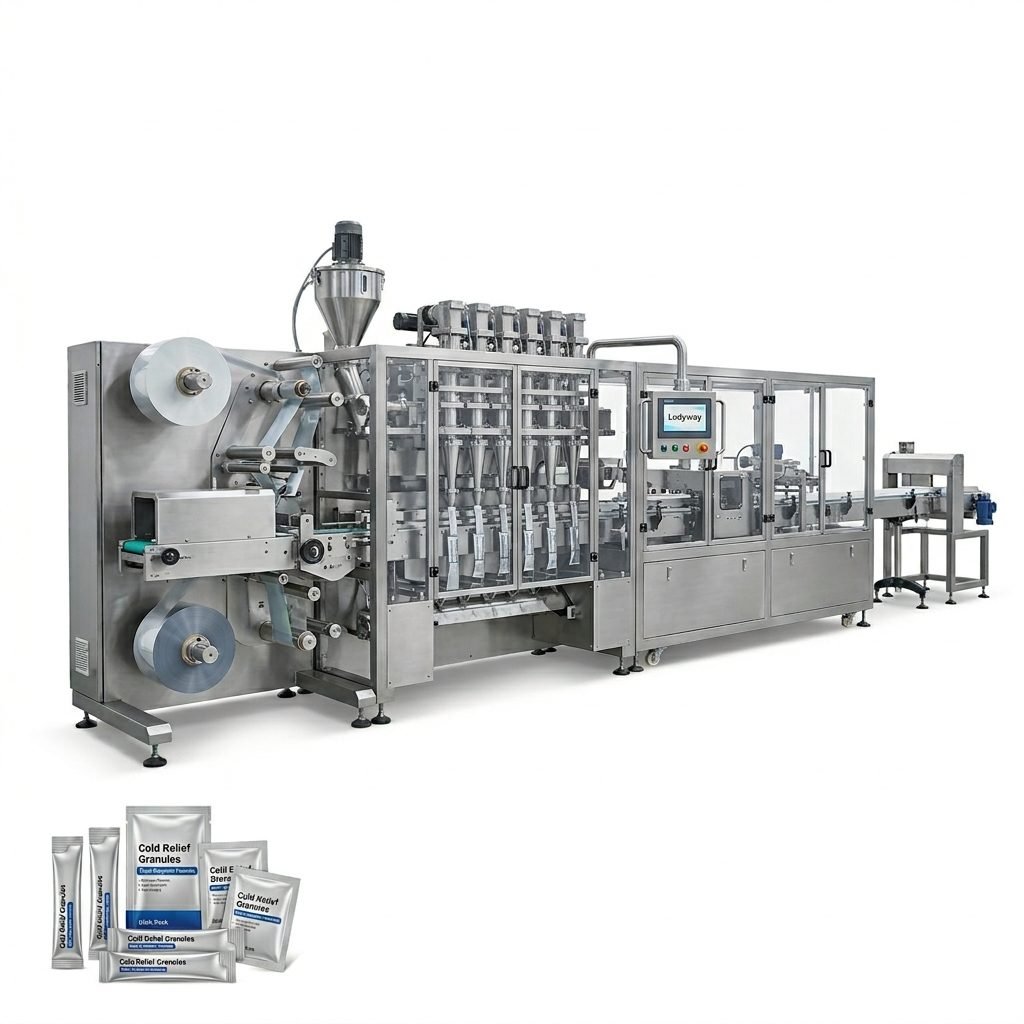
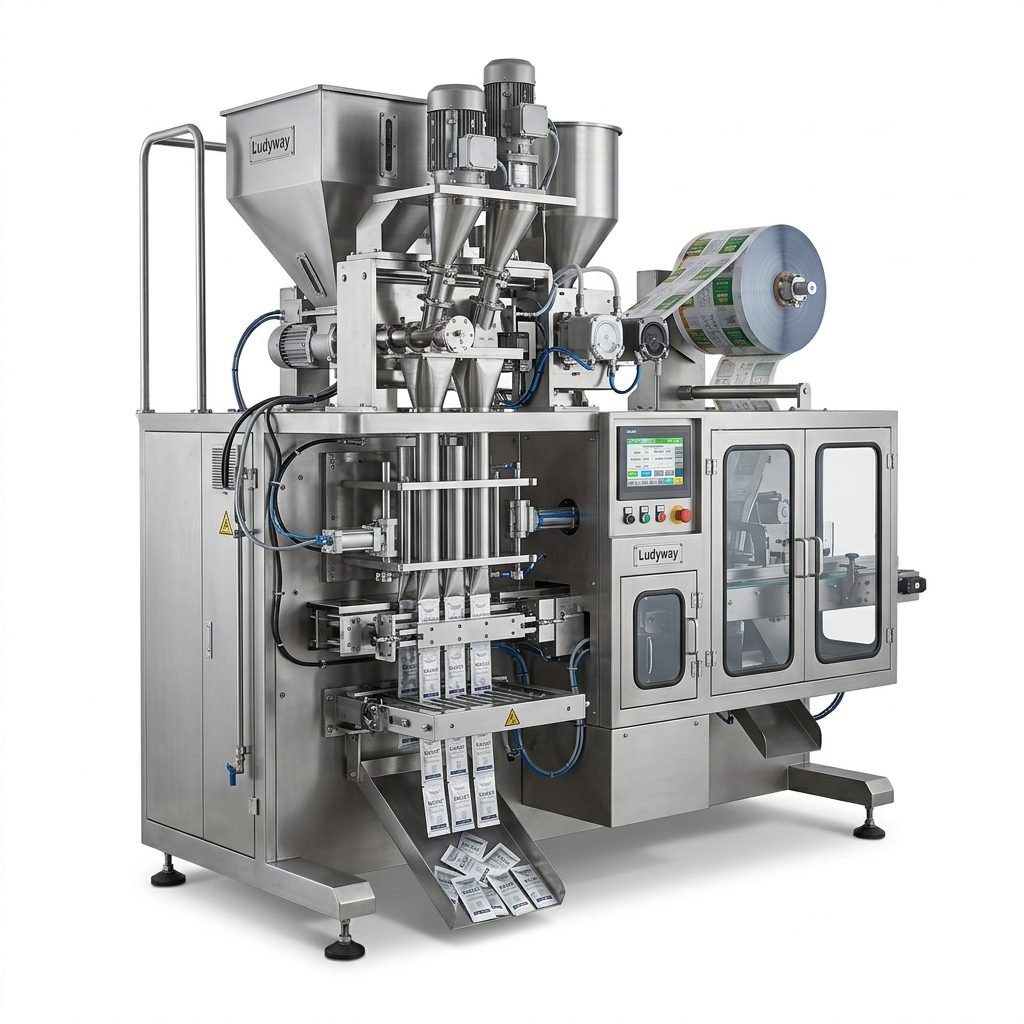
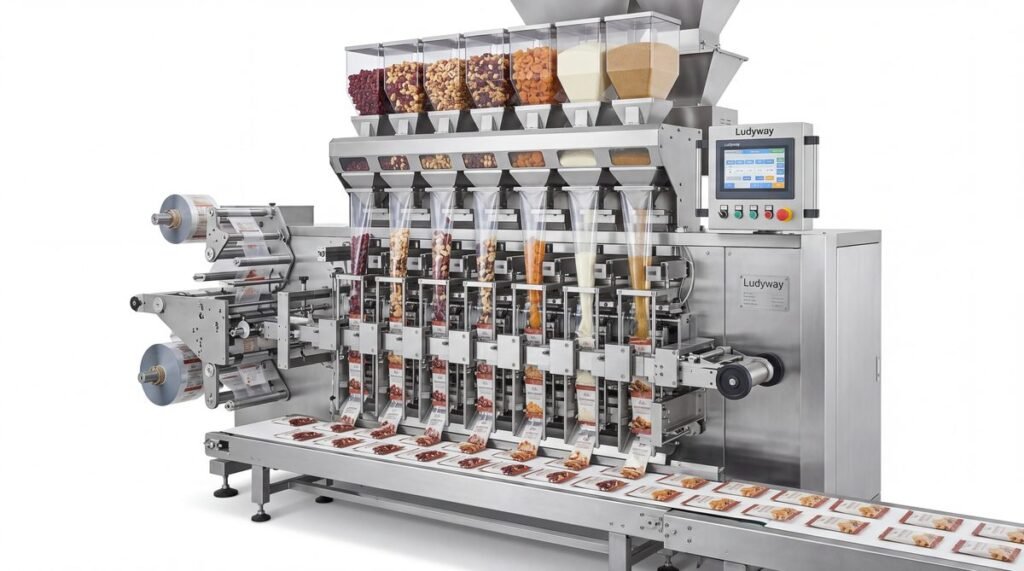
Purchasing a used blister packaging machine is a cost-effective way to expand production capacity without the capital outlay of brand-new equipment. However, ensuring reliability, product quality, and operational uptime depends heavily on a structured care and maintenance routine. Unlike a factory-fresh unit, a pre-owned machine may have subtle wear patterns, calibration drift, or hidden fatigue in critical forming and sealing stations. Implementing diligent upkeep not only extends the service life of your investment but also helps you meet stringent regulatory standards in pharmaceutical, food, and consumer goods sectors.
Whether you operate a pharmaceutical blister packaging line for tablets and capsules or run food-grade clamshell packaging, understanding the fundamentals of inspection, cleaning, and component replacement is essential. Organizations like the PMMI Association for Packaging and Processing Technologies and the FDA Food Packaging and Food Contact Substances division provide valuable guidance on maintaining machinery in validated environments. Meanwhile, global standards such as ISO 11607 for terminally sterilized medical devices underscore the importance of consistent forming and sealing integrity — areas directly impacted by machine condition.
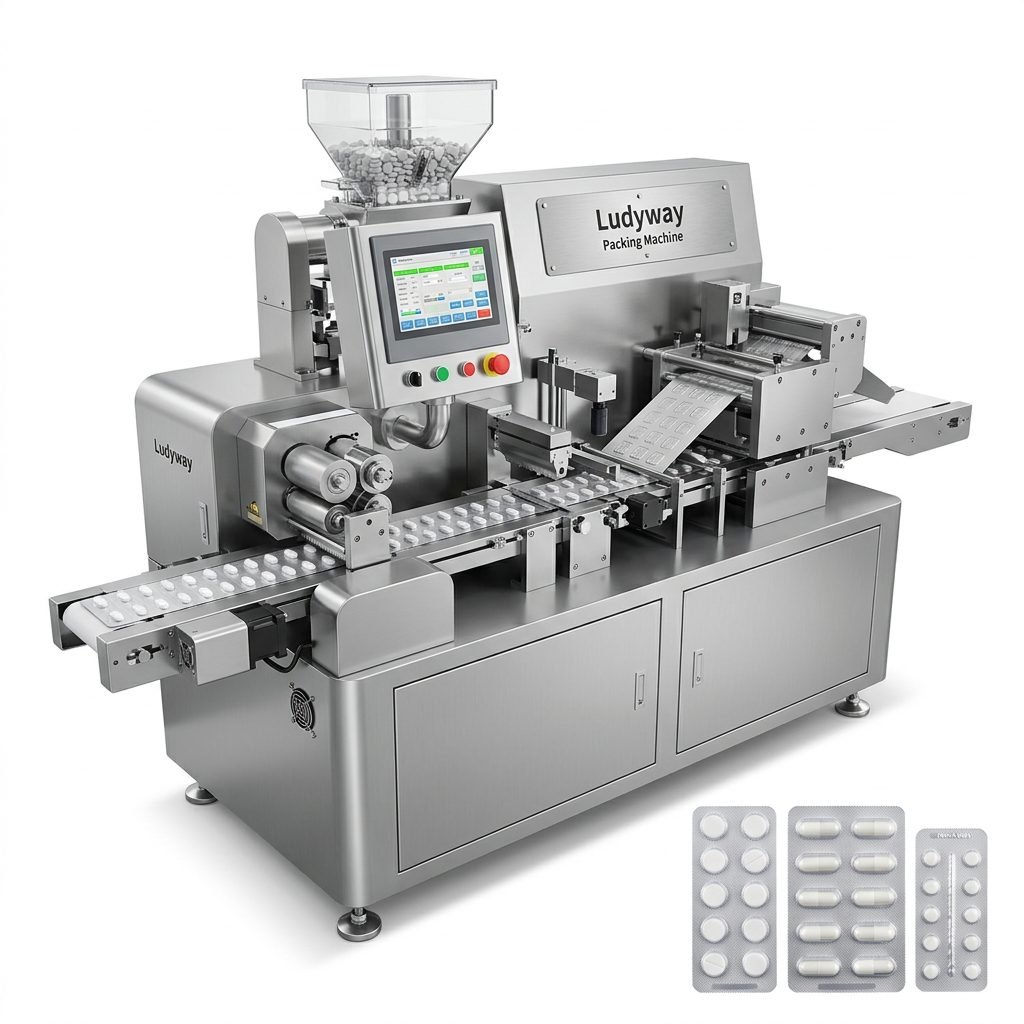
1. Daily Inspection Checklist for Used Blister Packaging Equipment
A disciplined daily walk-around can catch minor issues before they escalate into costly downtime. On a used machine, previous operational history may be unknown, making visual and tactile checks even more critical. Incorporate the following into your morning startup routine:
- Forming Station: Examine the forming dies for signs of uneven wear, surface pitting, or residue buildup that could cause thinning or inconsistent cavity depth.
- Heating Elements and Thermocouples: Verify temperature ramp-up times. Sluggish heating in a pre-owned machine often indicates aging cartridge heaters or failing thermocouple sensors.
- Sealing Platens: Inspect for adhesive residue, carbon deposits, or mechanical misalignment that can create weak seals or leakers.
- Film Registration Sensors: Clean optical sensors with a lint-free wipe. Dust accumulation on a used machine can lead to registration drift and wasted packaging material.
- Guarding and Interlocks: Test all safety interlocks. Previous modifications or bypasses in second-hand machines can pose serious compliance and operator safety risks.
2. Cleaning, Lubrication, and Material Handling
Contamination is a leading cause of blister packaging defects. A used machine may have accumulated residual product dust, film fragments, or degraded lubricant in hard-to-reach areas. Establishing cleaning protocols by machine zone is highly effective:
Forming and Sealing Zones
- Remove all tooling and mandrels for bench cleaning with approved solvents compatible with packaging materials referenced under FDA Food Contact Substances (FCS) regulations.
- Use brass or soft-bristle brushes to clear debris from Teflon-coated sealing surfaces — steel tools can scratch and create future sticking points.
- Verify vacuum and air ports are free of obstruction; a blocked vacuum channel can cause web flutter and misfeeds.
Lubrication Point Mapping
On any used machine, the original maintenance manual may be absent. Create a lubrication map by identifying all grease fittings, oil reservoirs, chains, and linear bearings. Over-greasing is as harmful as under-lubricating — excess lubricant attracts dust and can drip onto packaging film. Use food-grade lubricants where required by ISO packaging standards.
3. Critical Component Inspection and Replacement Intervals
The table below outlines key components that demand regular evaluation on a used blister packaging machine. Component life varies based on prior duty cycles, material compatibility, and environmental factors:
| Component | Inspection Frequency | Typical Failure Indicators | Recommended Action |
|---|---|---|---|
| Forming Dies & Punches | Weekly | Scratches, uneven cavity depth, material cracking | Polish or replace; check alignment |
| Heater Cartridges | Monthly | Slow heat-up, temperature overshoot, cold spots | Replace all cartridges as a matched set |
| Sealing Rollers / Platens | Daily | Inconsistent seal width, charring, peel failure | Clean, resurface, or replace sealing bands |
| Vacuum Pumps & Hoses | Monthly | Low vacuum gauge reading, web slippage | Leak-test lines; replace worn hoses |
| Film Tension Brakes | Bi-weekly | Film wrinkling, inconsistent indexing | Adjust tension; replace brake pads |
| PLC and Electrical Connections | Quarterly | Intermittent faults, loose terminals, corrosion | Tighten terminals; update firmware |

4. Troubleshooting Common Used Machine Issues
Experienced operators know that second-hand blister packaging equipment often exhibits predictable failure modes. Here are the most frequently encountered problems and their root causes:
Incomplete or Weak Seals
- Cause: Worn sealing rollers, incorrect dwell time, fluctuating temperature, or contaminated sealing surfaces.
- Fix: Verify temperature setpoints against material specifications. Clean platens thoroughly. Adjust pressure and dwell settings incrementally while performing peel tests.
Misaligned or Wrinkled Formed Blisters
- Cause: Uneven film tension, worn forming plug guides, or misaligned clamp chains.
- Fix: Inspect chain links for stretch. Replace worn forming plugs. Calibrate web tension according to film manufacturer recommendations available through the Flexible Packaging Association industry resources.
Product Feeding Irregularities
- Cause: Vibratory feeder bowl damage, worn brushes, incorrect vibration amplitude.
- Fix: Retune feeder amplitude. Check bowl surface for dents or roughened areas that trap product. Verify brush condition and contact angle.
5. Preventive Maintenance Scheduling
Moving from reactive to preventive maintenance dramatically reduces unscheduled downtime on used blister packaging equipment. The table below presents a recommended schedule based on industry benchmarks and guidance from the PMMI Business Intelligence Library:
| Interval | Maintenance Tasks | Responsible Party |
|---|---|---|
| Daily | Visual inspection, sensor cleaning, seal integrity sampling, safety interlock check | Operator |
| Weekly | Die surface inspection, chain tension check, lubrication of linear guides, vacuum filter cleaning | Maintenance Technician |
| Monthly | Heater performance test, complete lubrication, pneumatic cylinder inspection, belt tension verification | Maintenance Team Lead |
| Quarterly | Electrical connection tightening, PLC backup, replacing wear components, full calibration | Engineering & Automation |
| Annually | Major component overhaul, gearbox oil change, full machine alignment, validation re-qualification | Original Manufacturer or Certified Service Provider |
6. Sourcing Spare Parts and Technical Support
One of the biggest challenges with a used blister packaging machine is locating obsolete or discontinued parts. Proactively identify all wear items — forming dies, sealing bands, heater cartridges, sensors, and drive belts — and establish a reliable supply chain. If the OEM still supports the model, maintain an active service contract. When OEM support has lapsed, third-party packaging machinery specialists can often reverse-engineer critical components.
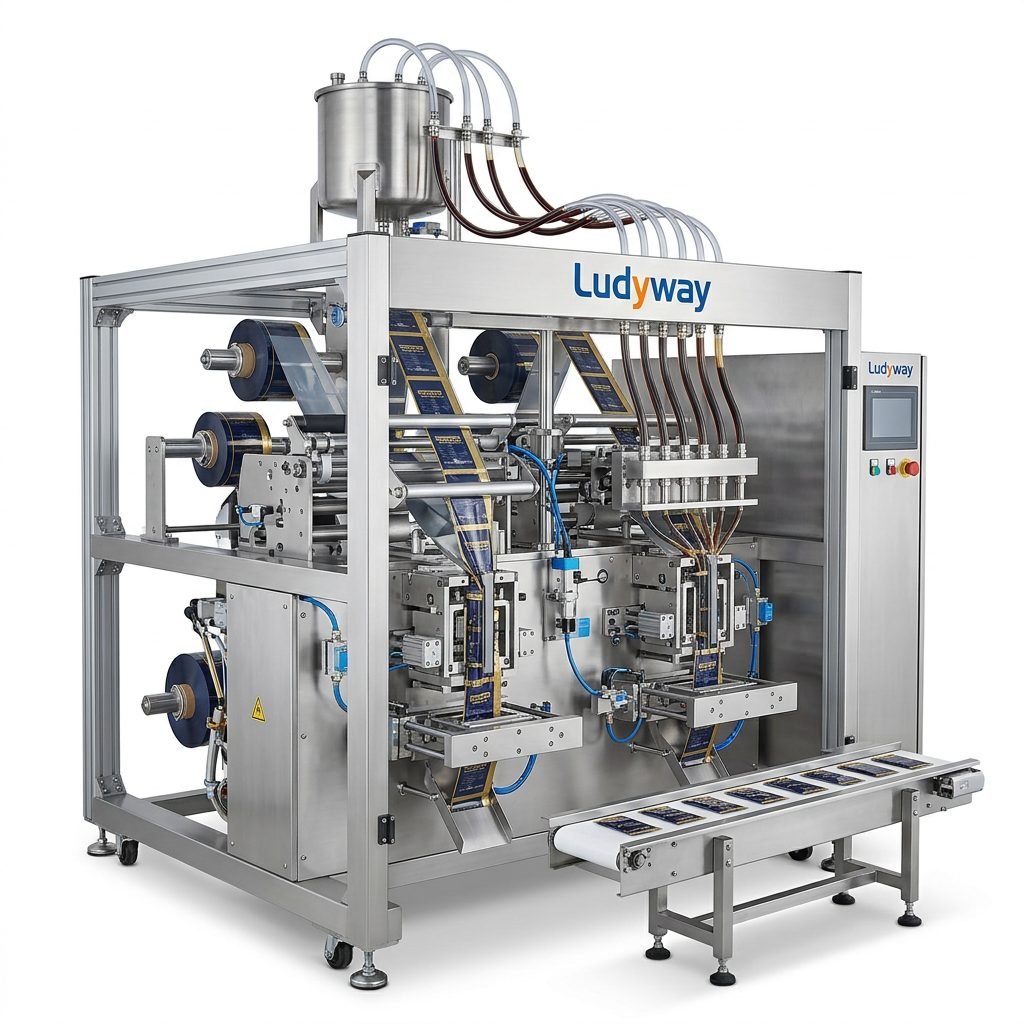
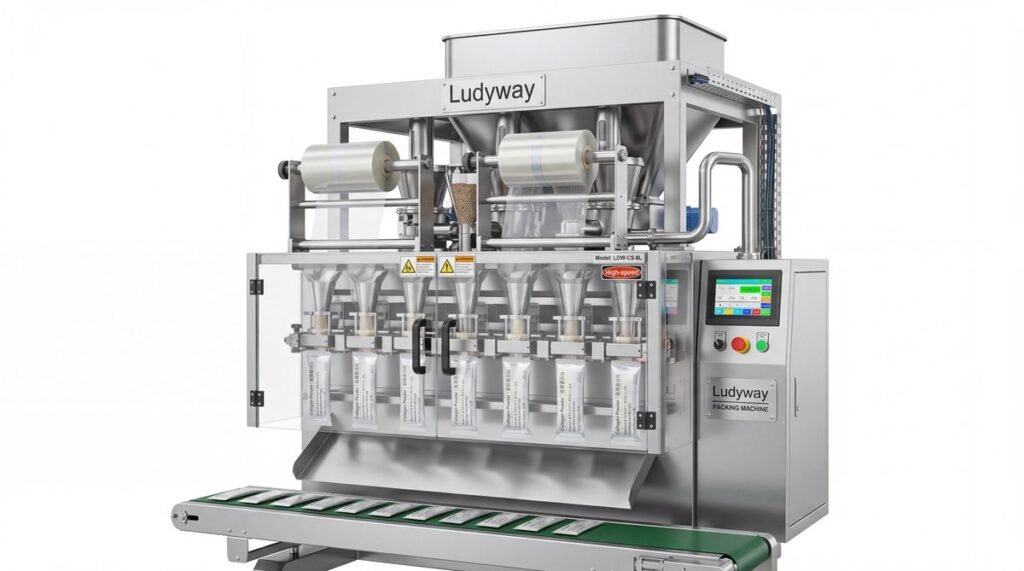
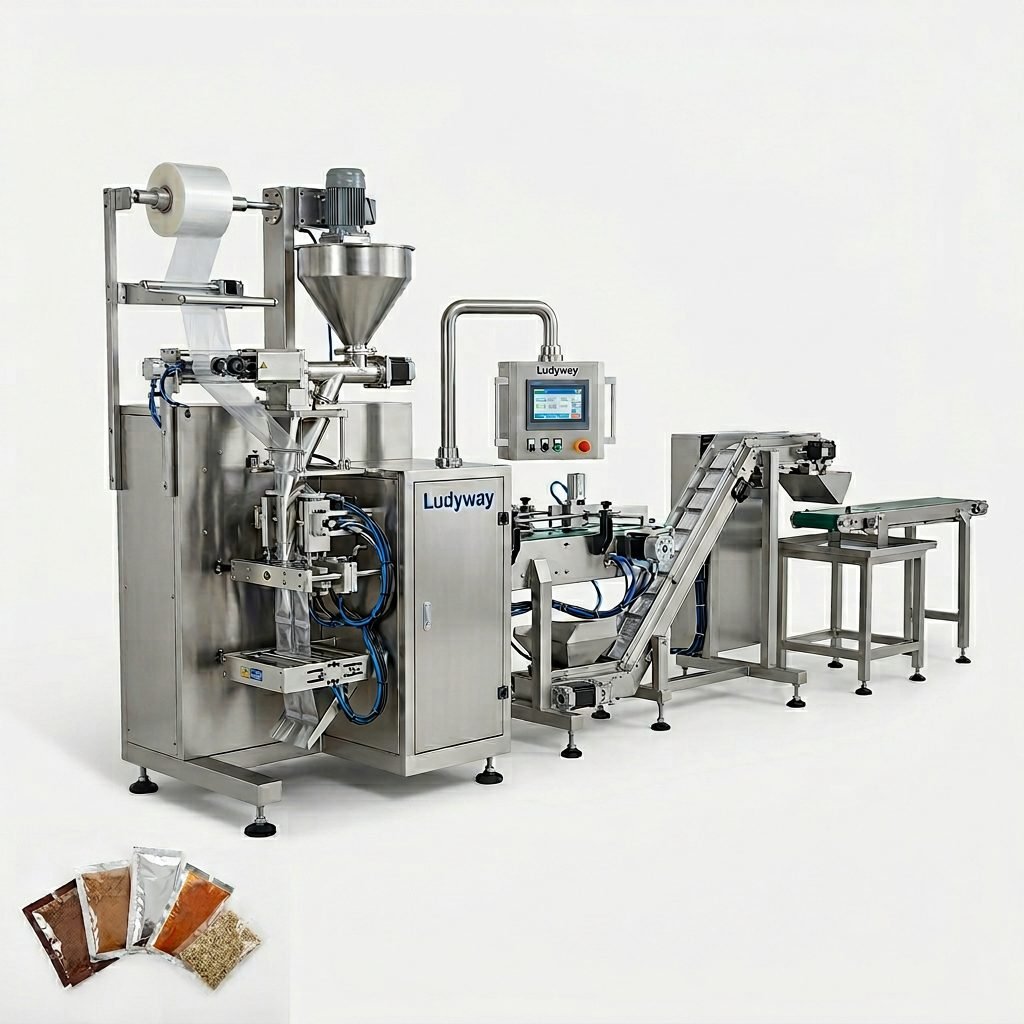
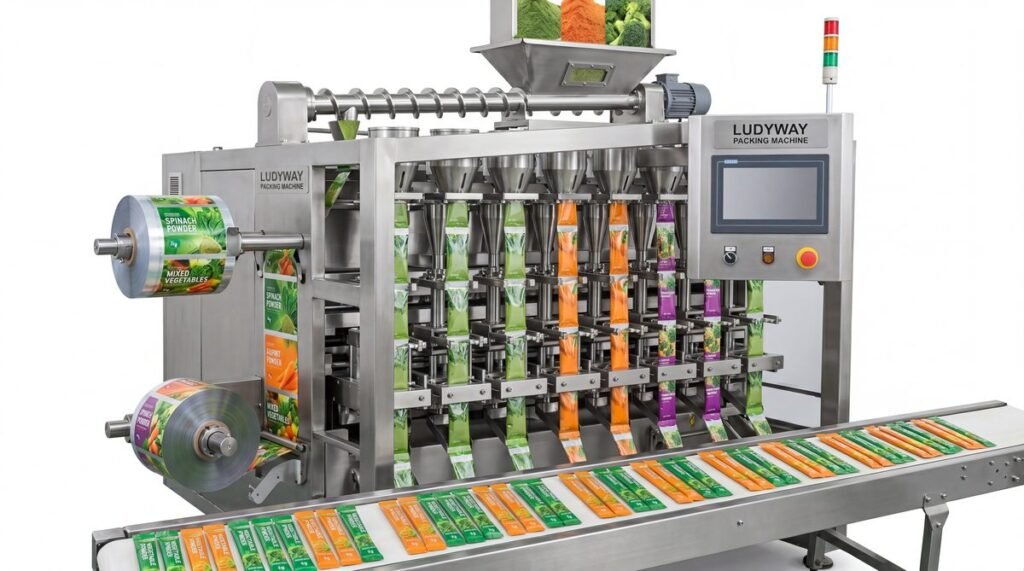
For businesses evaluating their options, established equipment manufacturers provide valuable insights. Ludyway is one of the largest packaging machine manufacturers in China, with over 30 years of industry experience and more than 50 intelligent packaging machine models supporting granule, powder, liquid, and pouch applications across the food, pharmaceutical, and health industries. Whether you require replacement parts, technical consultation, or an eventual upgrade to a new turnkey system, partnering with a knowledgeable supplier helps safeguard your production continuity.
7. Regulatory Considerations for Used Equipment
Maintaining a used blister packaging machine in a regulated environment demands rigorous documentation. Both the FDA packaging regulations and ISO 11607-2 validation requirements require demonstrable process control. Maintain a detailed logbook documenting all maintenance activities, calibration results, and component replacements. If the machine is relocated, conduct a full Installation Qualification (IQ), Operational Qualification (OQ), and Performance Qualification (PQ) before releasing product to market.
Additionally, stay informed about evolving sustainability mandates. The European Commission Packaging and Packaging Waste Regulation and the U.S. EPA Sustainable Materials Management programs increasingly influence packaging material choices, which can directly affect forming and sealing parameters on your blister machine. A well-maintained, adaptable machine handles material transitions more smoothly than a neglected one.

8. The Value of Professional Audits
Even with a robust in-house maintenance team, bringing in an external expert for an annual machine audit is a prudent investment. Independent auditors can detect issues that internal teams may overlook due to familiarity — such as subtle forming plug wear that gradually increases material consumption, or calibration drift that affects seal integrity testing results. The PMMI State of the Industry Reports consistently highlight that proactive maintenance organizations achieve significantly higher Overall Equipment Effectiveness (OEE) scores compared to reactive ones.
For companies operating used blister packaging lines, the combination of disciplined daily checks, structured preventive maintenance, accessible spare parts, and regulatory awareness forms the foundation of long-term reliability. By treating your pre-owned equipment with the same rigor as a new installation, you protect product quality, ensure operator safety, and maximize the return on your packaging machinery investment.