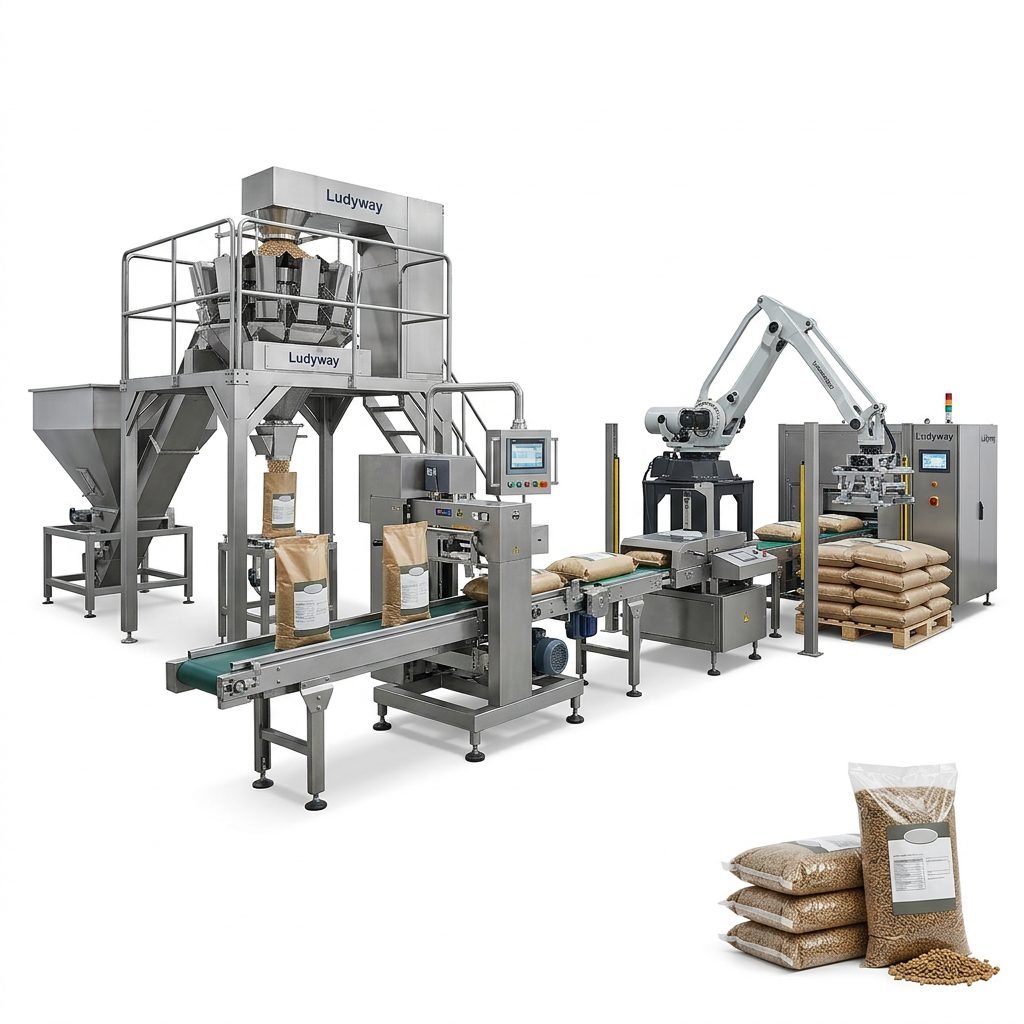
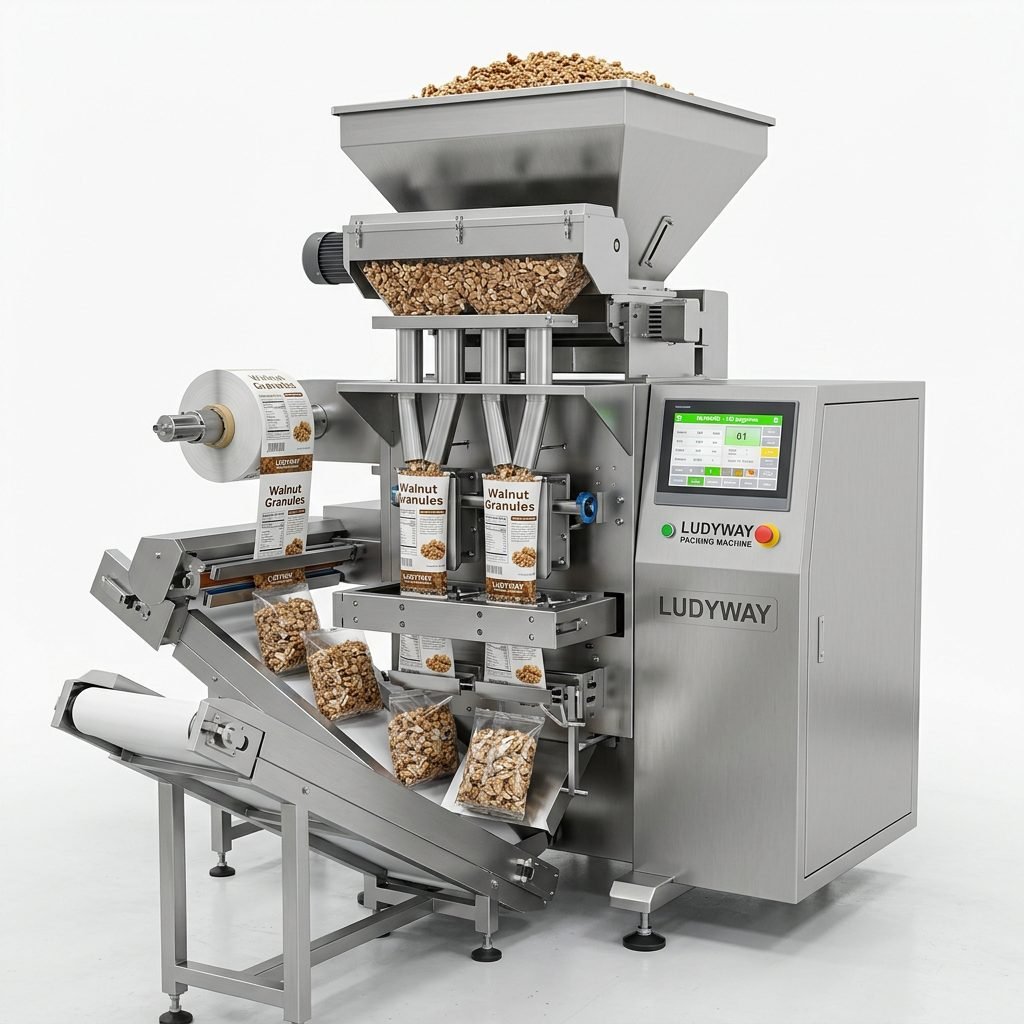
In modern manufacturing and production, efficiency, precision, and reliability are paramount. For businesses handling granular, powdered, or liquid products—from instant coffee and spices to pharmaceuticals and dietary supplements—packaging is a critical final step that directly impacts product quality, shelf life, and consumer appeal. This is where specialized packaging machinery, such as the ABC packaging machine, becomes an indispensable asset on the production line.
Understanding the ABC Packaging Machine
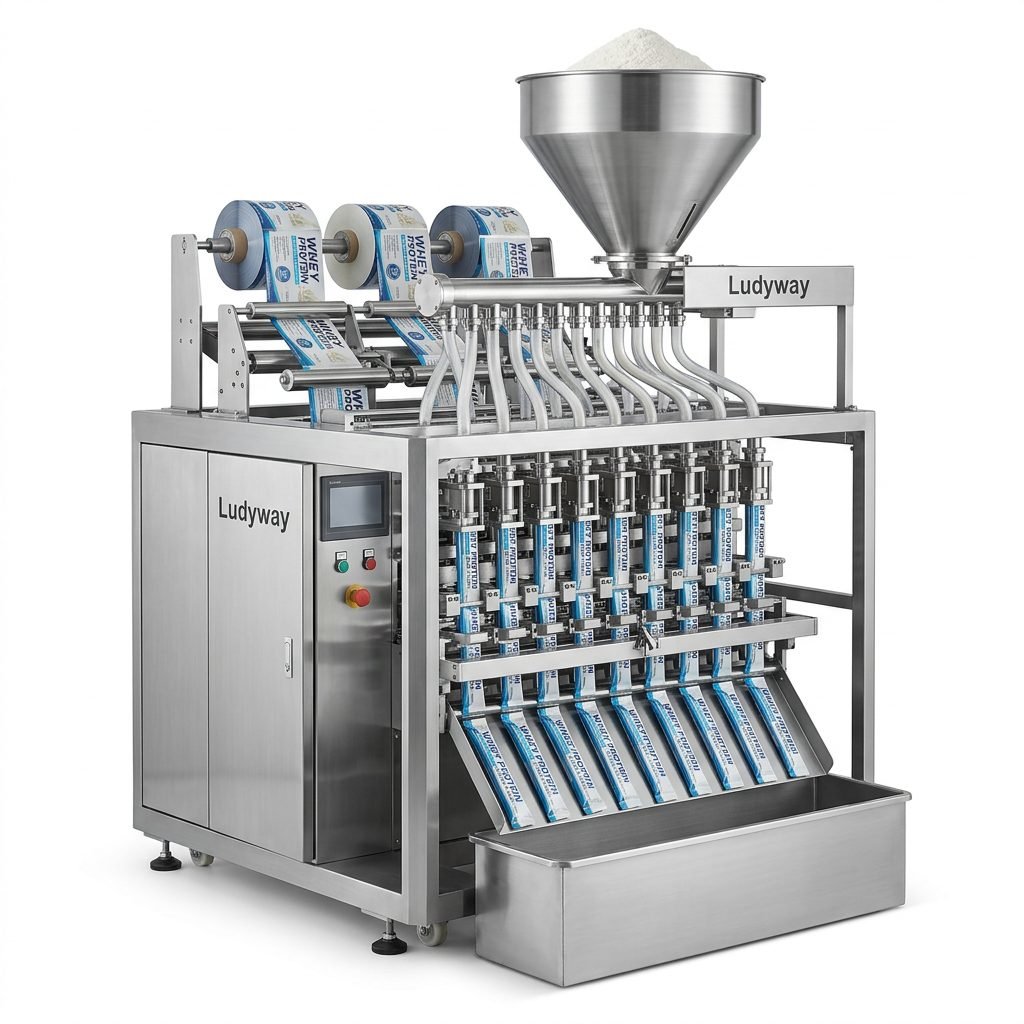
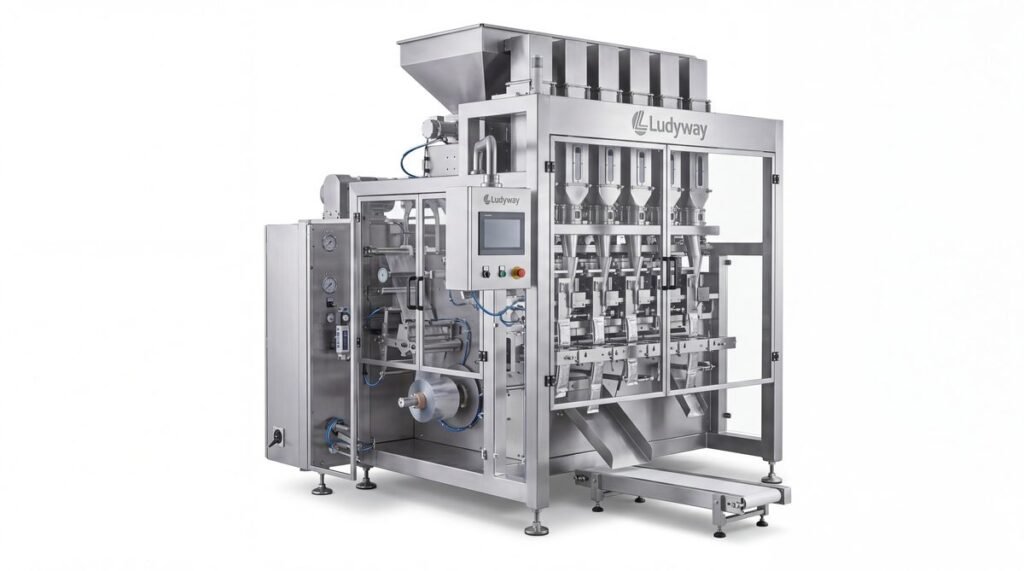
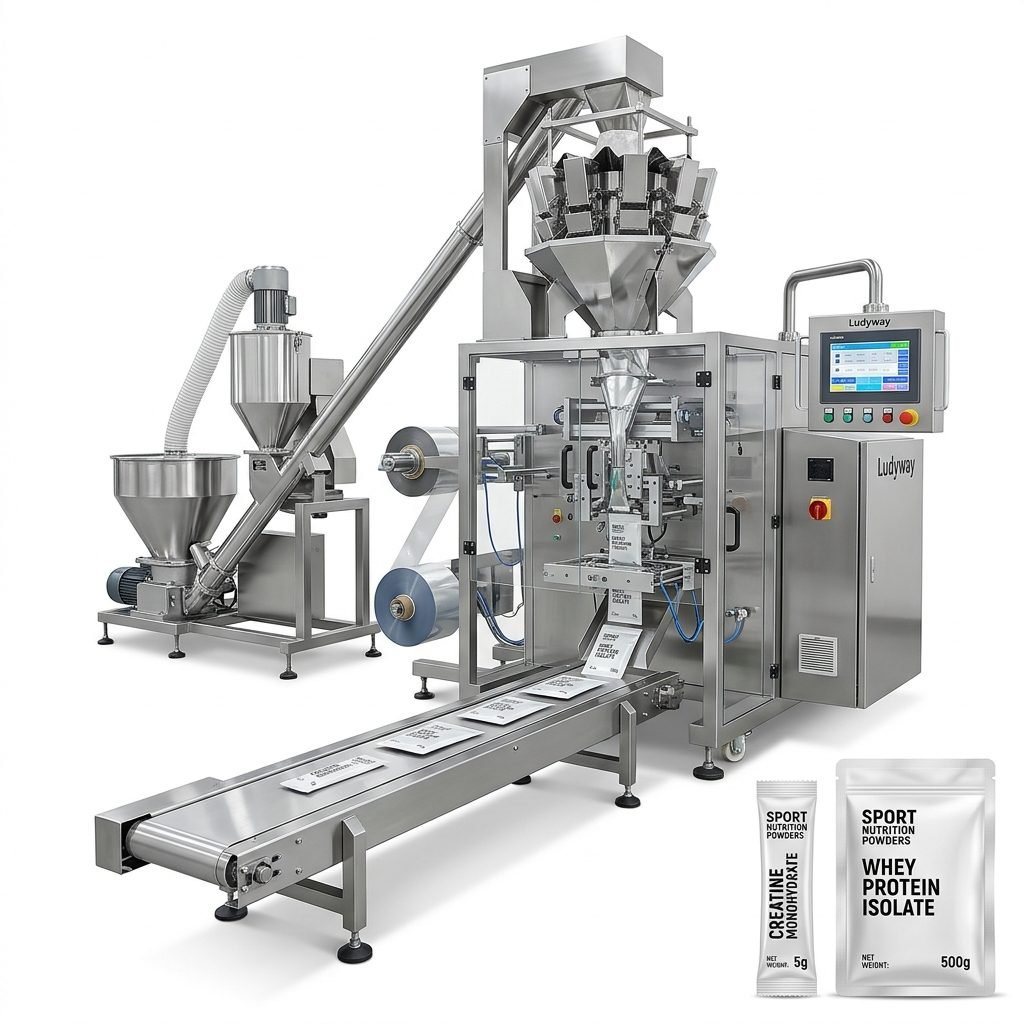
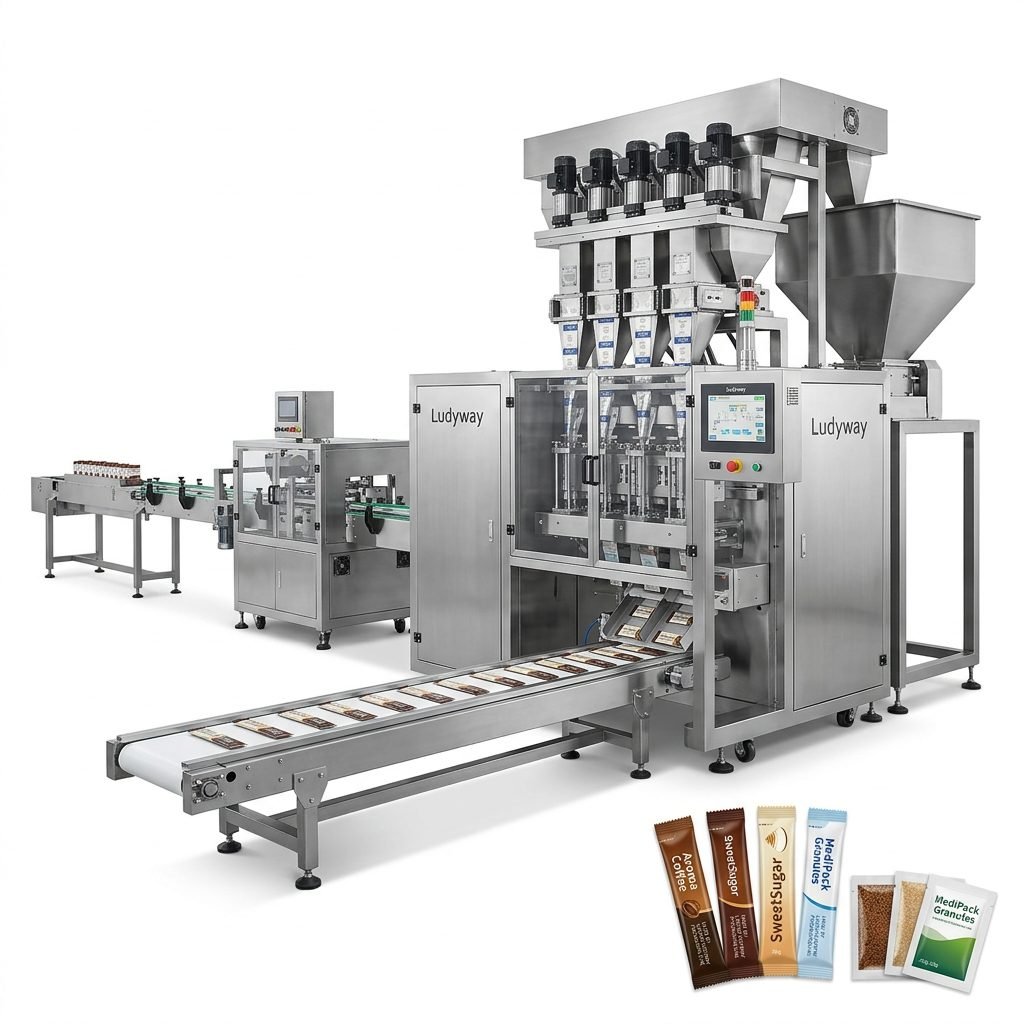
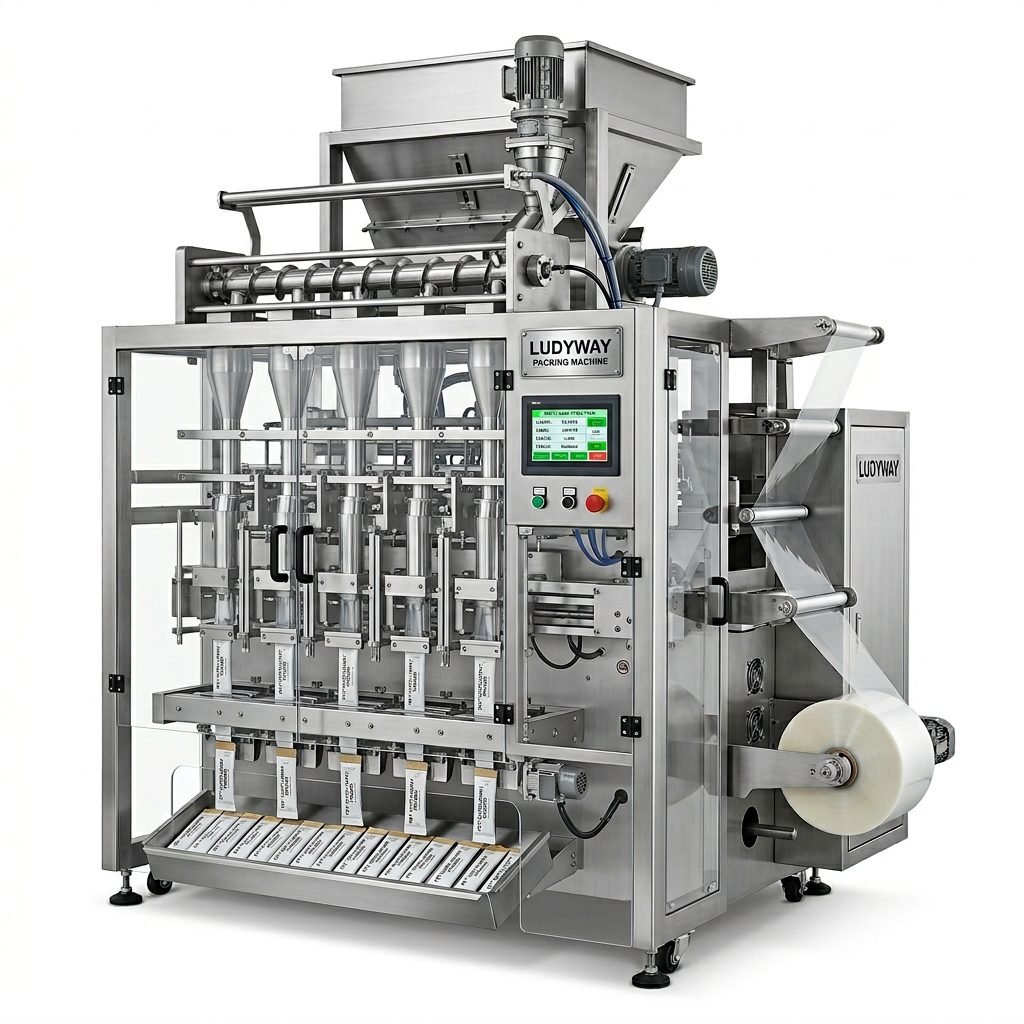
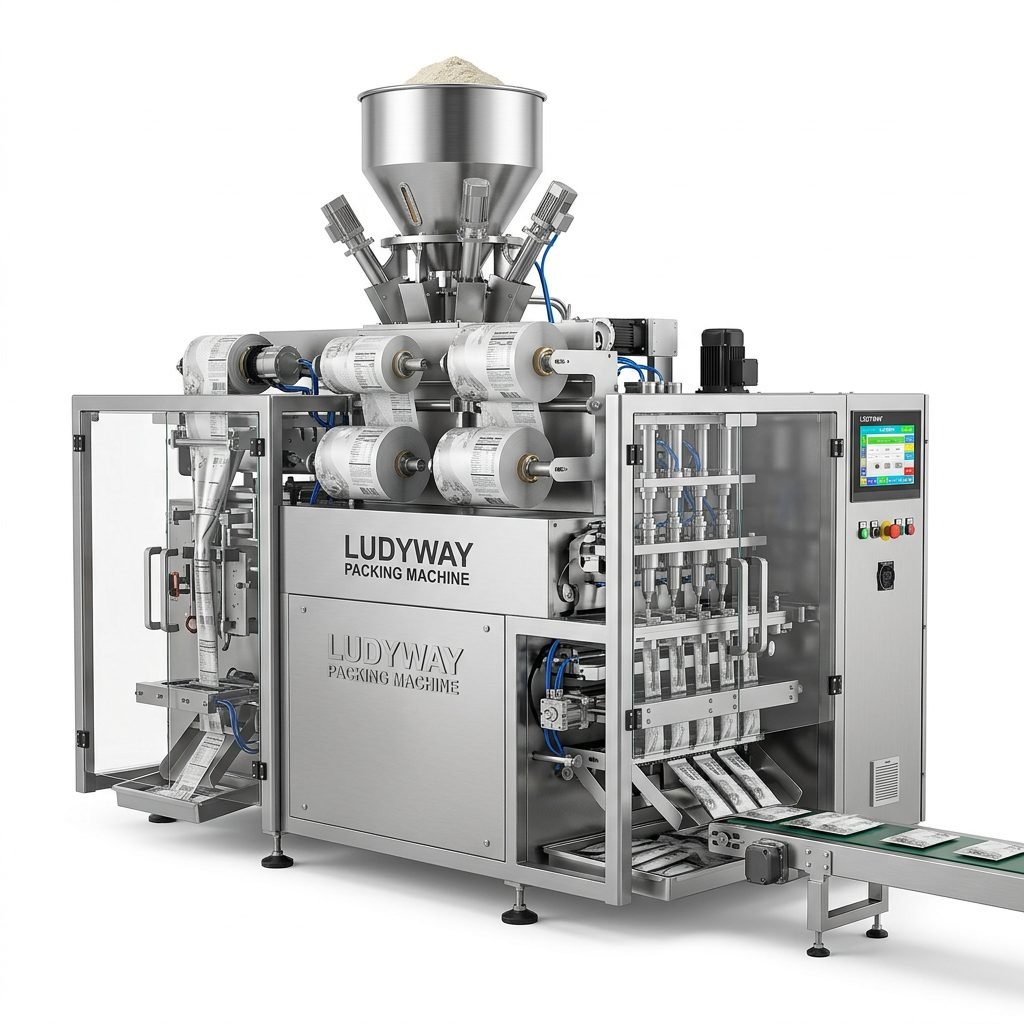
An ABC packaging machine is a type of automated equipment designed to form, fill, and seal pre-made or roll-fed packaging materials into individual units like sachets, stick packs, or pouches. The “ABC” designation often refers to a specific model series or a generic term for a versatile, all-in-one packaging system capable of handling a range of product types and packaging formats.
Core Function: At its heart, an ABC machine automates the entire primary packaging process. It precisely measures the product, deposits it into a pouch formed from a roll of film, and then seals the pouch securely. This automation ensures consistent fill weight, hermetic seals for product protection, and high-speed output.
These machines are particularly prevalent in industries where small, precise, and hygienic packaging is required. Common applications include:
- Food & Beverage: Packaging sugar, salt, instant drink mixes, sauces, and condiments.
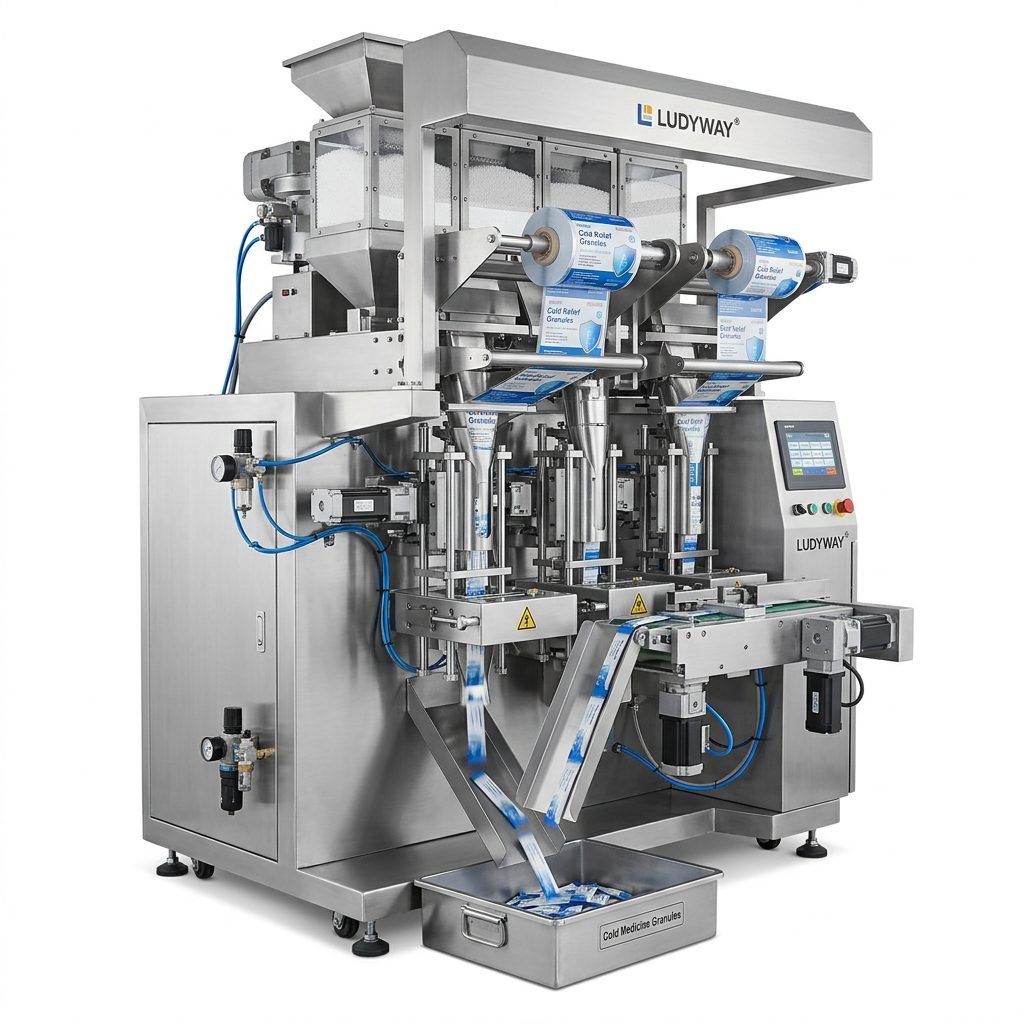
- Pharmaceuticals: Dosing powders, granules, or herbal supplements into single-use sachets.
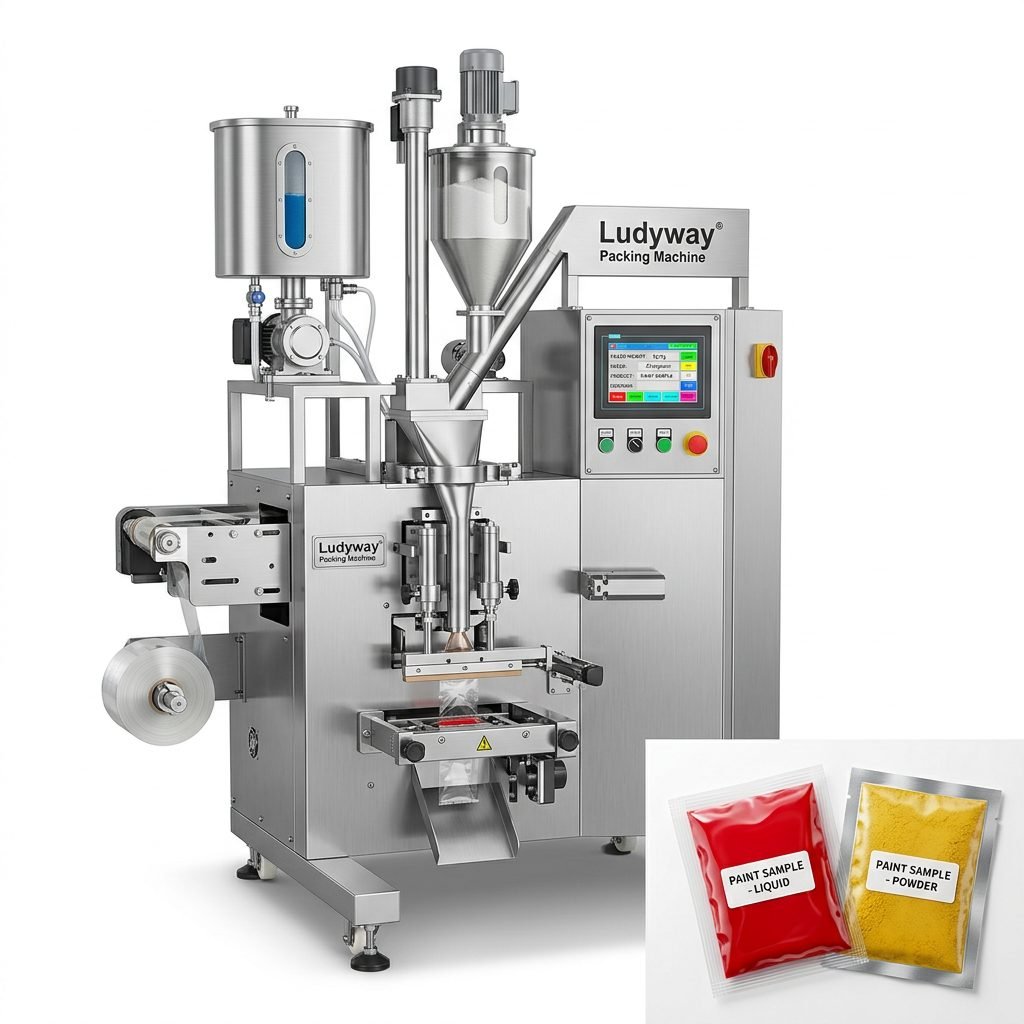
- Cosmetics & Chemicals: Packaging samples of creams, lotions, or detergent powders.
Key Components and Operation
A typical ABC packaging system integrates several key modules:
- Film Unwinding & Forming Unit: Draws packaging material from a roll and shapes it into a tube.
- Product Feeding System: A auger filler, volumetric cup, or liquid pump that accurately doses the product.
- Sealing Jaws: Apply heat and pressure to create longitudinal and transverse seals, separating individual packs.
- Control Panel: The user interface for setting parameters like speed, temperature, and fill weight.
How to Choose the Right ABC Packaging Solution
Selecting the ideal packaging machine is a strategic decision. The wrong choice can lead to downtime, product waste, and lost revenue. Here’s a structured approach to finding the perfect fit for your production line.
Step 1: Analyze Your Product and Packaging Requirements
This is the foundational step. You must have absolute clarity on what you are packaging and how you want it presented.
- Product Characteristics: Is it a free-flowing powder, sticky granule, or viscous liquid? Each requires a specific type of feeding system (e.g., auger filler for powders, piston filler for pastes).
- Packaging Material: Determine the film type (e.g., laminate, aluminum foil) and its thickness. Your machine must be compatible with this material and able to seal it effectively.
- Pack Size & Shape: Define the dimensions of your final sachet or stick pack. Ensure the machine can produce this size range.
Step 2: Evaluate Production Capacity and Speed
Match the machine’s output to your current and projected needs. A common mistake is under-specifying for future growth.
→ Key Question: What are your daily/weekly production volumes? Calculate the required packs per minute (PPM). A machine from a supplier like Ludyway Machinery might offer speeds from 60 to over 200 PPM for stick packs, so choosing a model that meets your target with a slight buffer is wise.
Step 3: Prioritize Precision and Hygiene
For many products, especially pharmaceuticals or high-value food ingredients, accuracy and cleanliness are non-negotiable.
- Filling Accuracy: Look for machines with high-precision servo-driven augers or weigh-cell systems that minimize giveaway and ensure compliance with regulatory standards.
- Hygienic Design: Machines should have easy-to-clean surfaces, minimal product traps, and, if needed, be constructed with materials suitable for sanitary environments. Experienced manufacturers understand these critical design principles.
Step 4: Assess Integration and Automation Potential
Your new machine shouldn’t be an island. Consider how it will fit into your existing or planned line.
Can it be easily connected to upstream equipment (like mixers) or downstream systems (like cartoners)? Does it offer PLC control with communication protocols (e.g., Ethernet/IP) for seamless data integration into your factory’s SCADA or MES system? Opting for a turnkey solution provider can simplify this integration process.
Step 5: Consider Operational Costs and Support
The purchase price is just one part of the total cost of ownership.
- Changeover Time: How quickly can operators switch between different pack sizes or products? Quick-change mechanisms drastically reduce downtime.
- Energy Consumption: More efficient machines lower utility costs.
- Technical Support & Spare Parts: This is crucial. Choose a supplier with a proven track record of reliable after-sales service, readily available spare parts, and comprehensive training. A company with 30+ years of industry experience is often a safer bet for long-term partnership.
Why Partner with a Specialized Provider?
While many companies sell packaging machines, partnering with a specialist like Ludyway Machinery offers distinct advantages. They bring deep application knowledge, can advise on the best material-machine combination, and often provide custom modifications. Their focus on sectors like food, pharma, and health products means their solutions are built with relevant industry standards in mind.
Frequently Asked Questions (FAQs)
1. What is the typical lead time for an ABC packaging machine?
Lead times vary based on model complexity and customization. For standard models from established suppliers, it can range from 8 to 16 weeks. Always confirm the timeline with your provider during the quotation process.
2. Can one machine handle both powder and liquid products?
Some versatile models are designed for multi-purpose use with quick-change parts. However, for optimal performance and hygiene, especially when switching between vastly different product types, dedicated machines or significant cleaning and part changes are recommended.
3. How do I ensure the packaging film seals properly on my product?
Proper sealing depends on the correct combination of film material, jaw temperature, pressure, and dwell time. Your machine supplier should provide sealing parameters and may even offer film testing services to guarantee performance before you purchase.
4. What kind of maintenance does an ABC machine require?
Regular daily cleaning and lubrication of key moving parts are essential. Periodic maintenance (weekly/monthly) includes checking seal integrity, inspecting wear parts like augers or sealing jaws, and verifying filling accuracy. A good supplier will provide a detailed maintenance schedule.
5. Is operator training provided with the machine?
Yes, reputable suppliers include comprehensive training for your operators and maintenance technicians as part of the installation and commissioning service. This covers machine operation, basic troubleshooting, routine maintenance, and safety procedures.