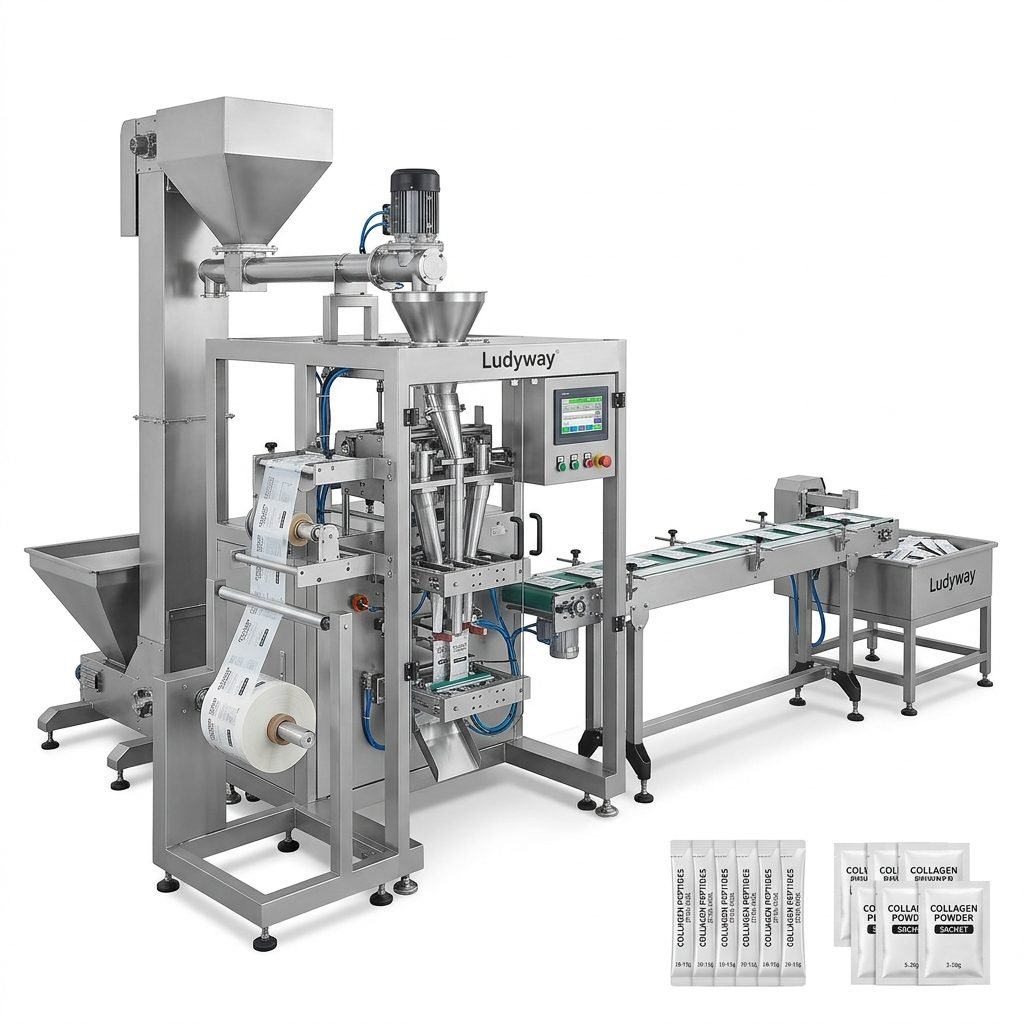
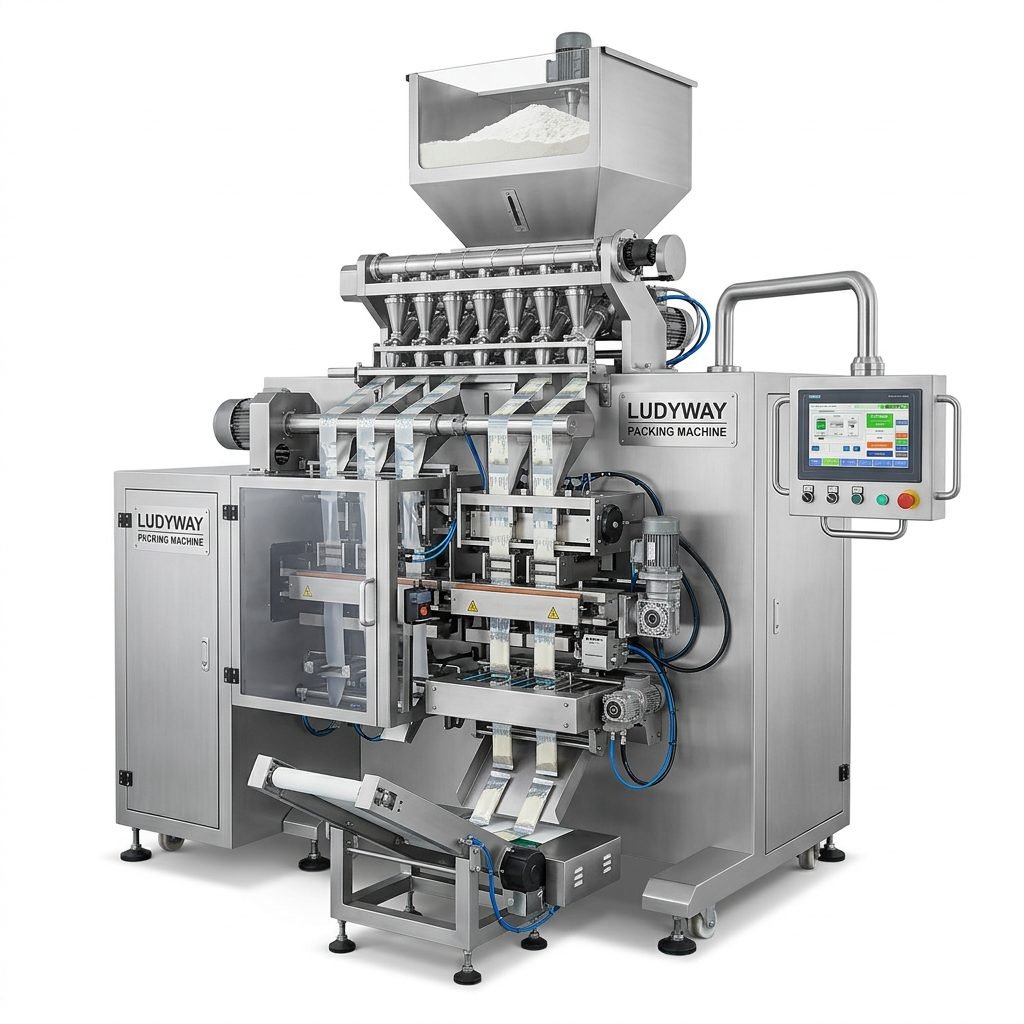
Choosing the right automatic ice pop packaging machine is a critical decision for any manufacturer looking to scale production, ensure product integrity, and maximize efficiency. This guide will walk you through the key factors to consider when selecting the best solution for your operation, ensuring your investment delivers long-term value.
Understanding Your Production Requirements
Before diving into machine specifications, clearly define your needs. Consider your current and projected production volume. A low-output machine will bottleneck growth, while an oversized one is an unnecessary capital drain. Evaluate the variety of your ice pop products—different sizes, shapes, and stick types may require flexible tooling. Also, assess your available factory space and layout to ensure the machine fits seamlessly into your production line.
Key Machine Features and Technologies
Modern ice pop packing machines incorporate advanced features that directly impact performance and reliability.
1. Packaging Speed and Efficiency
Speed, measured in packs per minute (PPM), is a primary differentiator. However, prioritize consistent, stable operation over peak theoretical speed. Look for machines with precise servo motor drives for smooth motion control and minimal vibration, which reduces product damage and maintenance.
2. Material Compatibility and Sealing Quality
The machine must handle your chosen packaging film—whether laminated, co-extruded, or biodegradable—effectively. Investigate the sealing system. A robust heat sealing mechanism with accurate temperature control is vital for strong, airtight seals that prevent freezer burn and extend shelf life. Some advanced models offer cold sealing options for heat-sensitive materials.
3. Automation and Ease of Operation
A high degree of automation reduces labor costs and human error. Key features include:
- ✔ Automatic stick feeding and alignment for continuous operation.
- ✔ User-friendly HMI (Human-Machine Interface) with recipe storage for quick changeovers.
- ✔ Integrated vision systems for quality checks on seal integrity and print registration.
- ✔ Quick-change tooling to minimize downtime when switching product formats.
Evaluating Build Quality and Supplier Support
The machine’s construction and the manufacturer’s support are as important as its features.
Critical Questions to Ask Your Supplier:
- What is the core frame material? (Stainless steel contact parts are essential for food-grade hygiene).
- What is the warranty period and what does it cover?
- Is technical support, training, and spare parts availability guaranteed locally or internationally?
- Can they provide references from clients with similar production needs?
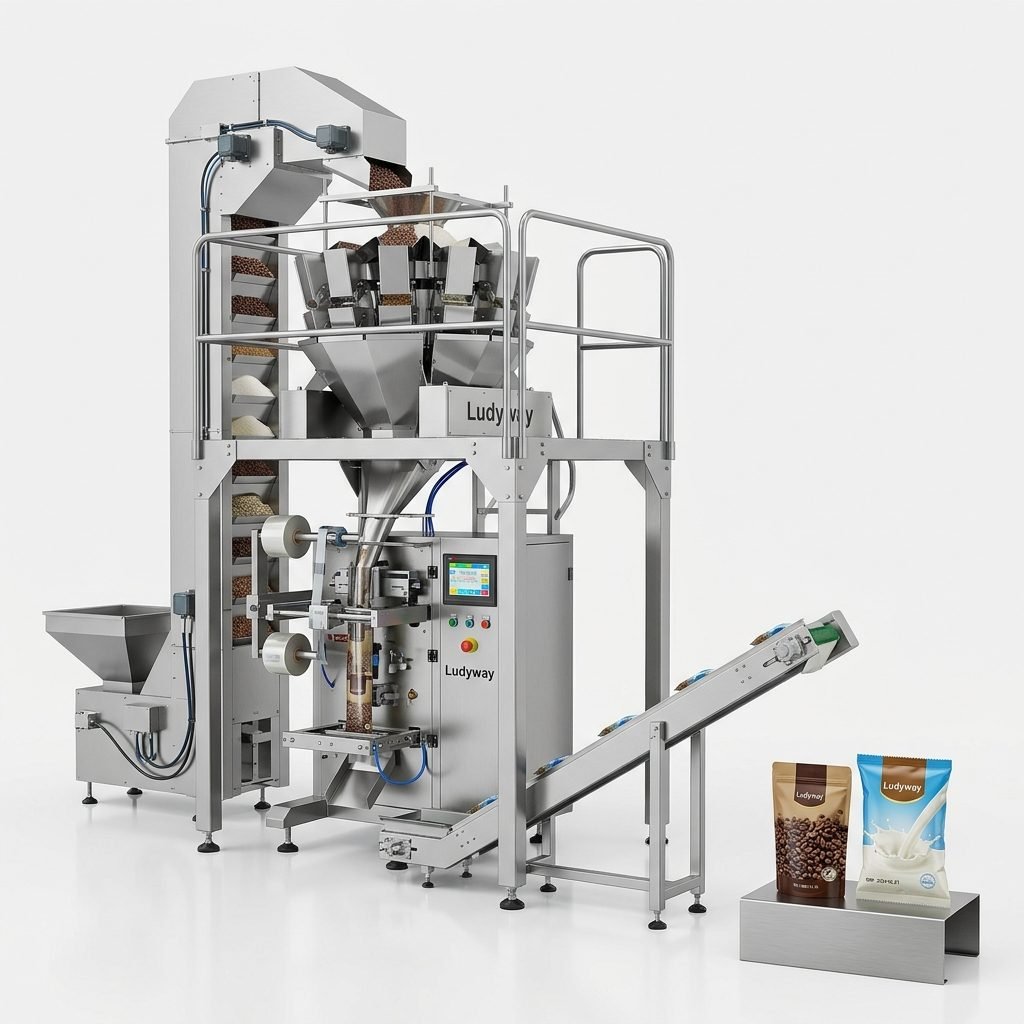
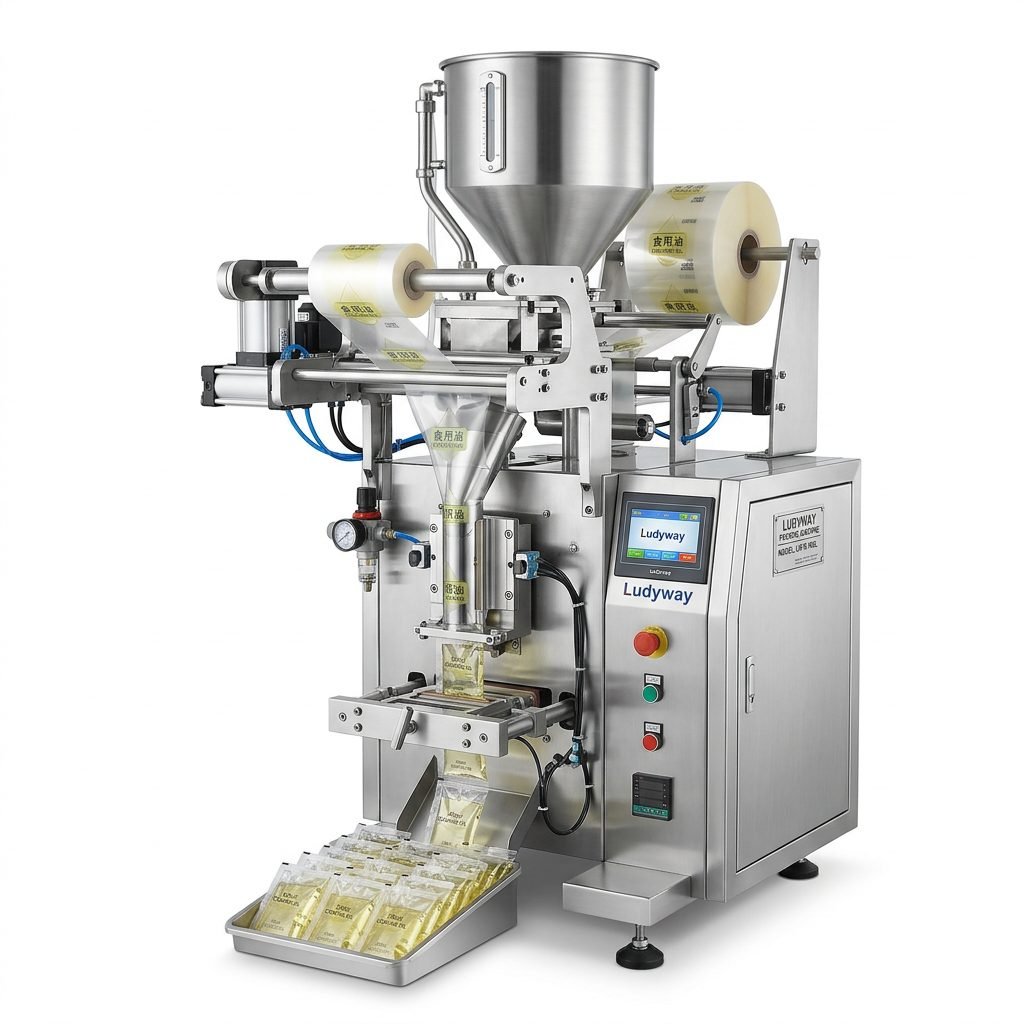
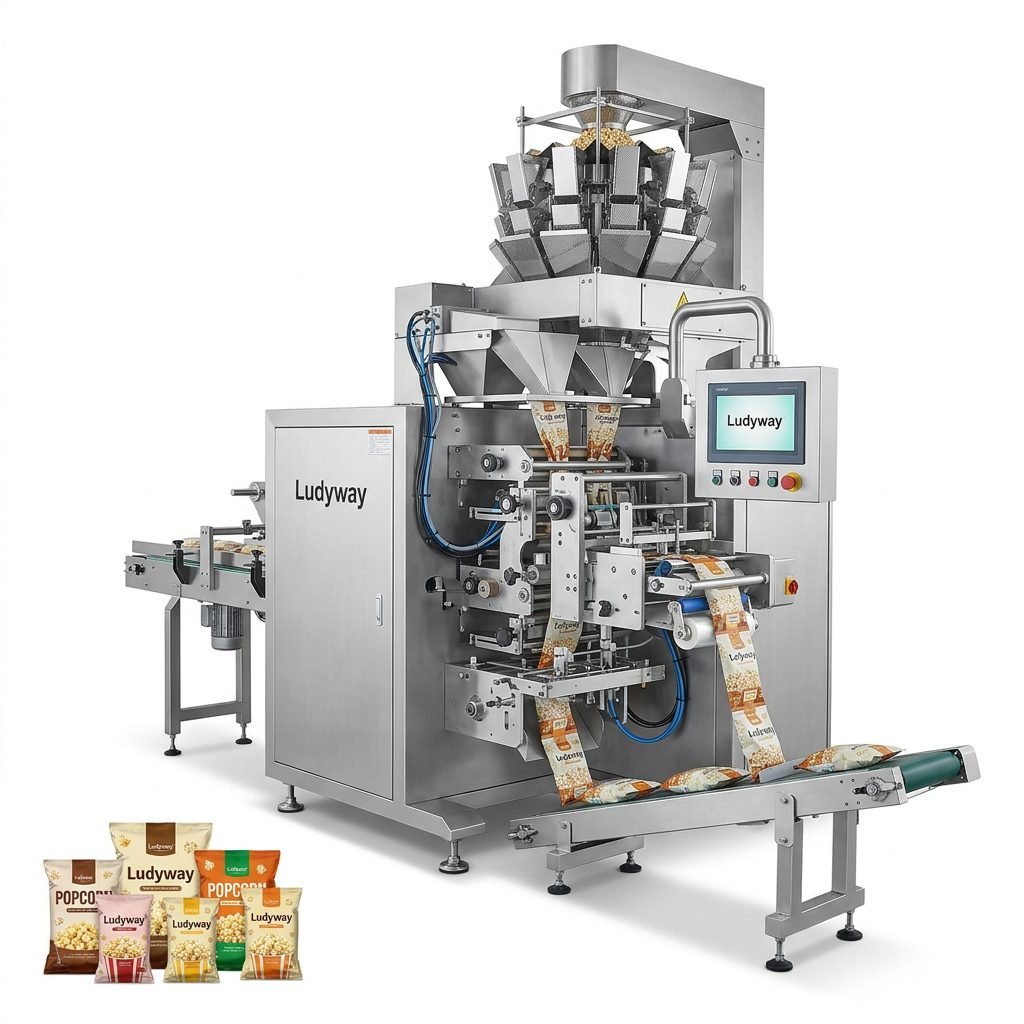
Partnering with an experienced supplier like Ludyway Machinery can make a significant difference. With over 30 years of industry experience, they understand the nuances of frozen food packaging. Their expertise in providing turnkey production solutions means they can assist beyond the machine, helping integrate it into a complete, efficient line. Their portfolio of intelligent packaging machine models is designed to meet diverse global production demands.
Total Cost of Ownership (TCO) Analysis
Look beyond the initial purchase price. Calculate the Total Cost of Ownership, which includes:
- Energy Consumption: Efficient servo drives can lower electricity costs.
- Material Waste: Precise film cutting and sealing reduce scrap rates.
- Maintenance & Downtime: Reliable machines with easy service access lower long-term maintenance costs and production losses.
- Labor Requirements: Higher automation reduces the number of operators needed per shift.
A slightly higher initial investment in a robust, efficient machine from a reputable supplier often results in a much lower TCO over 5-10 years.
Integration and Future-Proofing
Your new packaging machine shouldn’t be an island. Consider its ability to integrate with upstream equipment (like freezing tunnels) and downstream systems (like cartoners or case packers). Machines with standard communication protocols (e.g., PLC interfaces) offer better connectivity. Furthermore, in a market where sustainability is paramount, ensure the machine can handle emerging recyclable or compostable films with potential adjustments, future-proofing your operation against regulatory and consumer trend shifts.
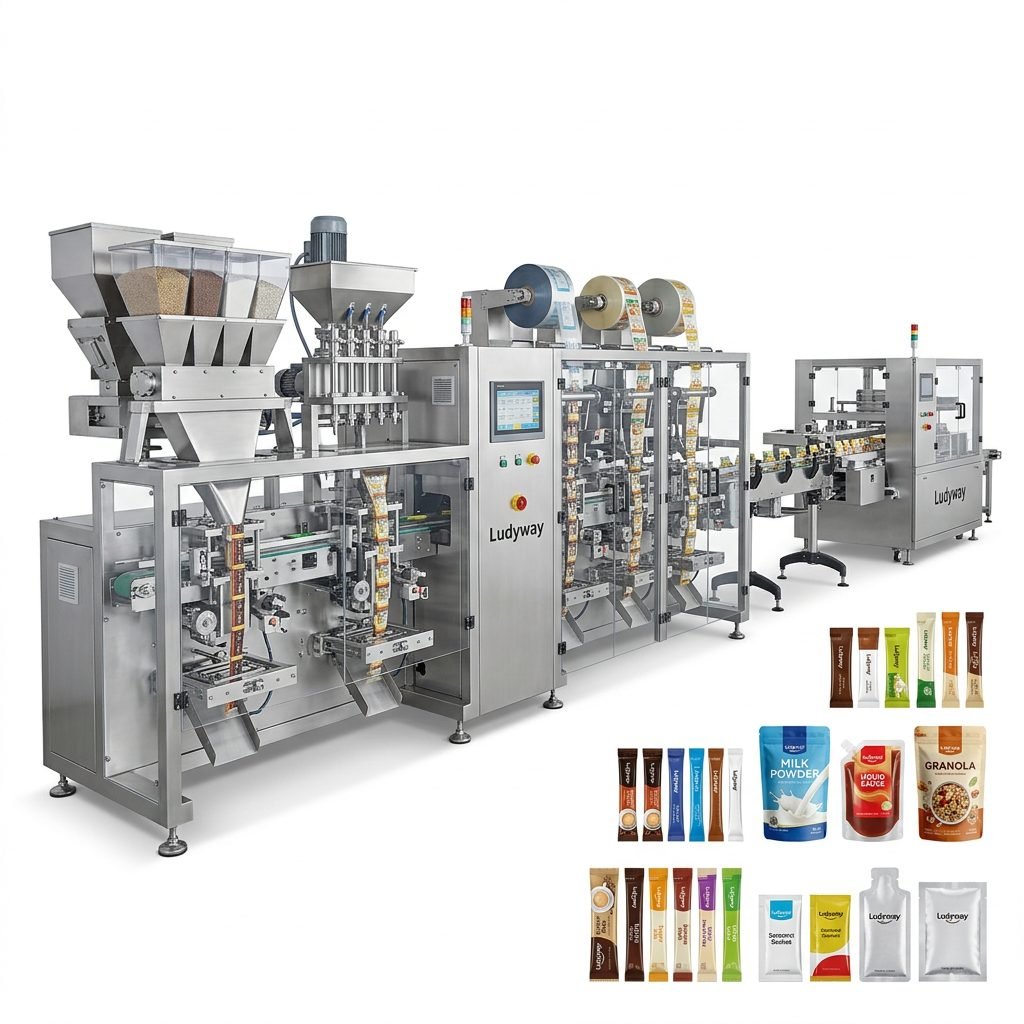
For businesses seeking a comprehensive solution, exploring complete packaging line solutions from a single provider can streamline project management and ensure compatibility between all line components.
Summary: Your Selection Checklist
- ✅ Matches your speed and output requirements with room for growth.
- ✅ Handles your specific product range and packaging materials reliably.
- ✅ Built with food-grade stainless steel and robust components for durability.
- ✅ Offers a high level of automation with an intuitive control system.
- ✅ Backed by strong supplier support, training, and spare parts service.
- ✅ Demonstrates a favorable Total Cost of Ownership (TCO).
- ✅ Can integrate into your existing or planned production line.
Frequently Asked Questions (FAQs)
1. What is the typical output range for an automatic ice pop packing machine?
Output varies widely by model. Basic machines may start at 60-100 packs per minute (PPM), while high-speed, multi-lane systems from suppliers like Ludyway can achieve 300+ PPM. The right speed depends entirely on your production volume targets.
2. Can one machine handle different ice pop sizes and shapes?
Yes, many modern machines are designed with flexibility in mind. Using quick-change tooling kits (for forming shoulders, sealing jaws, etc.), you can switch between different product formats. The changeover time and complexity depend on the machine’s design.
3. How important is after-sales service when choosing a supplier?
Extremely important. Packaging machines are long-term investments. Reliable after-sales service—including accessible technical support, operator training, and a ready supply of genuine spare parts—is crucial for minimizing downtime and ensuring your machine runs optimally for years.
4. What packaging materials can be used with these machines?
Most machines are compatible with common laminates used for frozen goods (e.g., PET/PE, OPP/PE). If you are looking to use more sustainable or specialized materials like biodegradable films, it’s essential to discuss this with your supplier during the selection process to ensure machine compatibility.
5. What are the key maintenance requirements?
Regular daily cleaning is paramount for hygiene. Periodic maintenance typically involves lubricating moving parts, checking seal jaw alignment and temperature sensors, and inspecting wear parts like cutting blades. A good supplier will provide a detailed maintenance schedule and training.