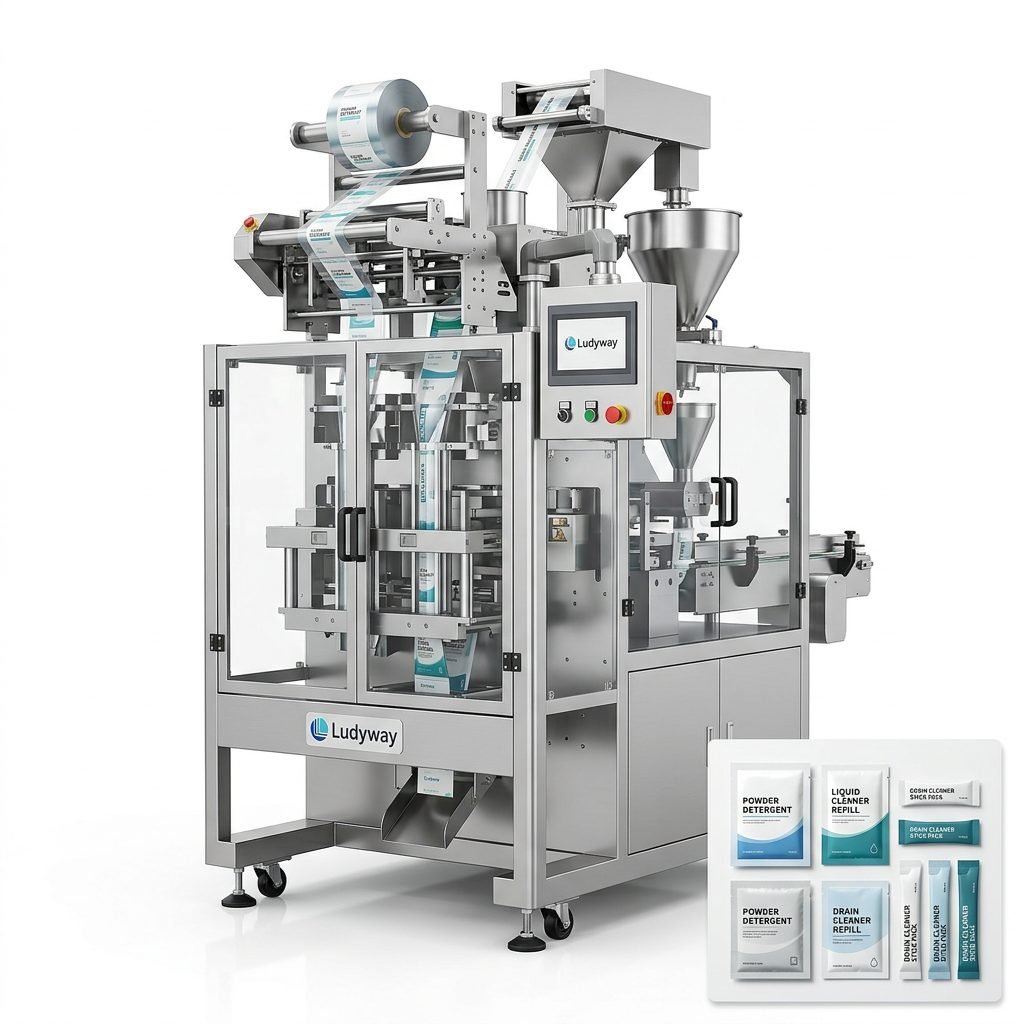
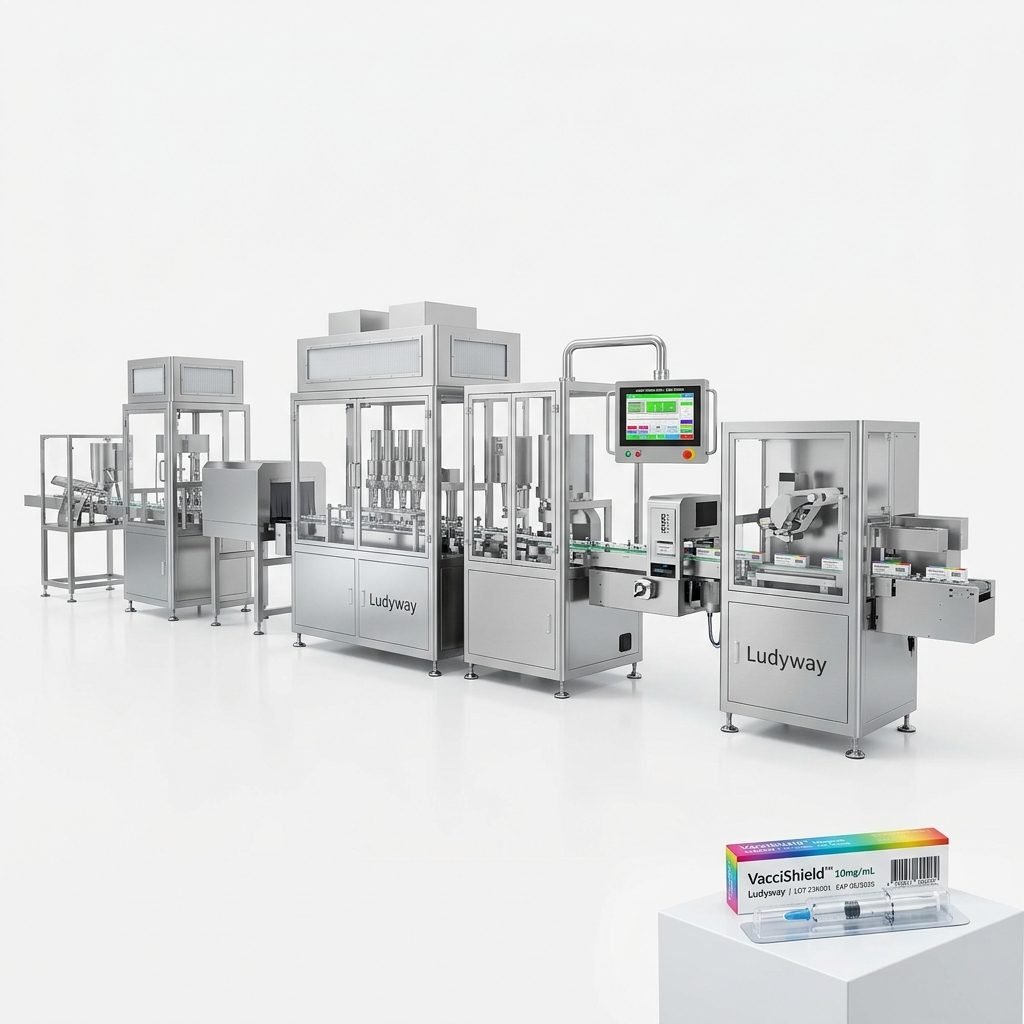
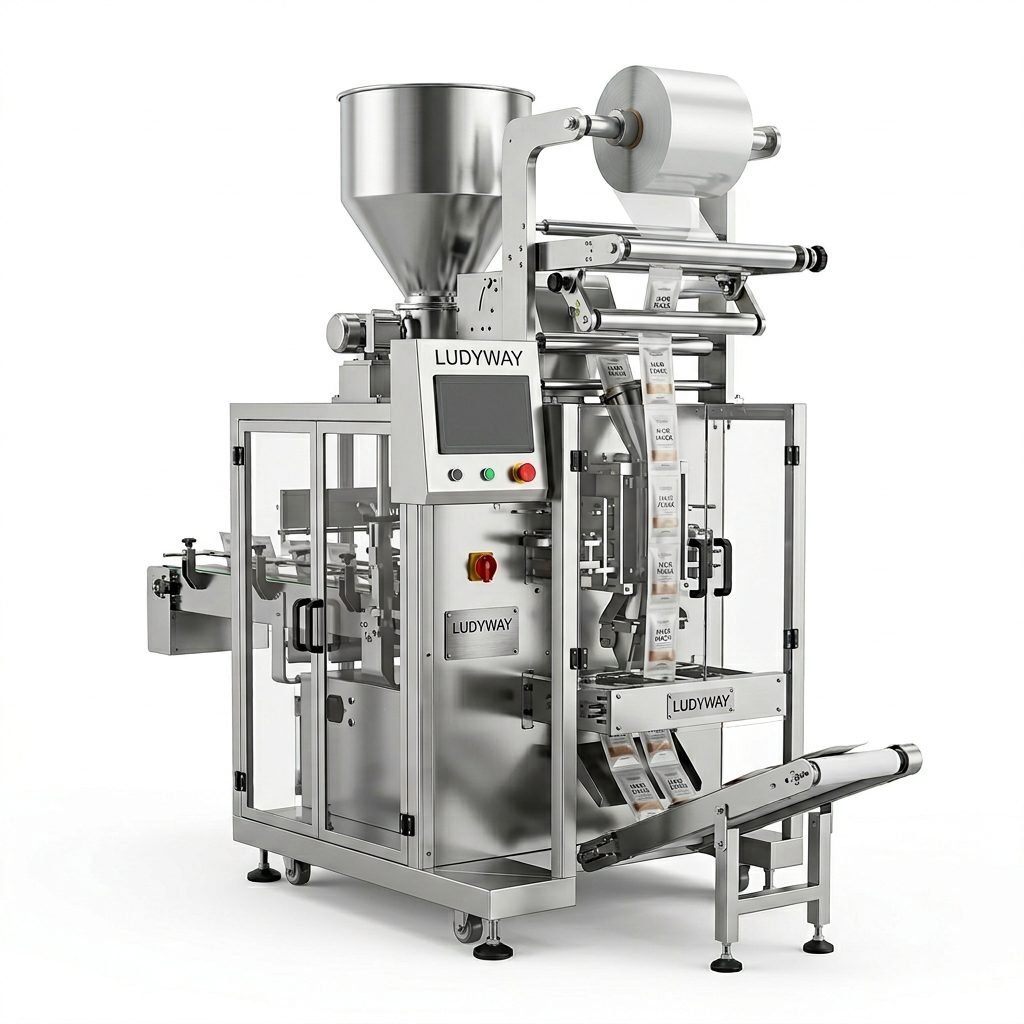
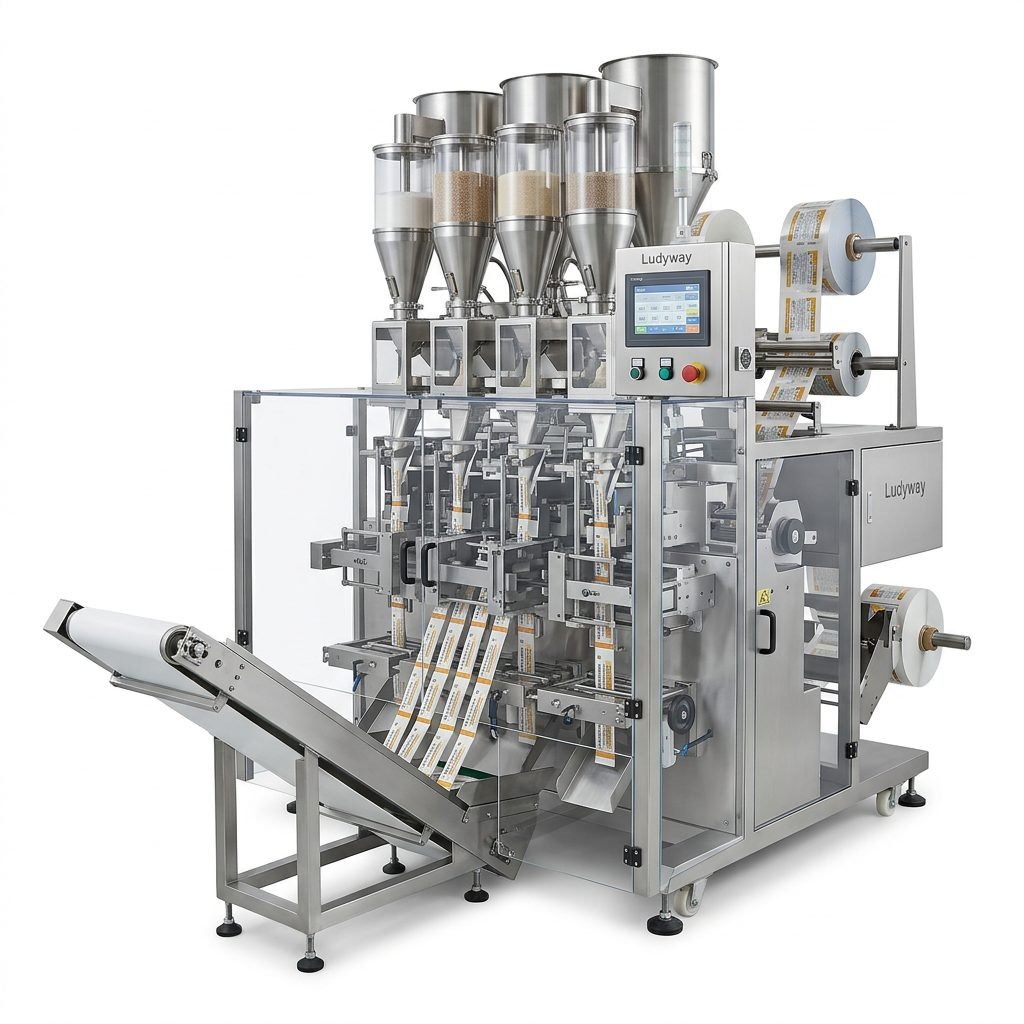
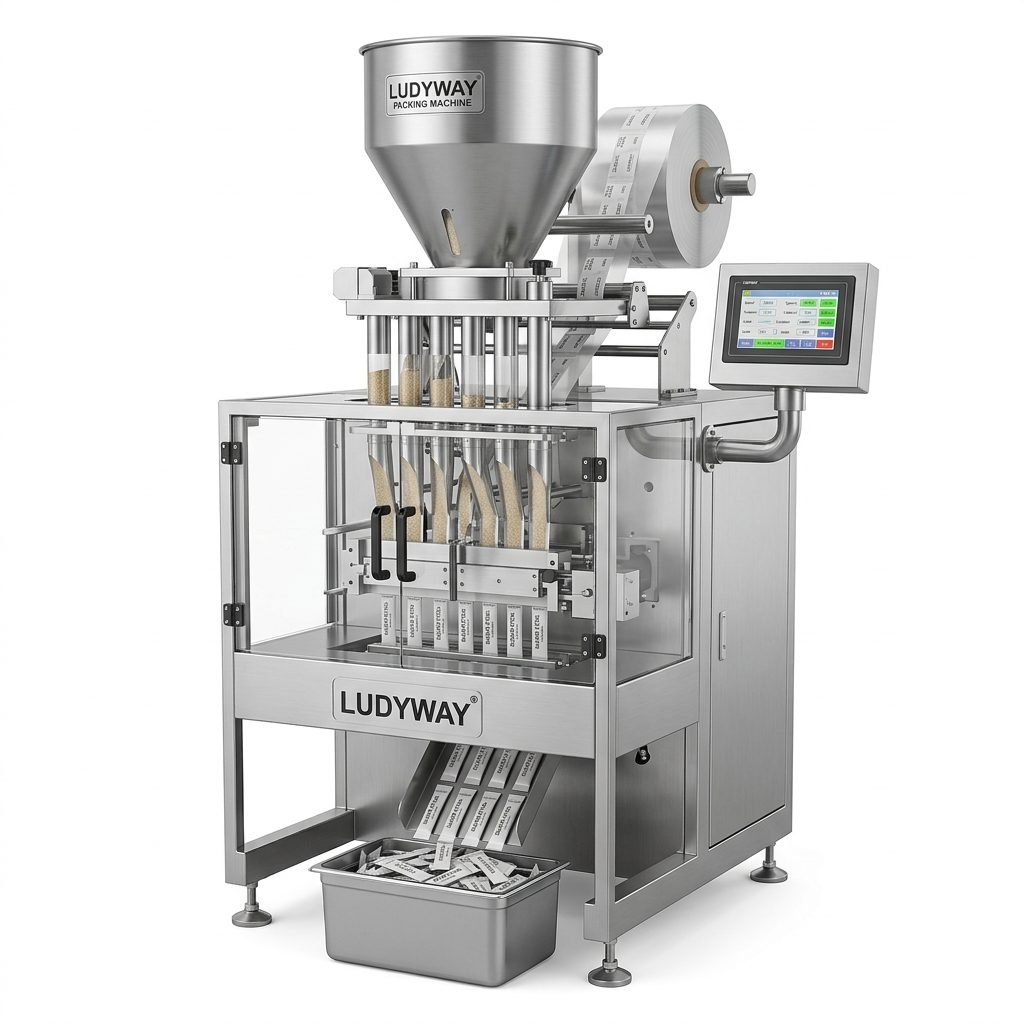
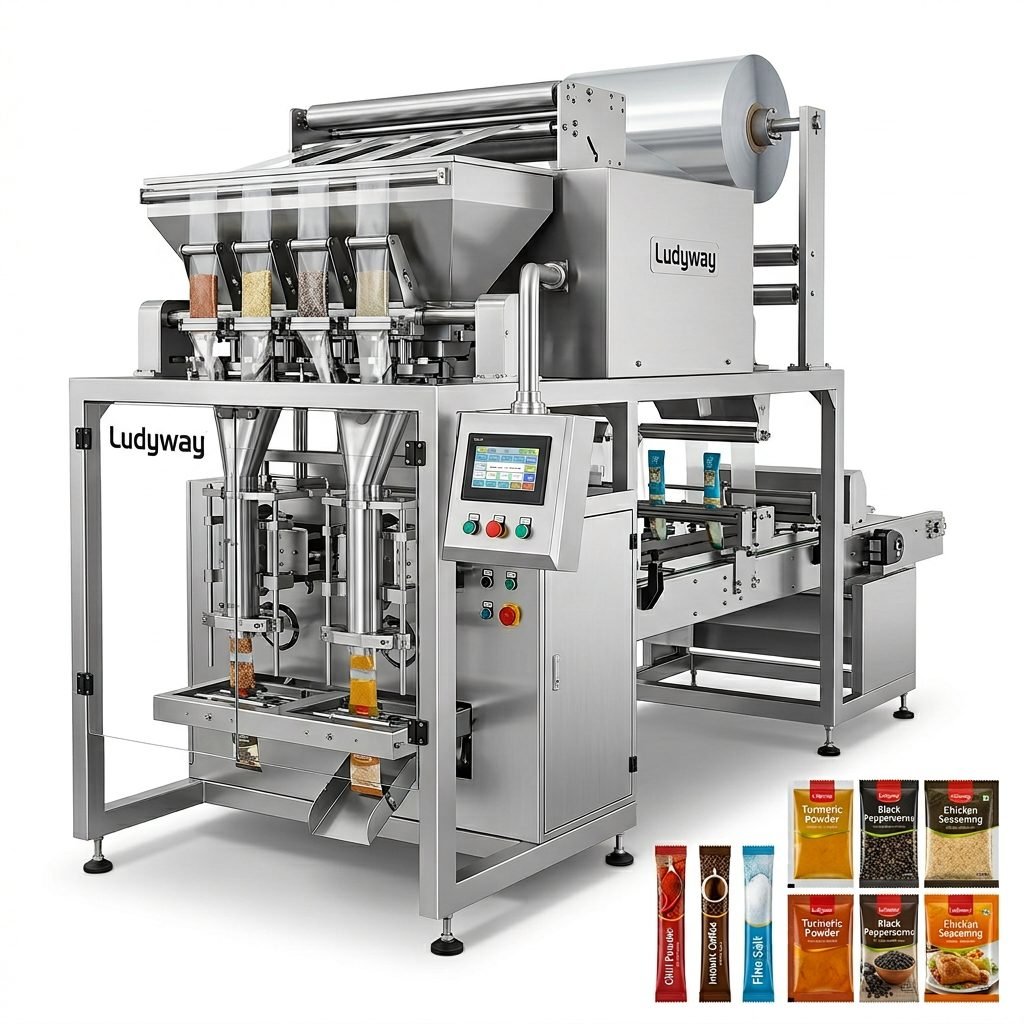
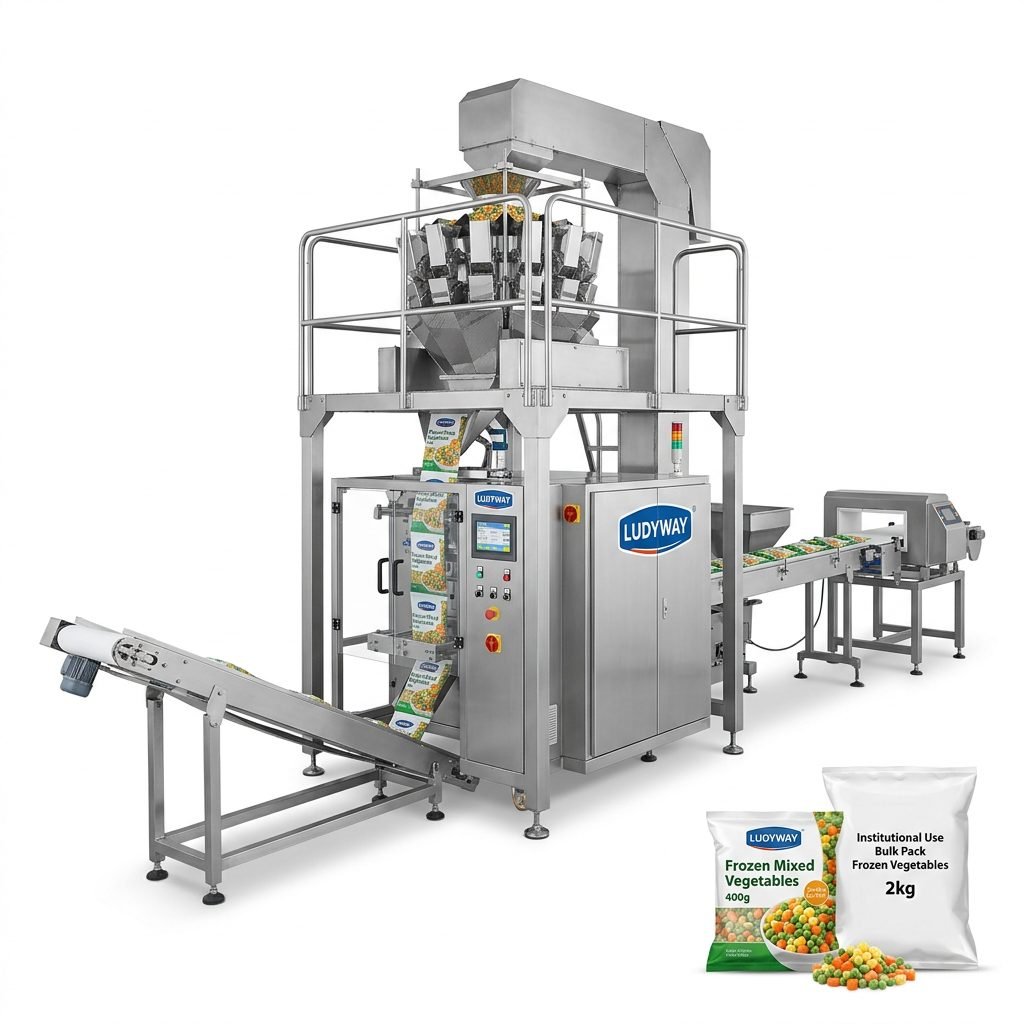
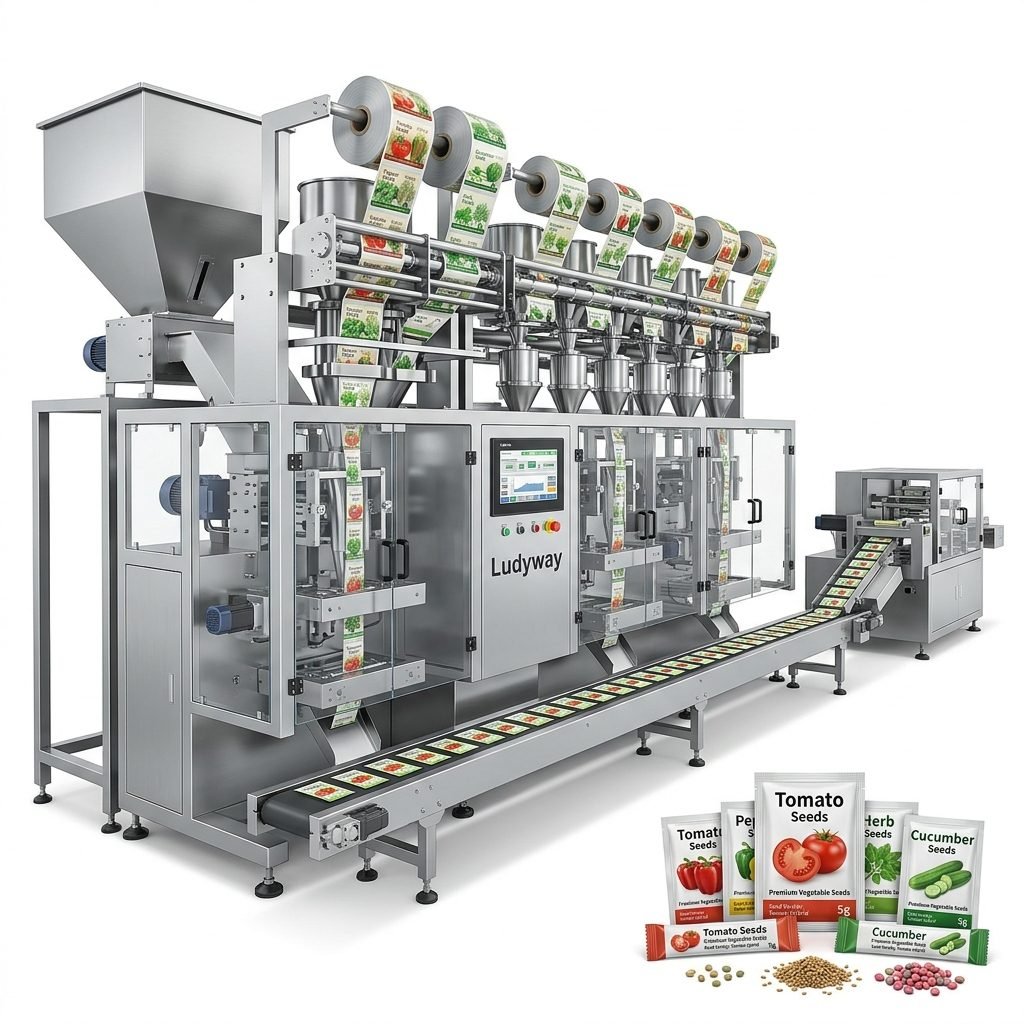
A VFFS machine can be either easy to maintain or surprisingly costly to keep running—depending on how well your team handles daily care, cleaning, inspection, and part replacement. The short answer is this: most vertical form fill seal machines do not require excessive maintenance, but they do require consistent preventive maintenance.
If maintenance is ignored, small issues such as film tracking drift, sealing temperature inconsistency, jaw wear, dust buildup, or sensor contamination can quickly turn into downtime, product waste, and seal defects. On the other hand, a well-maintained machine can deliver stable output for years with predictable service costs.
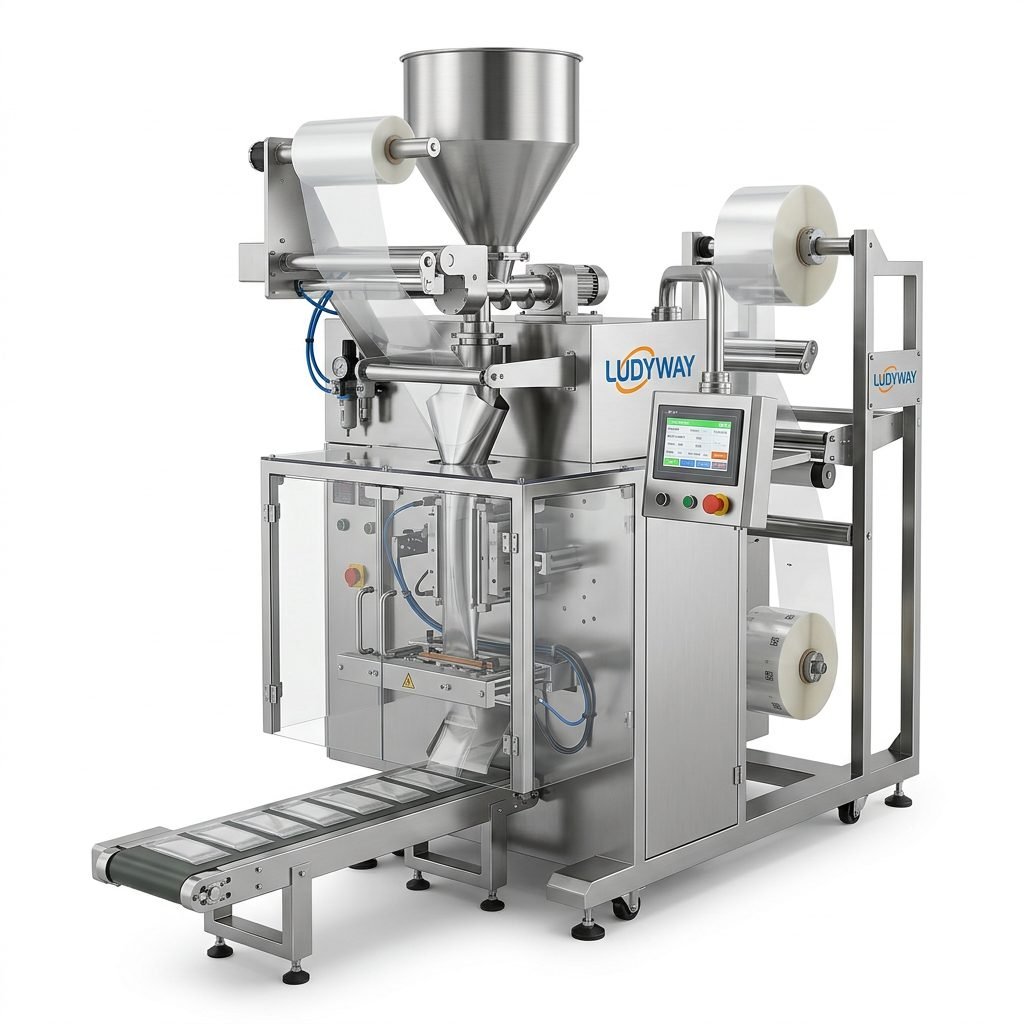
What Kind of Maintenance Does a VFFS Machine Usually Need?
A VFFS machine combines mechanical movement, pneumatic action, electrical controls, heating systems, film handling, and product dosing. Because several systems work together at high speed, regular maintenance is essential in five main areas:
- Cleaning: removing dust, powder, oil, and product residue
- Inspection: checking seals, belts, jaws, knives, rollers, and sensors
- Lubrication: applying the right lubricant to approved moving parts
- Adjustment: correcting alignment, tracking, tension, and forming accuracy
- Replacement: changing wear parts before they fail unexpectedly
In practical terms, maintenance is less about major repairs and more about routine care done on schedule.
How Often Should a VFFS Machine Be Maintained?
Maintenance frequency depends on product type, operating hours, environment, machine speed, and packaging material. A machine packing spices, fine powders, corrosive chemicals, or sticky products will need more attention than one packing dry free-flowing granules in a clean room.
| Maintenance Interval | Typical Tasks | Importance |
|---|---|---|
| Daily | Cleaning, visual inspection, checking film path, sealing area, sensors, air pressure | Prevents contamination and obvious faults |
| Weekly | Inspect belts, jaw condition, fasteners, cutter wear, electrical connections | Reduces unplanned stoppages |
| Monthly | Lubrication, calibration checks, pneumatic inspection, drive system review | Maintains performance stability |
| Quarterly / Semi-Annual | Replace wear parts, inspect heaters, bearings, sealing surfaces, PLC alarms log | Extends machine life |
| Annual | Comprehensive overhaul, full alignment review, safety check, control system evaluation | Protects long-term productivity |
Daily VFFS Machine Maintenance Checklist
Daily maintenance usually takes the least time but delivers the biggest payoff. Operators should finish these checks before startup or at shift end:
- Clean the forming tube, collar, sealing jaws, and cutter area.
- Remove product dust from sensors and photoelectric marks.
- Check film roll installation and film tracking position.
- Confirm sealing temperature is stable and within settings.
- Inspect compressed air pressure and pneumatic response.
- Listen for unusual vibration, friction, or air leaks.
- Check emergency stop and safety guards.
- Look for loose bolts, abnormal wear, or residue buildup.
Tip: If the machine handles powder products, daily cleaning becomes even more important because fine dust can affect sensors, sealing quality, and moving parts.
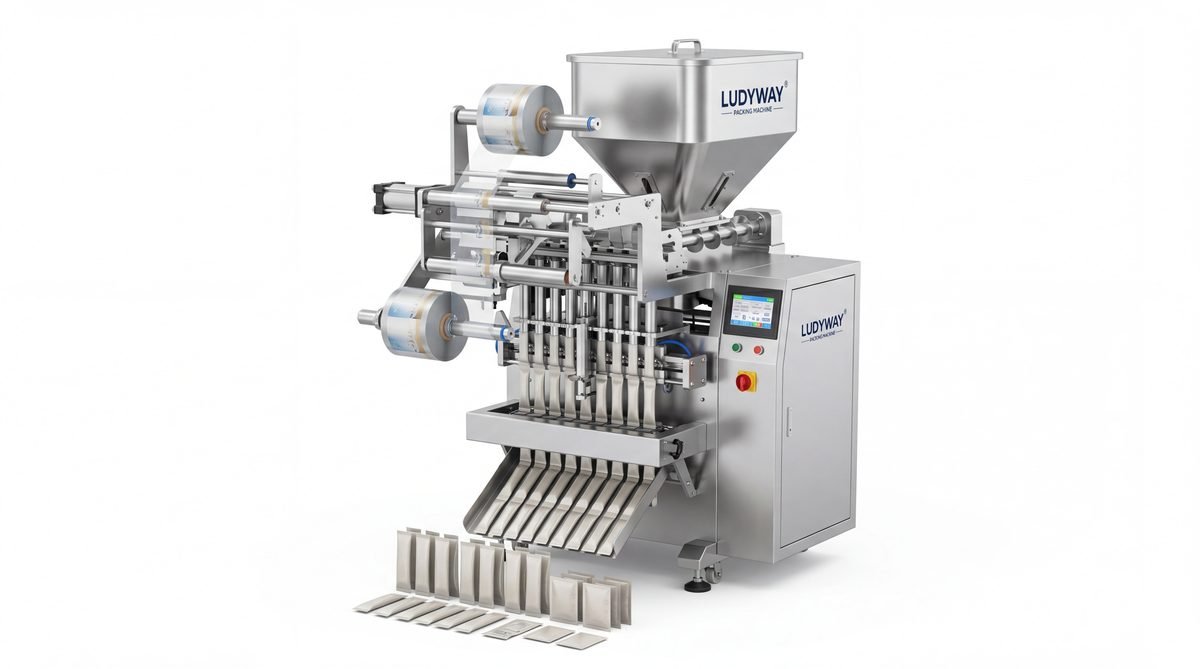
Weekly and Monthly Preventive Maintenance Tasks
Beyond daily care, technicians should perform more detailed preventive checks. These tasks help detect issues before they stop production.
Weekly tasks
- Inspect pulling belts for wear, slippage, or uneven contact
- Check cutter sharpness and jaw surface condition
- Inspect film tension system and rollers
- Review heater wires and thermocouple condition
- Test registration mark sensor accuracy
- Tighten accessible mechanical fasteners where required
Monthly tasks
- Lubricate approved moving components according to the manual
- Inspect chains, bearings, couplings, and drive assemblies
- Check pneumatic cylinders, valves, and airline filters
- Examine electrical cabinets for dust, heat, or loose terminals
- Verify bag length, fill accuracy, and seal consistency
- Review recurring alarms or stoppage records
Which VFFS Parts Usually Wear Out First?
Even high-quality machines have normal wear components. The most frequently replaced parts often include:
| Part | Why It Wears | Common Symptom |
|---|---|---|
| Sealing jaws / seal surfaces | Constant heat and pressure cycles | Weak or inconsistent seals |
| Cutters / knives | Continuous cutting motion | Ragged cuts or missed cuts |
| Pull belts | Friction and film transport load | Bag length variation or film slipping |
| Heaters / thermocouples | Thermal cycling over time | Temperature fluctuation |
| Bearings and bushings | Motion, load, and contamination | Noise, vibration, stiffness |
| Sensors | Dust, misalignment, surface contamination | Tracking or registration errors |
Keeping these parts in stock can significantly reduce downtime. A small spare parts kit is often a smart investment for any facility running multiple shifts.
What Factors Increase VFFS Maintenance Needs?
Not all VFFS applications create the same maintenance workload. Some conditions naturally increase wear and cleaning demands:
- Powder products: fine dust enters moving and sensing areas
- Sticky liquids or pastes: residue can build up near sealing and filling zones
- Abrasive materials: accelerate component wear
- High-speed production: increases thermal and mechanical stress
- Long shift operation: leaves less cooling and cleaning time
- Humid or hot environments: affect electrical and pneumatic stability
- Poor film quality: causes tracking issues and seal contamination
- Insufficient operator training: leads to adjustment errors and avoidable damage
How Much Downtime Can Proper Maintenance Prevent?
A well-maintained VFFS machine usually experiences fewer emergency stoppages, lower reject rates, and more stable bag quality. Preventive maintenance helps avoid issues such as:
- Seal failure and package leakage
- Film misalignment and bag deformation
- Inaccurate fill weights
- Cutter jams and incomplete bag separation
- Temperature instability
- Unexpected motor or pneumatic faults
In many factories, a few minutes of daily maintenance can prevent hours of lost production later in the week.
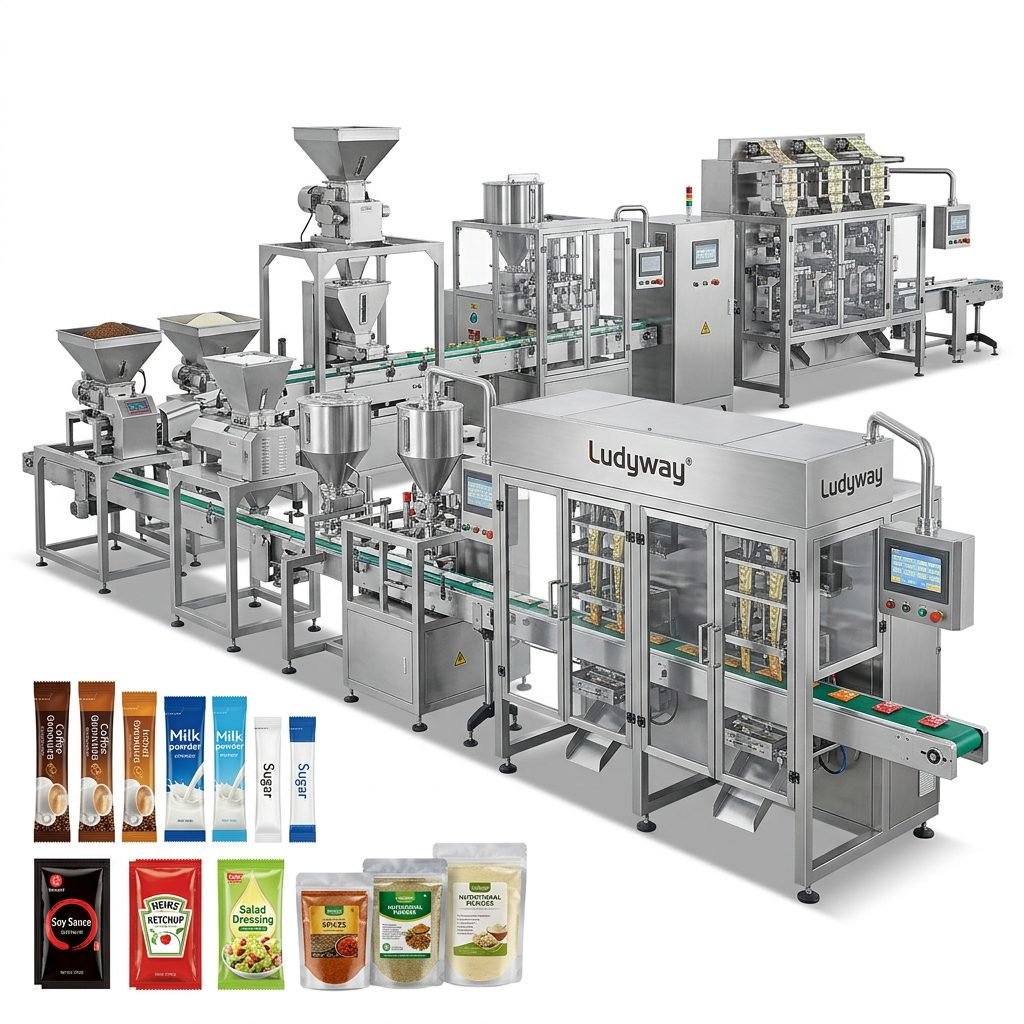
Is VFFS Maintenance Expensive?
Usually, no. Routine VFFS machine maintenance is generally far less expensive than emergency repair, rejected packaging, wasted product, or delayed shipment. The total cost depends on:
- Machine complexity and automation level
- Production hours per day
- Product characteristics
- Availability of trained technicians
- Quality of spare parts and consumables
- Whether maintenance is preventive or reactive
For most users, the biggest hidden cost is not spare parts—it is unplanned downtime. That is why preventive service schedules matter so much.
Signs Your VFFS Machine Needs Maintenance Immediately
Do not wait for a complete breakdown. If you notice any of the symptoms below, the machine should be checked as soon as possible:
- Seal quality changes from batch to batch
- Frequent alarm messages or sensor faults
- Film wandering, wrinkling, or poor registration
- Unusual noise, heat, or vibration
- Fill weight inconsistency
- Reduced speed compared with normal output
- Visible wear on jaws, belts, or cutters
- Air leakage or slow pneumatic response
Best Practices to Reduce VFFS Maintenance Requirements
If you want lower service costs and longer machine life, focus on the following habits:
- Train operators to identify small issues early
- Use the correct packaging film and product feeding setup
- Keep maintenance logs for recurring faults
- Schedule cleaning around actual product behavior
- Replace wear parts before failure, not after
- Use original or approved spare parts
- Review machine performance trends monthly
- Work with an experienced supplier for technical support
Choosing a Reliable VFFS Machine Supplier Matters
Machine design quality has a direct effect on maintenance frequency. Well-built machines with stable frames, reliable sealing systems, accessible component layouts, and good technical support are easier to clean, inspect, and service.
For manufacturers looking for dependable packaging equipment and scalable automation support, VFFS machine solutions from Ludyway are often considered by buyers in food, pharmaceutical, health supplement, and related industries because of the company’s broad packaging experience and turnkey line capability.
Frequently Asked Questions
How long does daily VFFS maintenance take?
In many cases, basic daily maintenance takes only 10 to 30 minutes, depending on the product and cleaning requirements.
Do powder packaging applications require more maintenance?
Yes. Fine powders can affect sensors, seals, and moving parts, so cleaning and inspection usually need to be more frequent.
Can operators do all VFFS maintenance?
Operators can usually handle cleaning, basic inspection, and simple checks. More advanced lubrication, electrical testing, calibration, and parts replacement should be done by trained technicians.
What is the biggest maintenance mistake?
The biggest mistake is waiting for failure before taking action. Reactive maintenance almost always costs more than preventive maintenance.
Final Answer: How Much Maintenance Does a VFFS Machine Require?
A VFFS machine requires regular but manageable maintenance. It is not a high-maintenance machine when used correctly, but it does need disciplined daily cleaning, scheduled inspections, preventive part replacement, and proper operator handling. In most production environments, the maintenance burden is reasonable—and absolutely worth it for the gains in packaging speed, consistency, and automation.
If your goal is maximum uptime, better package quality, and lower long-term operating cost, the best approach is simple: maintain the machine a little every day, instead of repairing it a lot later.