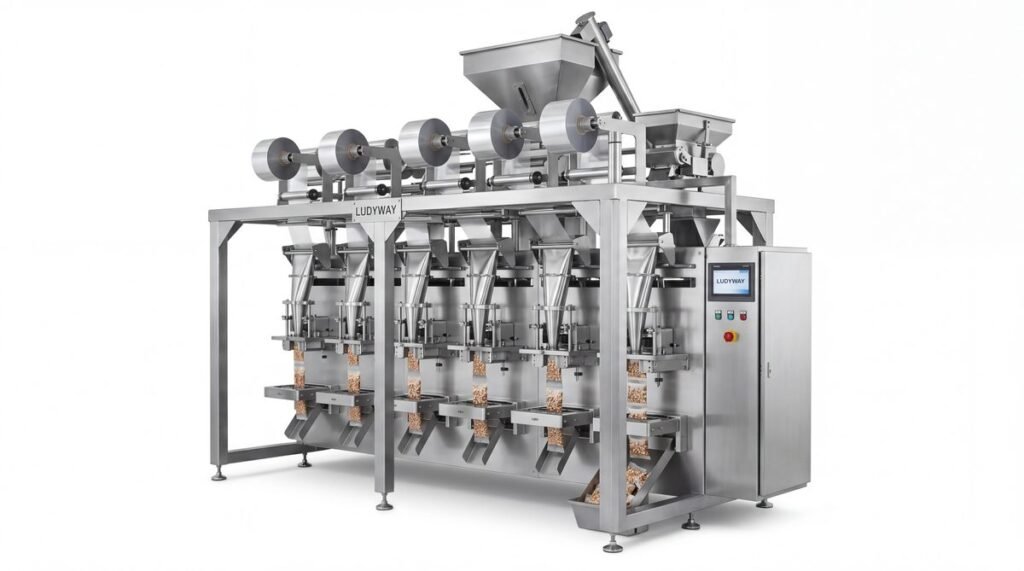
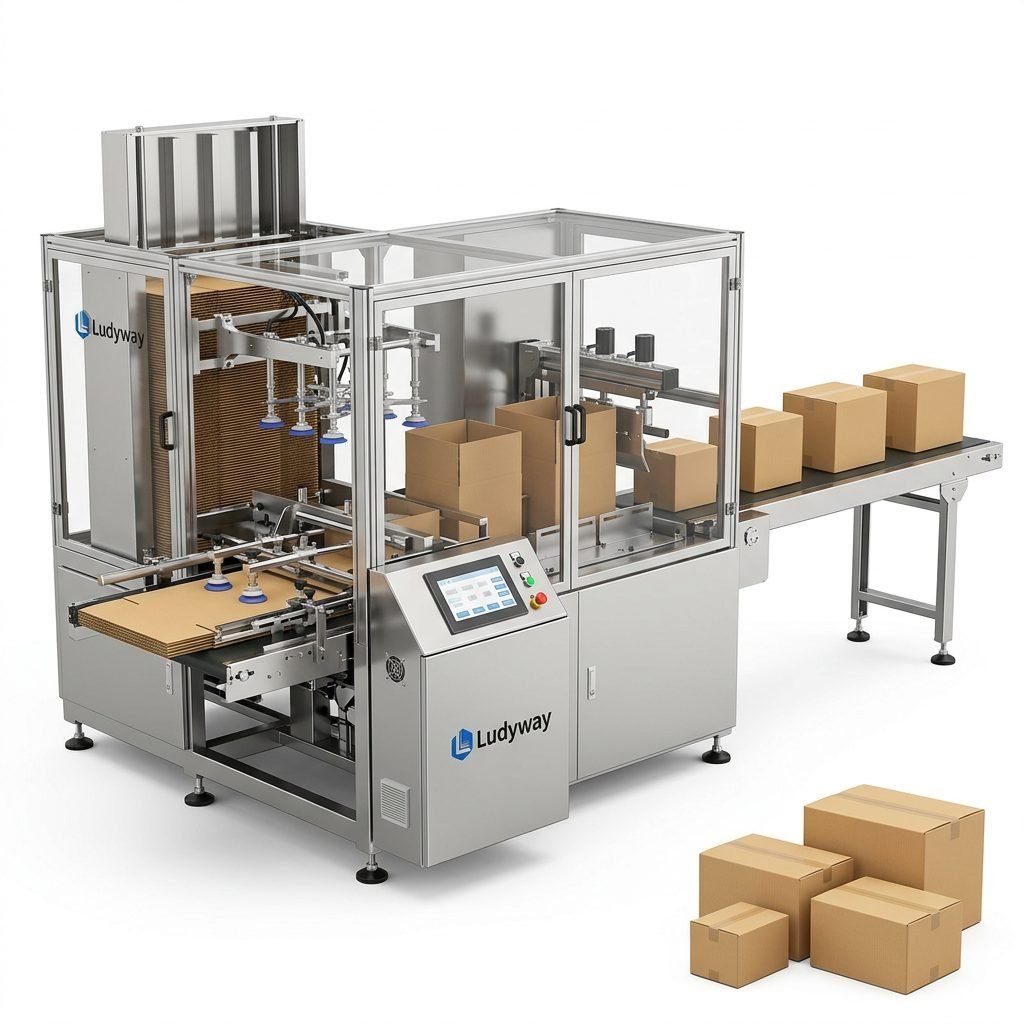
Choosing the right weighing and packing machine can have a direct impact on product accuracy, packaging speed, labor efficiency, material waste, and long-term operating cost. Whether you pack powders, granules, liquids, pastes, or mixed products, the best solution is not simply the fastest machine—it is the one that matches your product characteristics, bag format, output target, and factory conditions.
For manufacturers in food, pharmaceutical, health supplement, chemical, cosmetic, and pet care industries, a smart selection process reduces downtime and improves packaging consistency from the first batch to full-scale production.
Why weighing accuracy matters in packaging
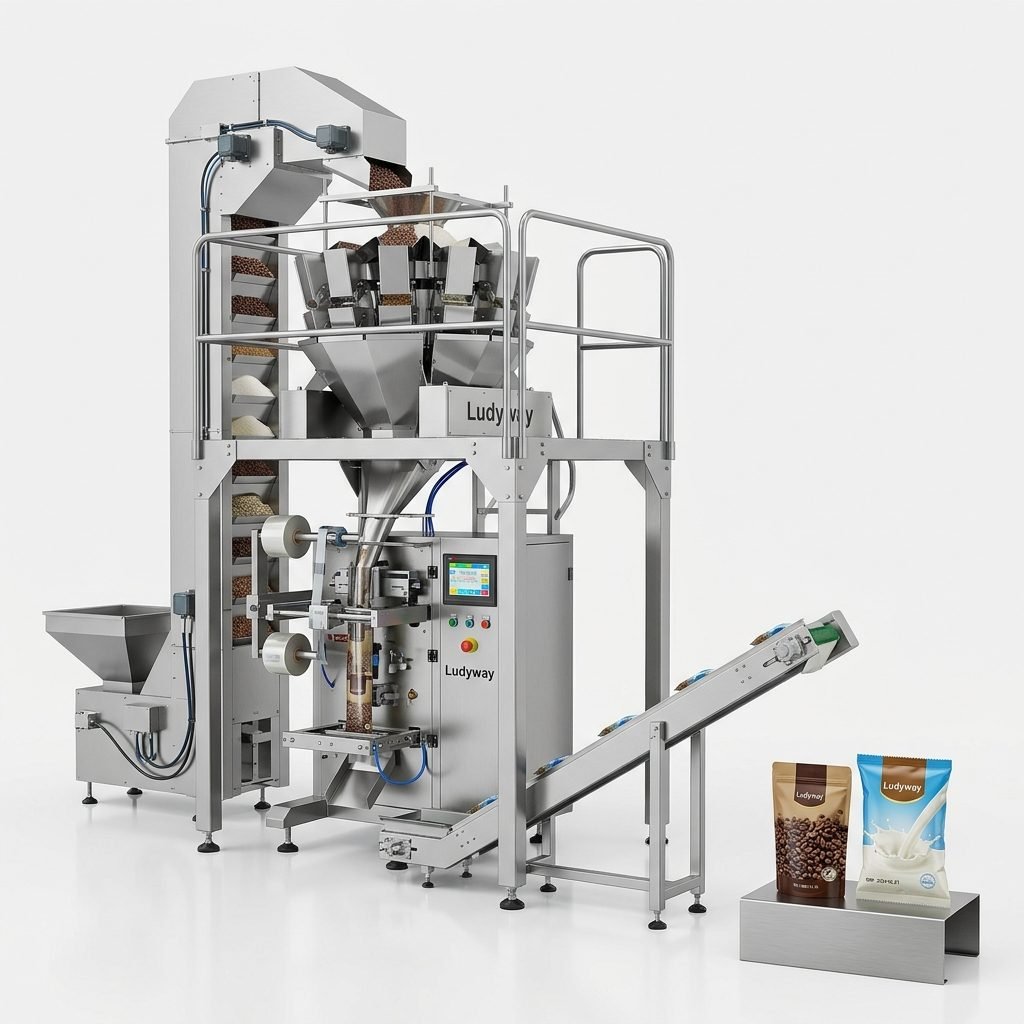
Accurate weighing is one of the most important factors in modern packaging operations. Underfilling can lead to customer complaints, regulatory risk, and brand damage. Overfilling increases giveaway and cuts profit on every pack. Across thousands or millions of packs, even a small deviation can become a major cost.
- Consistent net weight helps maintain brand trust
- Accurate dosing reduces product loss and unnecessary overfill
- Stable filling improves sealing quality and pack appearance
- Better control supports compliance in regulated industries
- Reliable weighing data helps production analysis and traceability
What is a weighing and packing machine?
A weighing and packing machine is an integrated system that measures a target quantity of product and transfers it into a package automatically. Depending on the application, the machine may include feeding, dosing, bag forming, filling, sealing, coding, inspection, cartoning, and end-of-line handling.
Common machine combinations include:
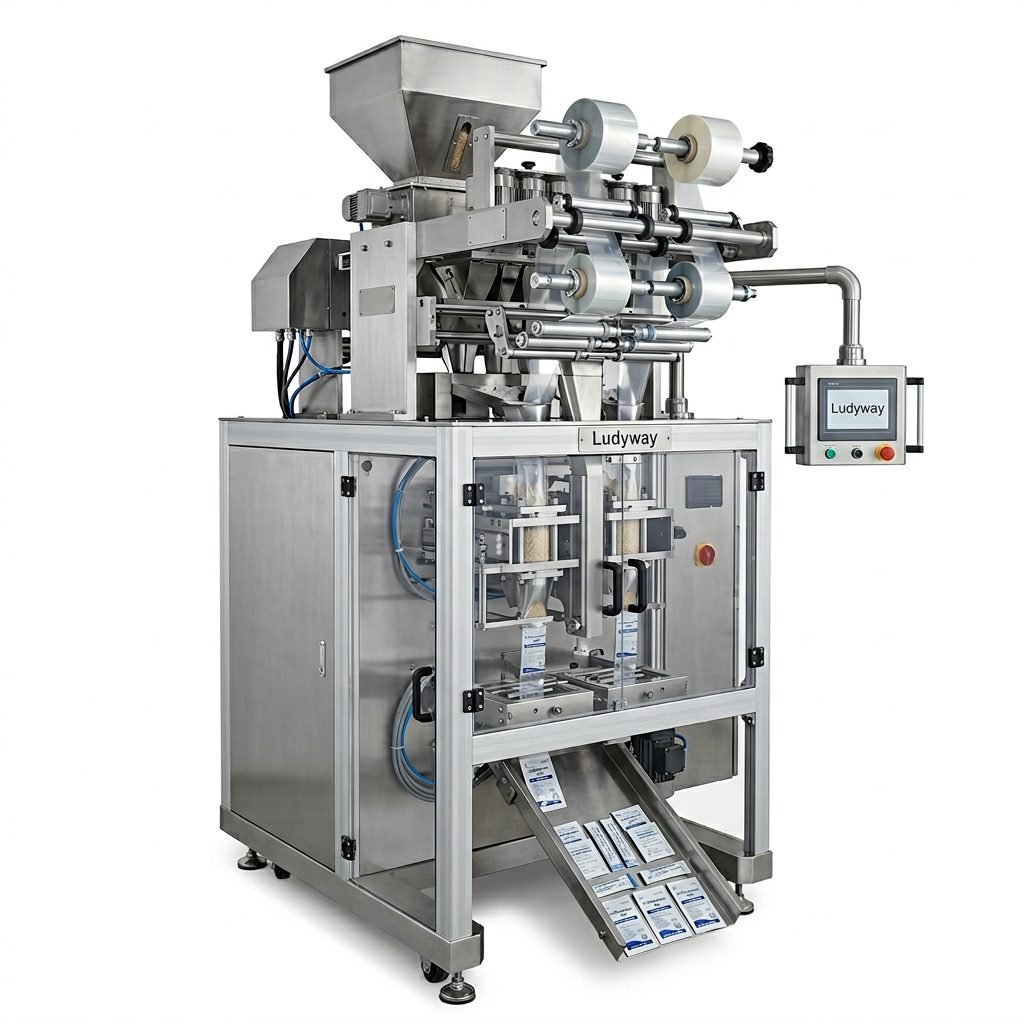
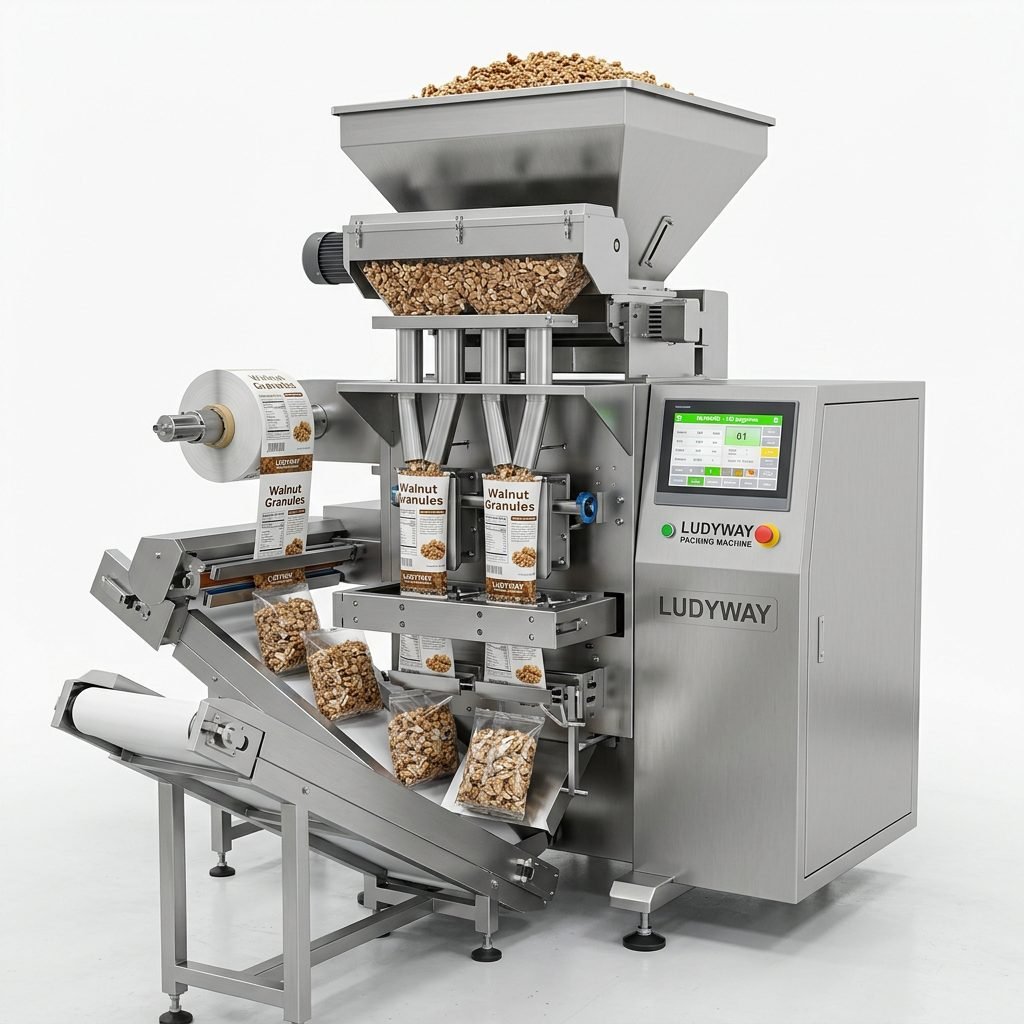
- Weigher + vertical form fill seal machine
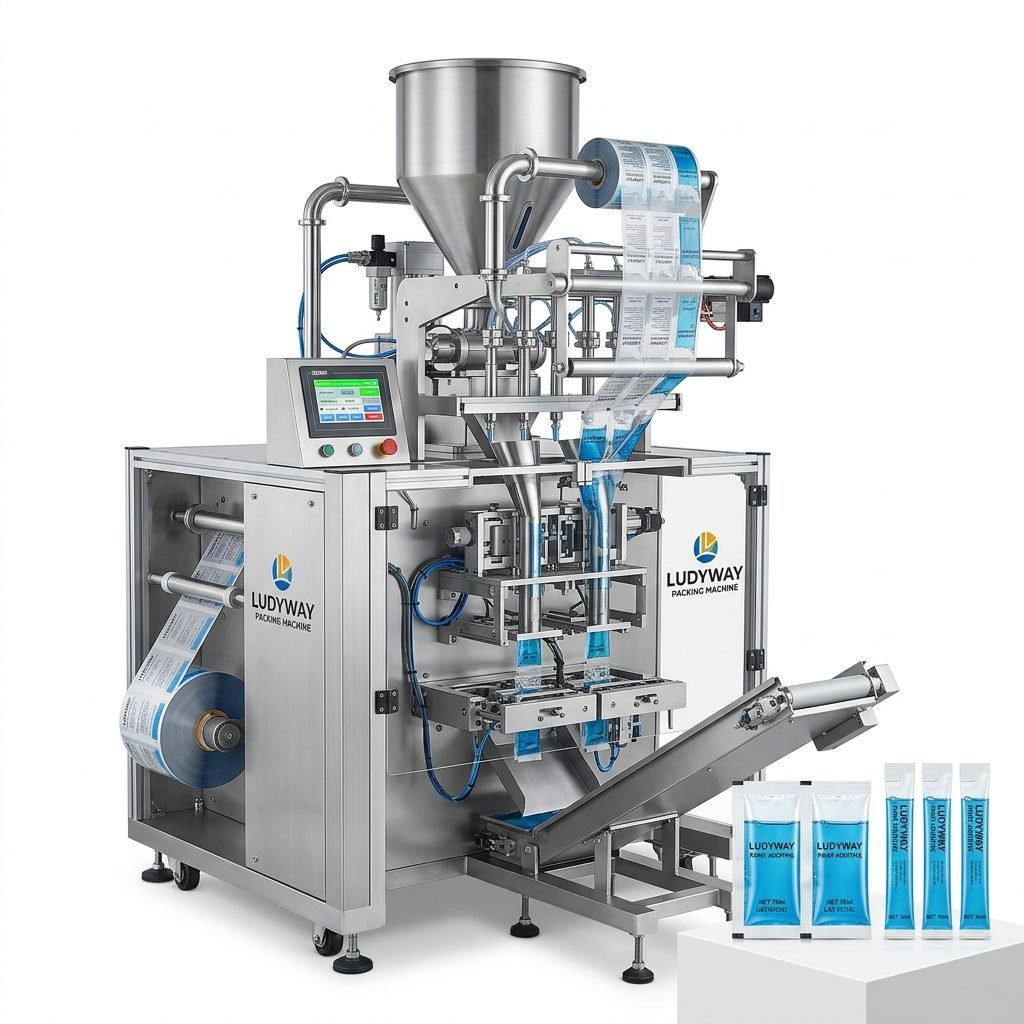
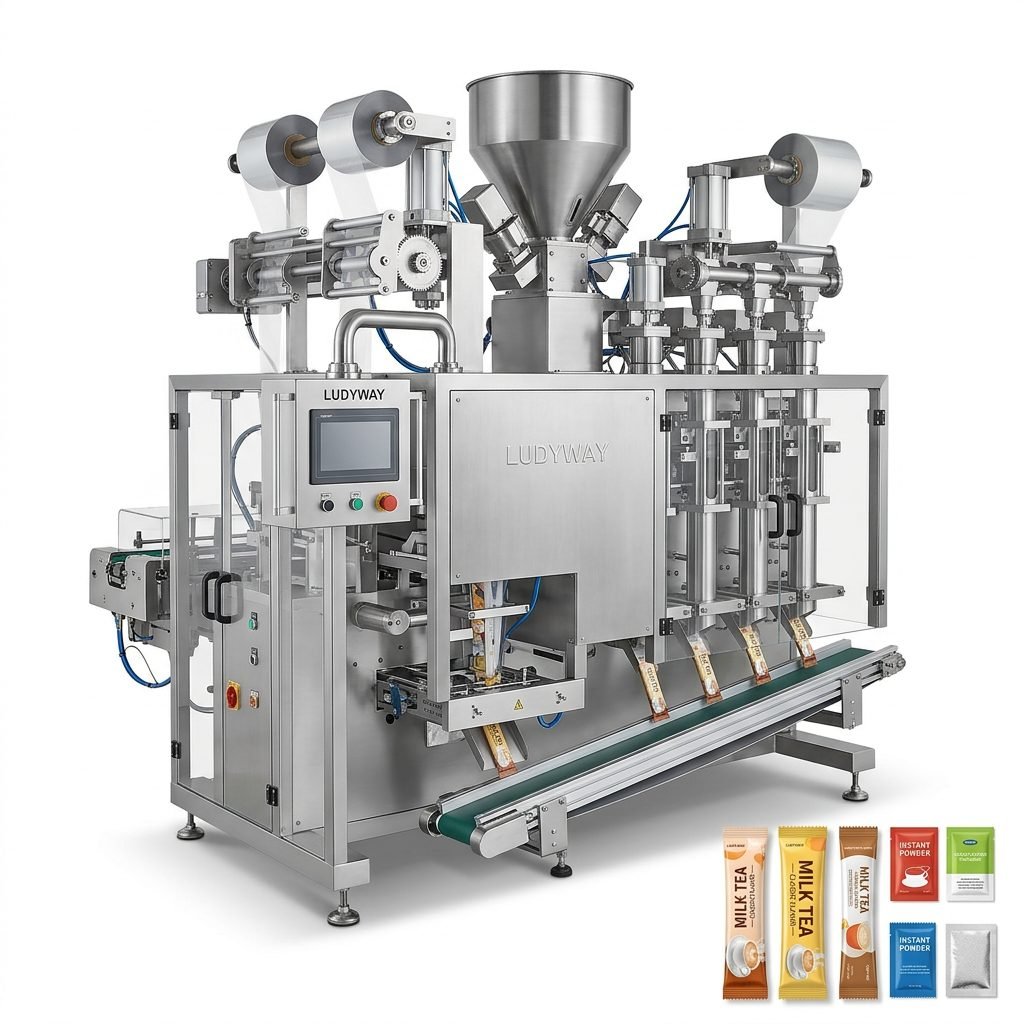
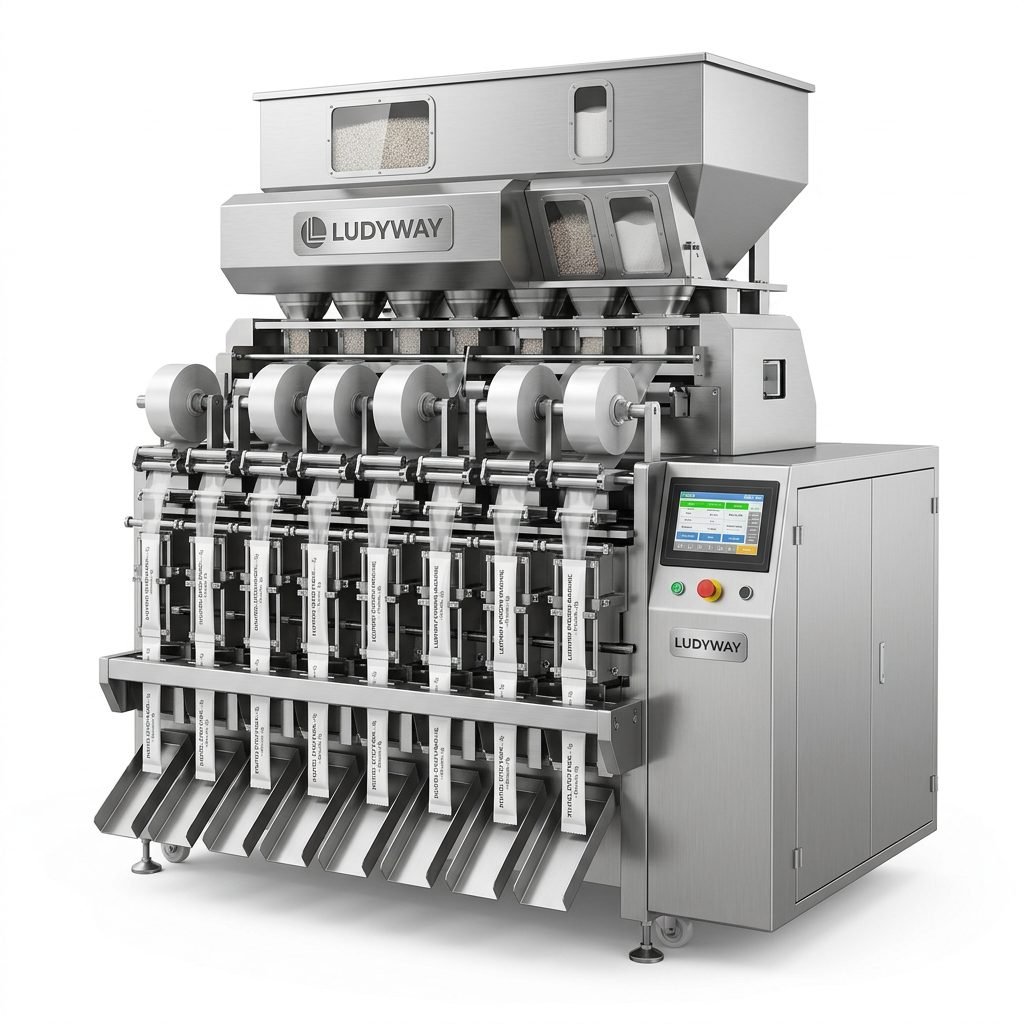
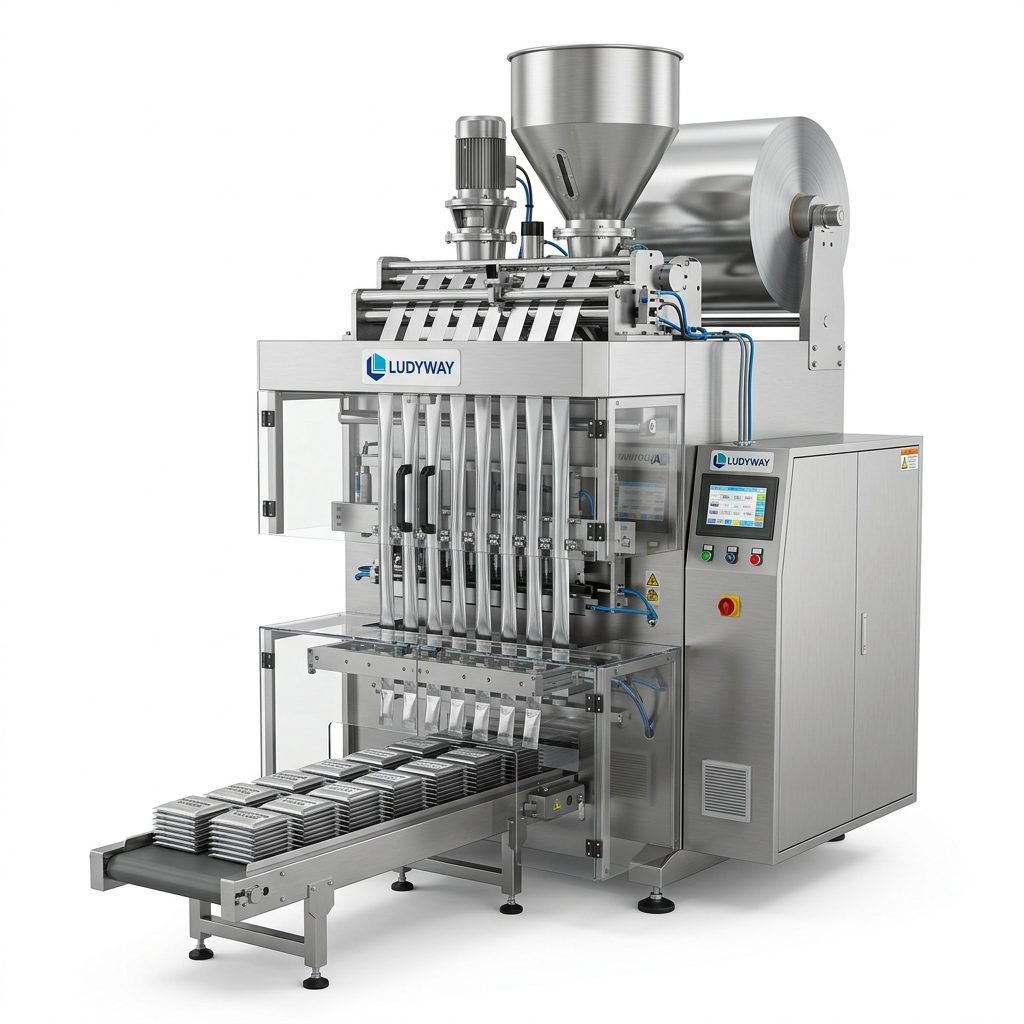
- Auger filler + sachet or stick pack machine
- Multihead weigher + premade pouch machine
- Liquid pump filler + pouch or bottle packaging system
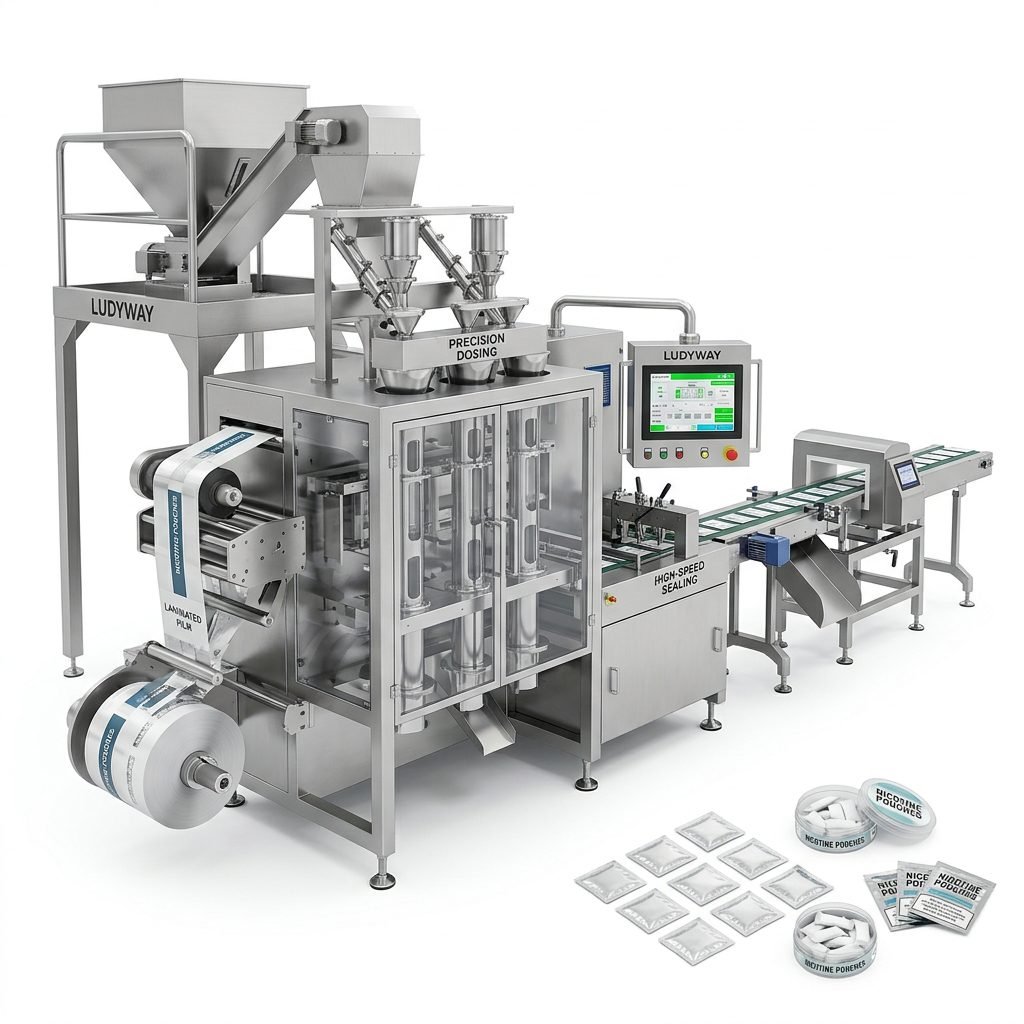
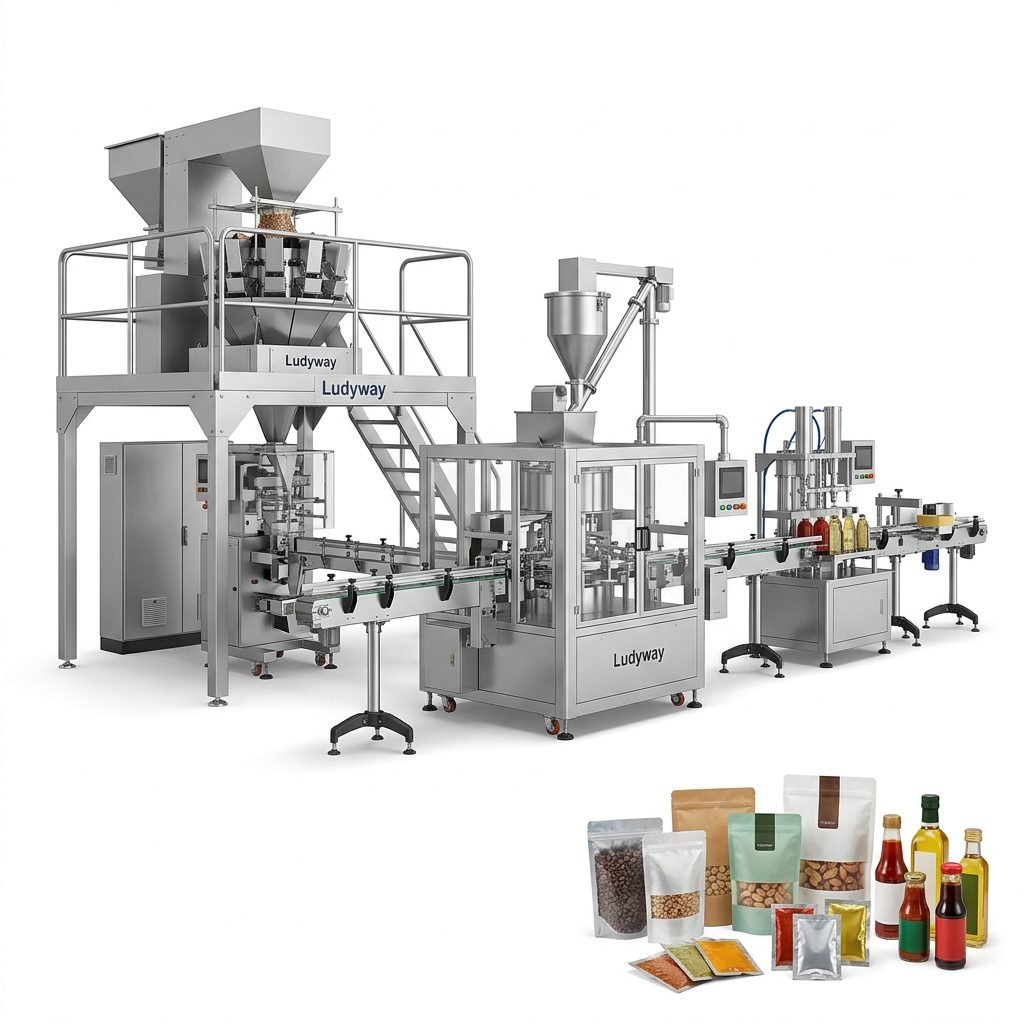
- Complete turnkey line with conveying, inspection, coding, and palletizing
Main product types and matching weighing systems
The right weighing method depends first on the product itself. Flowability, particle size, density, moisture, dust level, and stickiness all influence machine selection.
| Product Type | Recommended System | Typical Applications |
|---|---|---|
| Free-flowing granules | Multihead weigher or cup system | Rice, seeds, nuts, candy, pet food |
| Fine powders | Auger filler | Milk powder, protein powder, spice powder |
| Fragile or irregular solids | Gentle multihead weighing | Snack foods, freeze-dried products |
| Liquids | Piston pump, servo pump, flow meter | Sauces, oils, detergents, oral liquids |
| Pastes or viscous products | Piston filler or heated dosing system | Creams, gels, jam, peanut butter |
Key factors to consider before choosing a machine
1. Product characteristics
Start with a detailed understanding of your product. Ask whether it is free-flowing, sticky, dusty, fragile, abrasive, hygroscopic, or temperature-sensitive. A machine that performs well with salt or sugar may not be suitable for protein powder, sauce, or chemical granules.
2. Packaging format
The package style determines machine architecture. Common options include sachets, stick packs, pillow bags, gusset bags, premade pouches, jars, bottles, and bulk sacks. If you need retail-ready packs, high-speed sachet or stick pack systems may be ideal. If you need larger bag weights, open-mouth bagging or heavy-duty weighing lines may be more suitable.
3. Output requirements
Define your expected capacity clearly: packs per minute, kilograms per hour, or tons per shift. A low-speed machine may save budget upfront but limit future growth. A high-speed system may be the better long-term investment if your demand is increasing.
4. Accuracy target
Some products require ultra-tight tolerance, especially in pharmaceutical, nutraceutical, and premium food applications. Your target accuracy should be discussed with the supplier based on real product samples and actual packaging weight range.
5. Level of automation
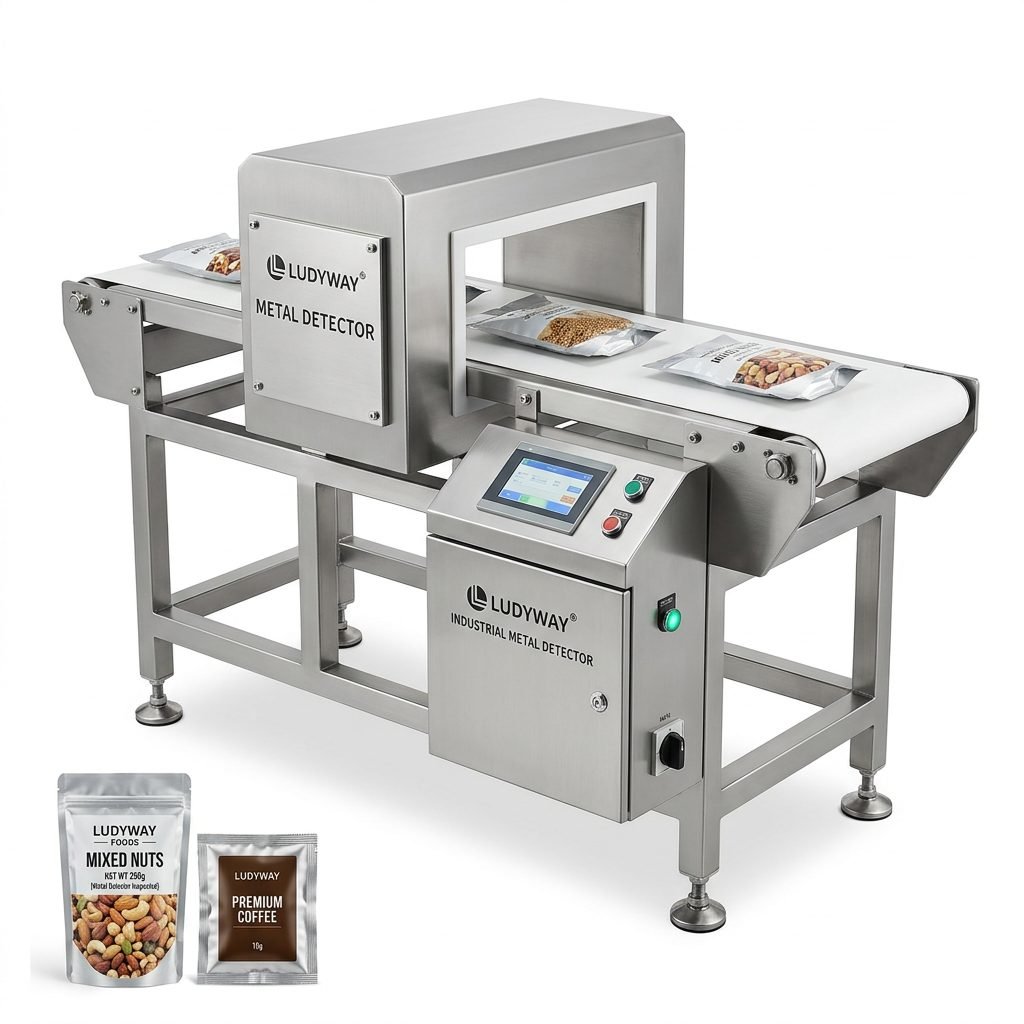
Consider whether you need a standalone machine or a full line including feeding, filling, sealing, coding, checkweighing, metal detection, cartoning, case packing, and palletizing. Full automation reduces labor dependency and creates a more stable production flow.
How to match machine type with industry needs
Food industry
Food manufacturers usually focus on hygiene, speed, seal quality, and flexible pack sizes. Powders such as coffee, milk powder, seasoning, and nutrition blends often use auger fillers. Granules such as rice, nuts, beans, and snacks commonly use multihead weighers or linear weighers.
Pharmaceutical and health supplement industry
These sectors require higher dosing precision, cleaner design, easier validation, and more stable traceability. Machines should support clean contact parts, controlled filling, accurate coding, and optional inspection systems.
Chemical industry
Chemical products may involve dust, corrosion, irregular particle size, or hazardous handling conditions. The machine should be selected with attention to sealing strength, material compatibility, dust control, and operator safety.
Cosmetic and personal care industry
For creams, lotions, gels, shampoos, and serum products, packaging quality and attractive pack finish are just as important as speed. Filling systems should handle viscosity changes and maintain clean seals without leakage.
Single machine or turnkey packaging line?
Many buyers begin with a single machine and later realize that upstream and downstream integration is what truly improves efficiency. A standalone machine may be suitable for pilot production or limited output. However, growing manufacturers often benefit more from a complete line.
| Option | Best For | Advantages |
|---|---|---|
| Standalone machine | Small runs, testing, lower budget | Lower initial cost, simpler setup |
| Integrated packaging line | Medium to large-scale production | Higher efficiency, labor savings, better line control |
| Turnkey solution | Factories seeking full automation | One-source coordination, smoother installation, scalable expansion |
Questions to ask a supplier before buying
- What products has this machine packed successfully before?
- What accuracy can be achieved with my specific sample?
- What is the actual running speed, not just the theoretical speed?
- How easy is it to change bag size or formula?
- What contact materials are used in the machine?
- What after-sales support, spare parts, and remote service are available?
- Can the machine connect with feeders, conveyors, checkweighers, and coding systems?
- Can the solution be upgraded later into a complete packaging line?
Signs that a weighing and packing machine is right for your factory
A suitable machine should not only run—it should fit your factory in practical day-to-day use.
- It handles your product consistently with minimal adjustment
- It meets current output while allowing room for expansion
- It delivers stable sealing and filling quality
- It is easy for operators to clean, maintain, and change over
- It integrates well with your upstream and downstream equipment
- It offers a reasonable balance between investment and long-term return
Common mistakes buyers should avoid
Many packaging investment problems come from incomplete planning rather than equipment failure. Avoid these common mistakes:
- Choosing based only on price
- Ignoring actual product behavior during testing
- Underestimating future production growth
- Not considering factory layout, utilities, and operator workflow
- Buying a fast machine without matching feeding or end-of-line capacity
- Overlooking maintenance access and spare parts availability
How smart features improve packaging efficiency
Modern weighing and packing machines increasingly include intelligent functions that improve consistency and reduce operator intervention.
- Servo-driven control for more precise dosing and sealing
- Touchscreen recipe storage for faster changeovers
- Automatic alarm and fault diagnostics
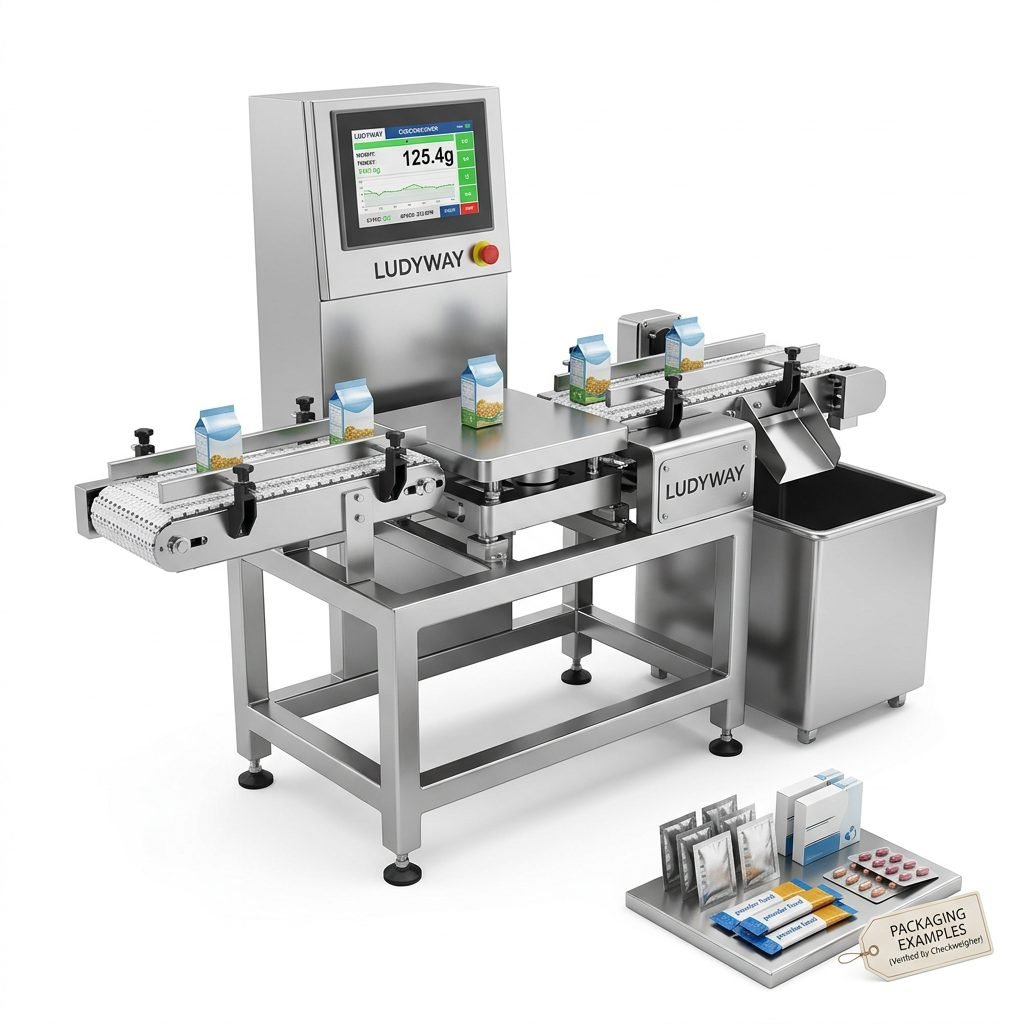
- Online checkweighing and rejection systems
- Production data monitoring for performance analysis
- Remote service support for troubleshooting and maintenance
Evaluating total cost of ownership
A lower purchase price does not always mean lower total cost. The better approach is to evaluate the total cost of ownership over several years.
Consider:
- Initial equipment investment
- Installation and commissioning cost
- Material loss caused by poor accuracy
- Labor cost per shift
- Downtime and maintenance frequency
- Energy consumption
- Spare parts and service support
- Future upgrade potential
Working with an experienced packaging machine manufacturer
When selecting equipment, supplier capability is just as important as machine specification. An experienced manufacturer can help with product testing, line planning, customization, installation guidance, and after-sales support.
For businesses looking for scalable automation, Ludyway weighing and packing machine solutions are backed by more than 30 years of manufacturing experience, a factory of over 20,000 square meters, and broad experience in food, pharmaceutical, health supplement, cosmetic, chemical, and turnkey packaging line applications.
Final selection checklist
| Checklist Item | Why It Matters |
|---|---|
| Product sample testing | Confirms real accuracy and compatibility |
| Packaging format confirmation | Ensures the correct machine structure |
| Capacity planning | Prevents bottlenecks and supports growth |
| Automation level | Improves labor efficiency and consistency |
| Cleaning and maintenance ease | Reduces downtime and operating burden |
| After-sales support | Protects long-term machine performance |
The right weighing and packing machine should deliver accurate filling, stable performance, flexible packaging capability, and long-term production value. If you evaluate your product, package, speed target, and automation goals carefully, you can choose a solution that improves both packaging efficiency and business profitability.