In the fast-paced world of food business operations, efficiency and presentation are paramount. A critical component that bridges production with the end consumer is the packaging. For businesses involved in meal prep services, ready-to-eat segments, or ingredient delivery, investing in the right meal prep packaging machine is not just an operational upgrade—it’s a strategic decision impacting shelf life, brand perception, and bottom-line profitability. This guide delves into the types, essential features, and key considerations to help you select the best equipment for your needs.
Understanding the Different Types of Meal Prep Packaging Machines
The market offers a variety of machines tailored to different packaging formats and production volumes. Choosing the correct type is the first step toward automation success.
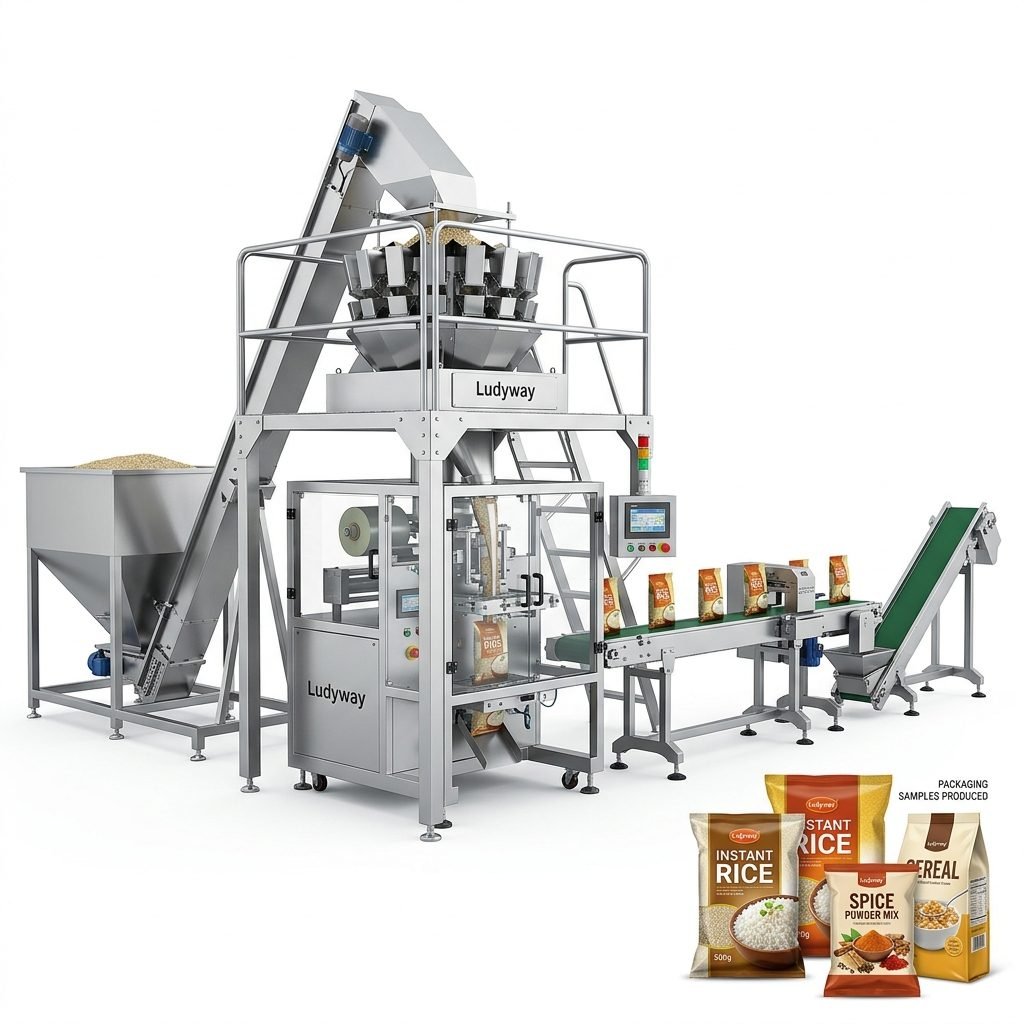
1. Vertical Form-Fill-Seal (VFFS) Machines
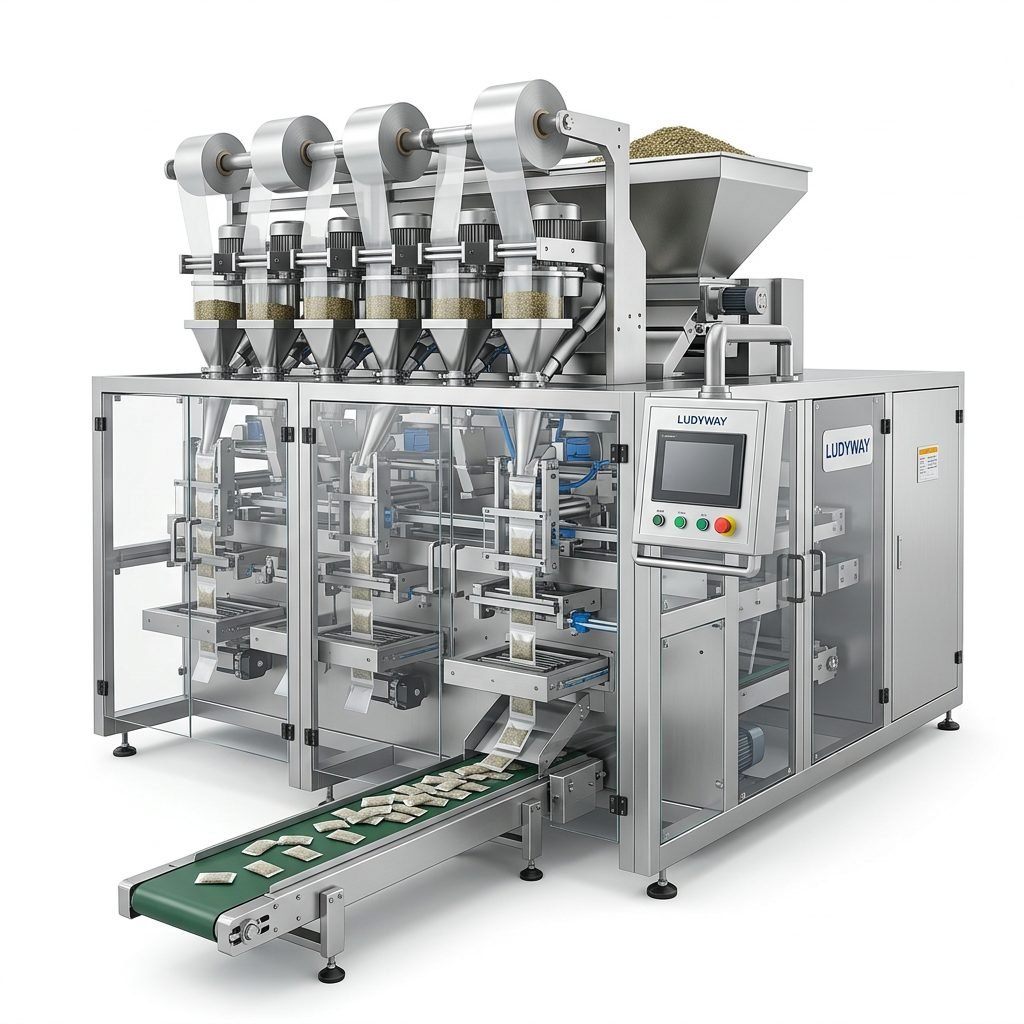
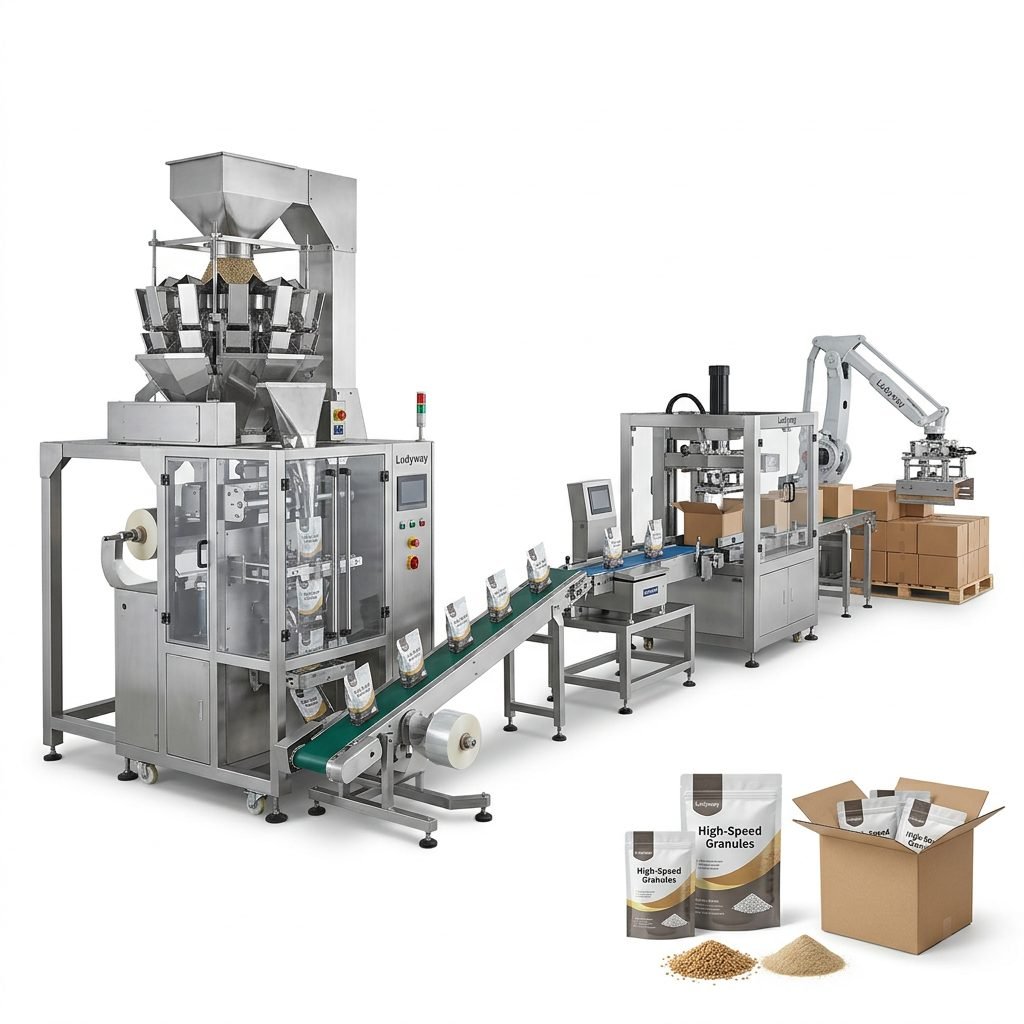
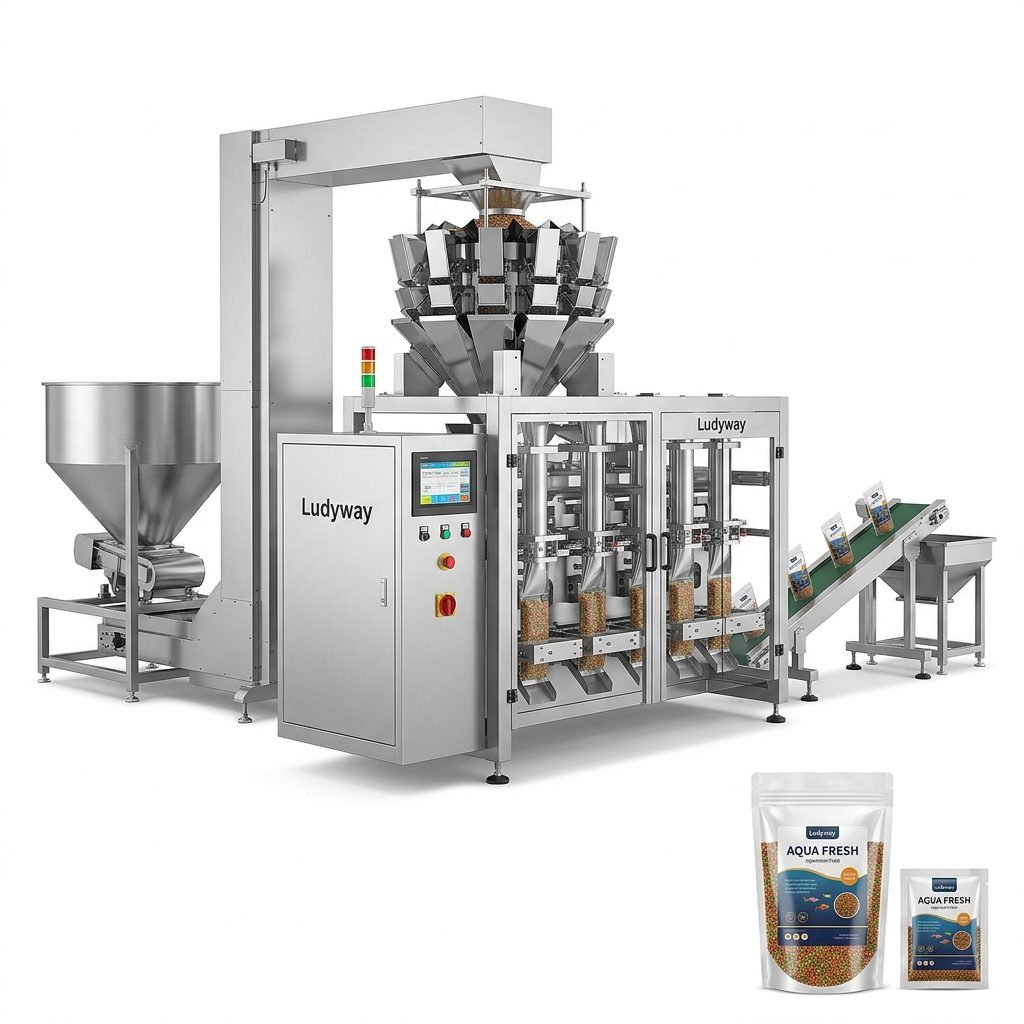
These are the workhorses of the industry for packaging dry goods, granules, and powders. A VFFS machine forms a bag from a roll of film, fills it with the product, and seals it—all in one continuous vertical process. They are ideal for packaging items like rice, quinoa, pasta, spices, or protein powders for meal kits.
✓ Key Advantage: Highly versatile and efficient for a wide range of products. Modern models offer quick changeover for different bag sizes.
2. Horizontal Form-Fill-Seal (HFFS) Machines
Perfect for more rigid or pre-formed trays, cups, and pouches. HFFS machines are commonly used for packaging wet or saucy components, salads, pre-cooked meats, or ready-to-heat meals. They typically involve placing a container on the machine, filling it, and then applying a lidding film.
✓ Key Advantage: Excellent for product presentation and integrity, especially for liquid-containing or multi-component meals.
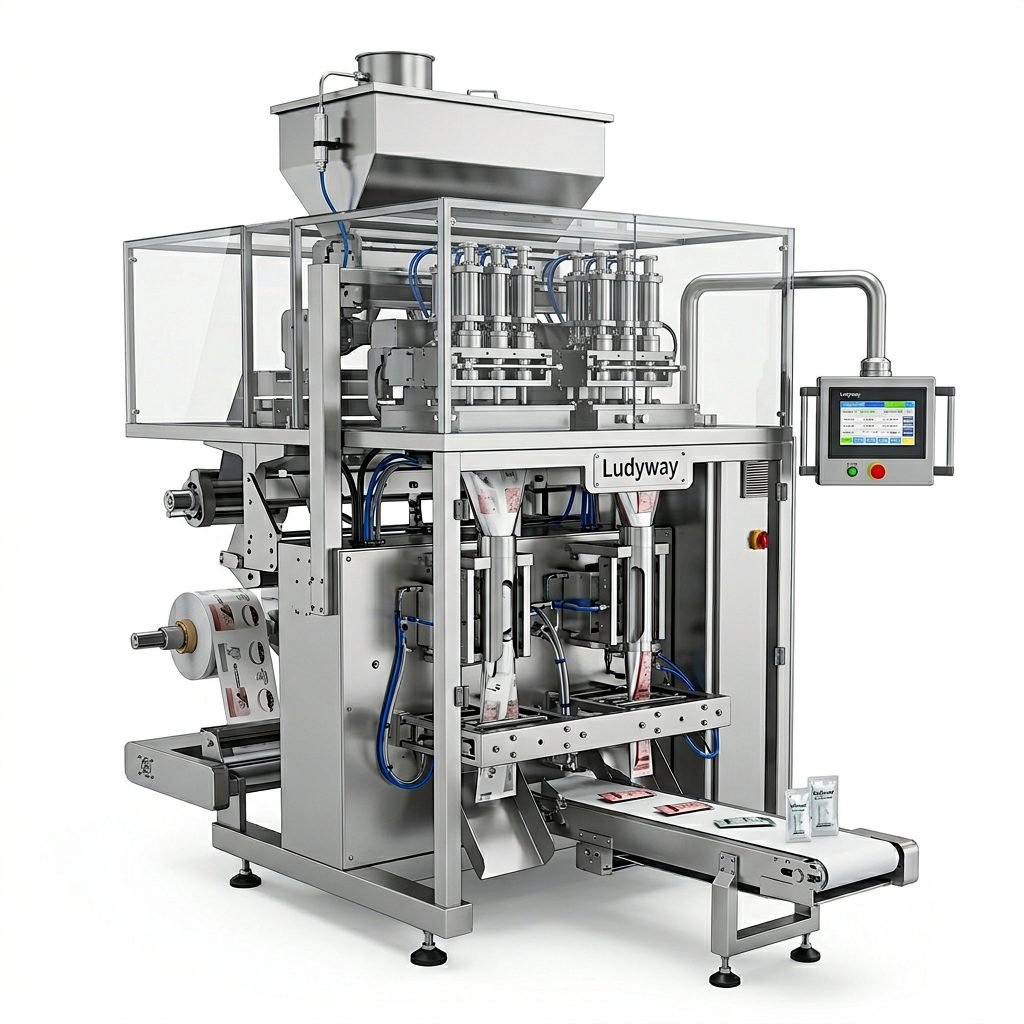
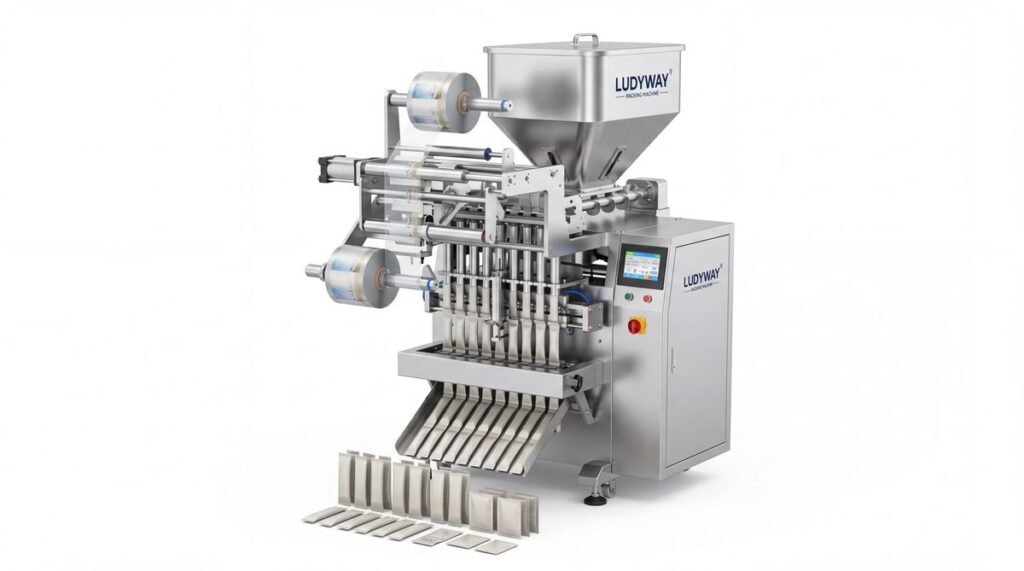
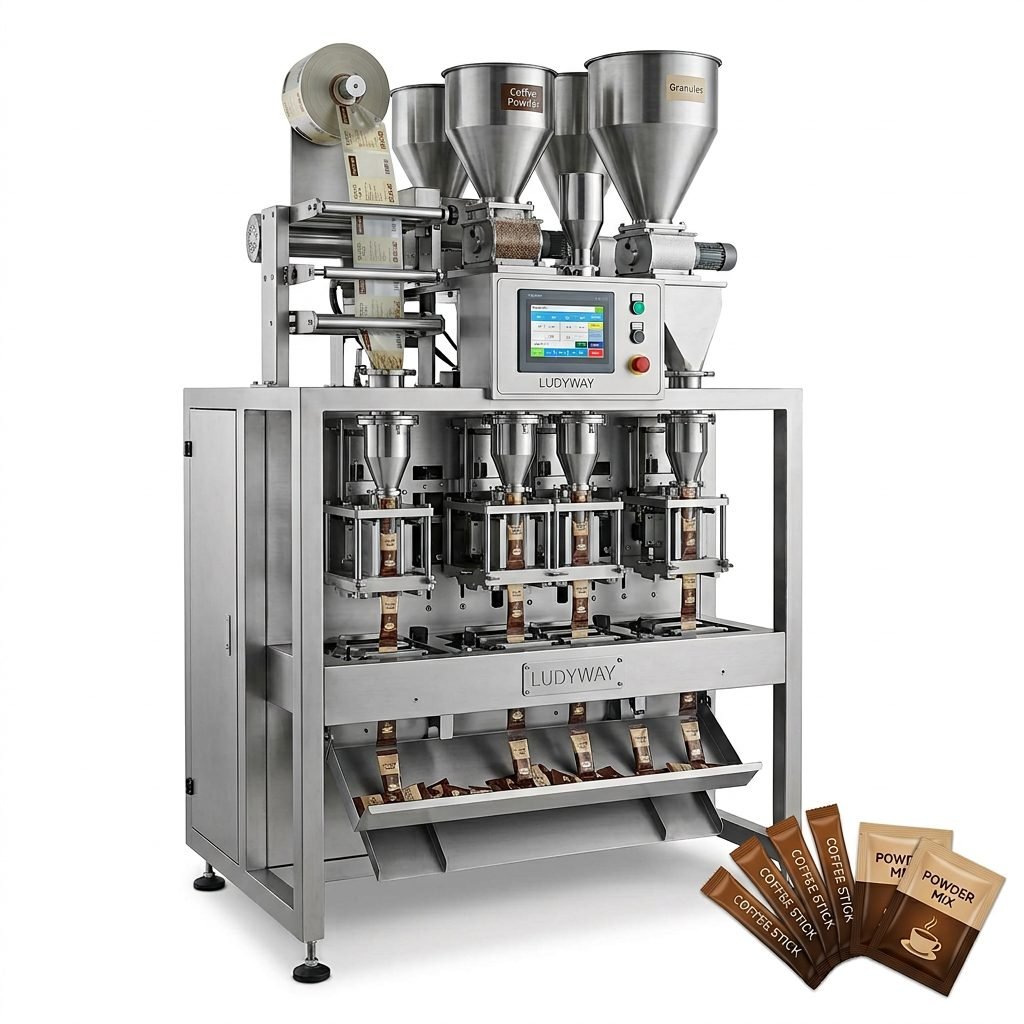
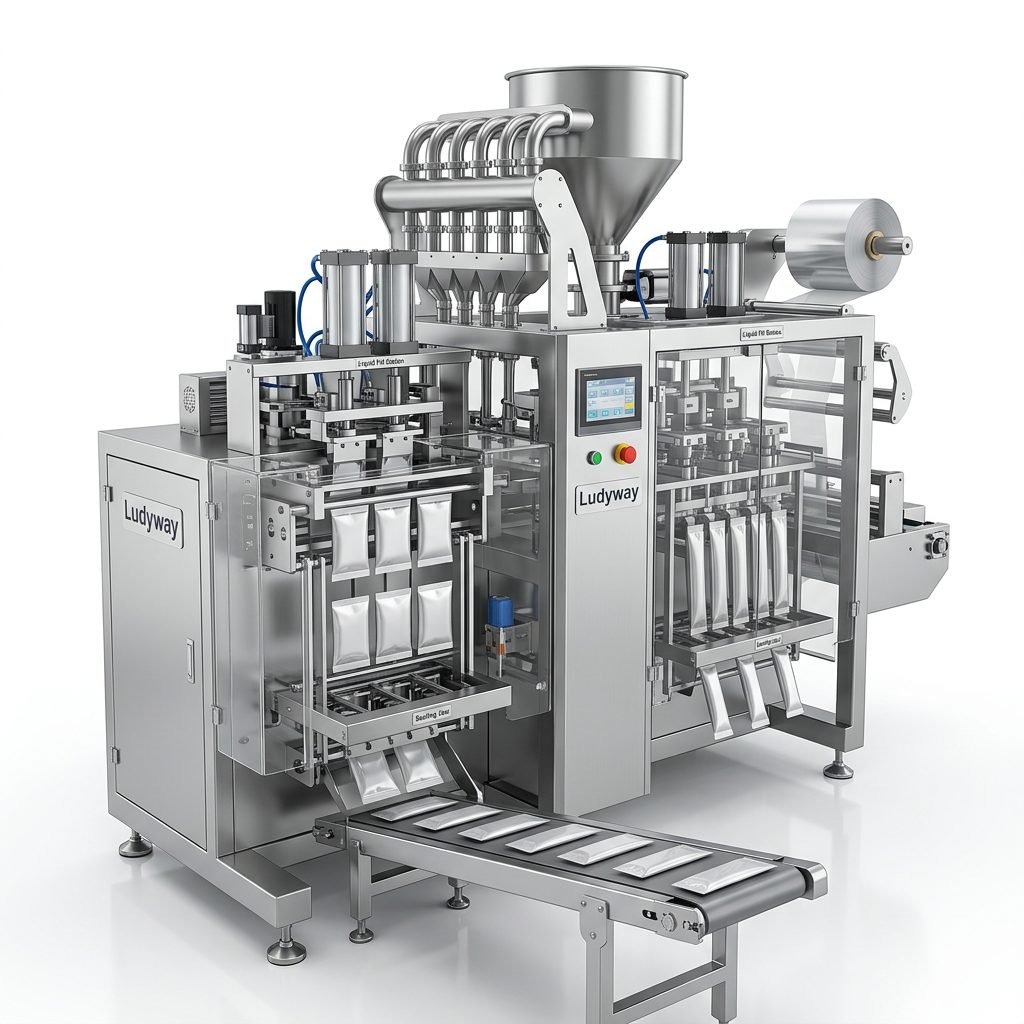
3. Stick Pack & Sachet Packaging Machines
Designed for single-serve portions of sauces, dressings, oils, drink mixes, or supplements. These machines create small, elongated pouches (stick packs) or rectangular sachets. They are crucial for businesses offering meal kits that require precise, leak-proof portions of condiments.
✓ Key Advantage: High-speed production of small, convenient portions with excellent barrier properties to preserve freshness.
4. Tray Sealing Machines
These machines are used to apply a protective film or lid over pre-filled trays, bowls, or containers. They often incorporate gas flushing (Modified Atmosphere Packaging – MAP) to significantly extend the shelf life of fresh meals by replacing the air inside the package with a gas mixture.
✓ Key Advantage: Essential for fresh, chilled meal prep, providing the longest possible shelf life and superior product visibility.
Critical Features to Look for in a Quality Machine
Beyond the basic type, several features separate adequate machines from exceptional ones that provide long-term value.
Automation and Speed
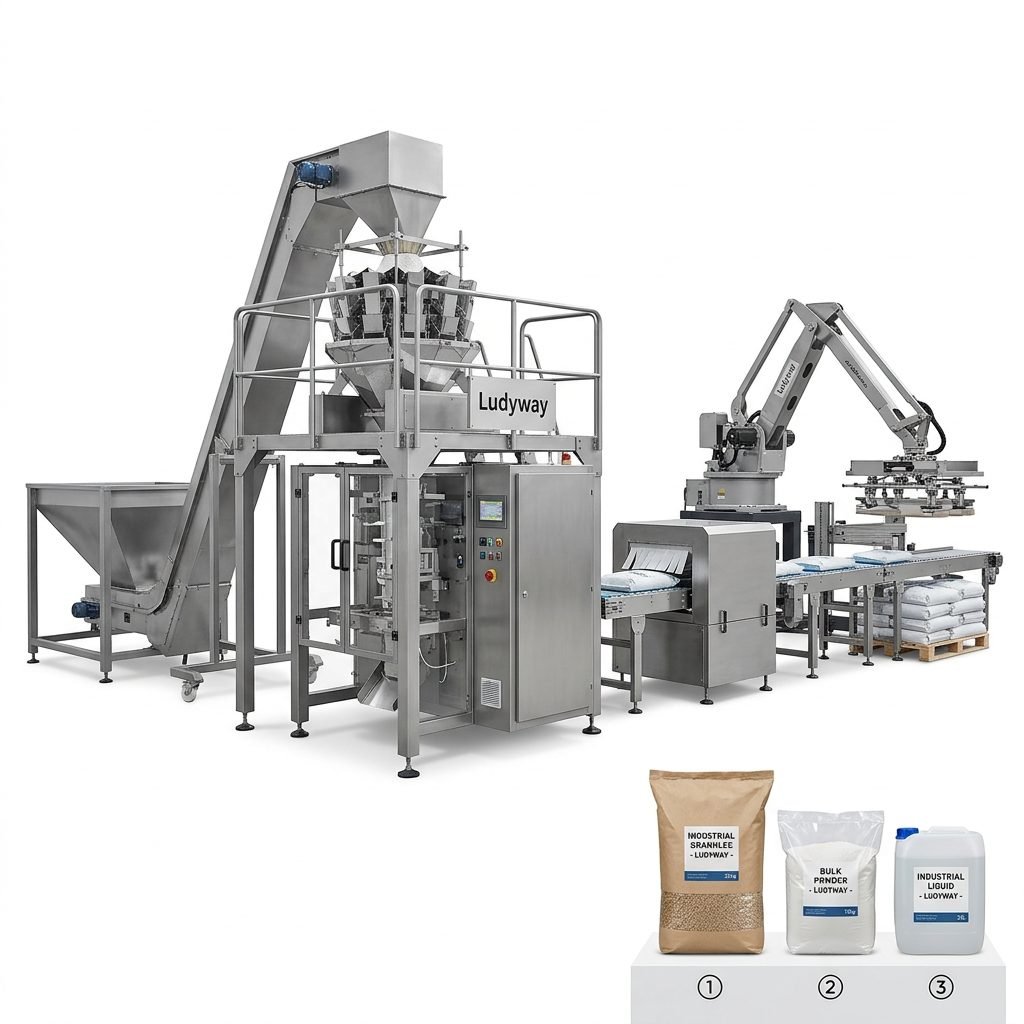
Evaluate the machine’s output in packages per minute (PPM). Fully automatic machines with integrated weighing, filling, and sealing systems maximize throughput and reduce labor costs. Consider your current and projected future demand.
Versatility and Changeover
Can the machine handle multiple package sizes and materials with minimal downtime for changeover? Look for features like digital size adjustment and tool-less change parts. This flexibility is vital for businesses with a diverse product lineup or those planning to expand.
Hygienic Design and Construction
Food safety is non-negotiable. Machines should be constructed with food-grade stainless steel on contact surfaces, feature easy-clean designs with minimal crevices, and comply with relevant food safety standards (like FDA, CE for specific regions).
Precision and Consistency
Accurate filling is crucial for cost control and customer satisfaction. Look for machines with high-precision servo motors for filling and advanced weighing systems. Consistent seal integrity is also paramount to prevent leaks and spoilage.
User-Friendly Controls
A modern, intuitive Human-Machine Interface (HMI) or touchscreen PLC allows for easy operation, recipe storage, and monitoring of production data. This reduces training time and operator error.
Your Step-by-Step Buying Guide
Selecting the right machine requires a structured approach. Follow these steps to make an informed investment.
Step 1: Analyze Your Product and Process
Define exactly what you are packaging: its physical state (solid, liquid, powder), its sensitivity (to oxygen, moisture), and its required shelf life. Map out your current and desired production volume.
Step 2: Determine Your Budget and ROI
Consider the total cost of ownership, not just the purchase price. Factor in maintenance, potential downtime, energy consumption, and required labor. Calculate the potential return on investment through increased output, reduced waste, and lower labor costs.
Step 3: Research and Shortlist Suppliers
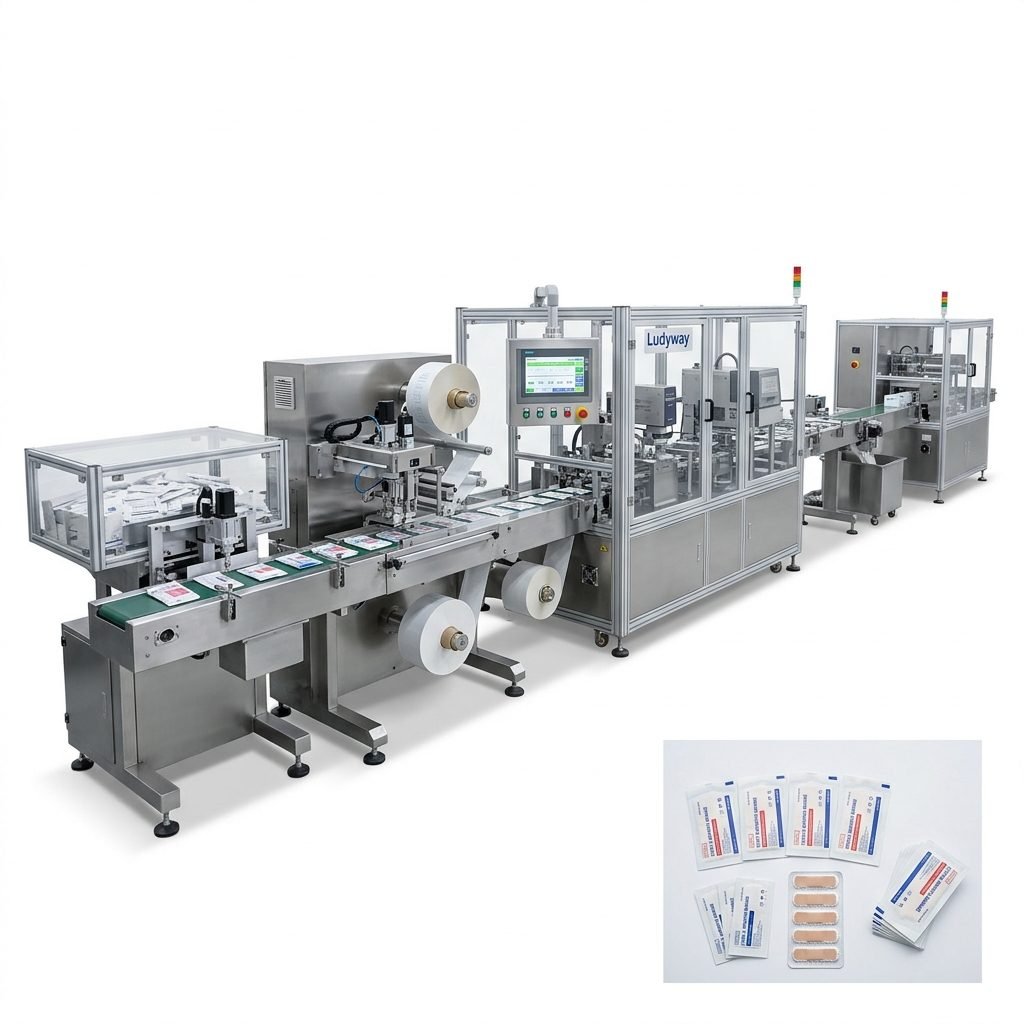
Look for established manufacturers with a proven track record in the food industry. For instance, Ludyway Machinery, with over a decade of specialization in food and pharmaceutical packaging, offers a range of intelligent solutions from stick pack to complete sachet packaging systems. Evaluate their industry experience, client portfolio, and service support network.
Step 4: Request Demos and Samples
Never buy blind. Arrange for a live demonstration using a sample of your actual product. This tests the machine’s capability with your specific materials and reveals the quality of the final package. Pay attention to seal strength, accuracy, and ease of operation.
Step 5: Evaluate After-Sales Support
The relationship with your supplier begins after installation. Ensure they offer comprehensive training, readily available spare parts, and responsive technical support. A supplier’s commitment to long-term cooperation and innovation is a strong indicator of reliable partnership.
Why Partnering with an Expert Manufacturer Matters
Choosing a machine from a specialized manufacturer brings significant advantages. A company like Ludyway, which focuses on turnkey solutions for the food sector, brings deep application knowledge. They can advise on the optimal packaging material for your product, help integrate the machine into your production line, and provide customization to meet unique requirements. This expertise, born from years of solving real-world packaging challenges, ensures your investment is future-proof and aligned with industry best practices.
Conclusion
Investing in the best meal prep packaging machine is a strategic move that enhances efficiency, ensures product quality, and strengthens your brand. By carefully considering the machine type against your product needs, prioritizing critical features like hygiene and precision, and following a diligent buying process with a reputable supplier, you can secure a solution that drives growth and customer satisfaction for years to come.
Frequently Asked Questions (FAQs)
What is the typical lead time for a meal prep packaging machine?
Lead times vary based on machine complexity and customization. For standard models from stock, it could be 4-8 weeks. For fully customized or high-speed turnkey lines, planning for 12-20 weeks is common. Always confirm timelines with your supplier during the quoting process.
Can one machine handle both dry spices and liquid sauces?
Generally, no. Machines are typically optimized for specific product types (dry, liquid, viscous). While some versatile VFFS machines can handle certain powders and granules, packaging liquids requires different filling systems and often different film materials to prevent leaks. It’s usually more effective to have dedicated machines for vastly different product categories.
How important is Modified Atmosphere Packaging (MAP) for meal prep?
For fresh, chilled meals (like salads, cooked meats, prepared entrees), MAP is extremely important. By replacing oxygen with gases like nitrogen and carbon dioxide, MAP can extend shelf life from a few days to several weeks, reducing food waste and expanding your distribution radius.
What kind of maintenance do these machines require?
Regular maintenance is crucial. Daily cleaning, lubrication of moving parts as per the manual, and inspection of seals and cutting blades are standard. Expect periodic professional servicing for more complex components. A good supplier will provide a detailed maintenance schedule and training.
Are there machines suitable for small-batch or startup food businesses?
Yes. Many manufacturers offer semi-automatic or tabletop models that are more affordable and perfect for lower-volume production, recipe testing, or small-batch artisanal businesses. These allow for automation without the large capital investment of a full high-speed line.