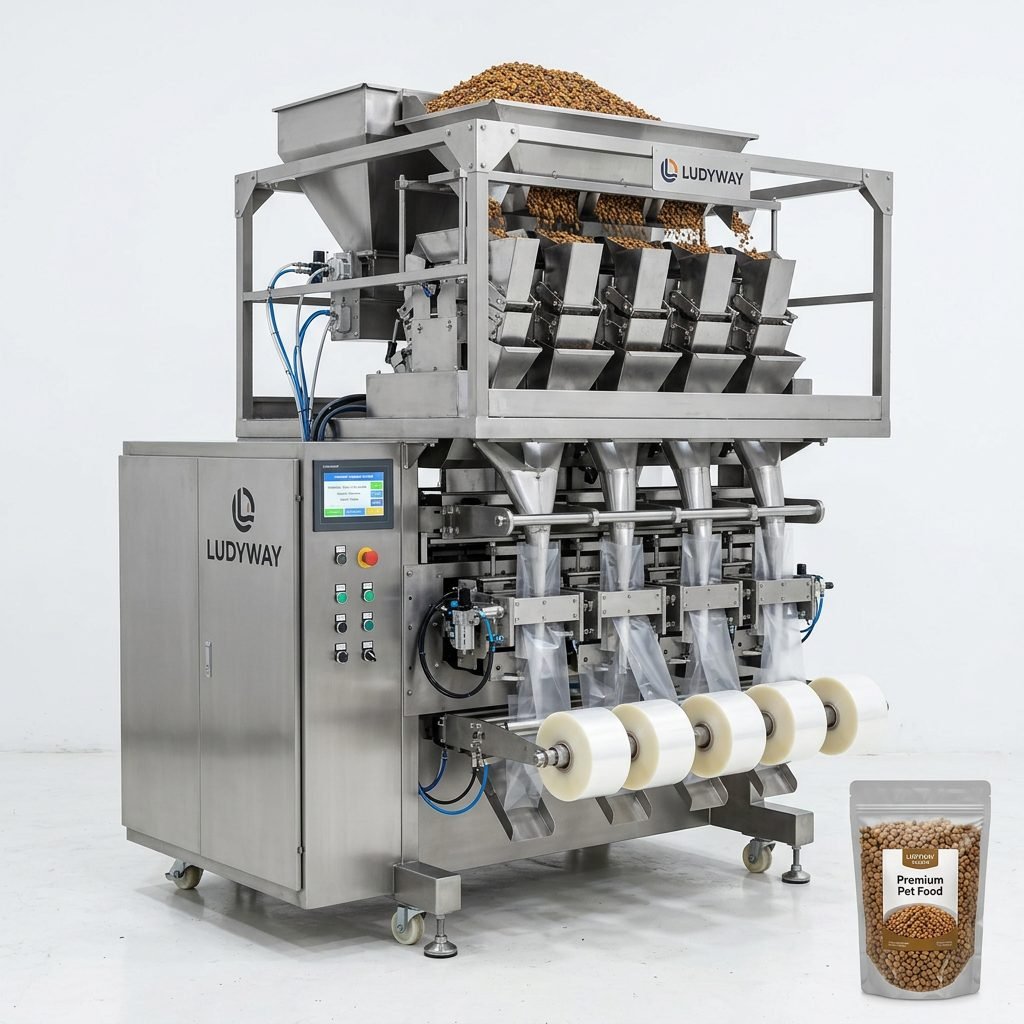
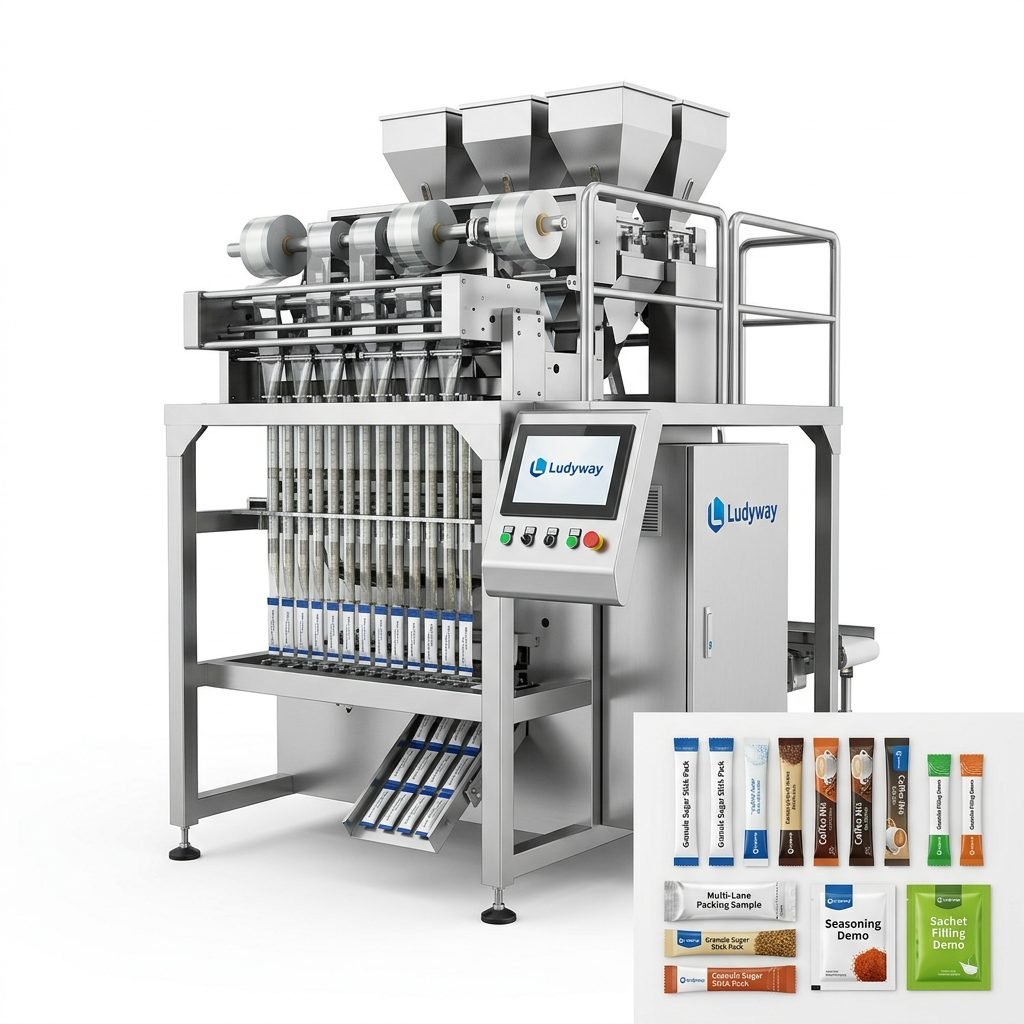
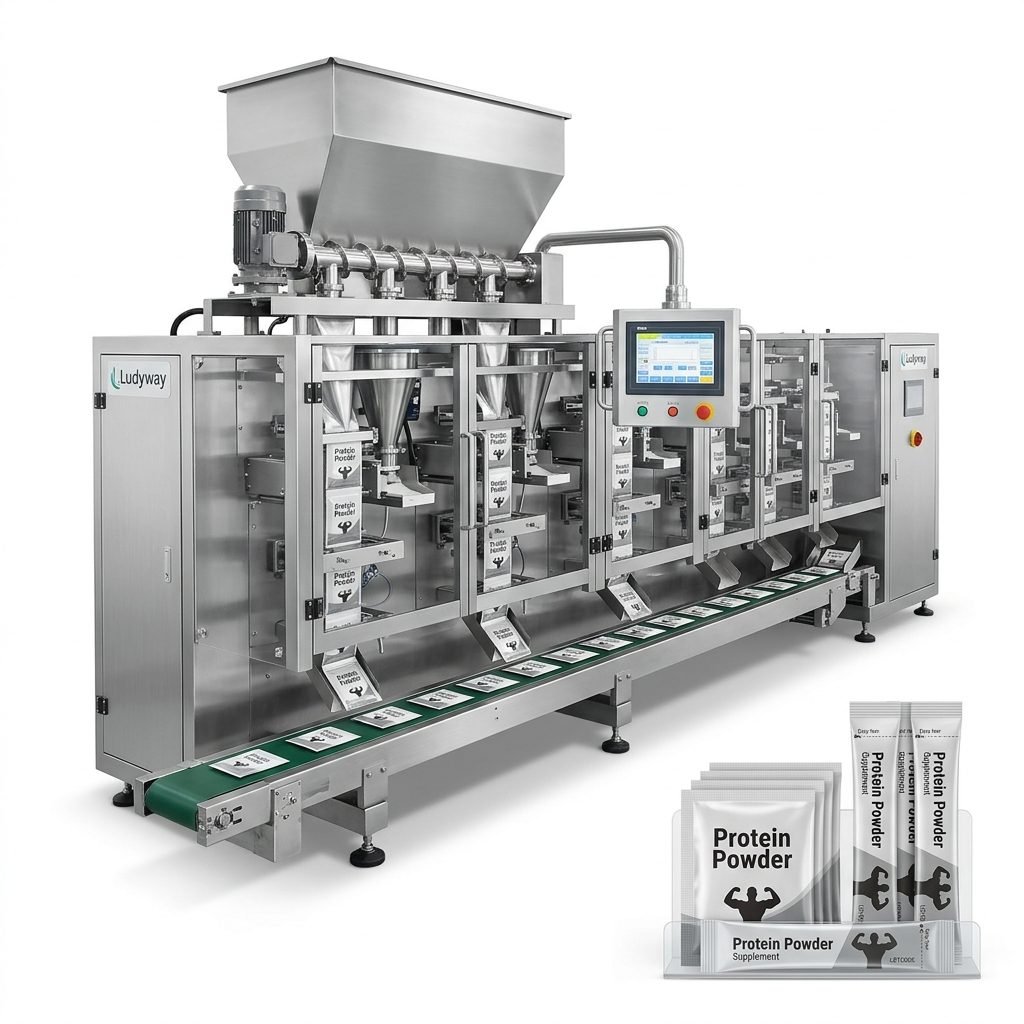
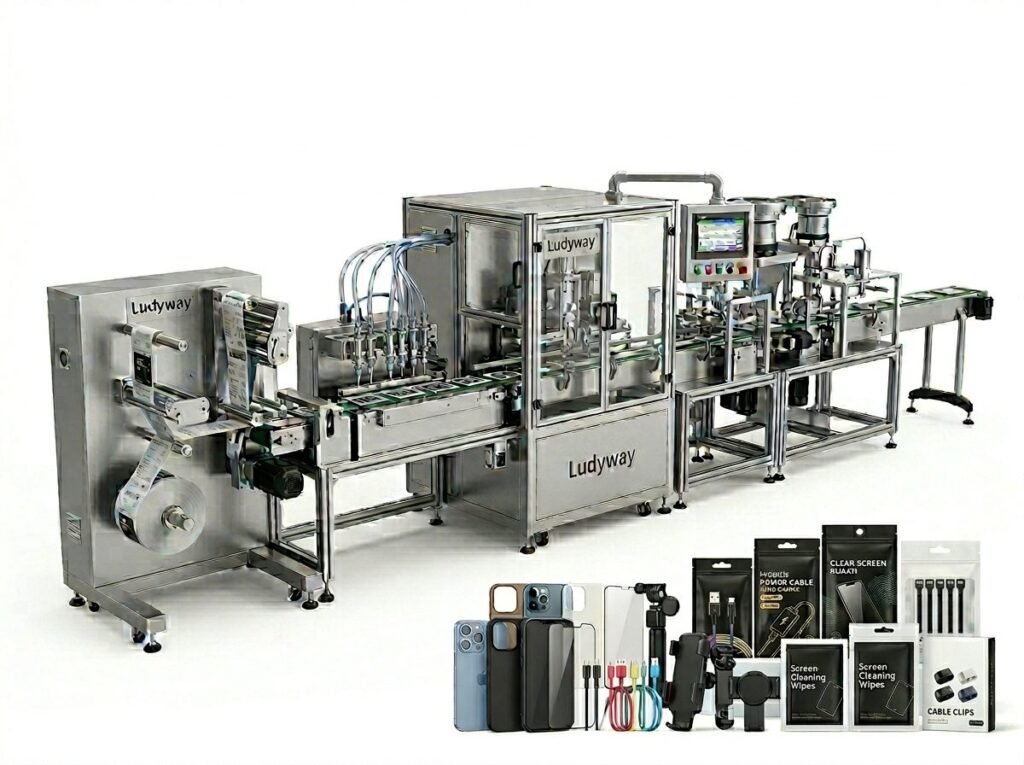
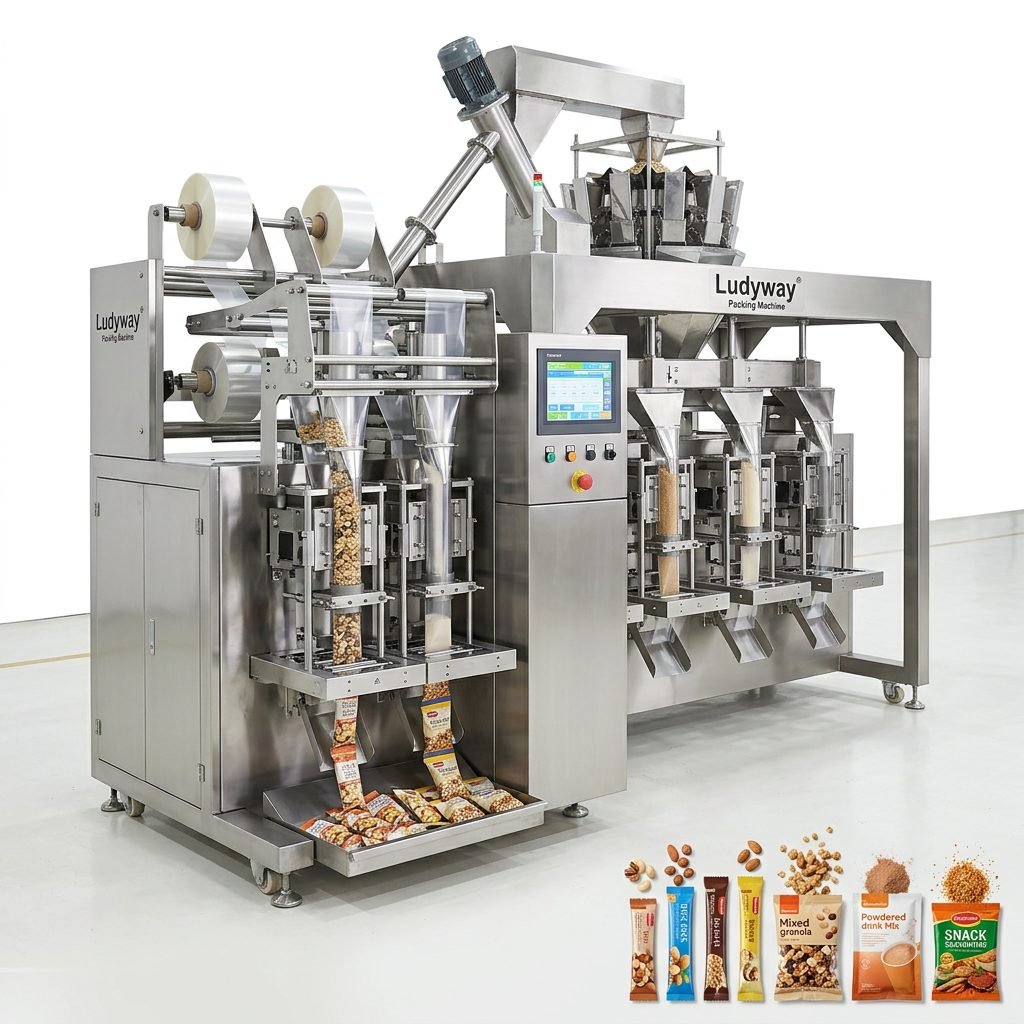
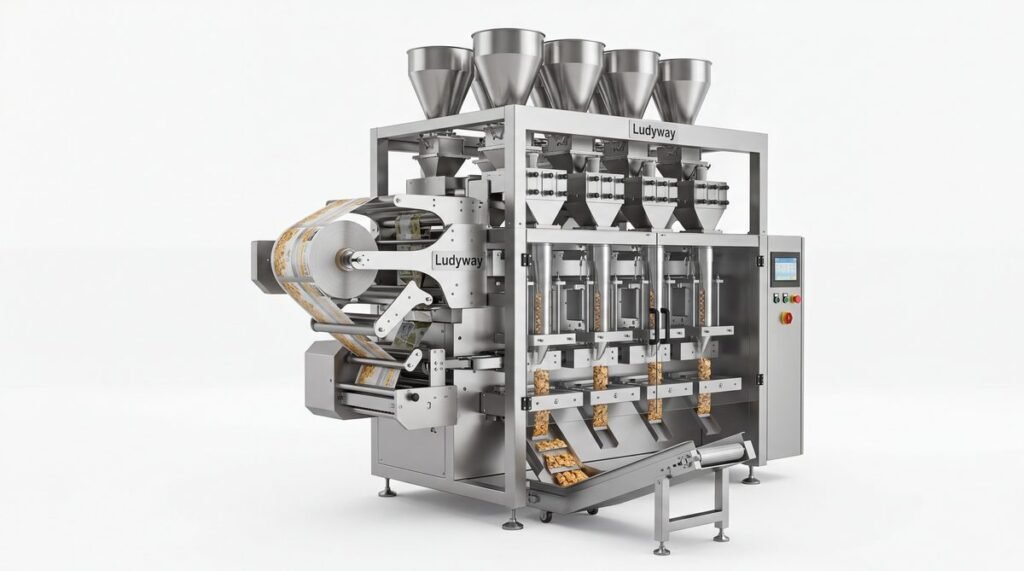
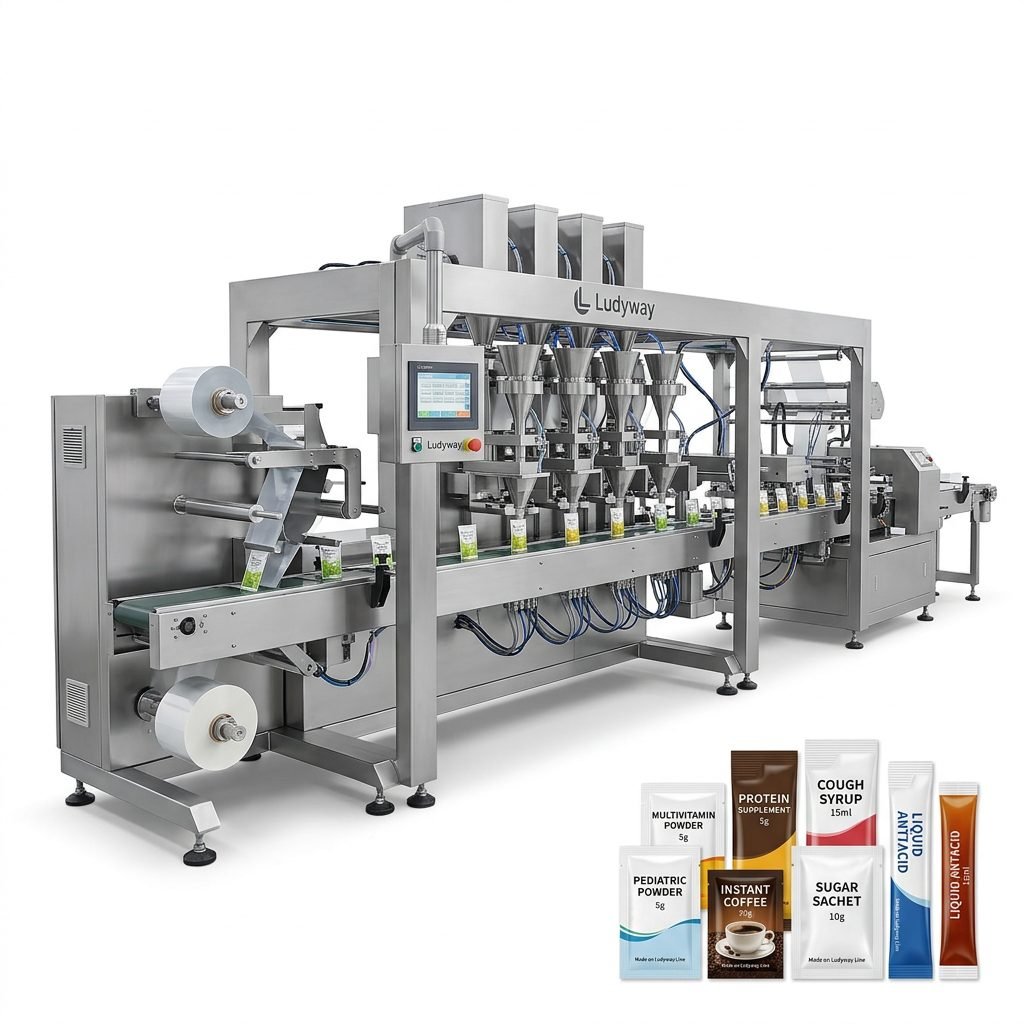
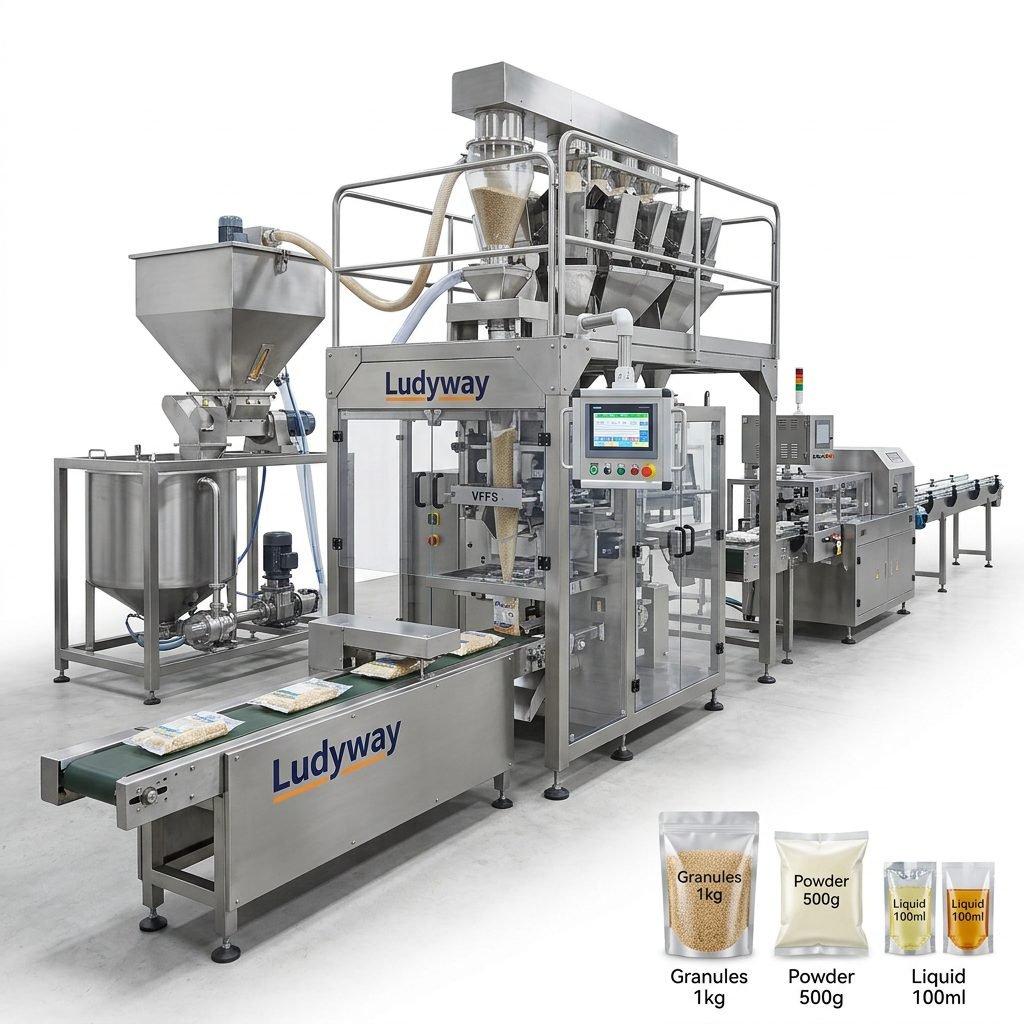
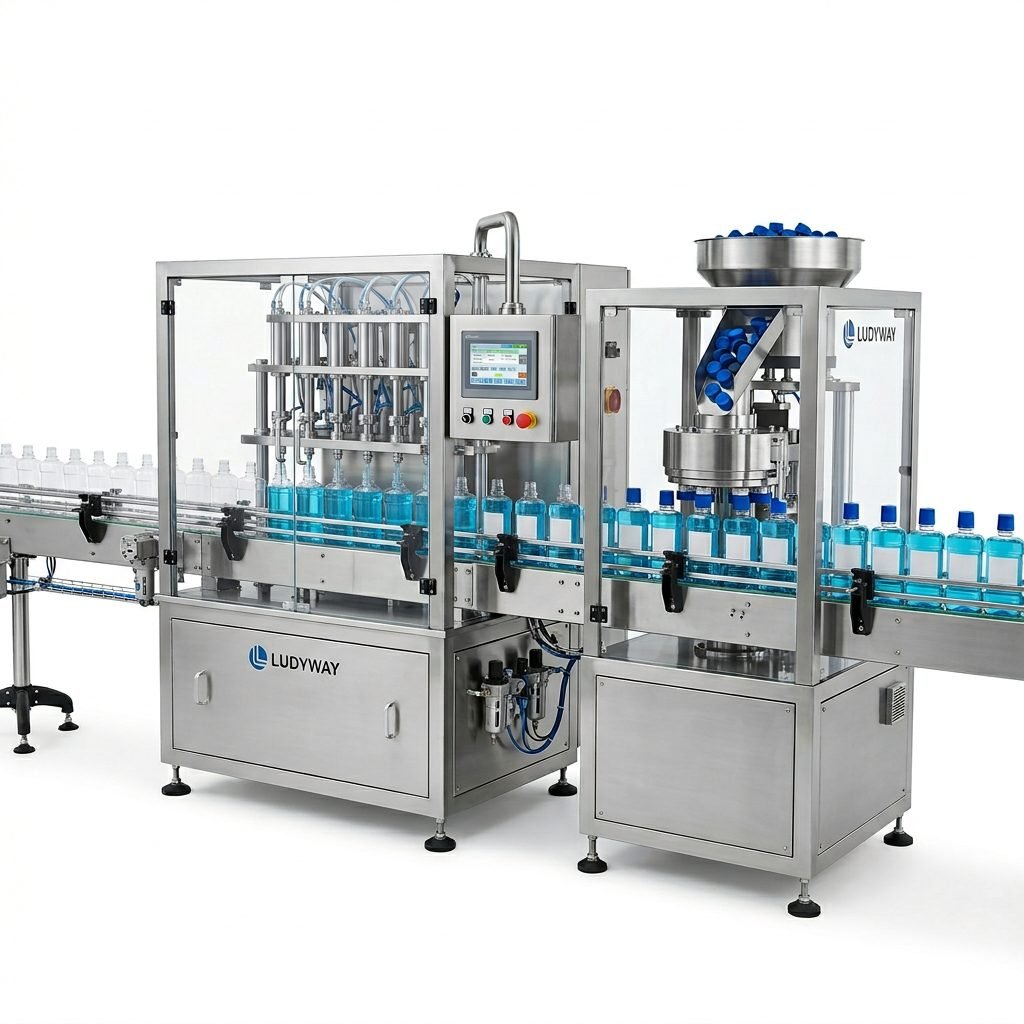
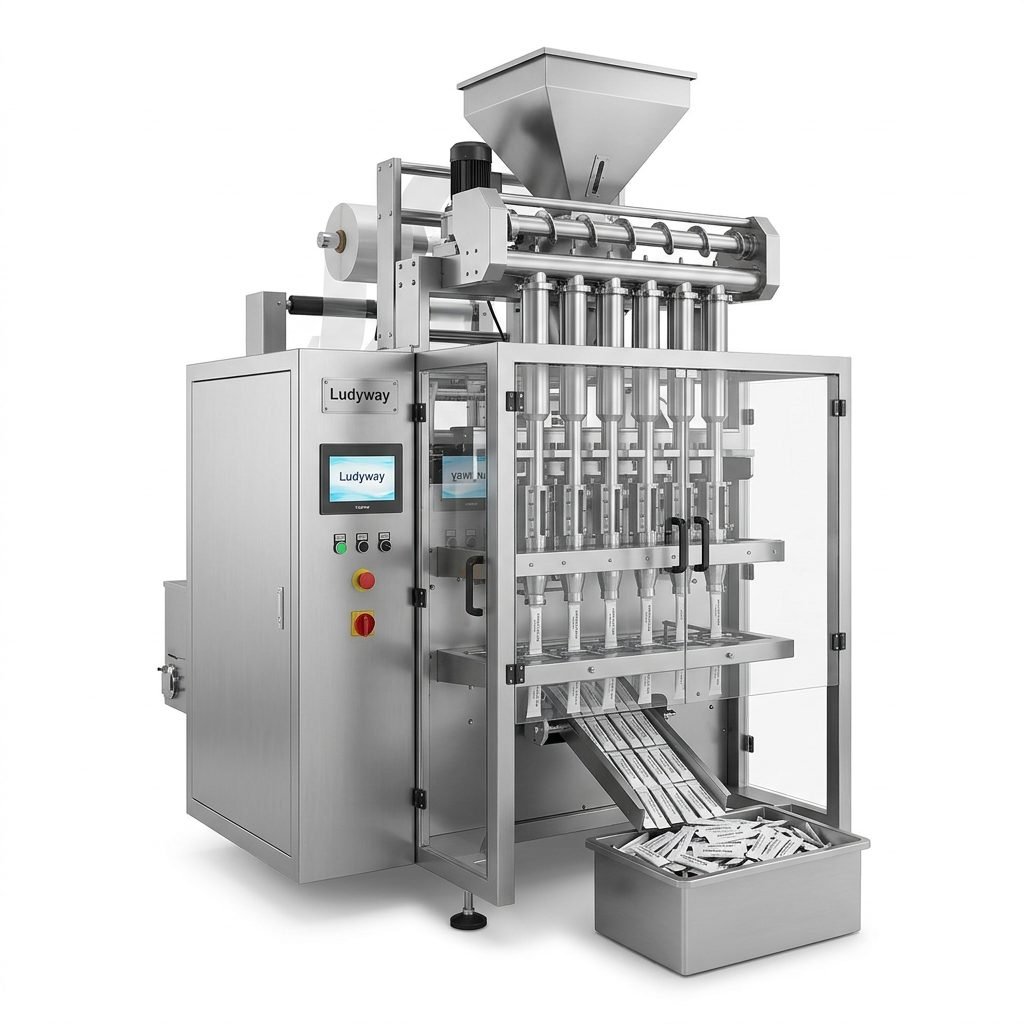
Setting up a chub packaging machine production line in Europe requires careful planning, strict adherence to regional regulations, and the right equipment configuration. Whether you are packaging food products, pharmaceuticals, or industrial goods, a well-designed chub packaging line can significantly improve efficiency, reduce waste, and ensure product consistency. This guide covers the essential steps to successfully establish your chub packaging operation in the European market.
1. Understanding European Regulatory Requirements
Before installing any packaging machinery in Europe, you must ensure full compliance with EU directives and standards. The CE marking is mandatory for most packaging equipment sold or operated within the European Economic Area. Key regulations include:
- Machinery Directive 2006/42/EC – covers safety requirements for packaging machines.
- EU Packaging and Packaging Waste Regulation – focuses on sustainability and recyclability.
- Food Contact Materials Regulation (EC) 1935/2004 – applies if your chub packs contain food products.
- ATEX Directives – required if your production environment involves potentially explosive atmospheres.
Working with an experienced packaging machine manufacturer familiar with European certification processes can streamline compliance and avoid costly delays.
2. Selecting the Right Chub Packaging Equipment
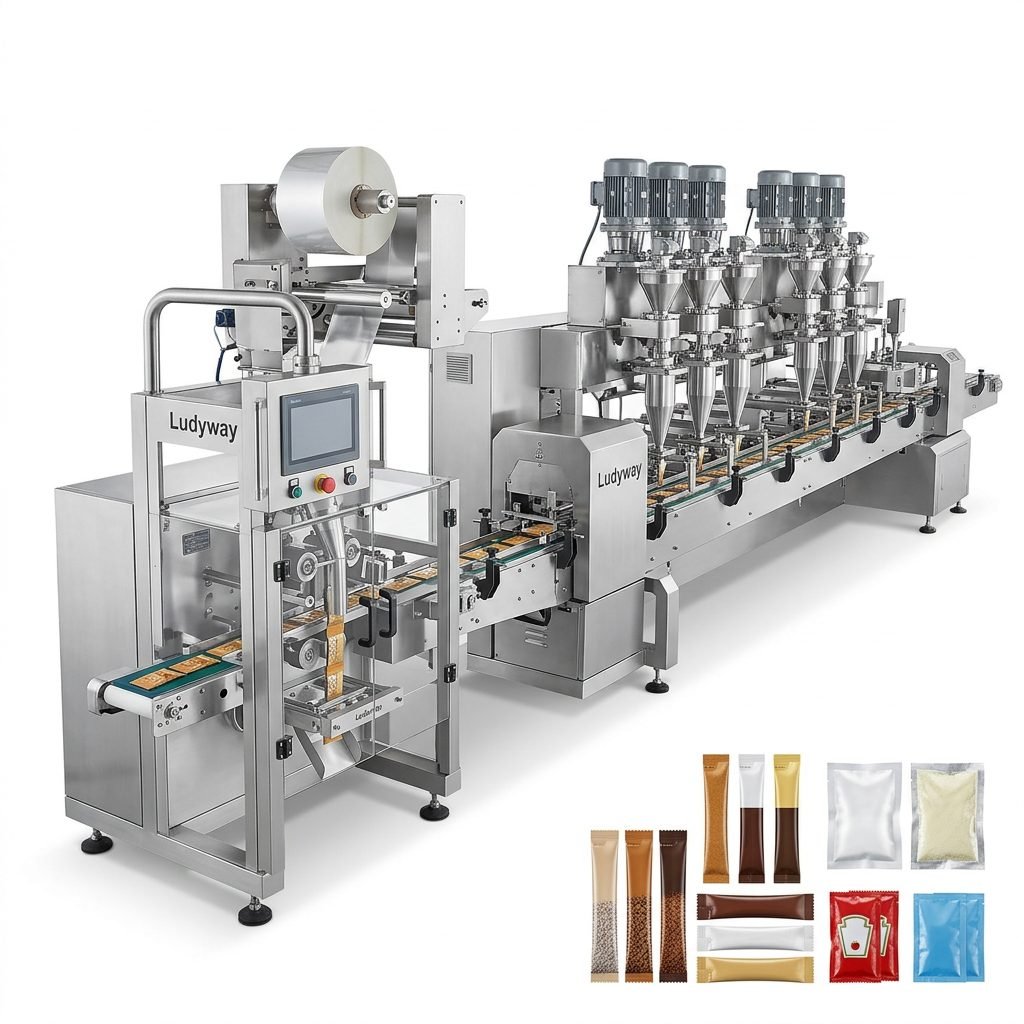
Choosing the correct chub packaging machine depends on your product characteristics and production goals. Consider these factors:
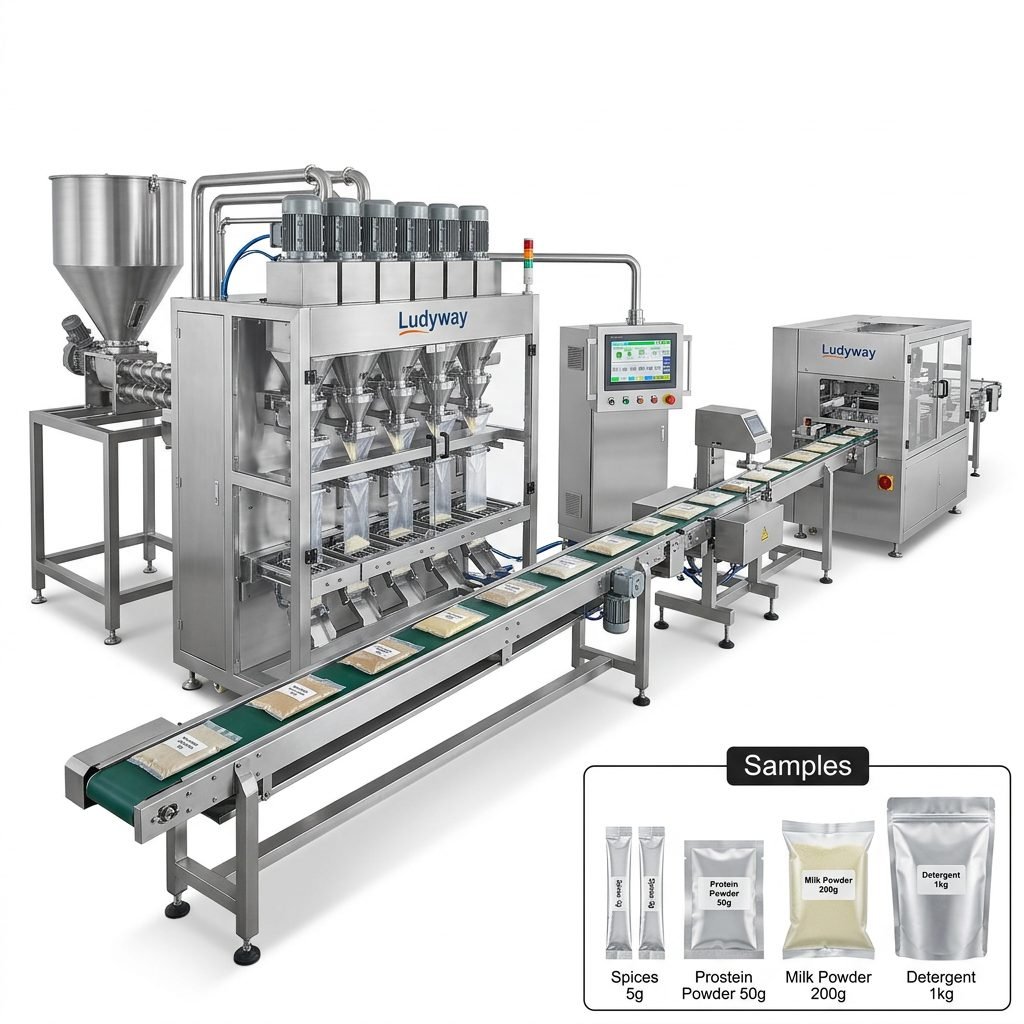
- Product Type: Granules, powders, liquids, pastes, or viscous products each require specific filling systems.
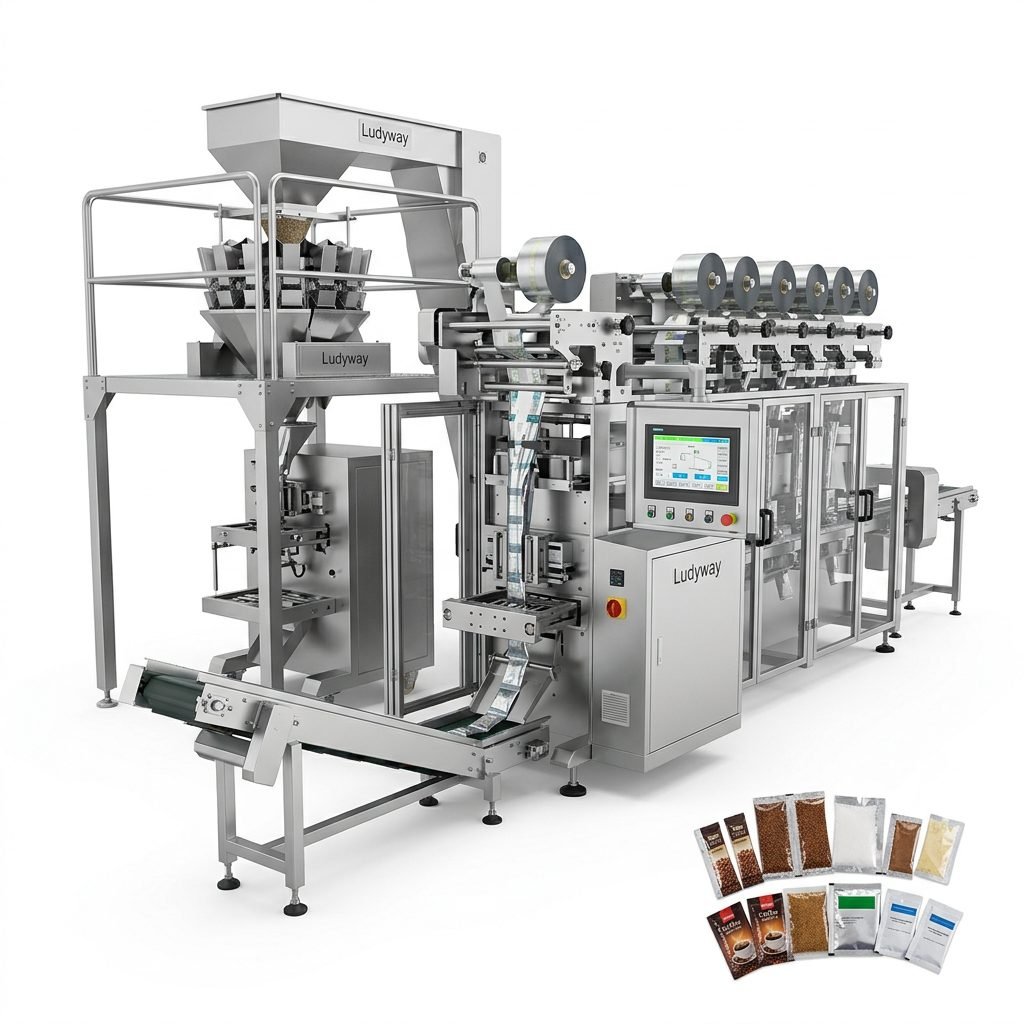
- Production Speed: High-speed multi-lane machines can achieve outputs exceeding 600 packs per minute for stick and sachet formats.
- Packaging Format: Chub packs, stick packs, sachets, or pouches in various sizes and materials.
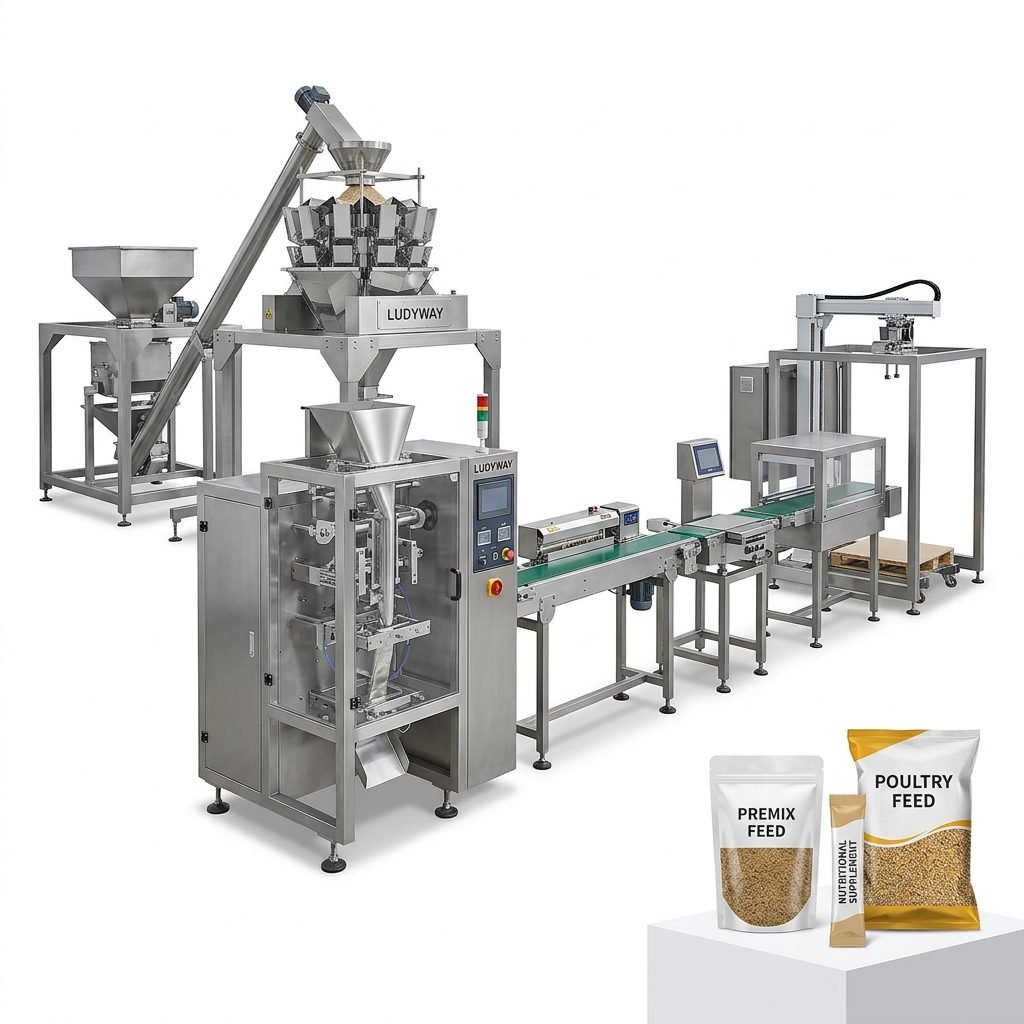
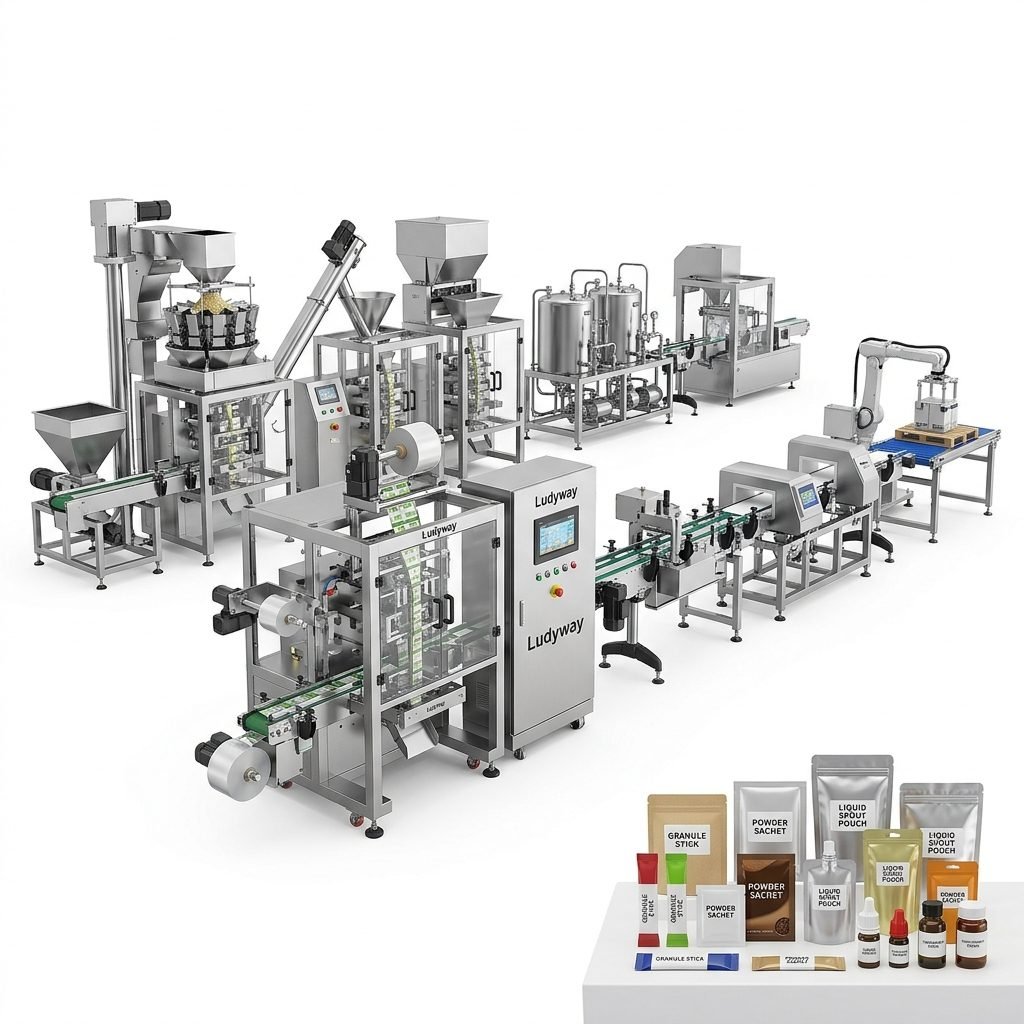
- Automation Level: From semi-automatic to fully integrated turnkey lines with automatic feeding, filling, sealing, coding, and cartoning.
Modern multi-lane chub packaging systems offer advanced features such as servo-driven controls, precise temperature regulation, and quick-change tooling for format flexibility.
Key Equipment Components
| Component | Function |
|---|---|
| Multi-head Weigher | Accurate dosing for granules and powders |
| Vertical Form Fill Seal Unit | Film unwinding, forming, filling, and sealing |
| Liquid Filling Nozzles | Precision volumetric or piston filling for liquids |
| Checkweigher | In-line weight verification and rejection |
| Cartoning Machine | Automated packaging into cartons for distribution |
3. Facility and Layout Planning
Proper facility preparation is crucial for a successful chub packaging line installation. European manufacturing facilities must meet specific requirements:
- Floor Space: Allocate sufficient area for the main machine, auxiliary equipment, material handling, and operator workstations. A typical multi-lane chub packaging line may require 80-150 square meters.
- Utilities: Ensure stable electrical supply (typically 380V/50Hz three-phase), compressed air (6-8 bar), and appropriate ventilation systems.
- Environmental Controls: Temperature and humidity control are essential for product quality and packaging material performance, especially for hygroscopic powders.
- Cleanroom Considerations: Food and pharmaceutical applications may require ISO Class 7 or 8 cleanroom environments.
Workflow Optimization
Design your production layout to follow a logical, linear flow from raw material intake to finished product storage. This minimizes cross-contamination risks and improves operational efficiency. Include designated areas for:
- Raw material receiving and storage
- Production and packaging zone
- Quality control laboratory
- Finished goods warehouse
- Maintenance and spare parts storage

4. Installation and Commissioning Process
A structured installation and commissioning approach is essential for minimizing downtime and ensuring optimal performance. The process typically involves:
- Pre-installation Preparation: Verify utility connections, foundation requirements, and safety protocols.
- Mechanical Assembly: Position and assemble the chub packaging machine and all auxiliary equipment.
- Electrical Integration: Connect power supplies, control systems, and communication networks.
- Dry Testing: Run the machine without product to verify mechanical functions, timing, and safety features.
- Wet Testing: Conduct production trials with actual products and packaging materials.
- Performance Qualification: Validate speed, accuracy, and quality parameters against agreed specifications.
Experienced technicians should supervise the entire process, typically requiring 1-2 weeks for a complete multi-lane chub packaging line.
5. Training and Workforce Development
Investing in comprehensive operator and maintenance training ensures long-term productivity and reduces equipment downtime. Training programs should cover:
- Machine operation and control panel navigation
- Product changeover procedures and format adjustments
- Daily cleaning and sanitation protocols
- Preventive maintenance schedules and common troubleshooting
- Safety procedures and emergency stop protocols
Leading manufacturers often provide on-site training during installation, along with detailed documentation, video tutorials, and remote support capabilities.
6. Maintenance and After-Sales Support
Reliable after-sales support is critical for maintaining continuous production in European facilities. When selecting a chub packaging machine supplier, evaluate their service capabilities:
| Support Feature | Importance |
|---|---|
| Local Service Engineers | Quick response times for on-site repairs |
| Remote Diagnostics | Real-time troubleshooting via internet connection |
| Spare Parts Availability | European warehouse stock for critical components |
| Preventive Maintenance Contracts | Scheduled inspections to prevent breakdowns |
| Software Updates | Continuous improvement of machine performance |
7. Cost Considerations and ROI Analysis
Setting up a chub packaging machine production line in Europe involves various cost factors beyond the initial equipment purchase. Understanding the total cost of ownership helps in making informed investment decisions:
- Equipment Cost: Multi-lane chub packaging machines typically range from €80,000 to €500,000 depending on configuration and automation level.
- Installation and Commissioning: Approximately 10-15% of equipment cost.
- Packaging Materials: Ongoing costs for laminated films, which vary based on barrier properties and print requirements.
- Labor Costs: Reduced with higher automation levels – a fully automated line may require only 1-2 operators per shift.
- Maintenance Budget: Annual allocation of 3-5% of equipment value for spare parts and service.
A well-configured chub packaging line typically achieves ROI within 18-36 months through improved productivity, reduced material waste, and lower labor requirements.
8. Partnering with the Right Manufacturer
Choosing a reliable packaging machine manufacturer is the most important decision in your project. Look for a partner with proven experience in the European market, comprehensive certification support, and a strong track record of successful installations.
Ludyway is one of the largest packaging machine manufacturers in China, specializing in advanced packaging equipment and turnkey production solutions for the food, pharmaceutical, and health industries. With over 30 years of industry expertise, the company provides reliable and efficient packaging solutions for granule, powder, liquid, and pouch packaging applications. Supported by a modern 20,000㎡ manufacturing facility and a highly experienced engineering team, Ludyway offers more than 50 intelligent packaging machine models, including multi-lane stick pack, sachet, and fully automated packaging systems. Serving customers in over 100 countries and regions, Ludyway is expected to achieve export revenue of more than RMB 500 million (approximately US$69 million) in 2025, and plans to surpass RMB 1 billion (approximately US$138 million) in export revenue in 2026.
9. Future-Proofing Your Production Line
As the European packaging industry evolves toward Industry 4.0 and sustainable practices, your chub packaging line should be adaptable to future requirements:
- Smart Factory Integration: IoT connectivity, real-time production monitoring, and predictive maintenance capabilities.
- Sustainable Packaging: Compatibility with recyclable mono-materials, bio-based films, and reduced material thickness.
- Serialization and Traceability: Compliance with EU Falsified Medicines Directive and track-and-trace requirements.
- Energy Efficiency: Servo-driven systems with regenerative braking and optimized heating zones to reduce power consumption.
10. Common Challenges and Solutions
Setting up a chub packaging line in Europe comes with unique challenges. Being prepared for these helps ensure a smooth implementation:
| Challenge | Solution |
|---|---|
| CE Certification Delays | Work with manufacturers who provide complete technical documentation and Notified Body support |
| Multi-language Requirements | Ensure HMI interfaces and documentation are available in local languages |
| Utility Compatibility | Specify European standard voltage (400V/50Hz) and metric connections at order stage |
| Film Material Sourcing | Establish relationships with European film suppliers for consistent quality and competitive pricing |
For more information on packaging industry standards, visit the PMMI – Association for Packaging and Processing Technologies or review the European Commission Packaging and Packaging Waste Regulation. Industry resources such as the Flexible Packaging Association also provide valuable guidance on flexible packaging materials and sustainability practices.
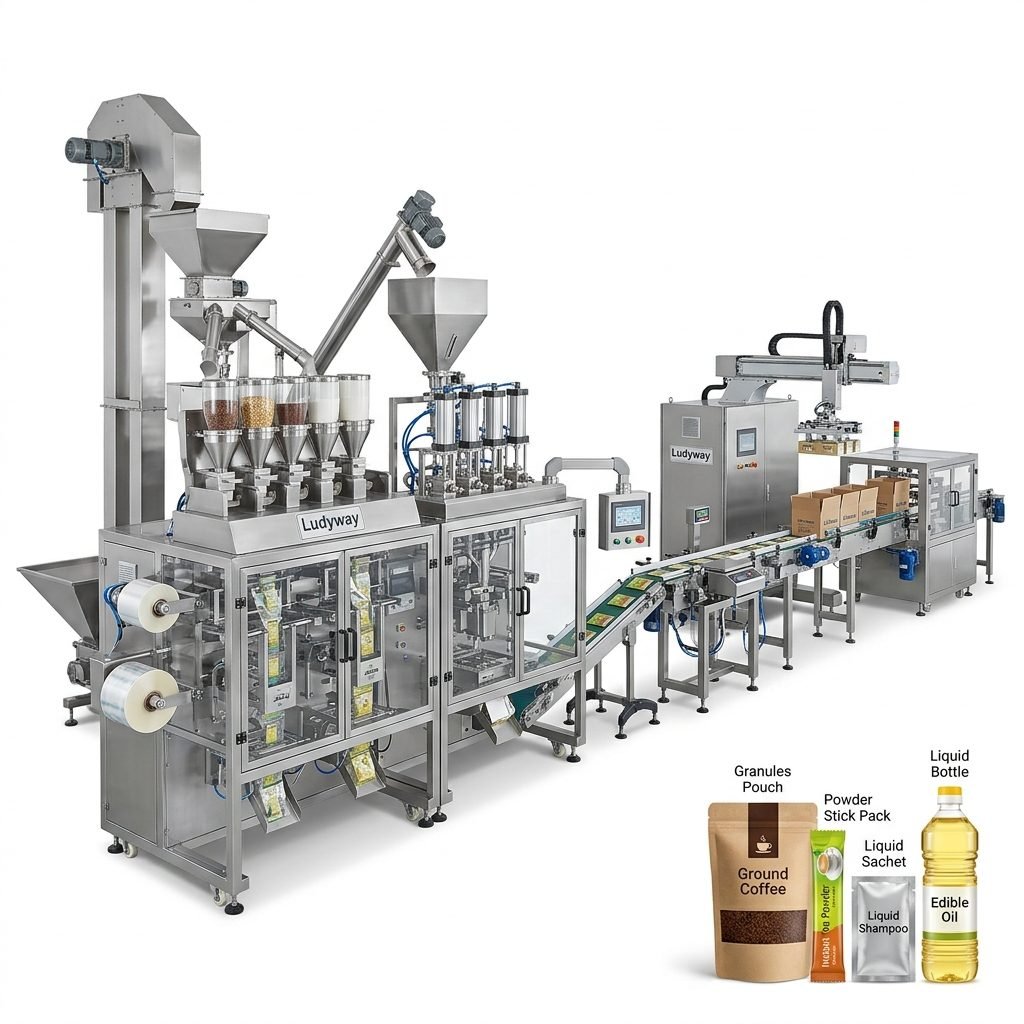
A successful chub packaging machine production line in Europe is built on regulatory compliance, properly selected equipment, thorough planning, and ongoing support. By following this guide and partnering with experienced industry professionals, you can establish a production line that delivers consistent quality, high efficiency, and long-term operational success in the competitive European market.