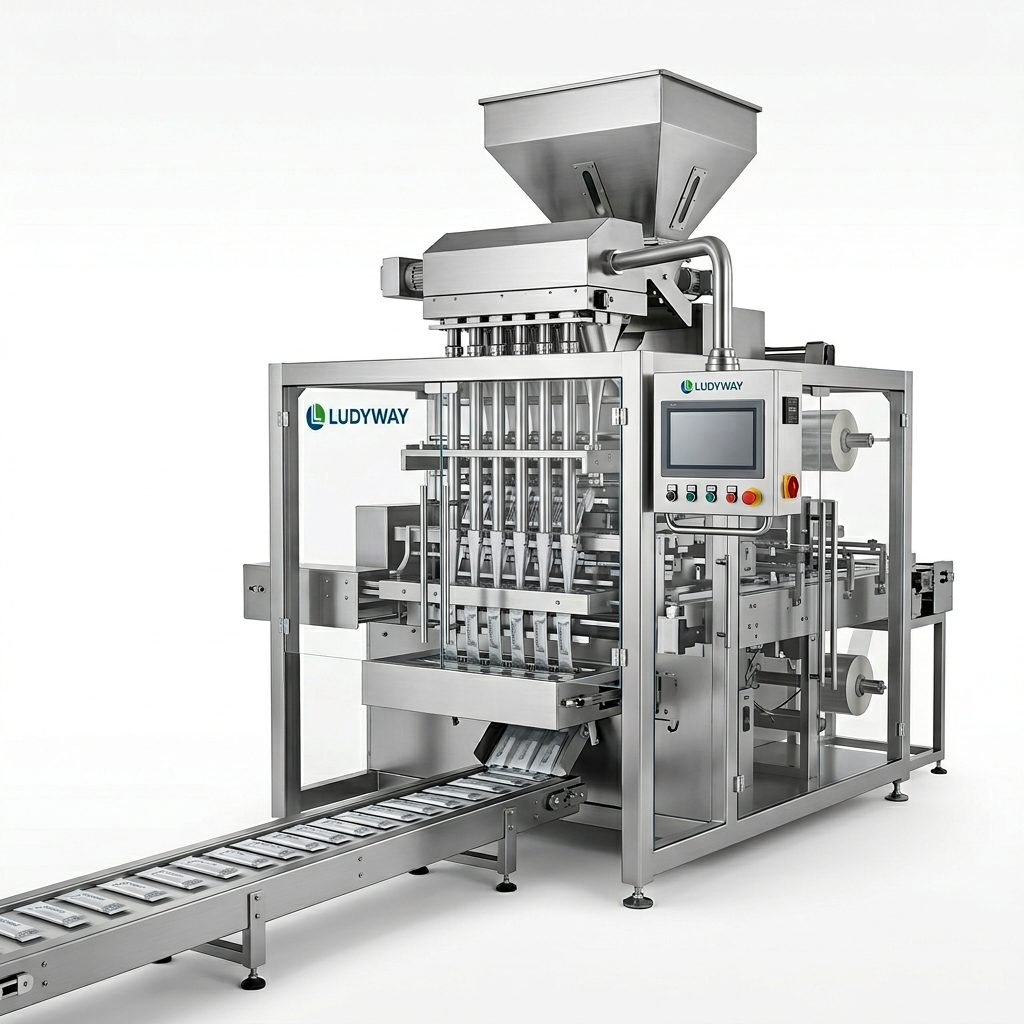
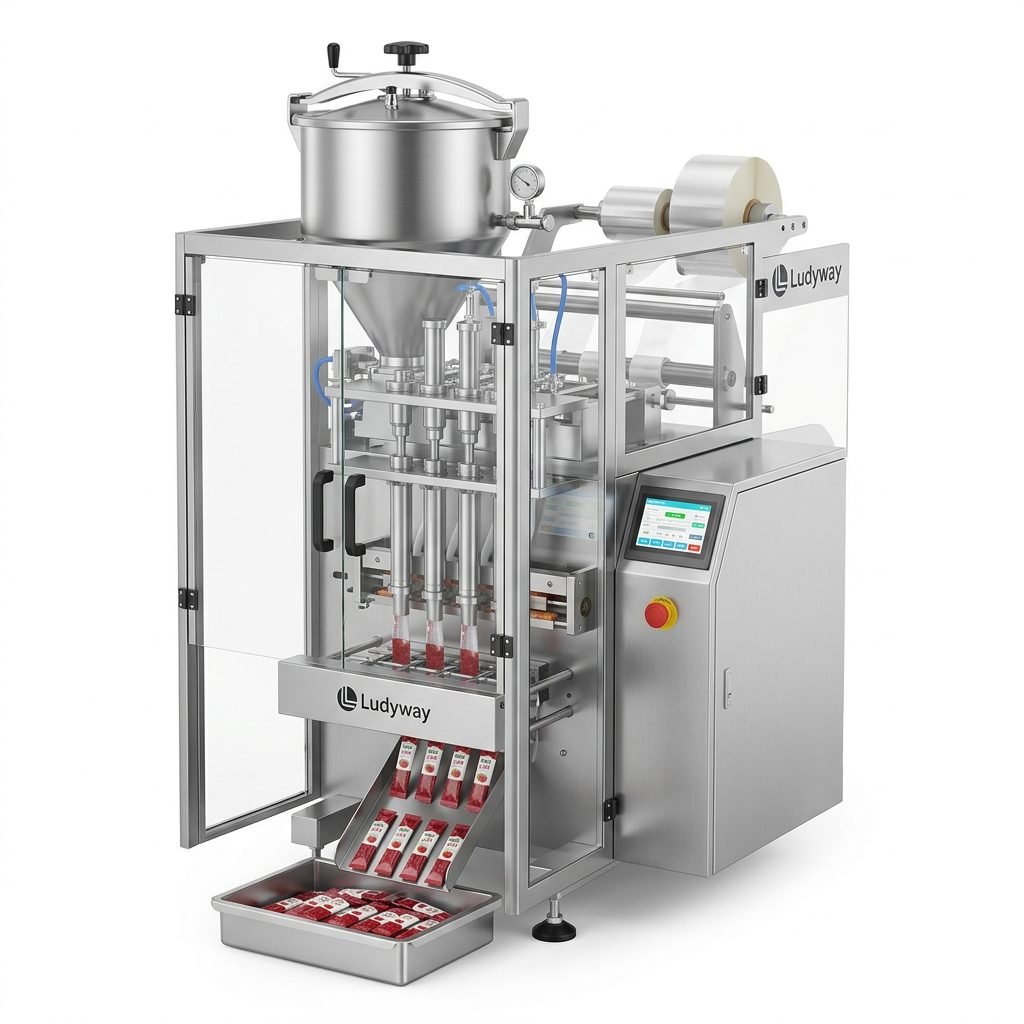
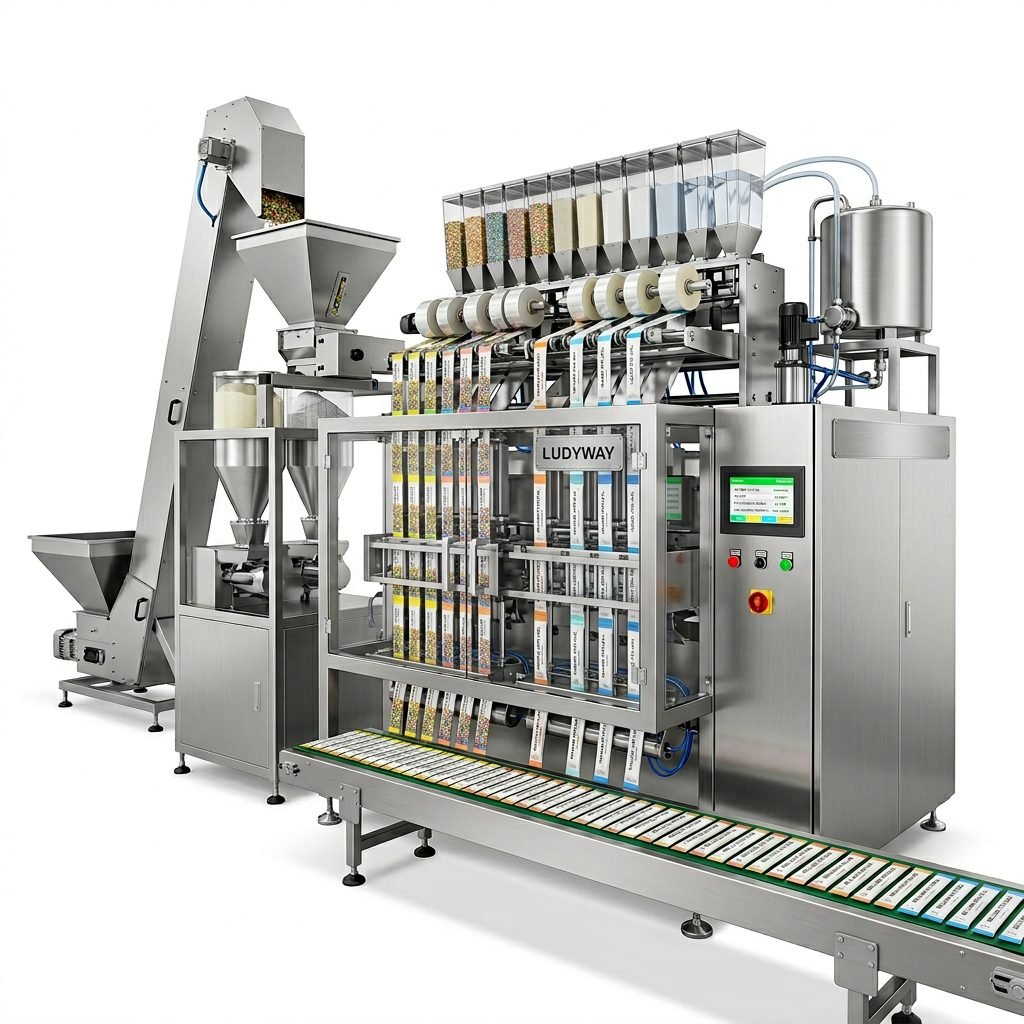
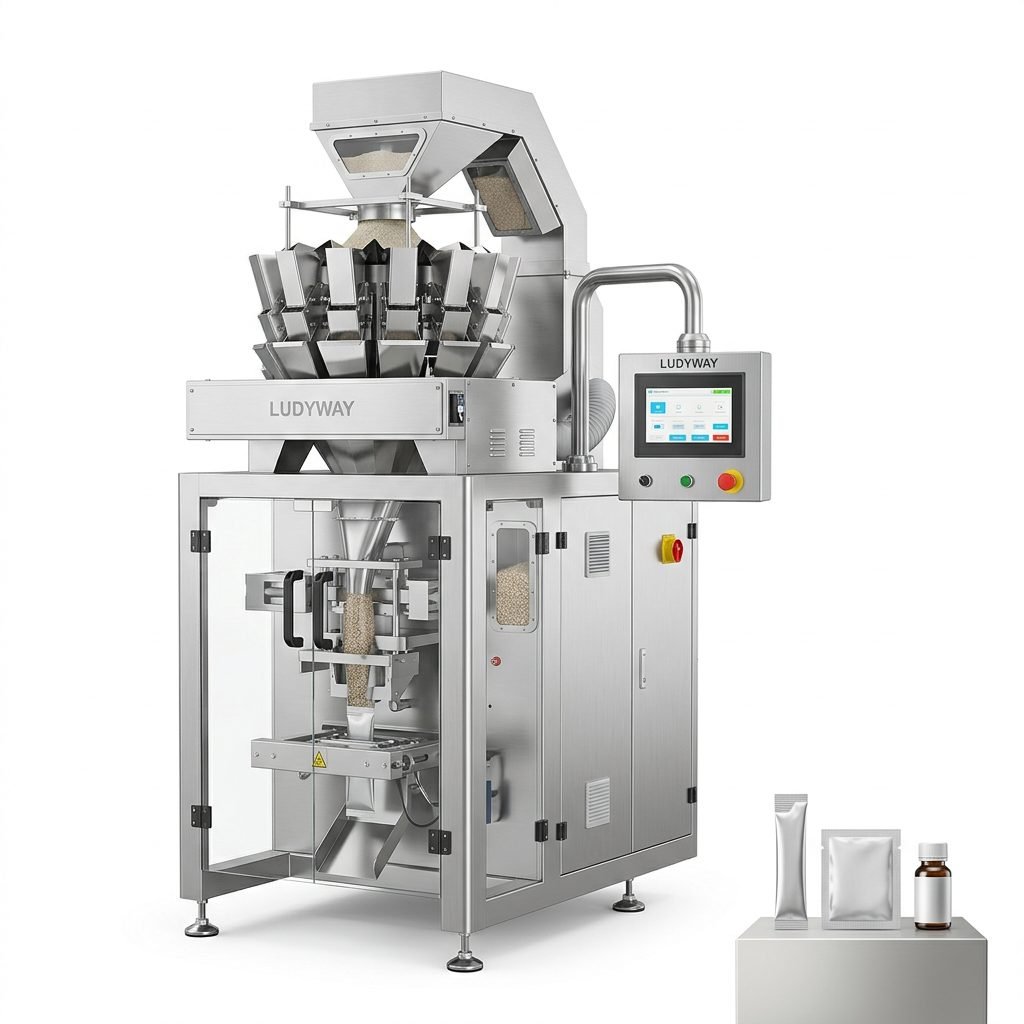
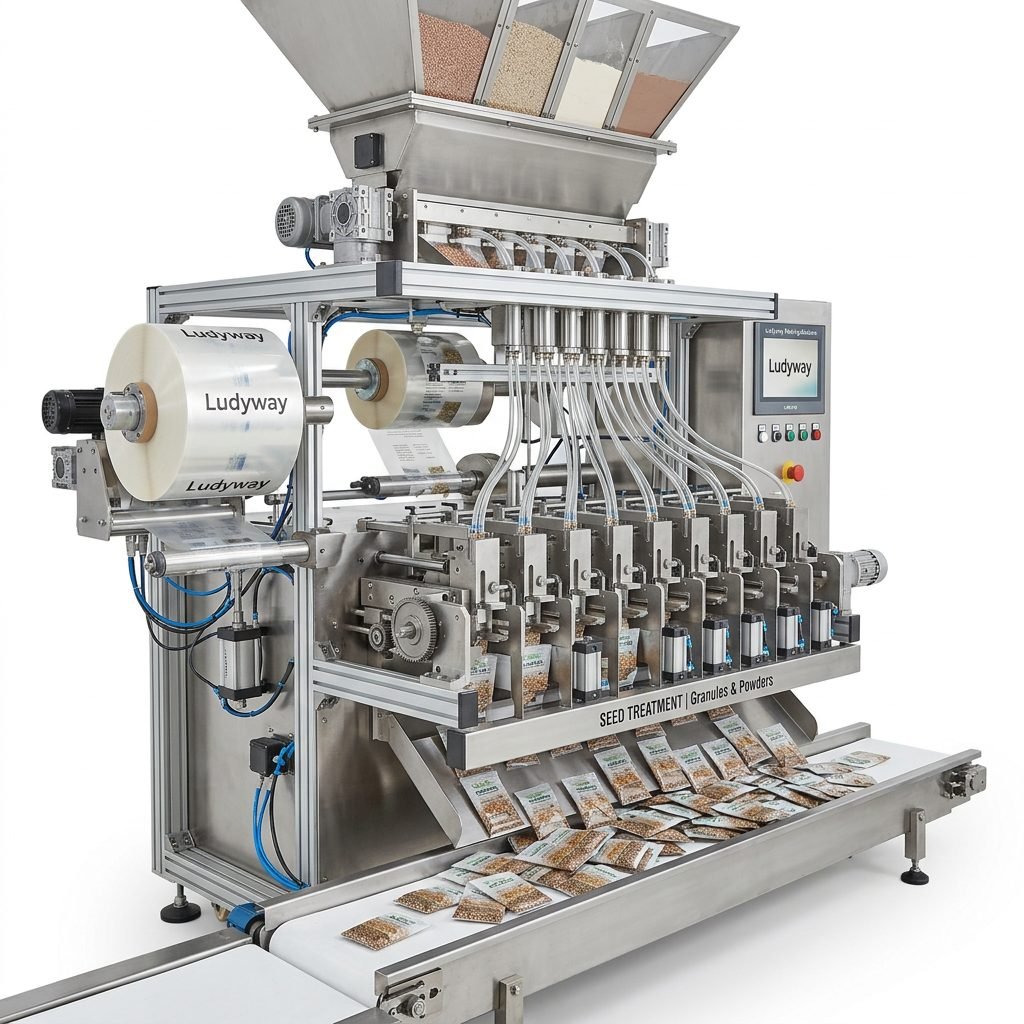
Selecting the right packaging machine distributor is a critical decision that can significantly impact your production efficiency, product quality, and overall business growth. A distributor acts as the crucial link between you and the complex world of packaging technology, providing not just equipment but also expertise, support, and long-term partnership. This guide will walk you through the essential factors to consider, ensuring you find a partner that aligns perfectly with your specific business needs and operational goals.
Understanding Your Core Packaging Requirements
Before you begin evaluating distributors, you must have a crystal-clear understanding of your own requirements. This foundational step will guide every subsequent decision.
Key Questions to Ask Yourself:
→ Product Type: Are you packaging granules, powders, liquids, pills, or solids? The physical characteristics of your product dictate the machine technology required.
→ Production Speed & Volume: What is your current and projected output (e.g., bags per minute)? This determines the machine’s capacity and level of automation needed.
→ Packaging Format: Do you need stick packs, sachets, pouches, or bottles? The desired final package shape is a primary driver in machine selection.
→ Budget & ROI Timeline: What is your investment capacity, and what is the expected payback period? Consider total cost of ownership, not just the purchase price.
→ Future-Proofing: Do you anticipate product line expansions or format changes? Choosing a scalable solution can save massive costs later.
Essential Criteria for Evaluating a Distributor
Once your needs are defined, use these criteria to assess potential packaging machine distributors thoroughly.
1. Industry Experience and Specialization
A distributor with deep experience in your specific sector (e.g., food, pharmaceutical, nutraceuticals) is invaluable. They understand regulatory standards, hygiene protocols, and common challenges. Look for a partner like Ludyway Machinery, which brings over 30 years of focused industry experience to the table, ensuring they provide solutions that are not just machines, but compliant, efficient production systems.
2. Product Portfolio and Technical Capability
Evaluate the range and depth of their offered equipment. A robust portfolio, such as one offering over 50 intelligent packaging machine models, indicates strong partnerships with manufacturers and the ability to provide unbiased recommendations. Crucially, assess their technical support team’s ability to handle installation, training, and troubleshooting. Their engineering capability directly affects your uptime.
Pro Tip: The Turnkey Solution Advantage
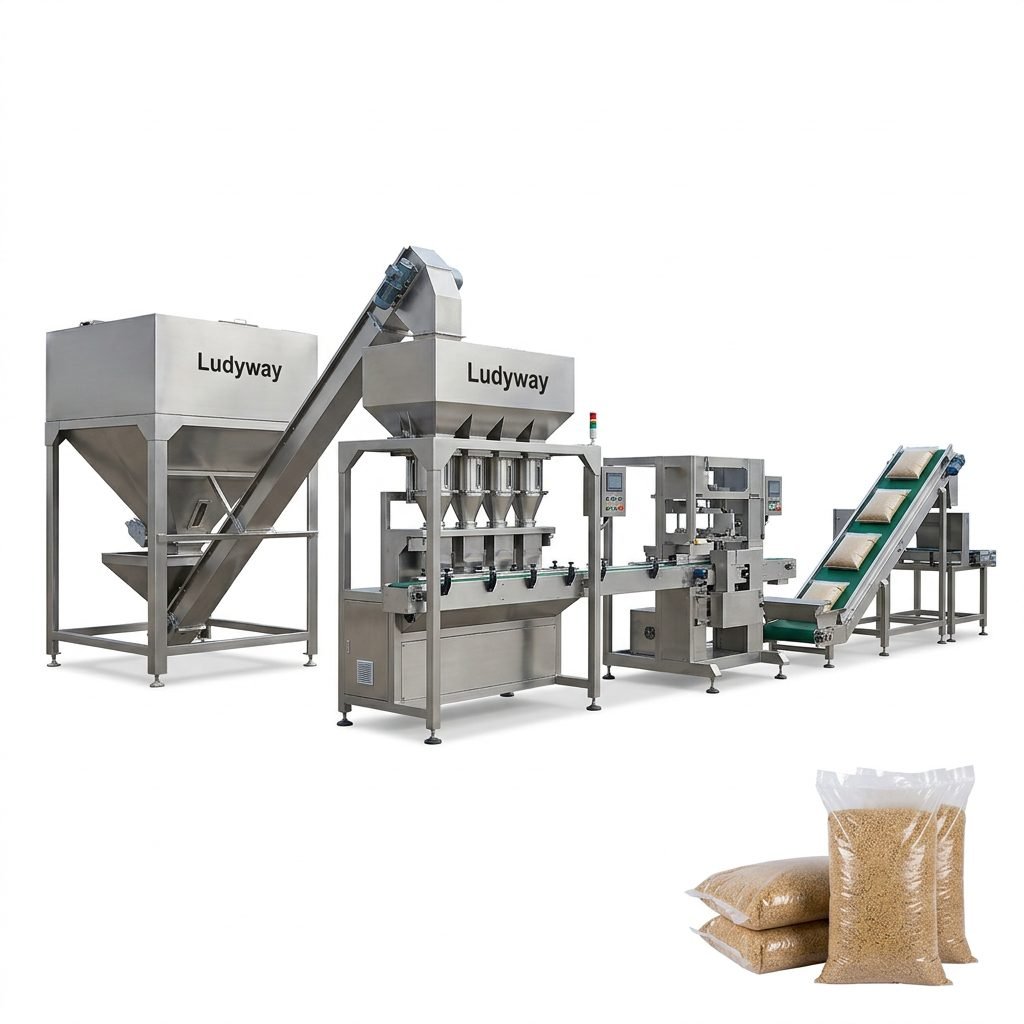
Top-tier distributors don’t just sell machines; they provide complete turnkey production line solutions. This includes auxiliary equipment (like conveyors, checkweighers), factory layout planning, and integration services. This holistic approach minimizes your project risk and ensures all components work seamlessly together from day one.
3. Manufacturing and Quality Assurance Backing
The distributor’s connection to manufacturing is critical. Do they have direct access to a modern production facility? For instance, being backed by a 20,000㎡ manufacturing facility means the distributor has strong control over quality, supply chain, and customization potential. This translates to reliable equipment delivery and consistent build quality for your business.
4. After-Sales Support and Service Network
The relationship begins after the machine is installed. Investigate their warranty terms, availability of spare parts, and responsiveness of service engineers. A distributor with a global service footprint can offer timely support, which is essential for minimizing production downtime. Ask for client references to verify their service claims.
5. Reputation and Client Testimonials
Research their reputation online and request case studies from businesses similar to yours. A history of successful projects and long-term client relationships, built on a commitment to long-term cooperation and innovation, is a powerful indicator of a trustworthy partner. Independent reviews and industry referrals are gold.
The Selection Process: A Step-by-Step Approach
Follow a structured process to make a confident, informed decision.
Step 1: Longlist Creation. Compile a list of potential distributors through industry directories, trade shows, and peer recommendations.
Step 2: Initial Screening. Visit their websites, review their product lines, and check for relevant certifications. Shortlist 3-5 distributors that seem to align with your needs.
Step 3: Deep Dive & Inquiry. Contact the shortlisted candidates. Prepare a detailed Request for Quotation (RFQ) outlining your requirements. Schedule meetings to discuss your project in detail.
Step 4: Evaluation & Comparison. Compare proposals not just on price, but on the total value: machine suitability, proposed timeline, service package, and the confidence you have in the team.
Step 5: Final Verification & Decision. Request a live or recorded demo of the proposed machine running a product similar to yours. Finally, check references before signing the contract.
Conclusion: Building a Partnership for Growth
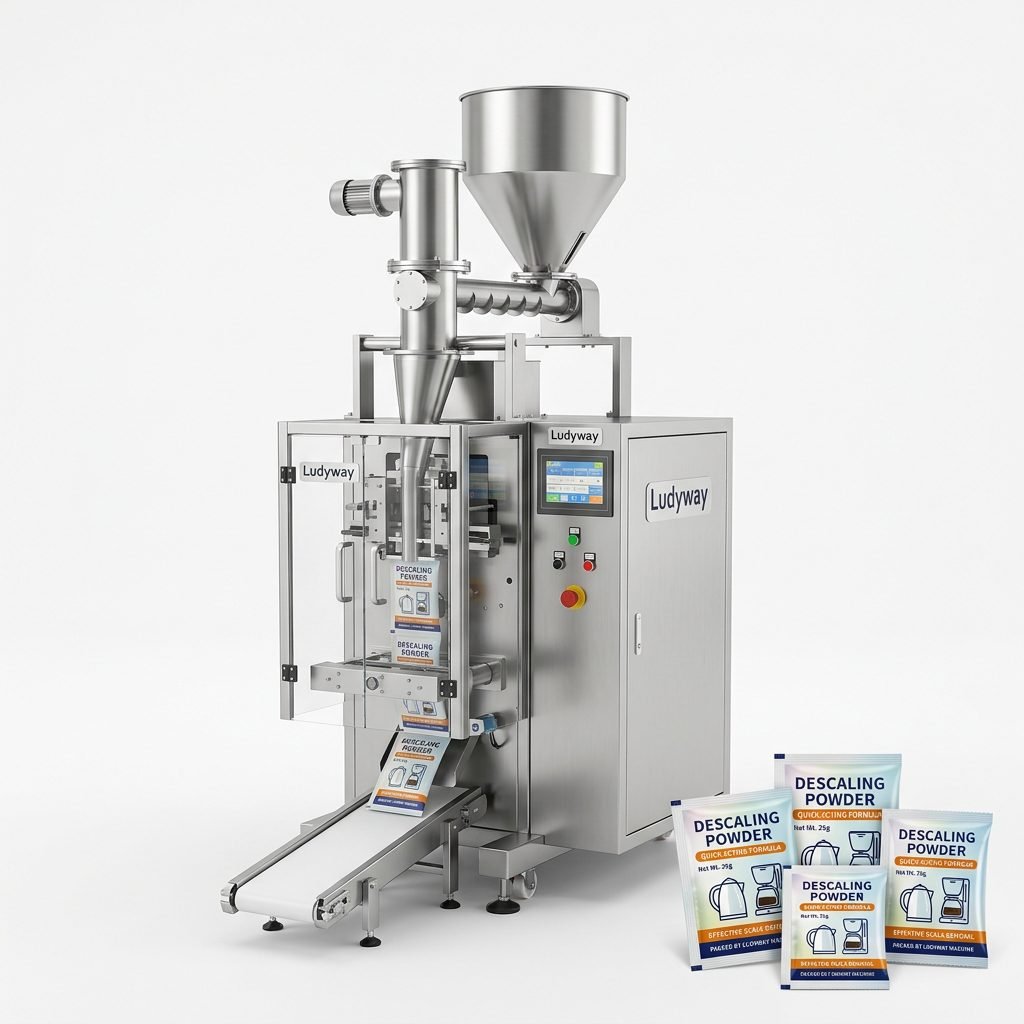
Choosing the right packaging machine distributor is about forging a strategic partnership. The ideal partner provides reliable, high-quality equipment like advanced sachet packaging systems, combines it with profound technical expertise and responsive service, and acts as a consultant for your future growth. By meticulously assessing distributors against your defined needs and the criteria outlined above, you invest not just in a machine, but in the efficiency, reliability, and scalability of your entire packaging operation for years to come.
Frequently Asked Questions (FAQs)
What’s the difference between a manufacturer and a distributor?
A manufacturer builds the machinery. A distributor sells, supports, and often customizes solutions from one or multiple manufacturers. A good distributor provides local expertise, faster service, and helps you navigate different manufacturers’ offerings to find your perfect match.
How important is it that the distributor has experience in my specific industry?
Extremely important. Industry-specific experience means they understand your unique challenges (like hygiene standards in food or validation in pharma), recommended materials, and can anticipate problems before they occur, ensuring a smoother implementation.
Should I prioritize the lowest price when choosing a distributor?
Not necessarily. The lowest upfront cost can lead to higher long-term expenses due to poor reliability, expensive parts, and costly downtime. Evaluate the Total Cost of Ownership (TCO), which includes purchase price, maintenance, energy consumption, and potential production losses.
What should I expect during the machine installation and commissioning phase?
A professional distributor will manage site preparation guidance, on-time delivery, professional installation by their engineers, comprehensive operator training, and a production run-off to ensure the machine meets all agreed-upon specifications before final handover.
Can a distributor help with future upgrades or expansion of my packaging line?
Yes, a strategic partner will design solutions with scalability in mind. They should be your first point of contact for adding speed, integrating new equipment, or modifying the line for new products, ensuring compatibility and optimizing the upgrade investment.