Selecting the right medical packaging equipment is a critical decision for any healthcare manufacturing or processing facility. The right machinery ensures product integrity, sterility, compliance with stringent regulations, and operational efficiency. This guide explores the various types of equipment, their key features, and provides a structured approach to choosing the optimal solution for your specific needs.
Understanding the Core Types of Medical Packaging Equipment
The medical packaging landscape is diverse, catering to different product forms, sterility requirements, and production scales. Here’s a breakdown of the primary equipment categories.
Primary Packaging Systems
These machines handle the first layer of packaging that comes into direct contact with the medical product.
Blister Packaging Machines: Ideal for tablets, capsules, and small medical devices. They form cavities (blisters) from a thermoplastic web, place the product inside, and seal it with a lidding material (often foil). This provides excellent barrier properties, unit-dose integrity, and patient compliance features.
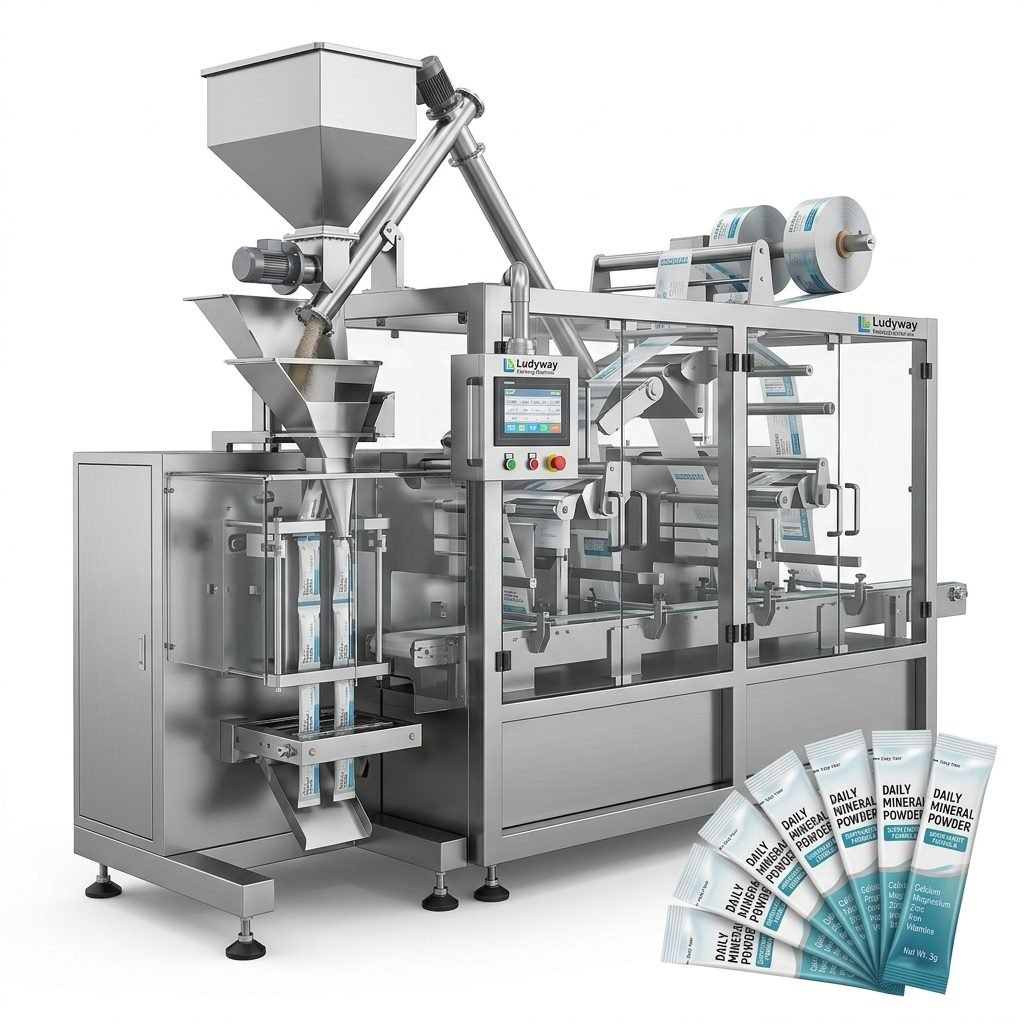
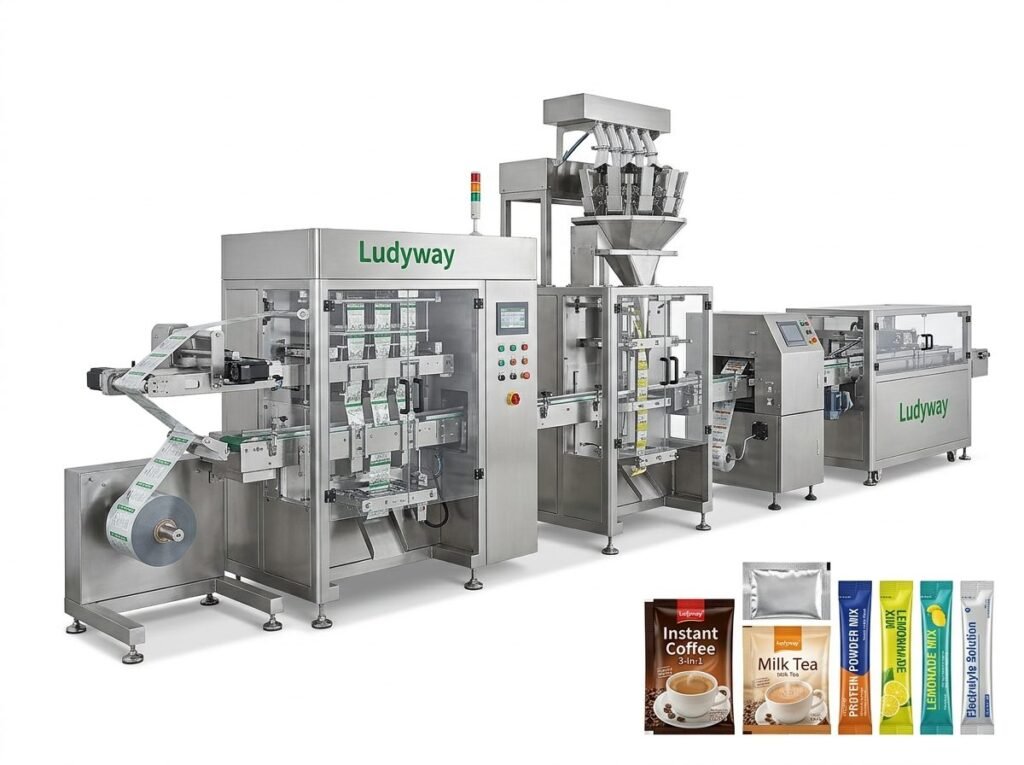
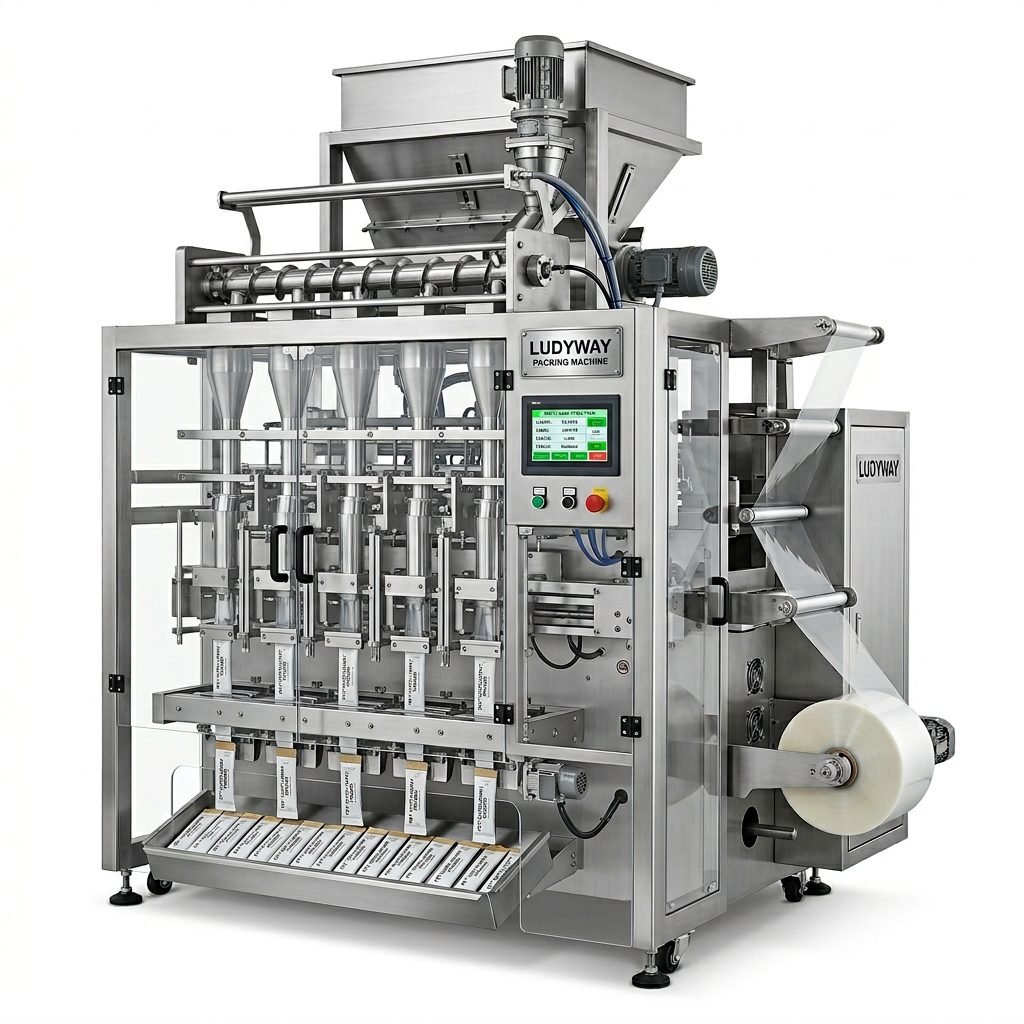
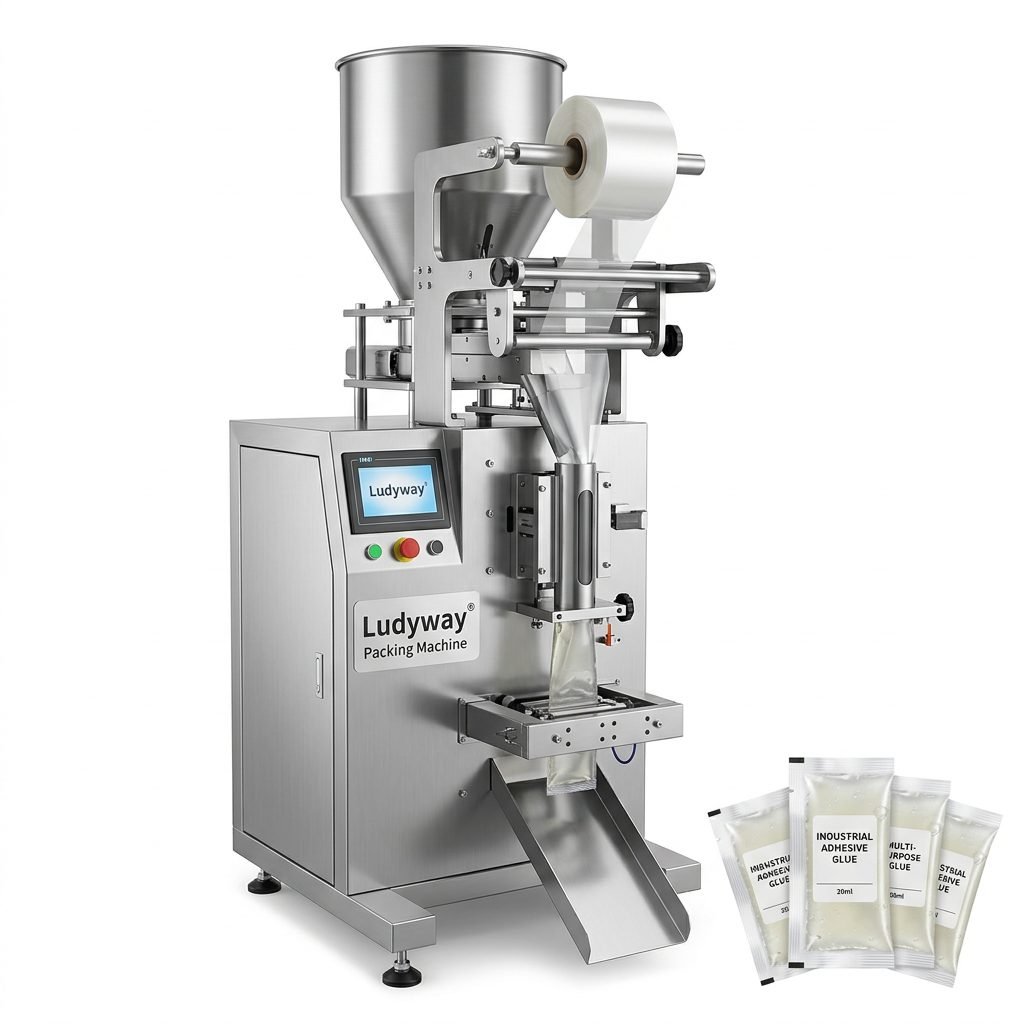
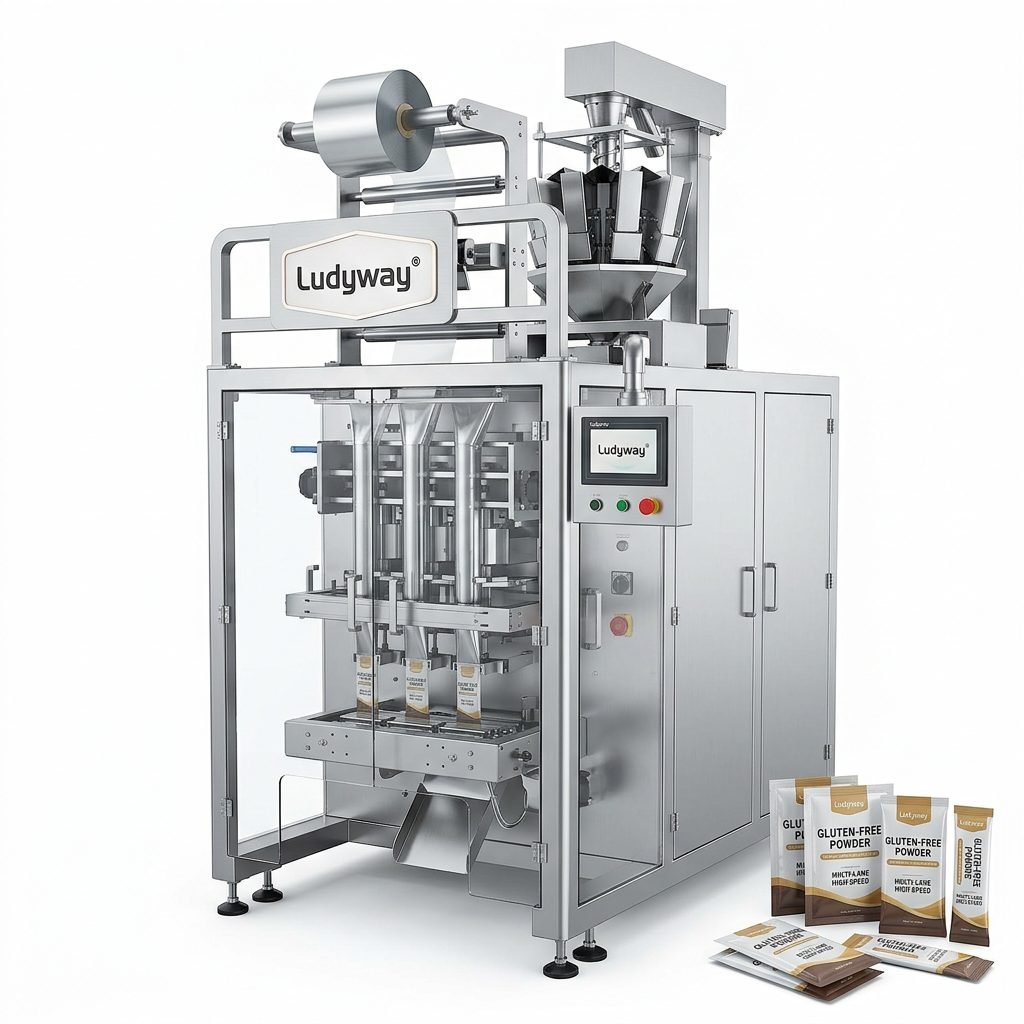
Sachet & Stick Pack Machines: Perfect for powders, granules, liquids, and ointments in single-use doses. Machines from providers like Ludyway Machinery can handle sensitive medical powders with high accuracy and can be configured for sterile environments.
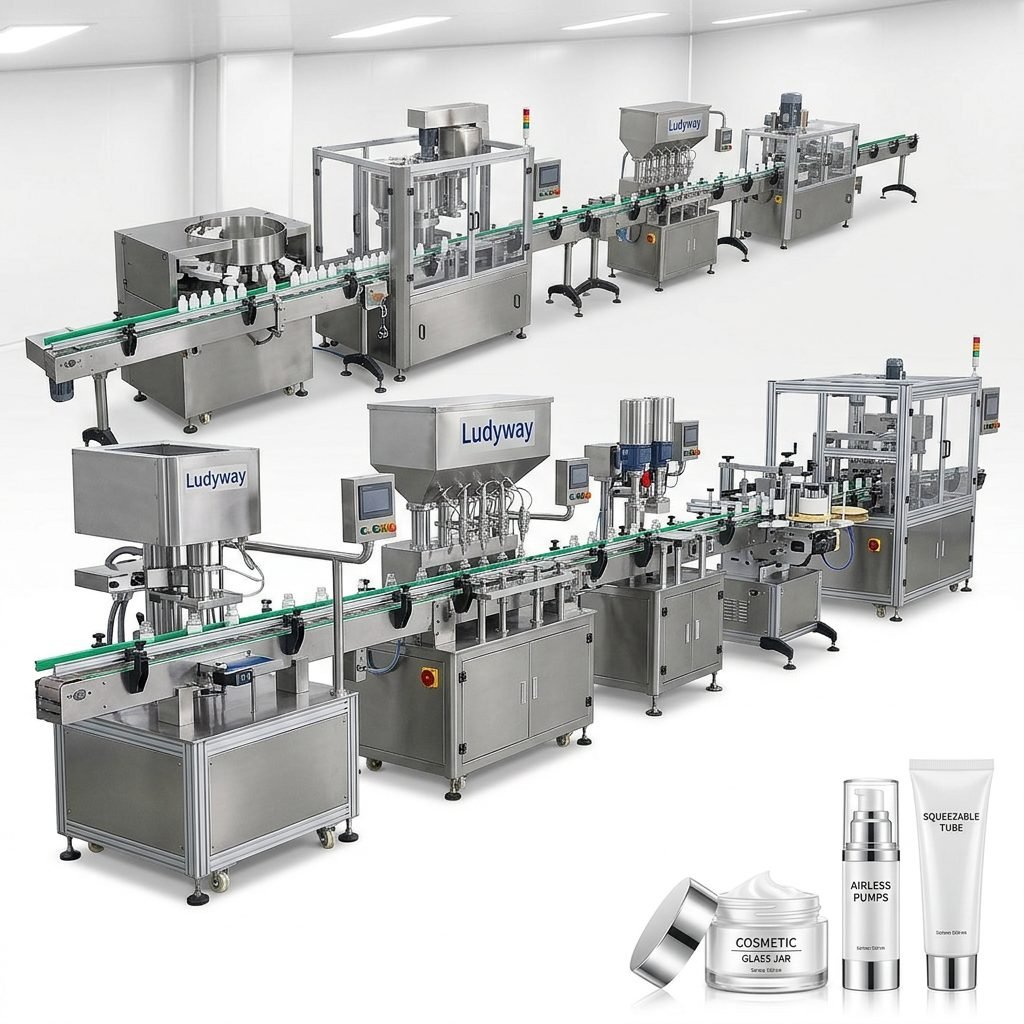
Bottle Filling & Capping Lines: Used for liquid medications, syrups, and disinfectants. These automated lines integrate filling, capping, and sealing processes, ensuring precise fill volumes and tamper-evident closures.
Sterile Barrier Packaging Equipment
This equipment is dedicated to creating packages that maintain sterility until the point of use.
Thermoform-Fill-Seal (TFFS) Machines: A cornerstone of sterile medical packaging. They thermoform trays from a bottom web, automatically place sterilized devices or components into the trays, apply a Tyvek® or medical-grade film top web, and seal it. Common for surgical kits and implants.
Pouch Form-Fill-Seal Machines: Create pouches from roll stock, fill them with products like gauze, instruments, or gowns, and then seal them. Often used for items that are sterilized after packaging (e.g., in an autoclave).
Secondary & Tertiary Packaging
Equipment that handles the outer layers of packaging for protection, logistics, and branding.
Cartoning Machines: Automatically erect cartons, insert primary packages (blisters, bottles, pouches), along with leaflets, and close them. They are vital for final product presentation and compliance labeling.
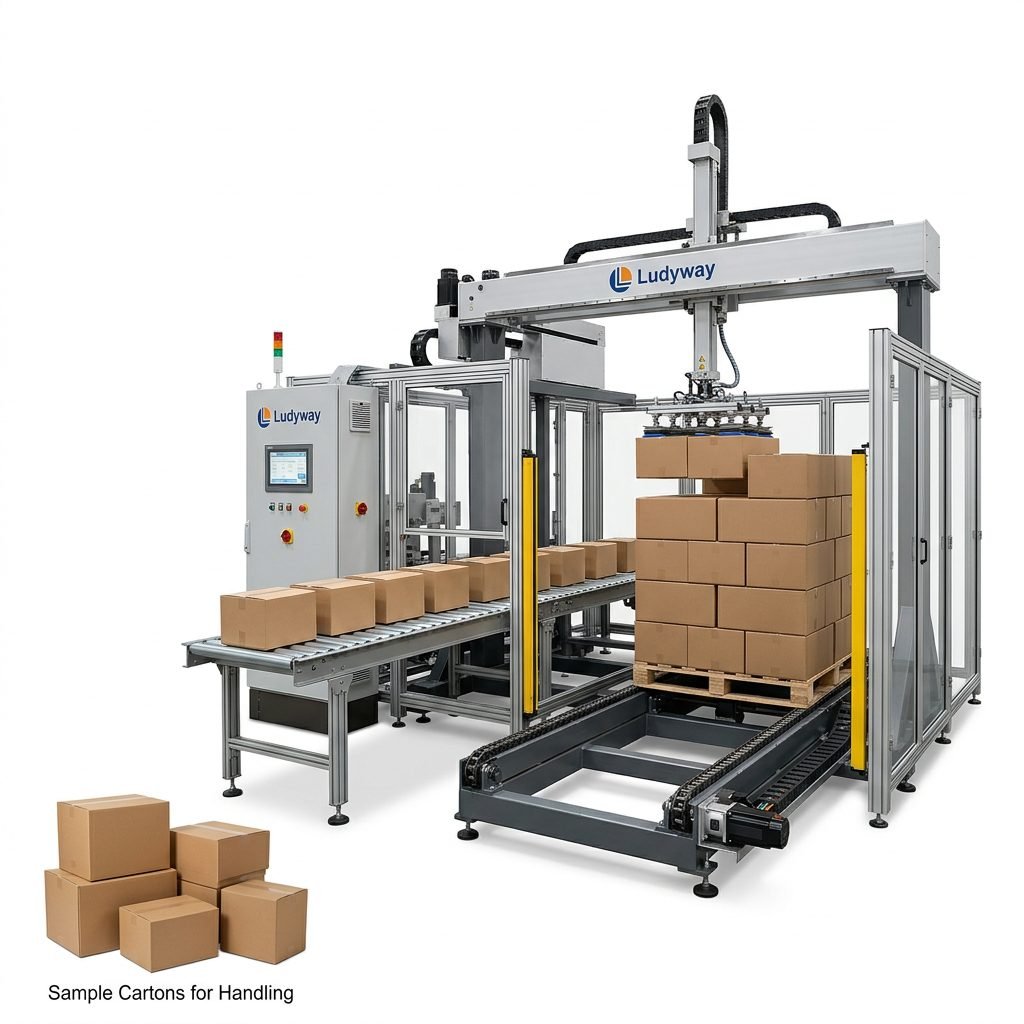
Case Packing & Palletizing Systems: Group finished cartons into cases and stack them onto pallets for shipment, minimizing manual handling and damage.
Essential Features to Evaluate in Medical Packaging Machinery
Beyond the basic function, these features differentiate standard equipment from a robust, compliant medical-grade solution.
1. Compliance & Validation Support
Machinery must be designed to facilitate compliance with FDA 21 CFR Part 11 (electronic records), EU MDR, and ISO 13485 standards. Look for features like audit trails, user access controls, and comprehensive documentation for Installation Qualification (IQ), Operational Qualification (OQ), and Performance Qualification (PQ).
2. Material Compatibility & Flexibility
The equipment should handle a wide range of medical-grade films, foils, Tyvek®, and paper composites without compromising seal integrity. Quick changeover capabilities between different package sizes or materials are crucial for facilities running multiple product lines.
3. Precision & Accuracy
For filling applications, high-precision servo-driven pumps or augers are essential to ensure exact dosages, critical for potent active pharmaceutical ingredients (APIs). Sealing systems must provide consistent temperature and pressure control for hermetic seals.
4. Cleanability & Hygienic Design
Surfaces should be smooth, stainless steel where possible, with rounded corners to prevent particulate accumulation. Designs should allow for easy disassembly for cleaning and sterilization to meet GMP (Good Manufacturing Practice) requirements.
5. Integration & Industry 4.0 Readiness
Modern equipment should offer connectivity via OPC-UA or similar protocols to integrate with Manufacturing Execution Systems (MES) and SCADA. This enables real-time monitoring, predictive maintenance, and data collection for quality analytics.
How to Choose the Right Solution for Your Facility: A Step-by-Step Guide
Step 1: Define Your Product & Process Requirements
Start with a clear specification: product form (solid, powder, liquid, device), required output speed (packages per minute), sterility needs (aseptic, terminal sterilization), and package size range. This forms your core technical brief.
Step 2: Assess Regulatory & Quality Needs
Identify all applicable regulations for your target markets. Determine the level of documentation and machine validation you will require. This will immediately narrow down suppliers to those experienced in the medical field.
Step 3: Evaluate Total Cost of Ownership (TCO)
Look beyond the initial purchase price. Consider operational costs (energy, consumables), maintenance costs, expected downtime, and the cost of validation. A slightly more expensive, reliable machine from an expert like Ludyway often has a lower TCO due to higher uptime and efficiency.
Step 4: Analyze Supplier Capability & Support
The supplier is as important as the machine. Evaluate their industry experience, references from other medical manufacturers, availability of spare parts, and technical support structure. Can they provide full turnkey solutions including installation, training, and validation support?
Pro Tip: Always request a factory acceptance test (FAT) using your own or representative materials. This is the best way to verify machine performance against your specific requirements before installation.
Step 5: Plan for Future Scalability
Choose equipment that can grow with your business. Can the line speed be upgraded? Can modules (like vision inspection or serialization) be added later? Investing in a modular, scalable platform protects your long-term investment.
Common Questions (FAQs)
What is the most critical factor when choosing medical packaging equipment?
Compliance and validation readiness. The machine must be designed and documented to meet stringent medical industry regulations from the outset. A non-compliant machine can lead to costly delays, failed audits, and product recalls.
Can I use food-grade packaging equipment for medical products?
It is strongly discouraged. Medical equipment has specific requirements for hygienic design, material compatibility with sterilization processes, and traceability that standard food-grade machines often lack. The risk of contamination or non-compliance is too high.
How important is supplier after-sales service?
Extremely important. Medical production lines cannot afford prolonged downtime. A supplier with a global network of service technicians, readily available spare parts, and 24/7 remote support is invaluable for maintaining continuous, compliant production.
What are the key trends in medical packaging machinery?
Major trends include the integration of inline vision inspection for 100% defect detection, serialization for track-and-trace compliance, increased use of robotics for flexible handling, and smarter IIoT (Industrial Internet of Things) platforms for predictive analytics and maintenance.
How long does it typically take to commission a new packaging line?
The timeline varies greatly based on complexity. For a standard machine, delivery might take 3-6 months, with another 2-4 weeks for installation and commissioning. For a full, validated turnkey line, the entire process from order to operational qualification can take 9-18 months. Detailed project planning with your supplier is essential.