The yogurt industry is booming globally, driven by consumer demand for healthy, convenient, and diverse dairy products. For manufacturers, selecting the right packaging machine is not just about wrapping the product—it’s a critical business decision impacting efficiency, product integrity, brand image, and ultimately, profitability. The wrong choice can lead to production bottlenecks, increased waste, and compromised product quality. This guide provides a comprehensive overview of yogurt packaging machinery, detailing the types available, their working processes, and essential factors to consider when making your investment.
Common Types of Yogurt Packaging Machines
Yogurt packaging comes in various formats, each requiring specialized machinery. Understanding these types is the first step in identifying the best fit for your production line.
1. Cup Filling and Sealing Machines
These are the most prevalent machines for retail yogurt packaging. They handle pre-formed plastic or paper cups. The process typically involves: cup dispensing, precise filling, lid placement, and heat sealing or crimping. High-speed rotary cup fillers can handle hundreds of cups per minute. They are ideal for standard single-serve yogurt portions and often integrate with labeling systems.
2. Form-Fill-Seal (FFS) Machines for Pouches and Sachets
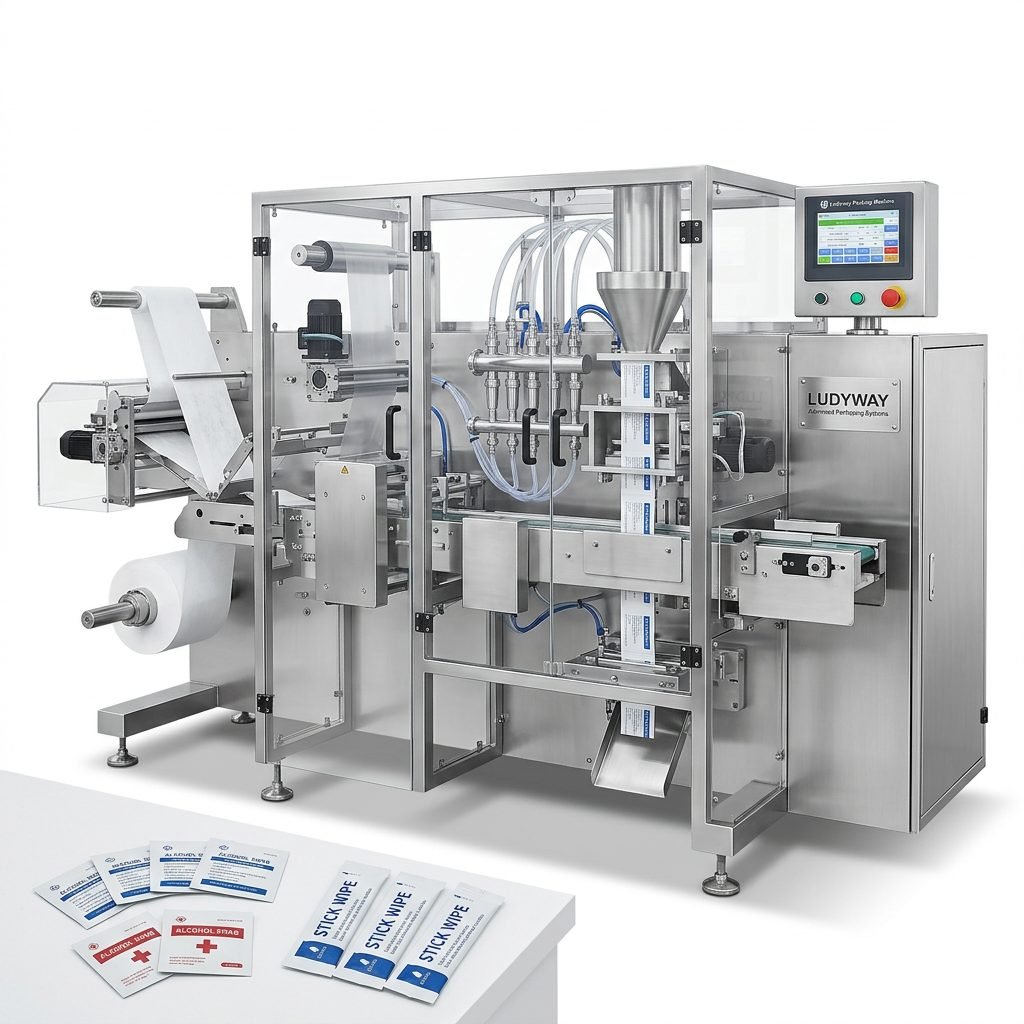
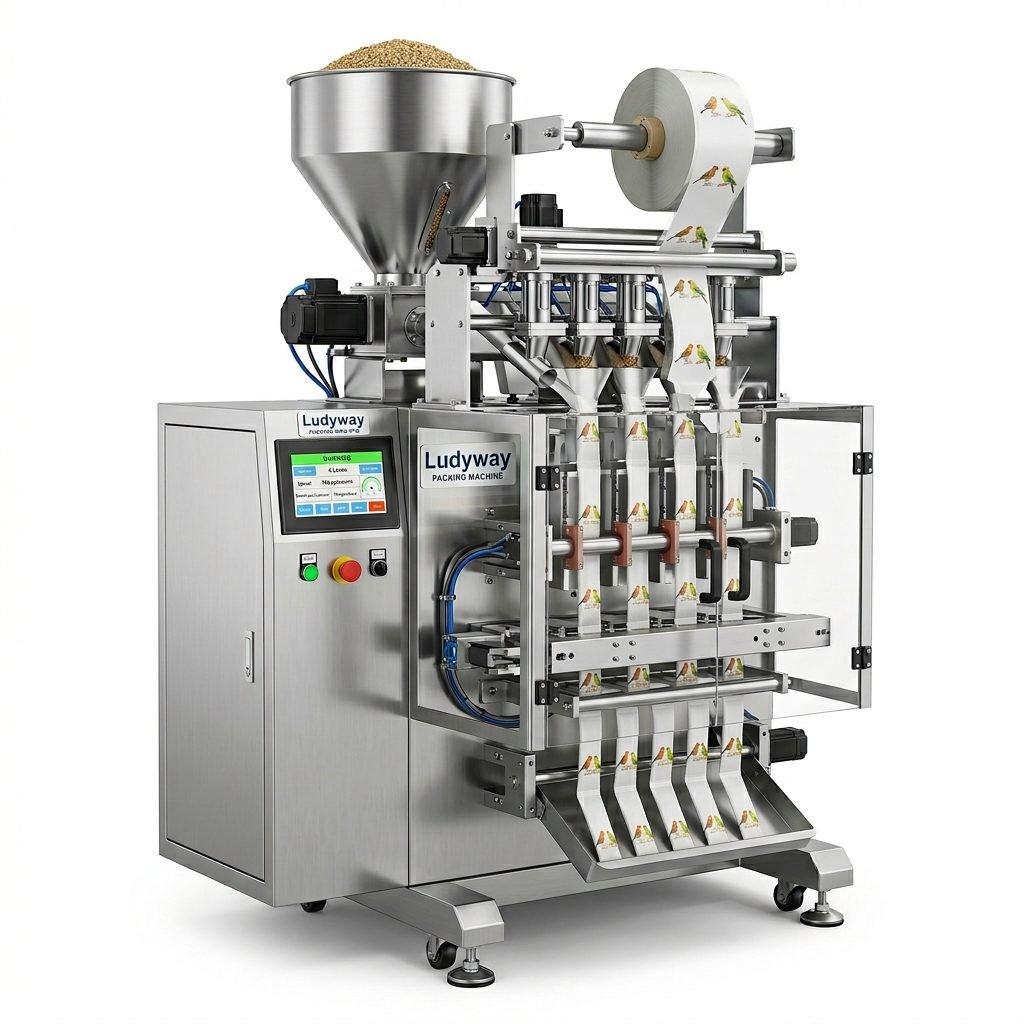
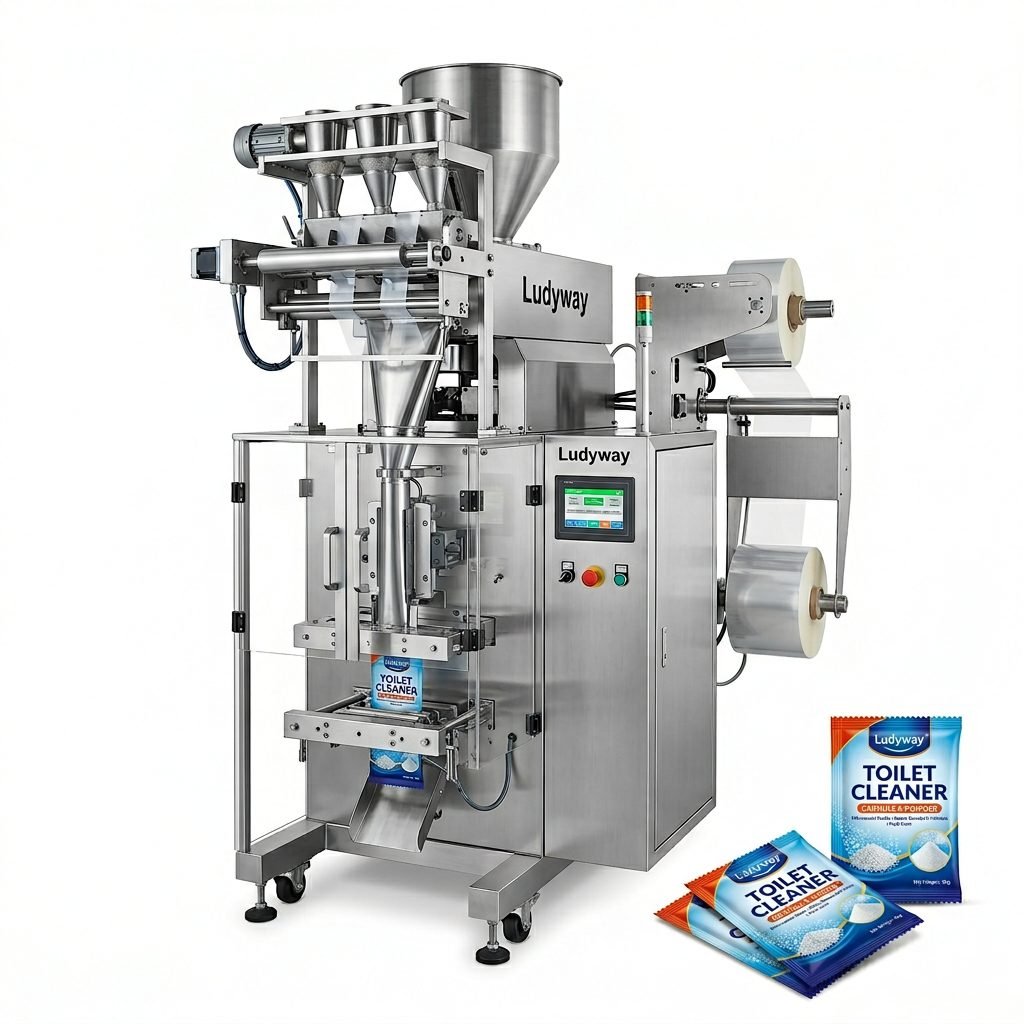
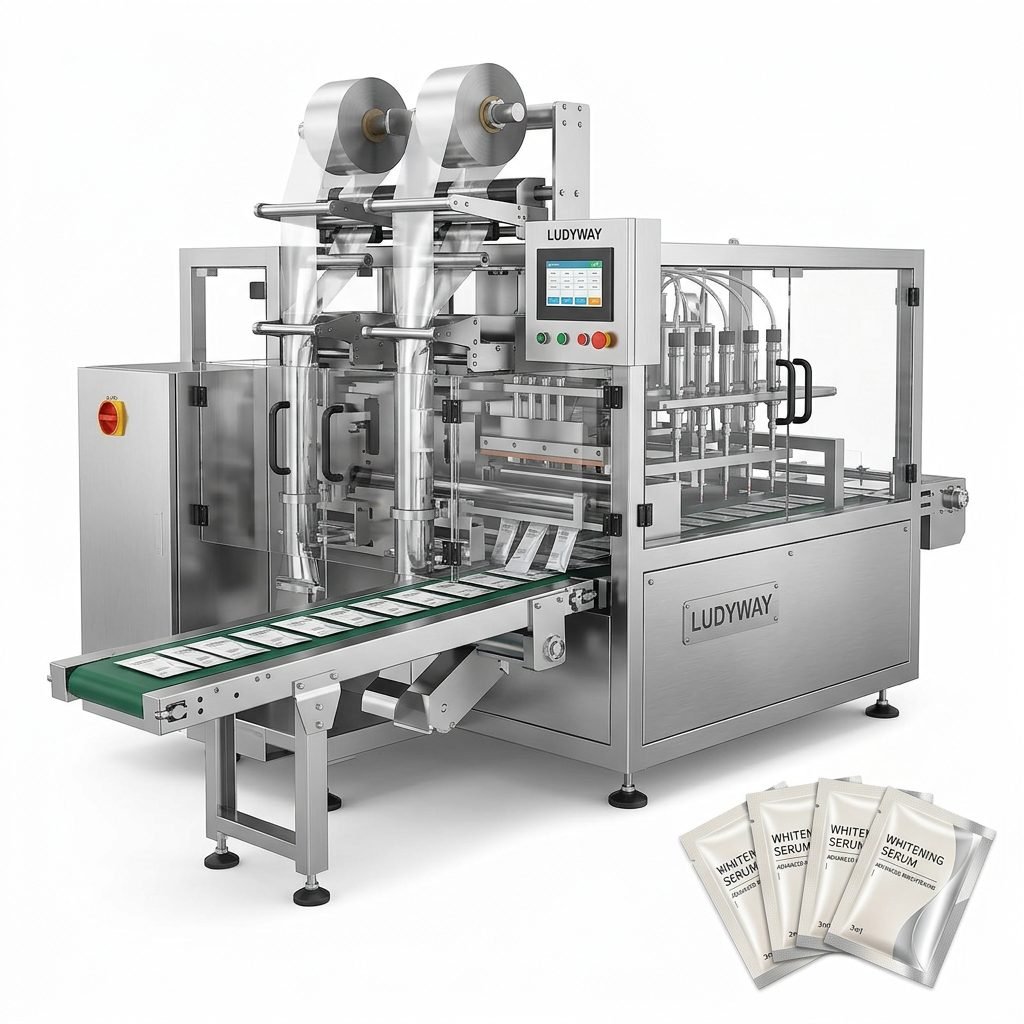
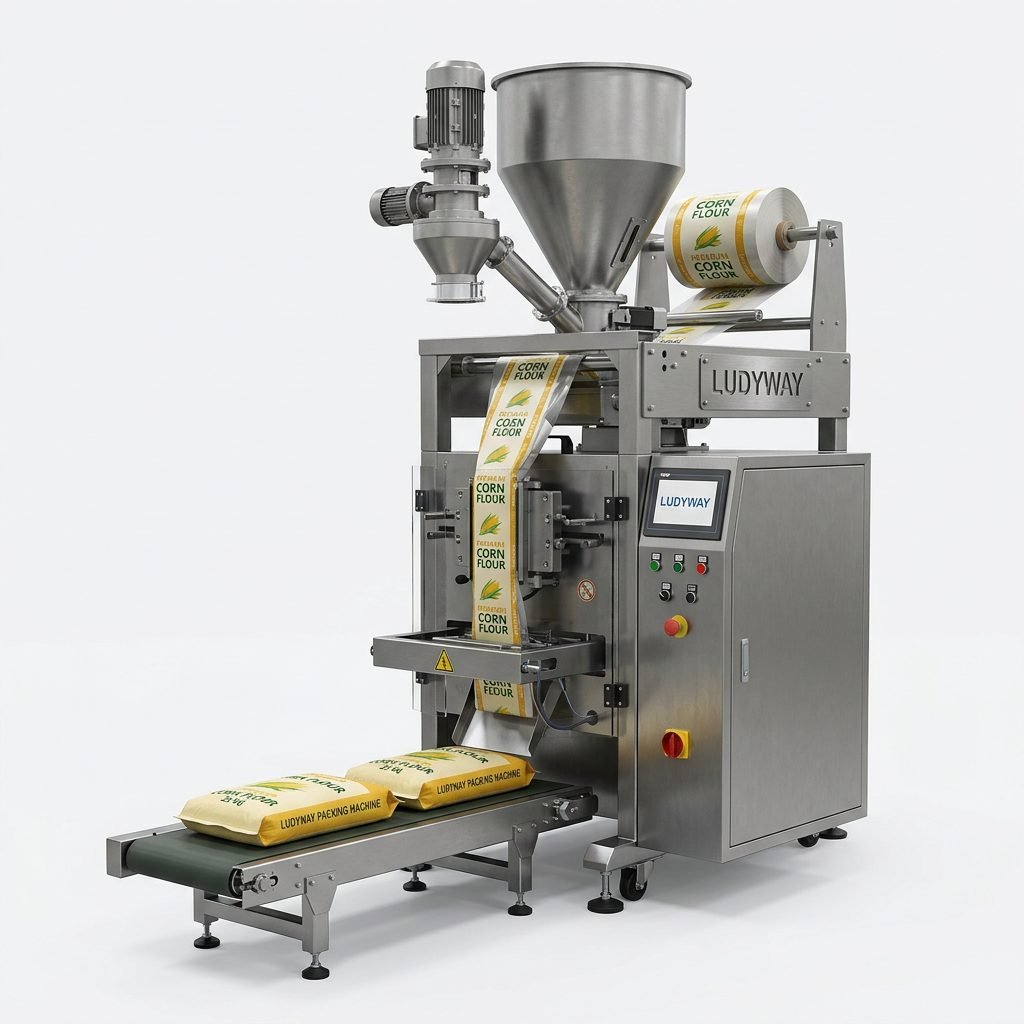
FFS machines are versatile and cost-effective for packaging yogurt in flexible pouches, often used for drinking yogurt, yogurt shots, or bulk packaging. The machine forms the pouch from a roll of film, fills it with yogurt, and seals it in a continuous operation. This method reduces packaging material costs and is excellent for products requiring a squeezable or portable format.
3. Tub Filling and Lidding Machines
For larger family-size yogurt tubs (e.g., 500g, 1kg), dedicated tub fillers are used. These machines are robust, handling heavier containers. The process involves placing the tub, filling it via a volumetric or weight-based system, applying a foil or plastic lid, and often conducting a secondary seal for safety. They are key for products targeting households and food service sectors.
4. Stick Pack Packaging Machines
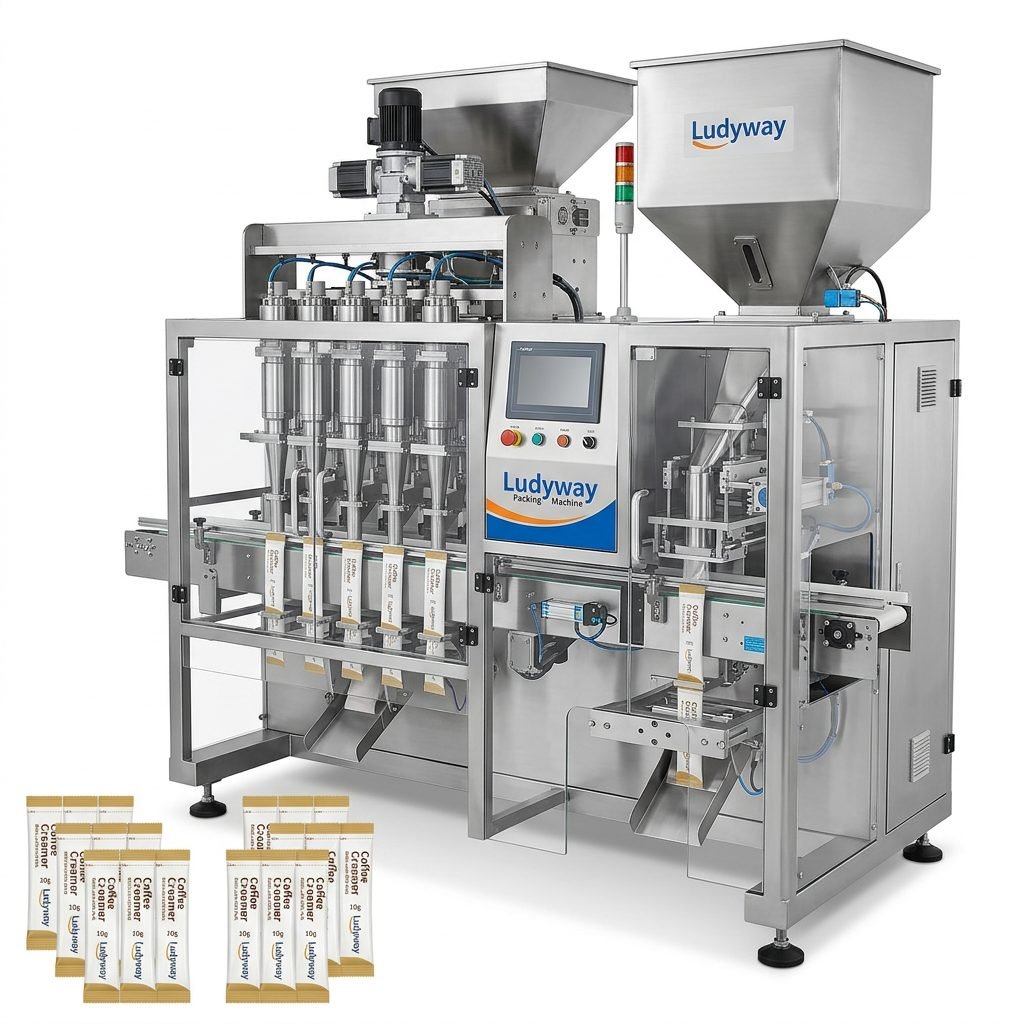
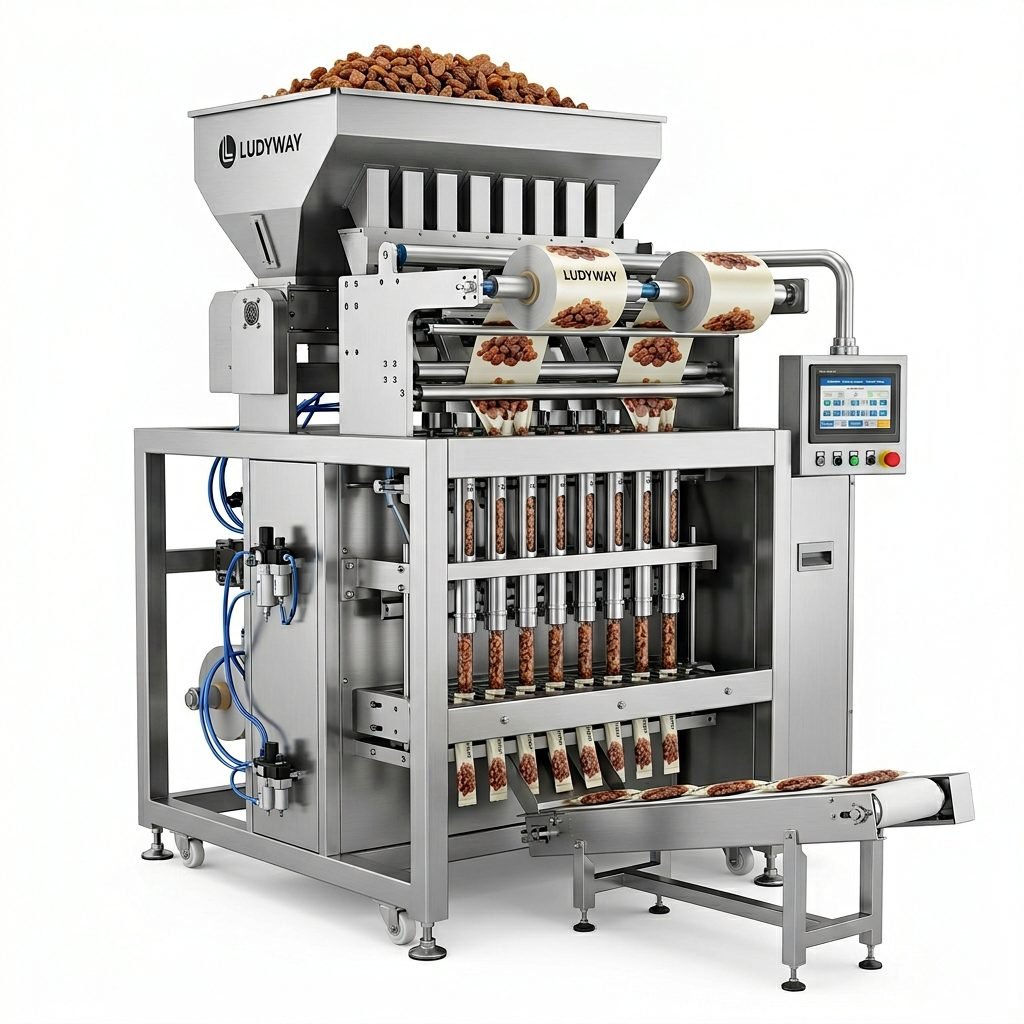
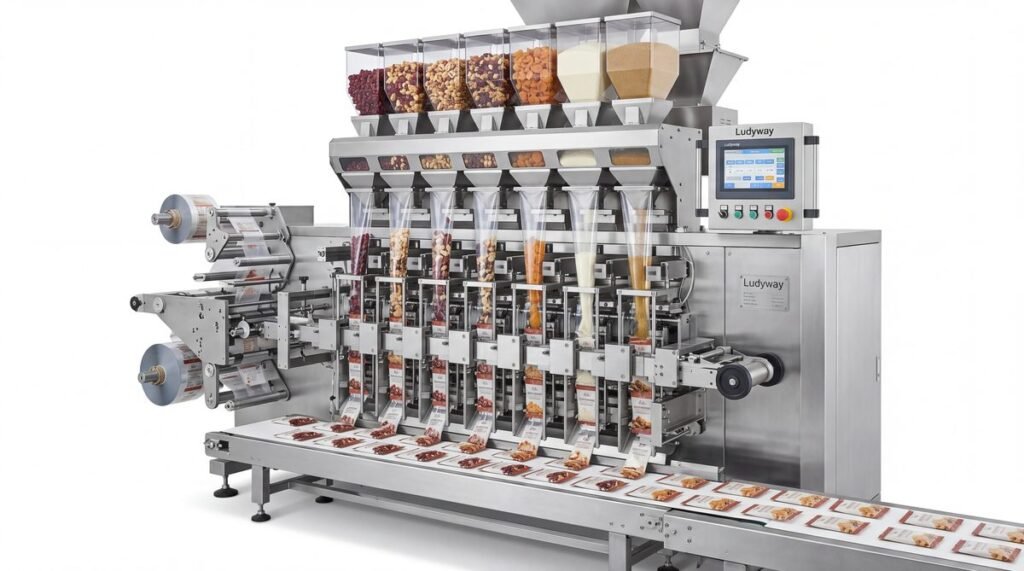
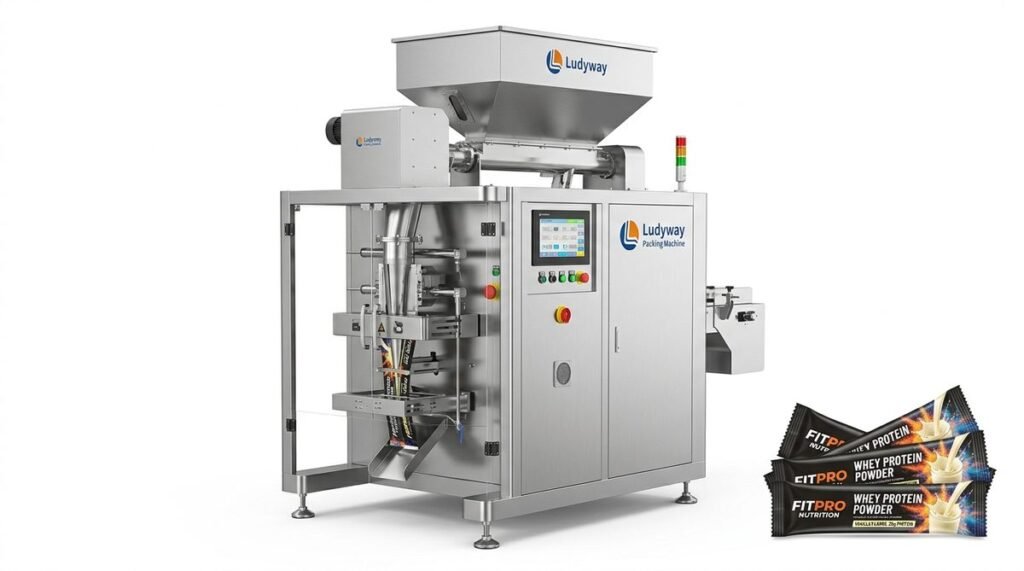
A niche but growing segment, stick packs are used for powdered yogurt mixes or freeze-dried yogurt snacks. These machines create long, slender packets from film rolls, fill them with dry product, and seal them. They offer high portability and are popular in health-conscious markets.
The Working Process: From Empty Container to Finished Product
While machine types differ, the core packaging process follows a logical sequence to ensure hygiene, accuracy, and speed.
Stage 1: Container Handling & Unscrambling
Empty cups, tubs, or pre-formed pouches are fed into the machine. An unscrambler or conveyor system organizes them correctly for the filling stage. Reliability here prevents jams and ensures continuous flow.
Stage 2: Precision Filling
This is the most critical stage. Yogurt, being a viscous and sometimes delicate product (with live cultures), requires gentle handling. Filling systems include:
- Piston Fillers: Offer high accuracy for thick, creamy yogurt.
- Volumetric Cup Fillers: Suitable for consistent portion control.
- Weight-Based Fillers: Used for premium products where exact weight is crucial.
The filler must minimize shear force to preserve texture and avoid incorporating air bubbles.
Stage 3: Sealing & Closure
After filling, the container is sealed. For cups, a lid (plastic or foil) is applied and heat-sealed to ensure tamper evidence and freshness. FFS machines create and seal the pouch within the same unit. The sealing temperature and pressure must be calibrated to the material to avoid leaks or damaging the yogurt.
Stage 4: Coding, Labeling & Secondary Packaging
Post-sealing, packages often receive date coding, batch numbers, or promotional information via inkjet or laser coders. Labeling may be integrated if not pre-labeled. Finally, packages are collated into trays, cartons, or boxes for shipping—a process sometimes handled by a downstream automated packing system.
Key Buying Tips: How to Choose the Best Machine for Your Needs
Investing in a yogurt packaging machine requires careful evaluation beyond just the price tag. Consider these crucial factors.
1. Match Machine Type to Your Product Format & Output
Clearly define your product: cup size, pouch volume, tub weight. Then, calculate your required production speed (units per hour). A machine for 100 cups/minute is vastly different from one for 500 tubs/hour. Don’t over-invest in excessive speed you won’t use, but ensure capacity allows for future growth.
2. Prioritize Hygiene and Safety Design
Yogurt is a food product. The machine must comply with food safety standards (e.g., FDA, EU regulations). Look for features like:
- Easy-clean surfaces (smooth, crevice-free).
- Sanitary design of filling nozzles and valves.
- Materials resistant to corrosion from cleaning agents.
This protects your product and brand from contamination risks.
3. Evaluate Filling Accuracy and Product Handling
Request performance data on filling accuracy (±1% or less is ideal). Observe or ask for videos of the machine handling a product similar to your yogurt’s viscosity. Gentle filling preserves structure and prevents post-packaging separation.
4. Consider Flexibility and Changeover Time
If you produce multiple yogurt varieties (different flavors, sizes), changeover time between runs is vital. Machines with quick-adjustable filling heads, easy tooling swaps, and programmable settings reduce downtime and increase line utilization.
5. Assess Reliability, Service, and Supplier Reputation
Packaging lines run long hours. Investigate the machine’s build quality, component brands (e.g., motors, PLCs), and mean time between failures (MTBF). Choose a supplier with a strong track record, like Ludyway Machinery, which offers over 30 years of industry experience and provides comprehensive technical support and spare parts availability globally. Read case studies and seek client references.
6. Analyze Total Cost of Ownership (TCO)
Beyond the purchase price, factor in:
- Energy consumption.
- Required maintenance costs and frequency.
- Compatibility with your existing packaging materials (film, lids).
- Training for your operators.
A slightly higher initial investment in a more efficient, reliable machine often yields lower long-term costs.
Conclusion
Selecting the best yogurt packaging machine is a strategic decision that hinges on a deep understanding of your product, production goals, and operational environment. By thoroughly evaluating the different machine types, their working principles, and the key buying criteria outlined above—from hygiene and accuracy to supplier reliability—you can make an informed investment that enhances your production efficiency, ensures product quality, and supports your brand’s growth in the competitive dairy market.
Frequently Asked Questions (FAQs)
Q1: What is the typical production speed range for a cup filling machine for yogurt?
Speeds vary widely based on machine design and cup size. Basic machines may run at 60-80 cups per minute, while high-speed rotary fillers can achieve 200-400 cups per minute. It’s essential to match the speed to your actual output needs and future scalability.
Q2: Can one machine handle both yogurt cups and yogurt pouches?
Generally, no. Cup fillers and Form-Fill-Seal (FFS) pouch machines are fundamentally different technologies. While some advanced FFS machines can form different pouch styles, switching between rigid cups and flexible pouches typically requires two separate machines or a complete line redesign.
Q3: How important is machine hygiene for yogurt packaging, and what features should I look for?
Extremely important. Yogurt is susceptible to microbial contamination. Look for machines with stainless steel contact surfaces (grade 304 or 316), CIP (Clean-in-Place) capabilities on filling systems, sealed electrical components, and smooth, easy-to-access areas for manual cleaning. Compliance with food safety standards is mandatory.
Q4: What are the main advantages of using a Form-Fill-Seal machine for yogurt?
FFS machines offer lower packaging material costs (using roll film instead of pre-formed cups), flexibility in pouch size and design, and often higher speeds for smaller portions. They are excellent for creating innovative, lightweight, and portable yogurt formats, reducing logistics costs.
Q5: What kind of maintenance schedule should I expect for a yogurt packaging machine?
Regular maintenance is key. Daily cleaning is essential. Scheduled maintenance (weekly, monthly, annually) includes lubrication, inspection of seals and gaskets, calibration of filling heads and sensors, and checking electrical systems. A reliable supplier should provide a detailed maintenance manual and schedule. Proactive maintenance prevents unexpected downtime.