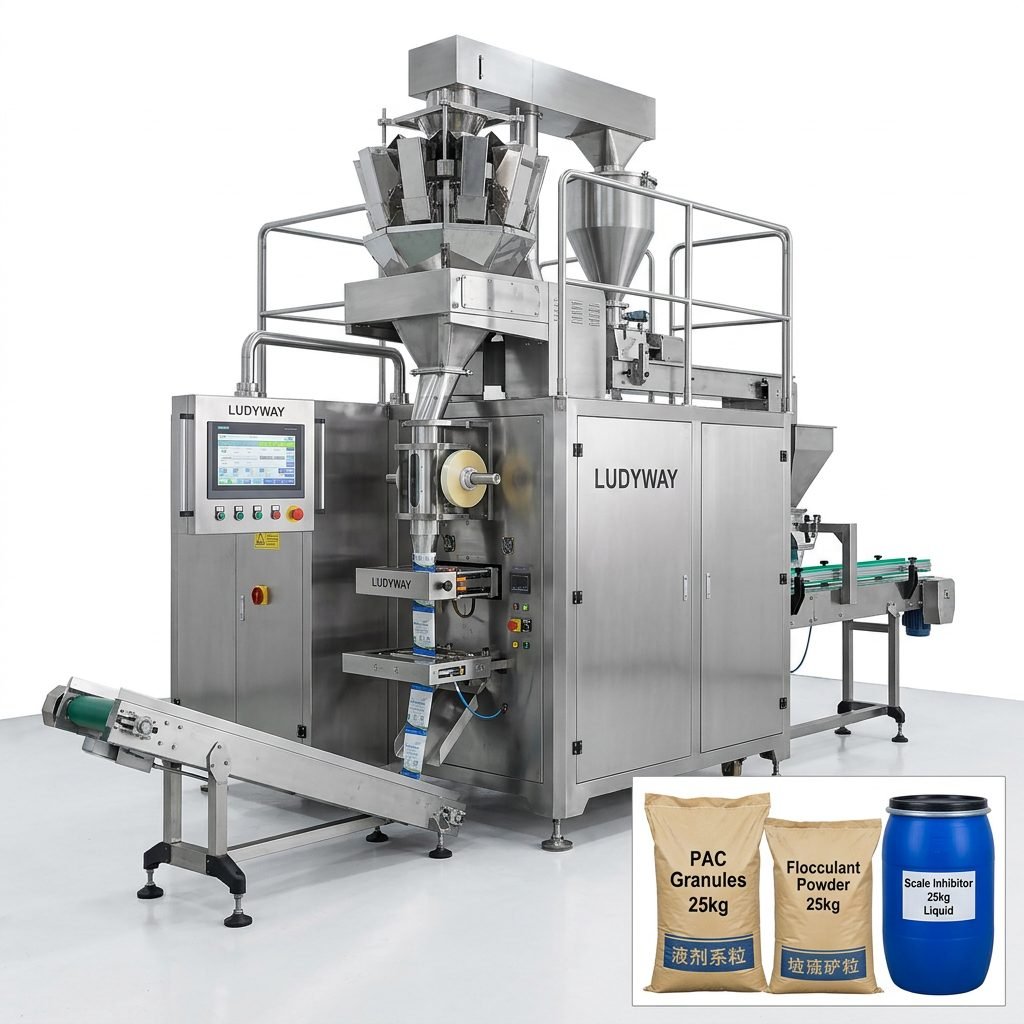
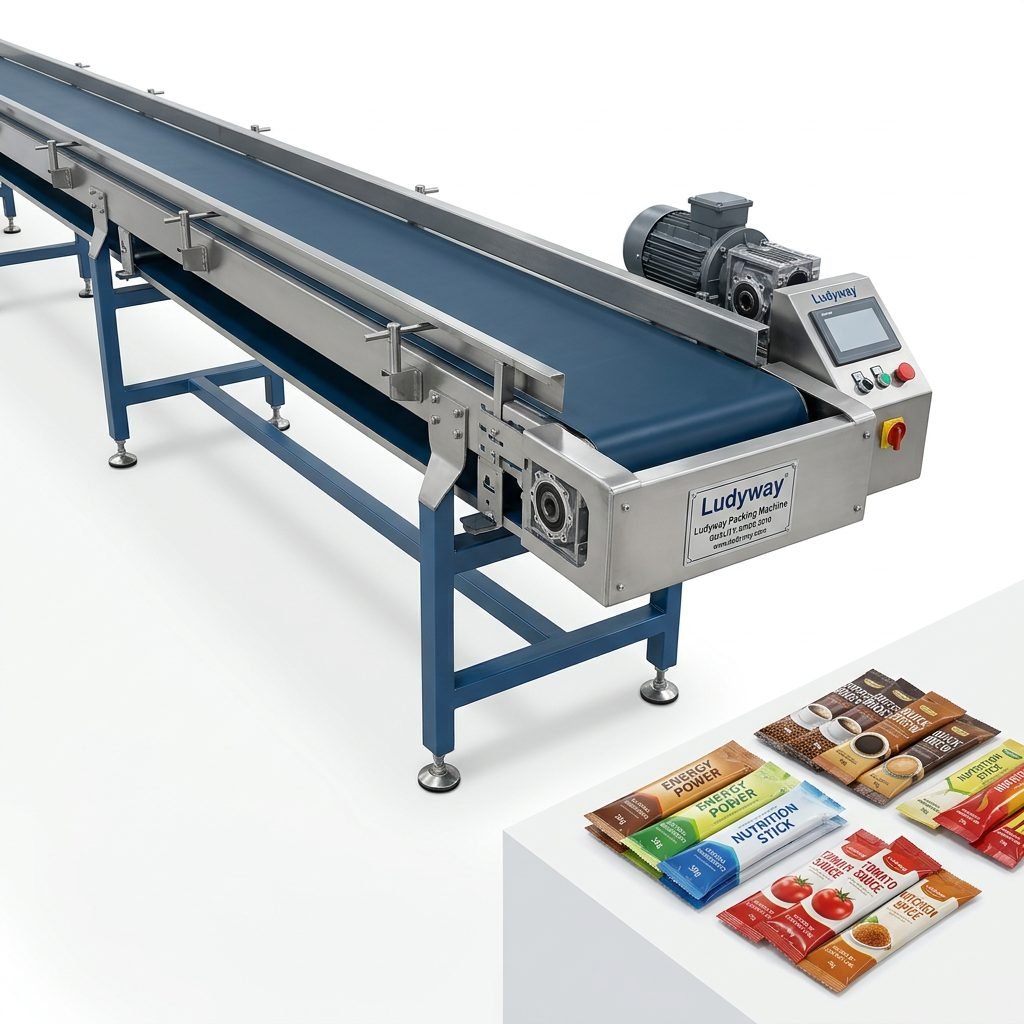
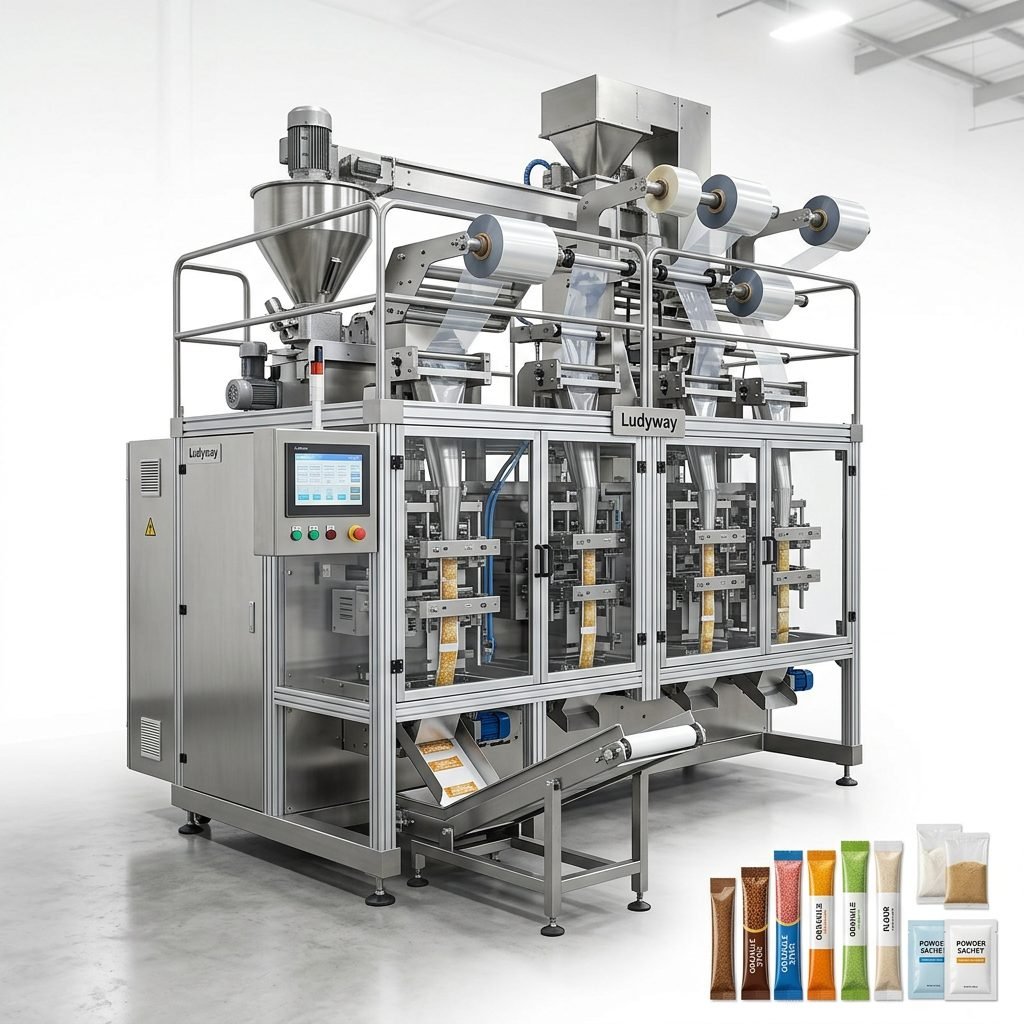
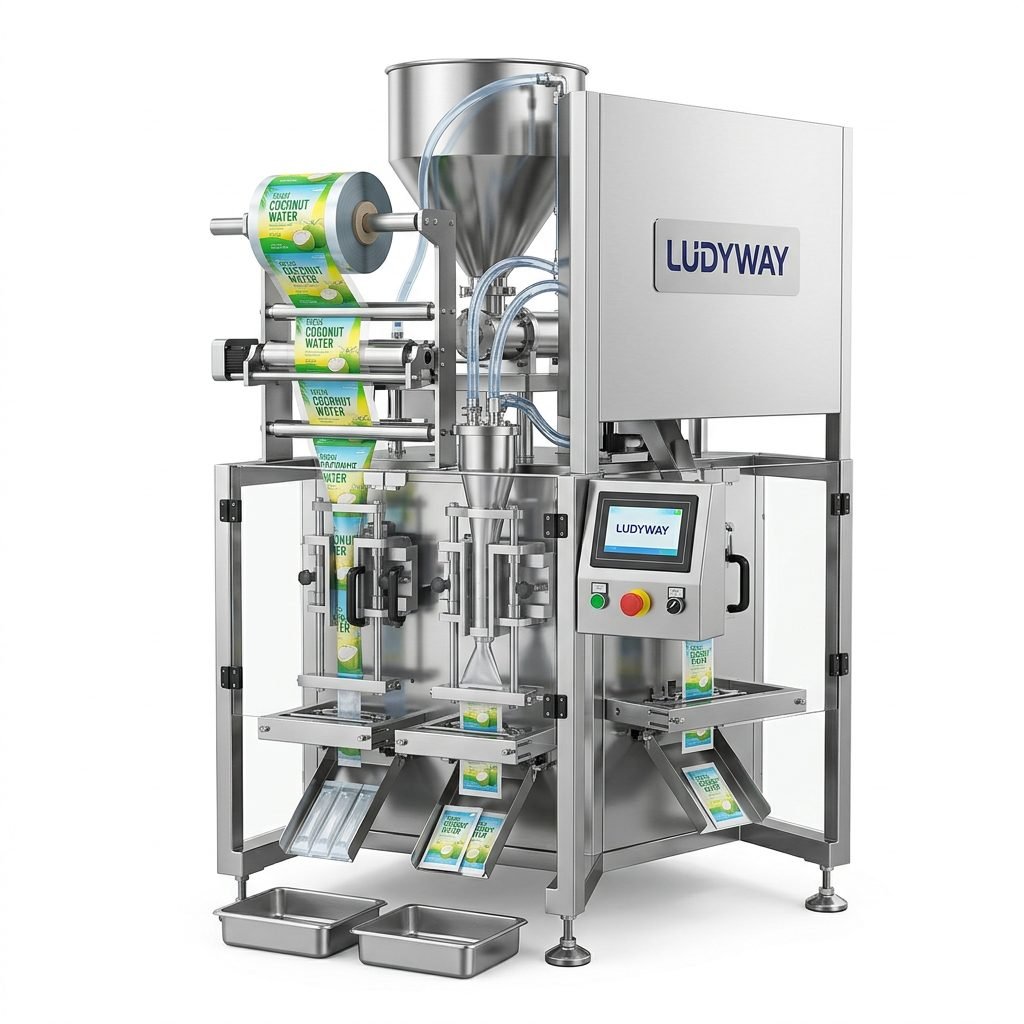
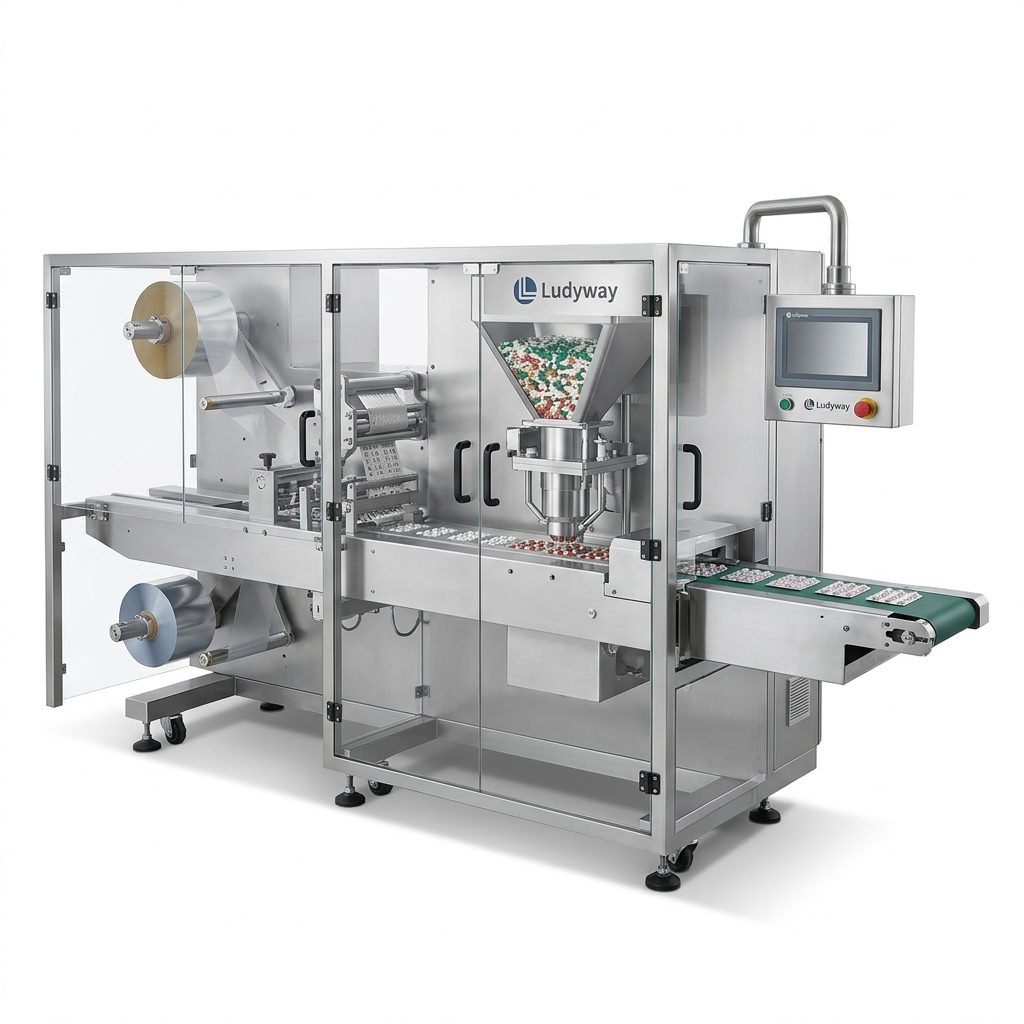
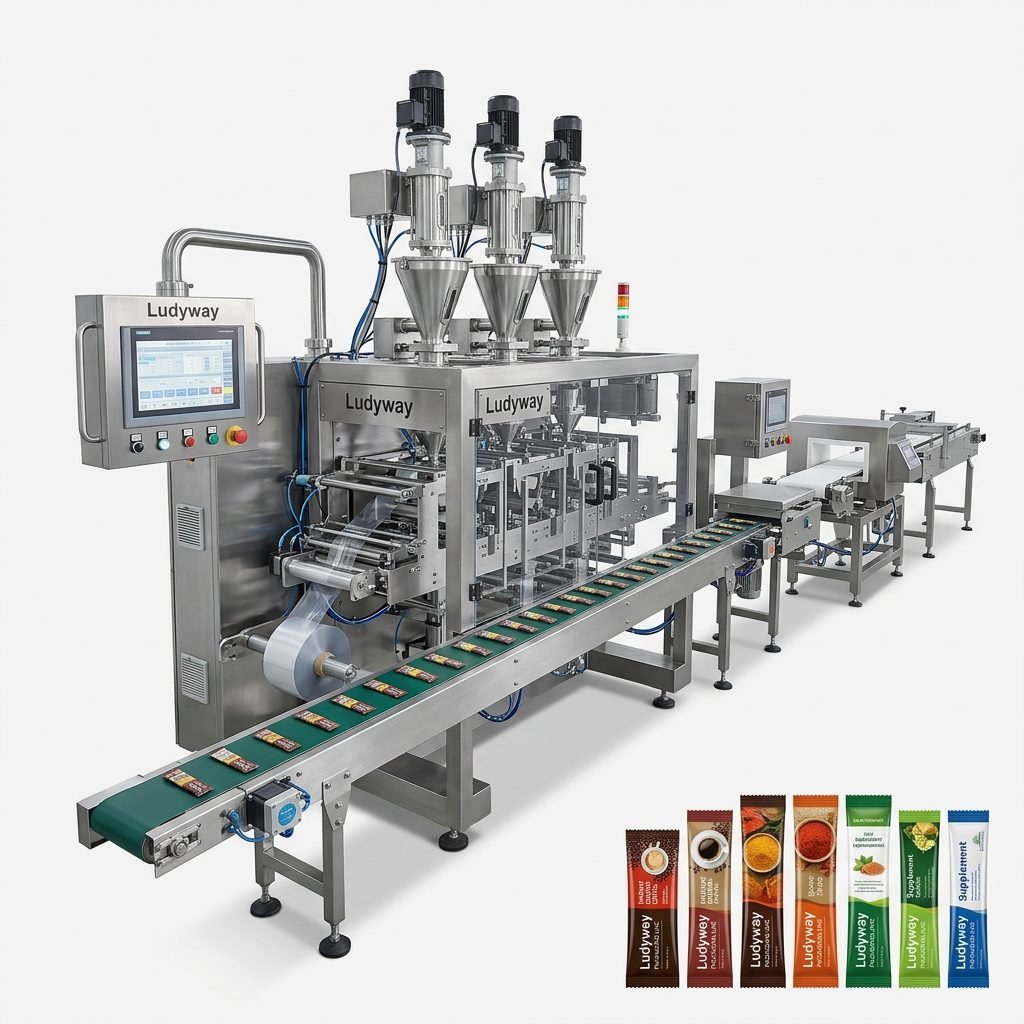
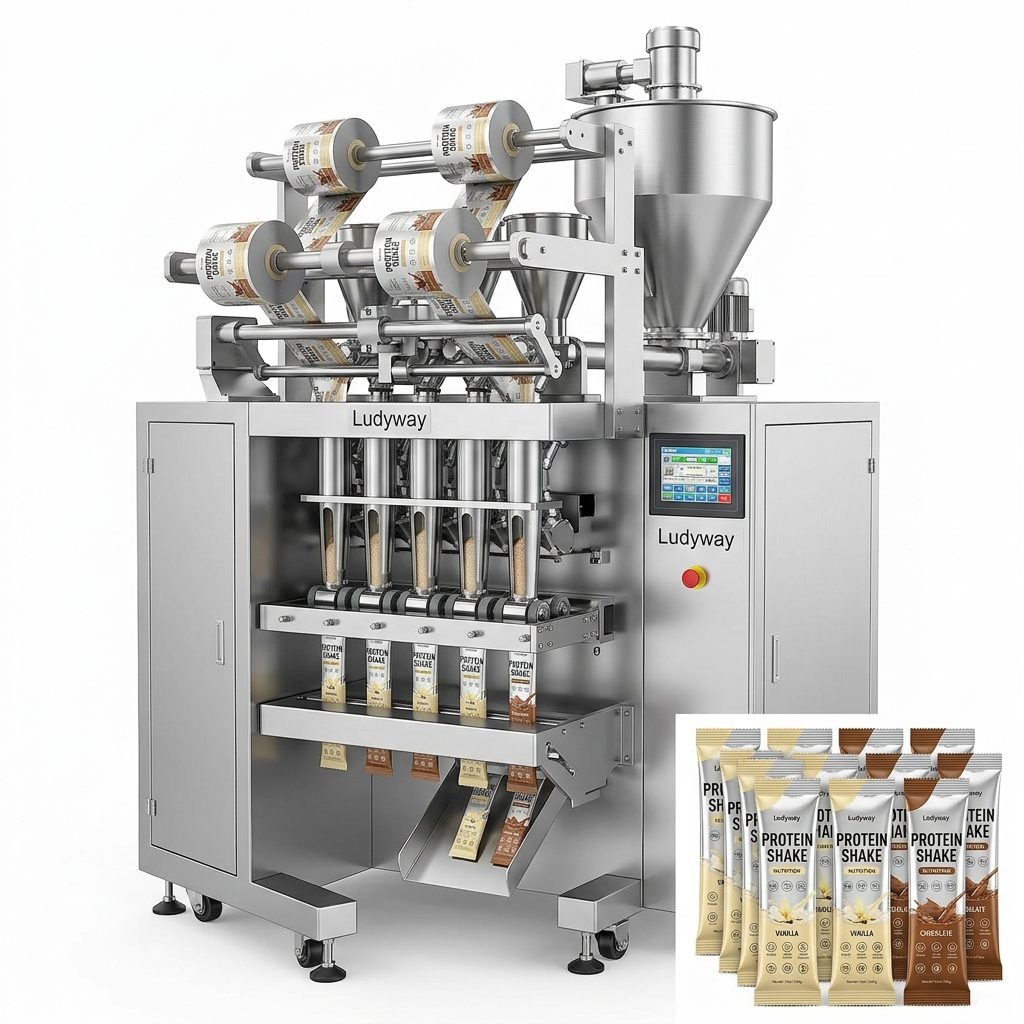
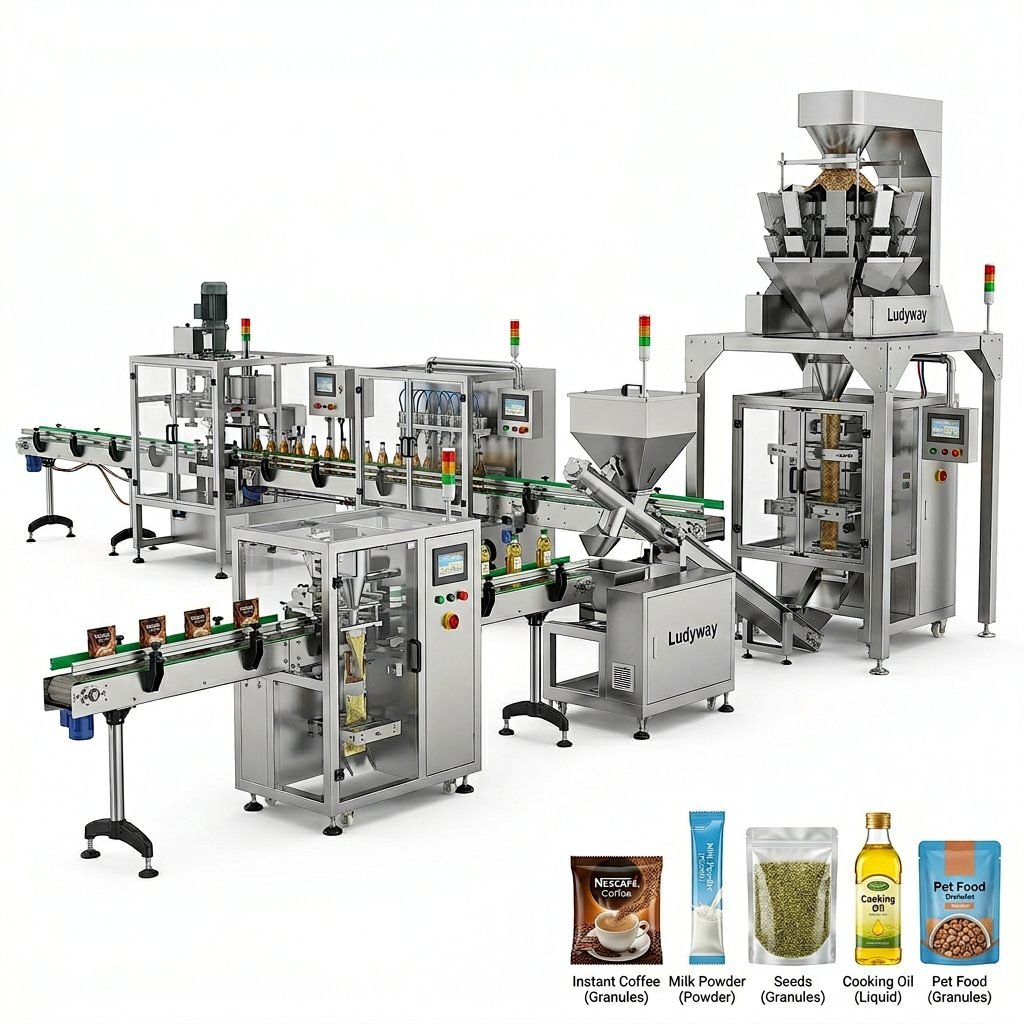
A foam packing machine is a packaging system designed to create, dispense, or shape protective foam around products so they remain safe during storage, shipping, and handling. It is widely used in industries that need strong cushioning for fragile, irregular, or high-value items, including electronics, automotive parts, medical devices, household goods, and industrial components.
For businesses that want better product protection and faster packing operations, choosing the right machine can reduce breakage, improve consistency, and lower overall packaging costs. Modern systems can be used as standalone units or integrated into automated packing lines for higher throughput.

What Is a Foam Packing Machine?
A foam packing machine typically works by producing foam-on-demand or by handling preformed foam materials for cushioning and void filling. The goal is simple: create a protective barrier that absorbs shock, limits movement inside the package, and helps products arrive in perfect condition.
Depending on the application, the machine may generate foam cushions in bags, dispense expanding foam directly into packaging, or process protective foam inserts. Businesses shipping products with unusual shapes often choose foam systems because they offer custom-fit protection that standard fillers may not provide.
Common applications include:
- Electronics and precision instruments
- Glass, ceramics, and fragile consumer goods
- Automotive and mechanical parts
- Medical and laboratory equipment
- E-commerce fulfillment and export shipping
How a Foam Packing Machine Works
Although machine designs vary, the working process usually follows a similar path. The system combines packaging materials and creates protective foam in the required size, density, or shape for the item being packed.
Step-by-step working process
- Product assessment: The operator or automated system determines the size, weight, and fragility of the item.
- Foam generation: The machine dispenses foam material, often by mixing chemical components that expand rapidly.
- Cushion formation: Foam fills empty spaces, surrounds the product, or forms a custom protective nest.
- Package stabilization: The product is held securely to reduce vibration, impact, and internal movement.
- Sealing and dispatch: The carton is closed, labeled, and prepared for warehousing or transportation.
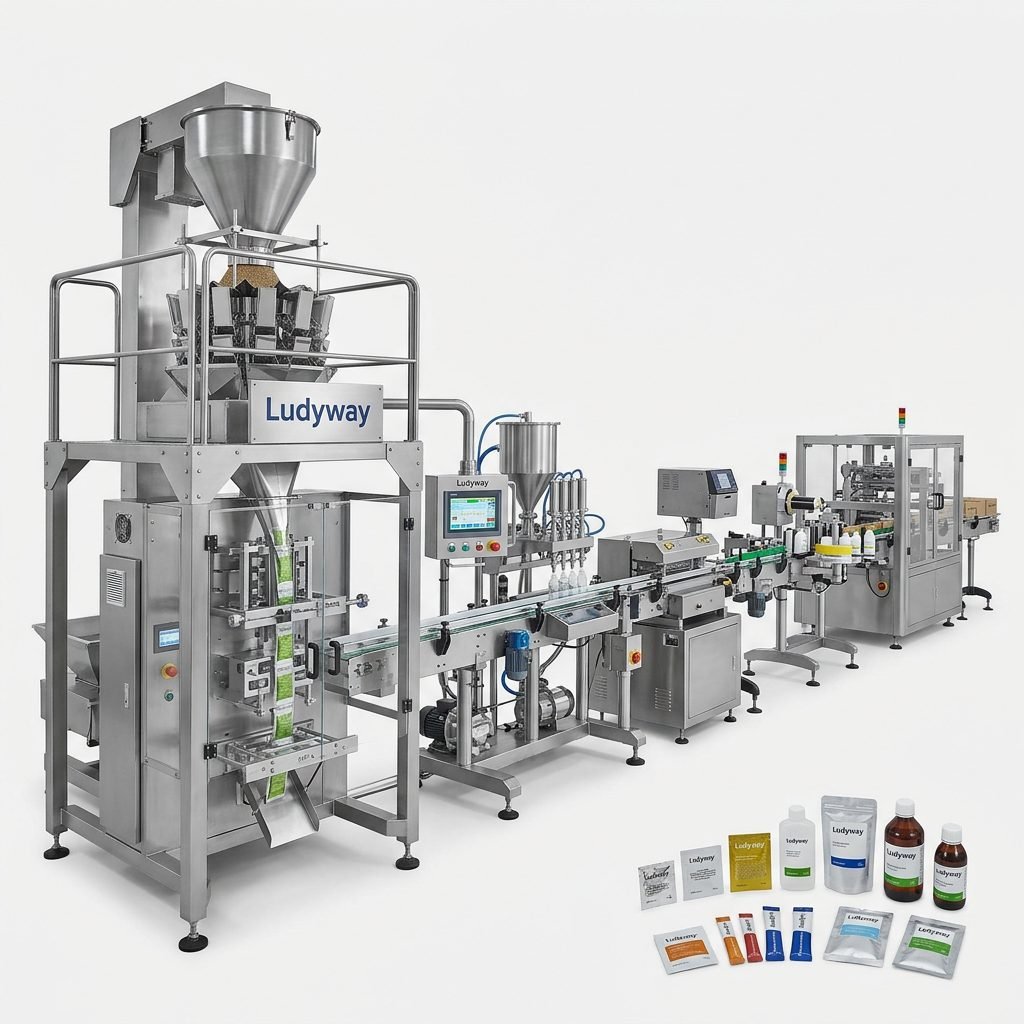
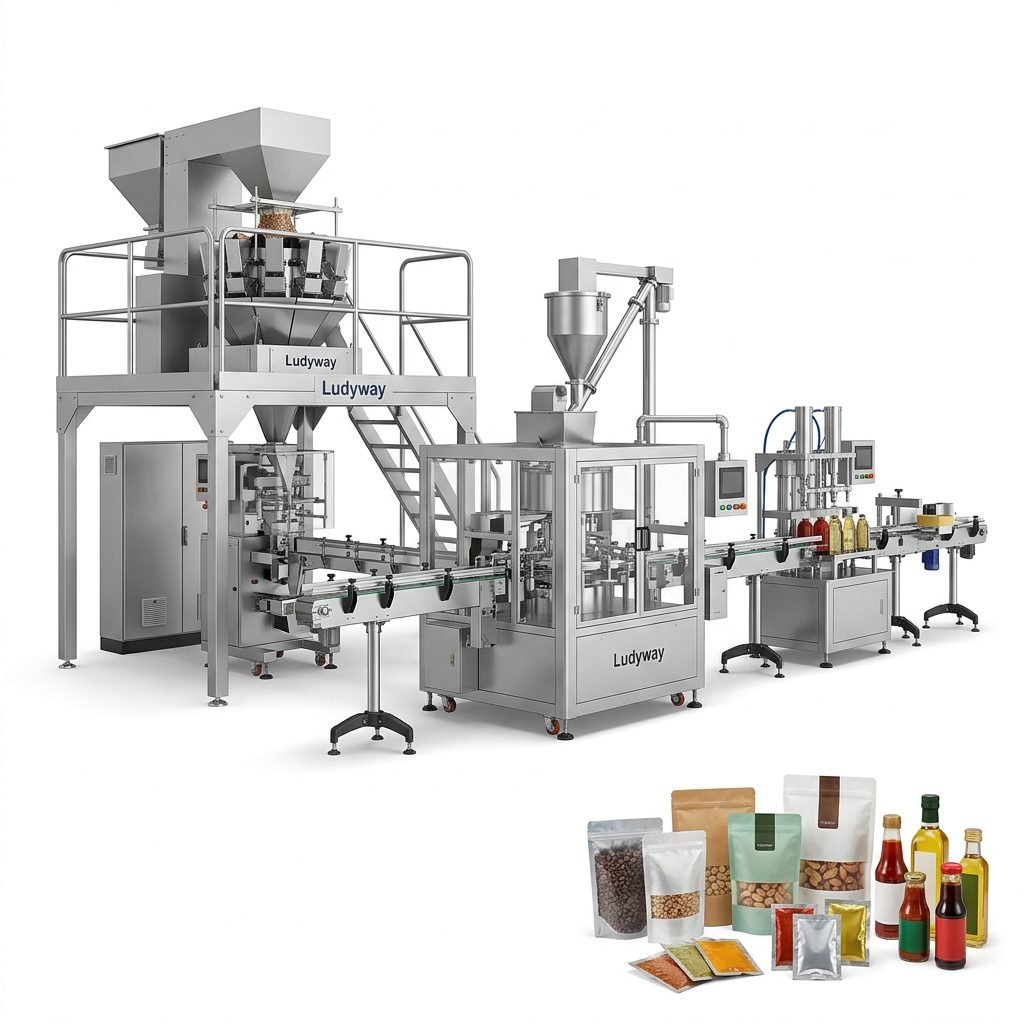
In advanced production environments, foam packing machines can be combined with conveyors, carton erectors, weighing systems, coding units, sealing machines, and end-of-line automation. This is especially useful for manufacturers seeking higher speed and repeatable packing quality.
Main Types of Foam Packing Machines
Not every foam packing machine works the same way. Your ideal choice depends on product type, order volume, floor space, and required level of automation.
| Machine Type | How It Works | Best For |
|---|---|---|
| Foam-in-bag machine | Creates foam inside plastic bags that expand into cushions | Fragile goods, mixed product sizes, fulfillment centers |
| Foam-on-demand machine | Produces foam only when needed during packing | Operations needing flexibility and material savings |
| Molded foam system | Forms specific foam shapes or inserts for products | Repeat packaging for fixed product dimensions |
| Integrated automatic packing line | Combines foam protection with conveying, filling, sealing, and coding | Medium to large factories with high throughput demands |
Key Components of a Foam Packing System
Understanding the core machine structure helps buyers compare options more accurately. A reliable foam packing machine usually includes the following parts:
- Material supply unit for foam chemicals or foam media
- Mixing and dispensing system for controlled foam output
- Operator panel or PLC for setting parameters and recipes
- Conveyor or worktable for product handling
- Safety devices such as emergency stop, guards, and alarms
- Optional integration modules like weighing, sealing, labeling, and coding
Benefits of Using a Foam Packing Machine
Foam packing equipment is popular because it delivers both product protection and process efficiency. For many manufacturers and logistics providers, the return on investment is visible in reduced damage claims and improved labor productivity.
1. Better product protection
Foam conforms closely to product shapes, creating a stable cushion against shock, vibration, and compression. This is highly valuable for delicate or expensive items.
2. Reduced packaging waste
Foam-on-demand systems produce only the amount required, which can help reduce excess filler use and improve packaging efficiency.
3. Faster packing operations
Compared with manual protective wrapping methods, automated foam systems can significantly speed up pack-out processes, especially in repetitive workflows.
4. Lower labor dependency
Automation reduces operator workload and helps maintain more consistent packing quality across shifts.
5. Improved customer satisfaction
Better packaging means fewer damaged shipments, fewer returns, and a stronger brand image.
6. Suitable for many industries
From consumer goods to industrial parts, foam systems are adaptable across a wide range of packaging applications.
Quick takeaway:
If your products are fragile, irregularly shaped, or frequently damaged during transit, a foam packing machine can be a high-impact upgrade for both protection and operational efficiency.
Industries That Commonly Use Foam Packing Machines
| Industry | Typical Products | Why Foam Is Used |
|---|---|---|
| Electronics | Boards, monitors, instruments | Shock absorption and anti-movement protection |
| Medical | Devices, analyzers, accessories | Protects precision parts during transport |
| Automotive | Components, sensors, spare parts | Prevents scratches, impact, and shifting |
| E-commerce | Mixed SKU shipments | Flexible protection for changing order profiles |
| Industrial manufacturing | Tools, valves, assemblies | Supports heavy-duty protective packaging |
How to Choose the Right Foam Packing Machine
Buying the right machine is not only about price. It is about matching the equipment to your real packaging conditions, production goals, and future expansion plans.
Consider these factors before buying:
- Product characteristics: size, fragility, surface sensitivity, and shape complexity
- Production volume: low, medium, or high daily output
- Automation level: manual assist, semi-automatic, or fully automatic
- Available space: machine footprint and workflow layout
- Material compatibility: foam type, expansion properties, and packaging format
- Maintenance needs: ease of cleaning, spare parts, and operator training
- Integration options: compatibility with sealing, labeling, coding, and case packing systems
- Supplier support: installation, technical service, remote support, and customization ability
Questions to ask a supplier
- What packaging speed can the machine achieve in real production conditions?
- What foam materials does it support?
- Can the machine be customized for our product sizes?
- How easy is it to change settings between different SKUs?
- What after-sales support and spare parts service are available?
- Can the machine connect to a full packaging line in the future?
Foam Packing Machine Buying Guide
If you are comparing suppliers, it helps to evaluate them beyond machine specifications. A good supplier should understand packaging processes, not just machine assembly.
| Buying Checklist | Why It Matters |
|---|---|
| Stable machine performance | Reduces downtime and inconsistent packaging quality |
| Customization capability | Ensures machine fit for your products and workflow |
| Scalability | Supports future production growth |
| After-sales support | Important for installation, troubleshooting, and spare parts |
| Line integration experience | Useful if you need a complete automated packaging solution |
| Export experience | Helps with compliance, logistics, and international service |
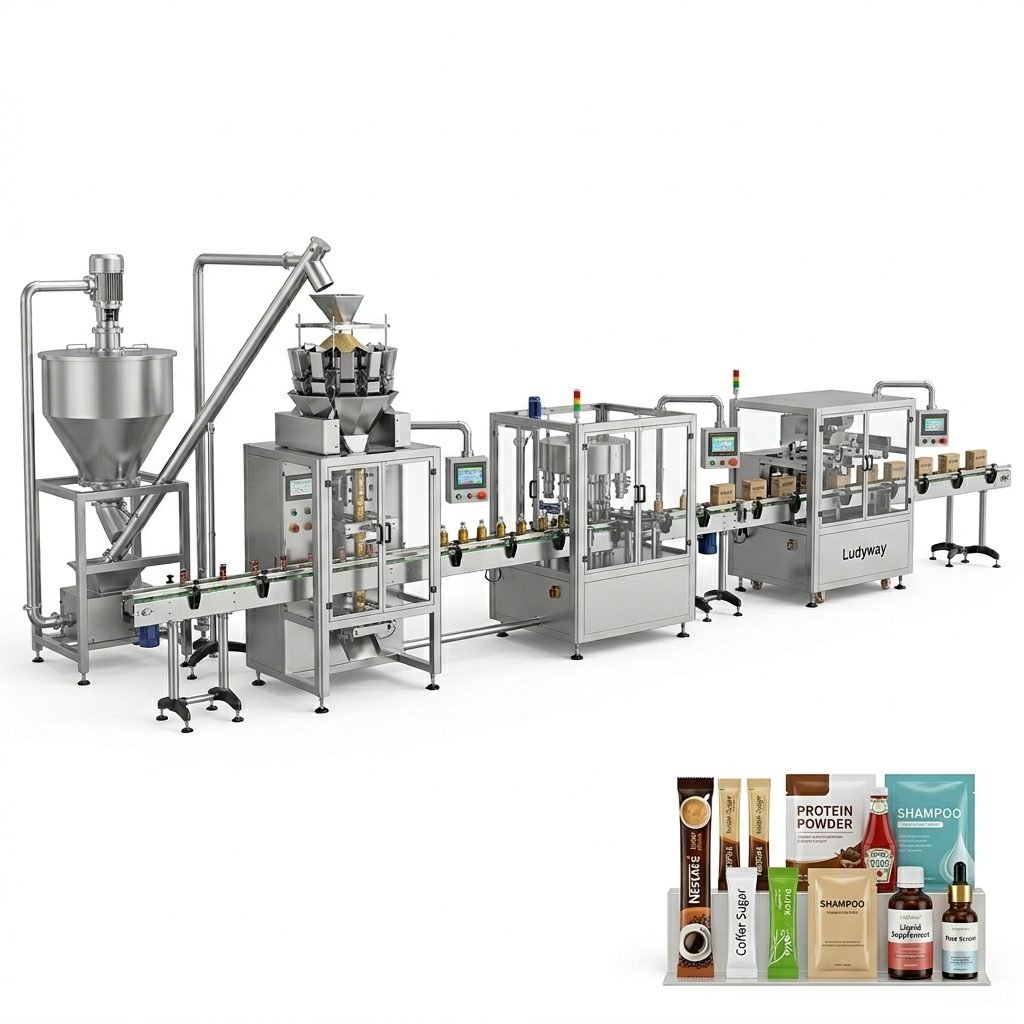
For buyers looking for broader packaging automation expertise, Ludyway foam packing machine and packaging line solutions may also be worth evaluating, especially for businesses that require scalable equipment, customization, and long-term technical support from an experienced packaging machinery manufacturer.
Common Mistakes to Avoid When Buying
- Choosing only by lowest price instead of total lifecycle value
- Ignoring actual packaging speed under production conditions
- Overlooking maintenance and spare parts availability
- Buying a system with limited upgrade potential
- Not testing the machine with real product samples
- Forgetting operator training and safety requirements
Maintenance Tips for Long-Term Performance
Proper maintenance helps keep a foam packing machine accurate, safe, and efficient. Even a high-quality machine needs routine checks to avoid downtime.
- Inspect dispensing and mixing parts regularly
- Clean material contact areas as recommended by the manufacturer
- Monitor pressure, temperature, and output consistency
- Replace worn seals, hoses, or consumable parts on schedule
- Train operators on startup, shutdown, and alarm handling
- Keep preventive maintenance records for easier troubleshooting
Who Should Invest in a Foam Packing Machine?
A foam packing machine is a strong investment if your business regularly ships fragile, expensive, or non-standard products and you need more reliable protective packaging. It is especially suitable for:
- Manufacturers with recurring transport damage issues
- Warehouses and fulfillment centers packing varied SKUs
- Exporters shipping long distances
- Factories upgrading from manual packing to automated processes
- Businesses planning integrated end-of-line packaging automation
FAQ About Foam Packing Machines
Is a foam packing machine suitable for small businesses?
Yes. Small businesses can use compact or semi-automatic models if they need better protection without investing in a full automatic line.
Can foam packing machines handle different product sizes?
Most modern systems can handle a range of product sizes, though the adjustment range depends on the machine model and tooling setup.
What is the biggest advantage of foam packaging?
The biggest advantage is custom protective cushioning, especially for fragile or irregularly shaped products.
Can the machine be integrated into an automatic line?
Yes. Many foam packing systems can be integrated with conveyors, sealing machines, coding units, and case packing equipment for higher automation.
How do I know which machine model is right for me?
The best approach is to provide your product samples, packaging dimensions, output targets, and workshop layout to a supplier for evaluation and testing.
Final Selection Advice
The right foam packing machine should match your products, protect them effectively, and fit your production rhythm. Focus on real packaging needs, supplier capability, machine reliability, and future scalability. When these factors are aligned, the equipment can become a long-term asset that improves both shipping safety and operational performance.