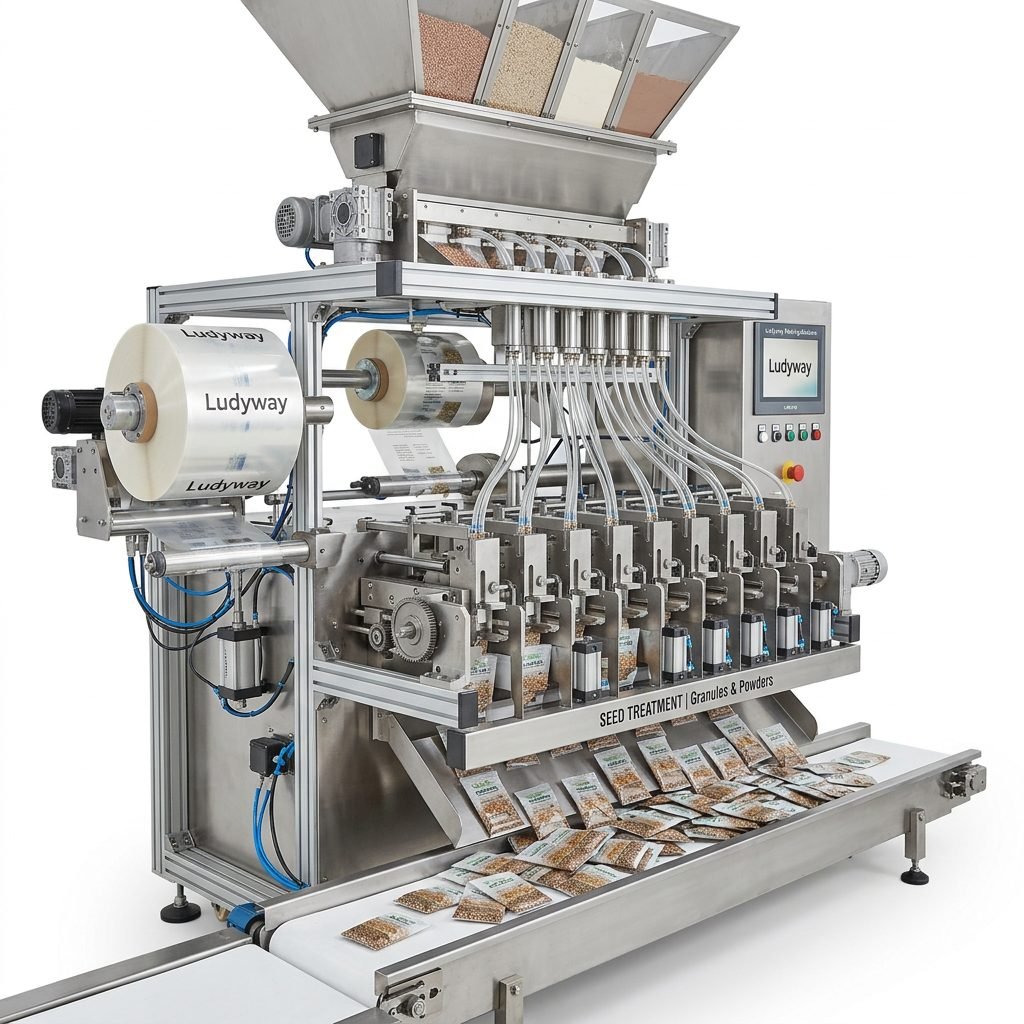
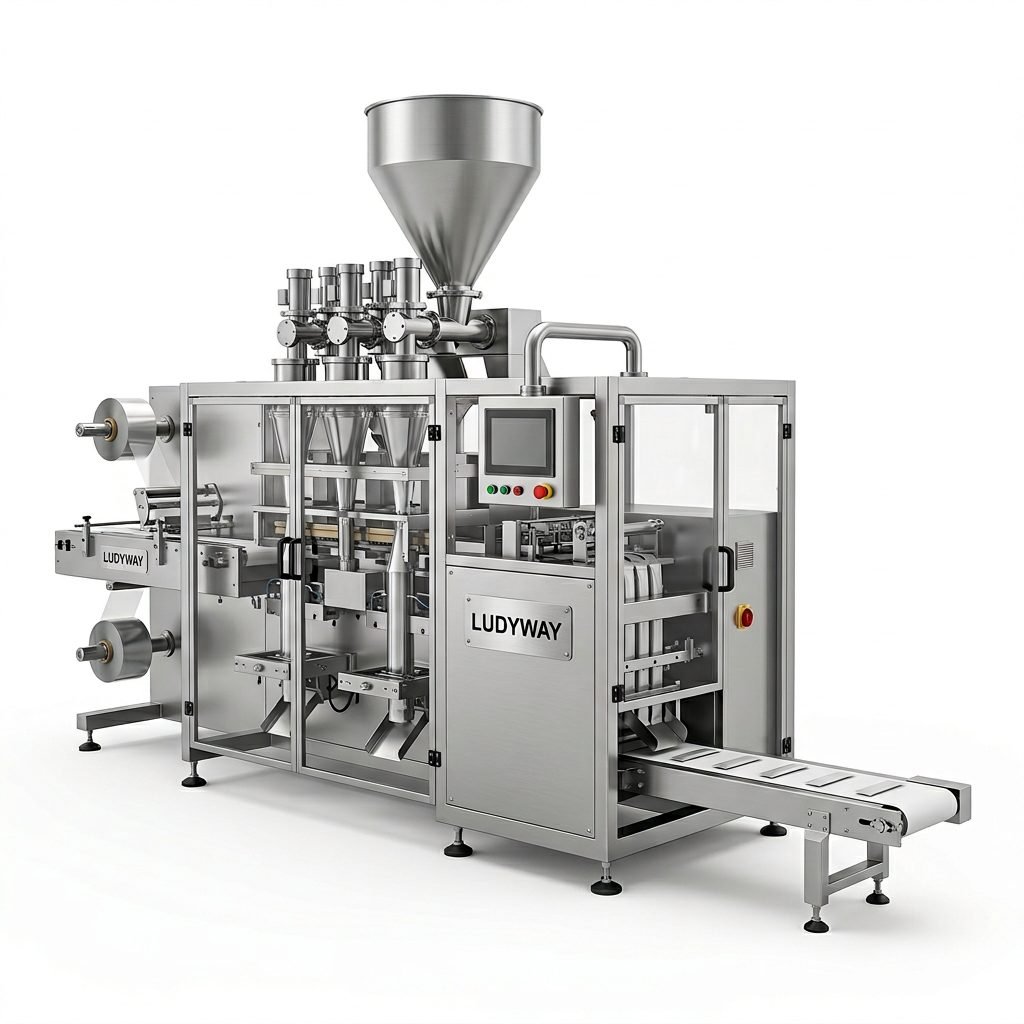
In the competitive landscape of modern logistics and e-commerce, ensuring products arrive safely at their destination is paramount. Air fill packaging machines have become a cornerstone technology for protective void fill packing, offering a versatile, efficient, and cost-effective solution to cushion and secure items within a box. This guide delves into the critical factors for selecting the best air fill packaging machine for your operational needs.
Understanding Protective Void Fill Packing
Void fill packing refers to the use of materials to occupy empty spaces within a shipping container, preventing item movement during transit. Traditional materials like crumpled paper, foam peanuts, or bubble wrap are labor-intensive and can be inconsistent. Air fill packaging, utilizing on-demand inflated air pillows or bubbles, represents a significant advancement.
This method offers superior cushioning, reduces material storage space, and minimizes waste. The core principle involves a machine that converts flat plastic film rolls into inflated cushions of various sizes and patterns, instantly creating the perfect amount of fill for each box.
Key Benefits of Automated Air Fill Systems
Transitioning to an automated air fill system unlocks multiple advantages for businesses:
- ✅ Enhanced Product Protection: Consistent, reliable cushioning significantly reduces damage rates.
- ✅ Operational Efficiency: Machines produce fill material at the packing station, speeding up the process.
- ✅ Cost & Space Savings: Eliminates bulk storage of pre-formed fill; uses only film rolls.
- ✅ Sustainability: Many systems use recyclable film and reduce overall material volume.
- ✅ Customer Satisfaction: Professional, secure packaging improves the end-user experience.
How to Choose the Best Air Fill Packaging Machine
Selecting the right machine is not a one-size-fits-all decision. It requires a careful analysis of your specific packing environment, volume, and product characteristics.
1. Assess Your Production Volume & Speed Requirements
The throughput of your packing line is the primary determinant. Machines are categorized by their output speed (cushions per minute) and duty cycle.
Low-Volume Operations: For small businesses or sporadic packing, a compact, manual-feeding or semi-automatic machine may suffice. These are cost-effective and easy to operate.
High-Volume E-commerce or Logistics Centers: Automated, high-speed systems integrated into conveyor lines are essential. Look for machines with continuous operation capabilities and fast inflation cycles.
2. Consider the Type of Cushion & Film Material
Different products require different cushioning. Machines can produce various pillow shapes (single-bubble, multi-bubble, tubular) and sizes.
• Film Compatibility: Ensure the machine works with the film type you plan to use (e.g., standard polyethylene, recycled-content film, or biodegradable options). Film thickness (gauge) also affects machine settings and cushion strength.
• Cushion Pattern Flexibility: Some advanced models allow on-the-fly adjustment of cushion size and inflation level, offering unparalleled adaptability for mixed-item boxes.
3. Evaluate Integration & Footprint
How will the machine fit into your existing workflow? Consider physical space (footprint), power requirements, and integration potential.
- Stand-alone Units: Placed at a packing station, operated by a single worker.
- Inline Systems: Integrated into an automated conveyor system, dispensing cushions directly into boxes moving down the line.
- Mobile Units: Useful for large warehouses where packing stations are not fixed.
Also, check the machine’s connectivity for potential data collection or integration with Warehouse Management Systems (WMS).
4. Analyze Operational Costs & ROI
The initial purchase price is just one component. A comprehensive cost analysis includes:
Film Cost: Calculate the cost per cushion based on film roll price and cushion size.
Maintenance & Downtime: Reliable machines from reputable suppliers minimize unexpected downtime costs.
Labor Savings: Quantify the time saved per package compared to manual void fill methods.
Damage Reduction: The financial value of lower product damage and associated customer service costs.
A higher-quality, more efficient machine often delivers a faster return on investment despite a higher upfront cost.
5. Prioritize Reliability & Supplier Support
Your packaging line’s reliability depends on your equipment’s reliability. Choose a supplier with a proven track record.
• Technical Support & Training: Ensure the supplier offers comprehensive installation, training, and ongoing technical support. For international operations, consider suppliers with a global support network.
• Spare Parts Availability: Quick access to common spare parts is crucial for maintaining uptime.
• Warranty & Service Agreements: Clear warranty terms and available service contracts provide long-term peace of mind.
Companies like Ludyway Machinery, with decades of experience in packaging automation, exemplify the importance of robust support structures for their global clients.
Advanced Features to Look For
Modern machines offer features that enhance efficiency and intelligence:
🔄 Automatic Film Tracking & Tension Control: Ensures consistent cushion quality and prevents film jams.
📊 Digital Interface & Diagnostics: Touchscreen controls for easy setup and diagnostic displays for quick troubleshooting.
🔗 PLC Control & Integration Ports: Allows for advanced integration with other automated line equipment.
🌿 Eco-Mode Options: Settings that optimize film usage or work efficiently with thinner, more sustainable films.
Implementing Your New Air Fill System
Successful implementation goes beyond the purchase. Plan for a phased rollout:
- Site Preparation: Ensure the designated area meets space, power, and environmental (temperature, cleanliness) requirements.
- Staff Training: Train operators on basic use, daily maintenance, and safety procedures. Supervisors should understand advanced settings and diagnostics.
- Pilot Testing: Run the machine with a variety of your typical products to fine-tune cushion size and inflation settings.
- Full Integration: Gradually integrate the machine into the main packing workflow, monitoring speed and quality.
Partnering with a supplier that provides turnkey solutions and project management can streamline this entire process.
Conclusion: Securing Your Investment in Product Safety
Choosing the best air fill packaging machine is a strategic decision that directly impacts your bottom line through reduced damages, lower operational costs, and improved customer satisfaction. By meticulously evaluating your volume, product needs, integration requirements, and supplier capabilities, you can select a solution that not only fills voids in boxes but also voids in your packaging process’s efficiency and reliability. Investing in a robust system from an experienced provider like Ludyway ensures your packaging operation is equipped for future growth and challenges.
Frequently Asked Questions (FAQs)
1. How much space does an air fill packaging machine typically require?
Space requirements vary widely. Compact, semi-automatic models for low volume may only need a 1m x 1m area next to a packing table. High-speed, inline automated systems require more space along the conveyor line and for the film roll holder. Always check the machine’s specifications and plan for operator access and film loading space.
2. Can one machine handle different box sizes and product types?
Yes, most modern machines are highly adaptable. Key features to look for are adjustable cushion length and width settings, and the ability to control inflation level (air volume). Some machines allow pre-set programs for different box types, enabling operators to switch cushion profiles quickly.
3. What is the typical cost of the plastic film used by these machines?
Film cost is calculated per roll or per meter/foot. The cost per cushion is extremely low compared to pre-formed materials. Prices depend on film gauge (thickness), material type (standard, recycled, biodegradable), and purchase volume. Suppliers can provide detailed cost-per-cushion estimates based on your chosen cushion size.
4. How reliable are these machines, and what maintenance is required?
High-quality machines from established manufacturers are very reliable. Daily maintenance is usually minimal, involving cleaning and visual inspection. Periodic maintenance may include lubricating specific parts and checking seals. The most critical factor is choosing a supplier with readily available spare parts and responsive technical support to handle any unforeseen issues.
5. Are air pillows environmentally friendly compared to other void fill?
Air fill packaging can be more sustainable. It uses significantly less plastic volume than loose fill peanuts or large bubble wrap. The pillows are often recyclable (check film type), and the system generates no waste during production (unused pre-formed fill). Furthermore, it reduces storage and transportation energy for packaging materials. Many suppliers now offer films with recycled content or biodegradable options.