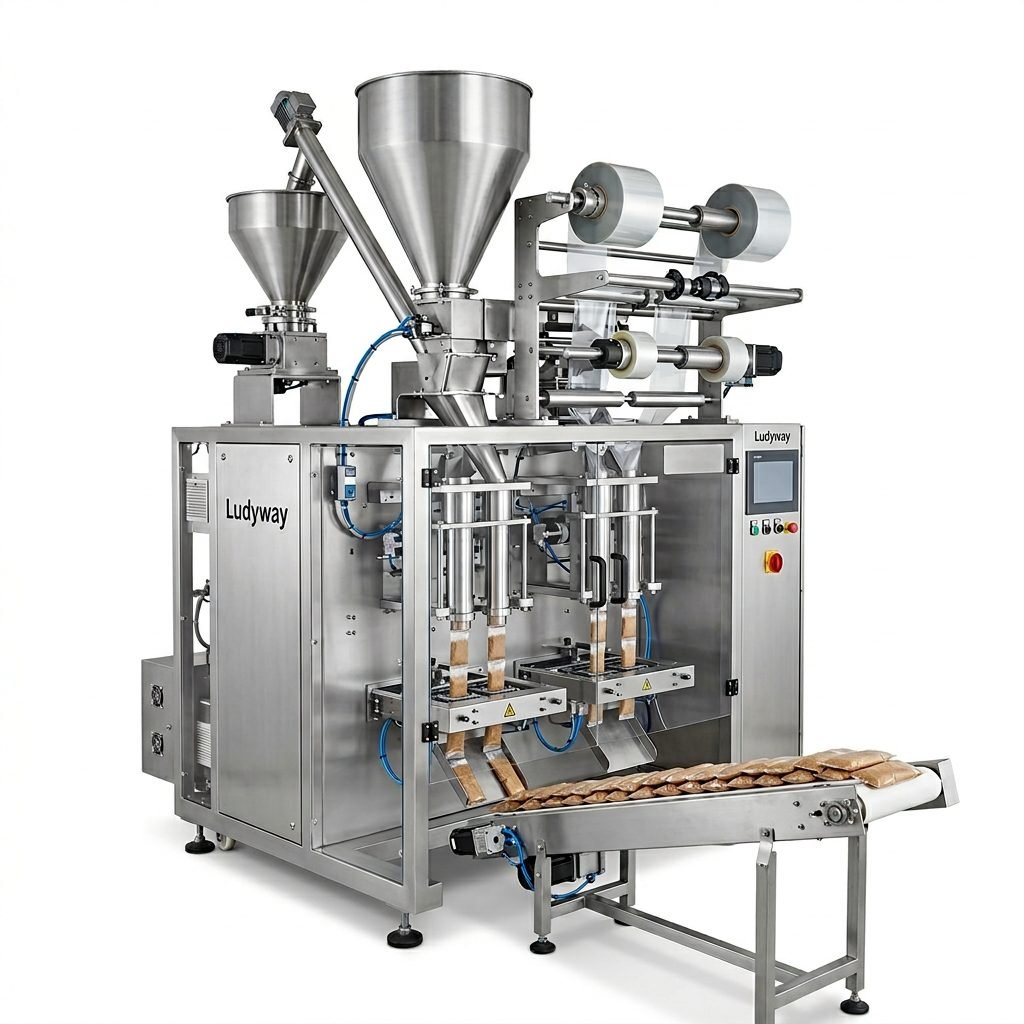
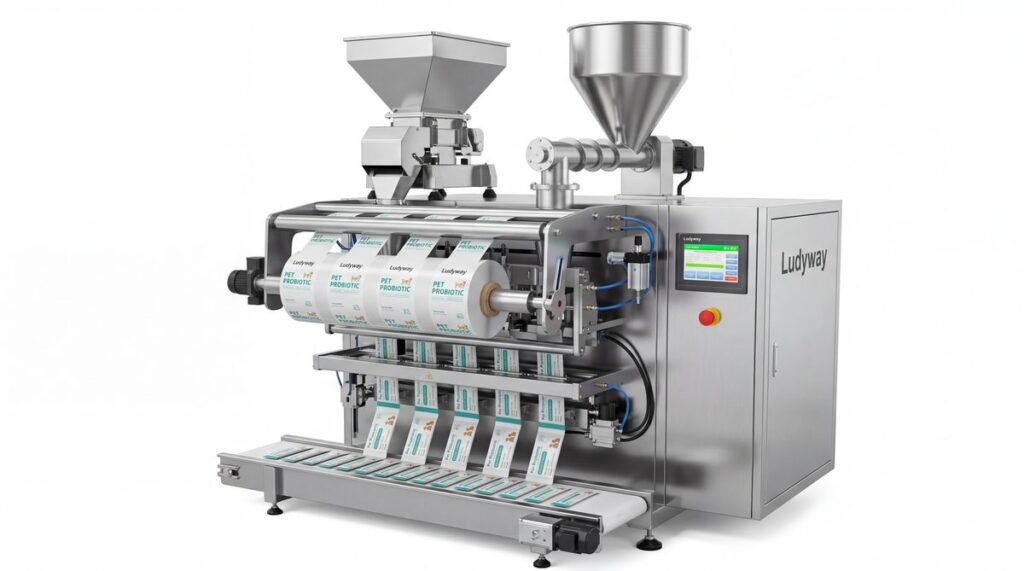
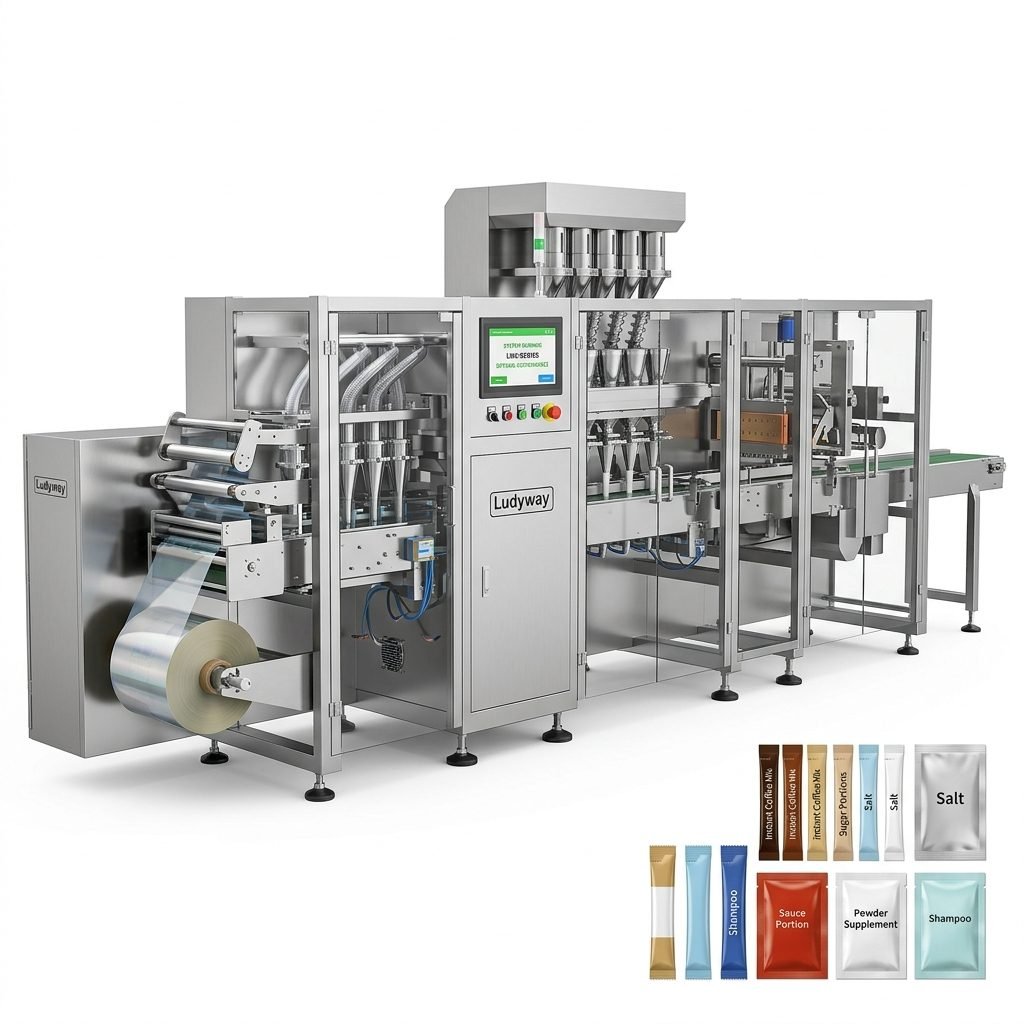
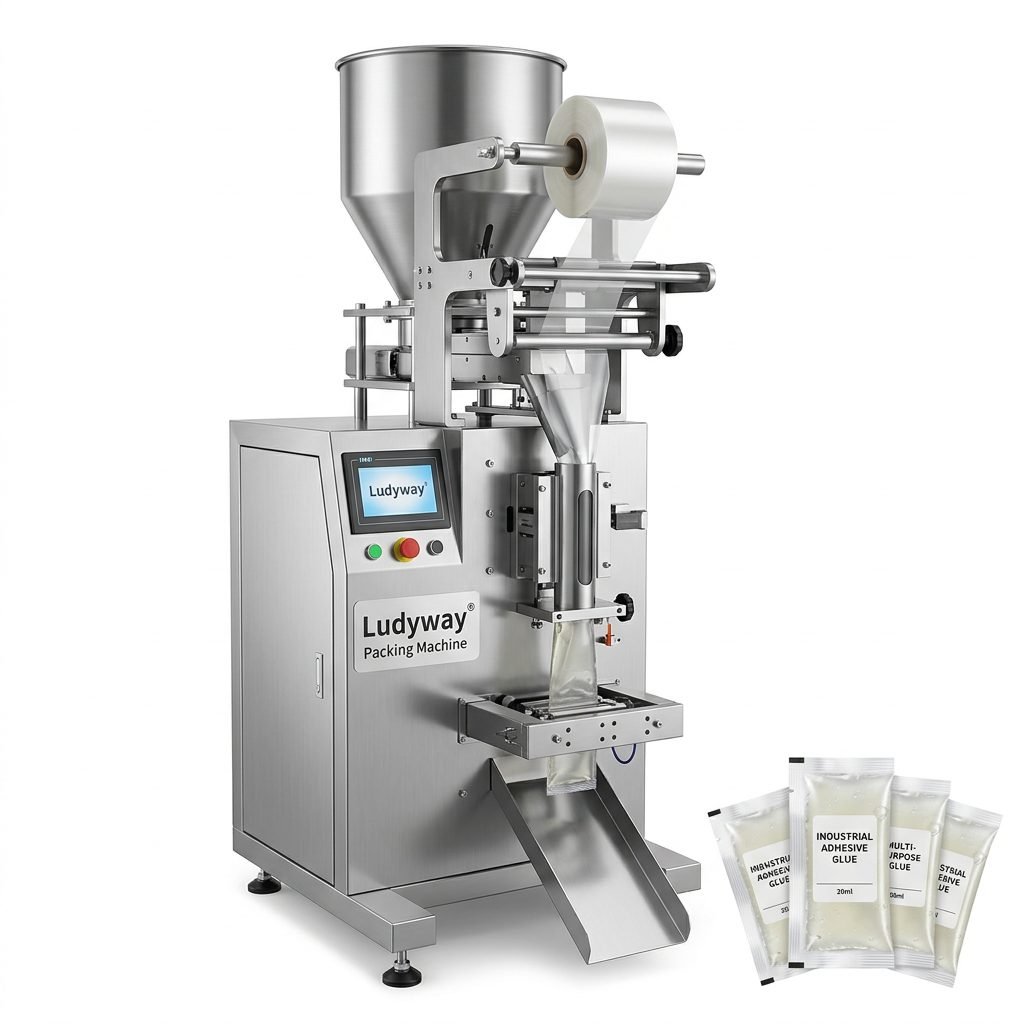
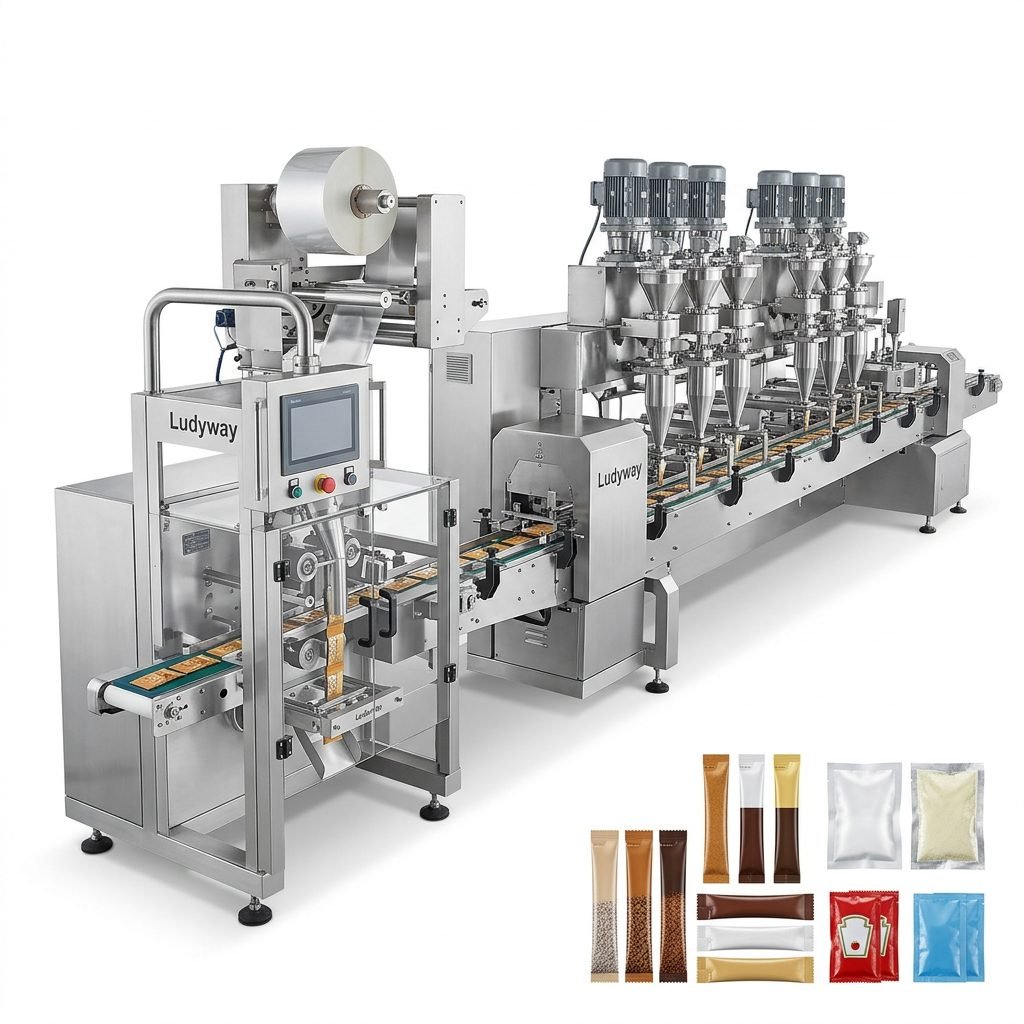
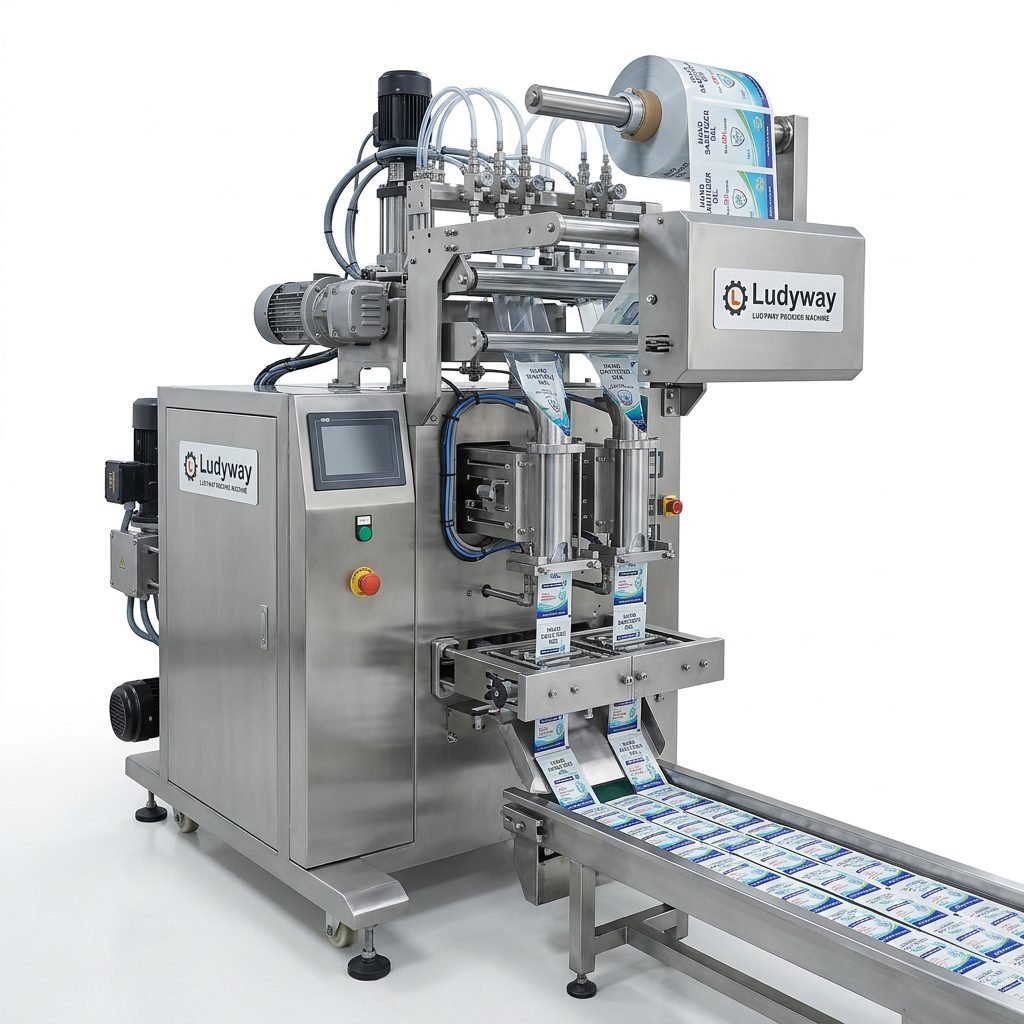
In the fast-paced world of manufacturing, efficiency, precision, and product protection are paramount. For industries handling paints, coatings, inks, and similar viscous products, the final step of packaging is not merely about containment—it’s a critical process that impacts shelf life, brand presentation, logistics, and customer satisfaction. This is where paint packaging machines become indispensable. This comprehensive guide delves into the world of these specialized machines, exploring their various types, core working principles, and essential factors to consider when making an investment.
Understanding the Role of Paint Packaging Machines
Paint packaging machines are automated systems designed to accurately fill, seal, and label containers with liquid or semi-liquid products. They handle a variety of container types, including cans, pails, buckets, tubes, and pouches. The primary goals are to ensure consistent fill volume, prevent leaks and contamination, maintain high production speeds, and reduce manual labor and material waste. From small artisanal paint producers to large industrial coating manufacturers, these machines streamline operations and enhance product quality.
Core Benefits of Automated Paint Packaging
- ✔ Precision & Consistency: Eliminates human error, ensuring every container has the exact same amount of product.
- ✔ Increased Productivity: Dramatically speeds up the packaging line compared to manual filling.
- ✔ Reduced Waste & Cost Savings: Minimizes product spillage and overfilling, saving raw materials.
- ✔ Improved Safety & Hygiene: Contains fumes and spills, creating a cleaner, safer work environment.
- ✔ Enhanced Brand Image: Produces professional, uniform, and leak-proof packages that build customer trust.
Major Types of Paint Packaging Machines
The right machine depends on your product viscosity, container type, and required output. Here are the most common configurations:
1. Piston Filling Machines
Ideal for medium to high-viscosity products like heavy-body paints, primers, and sealants. A piston draws a precise volume of product from a hopper and dispenses it into the container. They are known for exceptional accuracy and can handle a wide range of container sizes.
Key Features:
- Excellent for thick, non-flowing products.
- Minimal product aeration.
- Easy to clean and maintain.
2. Gravity Filling Machines
Best suited for low-viscosity, free-flowing liquids such as stains, solvents, or thinner paints. Product flows from an elevated tank into containers by gravity. Fill volume is controlled by timers or sensors. This is a simple, cost-effective solution for many paint applications.
3. Pump Filling Machines
Utilizes rotary lobe, gear, or peristaltic pumps to transfer product. Extremely versatile, they can handle everything from watery stains to abrasive fillers and metallic paints. Pump systems are often chosen for their gentle handling of shear-sensitive products and easy integration into larger lines.
4. Auger Filling Machines
Designed for filling powders or extremely thick paste-like products (e.g., certain putties or caulks). A rotating auger screw meters product from a hopper into the container. They provide superb accuracy for dry or semi-solid materials sometimes used in the broader coatings industry.
5. Complete Packaging Lines
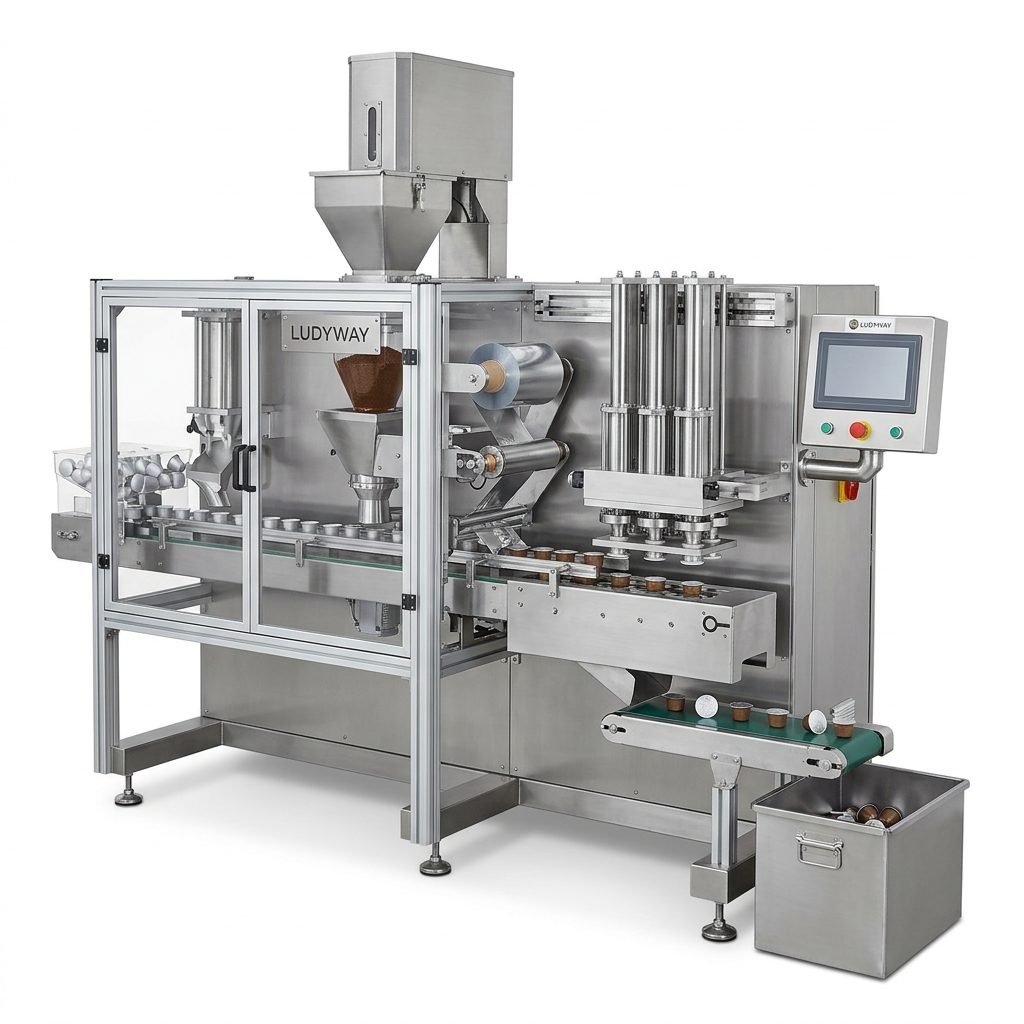
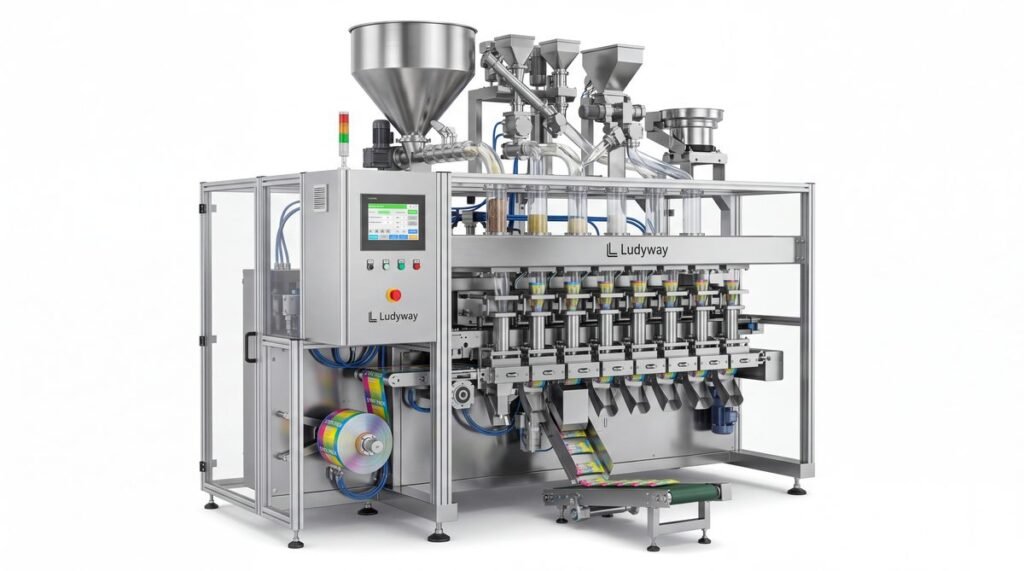
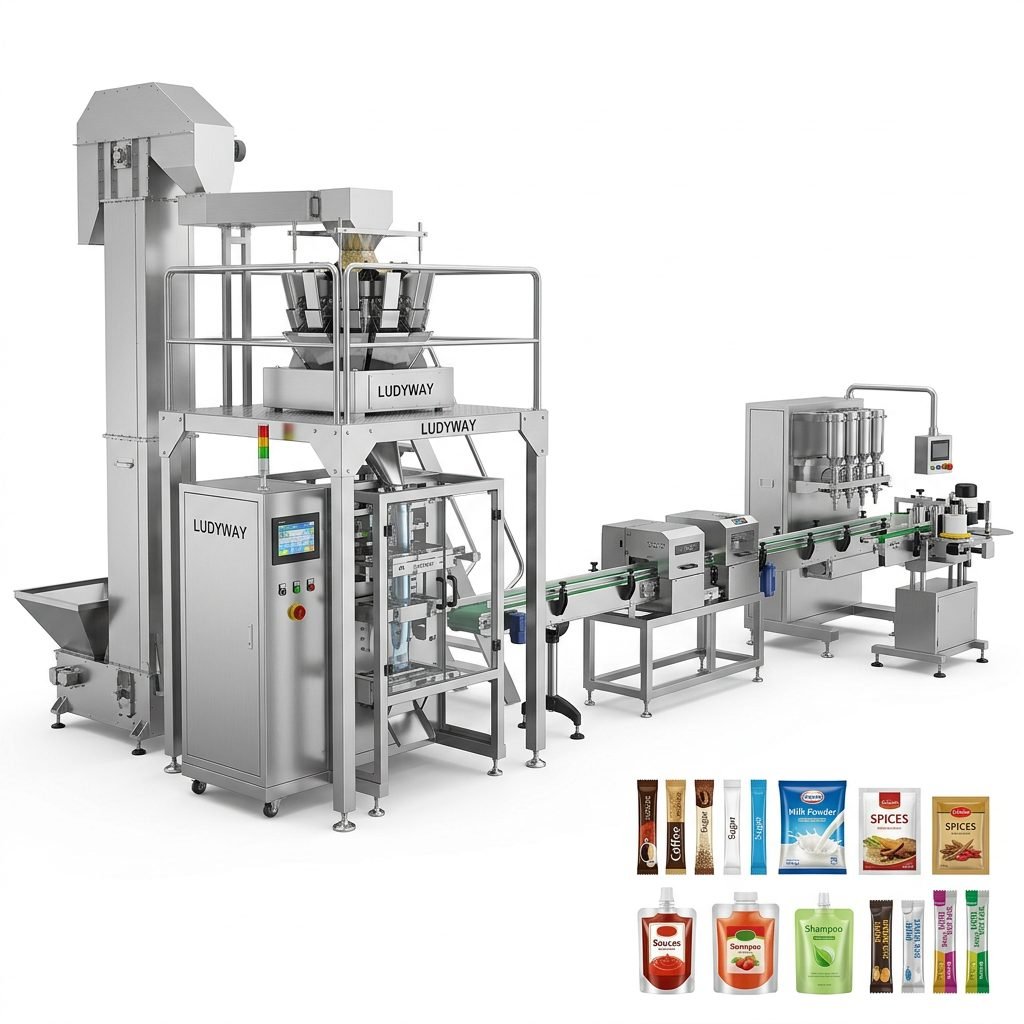
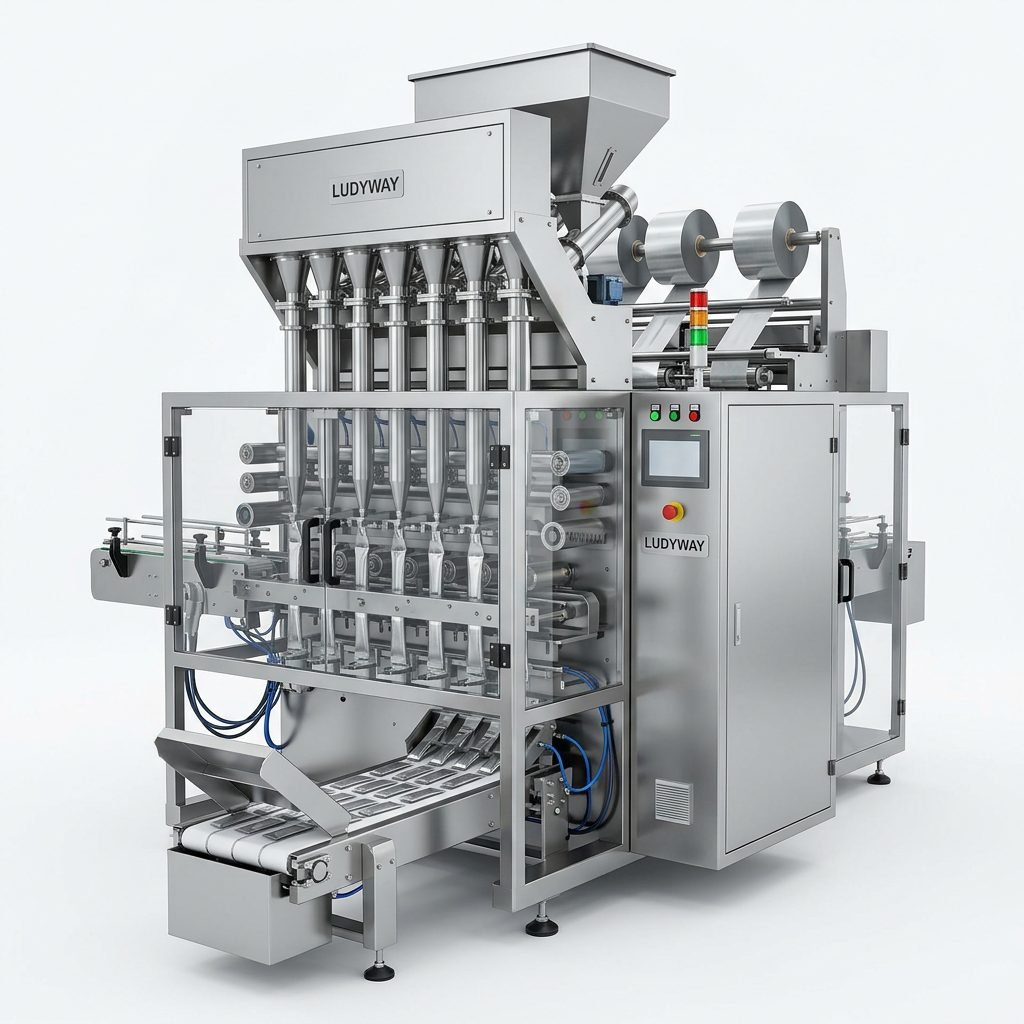
For high-volume production, machines are integrated into a full system. This can include an automatic container unscrambler, filling machine, capping or lidding machine, labeling system, and coding machine, all synchronized on a conveyor. This turnkey approach maximizes throughput with minimal manual intervention.
How Paint Packaging Machines Work: Key Principles
While designs vary, most automated fillers follow a similar sequence. Understanding this process helps in selecting and operating the right equipment.
The Standard Operating Cycle
- Container Positioning: Empty containers are fed and aligned precisely under the filling nozzle, often via a starwheel or indexing conveyor.
- Filling Phase: The filling valve opens, and the chosen mechanism (piston, pump, gravity) dispenses the pre-set volume of paint. Nozzles may retract or be bottom-up to minimize foam and splashing.
- Sealing & Capping: Filled containers move to a capping station where lids are applied and tightened to the correct torque to ensure a hermetic seal.
- Labeling & Coding: Finally, labels are applied, and batch codes or expiration dates are printed on the containers.
Advanced machines feature programmable logic controllers (PLCs) and touchscreen HMIs for easy setup, recipe storage, and monitoring of production counts, speeds, and any faults.
Critical Buying Tips for Your Paint Packaging Machine
Investing in packaging machinery is a significant decision. Here are the key factors to evaluate to ensure you choose the perfect system for your needs.
1. Analyze Your Product & Container
- Viscosity & Characteristics: Is your product watery, creamy, or paste-like? Does it contain abrasives or solvents? This determines the filling technology (e.g., piston for paste, pump for solvents).
- Container Type & Size: Specify the material (metal can, plastic pail), opening size, shape, and the range of sizes you need to run. The machine must handle them all securely.
2. Define Your Production Requirements
- Output Speed (Containers/Hour): Calculate your required daily/weekly output. Don’t just consider peak demand; think about average sustainable throughput.
- Accuracy & Fill Volume: Determine the acceptable tolerance for fill volume. High-end products demand tighter accuracy to avoid giveaways.
3. Evaluate Machine Construction & Features
Look for Durability and Safety:
Choose a machine with a robust stainless steel frame and food/pharma-grade contact parts if needed. Key features include drip trays, splash guards, emergency stops, and easy-clean designs. Corrosion-resistant materials are crucial for paint applications.
4. Consider Integration & Support
- Automation & Connectivity: Can it integrate with your existing conveyors, cappers, and labelers? PLC control with recipe memory is highly valuable.
- Supplier Reputation & Service: Partner with a reliable manufacturer known for quality and support. Check for availability of spare parts, training, and technical assistance. Companies with deep industry experience, like Ludyway Machinery, bring valuable expertise in tailoring solutions.
5. Total Cost of Ownership (TCO)
Look beyond the initial price. Factor in installation, maintenance costs, energy consumption, and potential downtime. A slightly more expensive, reliable machine often has a lower TCO than a cheaper, problematic one.
Conclusion
Selecting the right paint packaging machine is a strategic investment that drives operational efficiency, product quality, and brand integrity. By thoroughly understanding the different machine types—from precise piston fillers to versatile pump systems—and carefully evaluating your specific product needs, production goals, and supplier capabilities, you can implement a solution that grows with your business. Embracing automation in packaging is no longer a luxury but a necessity for staying competitive in the modern market.
Frequently Asked Questions (FAQs)
1. What type of filling machine is best for thick, heavy paint?
Answer: Piston filling machines are generally the best choice for thick, high-viscosity paints, primers, and sealants. They provide excellent volumetric accuracy and can handle non-flowing products without aeration.
2. How do I clean a paint packaging machine between batches or colors?
Answer: Most modern machines are designed for easy cleaning (CIP – Clean-in-Place). Look for models with quick-disconnect parts, accessible fluid paths, and compatibility with appropriate solvents or cleaning agents. Always follow the manufacturer’s specific cleaning procedures.
3. Can one machine handle different container sizes?
Answer: Yes, many machines are adjustable or come with quick-change parts (like nozzles and clamping fixtures) to accommodate a range of container sizes and types. This changeover process should be simple and fast to minimize downtime.
4. What safety features are important for paint packaging?
Answer: Essential safety features include emergency stop buttons, protective guarding, ventilation for fumes, drip containment systems, and electrical components rated for the operational environment (e.g., explosion-proof if handling flammable solvents).
5. Where can I find a reliable supplier for a complete packaging line?
Answer: Seek suppliers with proven experience in your industry and the ability to provide turnkey solutions. A reputable supplier will offer comprehensive support from initial consultation and machine design to installation, training, and after-sales service, ensuring a smooth project from start to finish.