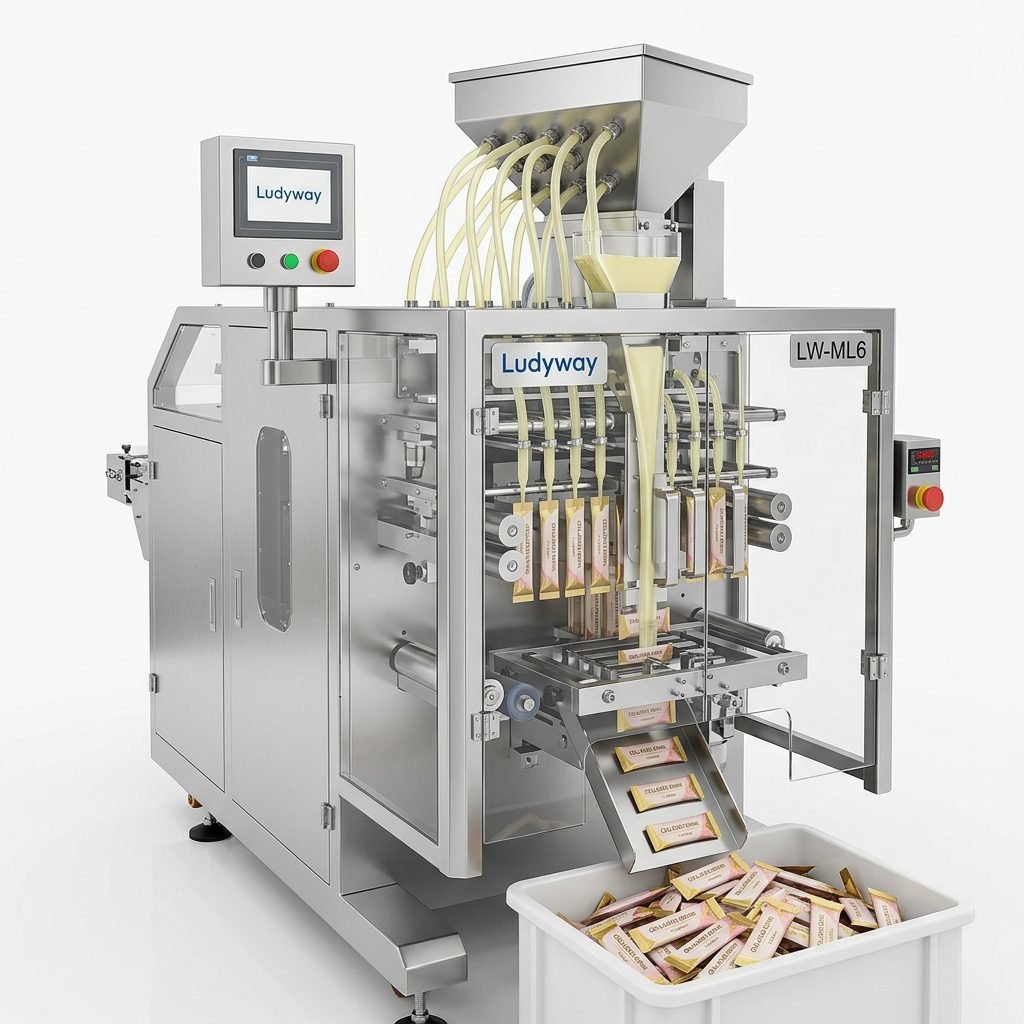
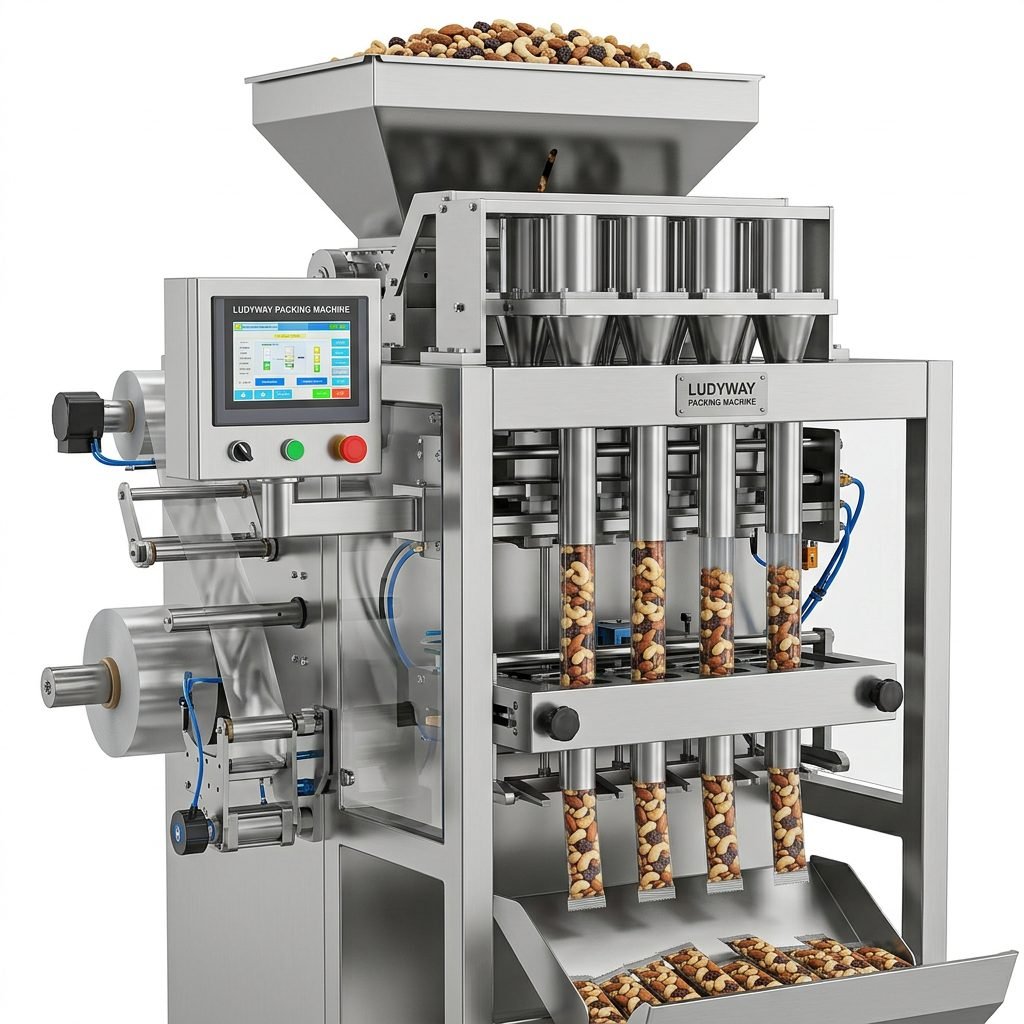
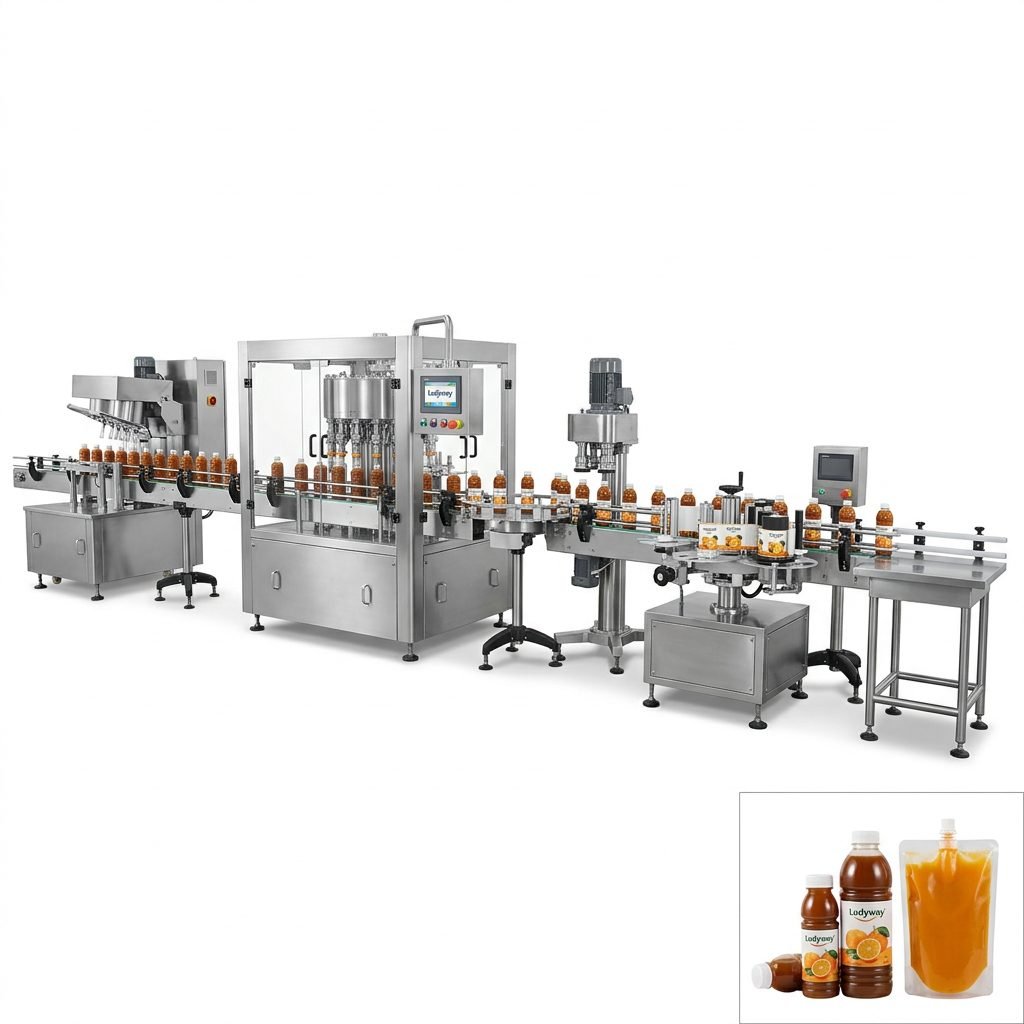
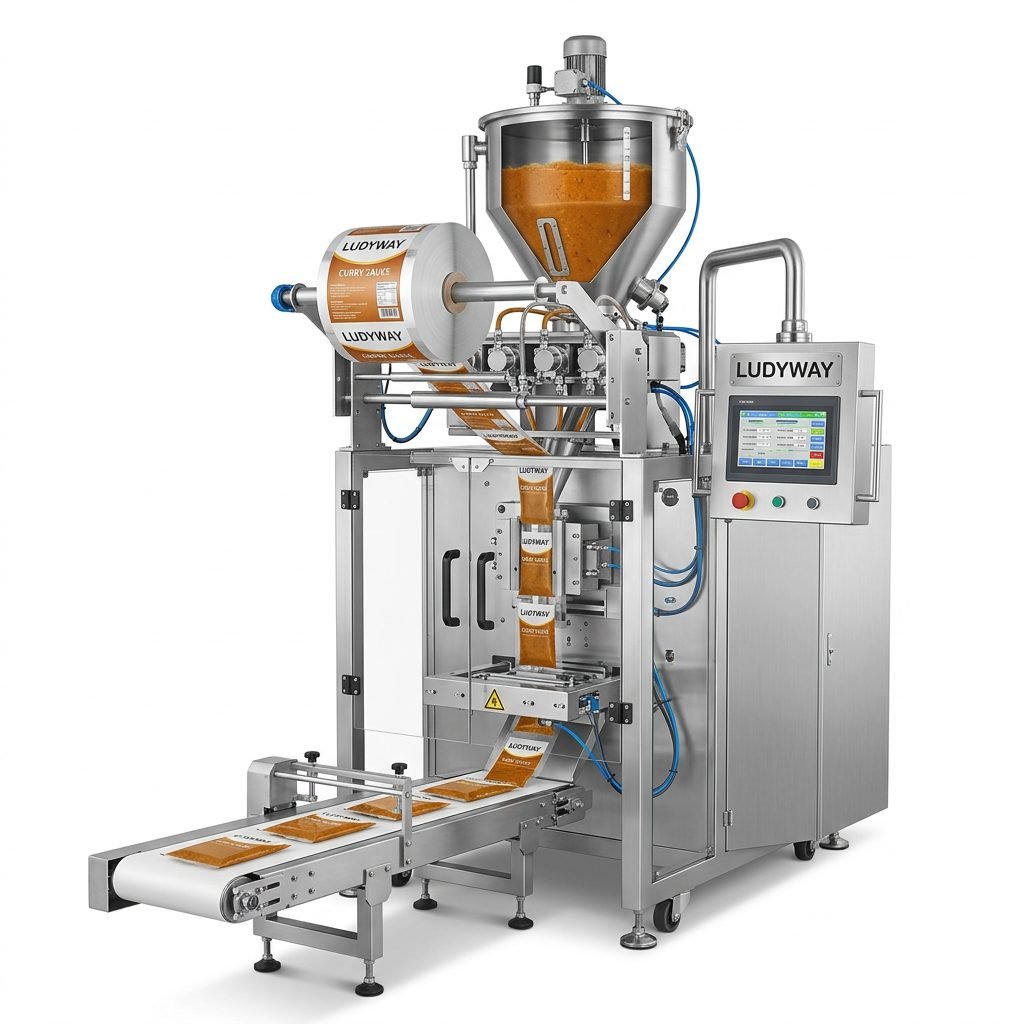
Horizontal packaging machines are a core solution in modern automated packaging, especially for products that need high-speed wrapping, sealing accuracy, and consistent pack appearance. From food bars and biscuits to medical supplies, cosmetics, and household products, these machines help manufacturers improve efficiency while maintaining product protection and shelf appeal.
In this guide, you will learn how a horizontal packaging machine works, its main benefits, where it is used, and how to choose the right system for your production needs.
What Is a Horizontal Packaging Machine?
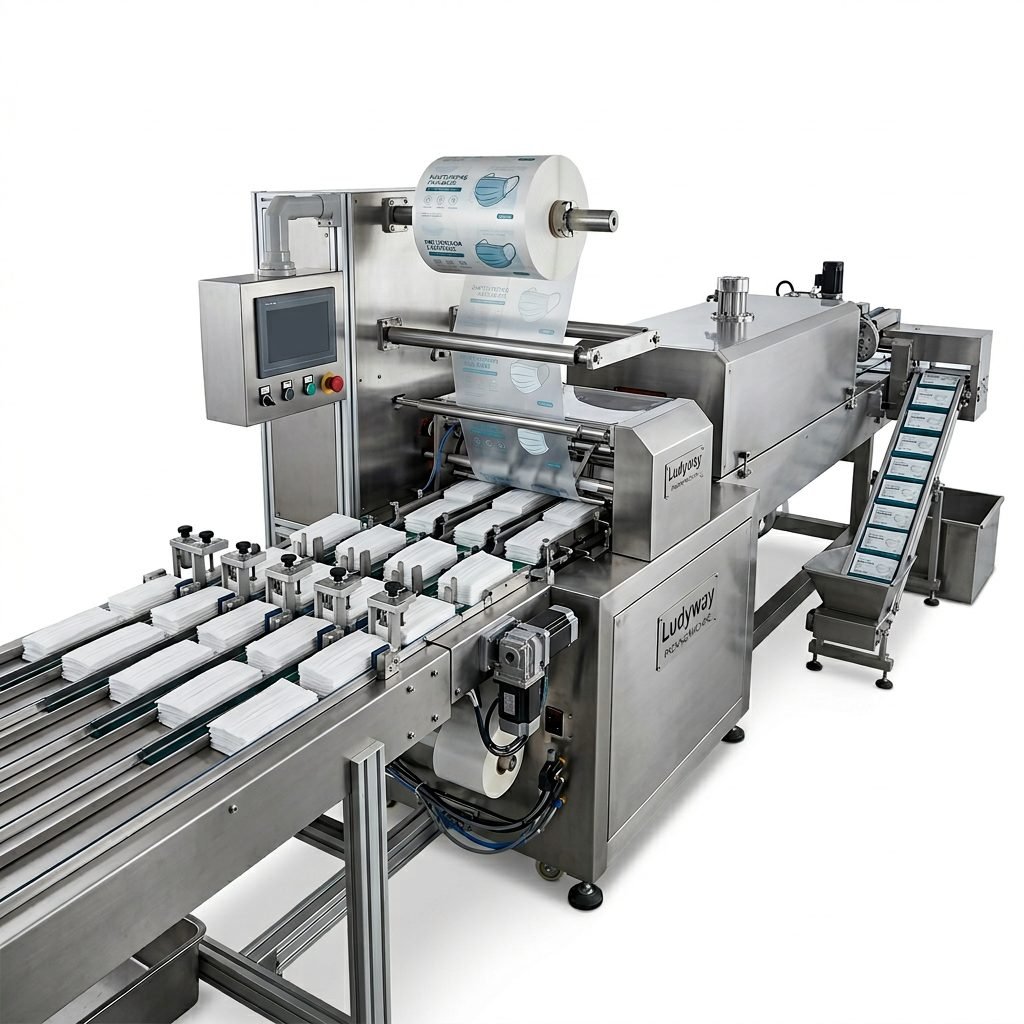
A horizontal packaging machine, often called a horizontal flow wrapper or HFFS machine, is an automated system that feeds products horizontally into packaging film, forms the film around the product, seals it, and cuts it into individual packs.
Unlike vertical packaging systems that fill products from top to bottom, horizontal machines are better suited for solid, regular-shaped, tray-based, or individually counted products. They are widely used when product presentation and gentle handling are important.
Typical packaged products include:
- Biscuits, bread, cakes, and chocolate bars
- Frozen foods and snack items
- Soap bars and personal care items
- Medical devices, masks, wipes, and bandages
- Hardware parts and consumer goods
How Does a Horizontal Packaging Machine Work?
The working principle is straightforward, but the machine integrates multiple synchronized actions to achieve stable high-speed packaging.
Step-by-step process
- Product feeding: Products are placed manually or automatically onto the infeed conveyor.
- Product spacing: A lug chain, pusher, or timing device separates products at equal intervals.
- Film unwinding: Packaging film is pulled from a roll and guided into the forming section.
- Film forming: The film wraps around the product through a forming box or forming shoulder.
- Longitudinal sealing: The machine creates a fin seal or lap seal along the length of the package.
- End sealing and cutting: Rotary sealing jaws make cross seals and cut each pack to length.
- Discharge: Finished packages move to downstream systems such as checkweighers, metal detectors, cartoners, or case packers.
In high-performance lines, all these actions are servo-controlled, allowing precise synchronization between product movement, film feed, sealing, and cutting.
Key components of the machine
- Infeed conveyor
- Product spacing system
- Film roll holder and tension control
- Forming box
- Longitudinal sealing unit
- Rotary end sealing jaws
- Cutting knife
- Control panel with HMI/PLC
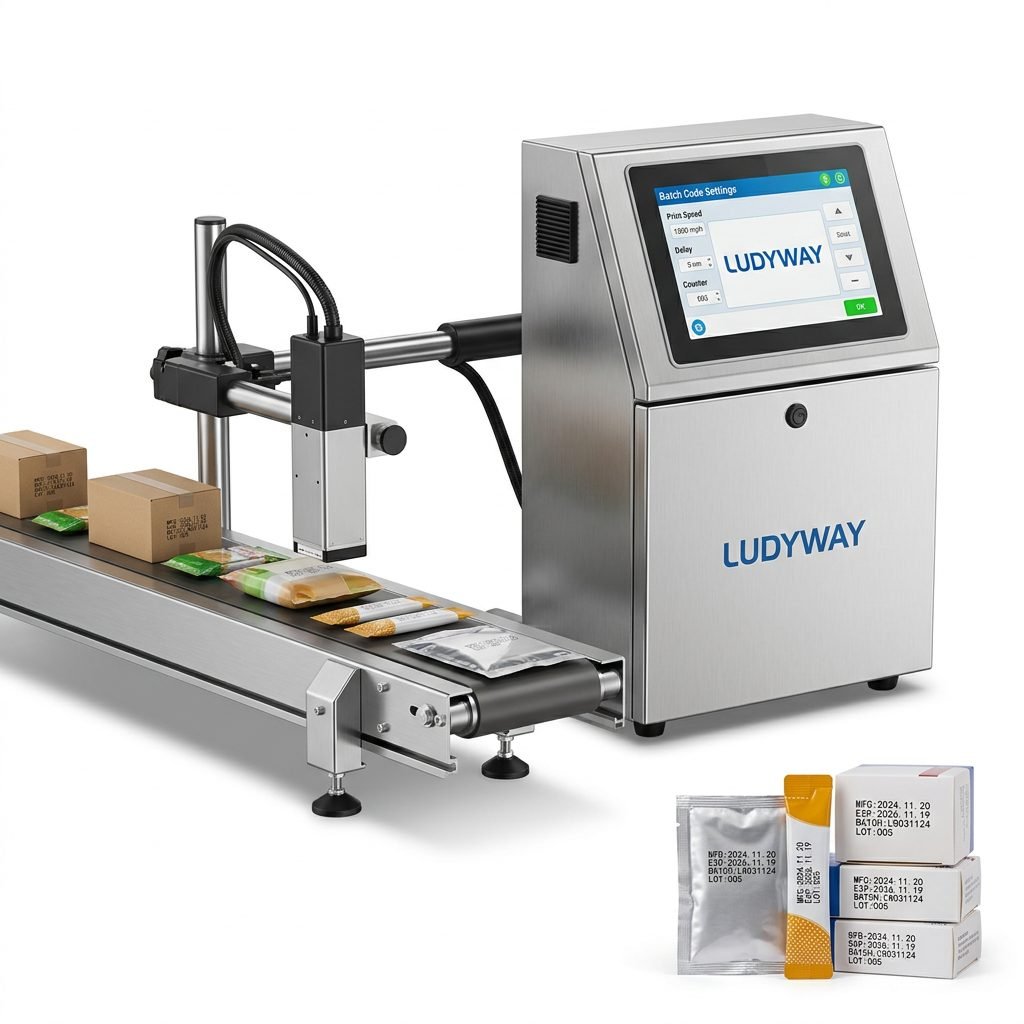
- Date coder or printer integration
- Optional inspection and rejection system
| Process Stage | Main Function | Why It Matters |
|---|---|---|
| Feeding | Moves products into the packaging zone | Ensures stable product flow |
| Film forming | Wraps film around the product | Creates pack structure and appearance |
| Longitudinal sealing | Seals the length of the package | Prevents leakage and improves integrity |
| End sealing | Seals both ends and separates packs | Finalizes pack quality and speed |
| Discharge | Transfers packed products onward | Supports full-line automation |
Types of Horizontal Packaging Machines
Horizontal packaging machines come in different configurations depending on product type, speed requirement, and sealing method.
Common machine types
- Standard flow wrapper: For biscuits, bread, candy, soap, and regular consumer goods
- Tray flow wrapper: For products loaded in trays, such as meat, produce, or medical kits
- Modified atmosphere packaging machine: For products requiring gas flushing for shelf-life extension
- Medical horizontal wrapper: For sterile barrier and hygienic packaging applications
- High-speed servo flow wrapper: For large-volume automated production
Major Benefits of Horizontal Packaging Machines
1. High packaging speed
Horizontal systems can package products continuously at high speeds, making them ideal for medium- to large-scale production. When paired with automatic feeding and discharge equipment, they significantly increase total line throughput.
2. Better product presentation
For retail packaging, appearance matters. Horizontal wrapping produces neat, uniform, attractive packs that improve shelf impact and brand image.
3. Versatility across industries
One machine platform can often handle multiple products with the right change parts and parameter settings. This makes it suitable for companies with changing SKUs or seasonal product lines.
4. Reduced labor cost
Automation lowers the need for repetitive manual packaging work. This helps businesses reduce labor dependency while improving output consistency.
5. Improved seal quality and protection
Reliable sealing helps protect products from contamination, moisture, tampering, and damage during transportation and storage.
6. Easy integration into full lines
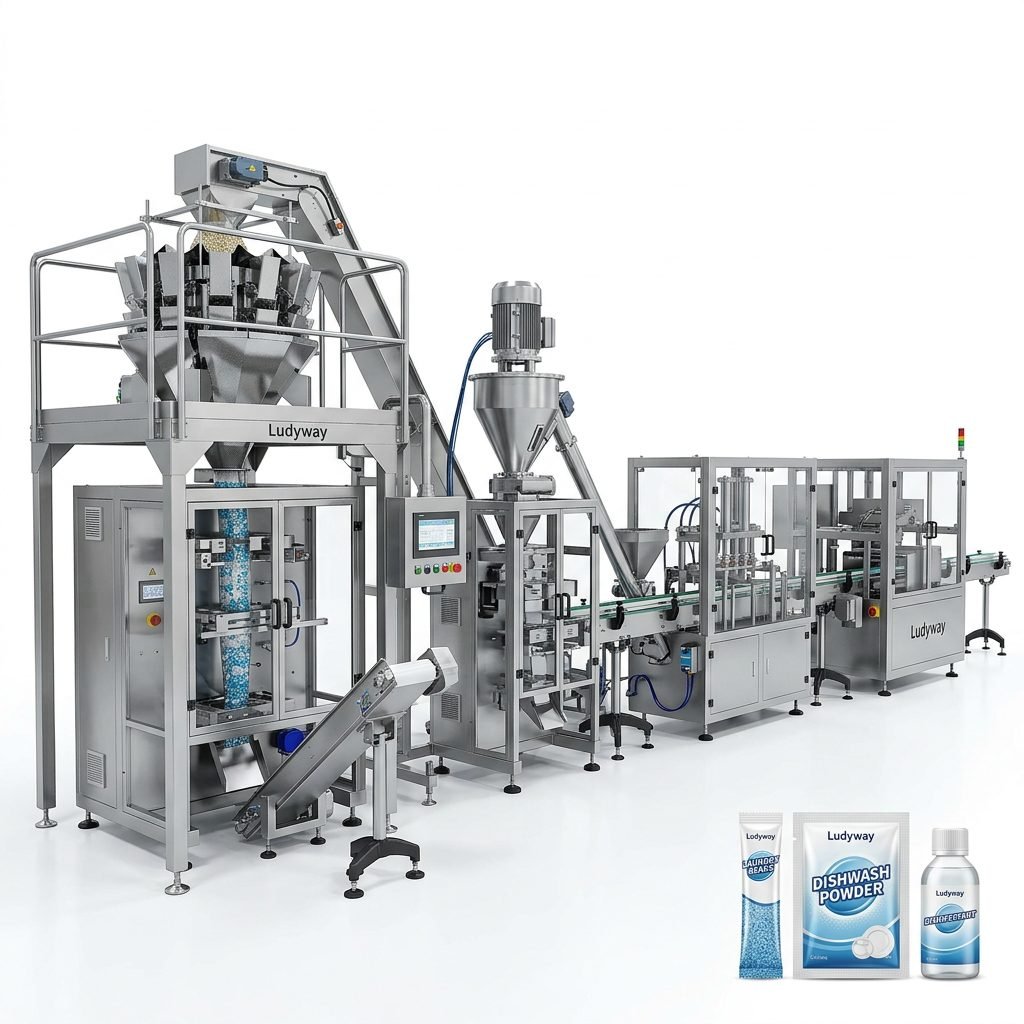
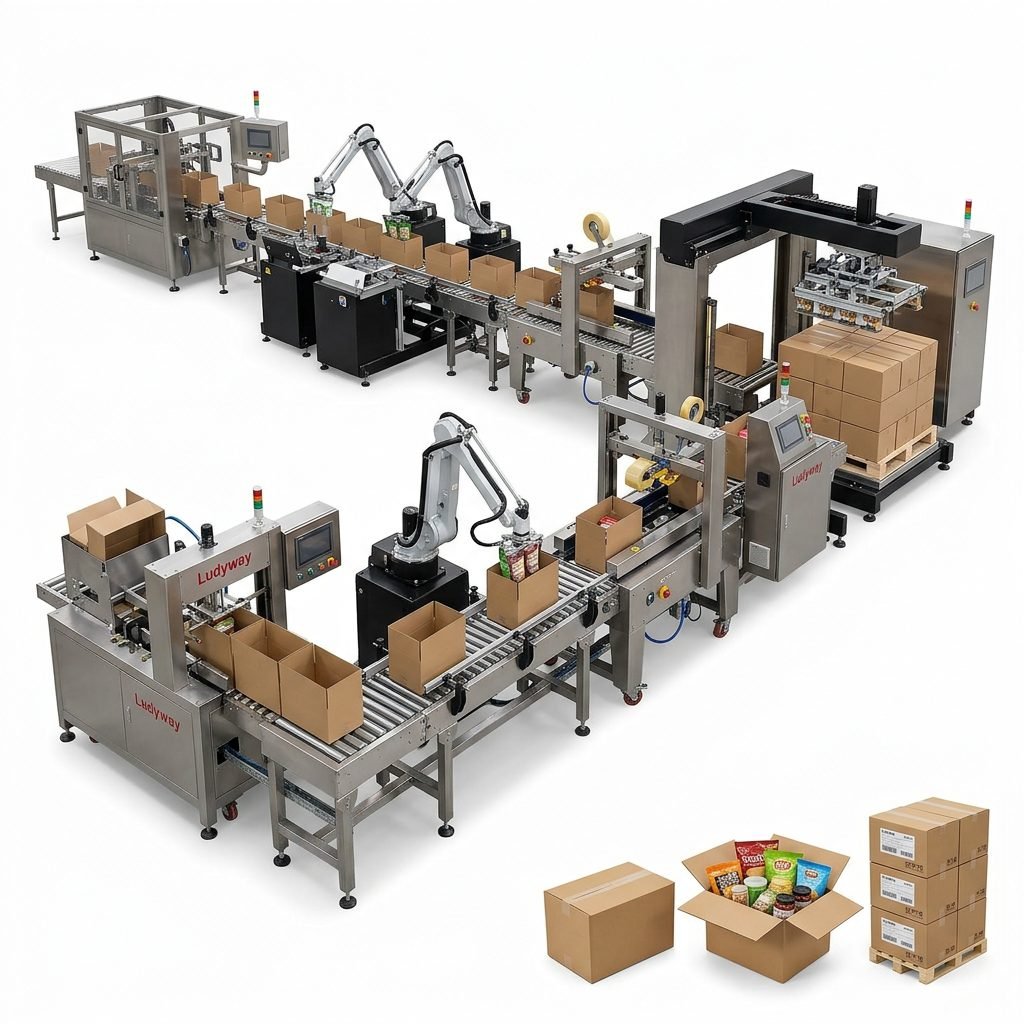
Horizontal packaging machines can be connected with upstream and downstream systems such as feeders, printers, inspection devices, cartoners, and palletizers for a complete packaging workflow.

Horizontal vs. Vertical Packaging Machines
Many buyers compare horizontal and vertical systems before investing. The best choice depends on product shape, packaging format, and automation goals.
| Feature | Horizontal Packaging Machine | Vertical Packaging Machine |
|---|---|---|
| Best for | Solid, regular-shaped, counted items | Powders, granules, liquids, free-flowing products |
| Feeding direction | Horizontal | Vertical |
| Package appearance | Excellent retail presentation | Efficient and compact bag formats |
| Product handling | Gentle for delicate solid items | Ideal for drop-fill applications |
| Common formats | Pillow packs, flow wraps, tray wraps | Pouches, sachets, stick packs |
Applications of Horizontal Packaging Machines
Food industry
Food manufacturers use horizontal flow wrappers for a wide range of products, including bakery goods, confectionery, frozen food portions, instant noodles, sandwiches, and snack bars. These machines help maintain freshness and support large-scale retail packaging.
Pharmaceutical and medical industry
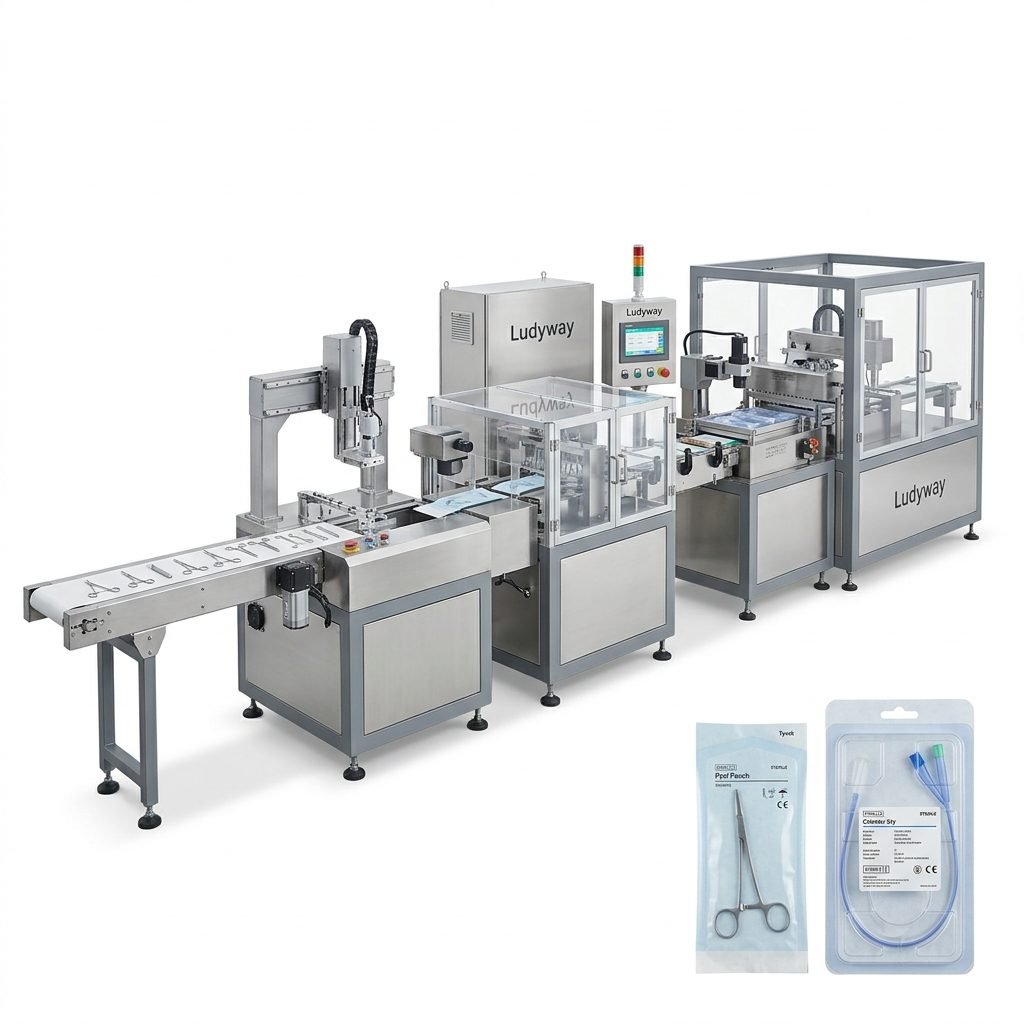
In medical packaging, horizontal machines are used for masks, bandages, wipes, syringes, test kits, and sterile items. Accurate sealing and hygienic design are especially important in these applications.
Cosmetics and personal care
Products such as facial masks, soap bars, wet wipes, and skincare kits can be wrapped efficiently while maintaining an attractive consumer-ready look.
Household and industrial goods
Hardware, tools, accessories, and consumer items are also commonly packed with horizontal systems, especially when individual wrapping or grouped flow wrapping is required.
What to Consider Before Buying a Horizontal Packaging Machine
Product characteristics
- Size, shape, and weight of the product
- Fragility and surface sensitivity
- Single-piece or multi-pack arrangement
Packaging material
- OPP, BOPP, laminated films, paper-based films, or recyclable materials
- Heat-seal properties and film thickness
- Print registration requirements
Production speed
Choose a model that matches your current capacity and allows room for future growth. A machine that is too small may quickly become a bottleneck.
Automation level
Consider whether you need manual feeding, semi-automatic feeding, or fully automatic product loading integrated with upstream equipment.
Changeover and flexibility
If you package multiple SKUs, easy recipe storage, tool-free adjustment, and servo positioning can save significant setup time.
After-sales support
Reliable service, spare parts access, remote support, and technical training are essential for long-term machine performance.
Optional Features That Add Value
- Servo-driven motion control
- Auto film tracking with registration mark sensor
- No product, no bag function
- Date printing and coding integration
- Nitrogen flushing or MAP system
- Metal detection and checkweighing
- Auto reject device for defective packs
- Cartoning and case packing connection
Maintenance Tips for Better Performance
Regular maintenance helps keep sealing quality, speed stability, and machine lifespan at a high level.
- Clean sealing jaws and film path daily
- Inspect belts, chains, and bearings regularly
- Check film tension and tracking accuracy
- Lubricate moving parts according to the manual
- Calibrate sensors and temperature settings when changing film
- Train operators on correct setup and troubleshooting
Who Should Invest in a Horizontal Packaging Machine?
A horizontal packaging machine is a strong choice for businesses that:
- Need fast, continuous wrapping of solid products
- Want better shelf presentation and pack consistency
- Plan to upgrade from manual or semi-automatic packaging
- Require integration into a complete automated line
- Need stable sealing quality for food, medical, or retail packaging
Choosing the Right Packaging Partner
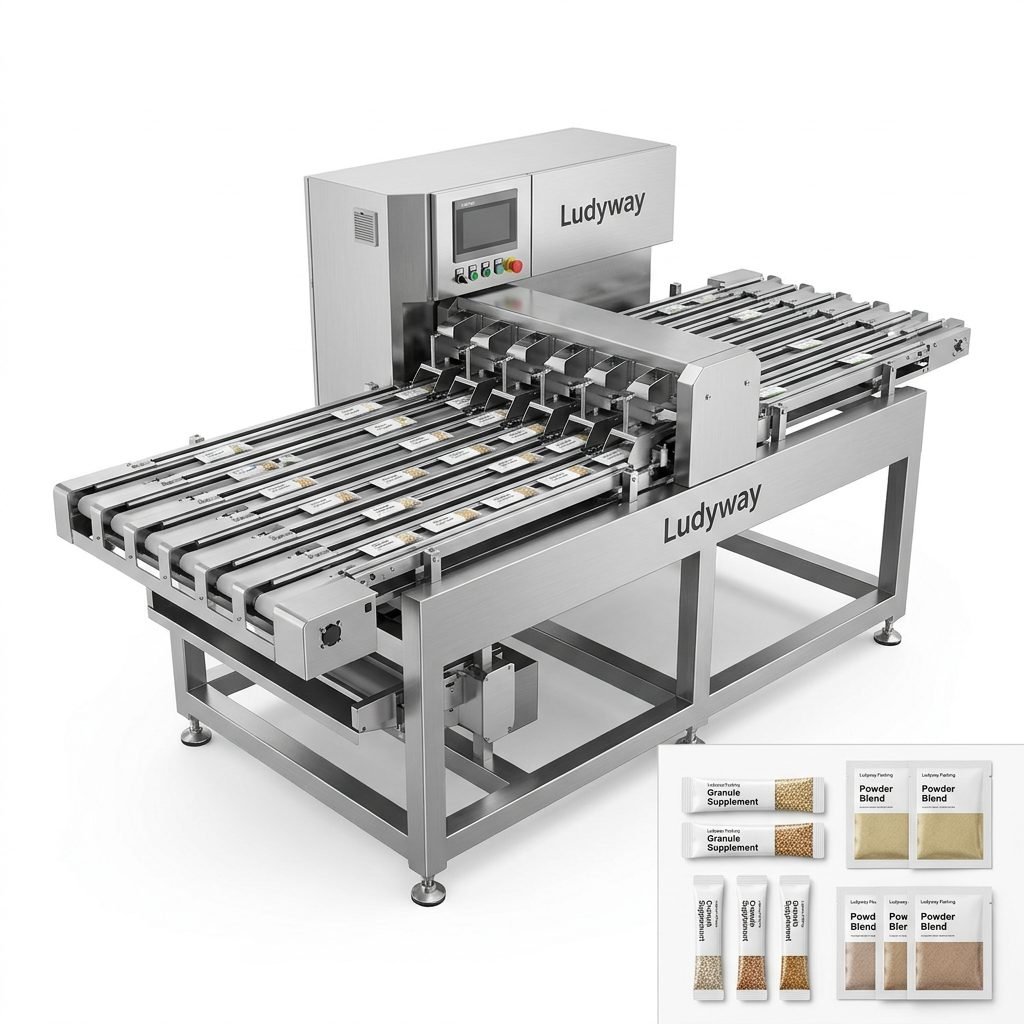
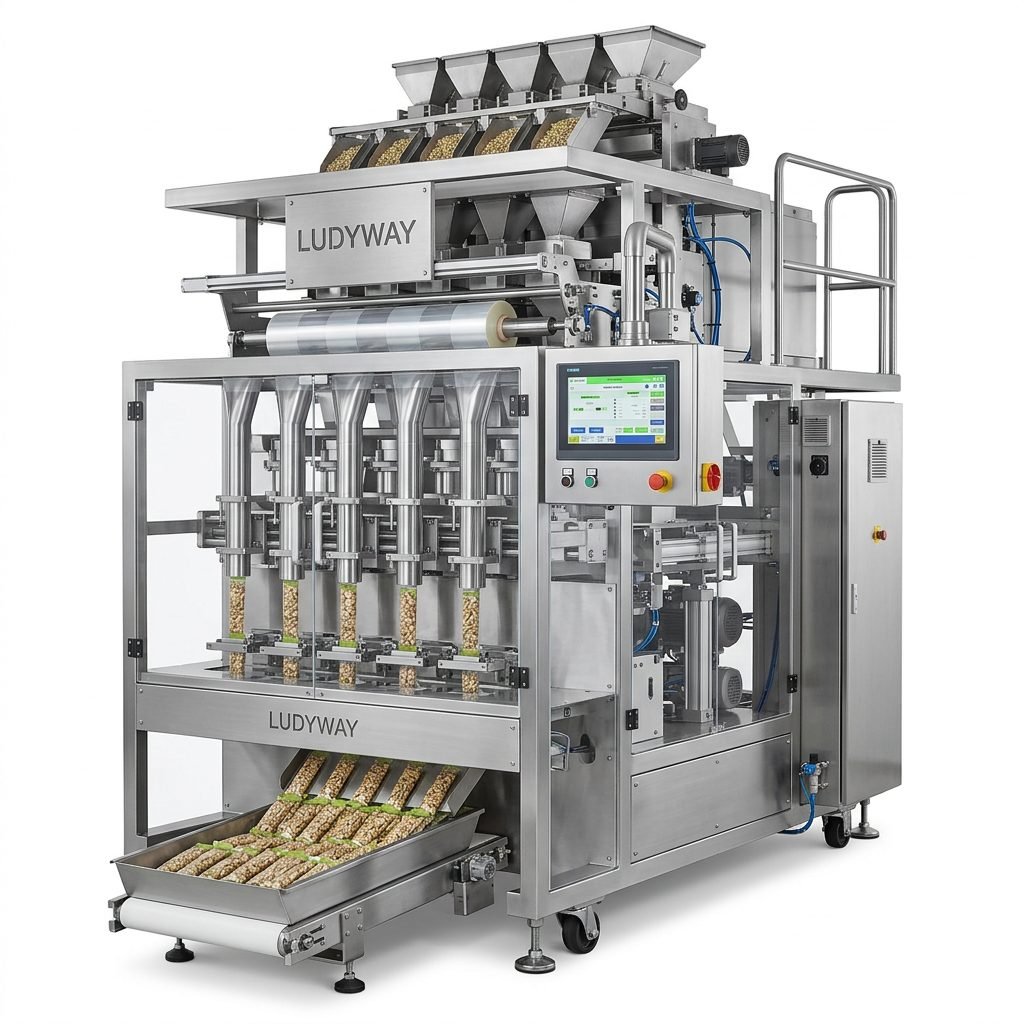
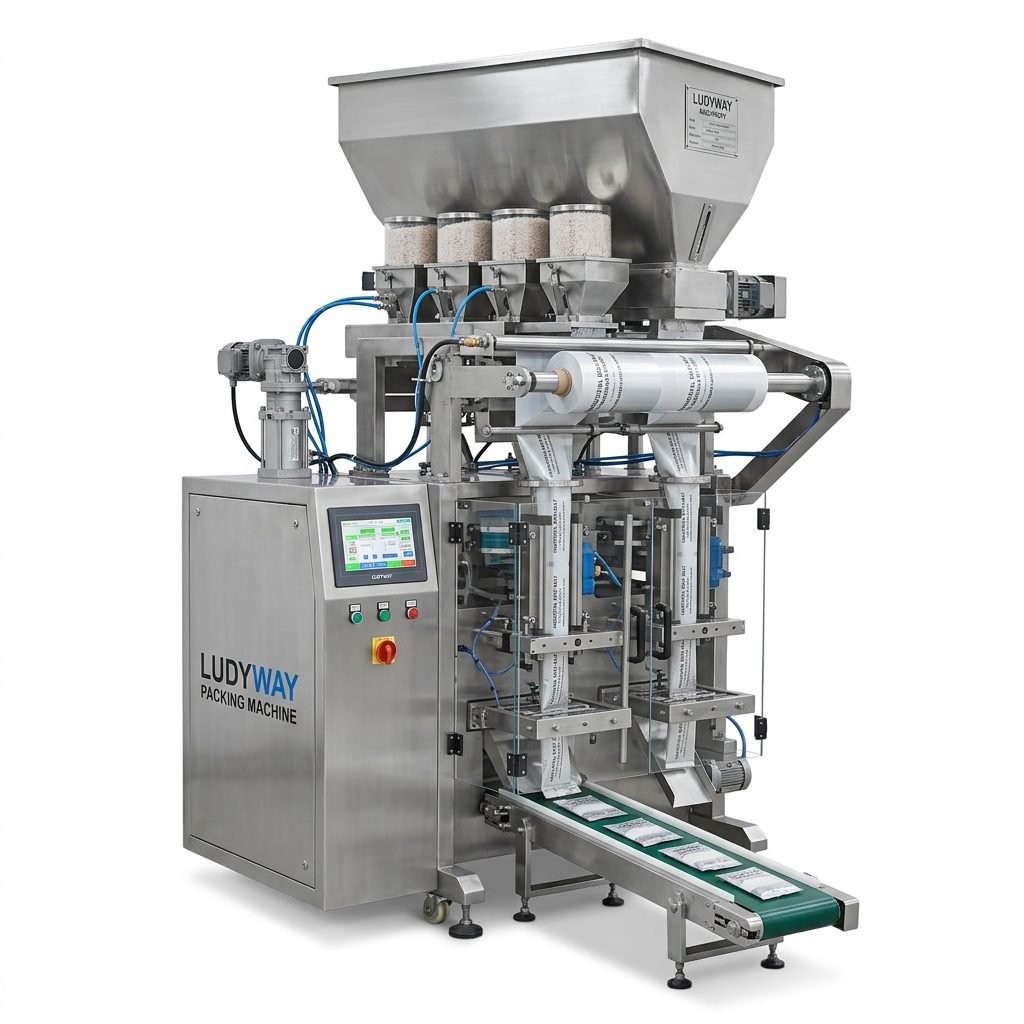
Beyond the machine itself, the supplier’s engineering ability, customization experience, and export service capability can strongly affect project success. For companies seeking packaging automation, Ludyway horizontal packaging machine solutions are backed by more than 30 years of manufacturing experience, a broad product portfolio, and turnkey line integration capabilities for food, pharmaceutical, health supplement, and related industries.
Final Thoughts
Horizontal packaging machines play an important role in modern production by combining speed, flexibility, attractive packaging results, and automation compatibility. They are especially suitable for solid and regularly shaped products that need reliable wrapping and sealing.
If you are planning a new packaging line or upgrading an existing one, understanding how a horizontal packaging machine works and where it fits best can help you make a more cost-effective and scalable investment.