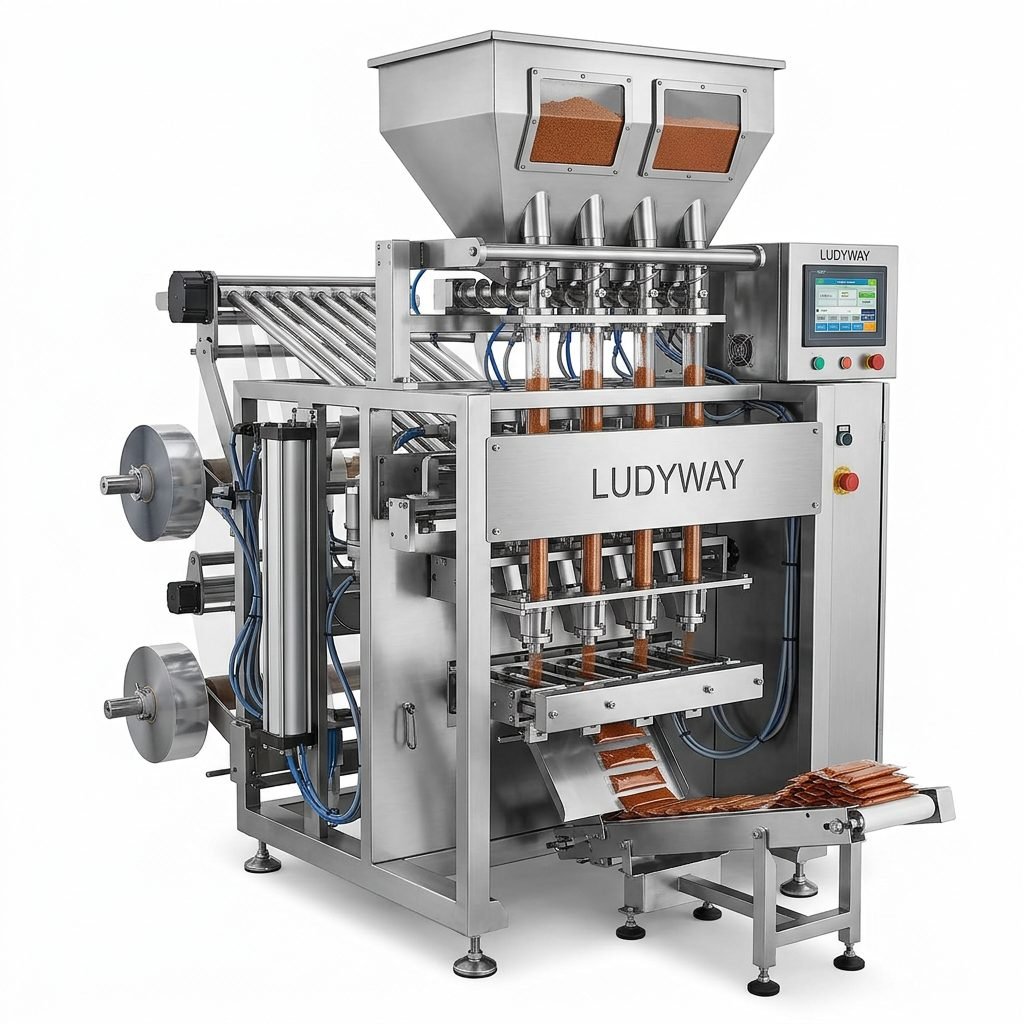
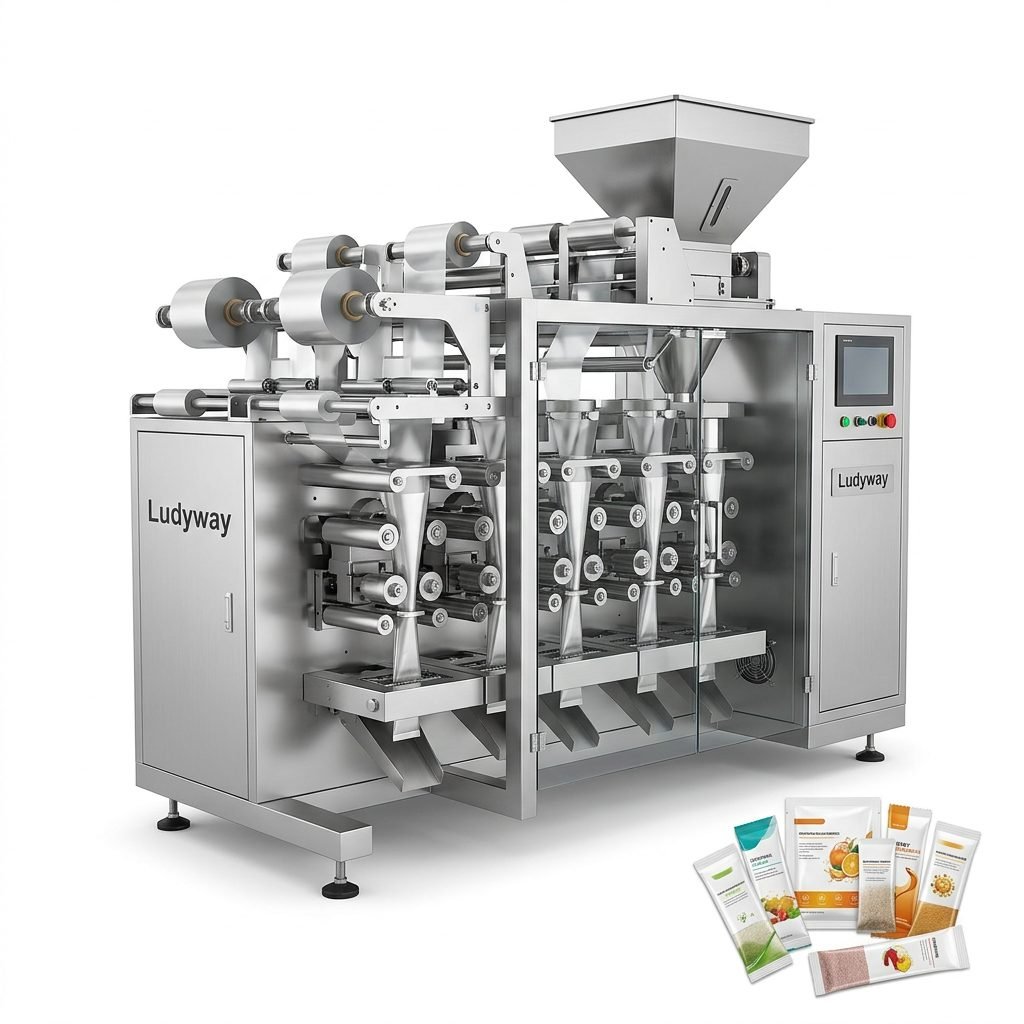
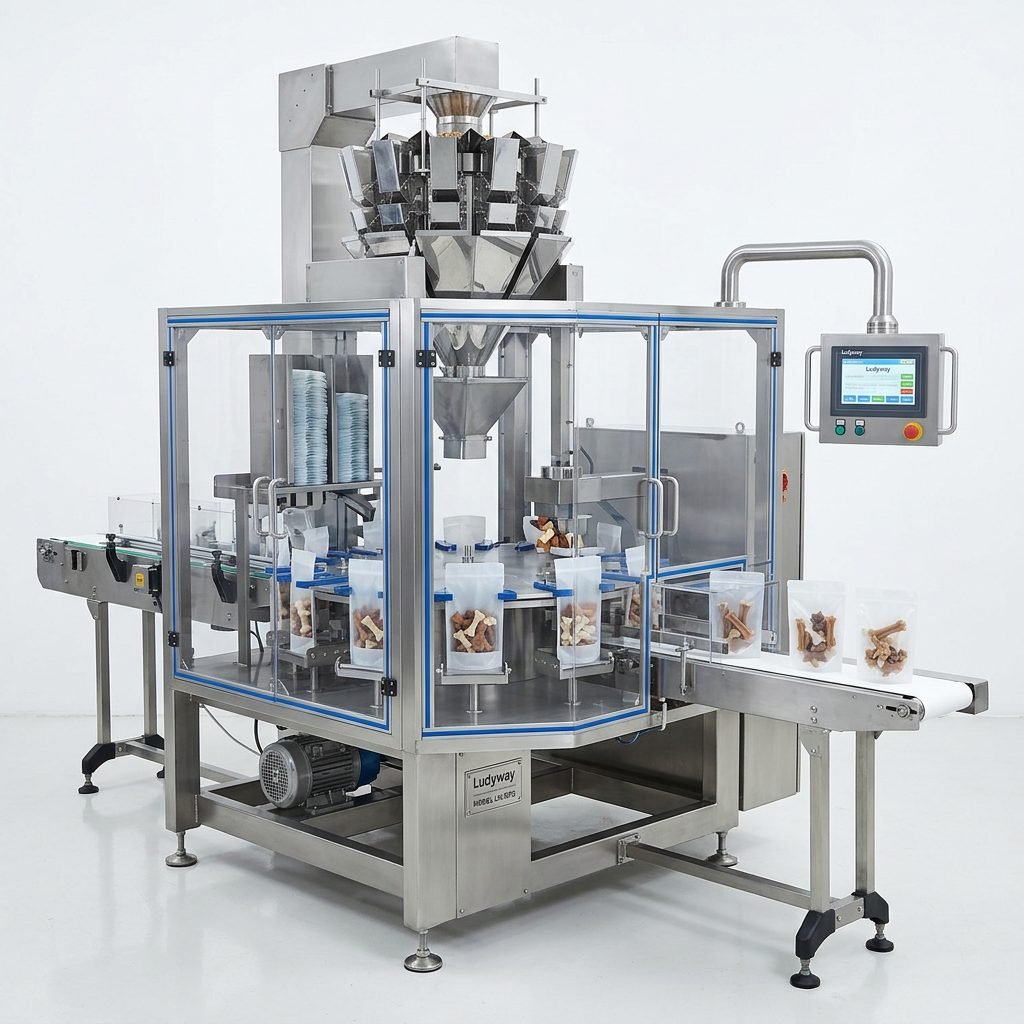
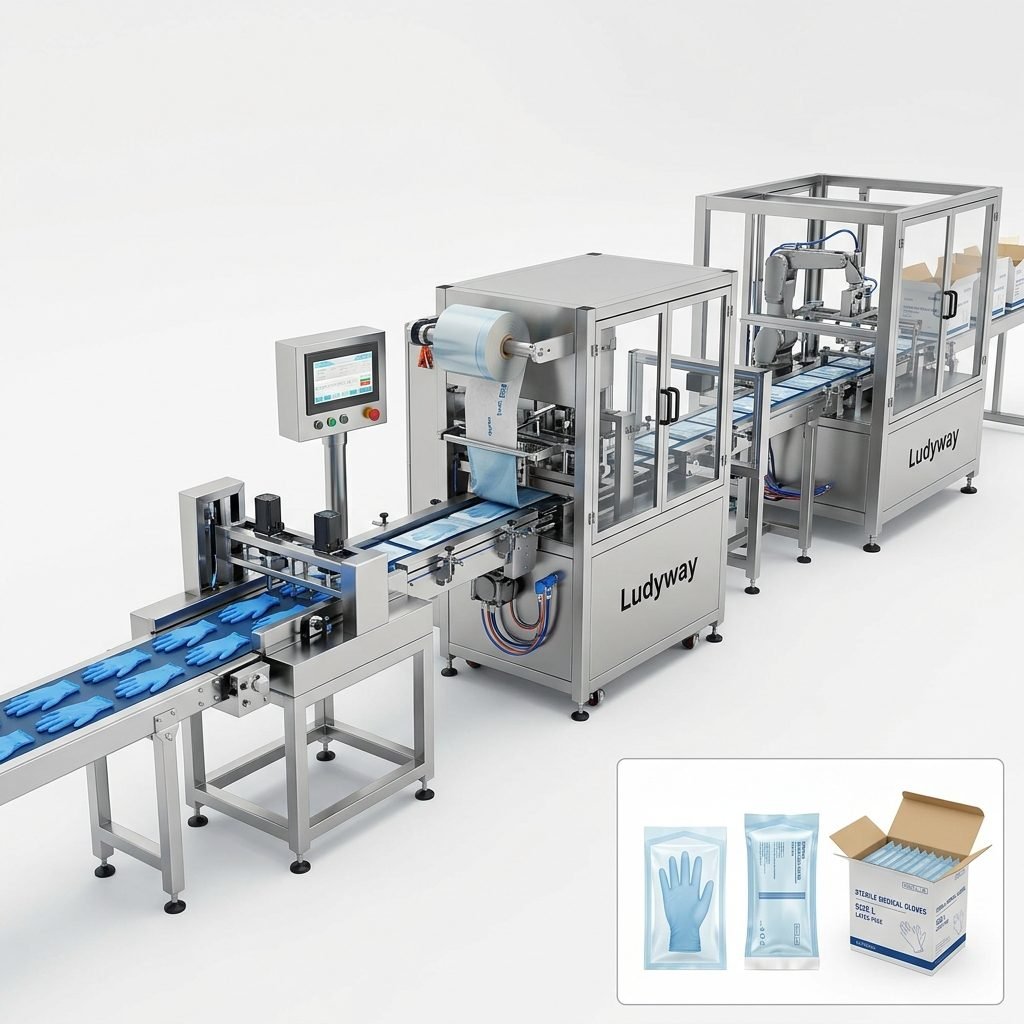
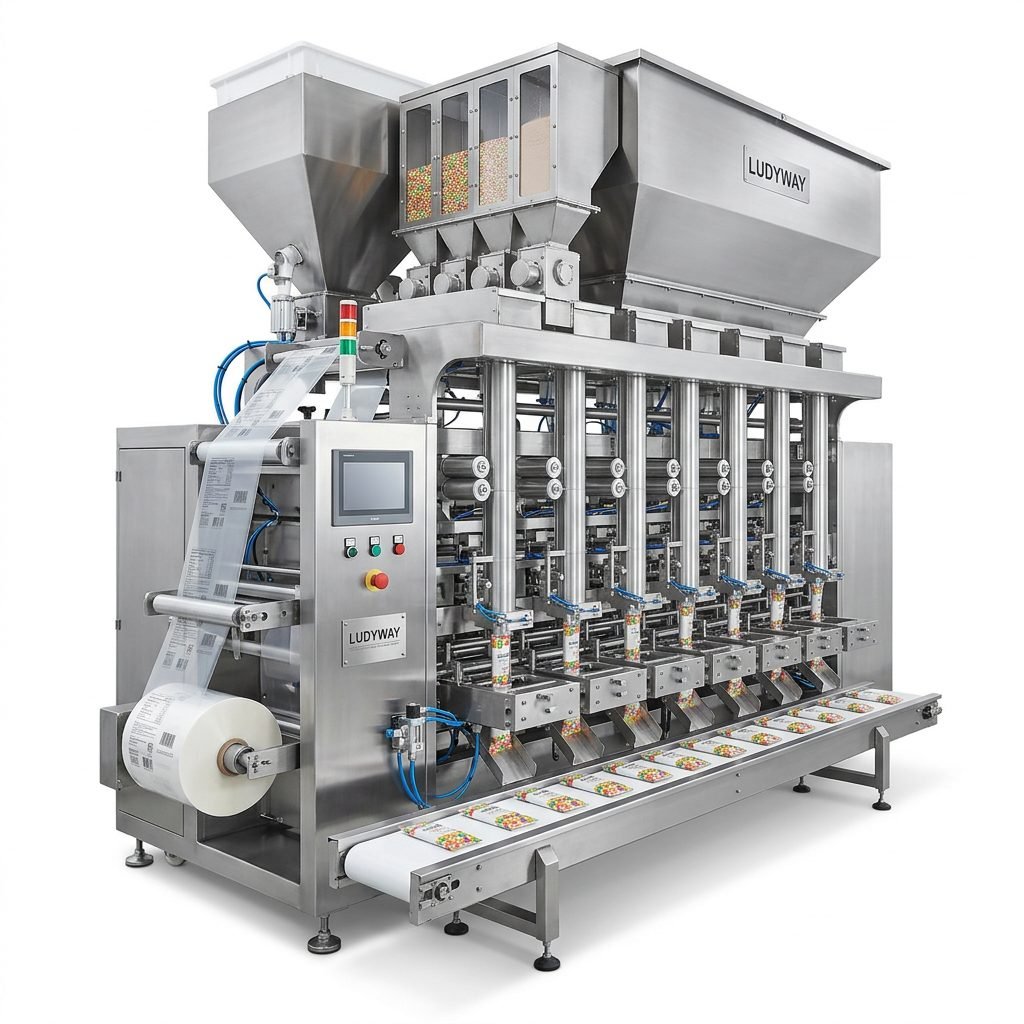
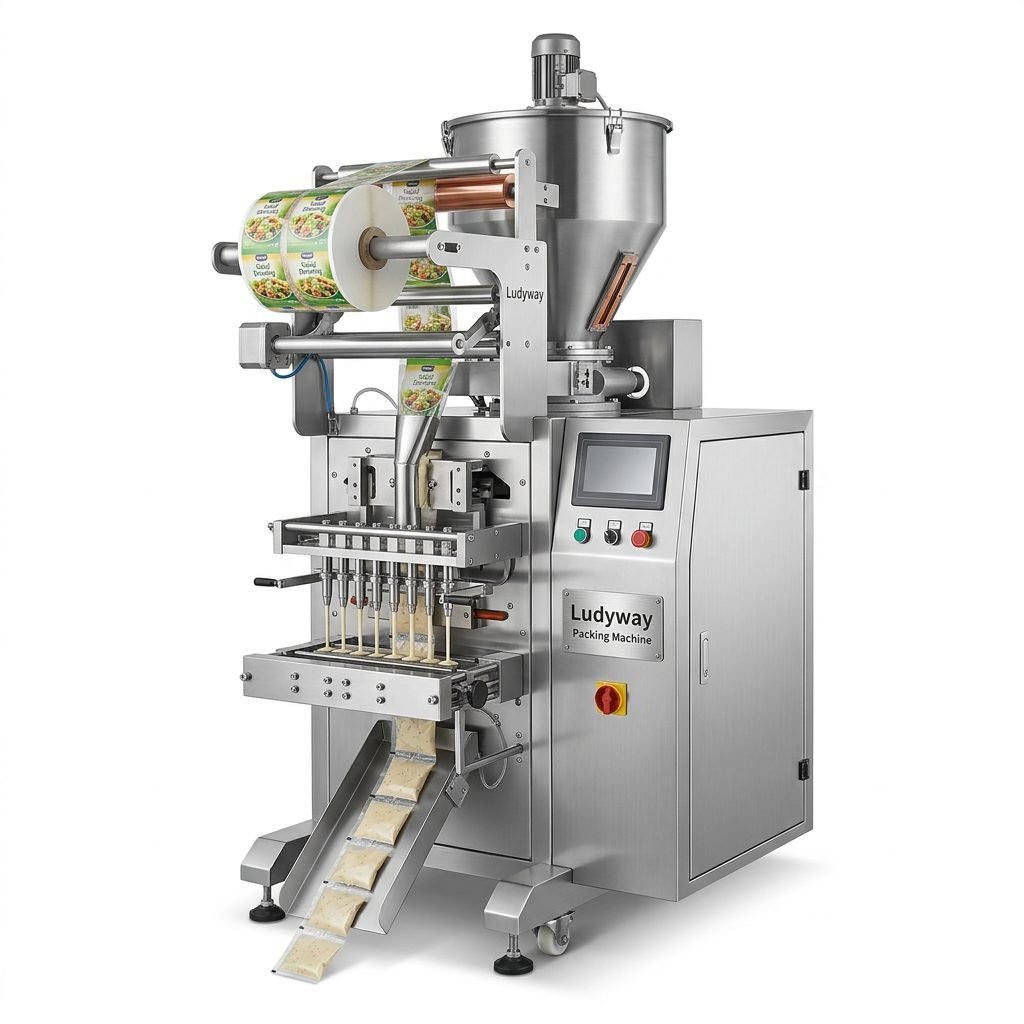
Selecting the right automatic weigh filler packaging machine is a critical decision for any production line in the food, pharmaceutical, or chemical industries. This comprehensive guide will walk you through the key factors to consider, ensuring you choose a filling solution that boosts your efficiency, accuracy, and overall profitability.
Understanding Weigh Filler Packaging Machines
An automatic weigh filler is a precision machine designed to dispense products by weight rather than volume. This is essential for products where consistency and compliance with net weight regulations are paramount. The core principle involves a weighing system—often using highly accurate load cells—that communicates with the filling mechanism to stop the flow once the target weight is achieved.
Key Takeaway:
Unlike volumetric fillers, weigh fillers account for product density variations, ensuring every package contains the exact specified weight, which minimizes giveaway and ensures regulatory compliance.
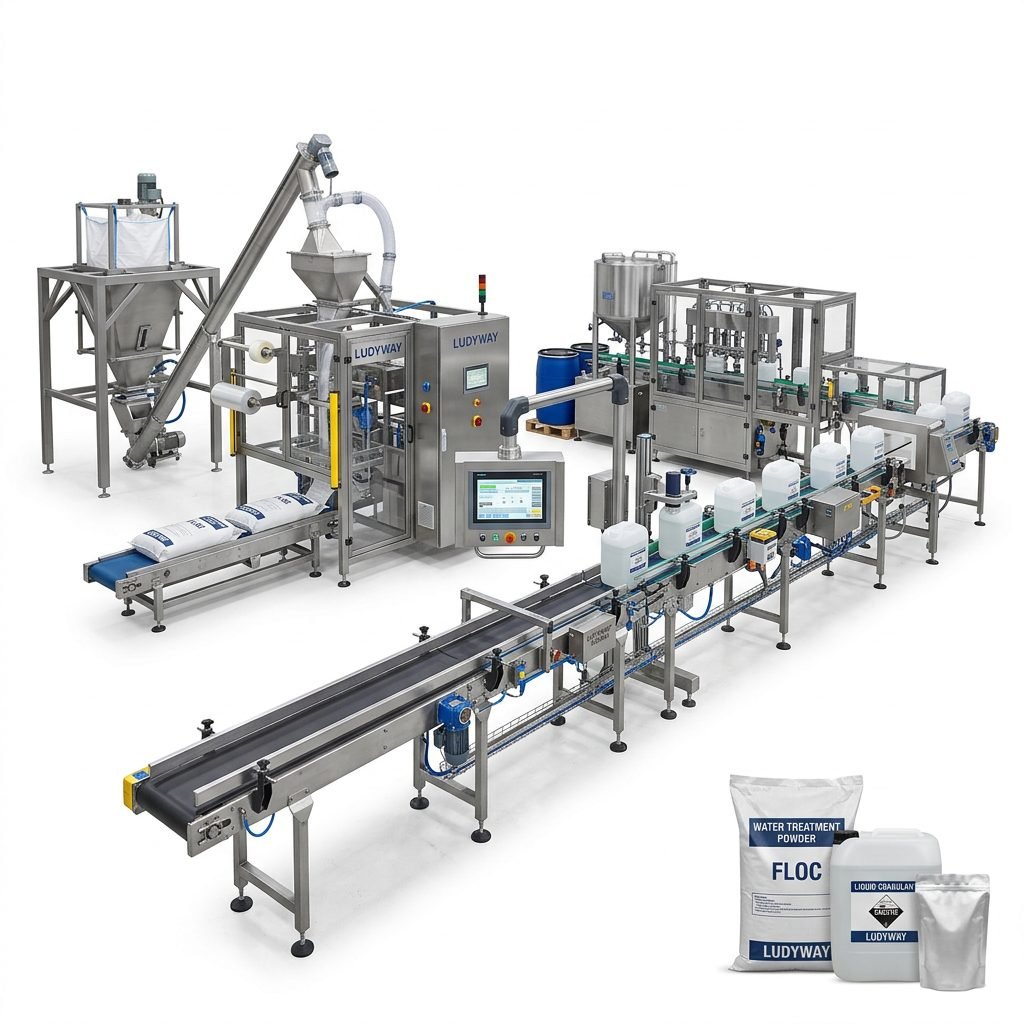
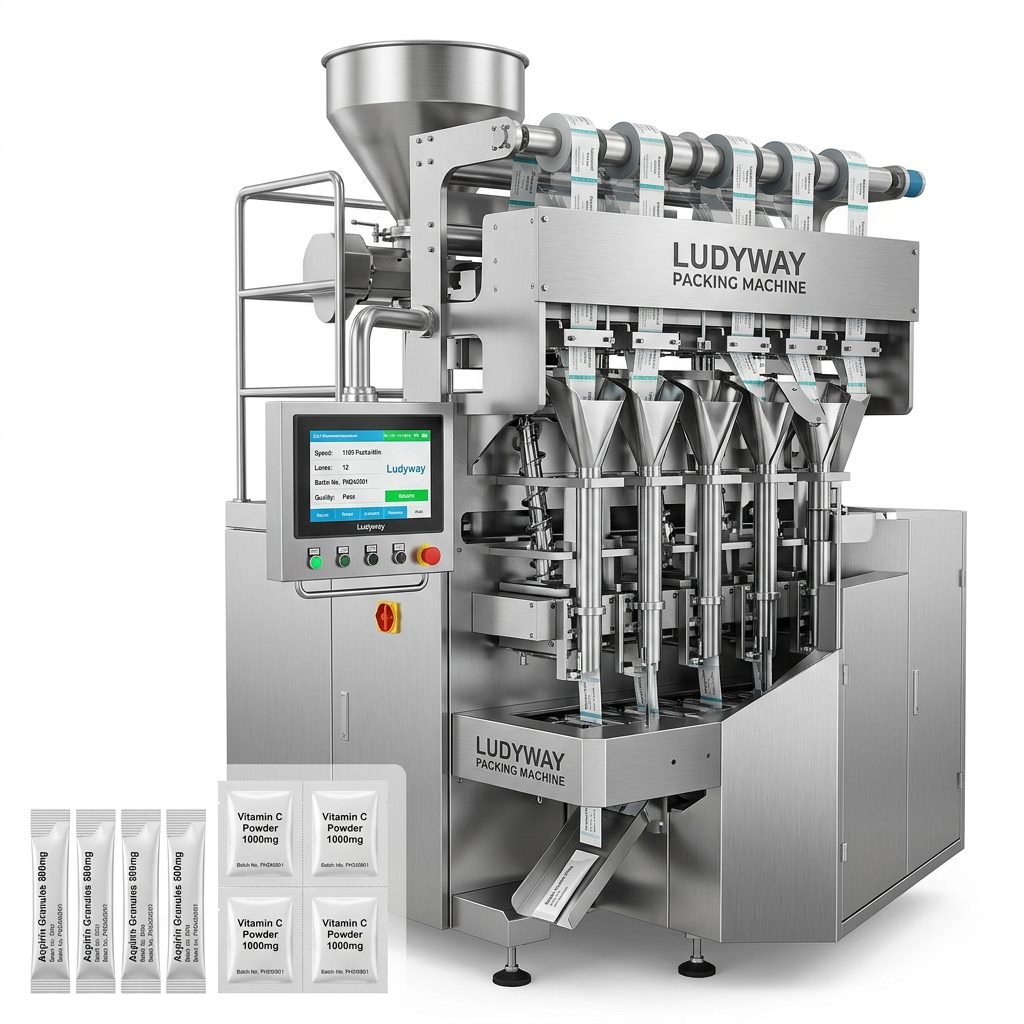
Core Components of a Modern Weigh Filler
A typical system integrates several subsystems:
- ✓ Product Hopper & Feeding System: Supplies product to the weighing area.
- ✓ Weighing Bucket or Platform: Equipped with sensitive load cells for real-time weight measurement.
- ✓ Filling Nozzle/Valve: Precisely controls the discharge of product into containers.
- ✓ Control System (PLC/HMI): The brain of the operation, allowing for recipe management, data logging, and system control.
- ✓ Conveying System: Transports containers to and from the filling point.
How to Choose the Right Automatic Filling Solution
Your choice must align with your specific operational needs. Follow this decision framework.
1. Analyze Your Product Characteristics
The nature of your product is the foremost consideration.
- Physical Form: Is it a free-flowing granule, a fine powder, a sticky paste, or a liquid? Each requires different handling mechanisms.
- Bulk Density & Aeration: Powders can aerate, affecting volumetric flow. Weight-based filling negates this issue.
- Hygiene & Corrosiveness: Food and pharmaceutical products demand stainless steel (e.g., SS304, SS316) contact parts and sanitary design.
2. Define Your Production Requirements
Quantify your needs to match machine capabilities.
Target Speed (Packages Per Minute – PPM): Calculate based on your shift output. Single-head fillers suit lower volumes, while multi-head rotary fillers are needed for high-speed lines.
Required Accuracy (Tolerance): What is your acceptable weight deviation? Pharmaceutical applications often require tighter tolerances (±0.1% or better) than bulk food items.
Container Type & Size Range: The machine must accommodate your jars, pouches, cans, or bottles, including potential future changes in size.
3. Evaluate Weighing Technology & Machine Type
Different technologies suit different speed-accuracy profiles.
- Gross Weighing: The container is weighed before and during filling. Excellent for fragile containers and high-accuracy needs across diverse container weights.
- Net Weighing: The product is weighed in a separate bucket before being discharged into the container. Typically allows for higher speeds.
- Combination (Hybrid) Systems: Use a coarse volumetric fill for most of the product, followed by a fine weight-based top-off for ultimate speed and precision.
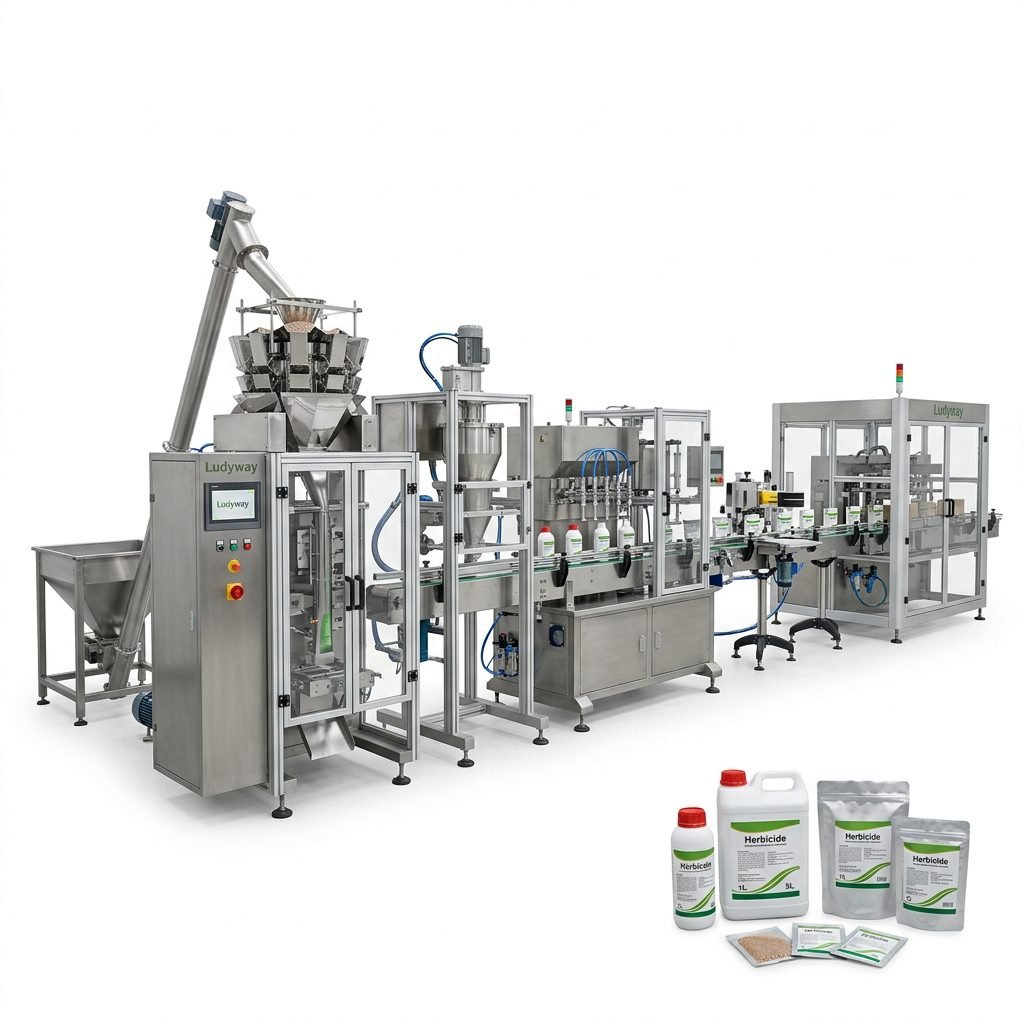
For comprehensive production line integration, exploring complete packaging line solutions from a single provider can streamline compatibility and service.
4. Prioritize Hygiene, Safety, and Compliance
Your industry dictates the standards.
Food & Pharma: Look for machines with easy-clean designs, minimal dead spaces, and documentation for standards like FDA, cGMP, or EHEDG. Chemical: Explosion-proof (ATEX) components may be necessary for volatile materials.
5. Consider Integration and Future-Proofing
The machine should not be an island.
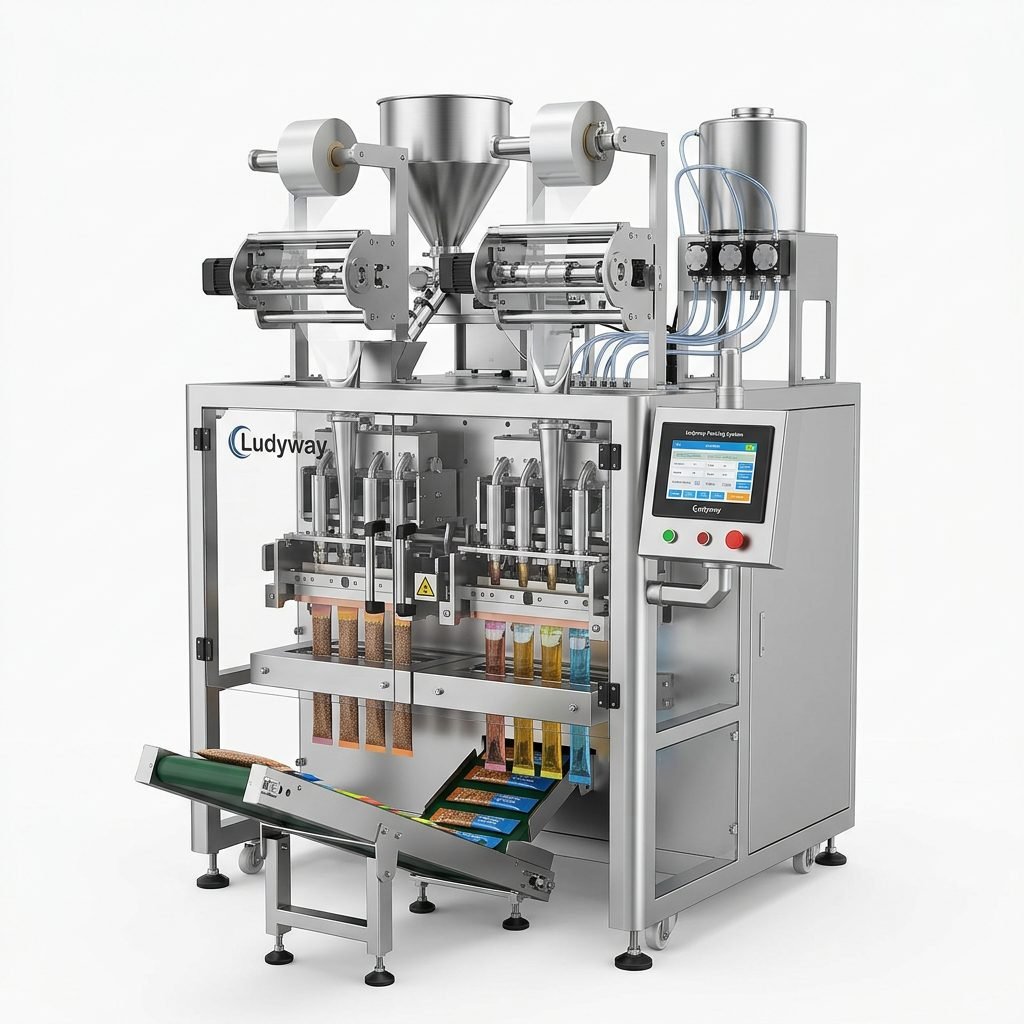
Integration Capability: Can it communicate with upstream feeders and downstream cappers or sealers via PLC? Modern intelligent packaging machines offer seamless connectivity.
Flexibility & Scalability: Can the system handle a range of products and container sizes with quick changeovers? Consider future business growth when selecting a model.
6. Assess Supplier Credentials and Support
The manufacturer is as important as the machine. A partner like Ludyway Machinery, with decades of experience, brings invaluable expertise. Evaluate their:
- Industry Experience & Reputation: Look for a proven track record in your specific sector.
- Technical Support & Spare Parts: Ensure prompt local or global service is available.
- Customization Ability: Can they tailor the solution to your unique challenge?
The Benefits of Automating Your Filling Process
Investing in the right automatic weigh filler delivers tangible ROI:
→ Unmatched Accuracy & Consistency: Eliminates product giveaway (overfilling) and costly underfilling complaints, ensuring compliance.
→ Dramatically Increased Productivity: Machines fill hundreds of containers per minute, far surpassing manual or semi-automatic operations.
→ Enhanced Operational Safety: Reduces direct worker contact with machinery and repetitive strain injuries.
→ Improved Hygiene & Traceability: Closed systems reduce contamination risk. Digital data logging aids in quality control and recall management.
→ Long-Term Cost Reduction: Lowers labor costs, minimizes material waste, and reduces losses from recalls or rejected batches.
Common Questions (FAQs)
What is the main difference between a weigh filler and a volumetric filler?
A weigh filler dispenses product based on mass (weight), making it insensitive to changes in product density or flow characteristics. A volumetric filler dispenses based on volume (e.g., by cup, auger, or piston), which can lead to weight variations if the product’s density changes. Weigh fillers are generally more accurate for weight-critical applications.
How do I choose between a single-head and a multi-head weigh filler?
The choice is primarily driven by your required output speed (PPM). Single-head fillers are ideal for low to medium-speed production, pilot plants, or products with very long fill times. Multi-head rotary fillers, with 8, 12, 16, or more weighing heads operating simultaneously, are designed for high-speed, mass-production environments.
What level of accuracy can I expect from an automatic weigh filler?
Accuracy depends on the product, machine type, and target weight. For most free-flowing granules and powders, modern weigh fillers can consistently achieve accuracies within ±0.1% to ±0.5% of the target weight. High-precision systems for pharmaceuticals or precious materials can do even better. Always discuss your specific tolerance requirements with the machine supplier.
Can one weigh filler handle different products and container sizes?
Yes, most modern automatic weigh fillers are designed for flexibility. Quick-change parts for nozzles and clamps, along with saved recipes in the PLC, allow for relatively fast changeovers between different products and container formats. The degree of ease and speed varies by machine design, so this is a key point to discuss during selection.
What is the typical lead time for a custom automated filling line?
Lead times vary significantly based on complexity, customization, and supplier capacity. A standard machine might be delivered in 8-12 weeks, while a fully custom, integrated turnkey line can take 4-6 months or more from order to factory acceptance test. Planning ahead and engaging with your supplier early in the project timeline is crucial.